


Carbonia
 Plains
What to see in Carbonia: 28,684 residents, rationalist architecture, and Nuragic sites in Sulcis Iglesiente. Plan your visit to the Coal Museum and Monte Sirai.
Discover Carbonia
Carbonia was established by decree in 1938, founded by the Fascist regime to extract coal from the Sulcis basin: a planned city, built in just two years according to rationalist urban design principles, which today retains its original layout in full.
Understanding what to see in Carbonia means engaging with an industrial and political history that has no parallel elsewhere in Sardinia.
With a population of 28,684 and an elevation of 111 metres above sea level, the municipality lies in the province of Sulcis Iglesiente, in the south-western part of the island.
This is not a medieval settlement — there are no Norman castles or thousand-year-old Romanesque churches here. Carbonia is a twentieth-century urban document, a case study recognised across Europe for the architecture of its period.
History and Origins of Carbonia
The founding of Carbonia is dated precisely to 18 December 1938, the day Benito Mussolini officially inaugurated the city before thousands of people. The name chosen reflected the settlement’s primary purpose: the extraction of coal, known in Latin as carbo, which was present in large quantities beneath the Sulcis subsoil.
Before the municipality was established, the area was almost entirely uninhabited, at least in any organised form.
The construction of the entire urban framework — streets, central square, institutional buildings, workers’ housing, parish church — was completed in under two years, a remarkable undertaking in both scale and speed.
The urban planning project was entrusted to a group of architects working in line with the principles of Italian rationalist architecture of the period: Ignazio Guidi, Cesare Valle and Eugenio Montuori were among the designers involved in the planning and construction phases.
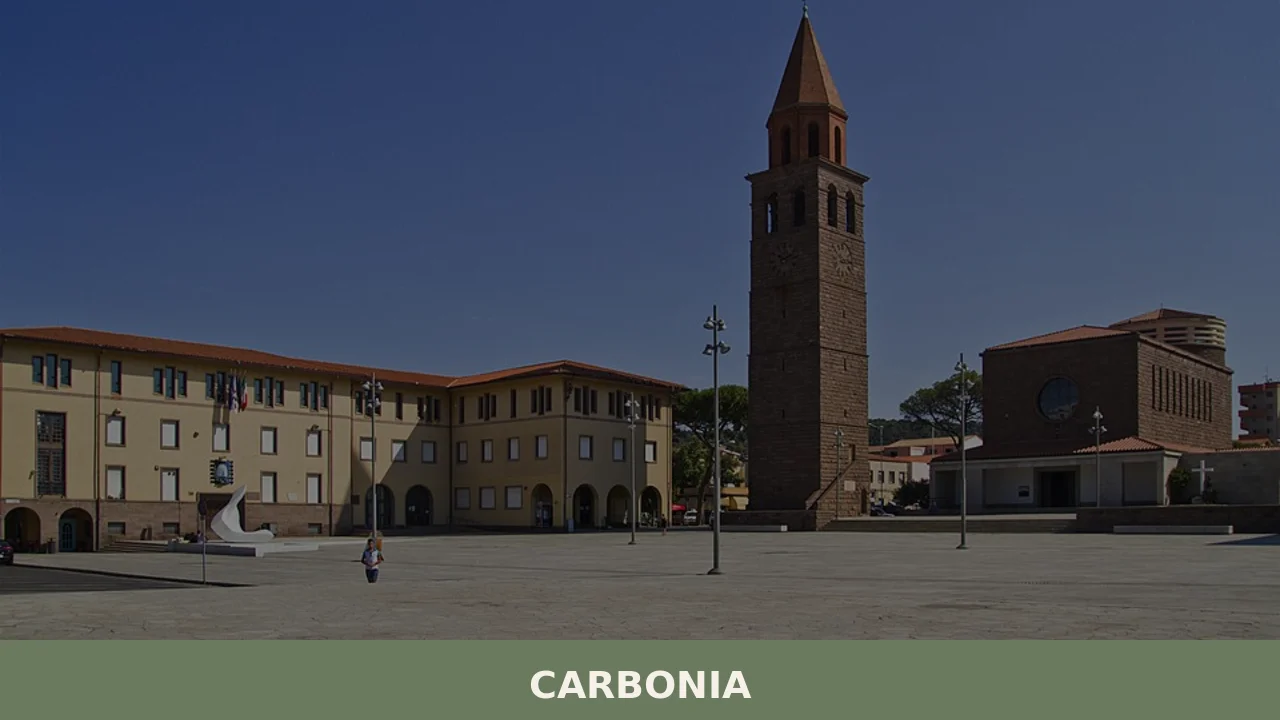
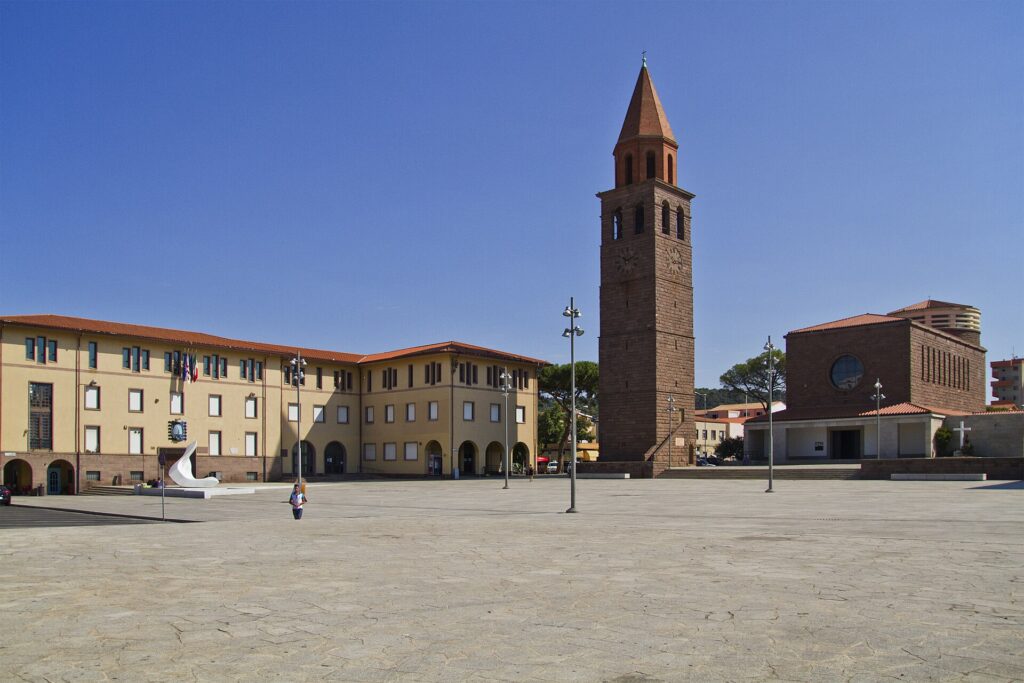
The result is a city conceived around a radial layout, with Piazza Roma as the focal point from which the main road axes extend. The design reflects the urban ideology of the time, which regarded the organisation of space as a means of social control and a celebration of power. The public buildings — the Municipal Palace, the Casa del Fascio, the civic tower — are built in a severe style, drawing on classical architecture filtered through the rationalist idiom.
After the Second World War, with the fall of the Fascist regime and the subsequent democratic reconstruction, Carbonia retained its extractive function.
The Sulcis mines continued to operate for decades, through varying periods of productivity, until their gradual closure in the second half of the twentieth century.
The shutdown of mining activities triggered a prolonged period of economic and social hardship, with significant emigration of workers and their families to mainland Italy. Yet that industrial past has not been lost: it has been recovered, catalogued and transformed into cultural heritage, giving rise to museum facilities that today represent the most significant part of what to see in Carbonia for anyone approaching the city for the first time.
What to See in Carbonia: Main Attractions
Coal Museum — Grande Miniera di Serbariu
The city’s foremost attraction is a project championed by the Municipality of Carbonia, which promoted the transformation of the Grande Miniera di Serbariu into an open-air museum complex.
The original structures of the mining site — shafts, lamp room, winding engine room, service buildings — have been preserved and made accessible to visitors. The Coal Museum, opened in 2006, allows visitors to descend into the actual tunnels where miners once worked and to understand the operating conditions of the Sulcis coal industry.
It is one of the most comprehensive industrial museum sites in Sardinia, offering guided tours and an extensive collection of tools, photographs and period documents.
Piazza Roma and the Rationalist Historic Centre
The urban centre of Carbonia is itself an architectural monument.
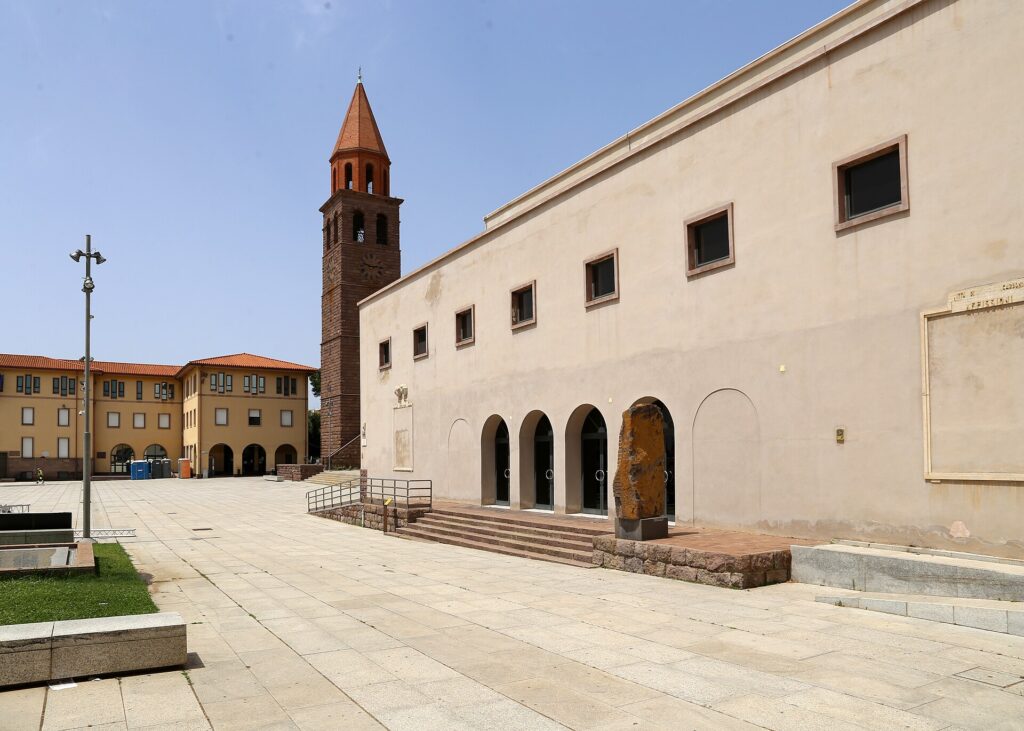
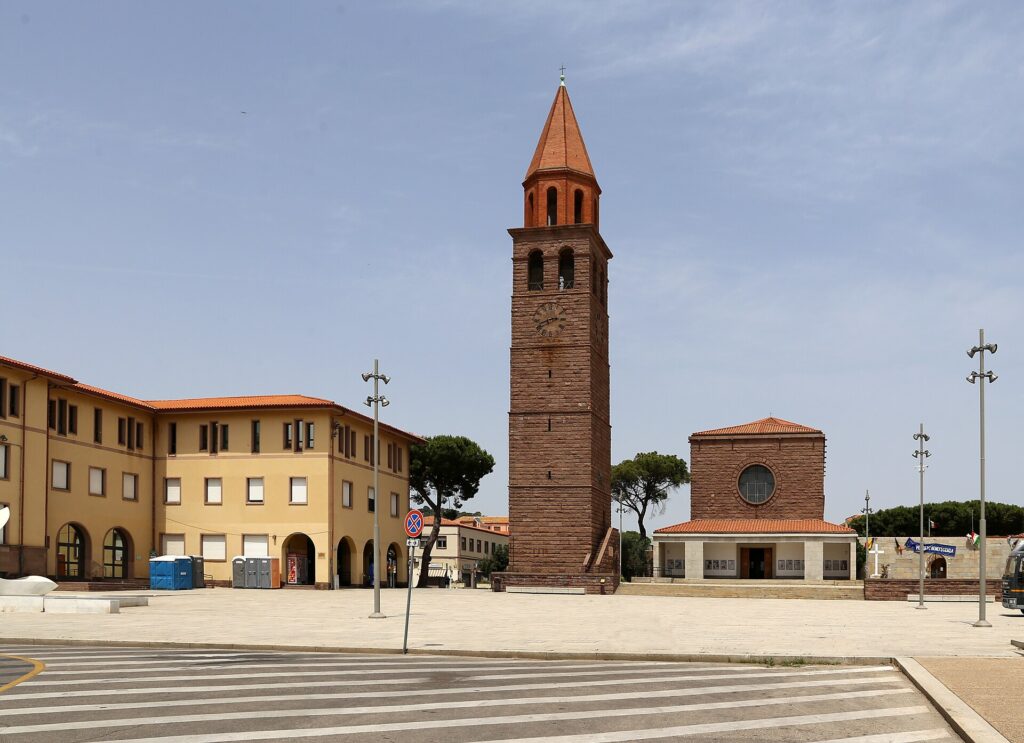
Piazza Roma, with its 42-metre civic tower, represents the core of the original 1938 design and stands as one of the best-preserved examples of rationalist urban planning in Italy. Facing onto the square are the Municipal Palace, the Church of San Ponziano and the buildings that once housed the institutions of the regime. Walking through the centre means reading a precise chapter of twentieth-century Italian history, with a stylistic coherence that is rarely found in other purpose-built cities.
Anyone visiting Carbonia should not overlook this urban itinerary.
Villa Sulcis Archaeological Museum
A short distance from the centre stands the Villa Sulcis Archaeological Museum, which houses finds from excavations carried out across the Sulcis Iglesiente territory. The collections document human presence in the area from the Nuragic Age onwards, with bronze objects, ceramics and everyday items spanning a timeframe that stretches from prehistory to the Roman period. The museum is housed in a building constructed in the 1940s as the private residence of a mine director and subsequently converted for public use.
The visit allows you to connect the industrial history of the twentieth century with the far older roots of the surrounding territory.
Nuragic Site of Monte Sirai
On the outskirts of Carbonia lies Monte Sirai, where one of the most significant archaeological sites in southern Sardinia has been brought to light.
The settlement includes Nuragic structures dating to the second millennium BC and, most notably, a Phoenician and later Carthaginian colony that developed from the eighth century BC onwards. Systematic excavations begun in the 1960s have uncovered a tophet — a sacred Punic site — a necropolis and the remains of residential buildings. Monte Sirai offers a perspective entirely different from that of the Coal Museum, expanding what to see in Carbonia into the realm of Phoenician and Punic Sardinia.
Civic Tower of Piazza Roma
The civic tower rising above Piazza Roma is one of the city’s defining architectural landmarks.
Erected during the initial construction phase of 1938, it reaches a height of approximately 42 metres and is visible from many points across the urban area. The structure is rationalist in style, with references to the tradition of Italian bell towers — a modernised reinterpretation that was typical of the public architecture of the period.
The tower serves as an orientation point for anyone exploring the centre, and at certain times of year it is possible to access the upper levels and look out over the planned city and its overall geometric layout.
Local Food and Products of Carbonia
The gastronomic tradition of Carbonia reflects the particular history of this city, founded in 1938 by populations drawn from different regions of Italy as well as from Sardinia itself.
The miners who settled in the Sulcis brought with them varied food habits, which blended over time with the existing Sardinian cuisine of the surrounding territory. The result is a local culinary tradition that incorporates elements of Sardinian peasant cooking, coastal seafood dishes — owing to the proximity of the sea — and mainland influences absorbed over the decades.
No products with DOP, IGP or other official certifications specifically attributed to the municipality of Carbonia appear in verifiable databases.
Among the dishes present in the local Sardinian tradition, which extends across the Sulcis Iglesiente area, several preparations stand out.
Malloreddus, a semolina pasta in an elongated ridged shape, is typically served with sauces based on Sardinian sausage and tomato. Zuppa gallurese, though geographically associated with another part of the island, circulates in local variations across various Sardinian contexts.
Porceddu, suckling pig roasted on a spit with aromatic herbs such as myrtle and rosemary, is one of the most deeply rooted dishes in the tradition of the entire island and features regularly on tables across the Sulcis as well. The proximity to the sea also brings fish and seafood preparations to local tables, with direct connections to the ports of Portoscuso and Carloforte.
Traditional Sardinian sweets are also present in this territory: seadas — discs of pastry filled with fresh cheese and lemon zest, fried and drizzled with honey — are a fixture of local confectionery.
Pane carasau, thin and crisp, made from durum wheat semolina flour, accompanies virtually every meal and can be found in bakeries throughout the centre.
For those interested in cheeses, the Sulcis Iglesiente area produces pecorino and mixed-milk cheeses available at local markets and from inland producers.
A broader gastronomic itinerary through inland Sardinia might lead to villages such as Aggius, in the Sassari area, where the tradition of Sardinian cheeses and cured meats is more firmly established within a rural setting.
For those wishing to purchase local products, Carbonia’s weekly market is the most direct point of access to the area’s agricultural output.
Fruit and vegetables, cheeses and preserves can also be found in several food shops in the city centre. The festivals and village fairs organised in neighbouring municipalities during the summer months — from June to September — offer additional opportunities to sample traditional Sardinian preparations in a communal setting.
Festivals, Events and Traditions of Carbonia
The patron saint of Carbonia is Pope Pontian, a third-century Roman pontiff and Christian martyr.
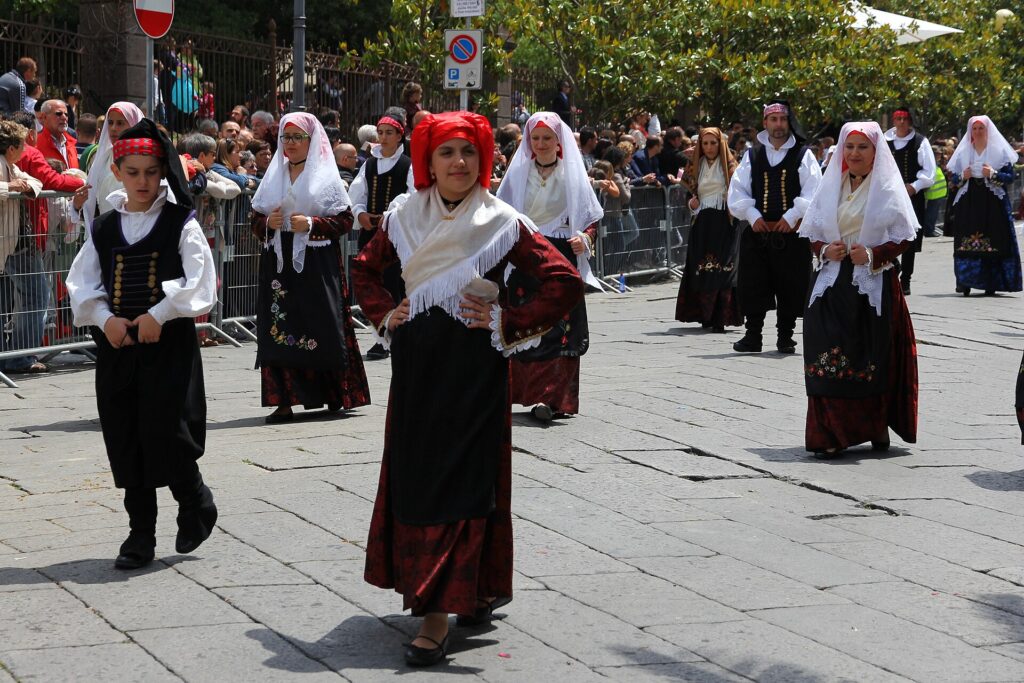
The patron saint’s feast is celebrated on the Thursday following the second Sunday of May, with religious ceremonies that include a solemn mass and a procession through the streets of the centre.
The choice of Pope Pontian as patron is connected to the history of the founding: the parish church built in 1938 on Piazza Roma was dedicated to him, and the bond between the community and this saint has remained constant over the decades.
The patron saint celebrations involve the entire population and represent one of the most significant occasions for collective gathering throughout the year.
Carbonia’s events calendar also includes initiatives connected to the mining heritage and industrial culture of the Sulcis. The Coal Museum regularly hosts cultural events, temporary exhibitions and special opening days coinciding with anniversaries related to the history of the coal industry. The city also takes part in the main regional cultural programmes, with events covering music, cinema and theatre.
For those in the area during summer, many municipalities in the Sulcis Iglesiente organise festivals and village fairs in July and August, offering a window into local community life.
When to Visit Carbonia and How to Get There
The best time to visit Carbonia is spring — from April to June — and autumn, between September and October.
During these months temperatures are mild, the museum facilities are regularly open, and it is possible to explore the open-air archaeological sites, such as Monte Sirai, without the difficulties that come with the summer heat.
July and August are lively in terms of events, but temperatures can be high and tourist numbers in the nearby coastal zone increase considerably. Those planning a thorough visit to the museums and industrial sites will find it more practical to schedule the trip outside the peak summer season.
To reach Carbonia by car, the main route is the SS 130 Iglesiente state road, which connects Cagliari to Iglesias and continues towards Carbonia. The distance from Cagliari is approximately 65 kilometres, covered in around one hour. The nearest airport is Cagliari-Elmas, the Mario Mameli Airport, from which Carbonia is reached by following the SS 130 westward.
There is no railway station in the city with regular direct services to Cagliari; rail connections in the area rely on certain lines with changes at Iglesias.
Travellers going by bus can use services operated by the regional ARST network, which links Carbonia with Cagliari and the main towns of the Sulcis Iglesiente.
Those extending their journey northward, exploring other settlements on the island, might also consider stopping at Bonnanaro, in the Sassari area, or Banari, both examples of Sardinian villages with a character quite different from that of the Sulcis.
Those travelling from mainland Italy will reach Sardinia by ferry: the ports of Cagliari and Porto Torres are the main arrival points, with services from Genoa, Civitavecchia, Naples and Palermo. From the port of Cagliari, Carbonia is reachable in approximately one hour by car. Those opting for an entirely Sardinian itinerary and wishing to compare very different urban environments might start from Sassari, the main city of the northern island, and travel the length of Sardinia from north to south, concluding the journey in the Sulcis.
Frequently asked questions about Carbonia
What is the best time to visit Carbonia?
The best time to visit Carbonia is spring (April to June) and early autumn (September to October), when temperatures are mild and outdoor exploration of the archaeological site of Monte Sirai and the Grande Miniera di Serbariu is most comfortable. The patron saint's feast of Pope Pontian is celebrated on the Thursday following the second Sunday of May, with a solemn procession through the rationalist city centre — a good occasion to combine a cultural visit with a local tradition. Summer months are hot but the city's museums offer cooler indoor options.
What to see in Carbonia? Main monuments and landmarks
The top attractions are: the Coal Museum at the Grande Miniera di Serbariu (opened 2006, with underground tunnel tours and industrial heritage collections); Piazza Roma with its 42-metre civic tower, the Municipal Palace and the Church of San Ponziano — one of Italy's best-preserved rationalist urban ensembles; the Villa Sulcis Archaeological Museum, housing Nuragic to Roman finds; and Monte Sirai, a significant Phoenician-Punic archaeological site on the city's outskirts. For current opening hours and ticket prices, check the Municipality of Carbonia's official website or the museum contacts directly.
Are there museums, churches or historic buildings to visit in Carbonia?
Yes. The Coal Museum at Grande Miniera di Serbariu is the city's flagship museum, offering guided underground tours of original mine tunnels and extensive collections of tools and period documents. The Villa Sulcis Archaeological Museum houses finds spanning from the Nuragic Age to the Roman period. Architecturally, Piazza Roma presents a coherent set of 1938 rationalist buildings — the civic tower, Municipal Palace and Church of San Ponziano — that constitute an open-air architectural museum of Fascist-era urban planning. Verify current opening hours directly with each institution before visiting.
Where to take the best photos in Carbonia?
Piazza Roma is the most photogenic spot in Carbonia: the 42-metre civic tower, the symmetrical rationalist facades of the Municipal Palace and the surrounding institutional buildings create a visually striking ensemble with strong geometric lines. At certain times of year the tower's upper levels are accessible, offering aerial views over the planned city's radial street layout. Monte Sirai also provides compelling landscape shots combining Punic archaeological ruins with panoramic views over the Sulcis territory toward the coast.
What can you do in Carbonia? Activities and experiences
Carbonia offers a distinctive blend of industrial heritage and ancient history. Visitors can take guided underground tours of the Grande Miniera di Serbariu coal mine, explore the Phoenician-Punic archaeological site of Monte Sirai, and walk a self-guided architectural itinerary through the intact rationalist city centre. The proximity to the coast — with the ports of Portoscuso and Carloforte nearby — makes day trips to the sea easily accessible. The local weekly market is the best opportunity to sample Sulcis Iglesiente food products including pecorino, pane carasau and seadas.
Who is Carbonia suitable for? Families, couples, hikers, solo travelers?
Carbonia suits history and architecture enthusiasts above all: the rationalist city centre and the Coal Museum make it uniquely compelling for those interested in twentieth-century Italian history and industrial heritage. Families with older children will find the underground mine tours engaging and educational. Archaeology lovers are well served by Monte Sirai and the Villa Sulcis museum. Couples and solo travellers interested in lesser-known, intellectually stimulating destinations will appreciate Carbonia's unusual character. It is less suited to visitors seeking beaches, medieval villages or mountain trekking, though coastal and archaeological day trips are easy to organise.
What to eat in Carbonia? Local products and specialties
Carbonia's food tradition draws on Sardinian cuisine and the Sulcis Iglesiente territory. Expect malloreddus (ridged semolina pasta) with Sardinian sausage and tomato sauce, porceddu (spit-roasted suckling pig with myrtle and rosemary), and seadas (fried pastry filled with fresh cheese and lemon zest, drizzled with honey). Pane carasau accompanies most meals. The city's proximity to the coast brings fresh seafood to local tables, with direct connections to Portoscuso and Carloforte. Pecorino and mixed-milk cheeses from inland Sulcis producers are available at the local weekly market and in food shops in the centre.
📷 Photo Gallery — Carbonia

Nearby Villages near Carbonia
In Sardinia More villages to discover
Bonnanaro
 Hills
Hills
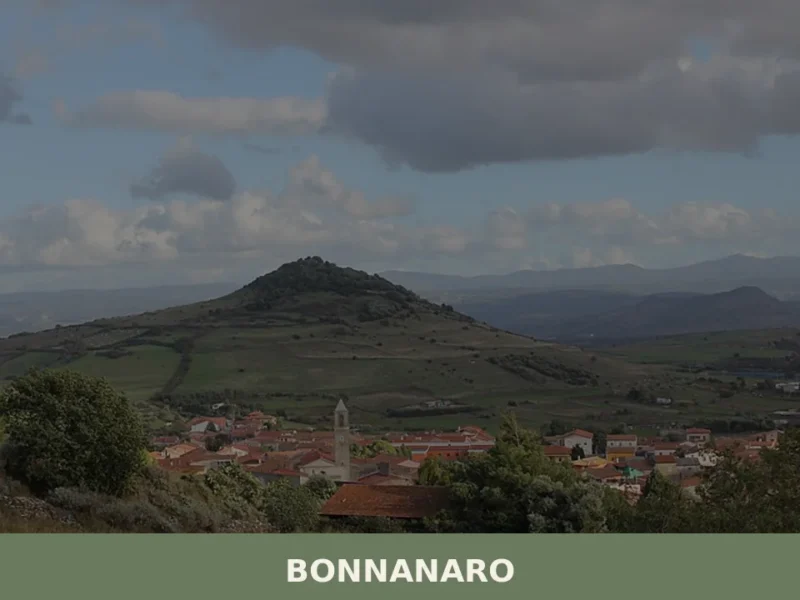
In 1388, when representatives of the Sardinian villages signed the peace treaty with the Crown of Aragon, among the signatories was the village of Bonnanaro, an agricultural centre already known for the fertility of its volcanic soils on the slopes of Monte Pelao. Today this village of 921 inhabitants, situated at 405 metres above sea […]
Aglientu
 Sea
Sea
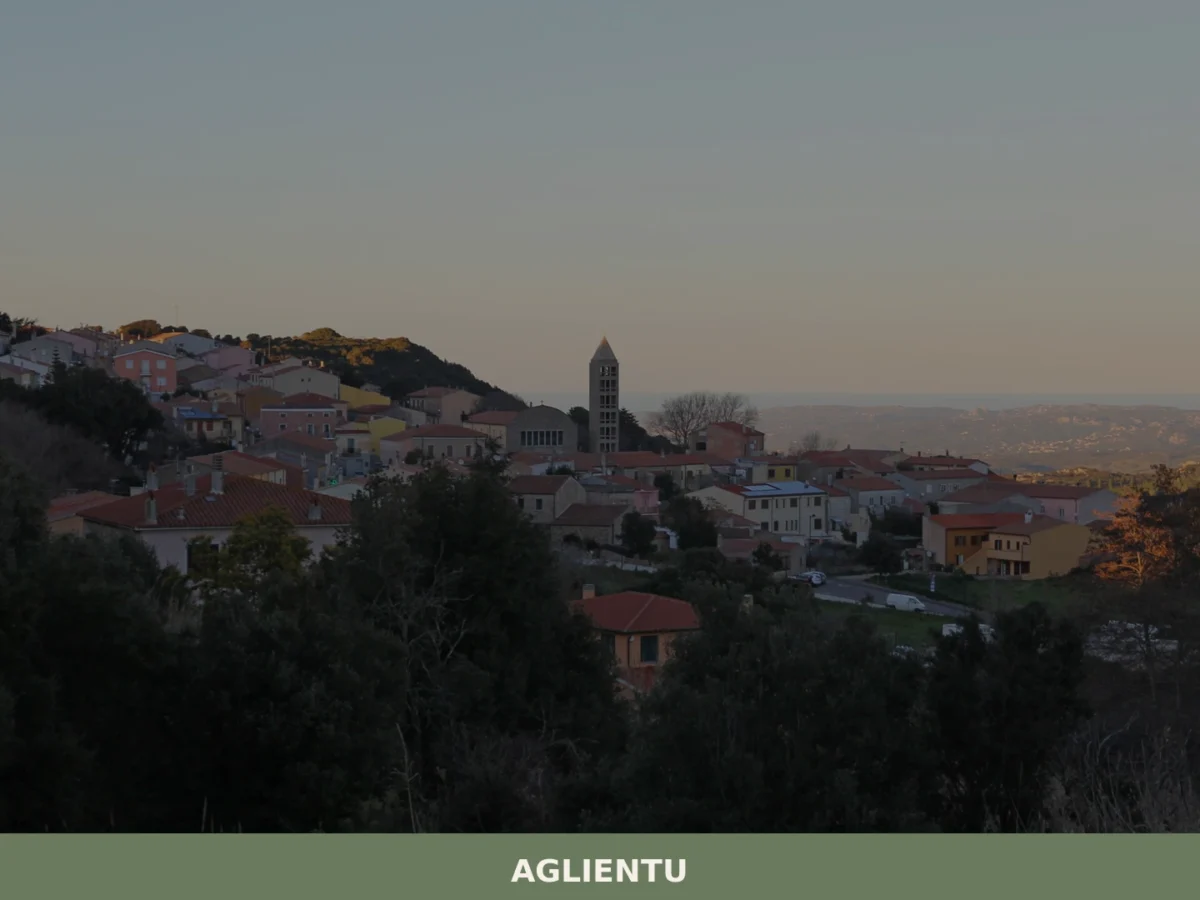
Discover what to see in Aglientu, a Gallura village in north Sardinia: granite coasts, cork oak landscapes, Nuragic sites, and local pecorino culture.
Alà dei Sardi
 Mountain
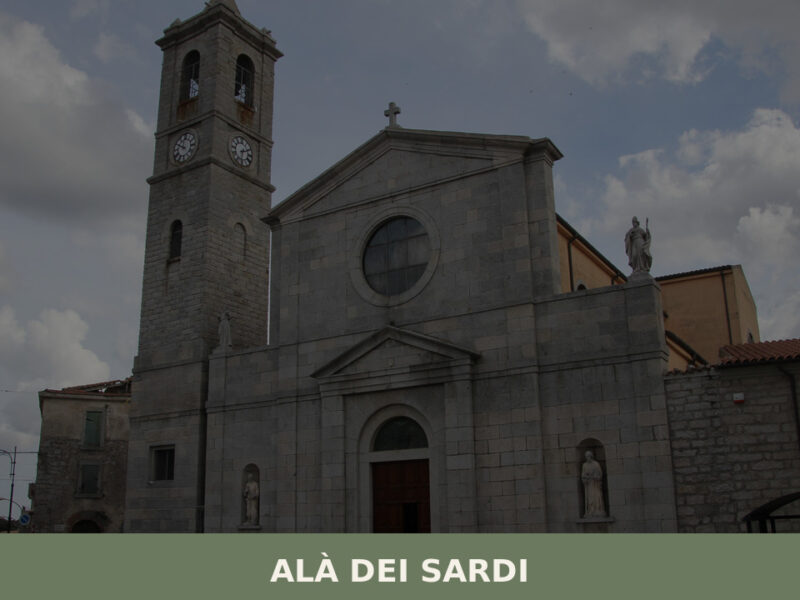
Morning mist rolls off the granite plateau and settles in the narrow streets, carrying the smell of woodsmoke and fresh bread from a communal oven that has not changed position in two centuries. At 663 metres above sea level, the air here is thinner, cooler, and quieter than on the coast below. Alà dei Sardi […]
Arbus
Hills
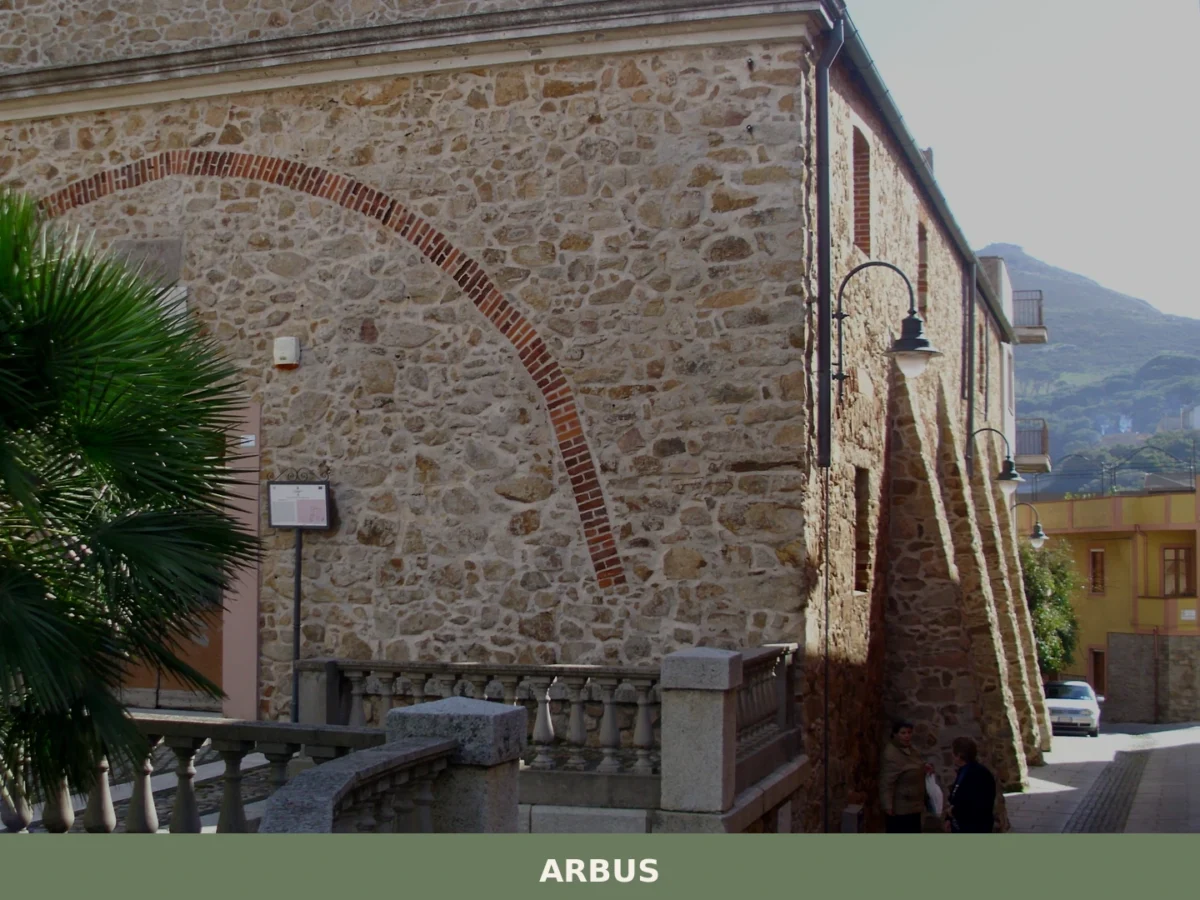
What to see in Arbus, Sardegna, Italy: explore coastal cliffs, historic mining sites and local food traditions. Discover the best of this South Sardinia village.
Sant’Antioco
Sea
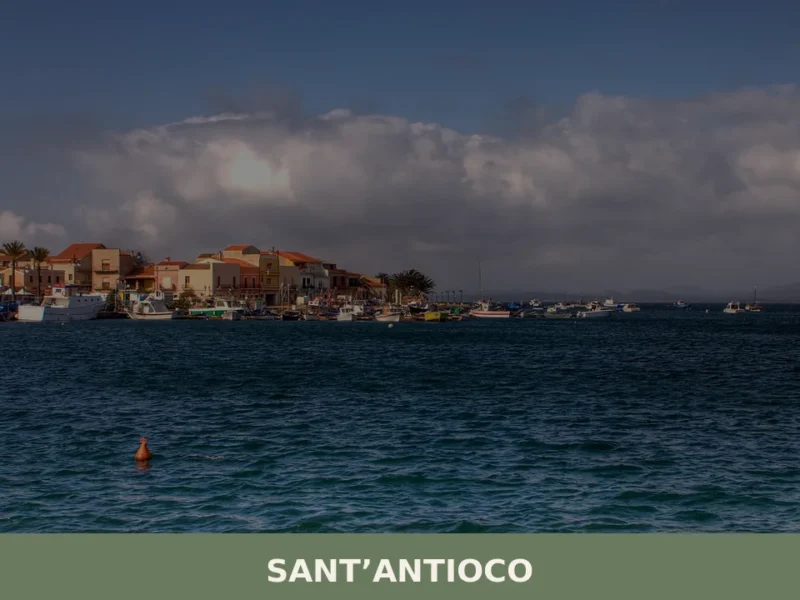
what to see a Sant’Antioco? Scopri le 5 attractions principali, dalla Basilica alle Catacombe, per un viaggio in history e in cultura sarda.

Nuraminis
Plains
Discover Nuraminis, a Sardinian village with ancient nuraghi, Byzantine treasures & a Gothic-Catalan church. Your guide to an unmissable cultural escape.
Alghero
Sea
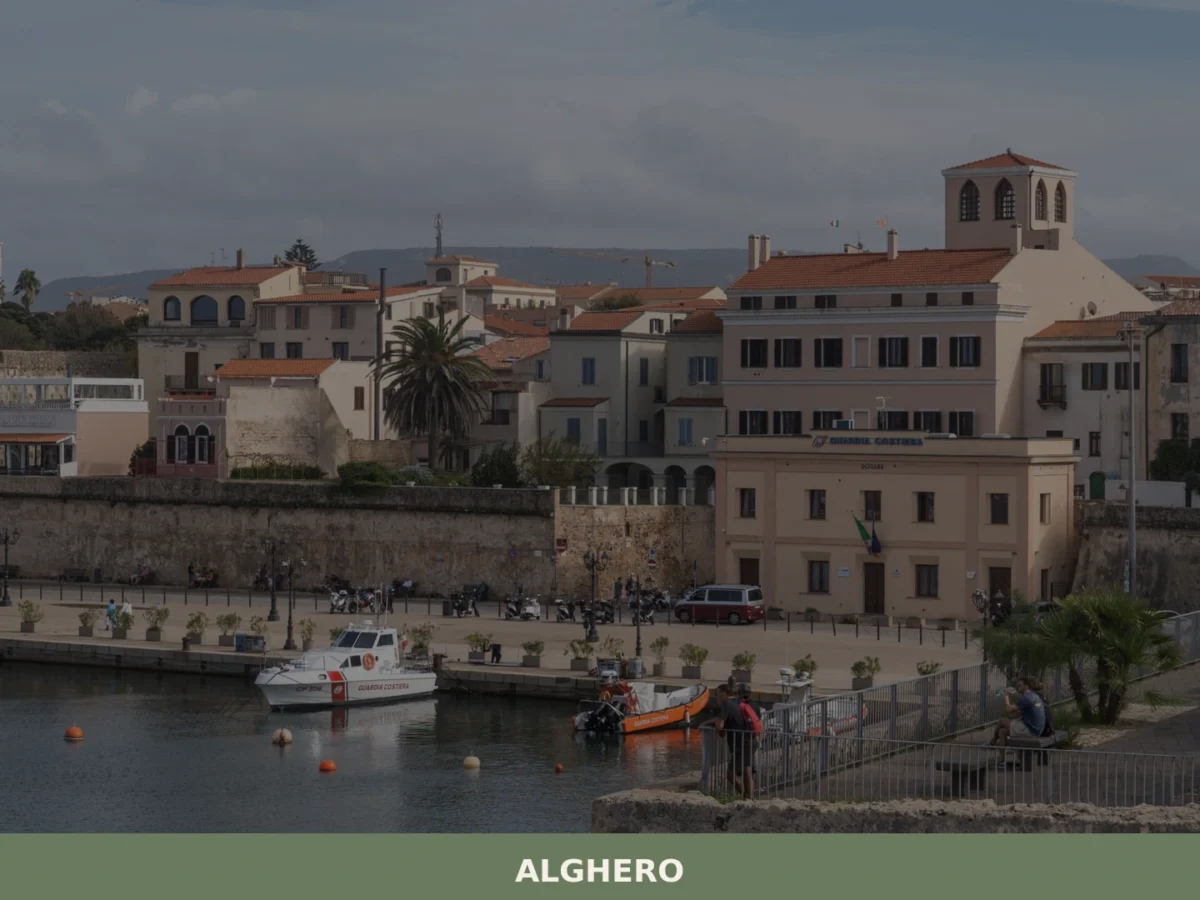
What to see in Alghero: from the Aragonese walls to the Neptune's Grotto, discover the 5 top attractions. Read the full guide to plan your visit.
Bessude
Hills
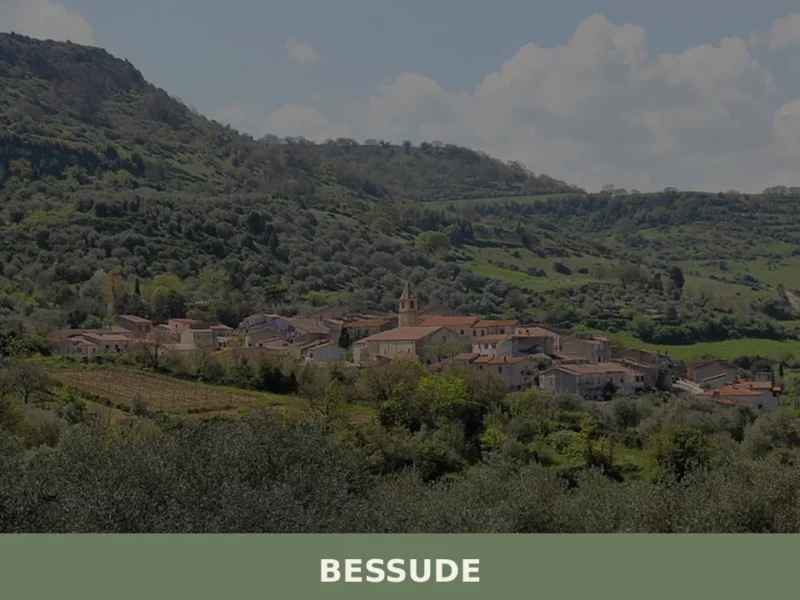
At 447 meters above sea level, with a population of 383 inhabitants as of 2023, Bessude is a small town in Logudoro-Meilogu, in the province of Sassari, whose existence is documented at least since 1341 in the Rationes Decimarum Sardiniae. The village, known for its hilly location and the Nuragic remnants that surround its territory, […]
Nuoro
Hills
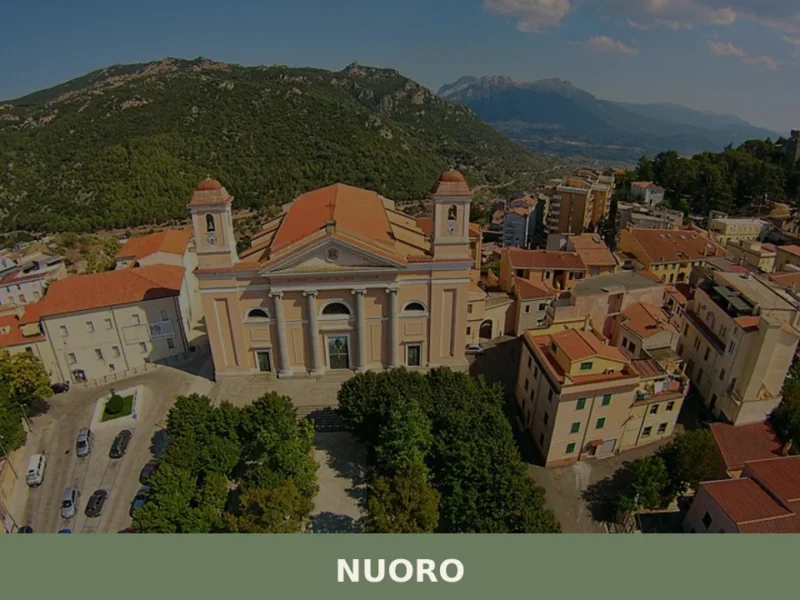
What to see in Nuoro: a city at 547m with 36,379 residents and birthplace of Nobel laureate Grazia Deledda. Explore museums, Monte Ortobene and Barbaricino cuisine. Plan your visit now.
Cagliari
Sea
Discover Cagliari, a charming village in Sardegna, Italy. Explore its rich history, stunning landscapes, and local culture in the heart of Sardinia.
🏡 Know Carbonia better than we do?
If you’re a local or have been there, your knowledge matters: add what’s missing or fix a detail on this page.