


Ostuni
 Sea
Sea
What to see in Ostuni, Italy: Discover the ‘White Town’ with its 30,143 residents and explore 5 key historical sights. Read our guide for top attractions and travel tips.
Discover Ostuni
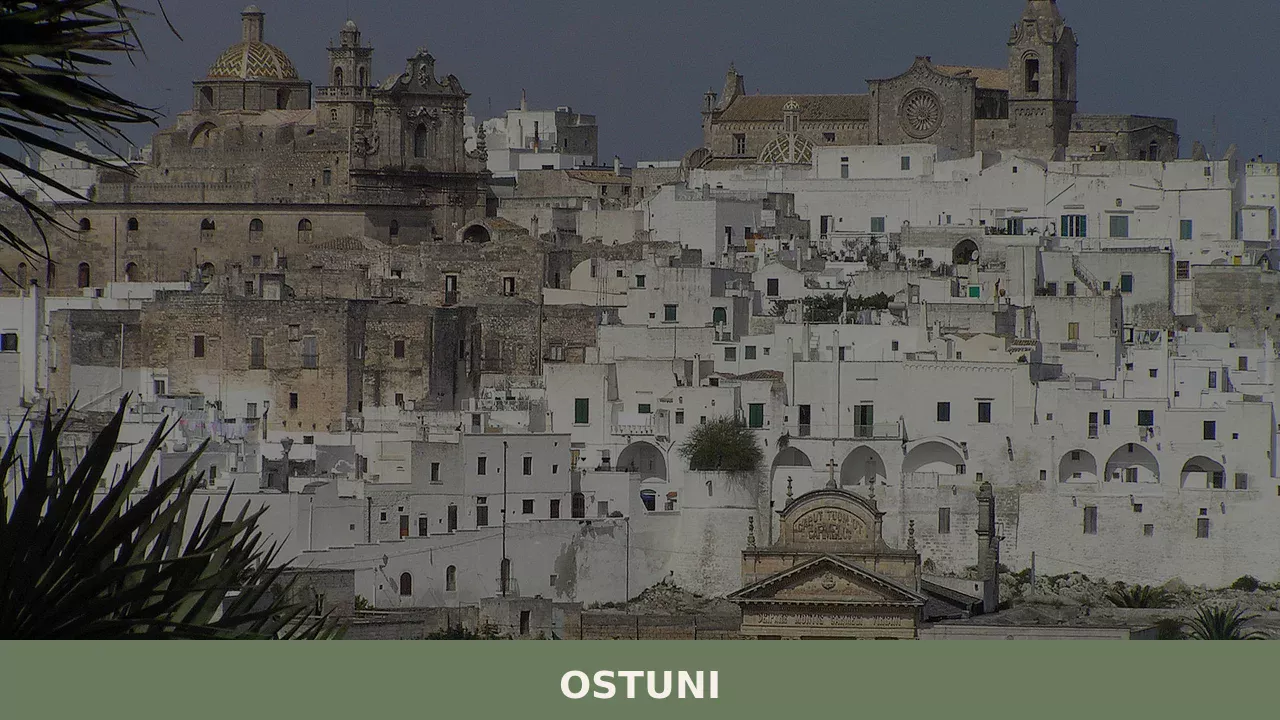
The ancient walls of Ostuni, a city located about 8 km (5 mi) from the coast in the province of Brindisi, rise to an altitude of 218 m (715 ft) above sea level. This distinctive settlement, often called “the White Town” (La Città Bianca), is characterized by its bright, white-painted architecture that gleams under the Apulian sun.
The town’s historical core, built upon a prominent hill, retains fortifications from centuries past, offering a tangible link to its rich and varied heritage.
For those wondering what to see in Ostuni, the city offers a wealth of historical and cultural attractions.
With a winter population of 30,143 inhabitants, swelling significantly in summer, Ostuni is a primary tourist destination in Puglia, Italy. Visitors to Ostuni find a captivating blend of ancient history and vibrant local life, including the impressive Ostuni Cathedral and the fortified masserie scattered across the surrounding countryside.
History of Ostuni
The region surrounding Ostuni has been continuously inhabited since the Stone Age, establishing its presence long before recorded history. The town itself is believed to have been founded by the Messapii, a pre-classical tribe, whose early settlement faced near total destruction by Hannibal during the Punic Wars. Subsequently, the Romans undertook the task of rebuilding the town, contributing to its early development and infrastructure.
Following the decline of the Western Roman Empire, Ostuni was sacked, marking a period of upheaval before it became part of the Norman County of Lecce in 996 AD.
The Normans significantly shaped the town’s medieval layout, constructing a castle—of which only remains are visible today—and fortifying the summit of the hill, reaching 229 m (751 ft), with city walls featuring four gates.
From 1300 to 1463, Ostuni was integrated into the Principality of Taranto, and in 1507, alongside what is now the frazione of Villanova and Grottaglie, it passed into the hands of Isabella, Duchess of Bari, wife of Gian Galeazzo Sforza, Duke of Milan. Under Isabella’s enlightened rule, Ostuni experienced a flourishing period during the Italian Renaissance, as she notably protected humanists and people of art and letters, including Bishop Giovanni Bovio.
Isabella died in 1524, and Ostuni, as part of her dowry, was transferred to her daughter, Bona Sforza, who was destined to marry Sigismund I of Poland, the King of Poland. Bona Sforza’s governance ensured continued stability for Ostuni, further contributing to its prosperity. A crucial defensive measure was implemented in 1539 when she commissioned the construction of towers along the entire shoreline, designed to protect against anticipated attacks from the Turks, who controlled the Balkans at the time.
These strategically placed towers, including Pozzella Tower, the Pylon, and Villanova, remain extant today and historically communicated through fiery beacons.
What to see in Ostuni, Puglia: top attractions
Old Town (La Città Bianca)
The Old Town of Ostuni forms a striking citadel, built atop a prominent hill and still encircled by its ancient walls.
This historic core is widely known as “the White Town” (La Città Bianca) due to its uniformly white-painted buildings and walls, a tradition that reflects centuries of architectural practice. Exploring its labyrinthine alleys reveals the strategic layout established by the Normans, providing visitors with a tangible connection to its medieval past.
Ostuni Cathedral
Dominating the skyline of Ostuni, the Ostuni Cathedral stands as one of the town’s largest and most significant architectural monuments. Its construction reflects the city’s historical prosperity and religious devotion, serving as a central point for both spiritual life and civic identity for centuries.
The cathedral’s imposing facade and intricate details invite close inspection, showcasing the artistry prevalent in Puglia.
Bishop’s Palace
Adjacent to the Ostuni Cathedral, the Bishop’s Palace is another of the town’s largest and most historically important buildings.
This edifice has served as the administrative and residential seat for the bishops of Ostuni for generations, reflecting their influence throughout the city’s development. Its architectural grandeur complements the cathedral, together forming a powerful ecclesiastical complex.
Palazzi of Aristocratic Families
Ostuni is home to numerous palazzi, the grand residences of local aristocratic families, which contribute significantly to the city’s architectural heritage. These include the prominent Aurisicchio, Ayroldi, Bisantizzi, Falghieri, Ghionda, Giovine, Jurleo, Marseglia, Moro, Palmieri, Petrarolo, Sansone, Siccoda, Tanzarella, Urselli, and Zaccaria families.
Each palazzo, with its distinct design and historical lineage, tells a story of the influential figures who shaped Ostuni over several centuries.
Pugliese Masserie
Beyond the urban core, the surrounding countryside of Ostuni is dotted with typical Pugliese masserie, which are fortified large estate-farms.
These unique structures, often dating back centuries, served both agricultural and defensive purposes, reflecting the region’s historical need for protection. One notable example, San Domenico, was once under the ownership of the Knights of Malta, underscoring the area’s rich historical connections and strategic importance.
Local food and typical products of Ostuni
The gastronomic tradition of Ostuni is deeply rooted in the fertile lands of Puglia, benefiting from a history of agricultural abundance and Mediterranean influences. The region’s culinary identity is intrinsically linked to its primary agricultural products, which have sustained its inhabitants for generations.
The local diet emphasizes fresh, seasonal ingredients, reflecting a commitment to simple yet flavorful preparations.
While specific dishes are not detailed in historical records, the prominence of high-quality olive oil and wine suggests a cuisine rich in these foundational elements.
Traditional preparations would likely feature vegetables grown in the sun-drenched plains, complemented by locally sourced meats and seafood from the nearby Adriatic coast. The emphasis remains on fresh, seasonal components, reflecting the region’s agricultural heritage.
The area around Ostuni is renowned for its production of two significant agricultural products: Olive Oil and Wine. These are not explicitly listed as certified products with specific designations in the provided sources, but their high quality is consistently highlighted as a defining characteristic of the region.
The fertile soil and favorable climate contribute to the robust flavors and esteemed reputation of these local staples.
Festivals, events and traditions of Ostuni
The village of Ostuni celebrates its patron saint, Sant’Oronzo, with an annual feast day on August 26.
This significant event is a central part of the local calendar, drawing residents and visitors alike to participate in the festivities. While specific details of the celebration are not provided, traditional Italian patron saint festivals often include religious processions, musical performances, and communal gatherings that reflect the community’s deep-seated cultural heritage.
These celebrations typically involve a vibrant public display of devotion and civic pride, often culminating in fireworks displays as evening falls. The feast of Sant’Oronzo provides a unique opportunity to experience Ostuni’s traditions and witness the local community’s adherence to long-standing customs. No other specific food fairs or documented traditions are detailed in the available sources for Ostuni.
When to visit Ostuni, Italy and how to get there
The best time to visit Ostuni, Italy, and indeed Puglia, largely depends on personal preference regarding crowds and climate.
While the city’s winter population is around 30,143 inhabitants, it can swell significantly to 200,000 during the summer months, making it one of Puglia’s main tourist attractions.
Summer offers warm weather and a lively atmosphere, but visitors should be prepared for higher temperatures and more crowded conditions, particularly in August. Spring (April-May) and autumn (September-October) provide a more temperate climate and fewer tourists, ideal for exploring the city’s historical sites and the surrounding countryside, which includes other charming Puglian towns like Palo del Colle.
Ostuni’s Old Town is built on a prominent hill, with the summit reaching 229 m (751 ft) and the village itself at 218 m (715 ft) above sea level, indicating that exploring the historic center involves navigating uneven and sometimes steep terrain. This can be a consideration for visitors with mobility challenges. For international travelers, carrying some Euros cash is advisable, as English proficiency may be limited in smaller local shops and establishments.
Getting to Ostuni is relatively straightforward, given its location in the province of Brindisi and its proximity to major transport hubs in Puglia.
The city is situated approximately 8 km (5 mi) from the coast.
While specific motorway exits or train station names are not provided in the sources, visitors typically fly into Brindisi Airport (Aeroporto del Salento) or Bari Karol Wojtyła Airport, then rent a car or take a train to the nearest regional station. For official information about the municipality, including local services and potentially updated travel details, visitors can consult the official municipal website.
Where to stay near Ostuni
Accommodation near Ostuni offers a range of options, particularly highlighting the traditional Pugliese masserie. These fortified large estate-farms, once agricultural and defensive strongholds, have been thoughtfully converted into unique lodging experiences. Staying in a masseria allows visitors to immerse themselves in the local landscape and history, often providing a tranquil setting amidst olive groves and vineyards. One such notable example, San Domenico, was historically held by the Knights of Malta, reflecting the deep historical roots of these estates, which now welcome guests seeking a distinctive stay in the Puglian countryside.
Frequently asked questions about Ostuni
What is the best time to visit Ostuni?
Spring (April–May) and early autumn (September–October) offer the most pleasant conditions: mild temperatures, fewer crowds, and ideal weather for exploring the hilltop Old Town. Summer is vibrant but very busy — the population can swell from around 30,000 to 200,000 in August. If you visit in late August, plan around the Feast of Sant'Oronzo on August 26, Ostuni's patron saint celebration, which features religious processions and fireworks. Winter is quiet but authentic, perfect for a slower-paced visit.
What are the historical origins of Ostuni?
Ostuni's roots stretch back to the Stone Age, with the town traditionally attributed to the Messapii, a pre-Roman Italic tribe. Hannibal largely destroyed it during the Punic Wars; the Romans later rebuilt it. After the fall of the Western Roman Empire it was sacked, then integrated into the Norman County of Lecce in 996 AD. The Normans fortified the hilltop and built a castle. From 1507, Ostuni flourished under Isabella of Aragon, Duchess of Bari, a Renaissance patron of humanists and artists, and later under her daughter Bona Sforza, Queen of Poland.
What to see in Ostuni? Main monuments and landmarks
The main attraction is the Old Town (La Città Bianca), a white-painted hilltop citadel still enclosed by medieval walls with four original gates — best explored on foot. The Gothic Ostuni Cathedral dominates the skyline with its ornate facade. Adjacent to it stands the Bishop's Palace, a grand ecclesiastical complex. Scattered across the old town are the historic palazzi of noble families including the Ayroldi, Giovine and Marseglia. In the surrounding countryside, fortified masserie (estate-farms) — including the historic San Domenico, once held by the Knights of Malta — are well worth a visit.
What are the main natural or scenic attractions of Ostuni?
Ostuni sits at 218 m above sea level, offering panoramic views over the Valle d'Itria and the Adriatic coast just 8 km away. The surrounding countryside is characterized by ancient olive groves, typical dry-stone walls, and trulli dotting the landscape toward the Valle d'Itria. The coastal strip near Ostuni — part of the broader Adriatic coastline of Puglia — features sandy beaches backed by Mediterranean scrub, easily reachable for a half-day excursion. The area's rural landscape, traversed by country roads linking the historic masserie, is particularly scenic.
Where to take the best photos in Ostuni?
The most iconic viewpoint is from the base of the Old Town looking up at the white-washed hilltop crowned by the Cathedral — especially striking at golden hour when the facades glow. Within the Città Bianca, the narrow whitewashed alleys and stairways offer endless photogenic compositions. The panoramic terrace near the Cathedral rewards with sweeping views over the olive-covered plain toward the Adriatic. At night, the illuminated white town reflected against the dark Puglian sky is one of southern Italy's most photographed scenes.
Are there museums, churches or historic buildings to visit in Ostuni?
Ostuni's Cathedral is the city's most important religious and architectural monument, notable for its late-Gothic facade. The Bishop's Palace alongside it forms a significant ecclesiastical complex open to visitors. The Old Town preserves remains of the Norman castle and intact stretches of medieval city walls with original gates. Along the coast, the 16th-century defensive towers commissioned by Bona Sforza in 1539 — including Pozzella Tower and Villanova Tower — are visible landmarks built to counter Ottoman naval threats. Specific museum opening hours should be confirmed locally or via the municipal website.
What can you do in Ostuni? Activities and experiences
Visitors can wander the labyrinthine alleys of the Città Bianca, visit the Cathedral and historic palazzi, and explore the fortified masserie in the surrounding countryside. The Adriatic coast, just 8 km away, offers beaches for swimming and water sports in summer. Food and wine experiences centered on local olive oil and Puglian wine are well established in the area. On August 26, the Feast of Sant'Oronzo brings religious processions and fireworks to the town center. The rural landscape is also suited to scenic drives or cycling between masserie and olive groves.
Who is Ostuni suitable for? Families, couples, hikers, solo travelers?
Ostuni appeals to a wide range of visitors. Couples are drawn by the romantic whitewashed alleyways, hilltop views, and luxury masseria stays. History and culture enthusiasts will appreciate the Norman and Renaissance heritage, the Cathedral, and the medieval city walls. Foodies and wine lovers find the local olive oil and Puglian cuisine a highlight. Families can combine the historic center with nearby beaches on the Adriatic coast. Note that the Old Town sits on steep, uneven terrain, so visitors with mobility challenges should plan accordingly. Summer suits beach lovers; spring and autumn suit walkers and photographers.
What to eat in Ostuni? Local products and specialties
Ostuni's cuisine is rooted in the Puglian Mediterranean tradition. The area is particularly renowned for its extra-virgin olive oil, produced from centuries-old olive groves that blanket the surrounding countryside. Local wine production is also well regarded. Traditional dishes draw on fresh vegetables, legumes, and Adriatic seafood — such as orecchiette pasta, fave e cicoria (broad beans and chicory), and grilled fish. Taralli (crispy bread rings) and local cheeses are common accompaniments. For the freshest local products, the weekly markets and farm shops attached to the masserie are recommended.
Nearby Villages near Ostuni
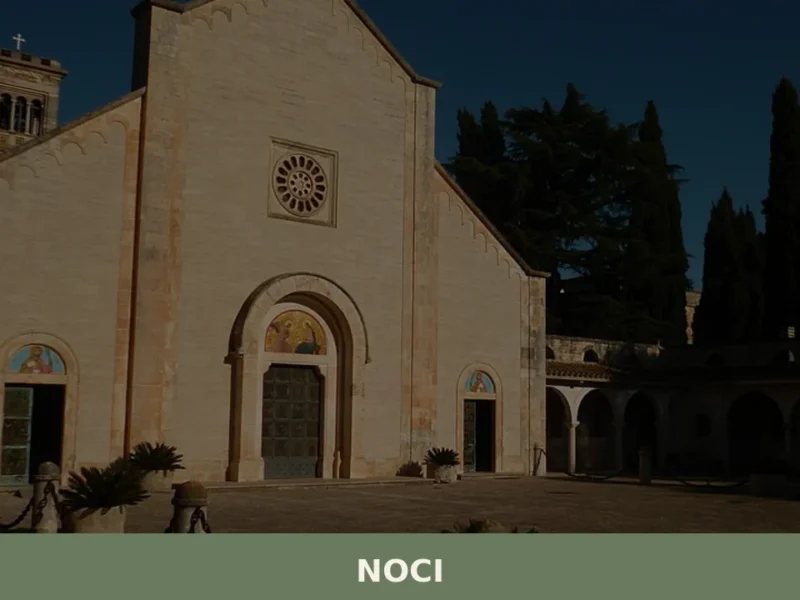
In Apulia More villages to discover
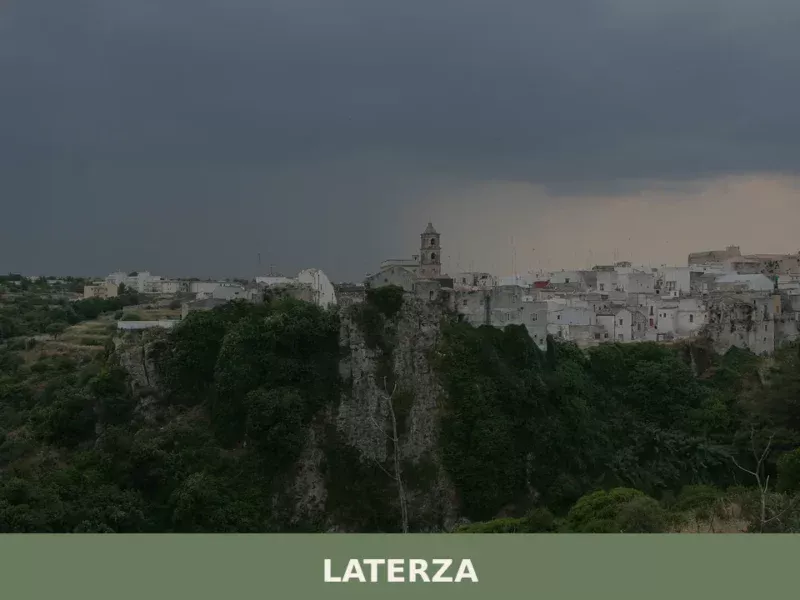
Laterza
Sea
Discover what to see in Laterza, Puglia: the giant karst gravina, Byzantine rock churches, maiolica ceramics and famous bread. Practical travel guide.
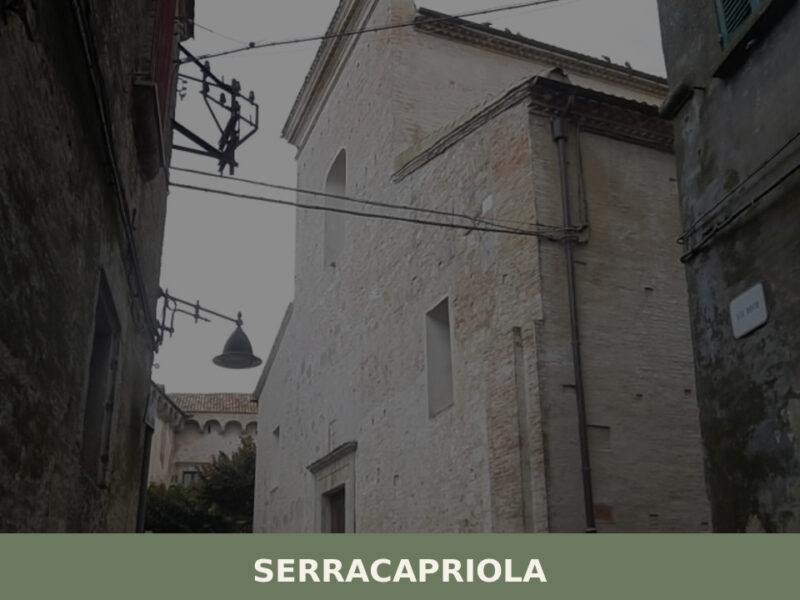
Serracapriola
Sea
A hilltop village of 3,656 people overlooking the Fortore valley in Foggia province. Serracapriola offers a Norman castle, medieval alleys, and honest Puglian cooking far from the crowds.
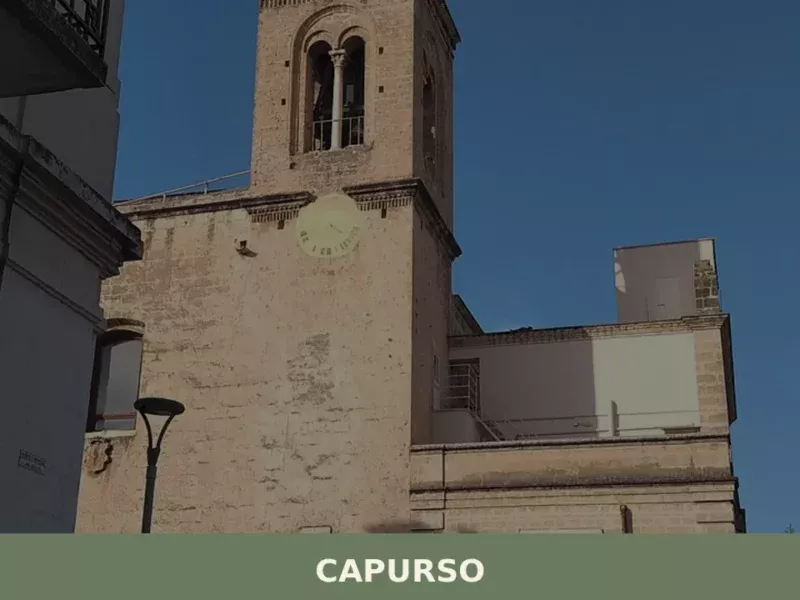
Capurso
 Plains
Every last Sunday of August, the streets of Capurso light up with illuminations reaching twenty metres in height, and the sheer weight of the crowd forces traffic to be diverted onto the provincial road to Cellamare. This is the climax of the feast of the Madonna del Pozzo, a devotional event that since 1705 has […]
Casalnuovo Monterotaro
 Hills
Hills
A hilltop village of 1,357 inhabitants in the Province of Foggia. Explore Casalnuovo Monterotaro's stone lanes, rural landscape, and the traditions of inland Puglia.
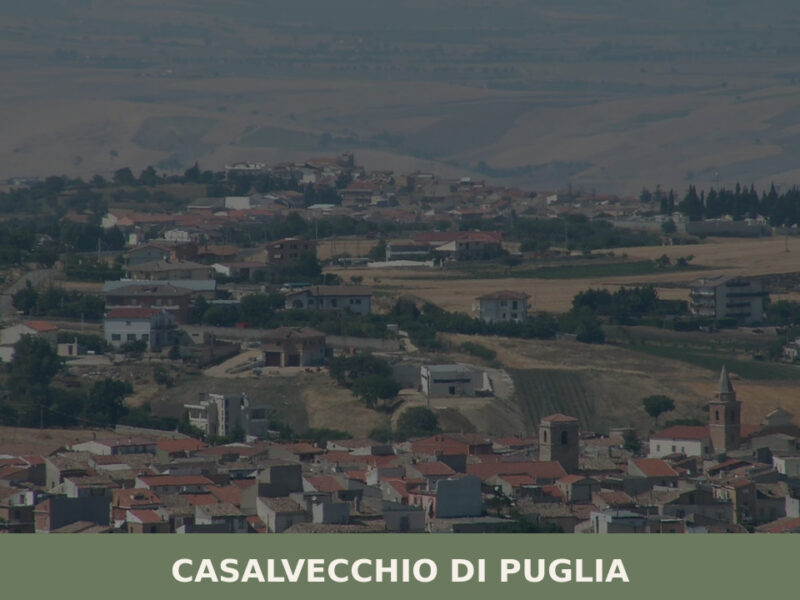
Casalvecchio di Puglia
Hills
An Arbëreshë village of 1,689 inhabitants perched at 465 metres in the Daunia hills. A guide to its historic centre, rural paths, and slow-paced southern Italian life.
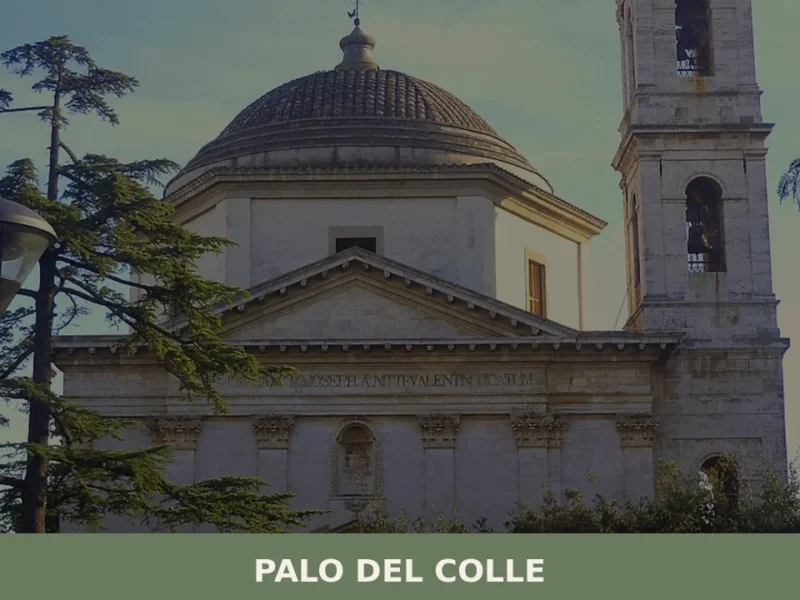
Palo del Colle
Plains
What to see in Palo del Colle: town at 177 m near Bari. Explore the Norman castle, cathedral, and Acquasale PAT. Plan your visit with our full guide.
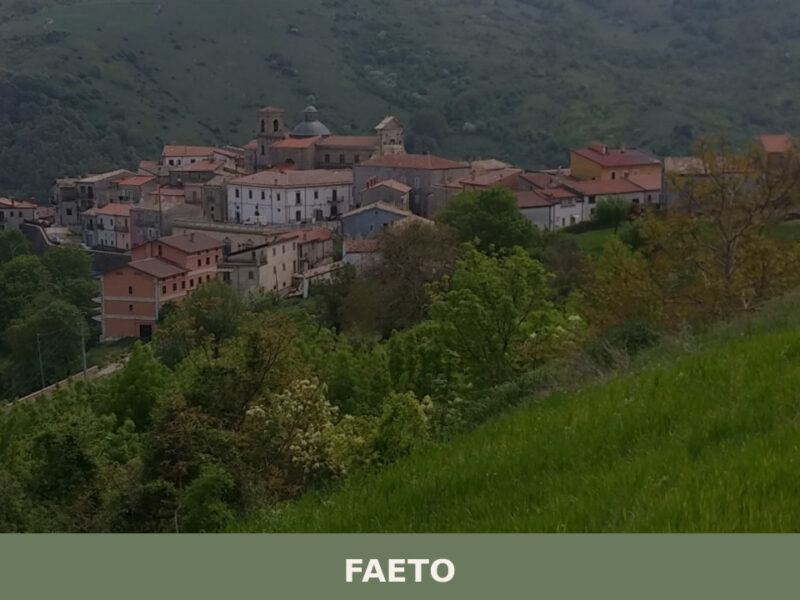
Faeto
 Mountain
A Franco-Provençal-speaking village of 616 inhabitants high in the Daunia mountains. Discover what to see in Faeto: ancient dialect, beech forests, and Puglia's highest peak.
Vieste
Sea
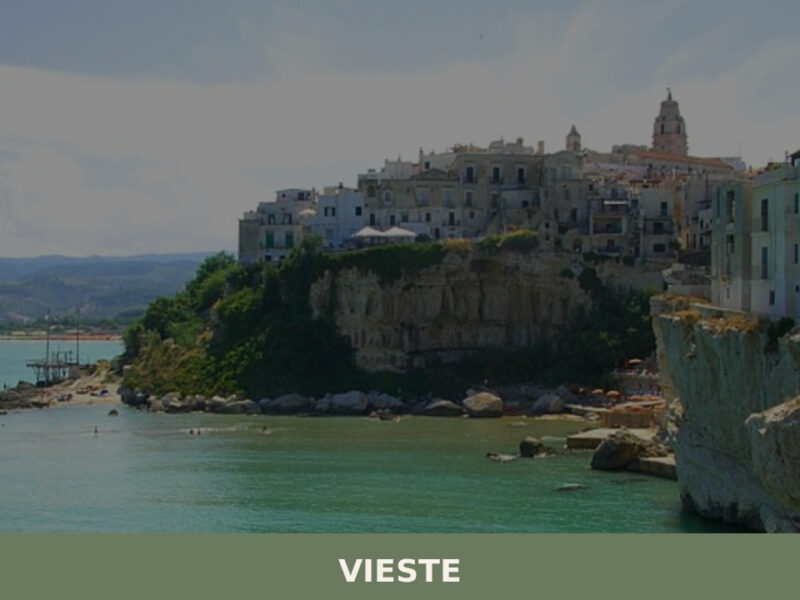
Vieste occupies a position in Puglia that matters more than many tourist labels. It is not only a seaside resort, and not only a famous summer destination. It is an Adriatic village built on a Gargano promontory, with a white historic centre above the cliffs, a clearly legible maritime memory and a constant relationship between […]
Lucera
Hills
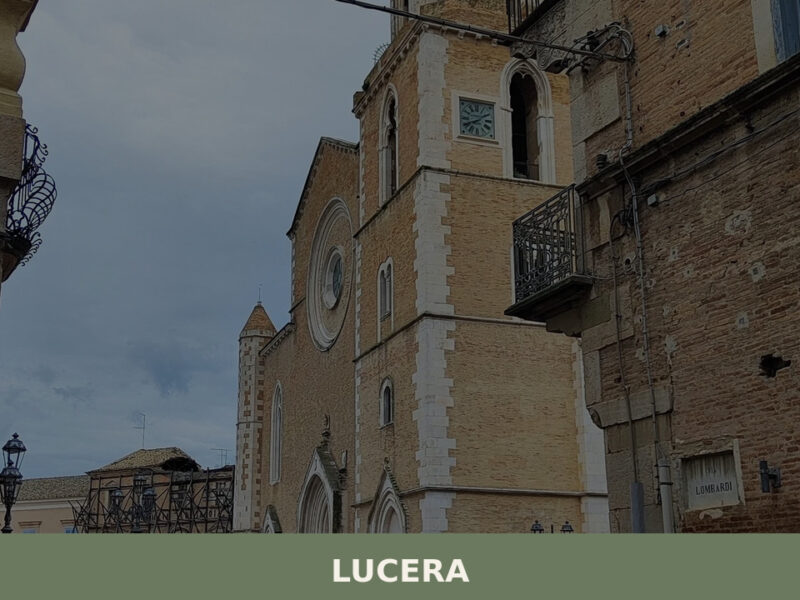
Discover Lucera, a historic hilltop city in Puglia where Roman ruins, a Saracen past, and Angevin grandeur converge amid the sun-drenched Tavoliere plain.
Castelluccio dei Sauri
Hills
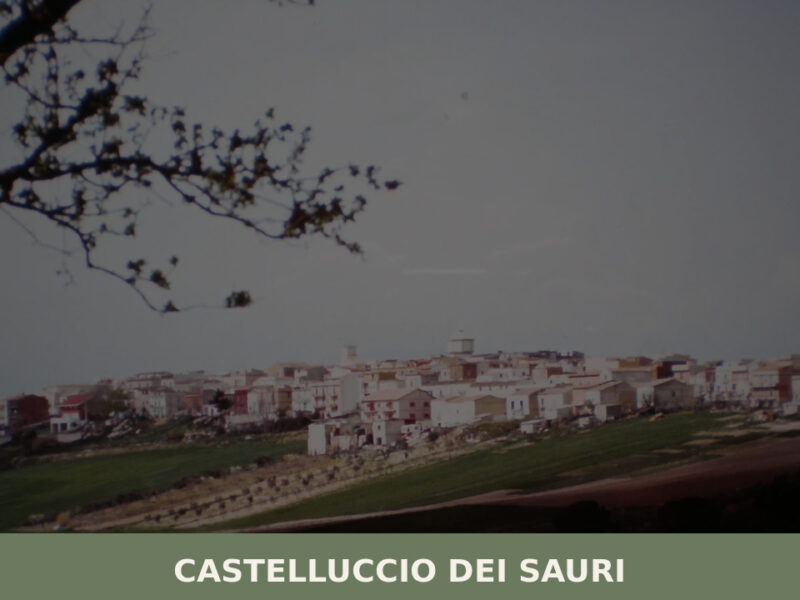
A hilltop village of 2,024 inhabitants overlooking Puglia's Tavoliere plain. Castelluccio dei Sauri offers ancient tratturi routes, quiet stone lanes, and the deep agricultural traditions of the Capitanata.



🏡 Know Ostuni better than we do?
If you’re a local or have been there, your knowledge matters: add what’s missing or fix a detail on this page.