


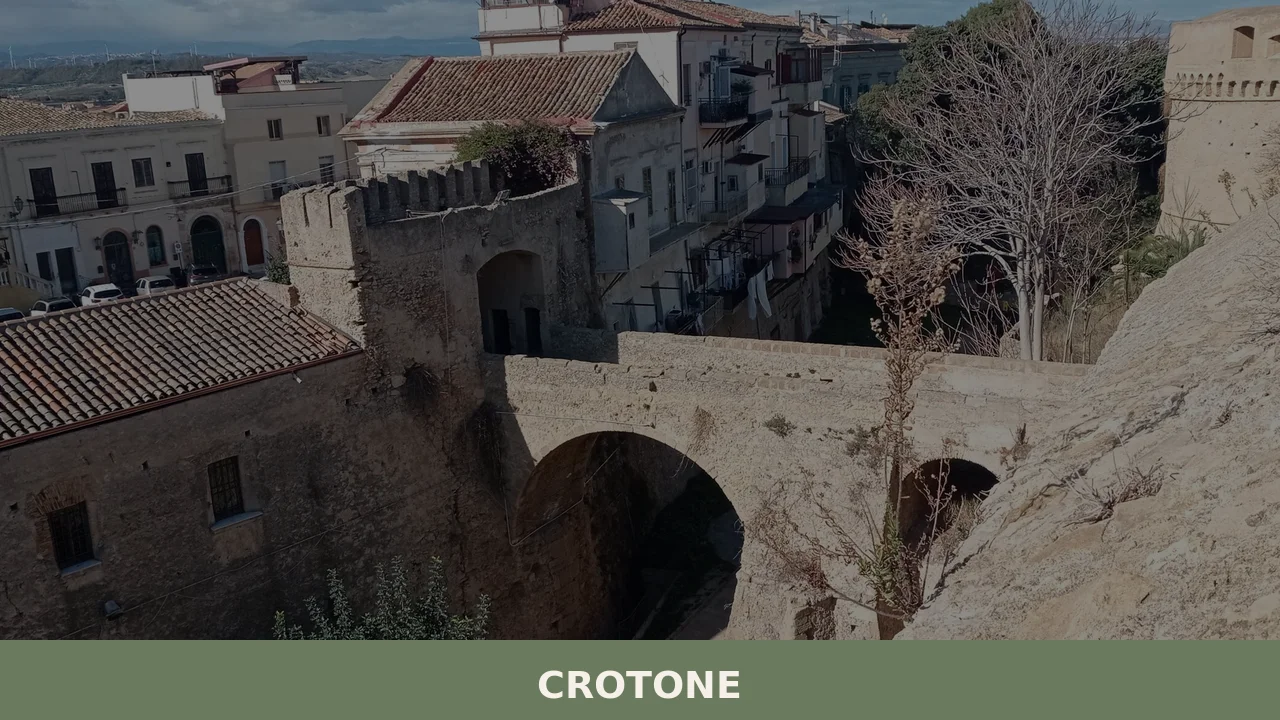
Crotone
 Sea
Sea
What to see in Crotone, Italy: explore this historic city, 8 meters above sea level. Discover the ancient city walls and the 16th-century Castle of Charles V. Read our complete guide.
Discover Crotone
The city of Crotone, once known as Croton, stands at an altitude of 8 meters (26 ft) above sea level, a coastal settlement whose earliest inhabitants, perhaps Oenotrians and Japigi, occupied its promontory during the Bronze and early Iron Ages.
The strategic location on the Ionian Sea, coupled with its historical significance as a major center of Magna Graecia, has shaped its identity through millennia, from its foundation around 710 BC to its modern role as a provincial capital.
For those planning a trip to Calabria and wondering what to see in Crotone, the city offers a rich tapestry of historical sites and cultural experiences.
With a population of 59,342 inhabitants, Crotone presents visitors with archaeological insights into its Greek and Roman past, alongside the imposing architecture of the 16th-century Castle of Charles V. Visitors to Crotone find a destination where ancient history converges with the rhythms of contemporary Italian life.
History of Crotone
The ancient city of Kroton, founded around 710 BC as an Achaean colony, quickly rose to prominence as one of Magna Graecia’s most flourishing urban centers. Its oikistes, or founder, Myscellus from Rhypes in Achaea, established the settlement by the Esaro river, following a prophecy from the Delphic Oracle.
Archaeological evidence suggests that Greek colonisation, driven by a lack of cultivable land and population pressure in their homeland, significantly impacted the indigenous communities, leading to the disappearance of many existing settlements and widespread mixed marriages between Greek settlers and local women by the first generation.
By approximately 500 BC, Kroton’s population reached between 50,000 and 80,000, and its influence expanded across the Bruttian peninsula, possibly leading to the foundation of Caulonia in the latter half of the 7th century BC.
The city’s inhabitants were renowned for their physical prowess, producing numerous Olympic and Panhellenic Games winners from 588 BC onwards, most famously Milo of Croton. Additionally, physicians from Croton, such as Democedes, were considered preeminent among the Greeks, with Democedes gaining fame for curing King Darius of a dislocated ankle, a testament to the city’s medical prestige.
Pythagoras established his influential school here around 530 BC, attracting pupils like Alcmaeon of Croton and Philolaus, and the Pythagoreans gained considerable political influence within the city’s ruling council of one thousand.
Croton’s power peaked around 510 BC when, after a refusal to hand over Sybarite exiles, it went to war with its rival Sybaris, sending an army of 100,000 men led by Milo to destroy the city. This victory established Croton as the capital of a confederation encompassing 25 city-states, a status reflected in coins minted between 480 and 460 BC. However, a period of decline followed a bloody revolt led by Cylon, which saw many Pythagoreans massacred and Pythagoras himself flee to Metapontum, leading to the establishment of a democracy.
The city then became the hegemon of the Italiote League, formed to counter Syracuse’s expansion and Lucanian attacks, with its federal treasury and meeting place at the Sanctuary of Hera Lacinia, located 10 km (6.2 mi) away at Capo Colonna. Crotone later fell under the control of Syracusan tyrants Dionysius in 379 BC for twelve years and Agathocles in 295 BC, before submitting to Rome in 277 BC after the Pyrrhic War, with half the city already deserted.
During the Second Punic War, after the Battle of Cannae in 216 BC, Crotone was betrayed to the Bruttii and served as Hannibal’s winter quarters for three years, only to be recaptured by Rome around 205 or 204 BC.
In 194 BC, it became a Roman colony, though its subsequent history during the Republican and Imperial periods is sparsely documented, apart from a mention in Petronius’s Satyricon regarding the corrupt morals of its inhabitants. The city faced an unsuccessful siege by Totila, King of the Ostrogoths, around 550 AD, and later became part of the Byzantine Empire.
It was sacked by Saracens around 870, although they failed to occupy the city, and was subsequently conquered by the Normans. In 1806, British and then French forces occupied and sacked Crotone, which then shared the fate of the Kingdom of Naples, including Spanish rule, leaving the 16th-century Castle of Charles V as a prominent reminder of this era.
The city was finally incorporated into the new Kingdom of Italy in 1861, following the conquest of the Kingdom of the Two Sicilies by the Kingdom of Sardinia.
The 20th century brought significant industrial development to Crotone due to its location between the ports of Taranto and Messina and its proximity to hydroelectric power sources, leading to a doubling of its population in the 1930s. However, the collapse of major employers like Pertusola Sud and Montedison by the late 1980s plunged the city into an economic crisis, prompting many residents to seek employment elsewhere.
A severe flood of the Esaro river in 1996 further impacted the city’s morale. Despite these challenges, Crotone has since undertaken urban renewal efforts, resulting in improvements to its quality of life. For those interested in the broader historical context of Calabria, nearby Catanzaro, another provincial capital, also offers a rich historical narrative and archaeological insights.
What to see in Crotone, Calabria: top attractions
Exploring Crotone, Calabria, reveals layers of history, from its ancient Greek origins to its medieval fortifications.
Visitors seeking what to see in Crotone will find archaeological sites, historic structures, and museums that collectively tell the story of this significant Ionian city. Each site offers a direct glimpse into the past, providing tangible connections to its varied inhabitants and rulers.
The Ancient City Walls
The reconstructed layout of Kroton’s ancient wall circuit provides a tangible sense of the city’s vast historical scale. Traces of these fortifications, which once stretched 12 miles (19 km) and enclosed an area of at least 617 hectares (1,525 acres), can be observed descending from St.
Lucia hill towards Carrara hill, then heading north-west towards Cimone Rapignese, where wall fragments are found 40 meters (131 ft) above sea level, before crossing the Esaro river.
A notable section near the river was brought to light in 1978, adding to earlier observations by Paolo Orsi. Visitors can also see sections on the “Vigna Nuova” hill and a large fragment with a double facing in opus quadratum and emplecton, dating to the mid-4th century BC, found in the industrial area’s water collector near the Papaniciaro stream. These remnants offer a direct view into the engineering and defensive strategies of ancient Croton.
Urban Archaeological Excavations
Ongoing urban excavations in Crotone have significantly expanded knowledge of its settlement history, revealing an urban layout with a sequence of superimpositions dating between the late 7th and early 6th centuries BC. Researchers have identified three large urban blocks organized with an orthogonal network of narrow streets, known as stenopoi, about 5 meters (16 ft) wide, and smaller lanes between individual houses called ambitus.
Numerous residential houses, mixed house-artisan workshops, furnaces, and pottery shops have been excavated, alongside Hellenistic-era necropolis areas.
A discovery in 2010 of a Republican-age building in Via Discesa Fosso, featuring painted plaster in Pompeian style and tiled floors, suggests the Roman colony’s acropolis location. An important domus with baths in Discesa Fosso indicates a prestigious Roman-era neighborhood, potentially with its own small service port.
Castle of Charles V
Dominating the modern cityscape, the 16th-century Castle of Charles V stands as a powerful reminder of Crotone’s later historical periods, particularly the era of Spanish rule. This imposing fortress, constructed during the reign of the Holy Roman Emperor Charles V, overlooks the contemporary urban fabric, providing a stark contrast to the ancient Greek and Roman ruins below.
Its strategic position reflects centuries of defensive needs and the city’s importance as a stronghold on the Ionian coast.
While specific internal details are not provided, its external appearance and commanding presence offer visitors a clear visual anchor to Crotone’s medieval and early modern history, inviting contemplation on the city’s enduring resilience. The castle’s construction reinforces Crotone’s role as a military outpost throughout different occupations.
Archaeological Museum of Capo Colonna
Located near the ancient Sanctuary of Hera Lacinia, the Archaeological Museum of Capo Colonna houses significant artifacts that illuminate Crotone’s rich past. Among its key exhibits is half of a stone anchor block bearing the name of Phayllos, the celebrated athlete who, in 480 BC, armed a ship at his own expense to support the Greeks at the Battle of Salamis—the only such contribution from the Italian coast.
The museum serves as a vital repository for findings from the surrounding archaeological park, offering context to the historical narratives of Magna Graecia and beyond. Visitors can explore the collection to understand the daily lives, religious practices, and heroic deeds of the ancient inhabitants of Crotone and its environs.
Sanctuary of Hera Lacinia at Capo Colonna
Situated approximately 10 km (6.2 mi) from Crotone, the Sanctuary of Hera Lacinia at Capo Colonna was a profoundly significant site in ancient Magna Graecia.
This sanctuary served as the meeting place for the Italiote League, a confederation formed to defend against the expansionist aims of Syracuse and attacks by the Lucanians, with Crotone acting as its hegemon. It also functioned as the federal treasury for the league, underscoring its dual religious and political importance. Today, visitors can see the remaining column, a solitary sentinel against the Ionian Sea, offering a powerful visual link to the ancient world.
The site’s historical depth and scenic location make it a compelling destination for those interested in the broader regional history of Calabria, including its connections to places like Bova, which also preserves ancient traditions.
Local food and typical products of Crotone
The gastronomic tradition of Crotone, deeply rooted in the broader culinary landscape of Calabria, reflects centuries of historical influences and the region’s agricultural bounty. Situated on the Ionian coast, the local cuisine blends flavors from the sea with robust ingredients from the fertile plains and surrounding hills. This heritage results in a diet rich in fresh produce, olive oil, and a variety of meats and fish, shaped by both Greek and later Mediterranean culinary practices.
While specific traditional dishes for Crotone are not detailed in the provided sources, Calabrian cuisine generally features strong, distinct flavors.
Common preparations include the use of red onions from Tropea, various types of chili peppers (peperoncino), and sun-dried tomatoes. Pasta dishes often incorporate local vegetables or rich meat sauces, while seafood, given the coastal location, plays a significant role, with grilled fish and seafood stews being popular choices.
The available sources do not specify any certified products (DOP, IGP, etc.) directly associated with Crotone or its immediate vicinity.
However, visitors to Calabria can often find regional specialties such as ‘Nduja, a spicy, spreadable pork sausage, and various types of Pecorino cheese from other areas within the region. These products, while not exclusively from Crotone, are indicative of the broader Calabrian gastronomic identity.
Festivals, events and traditions of Crotone
Crotone honors its patron saint, San Dionigi Aeropagita, with an annual feast day celebrated on 9 ottobre.
This significant religious and community event brings together residents and visitors in a display of local devotion and tradition. While specific details on the unfolding of the festivities are not provided, such celebrations in Italian villages typically involve religious processions through the streets, accompanied by music and local folklore.
The feast day of San Dionigi Aeropagita would traditionally feature a mass, followed by a procession carrying a statue of the saint, often culminating in public gatherings and communal meals.
These events are integral to the social fabric of Crotone, allowing locals to reaffirm their cultural identity and share their heritage with guests. While no other specific food fairs or documented traditions are mentioned in the available sources, the patron saint’s day remains a central annual event.
When to visit Crotone, Italy and how to get there
The best time to visit Crotone, Italy, and indeed much of Calabria, is during the spring (April to June) and early autumn (September to October).
During these periods, the climate is pleasantly mild, with fewer crowds than the peak summer months, making it ideal for exploring archaeological sites and enjoying the coastal scenery without intense heat. Summer, from July to August, offers warm temperatures perfect for beach activities, but attractions may be busier, and temperatures can be quite high, sometimes exceeding 30°C (86°F).
Winter months are generally mild but can be rainy, which might limit outdoor exploration.
Crotone is a relatively flat city, situated at 8 meters (26 ft) above sea level, making its urban areas largely accessible for walking. However, some archaeological sites might involve uneven terrain. For those arriving by car, Crotone is accessible via the SS106 Jonica road. While a specific motorway exit isn’t provided, the SS106 connects major towns along the Ionian coast of Calabria. The city has its own railway station, offering connections within the regional network. The nearest airport is Crotone Airport (Sant’Anna Airport), which handles domestic flights.
For international travelers, it’s advisable to carry some Euros cash, as smaller shops and establishments in Crotone may have limited card payment options.
English proficiency might also be limited in some local businesses, so a few basic Italian phrases can be helpful. The official municipal website for Crotone (comune.crotone.it) can provide further practical information regarding local services and public transport schedules.
Visitors interested in extending their exploration of Calabria might consider a day trip to Acri, located further inland, which offers a different perspective on the region’s varied landscapes and historical contexts.
Where to stay near Crotone
While specific hotel names are not provided in the source material, Crotone offers various accommodation options suitable for travelers exploring the Calabrian coast. Visitors can find a range of choices, from smaller, independently run hotels within the city center to holiday rentals and bed and breakfasts.
Many establishments cater to both short-term stays and longer vacations, providing a comfortable base for discovering the ancient sites and natural beauty of the surrounding area.
For those preferring a more rural experience, there are likely agriturismi (farm stays) available in the countryside surrounding Crotone, offering an opportunity to immerse oneself in the local agricultural traditions and enjoy regional cuisine.
These types of accommodations provide a tranquil alternative to urban settings, often featuring local products and traditional hospitality. Exploring options within the city or nearby coastal towns will allow visitors to select lodging that best suits their travel preferences and budget.
Frequently asked questions about Crotone
What is the best time to visit Crotone?
The best time to visit Crotone is late spring (May–June) and early autumn (September–October), when temperatures are warm but not extreme, making it ideal for exploring archaeological sites and enjoying the Ionian Sea. Summer (July–August) is peak beach season, with lively coastal activity but larger crowds. October 9th marks the feast of the patron saint San Dionigi Aeropagita, a meaningful occasion to experience local traditions and religious celebrations. Winters are mild but quieter, suitable for cultural visits without the summer heat.
What are the historical origins of Crotone?
Crotone was founded around 710 BC as an Achaean Greek colony, originally called Kroton, by the oikistes Myscellus of Rhypes following a prophecy from the Delphic Oracle. It quickly became one of Magna Graecia's most powerful city-states, home to the philosopher Pythagoras (who established his school here around 530 BC) and the legendary athlete Milo of Croton. By 500 BC its population reached up to 80,000. The city later fell under Roman control in 277 BC and became a Roman colony in 194 BC.
What to see in Crotone? Main monuments and landmarks
Key attractions include the Castle of Charles V, a 16th-century Spanish fortress dominating the seafront; the Ancient Greek City Walls, with visible sections on multiple hills and near the Esaro river; ongoing Urban Archaeological Excavations revealing Greek and Roman structures; the Sanctuary of Hera Lacinia at Capo Colonna, approximately 10 km away; and the Archaeological Museum of Capo Colonna, which houses artifacts including the anchor block inscribed with the name of the athlete Phayllos. For updated opening hours and admission fees, check the Calabria regional tourism portal or the municipal website.
What are the main natural or scenic attractions of Crotone?
Crotone sits on the Ionian coast at just 8 meters above sea level, offering direct access to long sandy beaches renowned for clear, shallow waters. The Capo Colonna promontory, about 10 km from the city center, is a scenic headland with archaeological significance and panoramic sea views. The area also includes the Marchesato plain and the Esaro river valley. The Ionian coastline stretching north and south of Crotone is among Calabria's most praised for its transparency and natural character.
Where to take the best photos in Crotone?
The Castle of Charles V offers dramatic views over the Ionian Sea and the modern city below, making it one of the most photogenic spots in Crotone. Capo Colonna, with its solitary ancient Greek column standing against the sea backdrop, is arguably the most iconic image of the entire area. The historic center's elevated streets and the seafront promenade also provide excellent vantage points, especially at sunrise or golden hour when the Ionian light is particularly striking.
Are there museums, churches or historic buildings to visit in Crotone?
The Archaeological Museum of Capo Colonna, located near the Sanctuary of Hera Lacinia about 10 km from Crotone, is the primary museum in the area, housing finds from the ancient sanctuary and surrounding excavations, including the anchor block of the athlete Phayllos. The Castle of Charles V in the city center is a major historic building open to visitors. For current opening hours, seasonal closures, and admission prices, consult the official Calabria Culture portal or contact the Crotone municipal tourism office directly.
What can you do in Crotone? Activities and experiences
Crotone offers a varied range of experiences: beach and sea activities along the Ionian coast during summer; archaeological exploration at Capo Colonna and urban excavation sites; visits to the Castle of Charles V and the Archaeological Museum; and cultural immersion during the feast of San Dionigi Aeropagita on October 9th. The city's seafront promenade is ideal for evening walks. Food lovers can explore local Calabrian cuisine in city restaurants, while history enthusiasts will appreciate the city's direct connections to Magna Graecia and Pythagorean philosophy.
Who is Crotone suitable for? Families, couples, hikers, solo travelers?
Crotone is well suited to a broad range of visitors. History and archaeology enthusiasts will find exceptional depth in its Greek and Roman heritage. Families benefit from accessible beaches and open archaeological parks. Couples can enjoy scenic coastal sunsets at Capo Colonna and the atmospheric old town. Solo travelers interested in Southern Italian culture and Magna Graecia history will find Crotone a rewarding off-the-beaten-path destination. The flat coastal setting and mild climate make it generally accessible, though summer heat can be intense for elderly visitors or young children.
What to eat in Crotone? Local products and specialties
Crotone and the surrounding Calabrian territory are known for several notable food products. 'Nduja, the spicy spreadable pork salumi, is a Calabrian staple found throughout the region. Pecorino Crotonese, a sheep's milk cheese with DOP recognition produced in the Crotone area, is a distinctly local product worth seeking out. Local cuisine also features pasta with swordfish or anchovy-based sauces reflecting the Ionian fishing tradition. Liquorice (Liquirizia di Calabria IGP) and Calabrian chili-based preserves round out the regional pantry available in local markets and restaurants.
Getting there
Piazza della Resistenza, 88900 Crotone (KR)
Nearby Villages near Crotone
In Calabria More villages to discover
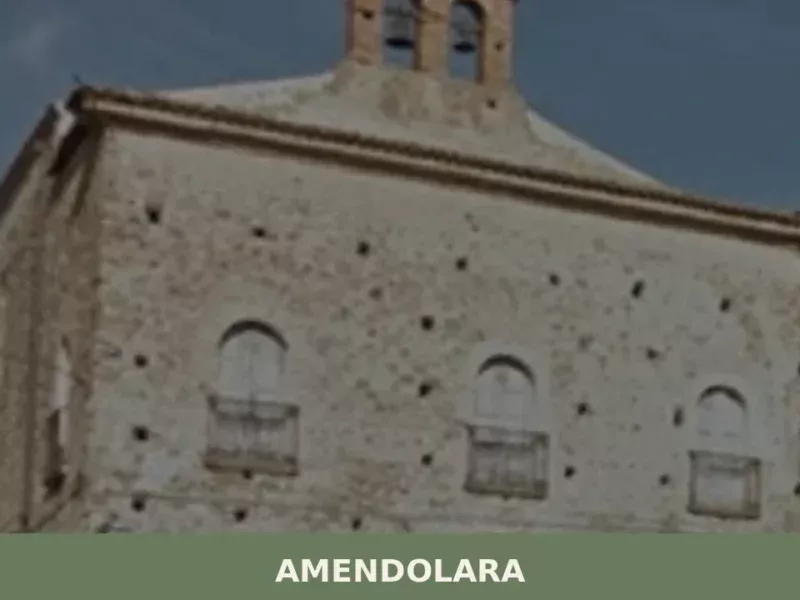
Amendolara
Sea
Explore Amendolara village, a charming Italian gem nestled in Calabria. Discover its rich history, stunning landscapes, and authentic local culture. Plan your visit today!
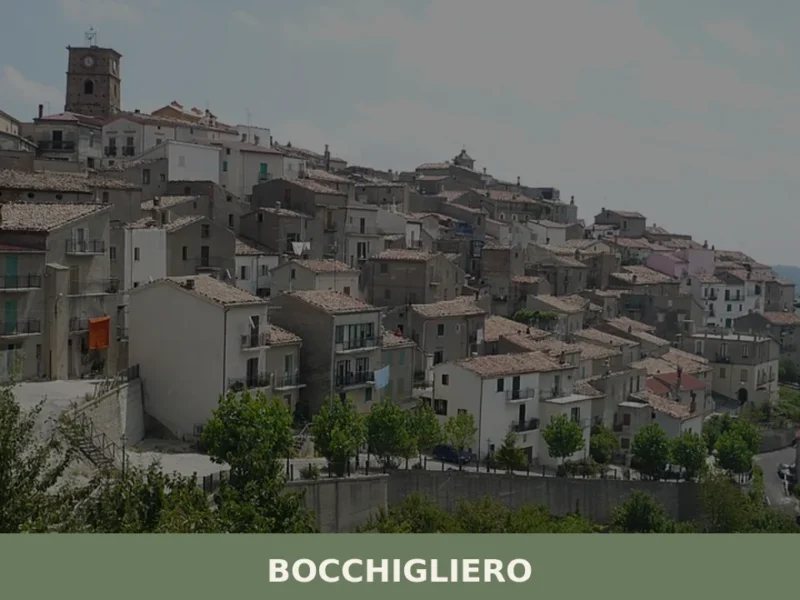
Bocchigliero
 Mountain
What to see in Bocchigliero: a mountain village at 870m in Cosenza. Discover the Mother Church and the Baronial Palace ruins.
Amato
 Hills
Hills
The enduring presence of the Arbëreshë language in Amato, a distinctive cultural marker, hints at centuries of layered history within this Calabrian village, where cultural traditions often define daily life. Its ancient foundations stretch back to a time even before Roman influence, earning mentions from revered classical figures like the Greek philosopher Aristotle and the […]
Anoia
 Plains
What to see in Anoia? Explore the 5 main attractions of this Calabrian village. The complete guide awaits to help plan your visit. Learn more!
Albidona
Sea
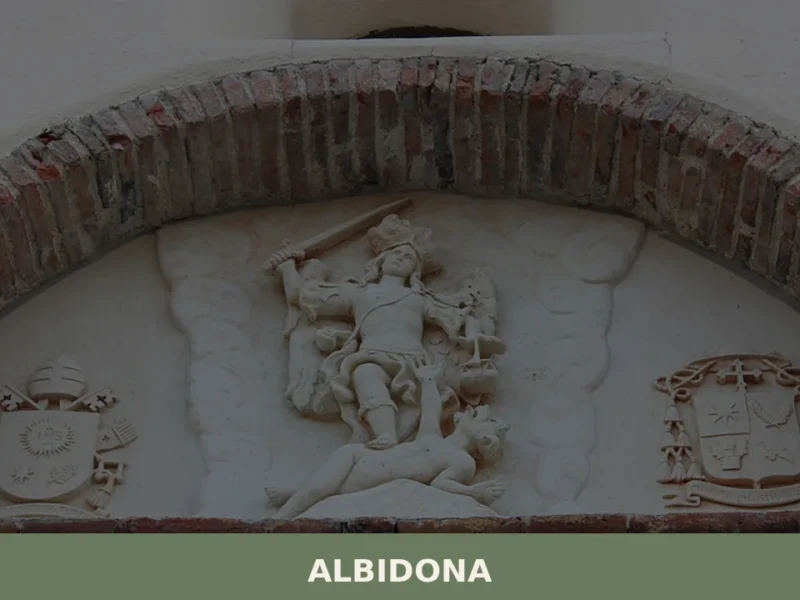
Albidona has 1,142 inhabitants and sits at 810 metres above sea level on the eastern slope of the Pollino massif, in the province of Cosenza. The old town preserves an urban layout arranged in parallel bands, developed along the ridge that separates the Saraceno stream valley from the Caldanello valley. Asking what to see in […]
Agnana Calabra
Mountain
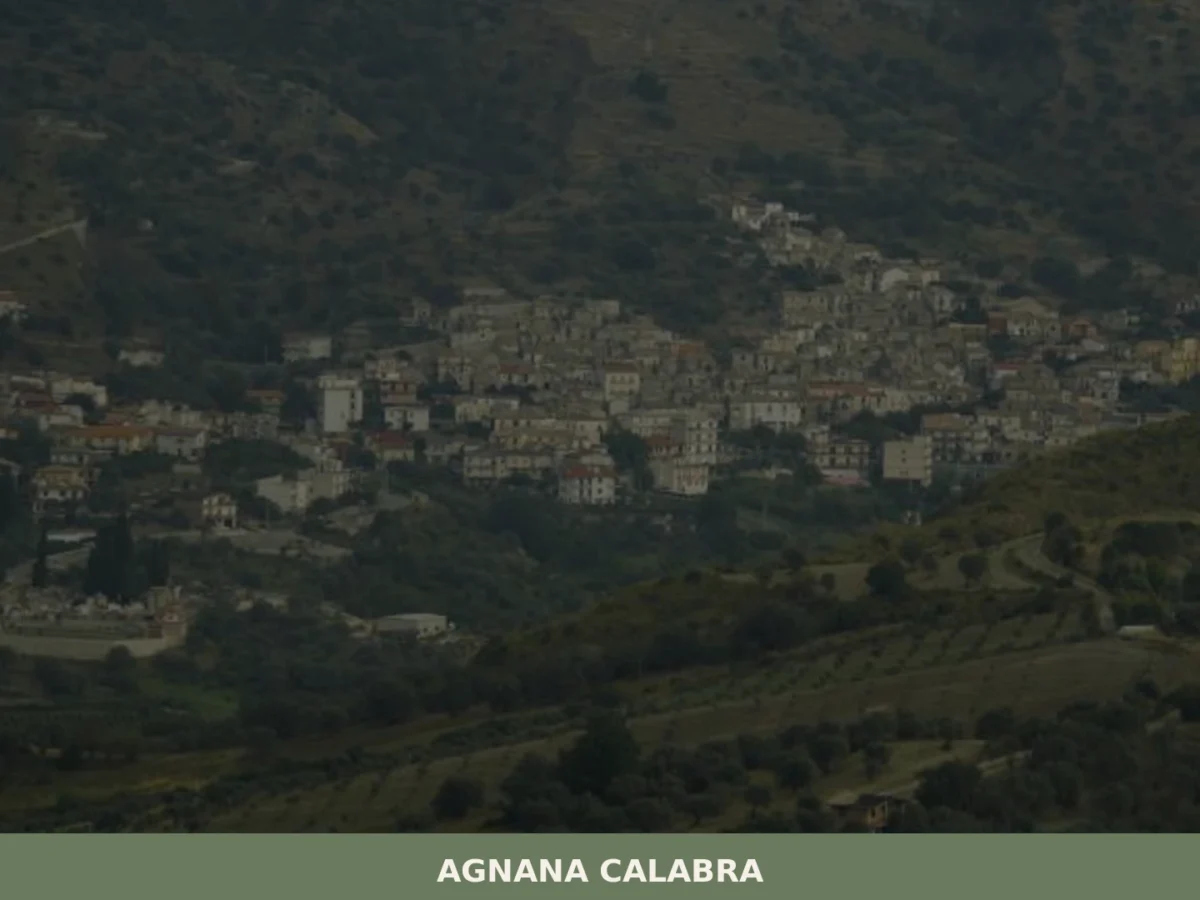
Planning a visit? Discover what to see in Agnana Calabra u2014 history, local food, best time to visit and how to reach this Reggio Calabria village.
Acquaro
Hills
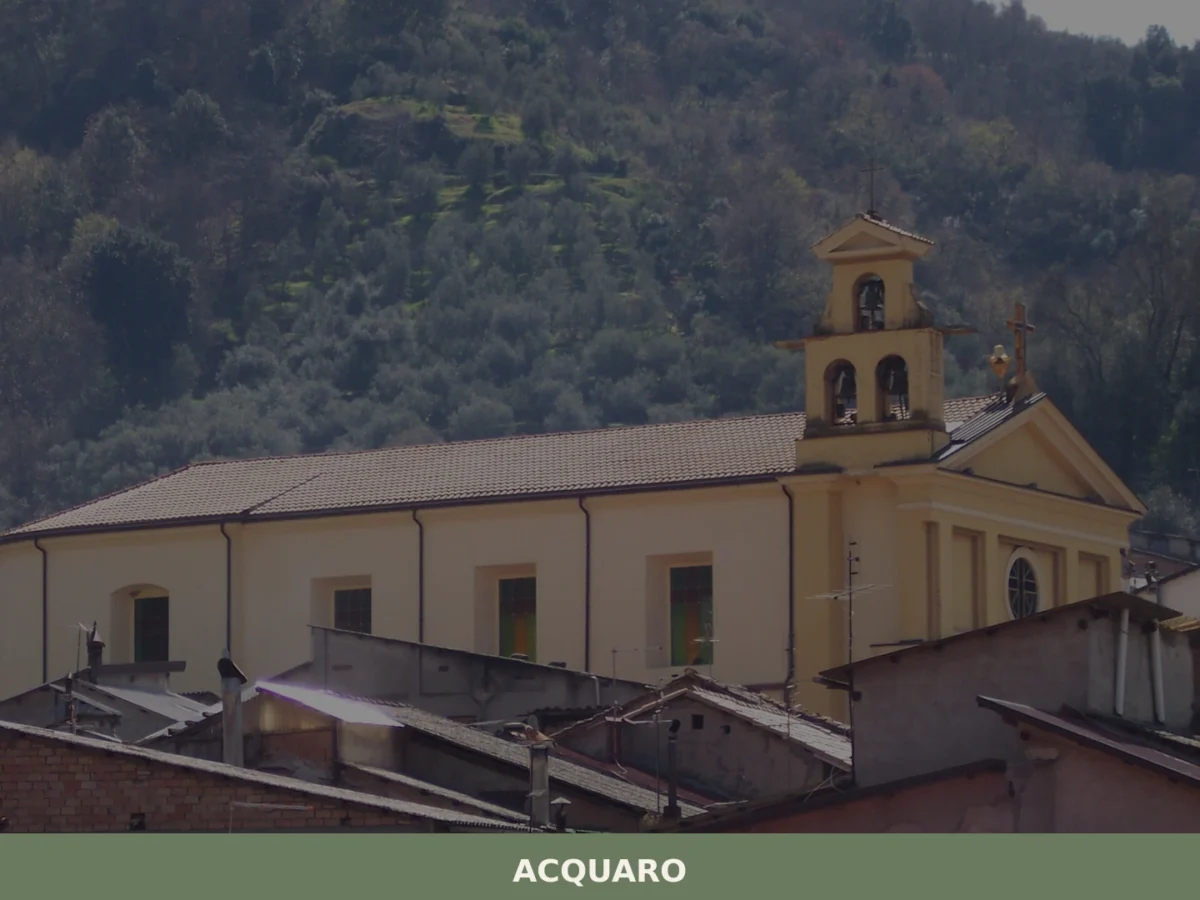
Discover what to see in Acquaro, a village of 1,778 inhabitants in Vibo Valentia, Calabria. History, food, travel tips and the Alto Mesima valley landscape.
Ardore
Sea
what to see in ardore: Discover Italy with Ardore’s altitude at 250 m, explore scenic landscapes and local festivals in Calabria.
Africo
Sea
Discover what to see in Africo, Calabria: the abandoned mountain village, Ionian coast, Aspromonte landscapes, local food and practical travel tips.
Morano Calabro
Sea
What to see in Morano Calabro, Italy: a village at 680 m altitude, listed among I Borghi più belli d'Italia. Discover top attractions, local food and how to get there.



🏡 Know Crotone better than we do?
If you’re a local or have been there, your knowledge matters: add what’s missing or fix a detail on this page.