


Pontelatone
At 120 meters above sea level, Pontelatone, a village in the province of Caserta with 1,752 inhabitants, extends across a plain between the Volturno and Calore rivers. Its urban layout reflects a history tied to agriculture and the presence of ancient communication routes. For those who wish to know what to see in Pontelatone, the […]
Discover Pontelatone
At 120 meters above sea level, Pontelatone, a village in the province of Caserta with 1,752 inhabitants, extends across a plain between the Volturno and Calore rivers. Its urban layout reflects a history tied to agriculture and the presence of ancient communication routes. For those who wish to know what to see in Pontelatone, the center offers a journey through historic buildings and evidence of an evolution that has defined its rural character, away from major tourist flows. Its residential fabric developed around historic cores that recount human settlement in this fertile part of Campania.
History and Origins of Pontelatone
The origins of Pontelatone are linked to the Roman presence in the region, as suggested by the etymology of the name, which could derive from “Pons Latonis” (Bridge of Lato, a Roman family) or “Pons Latronis” (Bridge of the Brigand). The territory was traversed by important communication routes, including the Via Latina, which connected Rome with Capua. Historical documents attest to the village’s existence as early as the 10th century, with references to a castrum, a defensive structure that controlled passage across the plain.
During the medieval period, Pontelatone was subject to disputes among various feudal families, including the Normans and later the Carafa, who held control for a long time. The village maintained strategic importance due to its location, serving as a hub for agricultural and commercial activities in the area. The current architectural structures, despite undergoing modifications over the centuries, still show the stratifications of these different historical eras, with elements ranging from the medieval to the Renaissance and Baroque periods.
What to see in Pontelatone: 5 Must-Visit Attractions
The Castle of Pontelatone
Built in the medieval era, the Castle of Pontelatone represents the historical core of the village. Although it now appears with subsequent modifications and additions, its original structure indicates a defensive function. Its walls and towers, some of which are still visible, bear witness to a past of territorial control and protection for the surrounding agricultural community. Currently, parts of the complex have been incorporated into private residences.
The Church of Maria Santissima dell’Orazione
Dedicated to the village’s patron saint, Maria Santissima dell’Orazione, this church represents the main place of worship in Pontelatone. Its architecture, although featuring elements from different eras, presents a simple facade and interiors that preserve sacred artworks and liturgical furnishings. The church serves as a center for religious and social life, especially during the festivities dedicated to the Madonna, which are celebrated on the second Sunday of September.
The Baronial Palace
Located near the oldest core, the Baronial Palace is a building that housed the feudal families who governed Pontelatone. Its structure, while not possessing the grandeur of other Campanian noble residences, reflects the civil architecture of the era, with windows and portals that define its character. It represents an example of noble residences within the context of a rural village.
The Church of San Michele Arcangelo
In addition to the Mother Church, Pontelatone hosts the Church of San Michele Arcangelo, another place of worship that contributes to the village’s architectural heritage. This church, of more modest dimensions, features stylistic characteristics that fit into the context of local religious architecture. Its presence indicates the spread of worship and the stratification of settlements over time.
The Streets of the Historic Center
Walking through the streets of Pontelatone’s historic center allows observation of the village’s urban organization. The dwellings, often built with local stone, follow one another along paths that retain their original layout. Stone portals, small windows, and internal courtyards characterize the civil architecture, offering a glimpse into daily life and the architectural evolution of the place over the centuries.
Typical Cuisine and Local Products
The cuisine of Pontelatone, like that of the entire province of Caserta, is rooted in peasant tradition, favoring fresh, seasonal ingredients. The territory, fertile and generous, offers a variety of products that form the basis of simple but flavorful recipes. Among the area’s excellent products, a prominent place is held by Pallagrello wine, both in its white and black versions, an indigenous grape variety that has been recovered and promoted, finding its ideal environment in these lands to express distinctive organoleptic characteristics.
In addition to Pallagrello, local production includes extra virgin olive oil, legumes, and vegetables cultivated on the plain. Typical dishes often involve the use of pork, such as sausages and hams, and fresh or aged cheeses, produced with buffalo or cow’s milk. Homemade pastas are also common, seasoned with rich tomato and meat sauces, or simple vegetable soups. Local festivals, when organized, represent an opportunity to taste these specialties and learn about the local gastronomy.
When to Visit Pontelatone: The Best Time
The best time to visit Pontelatone generally coincides with spring (April-June) and autumn (September-October). During these months, the climate is mild and allows exploration of the village and its surroundings without the intense summer heat. The vegetation of the plain appears lush in spring and with the warm colors of autumn, a period when the local grape harvest also takes place.
A significant time for the community is the second Sunday of September, when the feast of the patron saint, Maria Santissima dell’Orazione, is celebrated. During this observance, the village comes alive with processions and community gatherings. Visiting Pontelatone during these periods allows appreciation of both the historical-architectural heritage and local traditions, in a climate favorable for walks and excursions.
How to Get to Pontelatone
Pontelatone is primarily reachable by land. By car, you can take the A1 Motorway (Autostrada del Sole) and exit at Caserta Nord, then continue on SS 87 and provincial roads towards the village. From Caserta, the distance is about 20 kilometers. The nearest train station is Piana di Monte Verna or Caiazzo, from which you can continue with local transport (bus or taxi). The most convenient airport is Naples-Capodichino International Airport, located approximately 45 kilometers away.
Other Villages to Discover in Campania
Campania, with its landscape and historical diversity, offers a panorama of villages that merit exploration. From the Apennine heights to the fertile plains, each location holds its own history and specific characteristics. Continuing the journey in the province of Caserta, one can encounter other places that, despite their uniqueness, share a connection with the history and traditions of the region. Among these, Conca della Campania stands out, a center that rises on a hill and offers a different perspective on the Caserta territory, with its architecture integrating into the hilly landscape.
Not far away, another stop can be Ciorlano, a small inhabited core that also preserves traces of a rural and architectural past. Ciorlano fits into the context of lesser-known places that are rich in ideas for those seeking a more intimate experience away from the most frequented routes, allowing for a deeper understanding of a less obvious but equally genuine Campania.
For more information, you can consult the official website of the Municipality of Pontelatone, the Pontelatone Wikipedia page, or the resources of the Italian Touring Club.
In Campania More villages to discover
Capriati a Volturno
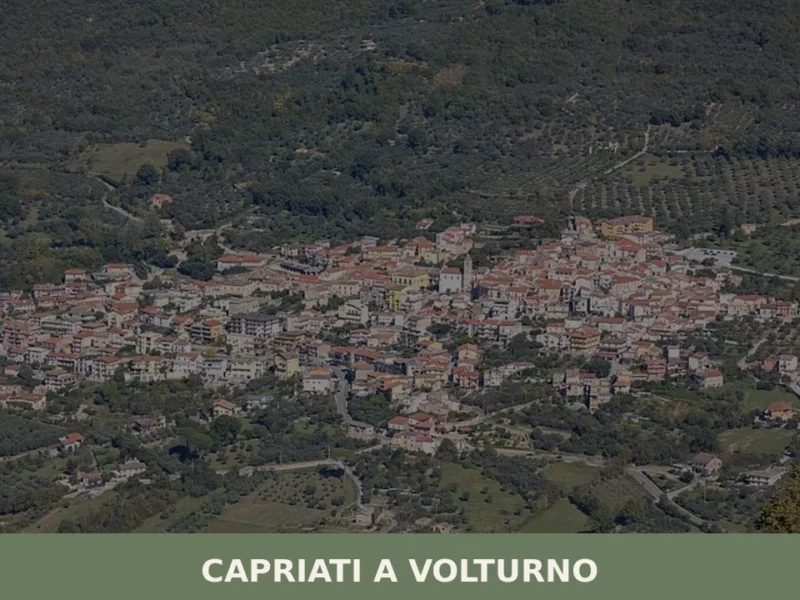
At 290 metres above sea level, along the right bank of the Volturno, Capriati has a current population of 1,440 residents spread between the historic centre and the hamlets scattered across the valley. The river, which here sweeps through a wide bend before continuing towards the Campanian plain, has shaped the town’s economy and layout […]
Presenzano
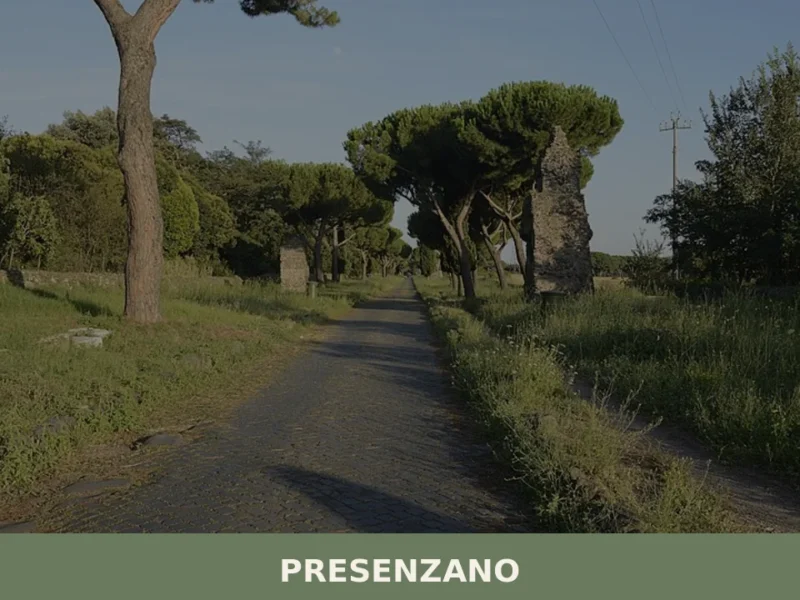
At 272 meters above sea level, in the northwestern sector of the province of Caserta, Presenzano stands out for its strategic position, a natural observation point over the Volturno valley. The territory has been inhabited since Roman times, as evidenced by archaeological finds in the area. This historical continuity has shaped an urban fabric where […]
San Gregorio Matese
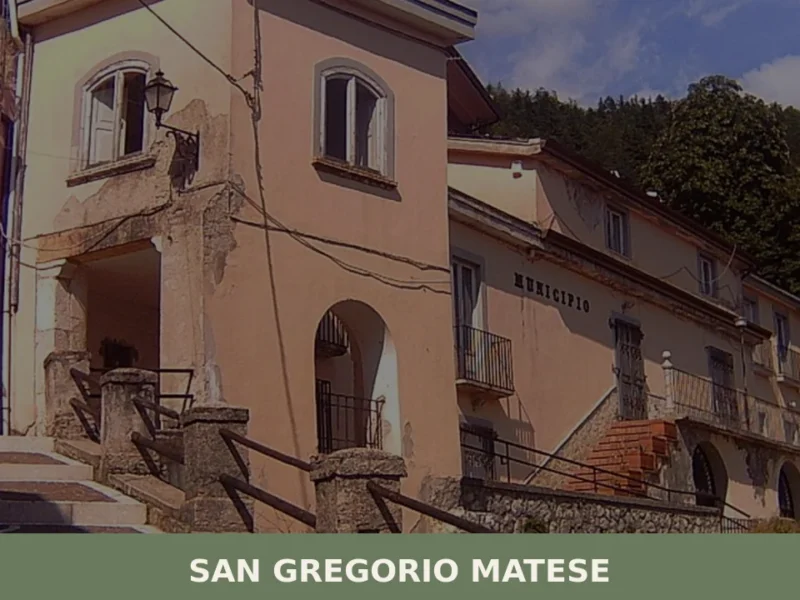
At 765 meters above sea level, San Gregorio Matese stands as one of the highest municipalities in the province of Caserta, a settlement with just over a thousand inhabitants. Its foundation is historically attributed to the cult of Pope Gregory I, from whom it takes its name. For those wondering what to see in San […]






📝 Incorrect information or updates?
Help us keep the Pontelatone page accurate and up to date.