


Pontelatone
 Plains
what to see in pontelatone, Italy? Explore this Caserta village at 120 meters altitude. Discover the ancient city of Trebula and local traditions. Read more.
Discover Pontelatone
The village of Pontelatone, located in the Province of Caserta, Italy, sits at an altitude of 120 m (394 ft) above sea level, a modest elevation that characterizes its position within the Campania plain. This agricultural landscape, shaped by centuries of cultivation, provides a backdrop to a community of 1,752 inhabitants.
Here, the rhythm of rural life continues, framed by the historical echoes of ancient settlements.
For those wondering what to see in Pontelatone, this guide highlights the key points of interest in this Caserta municipality. Visitors to Pontelatone find a blend of historical context and rural charm, most notably the archaeological site of the ancient city of Trebula. The village, with its 1,752 residents, also provides insight into local traditions and the everyday life of a community rooted in the Campania plain.
History of Pontelatone
Pontelatone’s origins are deeply tied to the ancient city of Trebula, an important settlement whose site is found within the modern communal territory, specifically in the località (locality) Treglia. This historical connection positions Pontelatone as a place with roots stretching back to antiquity, predating its current form as a comune (municipality). The area has been inhabited for millennia, influenced by its strategic location in the fertile plain of Campania, a region known for its agricultural richness and historical significance.
The continuity of human presence here underscores its long-standing role in the local landscape.
The development of Pontelatone through the centuries reflects the broader historical trajectory of the Caserta province. Its proximity to significant regional centers, approximately 40 km (25 mi) north of Naples and 15 km (9.3 mi) northwest of Caserta, meant it was subject to various dominations and cultural exchanges. The communities bordering Pontelatone, such as Bellona, Camigliano, Capua, Castel di Sasso, Formicola, Liberi, and Roccaromana, also share this complex historical tapestry, each contributing to the regional identity.
Over time, Pontelatone evolved from its ancient foundations, with its population settling and shaping the landscape into the agricultural village seen today. Despite its modest size with 1,752 inhabitants, the continuity of settlement from the ancient city of Trebula to the present day underscores its enduring significance in the local context.
The administrative structure as a comune within the Province of Caserta confirms its modern civic identity, blending historical legacy with contemporary community life in the Campania plain.
What to see in Pontelatone, Campania: top attractions
For those exploring what to see in Pontelatone, the village and its surroundings offer several points of interest that reveal its historical depth and natural setting. Each attraction provides a distinct perspective on this corner of Campania, inviting visitors to engage with both ancient ruins and contemporary village life. The blend of historical sites and local character defines the visitor experience here.
The Site of Ancient Trebula
The archaeological site of Trebula, located within the località Treglia, represents the most significant historical attraction near Pontelatone. While specific visible structures might vary, the area preserves the memory of an ancient city that once thrived in this part of Campania. Exploring this site offers a tangible connection to the region’s past, allowing visitors to imagine the layout of a settlement that existed many centuries ago.
This archaeological zone provides a unique opportunity to walk on ground that has been continuously inhabited for extended periods.
The Historic Center of Pontelatone
The historic center of Pontelatone, situated at an altitude of 120 m (394 ft), presents a characteristic example of a small Italian village. Its narrow streets and traditional buildings reflect centuries of development, offering a glimpse into local architecture and community life. A stroll through these lanes allows visitors to observe the daily rhythms of the 1,752 inhabitants and appreciate the compact urban fabric that has evolved over time. This area serves as the heart of the community, where local interactions and traditions are most evident.
The Parish Church of Maria Santissima dell’Orazione
As is typical for Italian communities, the spiritual center of Pontelatone is the parish church, dedicated to the village’s patron saint, Maria Santissima dell’Orazione. This sacred building stands as a focal point for the community, reflecting centuries of devotion and tradition among the 1,752 inhabitants. While specific architectural details are not provided in available sources, the church would invariably feature elements common to Campania’s religious structures, serving as a place of worship and a repository of local art and history.
Visitors often find these churches to be quiet havens for reflection and cultural observation.
Views over the Campania Plain
From its elevation of 120 m (394 ft) above sea level, Pontelatone offers expansive views across the fertile Campania plain, a defining geographical feature of the region. This panorama showcases the agricultural nature of the surrounding landscape, characterized by fields and cultivated areas that stretch towards the horizon. The visual experience provides context for the village’s economy and lifestyle, highlighting its connection to the land. Observing the plain from various vantage points around the village allows visitors to appreciate the scale and beauty of this productive Italian region.
Rural Pathways and Bordering Landscapes
The area immediately surrounding Pontelatone, which includes its borders with municipalities such as Bellona and Formicola, provides opportunities for gentle exploration of the rural landscape. These pathways offer a chance to experience the natural environment of the Campania plain, away from more structured attractions. The tranquil scenery, marked by agricultural fields and scattered farmhouses, invites visitors to observe local flora and fauna.
Engaging with these landscapes offers a different perspective on Pontelatone, emphasizing its peaceful, agrarian setting.
Local food and typical products of Pontelatone
The available sources do not provide specific details regarding the local food and typical products of Pontelatone. Consequently, it is not possible to describe particular dishes, ingredients, or certified products unique to the village based on the provided information. The focus on verifiable facts means that any discussion of specific Pontelatone cuisine would constitute invention, which is strictly avoided.
The Campania region is renowned for its rich culinary heritage, characterized by fresh, high-quality ingredients derived from its fertile land and proximity to the sea. Traditional Campanian cuisine often features fresh vegetables, olive oil, pasta, and dairy products like mozzarella, which are staples across the region. While specific Pontelatone specialties cannot be detailed, the regional influence would suggest a diet rooted in Mediterranean traditions. Dishes typically emphasize seasonal produce and simple preparations that highlight natural flavors.
Visitors to the area might encounter regional staples, though their specific connection to Pontelatone itself remains undocumented within the provided sources.
Festivals, Events, and What to See in Pontelatone’s Traditions
The spiritual life of Pontelatone revolves significantly around its patron saint, Maria Santissima dell’Orazione. While specific dates for the annual celebration are not detailed in the provided sources, it is a deeply rooted tradition in Italian villages to honor their patron saint with an annual festival. These events typically involve religious processions, where an effigy of the saint is carried through the streets, accompanied by music and community participation.
These patron saint festivals are generally vibrant community gatherings that foster a strong sense of local identity among the 1,752 inhabitants. Beyond the religious rites, such celebrations often include communal meals, local music, and sometimes fireworks, transforming the village into a lively hub for a few days.
While the exact unfolding of Pontelatone’s patron saint festival remains unconfirmed by the sources, its existence as a central tradition is inferred from the designation of Maria Santissima dell’Orazione as the village’s patron.
When to visit Pontelatone, Italy and how to get there
For those planning a trip and considering what to see in Pontelatone, the best time to visit Campania generally spans the spring (April to June) and early autumn (September to October). During these periods, the climate is mild and pleasant, making it ideal for exploring archaeological sites and walking through village streets without the intense heat of summer. Summer months (July and August) can be very warm, though they might coincide with local festivals.
Pontelatone is readily accessible for travelers, making it suitable for a day trip from major Campanian cities. It is located approximately 40 km (25 mi) north of Naples and about 15 km (9.3 mi) northwest of Caserta, offering convenient connections. For those arriving by car, the village can be reached via regional roads connecting from the A1 motorway, with exits such as Caserta Nord or Capua providing access. Parking facilities are typically available within or near the historic center.
If you prefer public transport, the nearest major train station is Caserta, which is well-connected to the national rail network, including direct services from Rome.
From Caserta, local buses or a taxi would be required for the remaining 15 km (9.3 mi) journey to Pontelatone. The nearest international airport is Naples International Airport (NAP), located approximately 40 km (25 mi) south of Pontelatone, offering flights to various European destinations. From the airport, travelers can rent a car or take a shuttle to Naples Central Station and then a train to Caserta. Visitors should note that in smaller villages like Pontelatone, English may be limited in shops and restaurants, and carrying some Euros cash can be useful. For official information about the municipality, you can visit the Comune di Pontelatone website.
Visitors to Pontelatone who wish to extend their exploration of Campania’s lesser-known villages can consider nearby destinations such as Ciorlano, a village that offers its own unique regional character. Additionally, the communities of Ailano and Valle Agricola provide further opportunities to delve into the rural landscapes and local traditions of this diverse Italian province.
Frequently asked questions about Pontelatone
What is the best time to visit Pontelatone?
The ideal times to visit Pontelatone are spring (April-June) and autumn (September-October). During these months, the climate is mild, perfect for exploring the village and its surroundings, with the plain showcasing lush greenery or the warm hues of the grape harvest season. A particularly significant period is the second Sunday of September, when the village celebrates the feast of its patron saint, Maria Santissima dell'Orazione, with traditional processions and community events that offer a glimpse into local traditions.
What to see in Pontelatone? Main monuments and landmarks
In Pontelatone, visitors can explore several historical sites that reflect its rich past. The imposing Castle of Pontelatone, although modified over centuries, remains a testament to its medieval defensive origins. The main spiritual hub is the Church of Maria Santissima dell'Orazione, dedicated to the patron saint, featuring simple architecture and sacred artworks. Nearby, the Baronial Palace showcases the civil architecture of past feudal families. Don't miss the smaller, charming Church of San Michele Arcangelo. Finally, a stroll through the historic center's streets, with their local stone dwellings and ancient portals, offers an authentic glimpse into the village's evolution.
What can you do in Pontelatone? Activities and experiences
In Pontelatone, visitors can immerse themselves in a genuine rural experience away from mass tourism. A primary activity is exploring the historic center, admiring its ancient stone architecture and charming streets. During the second Sunday of September, you can participate in the vibrant feast of Maria Santissima dell'Orazione, complete with processions. The fertile plain also invites food and wine experiences, particularly tasting the renowned Pallagrello wine, local olive oil, and traditional peasant dishes. Autumn visitors might also witness the grape harvest, offering a unique insight into local agricultural life.
Who is Pontelatone suitable for? Families, couples, hikers, solo travelers?
Pontelatone is ideal for travelers seeking an authentic, tranquil experience away from crowded tourist routes. It appeals to those interested in history, rural culture, and genuine local traditions. Solo travelers and couples will appreciate its intimate atmosphere and the opportunity to delve into a less obvious side of Campania. While not explicitly for hikers, the favorable climate in spring and autumn suggests pleasant walks in the plain surroundings. Food and wine enthusiasts will also find it appealing due to its rich gastronomic offerings, especially the Pallagrello wine.
What to eat in Pontelatone? Local products and specialties
Pontelatone's cuisine is deeply rooted in peasant traditions, highlighting fresh, seasonal ingredients from its fertile plain. A must-try is the indigenous Pallagrello wine, available in both white and black varieties, which thrives in this region. Local specialties also include robust extra virgin olive oil, legumes, and seasonal vegetables. Dishes often feature flavorful pork products like sausages and hams, along with fresh or aged cheeses made from buffalo or cow's milk. Don't miss the homemade pastas, typically served with rich tomato and meat sauces or hearty vegetable soups, embodying the authentic flavors of Caserta.
📷 Photo Gallery — Pontelatone
Nearby Villages near Pontelatone
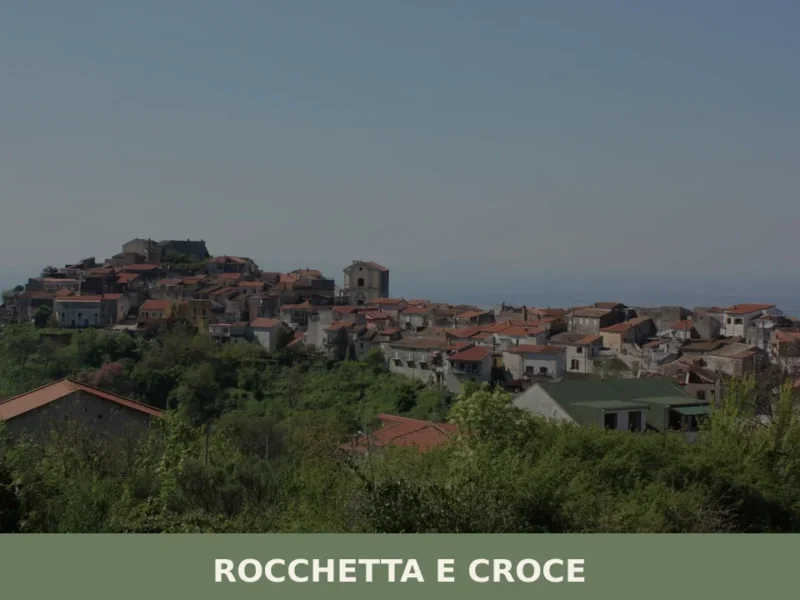
In Campania More villages to discover
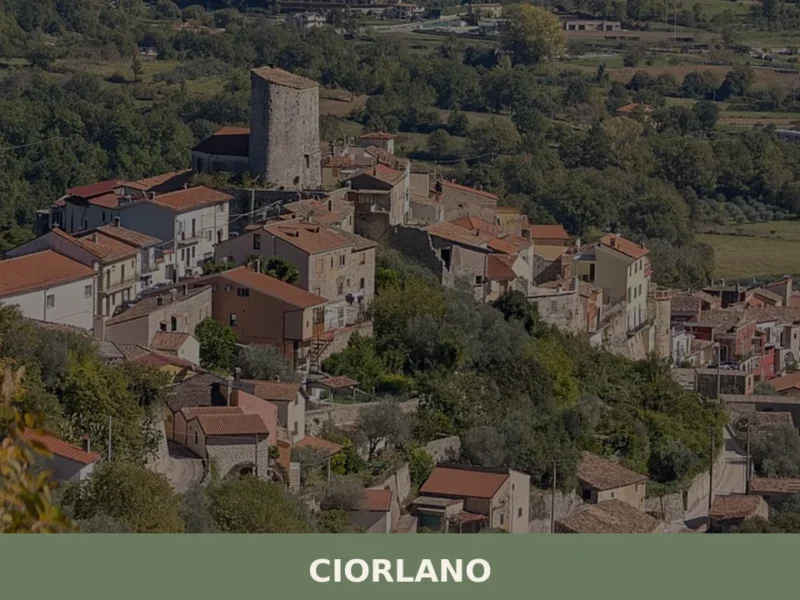
Ciorlano
 Hills
Hills
With its 370 inhabitants spread across an elevation of 330 metres above sea level, Ciorlano is one of the least populated municipalities in the province of Caserta. The village sits in the middle Volturno valley, along the hillside that separates the Matese massif from the Alife plain. Anyone wondering what to see in Ciorlano will […]
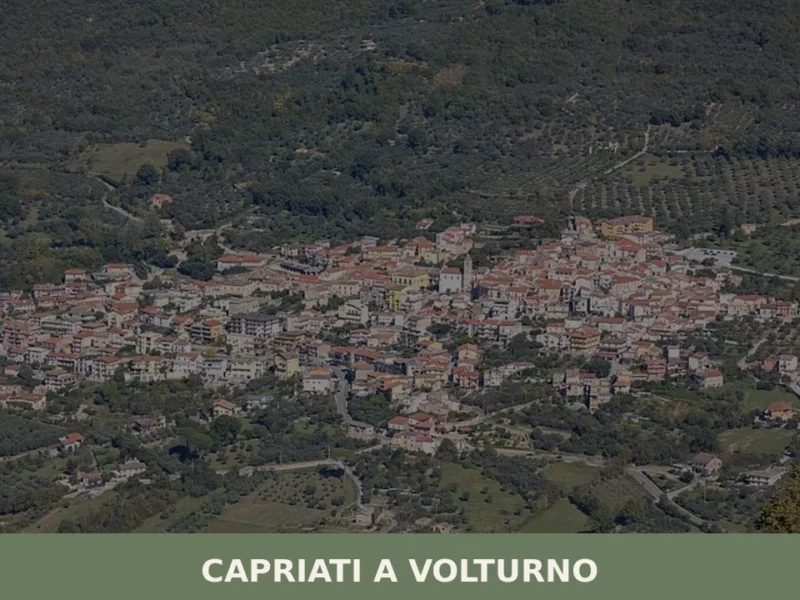
Capriati a Volturno
Hills
At 290 metres above sea level, along the right bank of the Volturno, Capriati has a current population of 1,440 residents spread between the historic centre and the hamlets scattered across the valley. The river, which here sweeps through a wide bend before continuing towards the Campanian plain, has shaped the town’s economy and layout […]
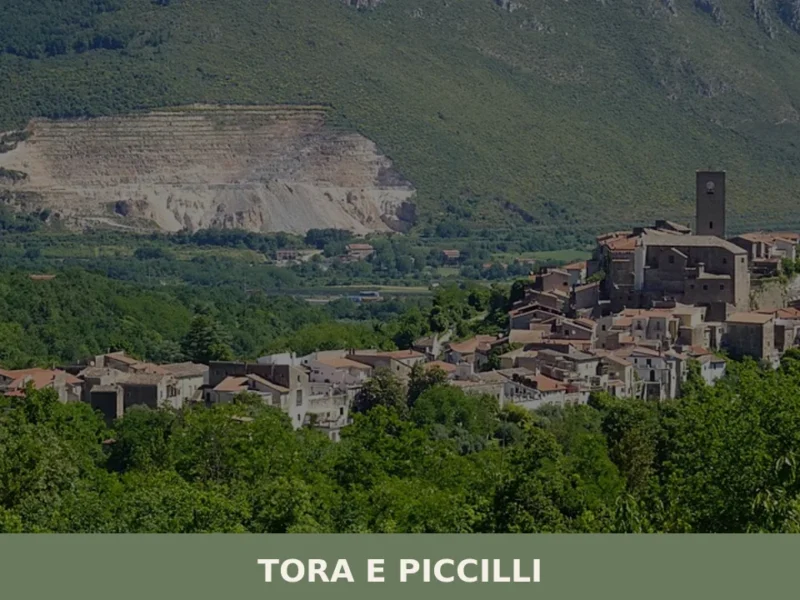
Tora e Piccilli
Hills
What to see in Tora e Piccilli, Italy: discover this Caserta comune at 343 m altitude. Explore its hilly landscape and small-town character. Read our complete guide.
Conca della Campania
Hills
At 420 metres above sea level, on the hilly ridge separating the Volturno valley from the Lazio side, Conca della Campania today has 1,154 inhabitants spread between the main settlement and the hamlets scattered along the ridgelines. The municipal territory falls within the province of Caserta, on the border with Molise and Lazio, a frontier […]
Aiello del Sabato
Hills
What to see in Aiello del Sabato, Italy? Discover this village at 425 m (1,394 ft) altitude. Explore its historic core and learn about its Roman past. Read our guide.
Gallo Matese
 Mountain
With its 625 inhabitants and an altitude of 875 meters above sea level, Gallo Matese ranks as one of the highest centers in the province of Caserta, Campania. Its geographical position, in the heart of the Matese mountain range, determines its identity and structure. The village, whose presence has been documented for centuries, developed in […]
Amalfi
Hills
 Sea
Sea
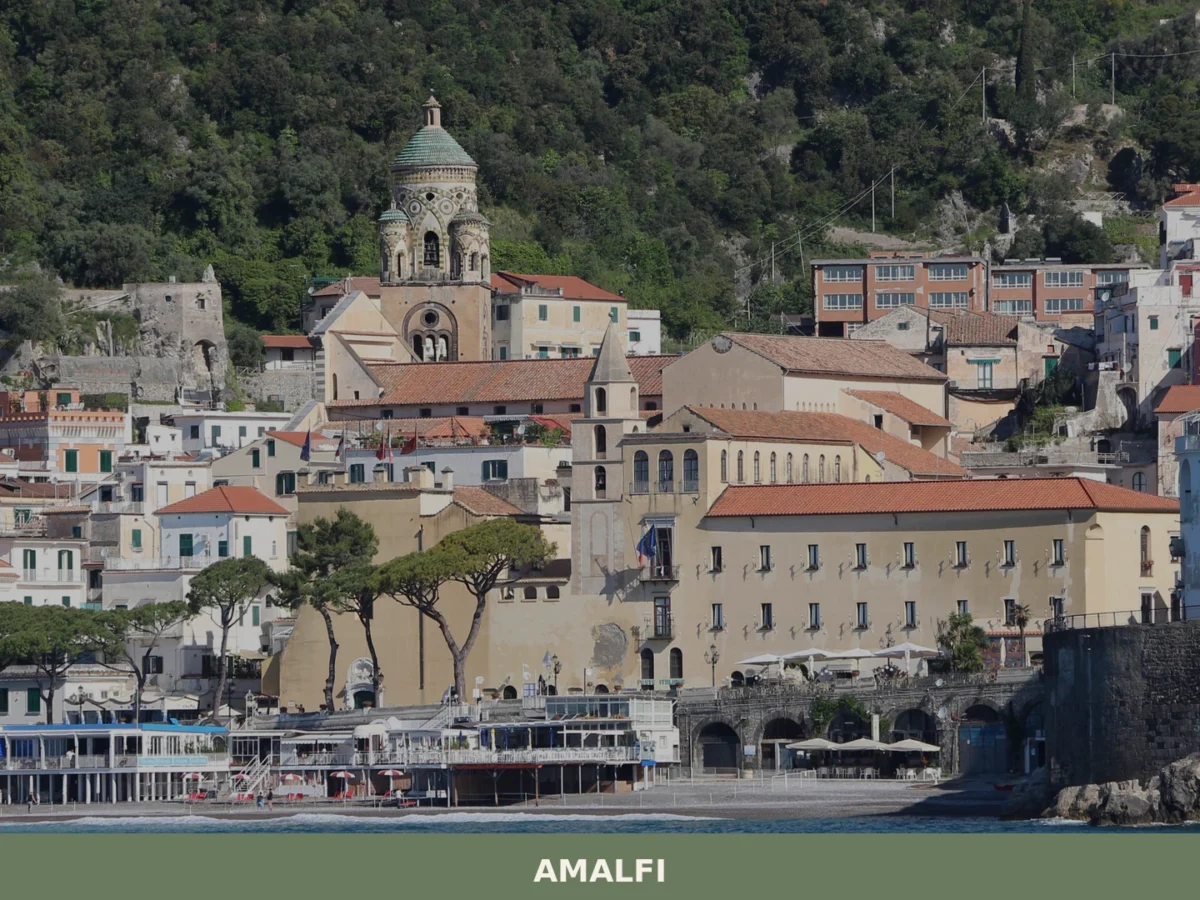
What to see in Amalfi, Campania, Italy: explore the Cathedral of Sant'Andrea, the Arsenal of the Maritime Republic, and the Compass Museum. Discover 4,611 residents' town.
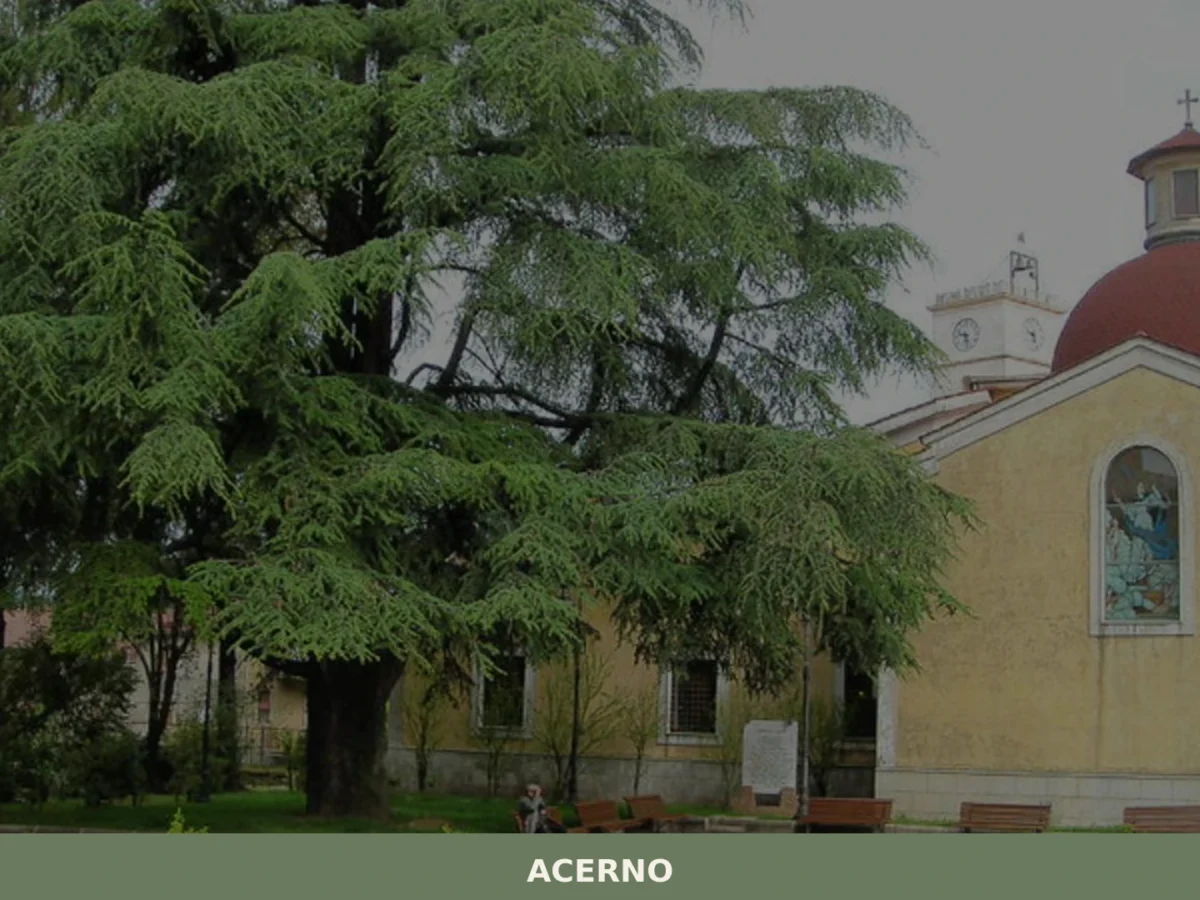
Acerno
Mountain
Discover what to see in Acerno, a 2,419-person village in Salerno's Picentini Mountains: medieval cathedral, chestnut forests, and a nine-century diocesan history.
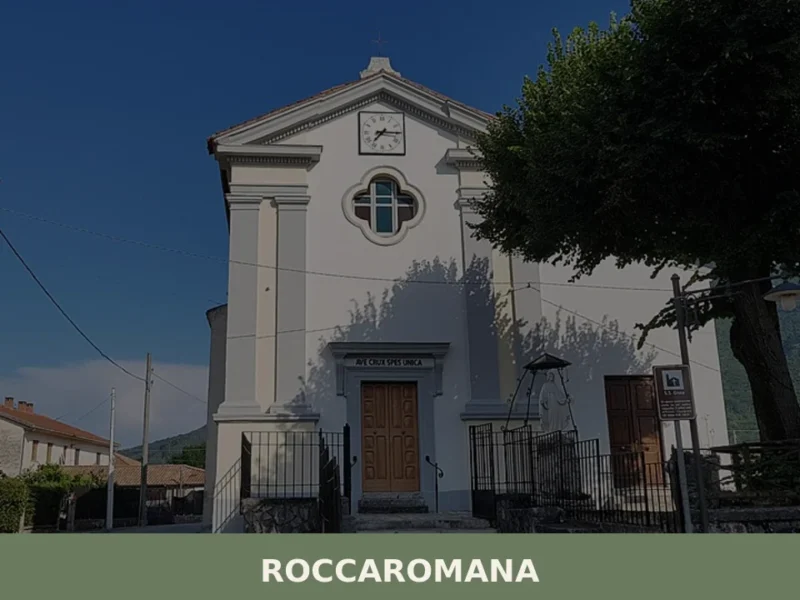
Roccaromana
Plains
What to see in Roccaromana, Italy: Explore its 180m altitude, discover historic churches and enjoy San Cataldo feast. Learn more about visiting this quaint village.
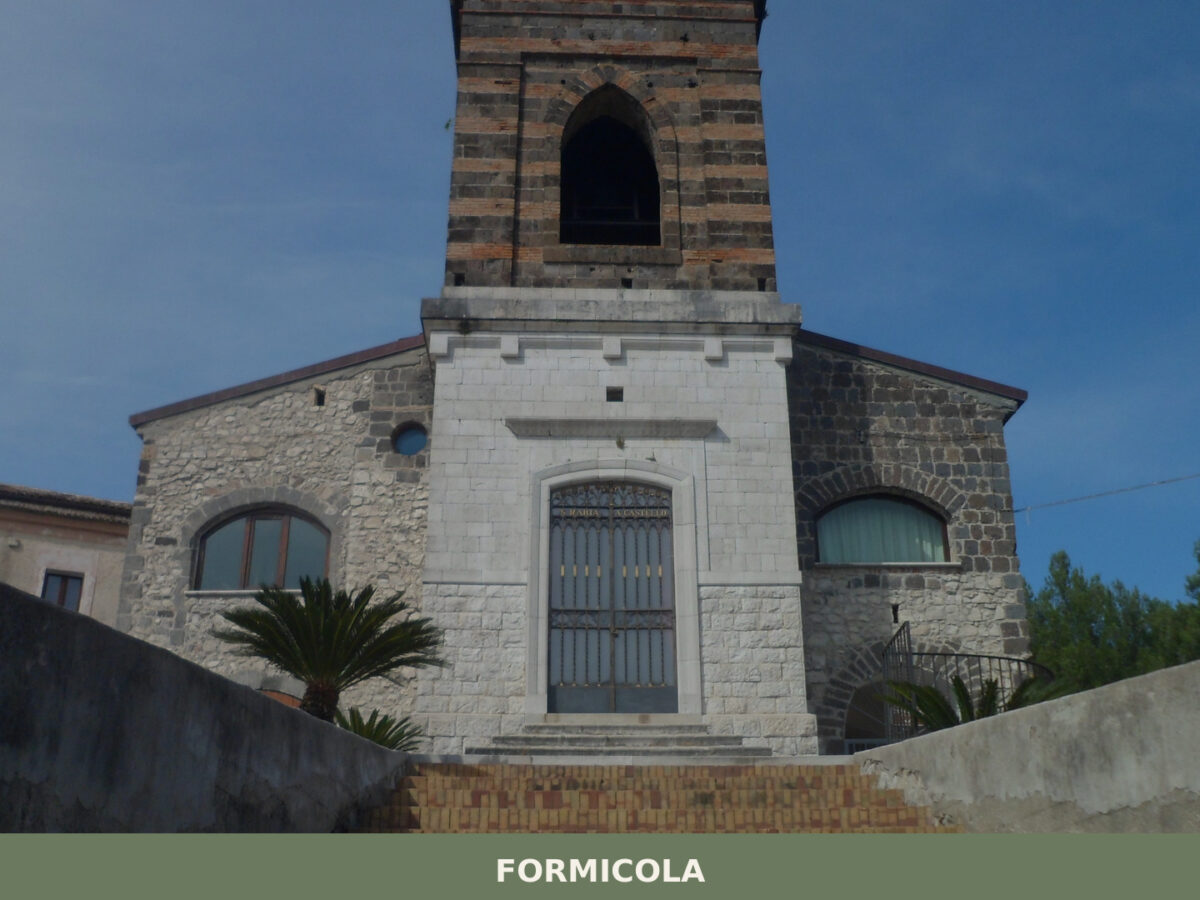
Formicola
Plains
Discover Formicola, a picturesque village in Campania, Italy. Explore its rich history, stunning landscapes, and authentic Italian culture and traditions.



🏡 Know Pontelatone better than we do?
If you’re a local or have been there, your knowledge matters: add what’s missing or fix a detail on this page.