


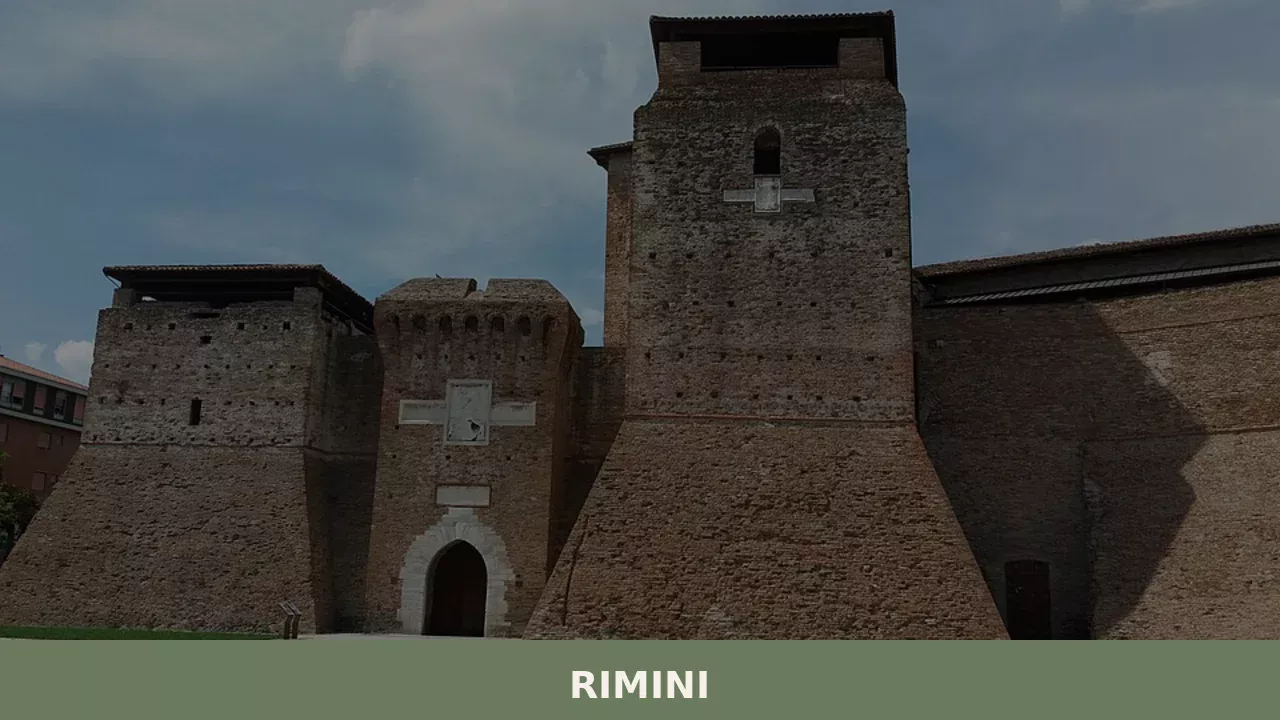
Rimini
What to see in Rimini: 149,211 residents, Arch of Augustus, Tempio Malatestiano, Fellini Museum. Plan your visit with our complete guide to Roman history and local food.
Discover Rimini
Exit the A14 at Rimini Nord or Rimini Sud and the city announces itself almost immediately: first the industrial outskirts, then the salt-edged smell of the Adriatic that signals everything to come. This is not a place that reveals itself gradually — Rimini hits you at once, with its 149,211 inhabitants, the noise of the seafront, the construction sites, the illuminated signs.
Yet the moment you turn towards the old centre, the scene changes completely: the Arch of Augustus, erected in 27 BC, rises across the road like a portal between different eras.
Understanding what to see in Rimini means learning to read this double face — the machine city of beach tourism alongside the Roman, medieval and Renaissance city that survives with precise stratigraphic clarity in its monuments.
History and Origins of Rimini
The name Rimini derives from the ancient Umbro-Gallic settlement of Ariminum, officially founded as a Latin colony in 268 BC. The geographical position was strategic: the city stood at the confluence of the Marecchia and Ausa rivers, just metres from the Adriatic Sea, at the point where the Via Flaminia completed its Apennine route. Ariminum immediately became a key node in the Roman road network, a crossroads between north and south, between the Po Valley and Rome. The colony grew rapidly, acquiring a forum, thermal baths, an amphitheatre, and the monumental infrastructure that still forms the backbone of the historic centre today.
The imperial period left Rimini two structures that continue to define the city’s profile.
The Bridge of Tiberius, completed in 21 AD, spans the Marecchia river on five perfectly preserved Istrian stone arches — it is one of the best-maintained Roman bridges in Europe.
The Arch of Augustus, dating to 27 BC, is the oldest surviving Roman triumphal arch in Italy. During the Middle Ages, Rimini passed through several successive powers: Lombard, Frankish, then papal. It was the Malatesta family, lords of the city between the 13th and 15th centuries, who left the deepest mark. Sigismondo Pandolfo Malatesta, condottiere and patron of the arts, commissioned the transformation of the church of San Francesco into the Tempio Malatestiano in 1450, entrusting the project to Leon Battista Alberti.
Among the notable figures associated with Rimini is Federico Fellini, born in the city on 20 January 1920. The director built much of his cinematic vision on the atmosphere of the Adriatic Riviera, reinterpreting his birthplace in films such as Amarcord (1973) and I Vitelloni (1953). The city honoured him with a dedicated museum — the Fellini Museum, housed within Castel Sismondo and inaugurated in 2021. Demographically, Rimini experienced sustained growth throughout the twentieth century driven by the beach tourism boom: in the 1950s the population doubled in under twenty years, radically transforming both the urban fabric and the local economy.
What to See in Rimini: 5 Key Attractions
1. Tempio Malatestiano
Built at the behest of Sigismondo Pandolfo Malatesta from 1450 onwards, the Tempio Malatestiano is regarded as the first Renaissance building in northern Italy.
Leon Battista Alberti encased the original Gothic church of San Francesco in a marble shell inspired by the Arch of Constantine and Roman temple design. The interior preserves frescoes by Piero della Francesca, bas-reliefs by Agostino di Duccio, and the cenotaph of Sigismondo himself. The unfinished façade — the dome planned in the original project was never built — stands as a document of fifteenth-century Italian political history in its own right.
2. Arch of Augustus
Erected in 27 BC to honour Octavian Augustus, the Arch of Augustus stands at the southern end of Corso d’Augusto, the main decumanus of ancient Ariminum. Standing 8.67 metres tall, with Corinthian columns set into its piers, it is the oldest surviving Roman triumphal arch in Italy. During the Middle Ages it was incorporated into the city walls and used as a defensive tower, a function that contributed directly to its survival.
It serves as the natural starting point for any historical itinerary through the city and provides a direct sight line along the route of the Via Flaminia.
3. Bridge of Tiberius
Begun under Augustus and completed in 21 AD under Emperor Tiberius, the bridge crosses the port canal on five Istrian stone arches. The structure is approximately 8 metres wide and 73 metres long, and has withstood two thousand years of floods, wars, and daily use — it remains open to pedestrian and cycle traffic. At night, when floodlights illuminate the arches from the water below, the bridge reveals proportions that the eye tends to underestimate by day. It is the best-preserved Roman bridge on the entire Italian peninsula.
4. Fellini Museum
Opened in 2021, the Fellini Museum occupies two historic buildings in the centre of the old town: Castel Sismondo and Piazza Malatesta. The exhibition route was designed by Luca Ronconi and his team as an immersive experience: not a simple collection of memorabilia, but a reconstruction of the director’s visual and narrative universe. Original materials, sketches, behind-the-scenes photographs, rare footage and permanent installations alternate through spaces that reinterpret Fellini’s creative world.
By exhibition surface area, it is the largest museum in Italy dedicated to a single film director.
5. Domus del Chirurgo
Discovered during excavations in Piazza Ferrari in 1989, the Domus del Chirurgo is a Roman house from the 2nd–3rd century AD that yielded the richest collection of surgical instruments from Roman antiquity ever found in a single context: more than 150 bronze and iron tools. The owner of the dwelling was in all likelihood a Greek or Eastern-born military physician. The site is now open to visitors within a dedicated museum structure, where the remains of the domus can be viewed from raised walkways, with interpretive panels contextualising Roman medical practice.
What to Eat in Rimini: Local Cuisine and Regional Products
Rimini’s cuisine is shaped by a dual geographical position: coastal and agricultural at the same time. The city has historically absorbed influences from Adriatic fishing, Po Valley farming, and the trade routes that passed through it. The local gastronomic tradition does not overlap with that of the Emilian hinterland — butter frequently gives way to oil, filled pasta sits alongside fish dishes, and the rhythm of the kitchen follows the sea calendar as much as the agricultural one. This is not a formal or ceremonial cuisine: it is practical and generous, built to feed families of fishermen and farmers.
Among the most deeply rooted local dishes, piadina romagnola occupies a place of its own.
It is an unleavened flatbread — flour, water, lard or oil, salt — cooked on a terracotta or cast-iron griddle known as a testo.
In Rimini and throughout Romagna, the piadina is thinner than the versions from the Cesena hinterland, and is traditionally filled with squacquerone cheese, cured ham, rocket, or local salumi. Another cornerstone of local tradition is the brodetto di pesce all’uso di Rimini, a fish soup made with Adriatic species — scorpionfish, weever, cuttlefish, clams — and white wine vinegar, which sets this version apart from equivalent dishes in neighbouring cities. The fish ragù, also known as “ragù adriatico,” follows a tradition documented from at least the nineteenth century.
In terms of local products, the Rimini area falls within the production zone of piadina romagnola IGP, recognised by the European Union. The product specification distinguishes two types: the Rimini variant, thinner and crispier, with a diameter between 23 and 30 centimetres and a thickness not exceeding 3 millimetres, and the Cesena-Ravenna variant, thicker and softer. Among cured meats, the territory has long been associated with artisan production of prosciutto and salama da sugo, the latter more widespread in the Ferrara area but also present across the Adriatic Romagna.
The best-known local cheese is squacquerone, soft and slightly acidic, traditionally used as a filling for piadina.
Food festivals and gastronomic markets are concentrated mainly between June and September, when beach tourism generates demand for outdoor events.
The weekly market in the historic centre, held every Wednesday and Saturday, offers local produce including vegetables from the plain, fresh fish, and artisan cheeses. For those seeking authentic piadina, the long-established kiosks in the centre — open year-round — remain the most reliable option. In October, around the feast of the patron saint San Gaudenzio (14 October), gastronomic events are organised throughout the historic centre.
The Rimini area falls within the production zone of Sangiovese di Romagna DOC, a red wine made from Sangiovese grapes grown on the hills behind the coast, available in dry, semi-sweet and riserva versions. In the traditional wine bars of the old town it is also common to find Trebbiano di Romagna DOC, a fresh and light white wine conventionally paired with fish soup.
Both appellations are recognised and overseen by the Consorzio Vini di Romagna.
When to Visit Rimini: The Best Time to Go
Rimini operates on a two-season rhythm.
From June to September the city functions as one of Italy’s principal beach tourism destinations: beach establishments open, seafront venues operate at full capacity, and the resident population is multiplied by the influx of visitors. During this period the historic centre is busier than usual but also more lively, with concerts, cultural events and night markets concentrated in July and August. Those wanting to visit the Roman monuments and museums without excessive crowds should aim for early morning or plan visits on weekdays.
The most suitable window for experiencing the city on a cultural and historical level is April–May or September–October. During these periods the climate is mild, accommodation prices are noticeably lower than in high season, and museums — including the Fellini Museum — are accessible without queues. The feast of San Gaudenzio on 14 October provides an opportunity to see the historic centre animated by ceremonies and traditional markets outside the logic of summer tourism.
Winter is the quietest season: many beach businesses close, but the historic centre remains fully operational and accessible.
How to Get to Rimini
Rimini is reachable by car via the A14 Bologna–Taranto motorway: the exits are Rimini Nord (for the historic centre and northern beach area) and Rimini Sud (for the southern area and the port).
From Bologna the distance is around 120 km, covering just over an hour. From Milan the journey is approximately 310 km (around 3 hours). By train, Rimini railway station is a significant rail hub: it is served by Intercity and Regional trains on the Bologna–Lecce line, with frequent connections from Bologna (around 1 hour), Ancona (around 1 hour) and Milan (around 3 hours by Intercity).
Rimini Federico Fellini International Airport (IATA code: RMI) is located around 8 km from the city centre, reachable by taxi or urban bus. The airport handles mainly seasonal charter flights and a number of European low-cost routes; for intercontinental connections, the reference airport is Bologna Guglielmo Marconi, approximately 120 km away.
Within the city, public transport is operated by Start Romagna, with bus lines connecting the railway station, the historic centre and the seafront. Bike hire is widely available and a practical option for travelling between the centre and the coast.
Other Villages to Explore in Emilia-Romagna
Visitors to Rimini who want to extend their journey into the Emilian-Romagnol hinterland will find options that differ considerably in landscape and character.
Around 170 km to the northwest, in the Piacenza area, San Pietro in Cerro is a small municipality that preserves a medieval castle converted into a contemporary art museum — an unexpected contrast between historic architecture and twentieth-century collections. Nearby, Morfasso offers a typical Apennine landscape in the Val d’Arda, with rural settlements and a gastronomic tradition firmly rooted in livestock farming and mountain cheeses.
Both represent an Emilia-Romagna far removed from the coast and the plain — less widely known but equally layered.
Moving towards the Bologna Apennines, Castel d’Aiano sits at over 700 metres above sea level, surrounded by beech forests and a network of hiking trails — a sharp contrast to the flat Adriatic landscape of Rimini. For those who prefer combining history with urban culture, Imola is a mid-sized city with a well-preserved historic centre, a visitable Sforza castle, an internationally recognised gastronomic tradition, and a famous motor racing circuit.
An itinerary linking Rimini, Imola and the Piacenza villages crosses Emilia-Romagna from one side to the other, revealing the depth of a region that extends well beyond the boundaries of the Adriatic Riviera. For further information, consult the resources of the Municipality of Rimini, the entry on Wikipedia, and the guide from the Touring Club Italiano.
Getting there
Piazza Conte Camillo Benso di Cavour, 47921-47924 Rimini (RN)
In Emilia-Romagna More villages to discover
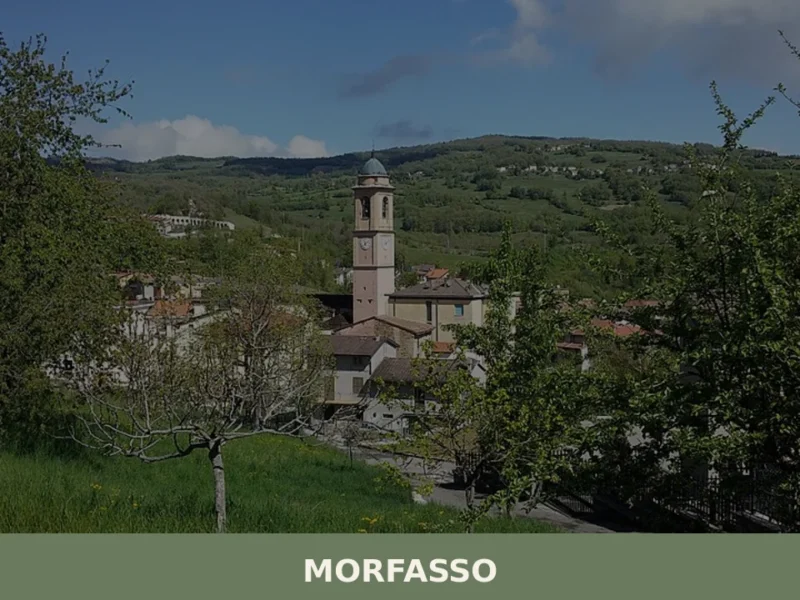
Morfasso
Morning mist settles into the valley below like poured milk, and from 631 metres above sea level, the stone houses of Morfasso emerge into sharp Apennine light. A church bell marks seven o’clock to an audience of 884 residents spread across a constellation of hamlets. This is Morfasso, a municipality in the province of Piacenza […]
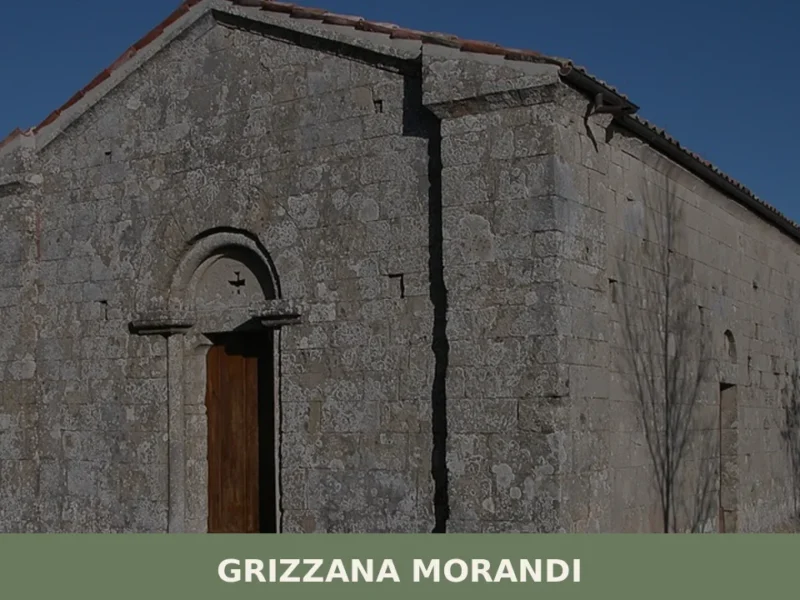
Grizzana Morandi
In 1929, the Bolognese painter Giorgio Morandi travelled to Grizzana for the first time — a scattered municipality in the Emilian Apennines that he would return to every summer for over thirty years. From the barns and tower-houses of this valley, he painted hundreds of landscapes, transforming the clay badlands and mountain ridgelines into universal […]
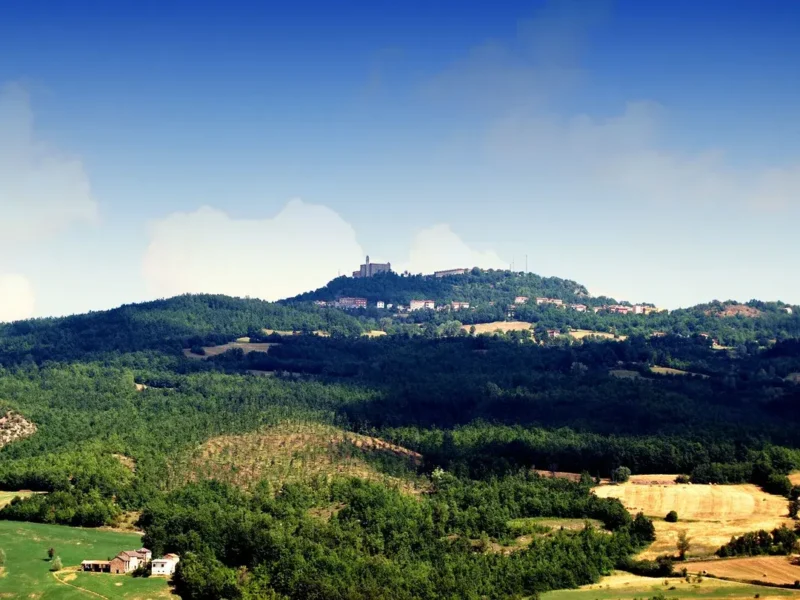
Farini
What to see in Farini, a village at 424 m in Val Nure with 1,043 residents: San Giuseppe Church, Apennine trails, PDO cured meats. Plan your visit and how to get there.
📝 Incorrect information or updates?
Help us keep the Rimini page accurate and up to date.