


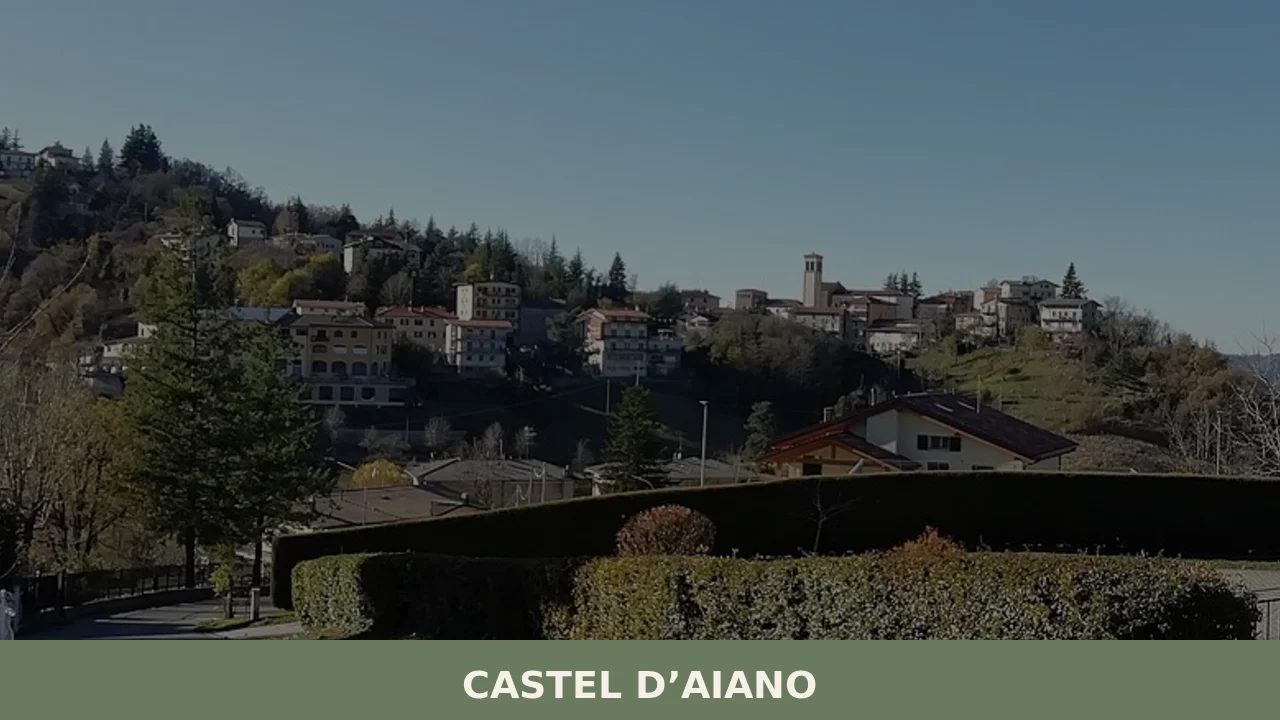
Castel d’Aiano
 Mountain
In 1944 the Gothic Line cut through these mountains, and Castel d’Aiano found itself at the centre of the clash between Allied forces and German troops: the hamlets of Villa d’Aiano, Sassomolare and Rocca di Roffeno still bear the marks of that period. Today the municipality has 1,916 inhabitants spread across a vast, hilly territory […]
Discover Castel d’Aiano
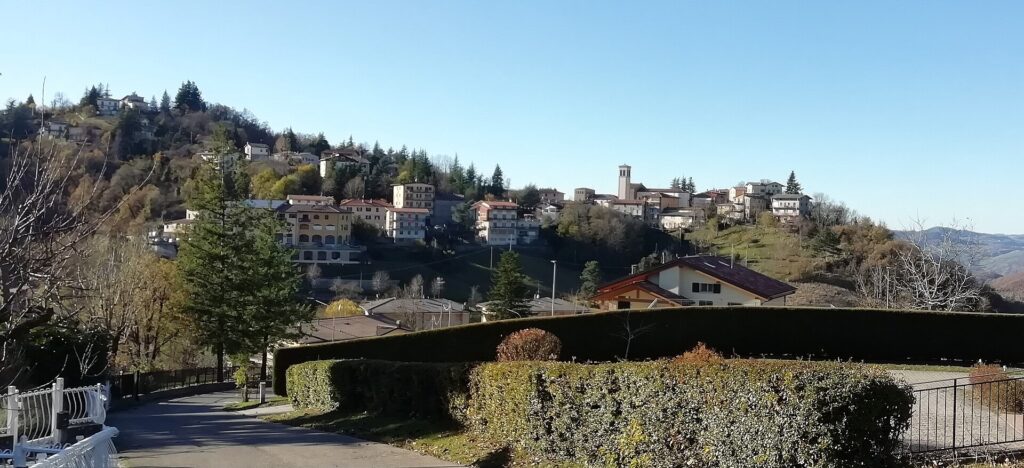
In 1944 the Gothic Line cut through these mountains, and Castel d’Aiano found itself at the centre of the clash between Allied forces and German troops: the hamlets of Villa d’Aiano, Sassomolare and Rocca di Roffeno still bear the marks of that period. Today the municipality has 1,916 inhabitants spread across a vast, hilly territory in the province of Bologna, between 400 and 900 metres above sea level, along the ridge separating the Reno valley from the Panaro valley. Asking what to see in Castel d’Aiano means preparing to travel roads that connect rural settlements far apart from one another, each with its own church, washhouse and individual history.
Here the Bolognese Apennines are not a backdrop — they are the main feature.
History and origins of Castel d’Aiano
The place name Castel d’Aiano appears in medieval documents in the Latin form Castrum Ajani, probably derived from the Roman personal name Aius or Aianus, indicating a landed estate from the late imperial period. The area was already inhabited in pre-Roman times, as evidenced by archaeological finds in the Rocca di Roffeno area, where artefacts attributable to Etruscan civilisation and later to the Roman colonisation of the Bolognese mountains have been uncovered. The position on the Apennine ridge between the Reno and Panaro valleys gave the location a strategic value that shaped its history for centuries.
During the Middle Ages the castle came under the control of the Commune of Bologna, which made it a garrison point on the Apennine road network leading towards Tuscany. In the 13th and 14th centuries the struggles between the Guelph and Ghibelline factions also affected these lands, with alternating destruction and reconstruction of the fortifications. The Pepoli family and subsequently the Bentivoglio exerted influence over the territory, before the consolidation of the Papal States brought the area back under the direct government of Bologna. The municipality’s hamlets — particularly Rocca di Roffeno, Sassomolare and Villa d’Aiano — each maintained their own parish and administrative identity, a fragmentation still reflected today in the distribution of the population.
The historical event that most deeply marked local memory is the passage of the Gothic Line during the Second World War.
Between the autumn of 1944 and the spring of 1945, the territory of Castel d’Aiano was the scene of intense fighting: the US 10th Mountain Division and Brazilian troops of the Expeditionary Corps fought against German defensive positions along the ridge. The hamlets suffered severe destruction, and the civilian population paid an extremely high price in terms of displacement and casualties. Several war cemeteries and commemorative monuments across the territory recall that period. In the post-war years, like much of the Emilian Apennines, the municipality experienced severe depopulation: from nearly 5,000 inhabitants in the 1950s, the number has dropped to the current 1,916, with an economy that has gradually shifted from sharecropping to rural tourism and forestry management.
What to see in Castel d’Aiano: 5 essential attractions
1. Rocca di Roffeno and the Pliocene Buttress
The hamlet of Rocca di Roffeno, located south-west of the municipal capital, stands at the foot of a geological formation known as the Contrafforte Pliocenico (Pliocene Buttress), an outcrop of sandstones and conglomerates dating back approximately five million years. The natural rock formation overlooking the settlement offers a wide view across the Panaro valley and the Apennine crests towards Corno alle Scale. The area is of both geological and archaeological interest, with finds attesting to human presence since the Bronze Age. CAI-marked trails allow visitors to reach the highest viewpoints in about forty minutes’ walk from the centre of the hamlet.
2. Church of San Pietro di Roffeno
The Church of San Pietro di Roffeno is a religious building documented since the 12th century, located in the hamlet of the same name along the road connecting Castel d’Aiano to Vergato. The current structure largely dates from reconstructions following Second World War damage, but it retains Romanesque architectural elements in the apsidal structure and the portal. Inside there are sacred furnishings recovered and restored in the post-war period. The church serves as a key reference point for understanding the parish organisation of the Bolognese Apennines, where every inhabited cluster — even those of just a few dozen families — had its own place of worship serving a community-gathering function.
3. Gothic Line monuments and cemeteries
The territory of Castel d’Aiano contains several commemorative sites linked to the fighting along the Gothic Line. These include memorial stones and plaques dedicated to the soldiers of the US 10th Mountain Division and the Brazilian Expeditionary Corps, scattered along the roads connecting the hamlets. The Monte Belvedere area, just south of the municipal boundary, was the scene of one of the most notable actions of the Italian Campaign, in February 1945. Routes dedicated to wartime remembrance, mapped by local associations and provincial authorities, allow visitors to retrace the phases of the Allied advance on the ground, linking information points and remains of trenches still visible in the undergrowth.
4. The hamlet of Villa d’Aiano
Villa d’Aiano is one of the main hamlets of the municipality, situated along the provincial road that climbs towards the ridge. The historic core preserves the layout of an Apennine rural settlement, with two-storey sandstone houses — the ground floor used as a stable, the upper floor as living quarters — and a parish church rebuilt after the world conflict. The compact size of the hamlet allows close observation of the spontaneous architecture of the Bolognese Apennines: stone lintels, sandstone slab roofing on the oldest buildings, walled kitchen gardens behind the houses. A walk through the settlement takes little more than twenty minutes, but it conveys a precise image of mountain peasant life.
5. CAI trails and high Apennine beech forests
The municipal territory is crossed by a network of CAI trails linking Castel d’Aiano to the surrounding Apennine ridges, heading towards the Corno alle Scale Regional Park and the Dardagna valley. Among the most popular routes, those that pass through beech forests above 700 metres offer nearly continuous tree cover, with stretches of mixed woodland where chestnuts and oaks give way to beeches as the altitude increases. The loop hike starting from Rocca di Roffeno and reaching the ridge takes approximately three and a half hours, with an elevation gain of 450 metres.
In autumn, the harvesting of porcini mushrooms and chestnuts brings these woods to life and still represents an economic activity for local families.
What to eat in Castel d’Aiano: local cuisine and regional products
The cuisine of Castel d’Aiano belongs to the gastronomic tradition of the Bolognese Apennines — a cuisine born from the need to transform the few available ingredients — chestnut flour, potatoes, pork, mushrooms — into substantial dishes suited to the cold months. The altitude and harsh climate historically favoured slow-cooked preparations and preservation under salt or in oil. The Bolognese mountains share many features with the Emilian cuisine of the plains — the devotion to fresh pasta, the generous use of Parmigiano — but with variations dictated by the local availability of ingredients and the more modest yields of mountain farmland.
Among the dishes most deeply rooted in local tradition are crescentine (also called tigelle), small discs of dough cooked between hot plates and filled with a mixture of lard, garlic and rosemary known as cunza. Fresh pasta includes formats such as tagliatelle and tortelloni stuffed with ricotta and spinach, dressed with melted butter and sage or with meat ragù. Polenta — made with cornmeal or, in the older version, chestnut flour — accompanies sautéed porcini mushrooms, grilled sausages or wild boar stews. During the autumn months, chestnut roasters appear at hamlet festivals, and chestnuts also feature in soups and desserts.
The municipal territory does not hold any certified designations of its own, but falls within the production area of several recognised Emilian products.
Parmigiano Reggiano DOP, whose production zone extends across the provinces of Bologna, Modena, Parma, Reggio Emilia and Mantua, is widely used in local cooking, both as a condiment and as an ingredient in filled pastas. The porcini mushroom harvest, regulated by regional legislation, sustains a significant local trade during the months of September and October. Chestnuts from the Bolognese Apennines, although they do not carry a specific geographical indication in this area, have for centuries been a staple of the mountain diet, used fresh, dried or processed into flour for desserts and polenta.
Local festivals mark the summer and autumn gastronomic calendar. The Chestnut Festival, generally held between October and November in the municipality’s hamlets, is the most widely attended event, with stalls selling woodland products and dishes based on chestnut flour. In summer the proloco associations organise evening food events in the hamlets, with menus featuring crescentine, tortelloni and grilled meats.
For purchasing local products — chestnut honey, dried mushrooms, chestnut flour — it is worth contacting the farms in the area directly or visiting the weekly markets in neighbouring municipalities such as Vergato and Gaggio Montano.
The Castel d’Aiano area falls within the production zone of Colli Bolognesi DOC, a denomination that includes white and red wines made from grape varieties such as Barbera, Cabernet Sauvignon and Pignoletto. The latter, vinified both still and sparkling, is the most representative white wine of the Bolognese hills and pairs well with cured meats and the crescentine of local tradition. Wine production at this altitude range is limited — vineyards are concentrated further downhill, below 400 metres — but a few small wineries in the district offer mountain labels with pronounced acidity and freshness.
When to visit Castel d’Aiano: the best time of year
Spring, from April to June, is the most suitable period for hiking: daytime temperatures range between 14 and 22 degrees, the chestnut and beech woods are in full leaf, and the trails are passable after the thaw. Summer brings an influx of seasonal residents and tourists to renovated rural houses, with maximum temperatures rarely exceeding 28 degrees — an advantage over the Po Plain. The proloco evening food events are concentrated between July and August, offering concrete opportunities to sample local cuisine in the hamlet squares.
Autumn, from mid-September to November, is the season of porcini mushrooms and chestnuts, and represents the period of greatest gastronomic interest.
The Chestnut Festival, between October and November, is the main event of the year. The colours of the woodland during this period — from the yellow of the beeches to the brown of the chestnuts — make walks particularly rewarding. Winter is cold, with frequent snowfall above 600 metres from December to February. The territory is less equipped for winter tourism compared to nearby ski resorts such as Corno alle Scale, but it offers suitable conditions for snowshoeing and snow walks along beaten trails.
How to reach Castel d’Aiano
Those arriving by car from Bologna take the SS64 Porrettana state road towards Vergato, from where you turn off onto the SP62 provincial road to climb towards Castel d’Aiano: the total journey is approximately 55 kilometres and takes one hour and ten minutes. From Modena the distance is similar, approximately 70 kilometres via the SP569 di Vignola and then the pass roads towards the Bolognese side. The nearest motorway exit is Sasso Marconi on the A1 Milan-Naples, from which you continue on the Porrettana for approximately 35 kilometres.
The nearest railway station is Vergato, on the Bologna-Porretta Terme line operated by Trenitalia, reachable in approximately 50 minutes from Bologna Centrale.
From Vergato you can travel up to Castel d’Aiano by TPER suburban bus service, but services are limited and tied to school timetables: it is advisable to check the TPER timetables before departure. The nearest airport is Bologna Guglielmo Marconi, approximately 60 kilometres away, connected to the central station by a monorail service. To explore the municipal territory — hamlets can be 8-10 kilometres apart from one another — a private car is the most practical means of transport.
Other villages to discover in Emilia-Romagna
The Emilian Apennines offer a network of small mountain municipalities that share with Castel d’Aiano the same rural character and a history marked by geographical isolation and the depopulation of the second half of the 20th century.
Among these, Zerba, in the upper Val Trebbia in the province of Piacenza, is the least populated municipality in the entire region and represents an extreme case of an Apennine community: visiting it means confronting the question of mountain village survival in a critical demographic context. The connection between the two territories requires approximately two and a half hours by car across the Apennine passes, a route that crosses landscapes of great variety at medium and high altitude.
Geographically closer to the Piacenza Val Trebbia, Piozzano offers a different vantage point on the Emilian Apennines: here we are in a mid-to-low hill context, with an agricultural landscape where viticulture and fruit farming replace the chestnut groves and beech forests of Castel d’Aiano. Those wishing to build an itinerary spanning different altitudes and environments of the Emilian Apennines could combine a visit to Castel d’Aiano with a stop in Piozzano, travelling along the Apennine ridge from east to west.
For further information on the territory’s history and geography, the Wikipedia page for Castel d’Aiano and the official municipal website provide up-to-date information on services, events and trail networks.
Frequently asked questions about Castel d’Aiano
What is the best time to visit Castel d'Aiano?
Late spring (May–June) and autumn (September–October) offer the most rewarding visits. In spring the beech forests above 700 metres are at their greenest and the trails are clear after the winter. Autumn is peak season for porcini mushrooms and chestnuts: the Chestnut Festival, held between October and November across the municipality's hamlets, is the most attended local event. Summer evenings are busy with proloco food events featuring crescentine and tortelloni. The Feast of the Assumption of Mary (15 August) marks the patronal celebration and is a lively moment in the village calendar.
What are the historical origins of Castel d'Aiano?
The name derives from the Latin Castrum Ajani, documented in medieval sources and likely linked to a Roman landed estate of the late imperial period. Archaeological finds near Rocca di Roffeno attest to pre-Roman presence, including Etruscan and Roman-era artefacts. In the Middle Ages, Bologna used the castle as a garrison on the Apennine road to Tuscany. The Pepoli and Bentivoglio families successively held influence here before papal consolidation. The territory's most defining modern event was the Gothic Line fighting of 1944–45, which caused severe destruction and lasting demographic decline.
What to see in Castel d'Aiano? Main monuments and landmarks
Five sites stand out: the geological formation of the Contrafforte Pliocenico at Rocca di Roffeno, reachable via CAI trails in about 40 minutes; the 12th-century Church of San Pietro di Roffeno, with surviving Romanesque elements in the apse and portal; Gothic Line memorials and remains of trenches scattered along the roads between hamlets; the rural hamlet of Villa d'Aiano, with its sandstone architecture and parish church; and the network of CAI hiking routes through high-altitude beech forests linking towards Corno alle Scale Regional Park. Admission to outdoor sites is free.
What are the main natural or scenic attractions of Castel d'Aiano?
The municipal territory sits between 400 and 900 metres on the ridge dividing the Reno and Panaro valleys, offering consistent Apennine scenery throughout. The Contrafforte Pliocenico geological formation near Rocca di Roffeno provides wide views over the Panaro valley and towards Corno alle Scale. CAI-marked trails cross beech forests above 700 metres, with the loop hike from Rocca di Roffeno to the ridge taking around three and a half hours and gaining 450 metres of elevation. The territory borders the Corno alle Scale Regional Park and the Dardagna valley, extending hiking options further.
Where to take the best photos in Castel d'Aiano?
The ridge viewpoint above Rocca di Roffeno, reached in about 40 minutes on CAI trails from the hamlet, offers one of the broadest panoramas in the area, framing the Panaro valley and the Apennine crests towards Corno alle Scale. In autumn, the beech forests above 700 metres turn vivid gold and amber, making the loop trail from Rocca di Roffeno particularly photogenic. The sandstone streetscape of Villa d'Aiano — with its stone lintels, old roofing slabs and walled kitchen gardens — rewards architectural photography in the early morning light.
Are there churches or historic buildings to visit in Castel d'Aiano?
The Church of San Pietro di Roffeno, documented since the 12th century, is the most historically significant religious building in the municipality. Despite post-war reconstruction, the apse and portal retain Romanesque features, and the interior holds sacred furnishings recovered after the conflict. Each of the municipality's hamlets — including Villa d'Aiano and Sassomolare — also maintains its own parish church, reflecting the traditional fragmentation of Apennine rural communities. These are active parish churches; visiting during non-liturgical hours is generally possible, but specific opening times are best confirmed locally.
What can you do in Castel d'Aiano? Activities and experiences
Hiking is the primary activity: CAI-marked trails connect the hamlets and lead into beech forests and onto the Apennine ridge, with routes ranging from easy walks around Rocca di Roffeno to longer loops of three and a half hours with 450 metres of elevation gain. In autumn, regulated porcini mushroom foraging and chestnut harvesting are traditional local activities. The Chestnut Festival (October–November) and summer proloco evening food events offer direct contact with Apennine food culture. History-minded visitors can follow mapped wartime remembrance routes linking Gothic Line memorials and surviving trench remains across the territory.
Who is Castel d'Aiano suitable for? Families, couples, hikers, solo travellers?
Castel d'Aiano suits hikers and nature lovers most naturally, given its CAI trail network, beech forests and mountain terrain between 400 and 900 metres. History enthusiasts will find the Gothic Line sites and war cemeteries genuinely moving and well-documented. Families with older children can handle the shorter trails around Rocca di Roffeno without difficulty. Couples and slow-travel visitors looking for an authentic, uncrowded Apennine village will appreciate the dispersed hamlets and rural food culture. It is not a destination for beach or urban tourism; the appeal is quiet, landscape-driven and seasonal.
What to eat in Castel d'Aiano? Local products and specialties
The local table follows the Bolognese Apennine tradition. Crescentine (tigelle) filled with cunza — a blend of lard, garlic and rosemary — are the quintessential street and festival food. Fresh pasta includes tagliatelle and ricotta-and-spinach tortelloni dressed with butter and sage or meat ragù. Polenta, made with cornmeal or traditional chestnut flour, accompanies sautéed porcini mushrooms, sausages or wild boar stew. Parmigiano Reggiano DOP features throughout. In autumn, roasted chestnuts appear at hamlet festivals alongside chestnut-flour desserts. Local farms sell chestnut honey, dried porcini and chestnut flour directly.
📷 Photo Gallery — Castel d’Aiano
Nearby Villages near Castel d’Aiano
In Emilia-Romagna More villages to discover
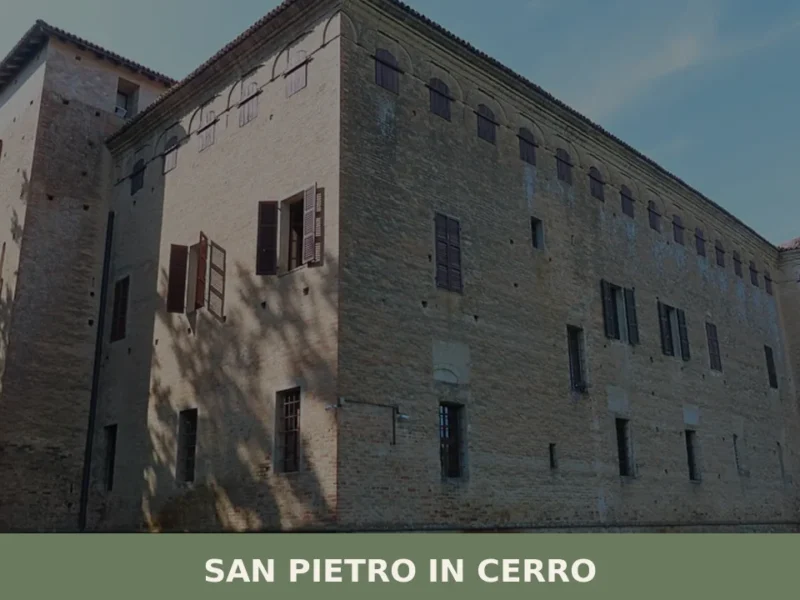
San Pietro in Cerro
 Plains
With its 769 inhabitants and an elevation of just 44 metres above sea level, San Pietro in Cerro is one of the smallest municipalities in the province of Piacenza, spread across the alluvial plain between the Arda torrent and the Po river. The fifteenth-century castle of the Barattieri counts, still standing today with its square-plan […]
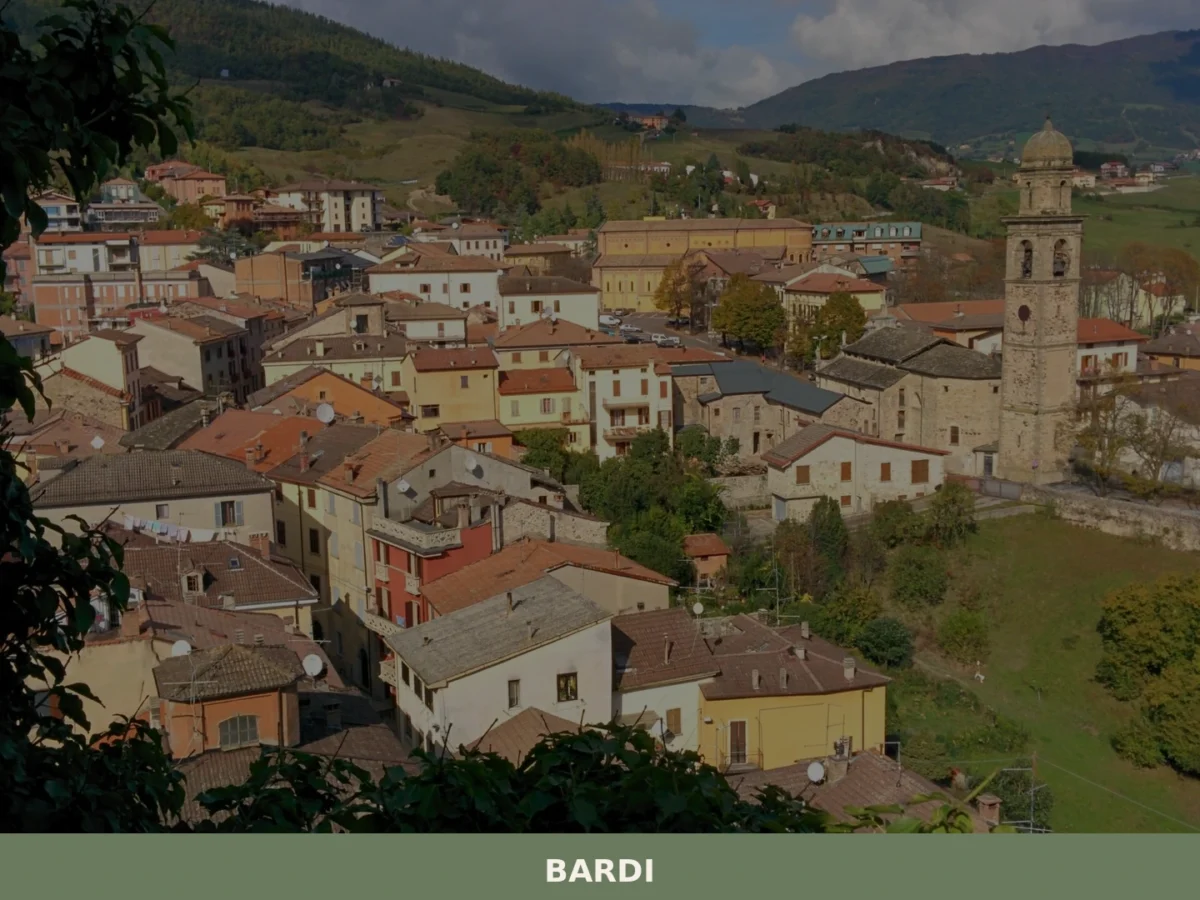
Bardi
Mountain
What to see in Bardi, Italy: Explore the Landi Castle and its 13th-century Oratory at 625 m altitude. Discover this mountain village in Emilia-Romagna.
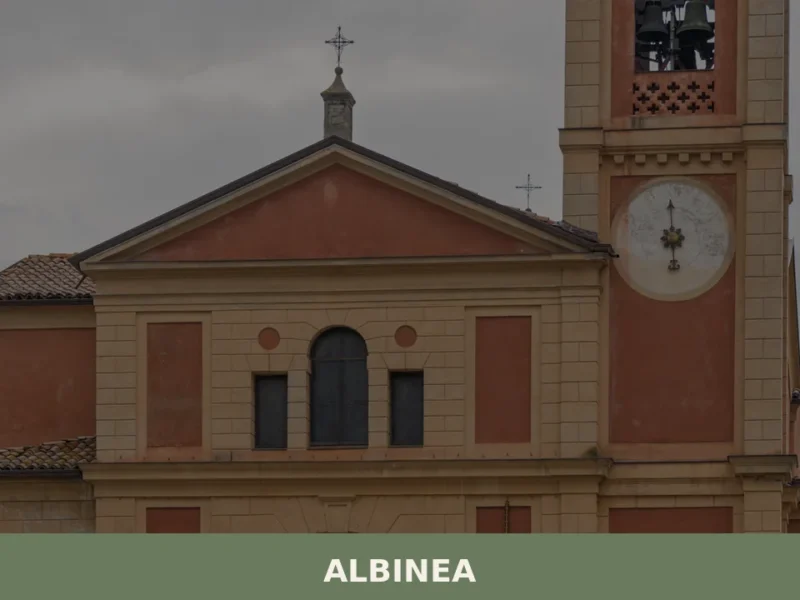
Albinea
Plains
What to see in Albinea, Italy: explore 8,882 inhabitants, medieval history since 980 AD, Apennine foothills landscape and local food. Discover the full guide.
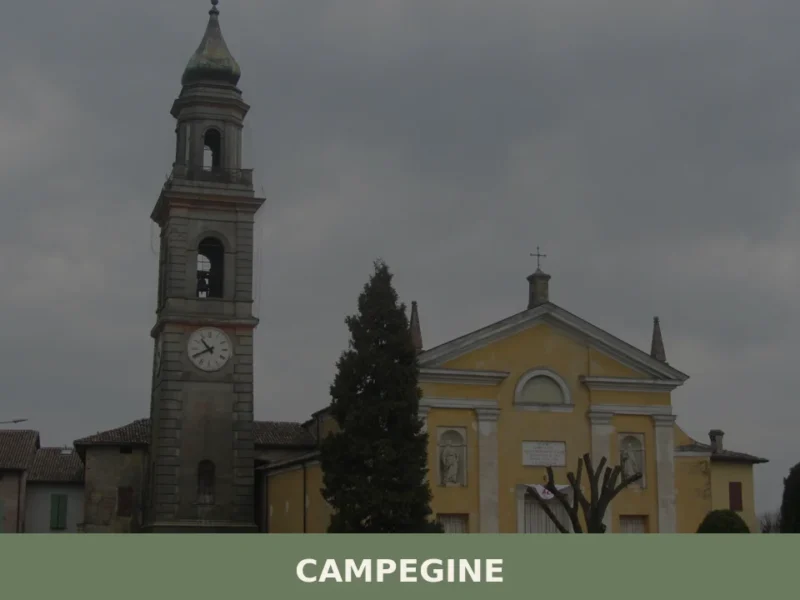
Campegine
Plains
What to see in Campegine, Emilia-Romagna, Italy: explore the hometown of the Cervi Brothers, local food traditions and festivals. Population 5,078. Discover now.
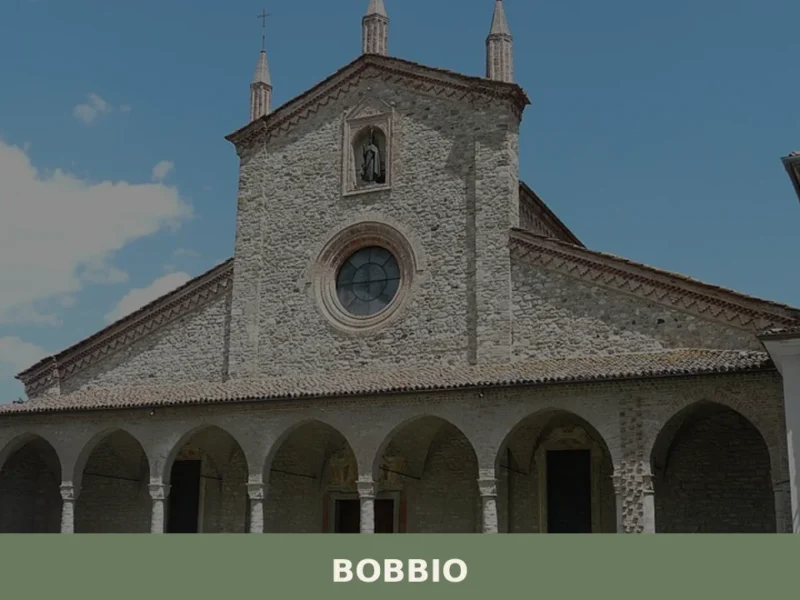
Bobbio
 Hills
Hills
What to see in Bobbio: a town of 3,710 at 272 m in the Trebbia valley, with a 614 AD abbey, the medieval Ponte Gobbo and a hilltop castle. Plan your visit now.
Castel del Rio
Hills
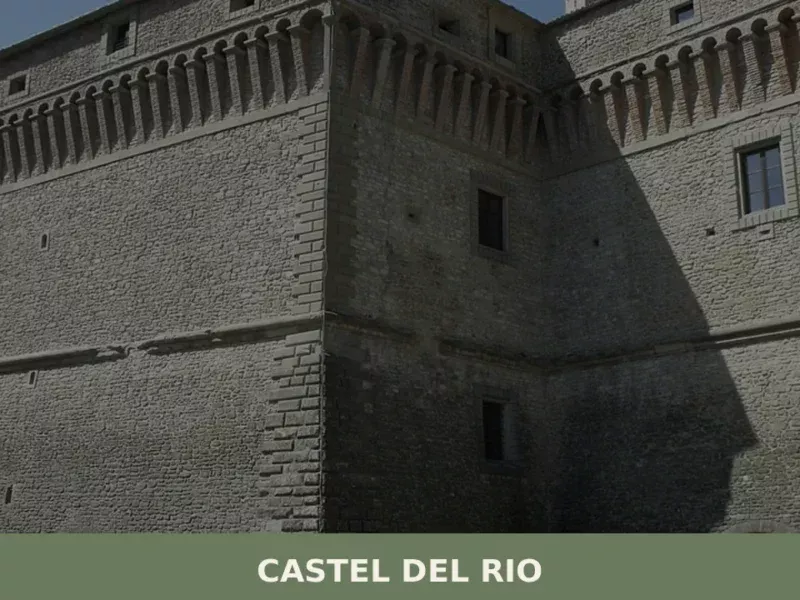
In 1290, the Alidosi family obtained imperial control over a fortified outpost in the Santerno valley, a transit point between Romagna and Tuscany. That stronghold, which over the following centuries became a fortress, a village and eventually an autonomous municipality, is now Castel del Rio: 1,215 inhabitants at 215 metres above sea level, in the […]
Calendasco
Plains
What to see in Calendasco, a village of 2,485 residents on the Po plain at 55 m elevation. Discover the medieval castle, the 19 February Saint Conrad festival and Piacenza cured meats.
Cervia
 Sea
Sea
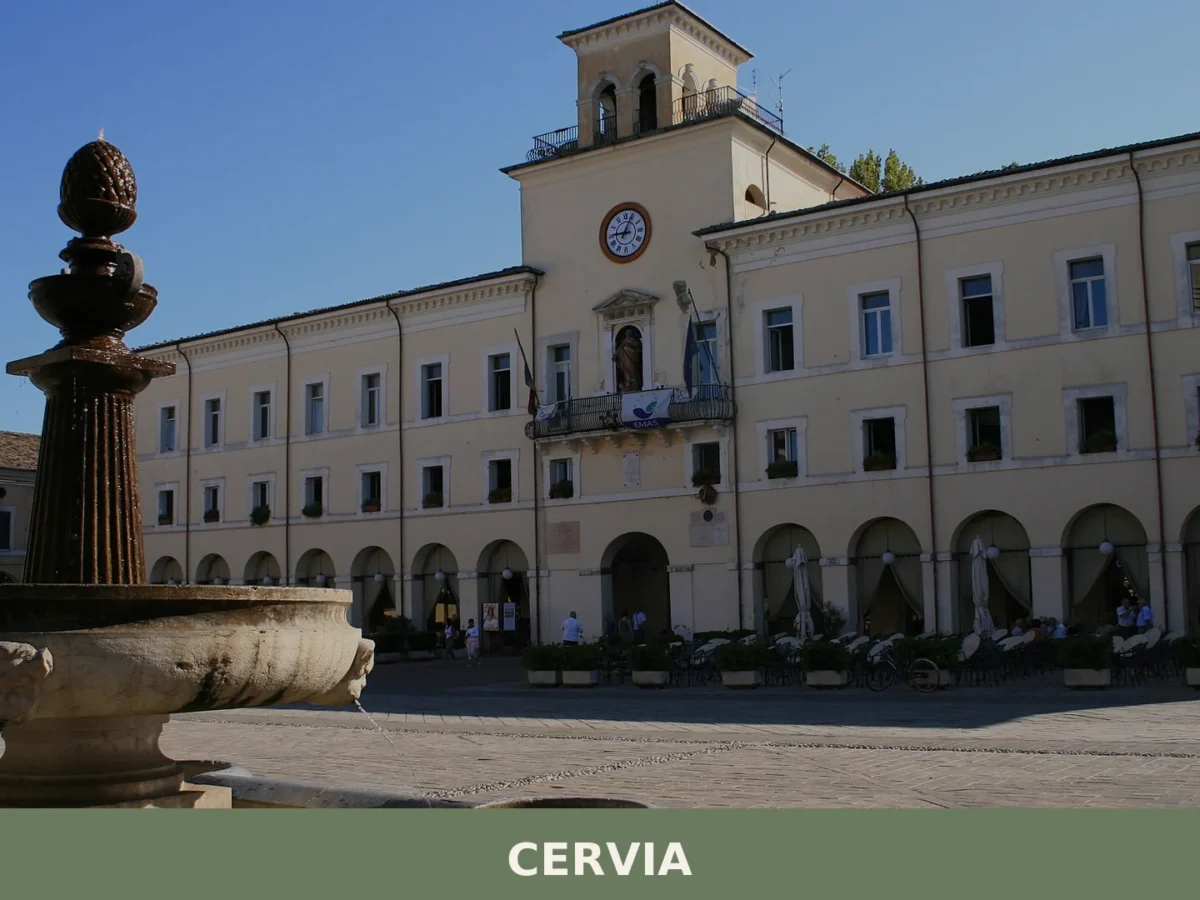
A coastal settlement built atop ancient salines, Cervia preserves nine centuries of salt heritage and 9 km of protected beaches in the Ravenna province.
Carpaneto Piacentino
Plains
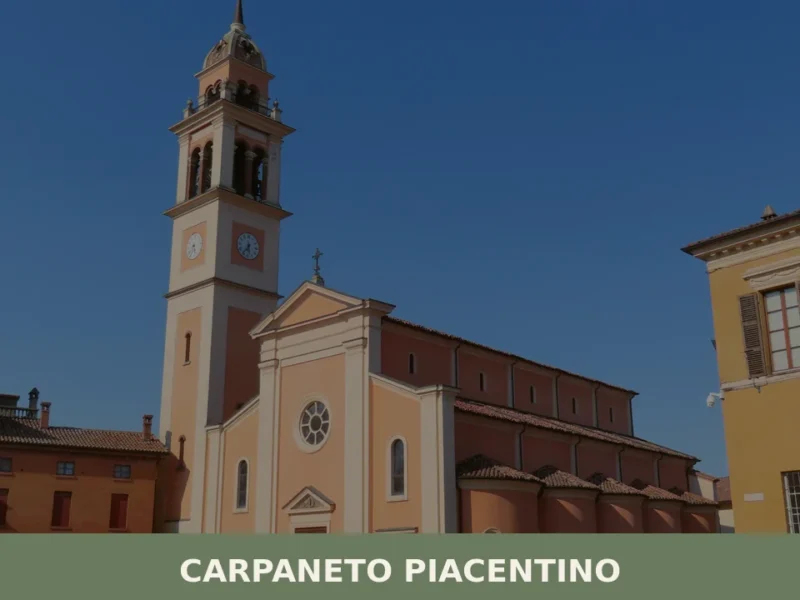
What to see in Carpaneto Piacentino: 7,598 residents, 114 m altitude, Saints Fermo & Rustico festival on 9 Aug, DOP cured meats. Plan your visit now.
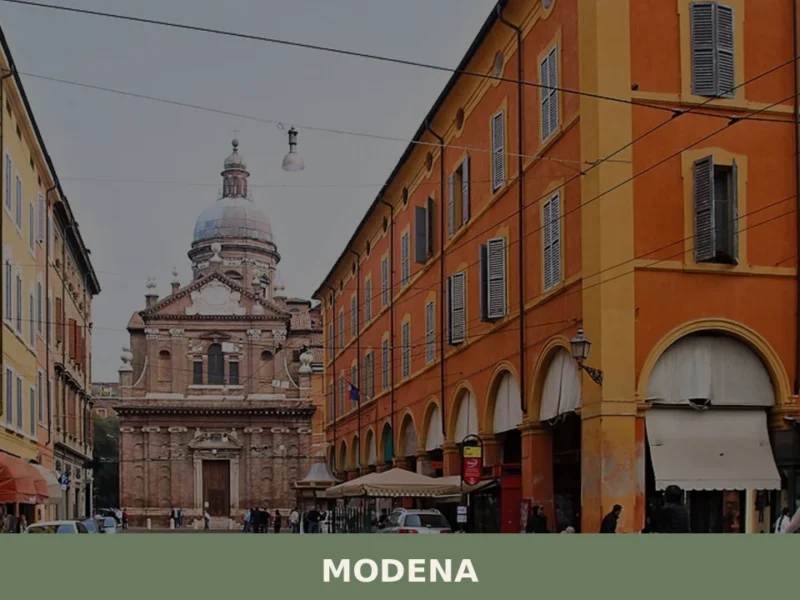
Modena
Plains
what to see in modena. Discover the UNESCO Duomo and Ducal Palace. Explore this city of 179,000+ residents and taste typical Modenese products.


🏡 Know Castel d’Aiano better than we do?
If you’re a local or have been there, your knowledge matters: add what’s missing or fix a detail on this page.