


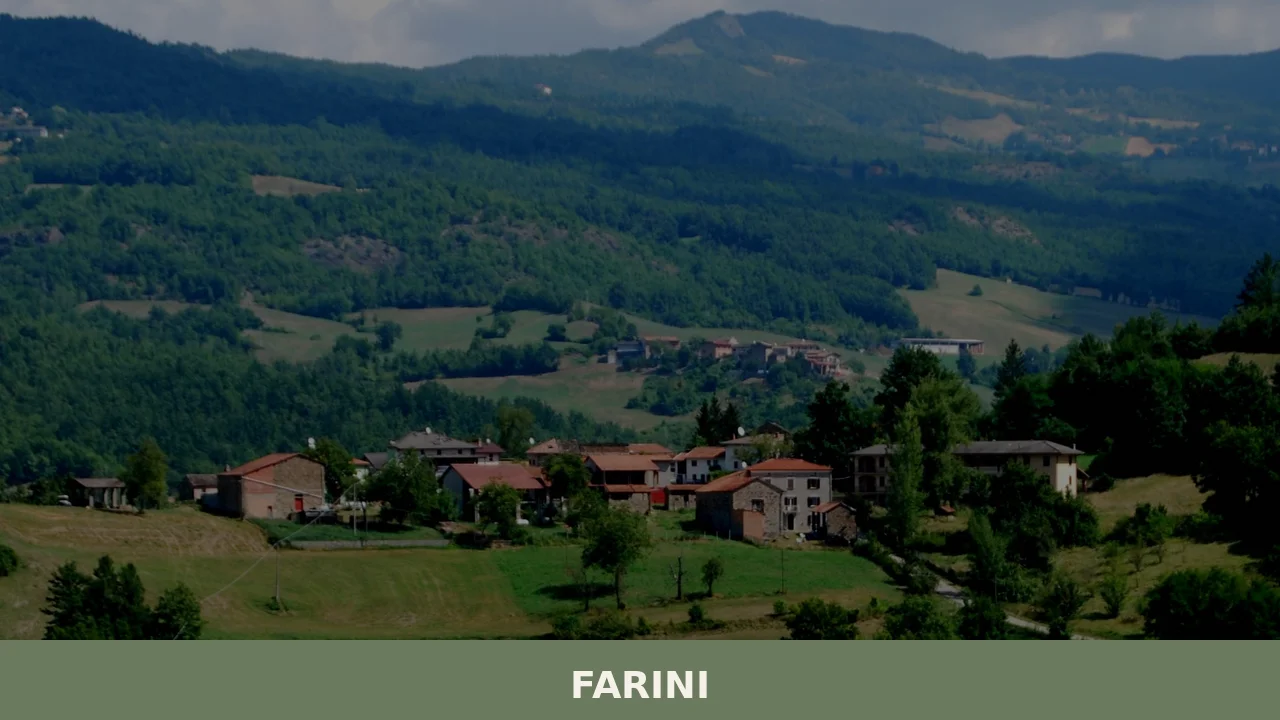
Farini
 Hills
Hills
What to see in Farini, a village at 424 m in Val Nure with 1,043 residents: San Giuseppe Church, Apennine trails, PDO cured meats. Plan your visit and how to get there.
Discover Farini
Farini is a municipality in the Piacenza Apennines, situated at 424 metres above sea level in the Val Nure — one of the deep valleys that cut through the hilly and mountain terrain of the Province of Piacenza. With just over 1,043 inhabitants spread across a wide territory divided into numerous small settlements, the town serves as a point of reference for those travelling through this part of Emilia-Romagna away from the main tourist routes.
Those wondering what to see in Farini will find a village that preserves its identity through the stone of its buildings, the products of the local agro-forestry and pastoral economy, and a calendar of traditions still very much alive within the community.
History and Origins of Farini
The origins of Farini are bound up with the history of feudal control over the Piacenza Apennines, a territory contested for centuries between the great noble families of northern Italy and papal authority.
The Val Nure, in which Farini sits, was crossed by drovers’ roads and transhumance routes connecting the Po Valley with the Apennine passes leading towards Liguria and Tuscany. This role as a transit hub gave the village a strategic importance that goes well beyond its modest size, making it an essential outpost for controlling the movement of goods and people across both sides of the mountain range.
The name Farini echoes the historical designation Farini d’Olca, recorded in medieval documentary sources, which distinguished the settlement from other place names in the same valley. During the nineteenth century the village gained wider visibility through the figure of Luigi Carlo Farini, a prominent politician of the Italian Risorgimento, born in 1812 in Russi, in the Province of Ravenna, and died in 1866.
Farini was a doctor, journalist, historian and key figure in national unification: he served as dictator of Emilia after 1859 and as President of the Council of Ministers of the Kingdom of Italy in 1862–1863.
Although he was not originally from the Piacenza village, the nominal link between the statesman and the municipality has helped bring the name of Farini to wider attention beyond the local area.
In the second half of the nineteenth century and throughout the twentieth, Farini experienced the changes typical of mountain municipalities across the Emilian Apennines: gradual depopulation driven by emigration to industrial centres in the plain, reorganisation of agricultural and forestry activities, and eventually a slow reassessment of the territory as a resource for rural and nature-based tourism.
The municipality has maintained its administrative independence, continuing to function as the main centre for the scattered settlements of the upper Val Nure.
What to See in Farini: Main Attractions
The Parish Church of San Giuseppe
The church dedicated to Saint Joseph, patron of the village, forms the religious and urban focal point of the town centre.
It faces onto Farini’s main square and serves as the visual anchor of the entire historic core. The interior preserves furnishings and sacred artworks from the modern period, and every year on 19 March it hosts the patronal feast day celebrations, drawing worshippers and visitors from the surrounding settlements. The building is worth a visit to take in the architecture and the way it relates to the fabric of the village around it.
The Historic Town Centre
Farini’s historic centre runs along the main valley axis in a compact layout that reflects the typical settlement patterns of Piacenza’s Apennine villages. The buildings in local stone, constructed from materials quarried directly from the surrounding territory, form a coherent whole in which the upper floors project slightly over the main street, creating sheltered passageways.
Walking through the streets of the village on foot is the most direct way to appreciate Farini’s human scale and to understand what to see in Farini beyond individual landmarks.
The Val Nure and the River Landscape
The Nure torrent flows close to the village and is one of the most significant natural features of the municipal territory.
The valley has a narrow, articulated profile, with wooded slopes of beech, chestnut and oak that change in appearance with the seasons. The paths that follow the watercourse offer walks of varying difficulty, suitable for both families and more experienced hikers. In summer the valley floor provides resting spots along the river, while in autumn the colours of the vegetation make the route particularly striking in its natural beauty.
The Hamlets and Rural Settlements of the Territory
The municipal territory of Farini includes numerous hamlets that retain considerable architectural and landscape interest. Smaller settlements such as Pradovera, Selva, Boccolo dei Tassi and other scattered nuclei offer examples of Apennine rural architecture — stone houses, wayside oratories and traditional farm buildings.
Reaching these localities requires travelling by car or bicycle along secondary roads, but doing so gives a genuine sense of the territory’s scale and allows visitors to observe a landscape shaped over centuries by extensive agriculture.
Hiking Routes in the Piacenza Apennines
Farini is part of the footpath network of the Piacenza Apennines, which links the province’s main peaks through marked itineraries.
The trails starting from the village and its hamlets lead up to ridges above 1,000 metres, where woodland gives way to high-altitude pastures. Those visiting in spring or summer will find good conditions for walking: the routes are accessible even to less experienced hikers and offer viewpoints across the Po Valley on days with clear visibility.
Local Food and Products of Farini
The cuisine of the Val Nure, of which Farini is one of the representative centres, belongs to the gastronomic tradition of the Piacenza Apennines — one of the most distinctive in the whole of Emilia-Romagna. This cooking tradition developed around the resources available in the mountain territory: minor cereals such as spelt and maize, chestnuts, mushrooms, game, cow’s and sheep’s milk cheeses, and cured meats produced from pork.
The relative scarcity of raw ingredients gave rise to a body of recipes in which preservation and processing techniques are just as important as the quality of the ingredients themselves.
Among the most deeply rooted dishes in local usage are pisarei e fasò, small bread-and-flour dumplings served with a sauce of borlotti beans and lard, considered one of the defining dishes of the entire Piacenza culinary tradition.
Equally present in local cooking is bomba di riso, a baked timbale that in the Piacenza version features a rice casing enclosing a filling of pigeon or other poultry. Tortelli con la coda, fresh pasta filled with ricotta and spinach or wild herbs, are still prepared according to techniques handed down through families of the valley and can be found in local restaurants and trattorias.
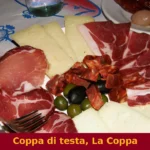
Coppa piacentina, salame piacentino and pancetta piacentina are cured meats with PDO status, produced throughout the province, including mountain areas such as the Farini territory.
On the cheese front, the dairy tradition of the Val Nure produces local varieties of semi-hard cow’s milk cheese aged in cool cellars. No specific certifications exist for products made exclusively within the municipality of Farini, but goods from the entire Piacenza agri-food supply chain are available at local markets and farm shops in the hamlets.
Chestnuts are a traditional product of the mountain territory, used both in the preparation of flours for polenta and sweets, and sold directly during the autumn harvest season.
In autumn, between October and November, the area hosts festivals tied to the chestnut harvest and new wine production, with markets selling local products in the squares of the Val Nure villages.
These seasonal events offer a direct opportunity to buy cheeses, cured meats, honey and other products of the local rural economy straight from the producers, in a setting that retains the character of a neighbourhood market.
Festivals, Events and Traditions of Farini
The most important date in Farini’s civic and religious calendar is the feast of Saint Joseph, patron of the village, celebrated on 19 March each year. On this occasion the community gathers around the parish church for a solemn Mass and a traditional procession through the streets of the town centre.
The patron’s feast day is a communal event and one of the moments when the more distant hamlets converge on the main village, renewing the social and family ties that mark the rhythm of life here throughout the year.
The programme of summer and autumn events fits within the tradition of Apennine food festivals in the Piacenza area, which combine gastronomic showcases with opportunities for the local community and visitors to meet. The summer season brings hikers and families to the Farini area to enjoy outdoor activities in the valley, generating a flow of visitors that supports local businesses and restaurants.
Traditions linked to the agricultural cycle — from sowing to harvest — remain visible in the practices of the municipality’s rural hamlets.
When to Visit Farini and How to Get There
The best time to visit Farini runs from late spring to early autumn, with particular interest in June, July and October. In spring the vegetation of the Val Nure is at its most lush and the paths are walkable again after the winter thaw. Summer brings cooler temperatures than the plain below, with night-time drops that make staying there more comfortable. October is the month for chestnuts and autumn colours, with hamlets hosting food festivals and small markets.
Those wishing to attend the patronal feast of Saint Joseph should plan their visit for 19 March, when the village marks the occasion with its traditional procession. For up-to-date information on local events and services, the Farini Municipality website is the main official reference.
If you are travelling by car, the most direct route involves leaving the A1 motorway at Piacenza Sud, then following the provincial road SP654R south up the Val Nure towards Farini — a distance of around 45 kilometres from the motorway exit.
The road is passable in all seasons, but in winter it is advisable to check road conditions on days of snow or ice. Visitors who prefer public transport can reach Piacenza by train and then continue by bus services connecting the city with the Val Nure villages.
The nearest airport is Bologna Guglielmo Marconi Airport, approximately 110 kilometres from Farini, reachable in around an hour and a half by car via the A1 to Piacenza and then the Val Nure provincial road.
Where to Stay in Farini
The Farini and Val Nure area offers accommodation linked to rural tourism and hiking.
The agriturismi in the municipality’s hamlets allow guests to stay in the Apennine countryside with the option of eating meals prepared with local produce. For those who prefer more flexible arrangements, the larger towns in the Val Nure — including Ponte dell’Olio — are within easy driving distance and offer a broader range of accommodation, while still keeping visitors close to the Farini area.
Other Villages to Explore in Emilia-Romagna
The Emilian-Romagnol Apennines are home to a number of smaller centres that share with Farini the characteristics of mountain settlement, pastoral economy and lively local traditions. Those who want to explore this stretch of territory more thoroughly can build itineraries linking villages across different provinces, following ridgelines or parallel valleys.
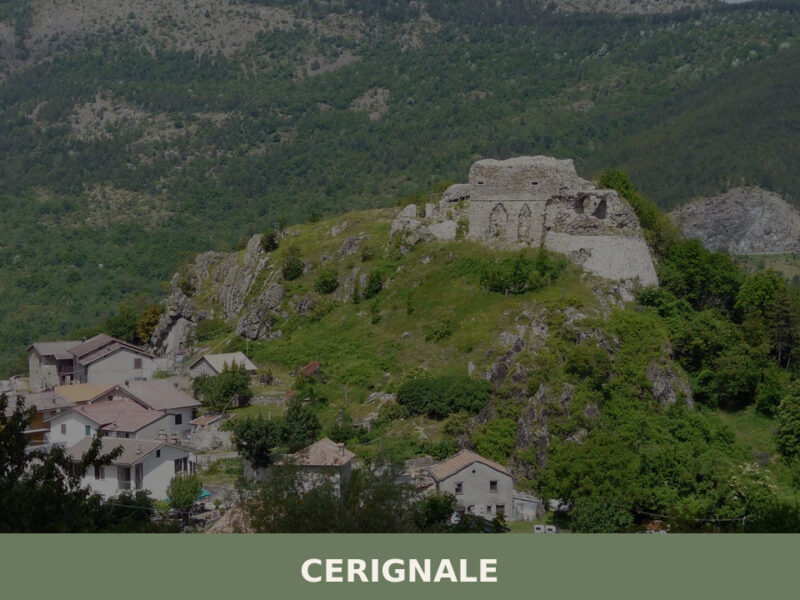
Cerignale, recognised as one of Italy’s most beautiful villages in the Province of Piacenza, features stone architecture and a landscape of considerable quality that pairs well with a visit to the Val Trebbia area.
Moving towards the Bologna hills, Castel del Rio in the Val Santerno offers the chance to visit the Palazzo Alidosi and a historic setting connected to the medieval lordships of the Apennines.
For those who prefer to combine an Apennine route with villages of the foothills and lower plain, Fontanelice makes a worthwhile stop in the Val Santerno near Bologna, with its castle and well-preserved urban layout.
Entirely different in character and geography is Castel Guelfo di Bologna, a centre of the Bologna plain that offers a useful contrast between an Apennine village like Farini and a settlement built according to the logic of defence and control of the Po Valley.
Combining these itineraries is the most effective way to appreciate the internal diversity of a region that changes markedly within just a few dozen kilometres.
Frequently asked questions about Farini
What is the best time to visit Farini?
The best time to visit Farini is from late spring to early autumn, particularly June, July and October. Spring brings lush vegetation along the Val Nure and ideal hiking conditions. October is excellent for the chestnut harvest season and local food festivals. The patron saint's feast of San Giuseppe falls on 19 March, offering an authentic community celebration in the heart of winter. Summer suits families and hikers seeking outdoor activities in the valley, while autumn draws visitors with its woodland colours and seasonal gastronomy.
What are the historical origins of Farini?
Farini's origins are rooted in feudal history of the Piacenza Apennines, positioned along ancient drovers' and transhumance routes connecting the Po Valley with Ligurian and Tuscan passes. The settlement was recorded in medieval sources as Farini d'Olca. The village gained wider recognition through its nominal association with Luigi Carlo Farini (1812–1866), a Risorgimento statesman who served as Dictator of Emilia after 1859 and as President of the Council of Ministers of the Kingdom of Italy in 1862–1863, though he was actually born in Russi, in the Province of Ravenna.
What to see in Farini? Main monuments and landmarks
The main landmark is the Parish Church of San Giuseppe, facing the central square and serving as the historic and religious focal point of the village. The compact historic centre, built in local stone with characteristic projecting upper floors creating sheltered passageways, is best explored on foot. Beyond the village, the scattered hamlets of Pradovera, Selva and Boccolo dei Tassi preserve examples of traditional Apennine rural architecture including stone farmhouses and wayside oratories, reachable by car or bicycle along secondary roads.
What are the main natural and scenic attractions of Farini?
The Val Nure is the defining natural feature of the area. The Nure torrent flows close to the village, flanked by wooded slopes of beech, chestnut and oak that are particularly striking in autumn. Walking paths along the watercourse suit both families and experienced hikers. Farini is integrated into the Piacenza Apennines footpath network, with marked trails leading from the village up to ridges above 1,000 metres, where high-altitude pastures offer panoramic views across the Po Valley on clear days.
Where to take the best photos in Farini?
The most photogenic spots in Farini include the central square in front of the Parish Church of San Giuseppe, where the stone buildings frame a classic Apennine village scene. The Val Nure valley floor offers river and woodland compositions, especially in autumn when the foliage changes colour. The ridgeline trails above 1,000 metres provide wide-angle views across the Po Valley and surrounding peaks on clear days, making them the best elevated viewpoints accessible from the village territory.
Are there churches or historic buildings to visit in Farini?
The Parish Church of San Giuseppe is the principal religious building in Farini, situated on the main square at the heart of the historic centre. It contains furnishings and sacred artworks from the modern period and is the site of the annual patron saint celebrations on 19 March. The historic stone buildings of the town centre and the rural architecture of outlying hamlets such as Pradovera and Boccolo dei Tassi, including traditional farmhouses and small wayside oratories, complete the built heritage of the municipality.
What can you do in Farini? Activities and experiences
Farini offers hiking along the marked trail network of the Piacenza Apennines, with routes from easy valley walks to ridge-level paths above 1,000 metres. The Val Nure provides riverside spots for relaxation in summer. In autumn, chestnut harvest festivals and local food markets in Val Nure villages allow visitors to buy cheeses, cured meats and honey directly from producers. Exploring the scattered hamlets by car or bicycle and attending the patron saint's feast on 19 March are further experiences rooted in the local calendar.
Who is Farini suitable for? Families, couples, hikers, solo travellers?
Farini suits hikers of all levels, from families seeking easy riverside walks in the Val Nure to more experienced trekkers heading for Apennine ridgelines above 1,000 metres. Food and wine enthusiasts will find value in the area's strong gastronomic tradition and seasonal festivals. Couples and solo travellers drawn to quiet, off-the-beaten-track destinations will appreciate the village's authentic character and unhurried pace. It is not suited to those seeking resort-style amenities or a large choice of nightlife and commercial attractions.
What to eat in Farini? Local products and specialties
The Val Nure culinary tradition centres on Piacenza mountain cooking. Key dishes include pisarei e fasò (bread-flour dumplings with borlotti beans and lard), bomba di riso (a baked rice timbale with pigeon filling), and tortelli con la coda (fresh pasta filled with ricotta, spinach or wild herbs). Three PDO-certified cured meats from the Piacenza area are produced in this territory: Coppa Piacentina, Salame Piacentino and Pancetta Piacentina. Local cheeses, chestnuts and honey are available at farm shops and autumn markets in the valley.
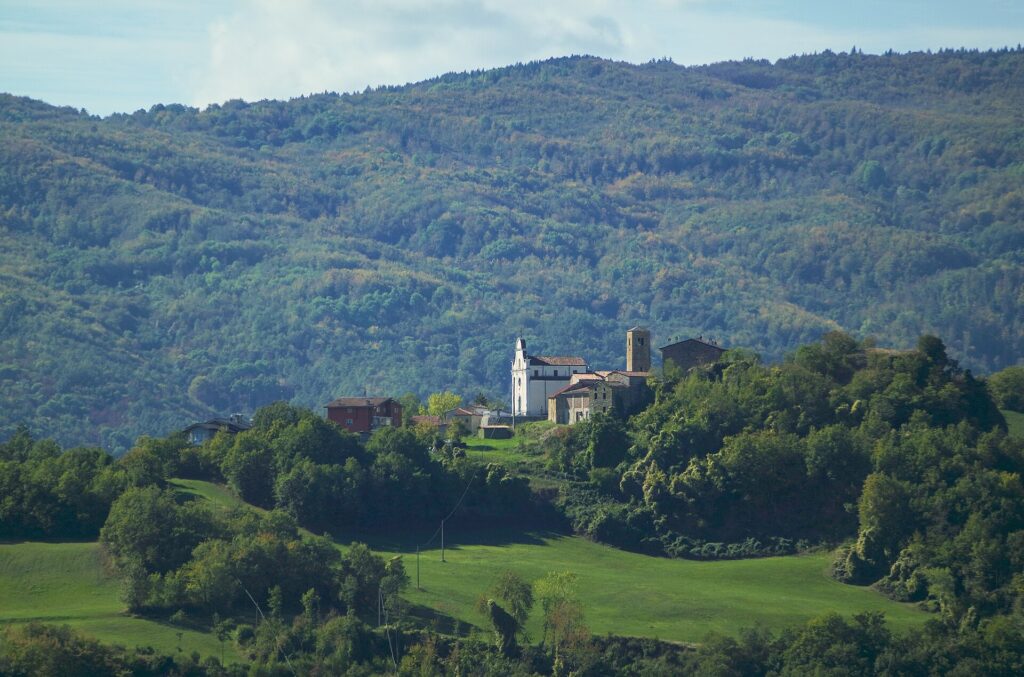
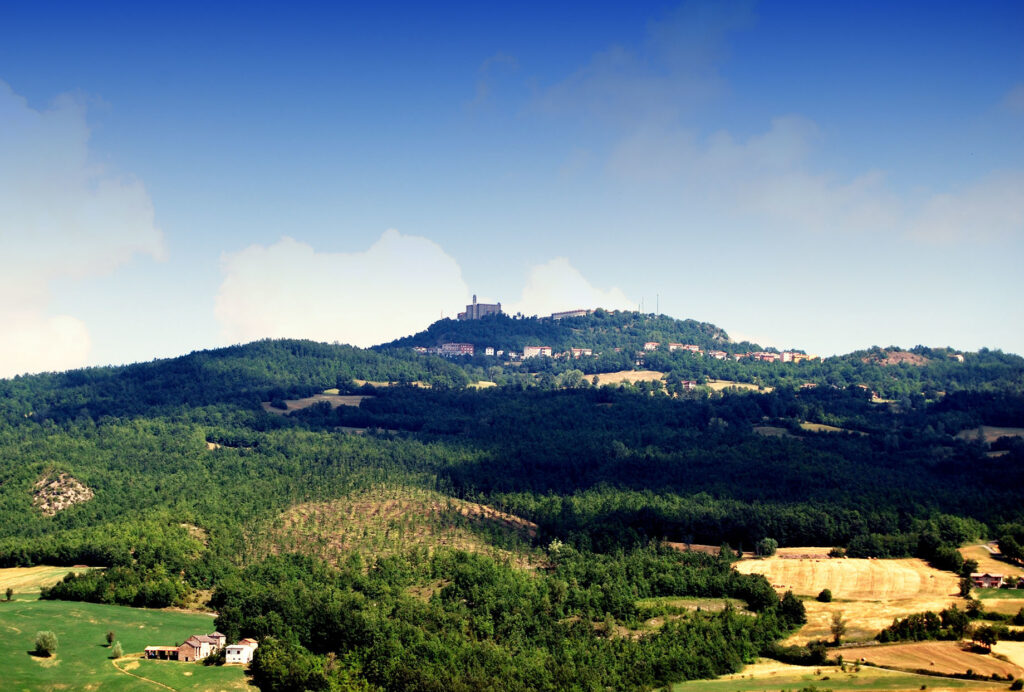
📷 Photo Gallery — Farini
Nearby Villages near Farini
In Emilia-Romagna More villages to discover

Tizzano Val Parma
 Mountain
2,198 residents and over a thousand years of documented history: Tizzano Val Parma draws visitors with its Romanesque pieve, medieval ruins and ski slopes on Monte Caio.
Castel di Casio
Hills
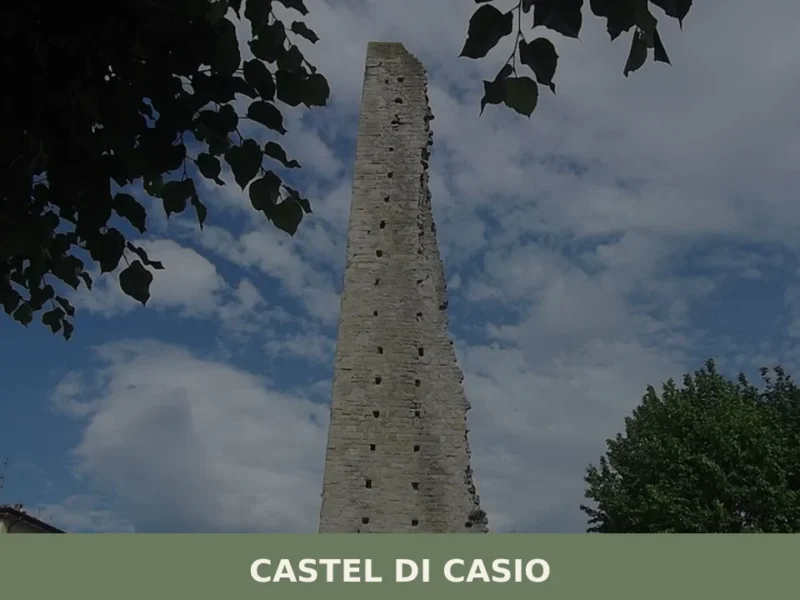
In February 1944, during the German retreat along the Gothic Line, the bridges over the Limentra di Treppio torrent were blown up one by one, cutting the territory of Castel di Casio in two. That act of destruction left a lasting mark on the collective memory of a mountain municipality that, as far back as […]
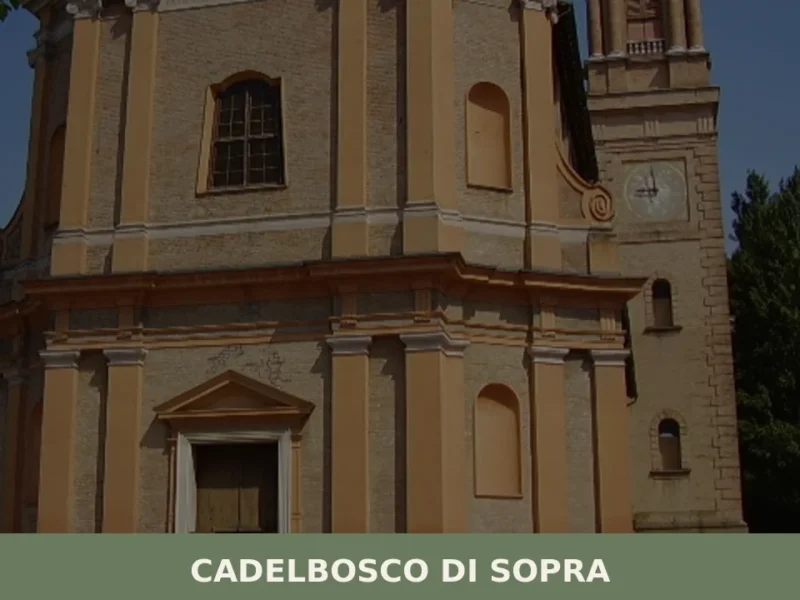
Cadelbosco di Sopra
 Plains
What to see in Cadelbosco di Sopra, Italy: Baroque churches, WWII memorials and Po Valley food. Population 10,713. Discover the complete travel guide.
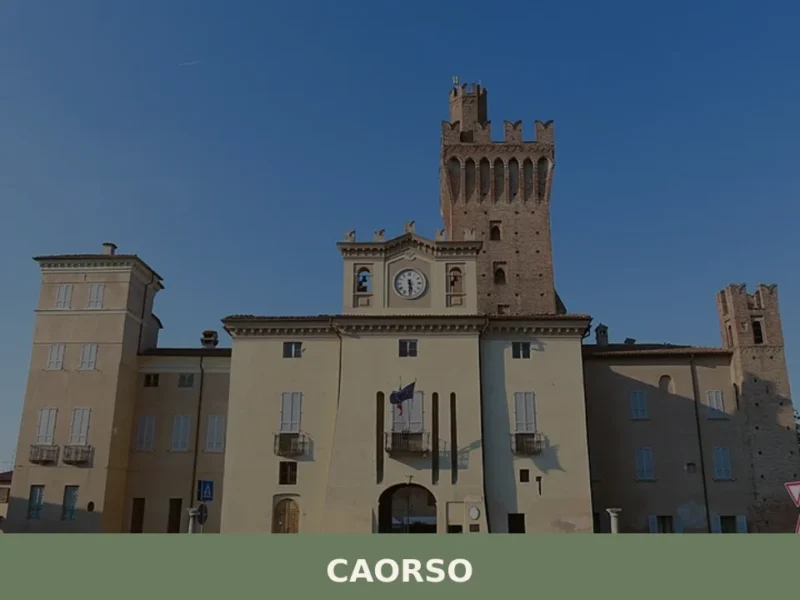
Caorso
Plains
What to see in Caorso: explore the medieval castle and the Parish Church of Santa Maria Assunta. Population 4,859, elevation 46m. Plan your visit now.
Argenta
Plains
What to see in Argenta, Italy: Explore the 7m altitude of Argenta. Discover top attractions like San Nicola di Bari and enjoy local foods.
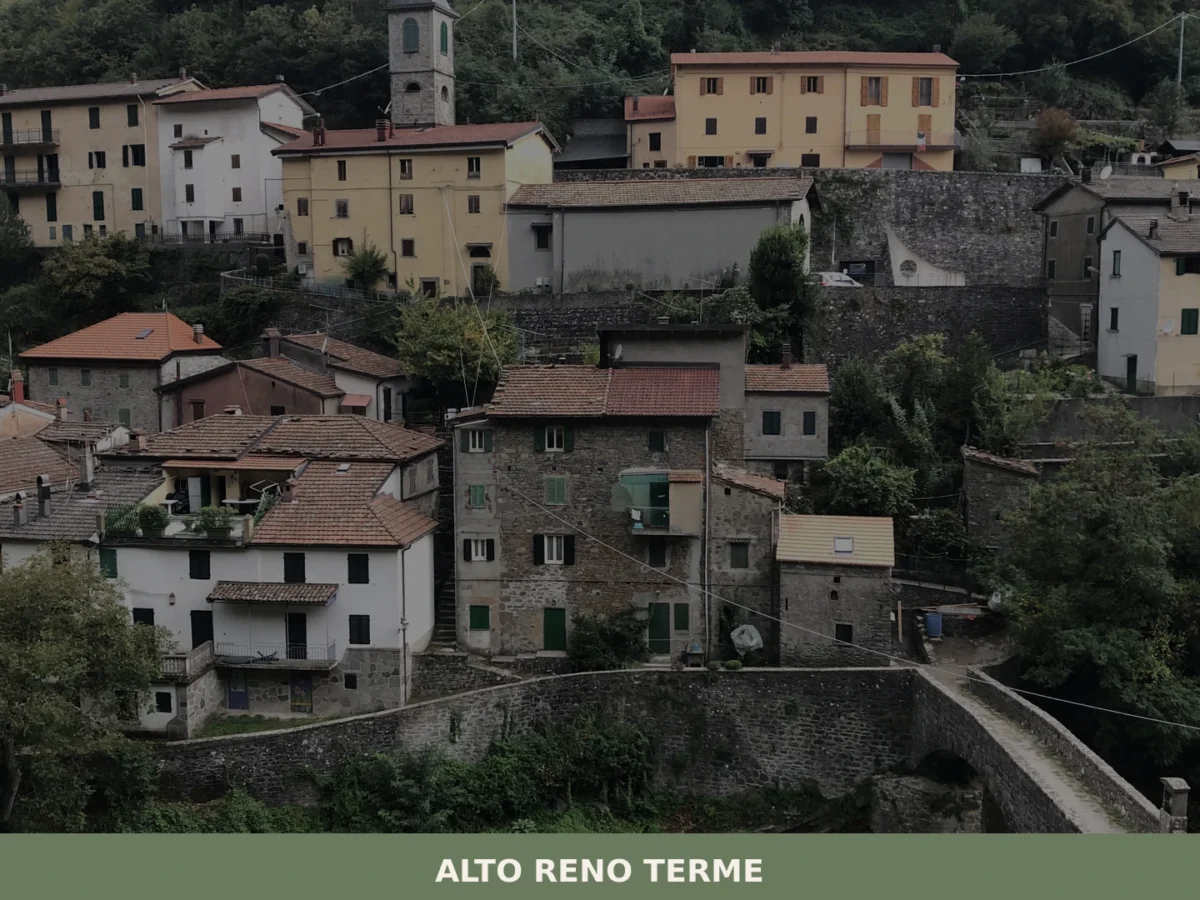
Alto Reno Terme
Mountain
What to see in Alto Reno Terme: 5 unmissable attractions, from thermal baths and historic villages to Apennine nature. Discover the complete guide to plan your visit.
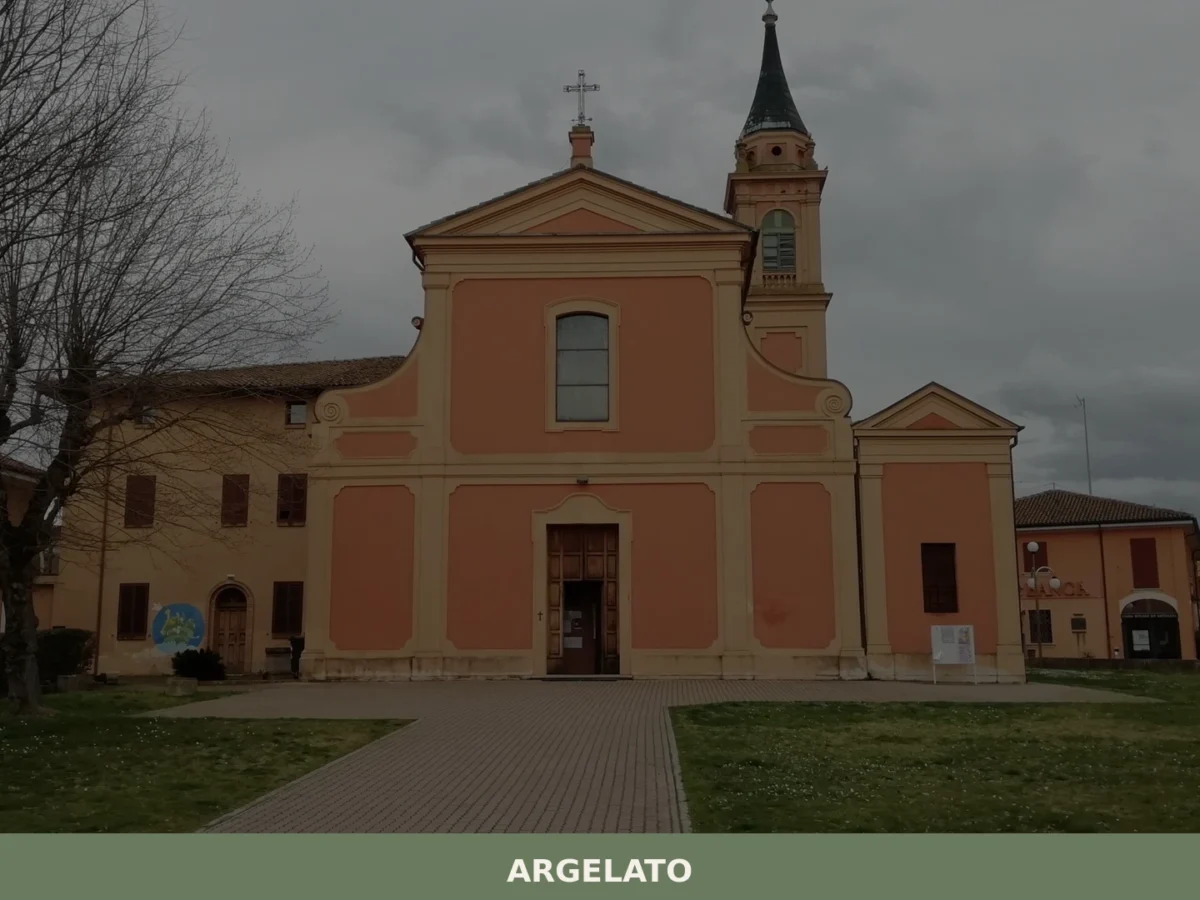
Argelato
Plains
What to see in Argelato? Explore the 5 main attractions of this Emilian village. Our complete guide awaits for your trip. Read now!
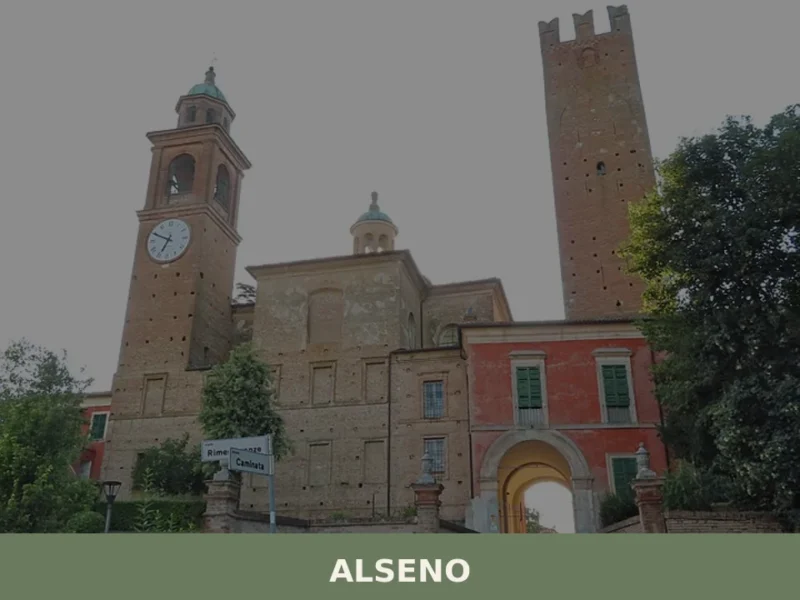
Alseno
Plains
Alseno sits at 79 metres above sea level in the province of Piacenza, on the plain crossed by the Ongina stream, a tributary of the Po. In this article History and Origins of Alseno What to See in Alseno: Main Attractions Local Food and Products of Alseno Festivals, Events and Traditions of Alseno When to […]
Calendasco
Plains
What to see in Calendasco, a village of 2,485 residents on the Po plain at 55 m elevation. Discover the medieval castle, the 19 February Saint Conrad festival and Piacenza cured meats.
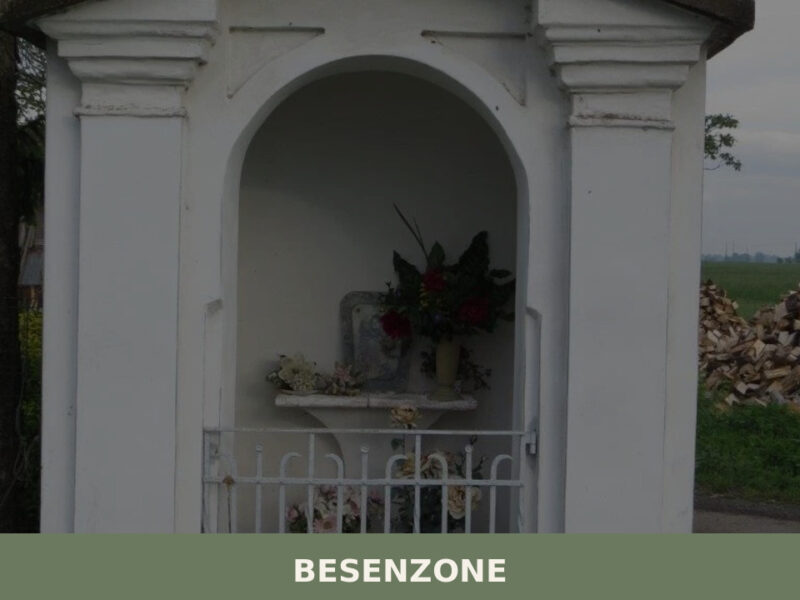
Besenzone
Plains
What to see in Besenzone, Italy: Discover a tranquil village of 916 inhabitants at 48 m (157 ft) altitude. Explore its historical sites and local traditions. Read our guide.
🏡 Know Farini better than we do?
If you’re a local or have been there, your knowledge matters: add what’s missing or fix a detail on this page.