



Terlizzi is a town of around 25,982 residents in the Metropolitan City of Bari, set on the lower Murgia plateau at 194 metres above sea level, with a layered history stretching from prehistoric menhir
Discover Terlizzi
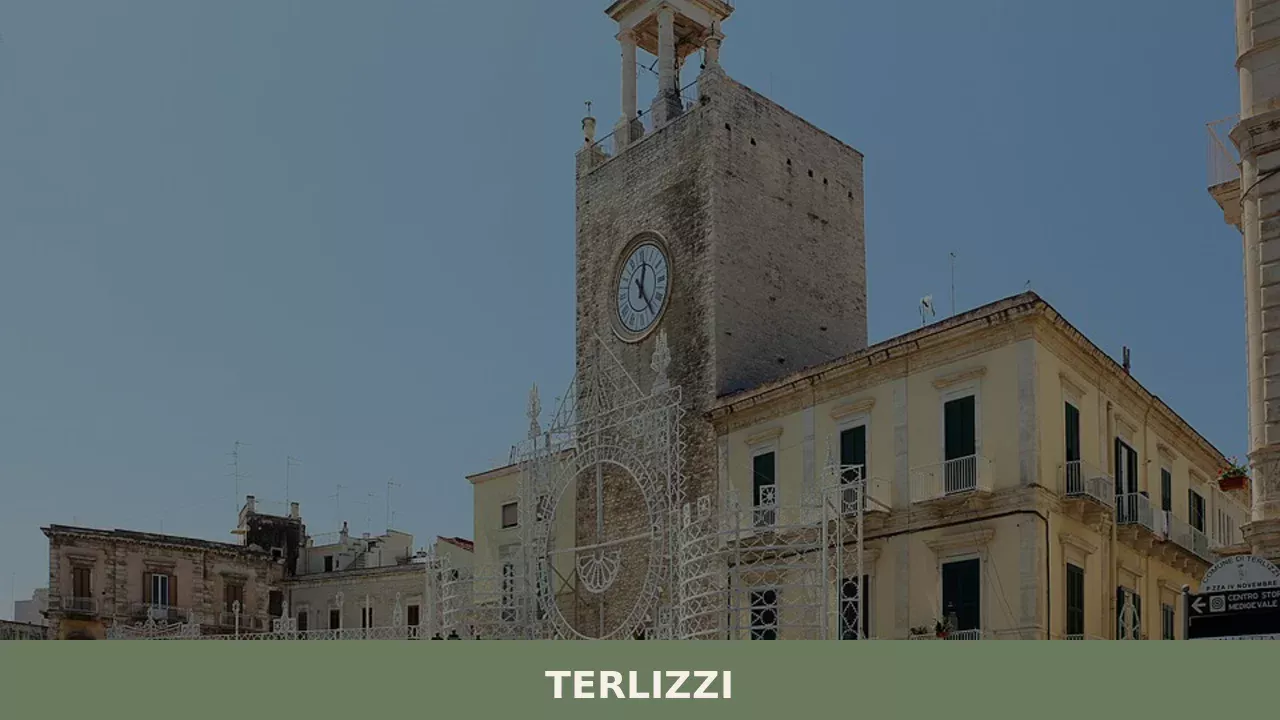
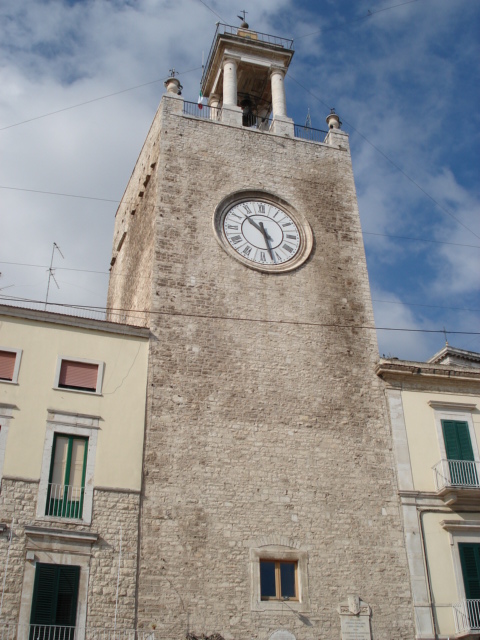
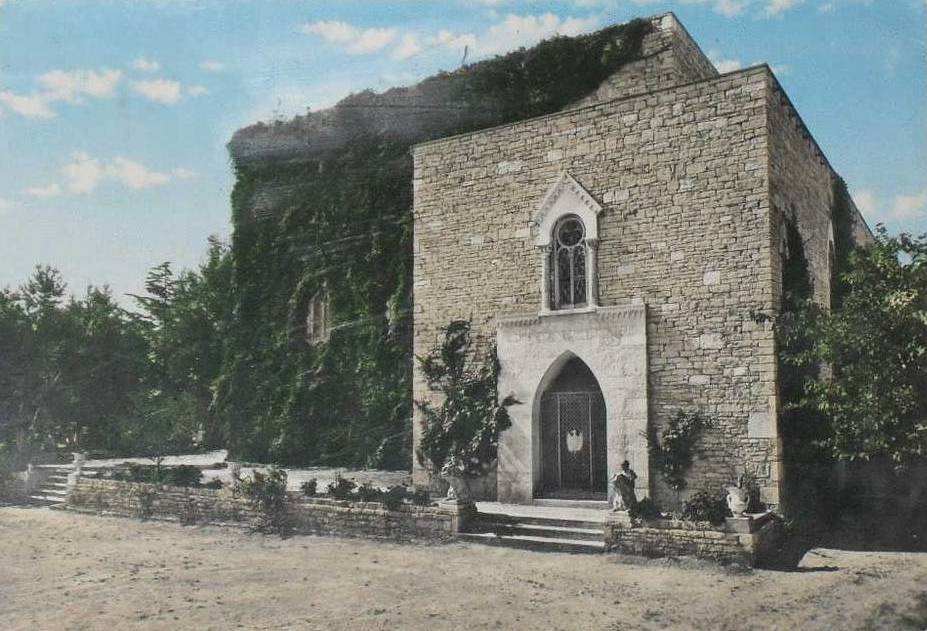
Terlizzi is a town of 25,969 residents in the Metropolitan City of Bari, Puglia, sitting at 190 metres above sea level on the inland hills of the Murge plateau, about 25 kilometres west of the regional capital. Its municipal territory extends across roughly 68.3 square kilometres and bears traces of human presence reaching back to prehistoric times, evidenced by menhirs still standing within its boundaries; by the early medieval period the settlement was already documented well enough to appear in a Lombard donation deed, and its formal civic status was recognised around the twelfth century, as a stone inscription on the surviving Torre Maggiore of the Norman castle still attests.
The Terlizzi village in Apulia that visitors encounter today is the layered result of Norman, Swabian, Angevin and later princely rule, each period leaving its mark on the urban fabric, the churches and the traditions that continue to animate local life — most visibly each year on 23 April, when the town celebrates its patronal feast in honour of the Madonna di Sovereto.
Terlizzi village in Apulia: history and origins
Terlizzi is a settlement in the Bari metropolitan area whose documented history stretches from at least the eighth century, when a Lombard feudal lord named Wacco donated the casale of Trelicio to the Monastery of Montecassino, through a long succession of Norman, Swabian, Angevin and princely overlords that shaped the town into what it is today. Archaeological evidence — including several menhirs still found within the municipal territory — suggests the area was inhabited even in prehistoric times, while ancient sources place it within the sphere of nearby Ruvo di Puglia from around the third century BC onward.
Subsequent feudal control passed through several powerful families, including the Sanseverino in the late fourteenth century, the Orsini dukes of Gravina, and later the Grimaldi princes of Monaco, who administered the town until around the mid-seventeenth century. A defining moment came in 1779, when the citizens of Terlizzi — led in part by the baron and man of letters Ferrante de Gemmis — collectively raised ninety thousand ducats to redeem the town from feudal subjugation, making Terlizzi a demanial city under direct royal authority. The debt incurred to finance that redemption was not fully settled until the twentieth century.
Churches, a Castle, and Two Museums: Terlizzi’s Built Heritage
Terlizzi’s historic core concentrates its main points of interest around the cathedral of San Michele Arcangelo, a Norman castle tower, two civic collections, and several churches — all within the medieval town that developed around what was once the old moat, now a tree-lined road the locals call “stradone.”
The Norman Castle Tower
Cathedral and Historic Churches
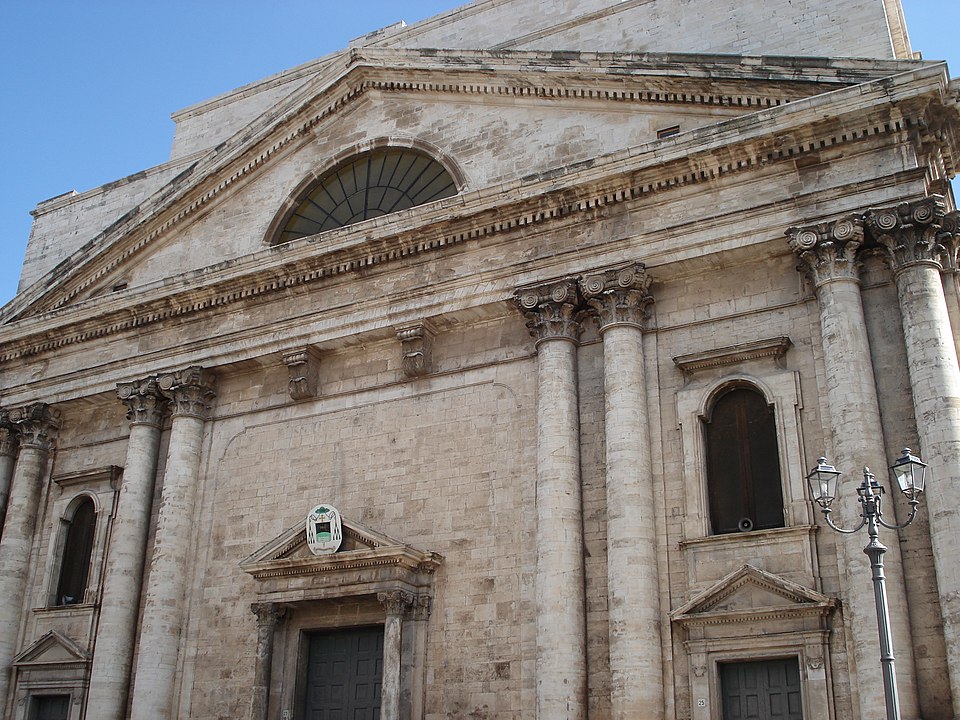
The medieval townscape converges on the cathedral of San Michele Arcangelo, whose position at the heart of the old street network gives it a structuring role in the urban layout. Also within the historic center are the church of the Immacolata, the church of the Santissimo Rosario, and the church of Santa Maria la Nova.
Pinacoteca Michele De Napoli
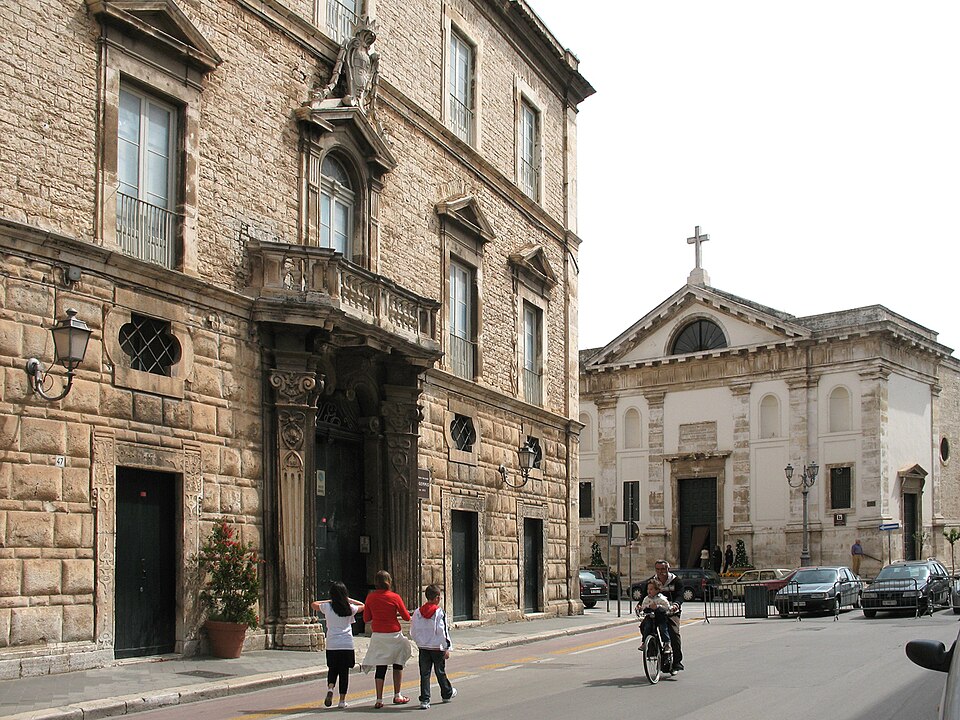
The civic picture gallery originated from the testamentary bequest made in 1892 by the Terlizzi-born painter and politician Michele De Napoli (1808–1892), who left the municipality his personal collection — more than a thousand works, including paintings and drawings — with the stipulation that they be housed in the palace where he had lived.
Museo della Civiltà Contadina
This museum of rural life took shape following a donation made in 2001 by a local resident, Damiano Paparella, who spent roughly two decades gathering objects connected to agricultural practice in the area. The collection gives the museum both its form and its documentary substance.
Flavours of Terlizzi and the Castel del Monte Territory
Terlizzi and its surrounding Murgia countryside are best known for floriculture, but the broader area also produces notable certified foods, including the creamy Burrata di Andria IGP, the aged Canestrato Pugliese DOP, and extra-virgin olive oil under the Olio di Puglia IGP label — all products of a province where uliveti and vigneti dominate the agricultural landscape, as they do in Terlizzi’s own agro.
The territory also yields cereals, wheat, and almonds, reflecting the varied character of the low Murgia plain. For cheese lovers, Caciocavallo Silano DOP and Mozzarella di Gioia del Colle DOP are worth seeking out at local markets, alongside the Lenticchia di Altamura IGP, grown in the broader hinterland.
On the wine side, the area falls within appellations of considerable prestige. The three Castel del Monte DOCG designations — Bombino Nero, Nero di Troia Riserva, and Rosso Riserva — are produced just to the west, while Aleatico di Puglia DOC and the Murgia IGT round out a cellar worth exploring during any stay in this corner of Puglia.
Planning your visit and getting there
Terlizzi can be reached using the practical reference points below. Distances and journey times are kept concise so the access information stays clear and consistent.
| Departure | Distance | Time |
|---|---|---|
| Bari | approx. 28 km | approx. 30 min |
| Aeroporto di Bari | approx. 25 km | approx. 30 min |
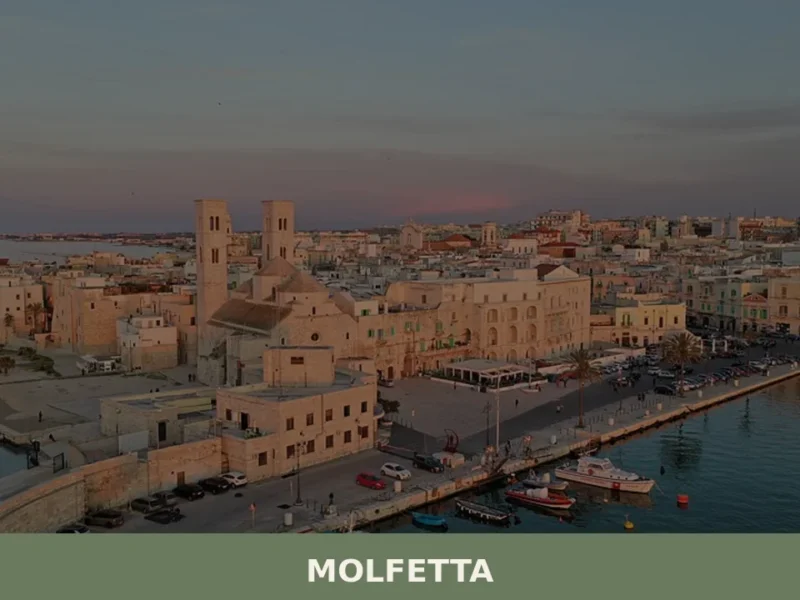
| Bitonto | approx. 12 km | approx. 15 min |
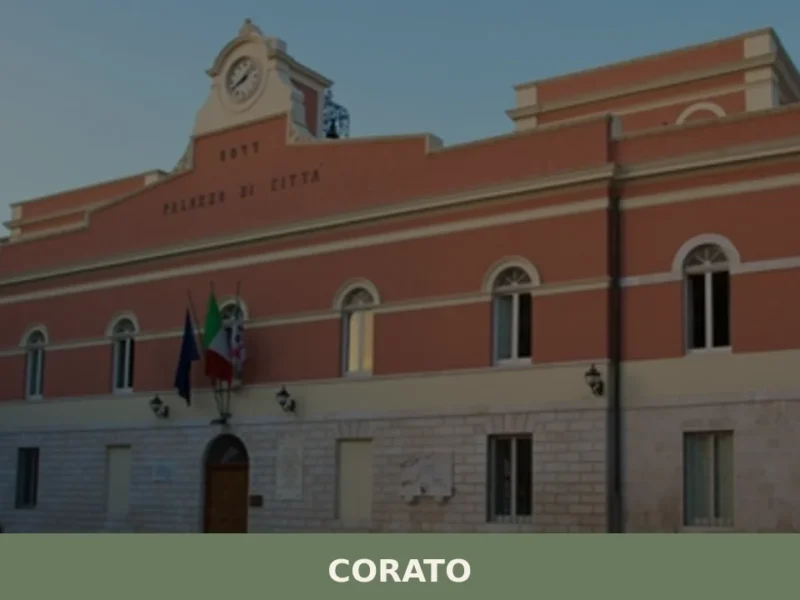
| Corato | approx. 14 km | approx. 20 min |
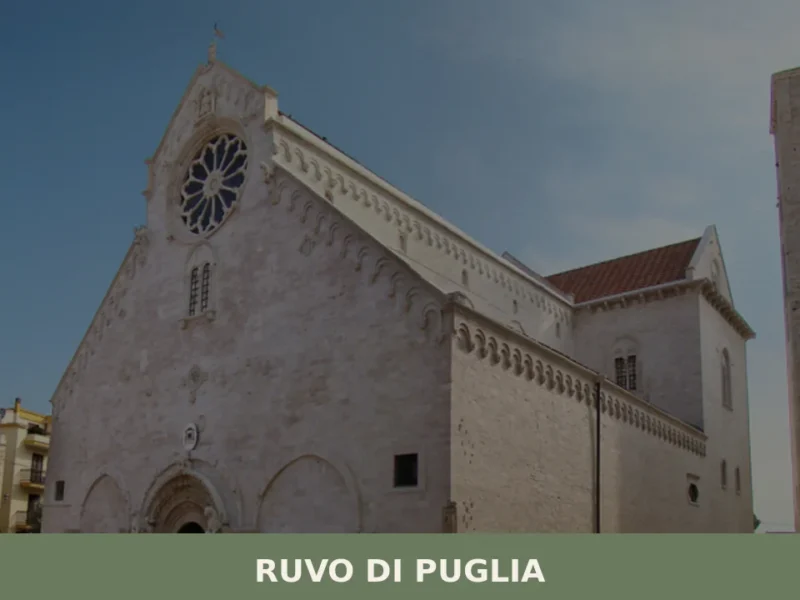
| Ruvo di Puglia | approx. 10 km | approx. 15 min |
These practical reference points are enough to plan the journey without overloading the text with unstable logistics. Once on site, the village is best understood slowly, on foot and in relation to the surrounding landscape.
Frequently asked questions about Terlizzi
How do I get to Terlizzi from Bari?
Terlizzi lies about 25 kilometres northwest of Bari. By car, take the SS98 state road heading towards Andria; the drive takes roughly 30 minutes. By train, Terlizzi is served by the Ferrovie del Nord Barese (now Ferrotramviaria) line connecting Bari Nord station to Barletta, with Terlizzi having its own stop. Journey time from Bari is approximately 35–40 minutes. Local bus services also connect the town to Bari and surrounding municipalities.
When is the best time to visit Terlizzi?
Terlizzi celebrates its patron saint, the Madonna di Sovereto, three times a year: on 23 April, the first Sunday of August, and the first Sunday of October. These dates offer the richest experience of local tradition and festivities. Spring and early autumn are also the most comfortable seasons climate-wise, with mild temperatures ideal for exploring the town's historic centre and the wider Murge plateau landscape. Summer is lively but can be hot inland.
What is the story behind the Madonna di Sovereto?
The Madonna di Sovereto is a venerated Byzantine-style icon traditionally said to have been discovered near Terlizzi in miraculous circumstances during the medieval period. According to local tradition, the image was found in the countryside and repeatedly returned there of its own accord, indicating that it wished to remain in that location. A sanctuary was subsequently built on the site. The icon has been central to Terlizzi's religious and civic identity for centuries, inspiring three distinct annual patronal celebrations.
How long should I plan to spend in Terlizzi?
A focused visit to Terlizzi's historic centre — taking in the Norman castle's Torre Maggiore, the main churches, and the local museums — can comfortably be completed in half a day. Allowing a full day lets you also explore the surrounding Murge countryside, visit the Sovereto sanctuary outside town, and enjoy a leisurely lunch sampling local products tied to the Castel del Monte designated territory, including olive oil, local bread and traditional Apulian dishes.
Are there agriturismos or accommodation options near Terlizzi?
Terlizzi's position on the Murge plateau, roughly midway between Bari and Andria, means several agriturismos and rural B&Bs operate in its wider municipal territory and along nearby country roads. The town itself has a small number of B&B and guesthouse options in or near the historic centre. Visitors seeking a broader range of hotels may prefer to base themselves in Bari or Andria, both reachable within 30 minutes by car or train, and make Terlizzi a day trip.
📷 Photo Gallery — Terlizzi
Nearby Villages near Terlizzi
In Apulia More villages to discover
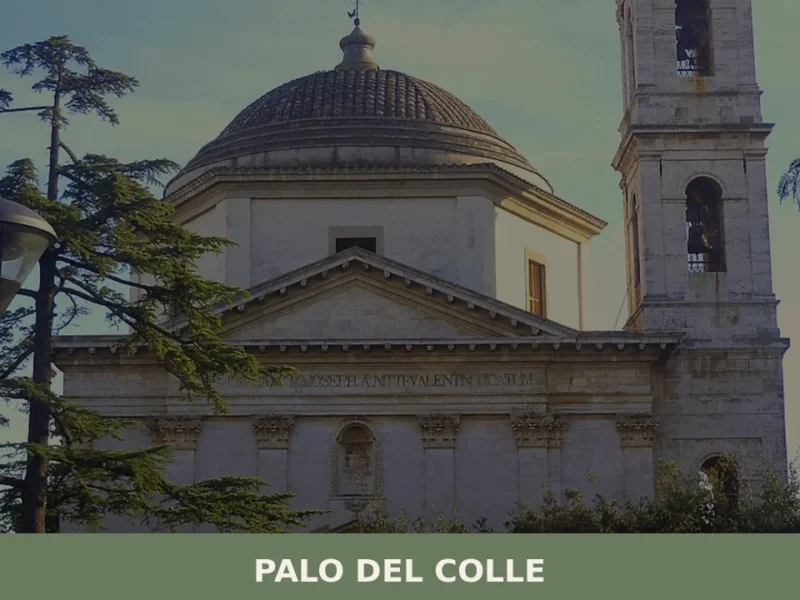
Palo del Colle
 Plains
What to see in Palo del Colle: town at 177 m near Bari. Explore the Norman castle, cathedral, and Acquasale PAT. Plan your visit with our full guide.
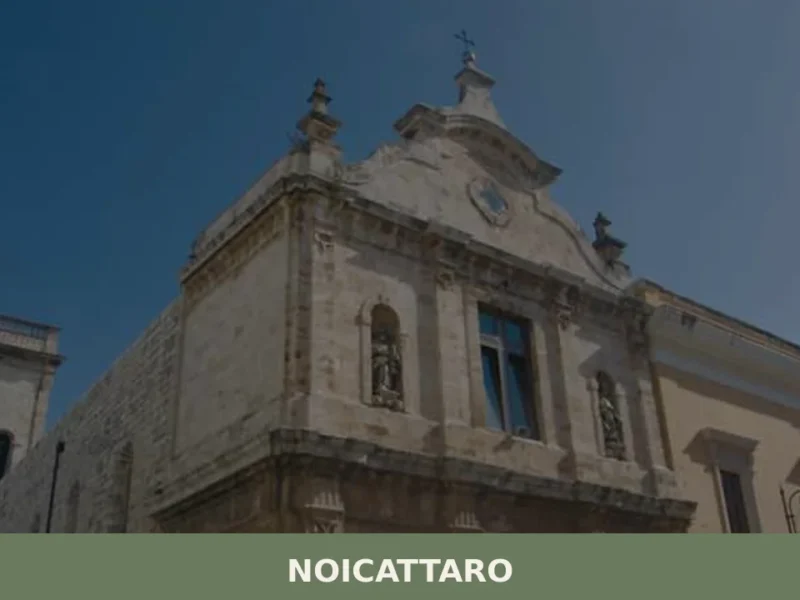
Noicattaro
Plains
What to see in Noicattaro: town at 100m in the province of Bari. Medieval crypt, concentric old town, masserie and PAT cuisine. Plan your visit now.
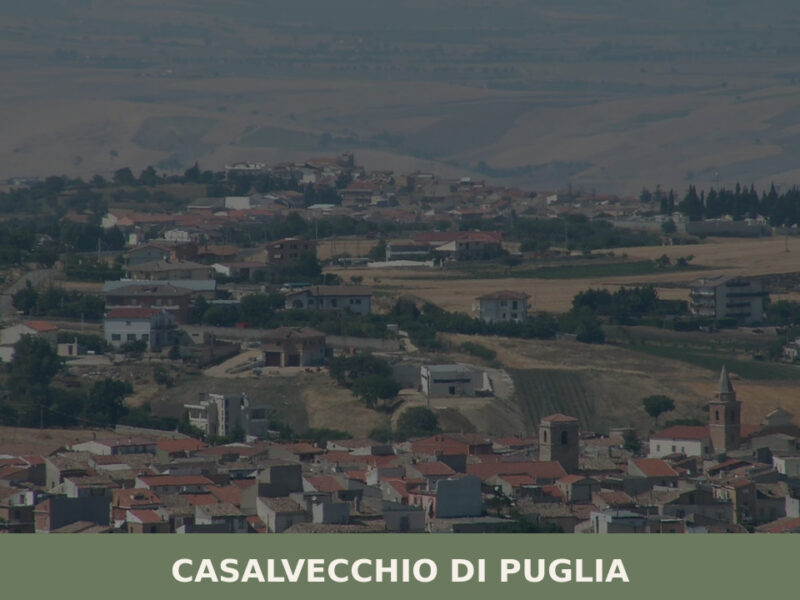
Casalvecchio di Puglia
 Hills
Hills
An Arbëreshë village of 1,689 inhabitants perched at 465 metres in the Daunia hills. A guide to its historic centre, rural paths, and slow-paced southern Italian life.
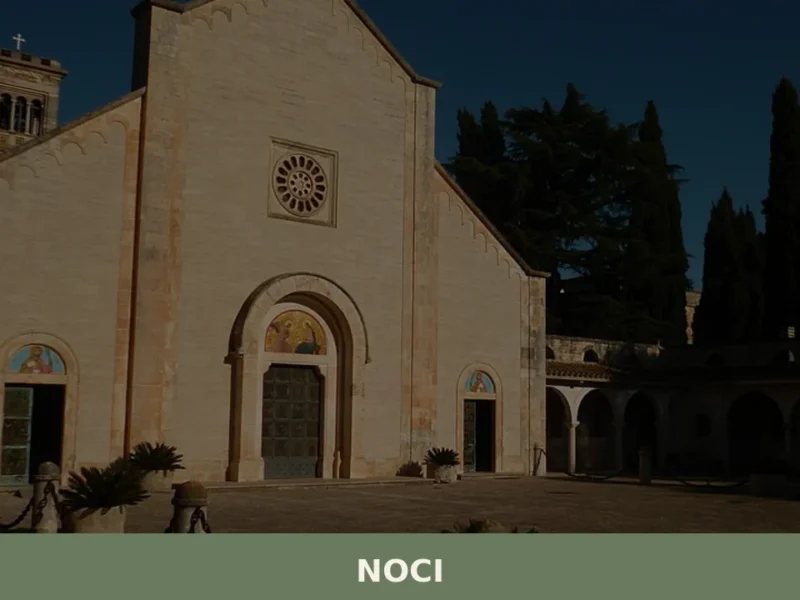
Noci
Hills
What to see in Noci, a village at 420 m on the Murge plateau. 5 attractions, medieval gnostre, Acquasale PAT, sagre and patron feasts. Plan your visit now.
Minervino di Lecce
Plains
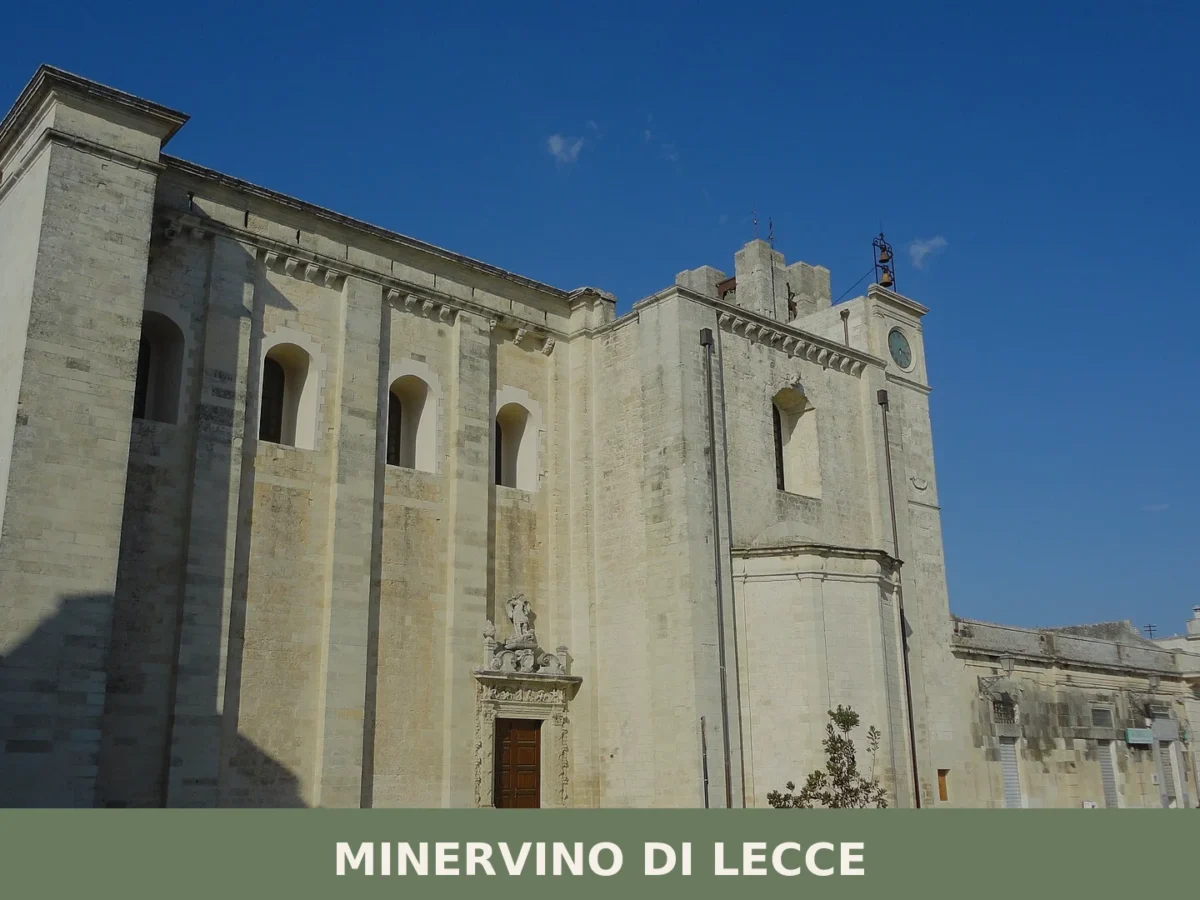
3,400 residents and 98 metres of elevation. A village where megalithic stones predate written history, and Renaissance architecture speaks of feudal ambition.
Botrugno
Plains
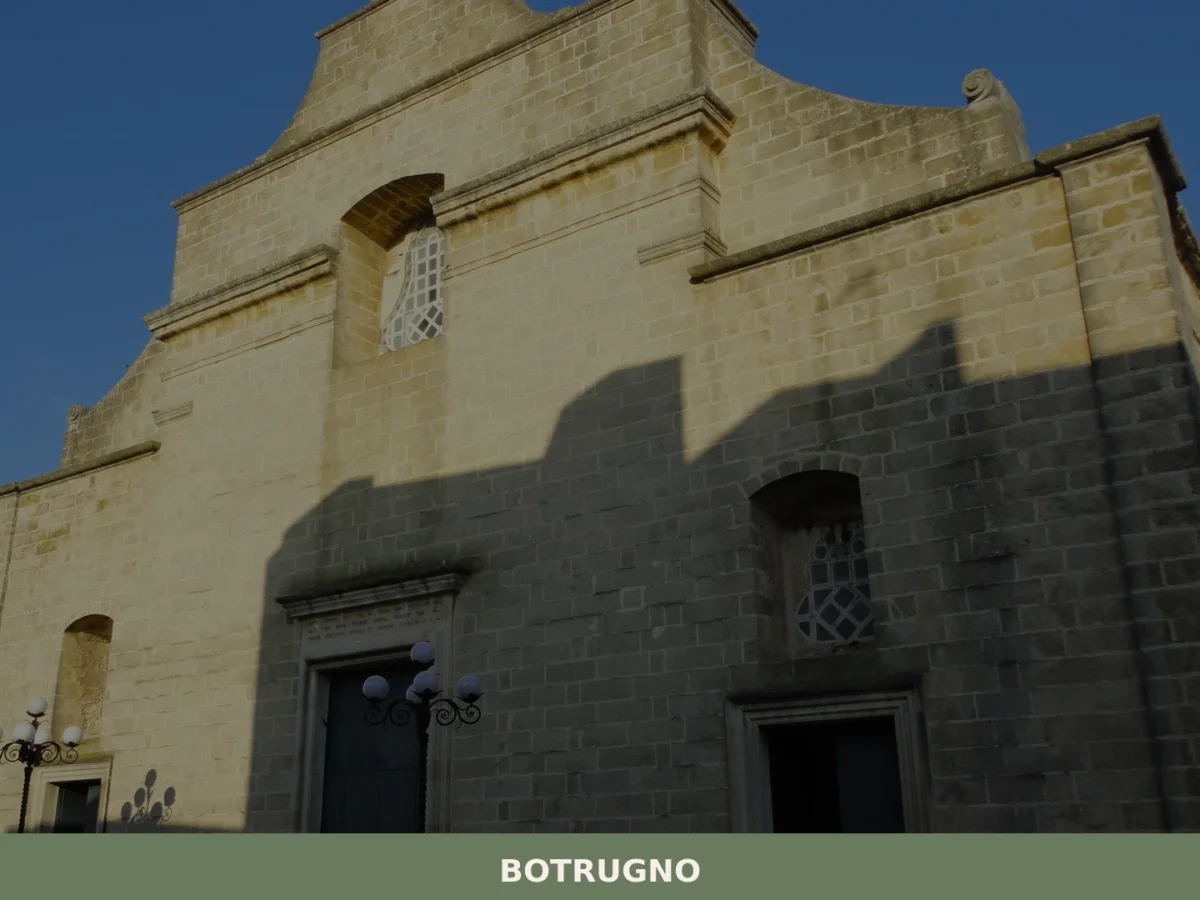
Discover what to see in Botrugno, a Salentine village of 2,556 inhabitants in the Lecce province: churches, olive groves, local food and practical travel tips.
Cavallino
Plains
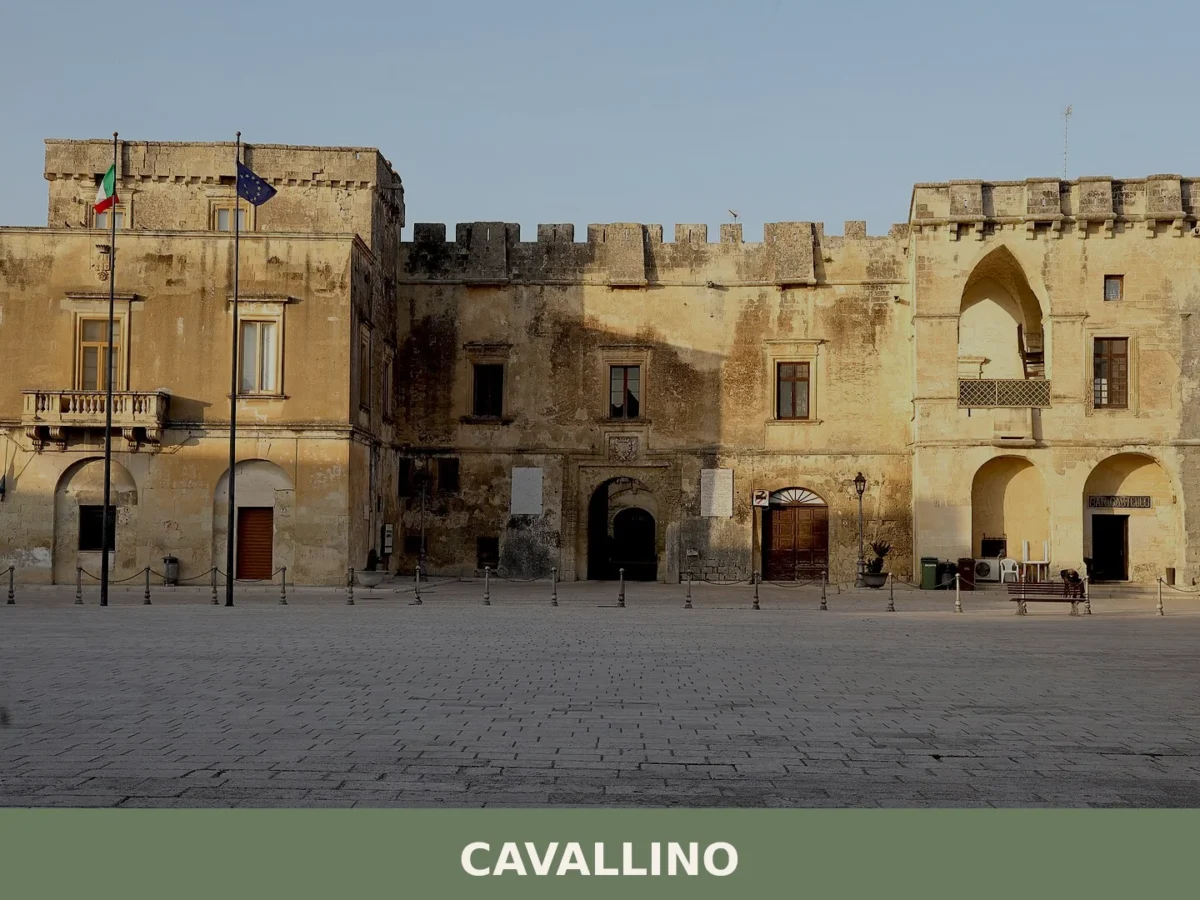
A village of 13,000 inhabitants where Messapic foundations meet Baroque stone. Visit the Dominican church, the feudal castle and a 1633 public well.
Cellino San Marco
Plains
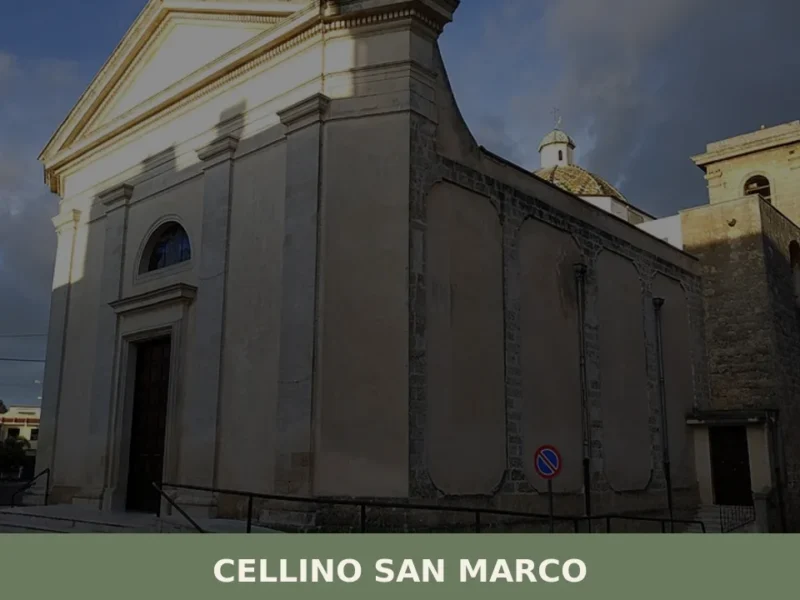
Scopri Cosa vedere a Cellino San Marco: un borgo agricolo ricco di storia e tradizioni in Puglia. Pianifica la tua visita e assapora l'autenticità del Salento.
Carlantino
Plains
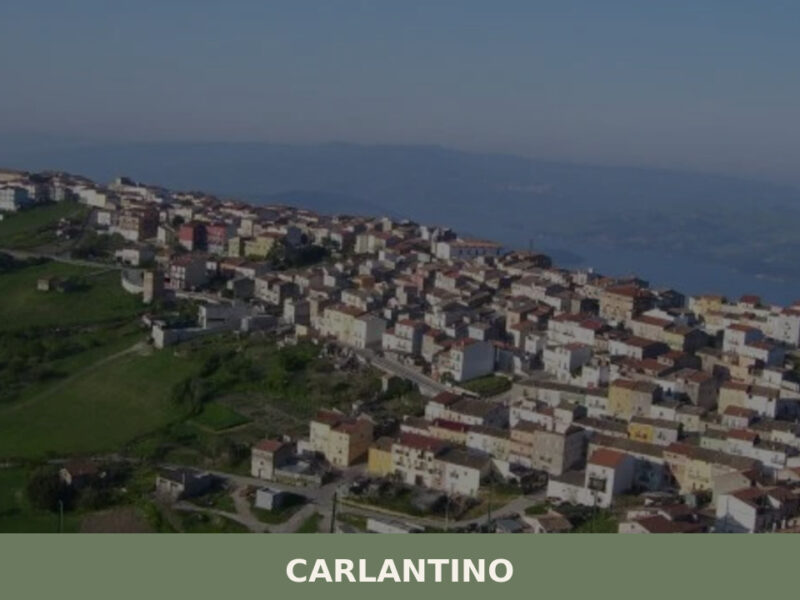
Discover Carlantino, a tiny hilltop village overlooking Lake Occhito in Puglia's Daunia hills. Explore its history, nature trails, and renowned black truffles.
Sammichele di Bari
Hills
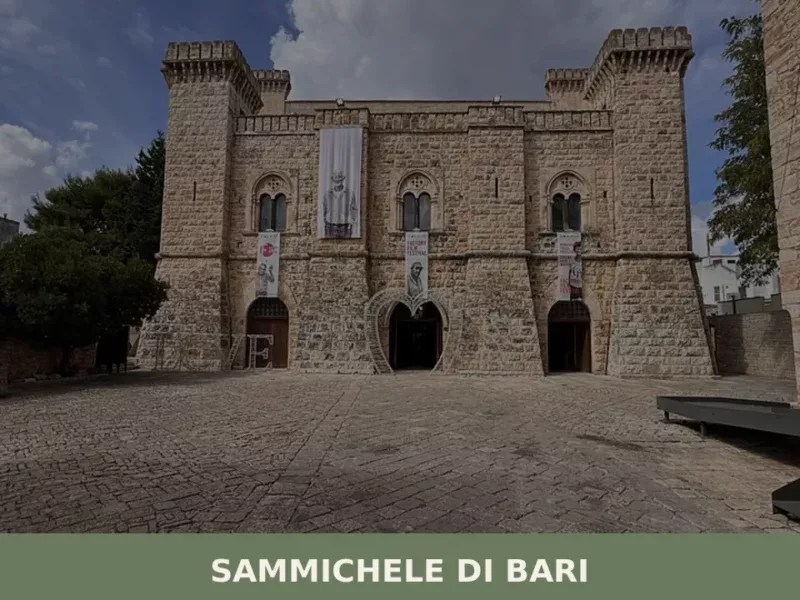
Sammichele di Bari, a settlement of 6,656 inhabitants, is located 280 meters above sea level, in the heart of the Murgia dei Trulli and the Canale di Pirro. Its geographical position, on a rise overlooking the surrounding plain, has defined its role throughout the centuries. Officially founded in the 17th century by the will of […]



🏡 Know Terlizzi better than we do?
If you’re a local or have been there, your knowledge matters: add what’s missing or fix a detail on this page.