


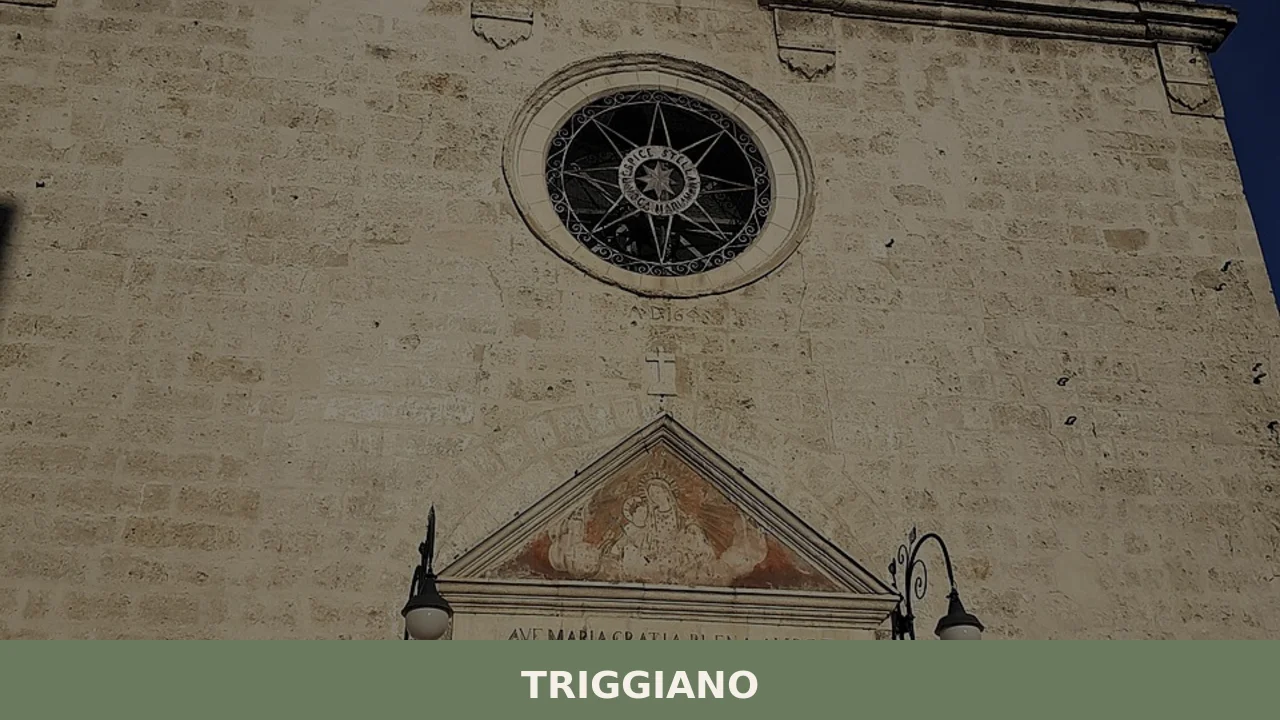

Triggiano is a town of around 25,700 inhabitants a few kilometres south-east of Bari, with documented roots stretching back to 983 AD and a rich heritage of rupestrian dwellings, historic churches and
Discover Triggiano
Triggiano is a comune of roughly 25,764 residents situated in the Metropolitan City of Bari, Puglia, covering about 20 square kilometres of flat terrain at around 60 metres above sea level, close enough to the regional capital to form part of its modern urban constellation yet rooted in a documented history stretching back to at least 983 AD.
That early medieval record, an archiepiscopal document naming a place called Triviani, is where the story of Triggiano village in Apulia properly begins — a story that moves through tufa-carved dwellings, a formally constituted universitas in the fifteenth century, and the arrival of Greco-Albanian settlers, down to the living streetscape of the old Rione Ponte quarter, where traces of wells, cisterns and a fortified tower still echo an organised medieval fabric beneath the present-day town.
Triggiano village in Apulia: history and origins
Triggiano is a settlement in the metropolitan area of Bari whose documented history stretches back to at least 983 AD, when an archiepiscopal deed recorded the granting of the church of San Martino in a place then called Triviani — making this the earliest written evidence of the village’s existence. Archaeological finds, including a tomb uncovered around 1902 in the locality of San Lorenzo, suggest a much older human presence, with some historians pointing to a possible Peucetian settlement dating to around the third century BC. For many centuries the community was largely cave-dwelling, with inhabitants occupying spaces cut into the local tuff rock in a manner comparable to other rupestrian settlements of southern Italy.
From the fifteenth century onward, a stone-built borgo began to take shape beyond the medieval walls, partly encouraged by the arrival of a Greek-Albanian colony granted land by the local universitas. That administrative body, established in 1466, gained a formal statute in 1543 under Bona Sforza, then duchess of Bari. The fief of Triggiano was transferred to the Pappacoda family in 1557, who held it until 1768; it then passed in succession to the Filomarino and later the Brancaccio families, remaining under feudal rule until the abolition of feudalism in the Kingdom of Naples in 1806.
The twentieth century brought significant industrial development: a factory opened in late 1964 on the site still known as Ex Superga, belonging to a Turin-based company specialising in footwear, at its peak employing several hundred workers before closing in 1986. An earlier territorial change had already reshaped the commune’s boundaries: in 1934, the coastal locality of San Giorgio — historically Triggiano’s own shoreline — was detached and annexed to the city of Bari, leaving Triggiano without direct access to the sea.
Churches, a Museum, and the Old Town of Triggiano
Triggiano’s main points of interest include five historic churches, a museum of rural civilisation, and traces of the medieval town concentrated in the old Rione Ponte district.
The Old Town and its Traces of the Past
The oldest part of Triggiano, known as Rione Ponte or città vecchia, preserves the layout of the original settlement. Archaeological excavations beneath the church of Santa Maria Veterana have uncovered evidence of an ancient street network, together with wells and cisterns. Nearby, the remains of a tower — part of what some have called a castle, complete with walls and a moat — are still visible close to the former public library.
Church of Santa Maria Veterana
This church is of particular historical interest, as excavations carried out beneath its floor have revealed the infrastructure of the early settlement, making it one of the most significant archaeological reference points in the town.
Church of the Madonna della Croce
This church is dedicated to the town’s patron, the Madonna della Croce, honoured each year on the third Sunday of September. It holds a central place in the religious and community life of Triggiano.
Other Churches
The town also preserves three further places of worship: the church of the Santissimo Crocifisso, the church of Santa Lucia, and the church of San Francesco d’Assisi. The sources do not provide architectural or artistic detail on these buildings beyond their names.
Museo della Civiltà Contadina
The Museum of Rural Civilisation collects objects — both large and small — relating to the agricultural world of Puglia. Its holdings include historical documents, archival photographic material, and handmade artefacts. The museum is organised into several sections, each recreating a different aspect of traditional rural life as it was once lived in this part of southern Italy.
Flavours of Triggiano and the Bari Countryside
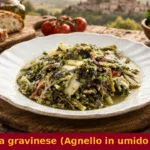
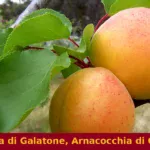
Triggiano sits within one of Puglia’s most productive agricultural zones, where the wider Bari province supplies a remarkable range of certified products — from aged cheeses to prized olive oils — that appear regularly on local tables. The area’s food identity is shaped by the region rather than by any single exclusive local speciality, so visitors will find these products throughout the territory rather than in Triggiano alone.
Dairy excellence is well represented: Burrata di Andria IGP, with its signature creamy centre, and Mozzarella di Gioia del Colle DOP are among the most sought-after fresh cheeses of the province. Aged alternatives include Caciocavallo Silano DOP and Canestrato Pugliese DOP, a firm sheep’s-milk cheese with a basket-moulded rind. The Lenticchia di Altamura IGP rounds out the pantry with a legume deeply rooted in the inland Murgia tradition.
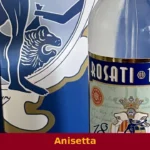
Olive oil is central to any meal in this part of Puglia: Olio di Puglia IGP covers the regional production, reflecting centuries of cultivation on the characteristic flat and gently undulating landscape that surrounds Triggiano. Local liqueur traditions — amaro and anisetta among them — are also present in the broader territorial food culture, enjoyed as digestivi after a meal.
For wine, the area looks to several appellations of the province and region. Among the Castel del Monte DOCG appellations — which include whites and rosés alongside the reds — Bombino Nero, Nero di Troia Riserva, and Rosso Riserva stand out as the most structured reds of the zone, while Aleatico di Puglia DOC offers a distinctive sweet red. Broader IGT designations such as Murgia and Puglia cover the everyday table wines produced across this stretch of southern Italy.
Planning your visit and getting there
Triggiano can be reached using the practical reference points below. Distances and journey times are kept concise so the access information stays clear and consistent.
| Departure | Distance | Time |
|---|---|---|
| Bari (centro) | approx. 10 km | 15–20 min |
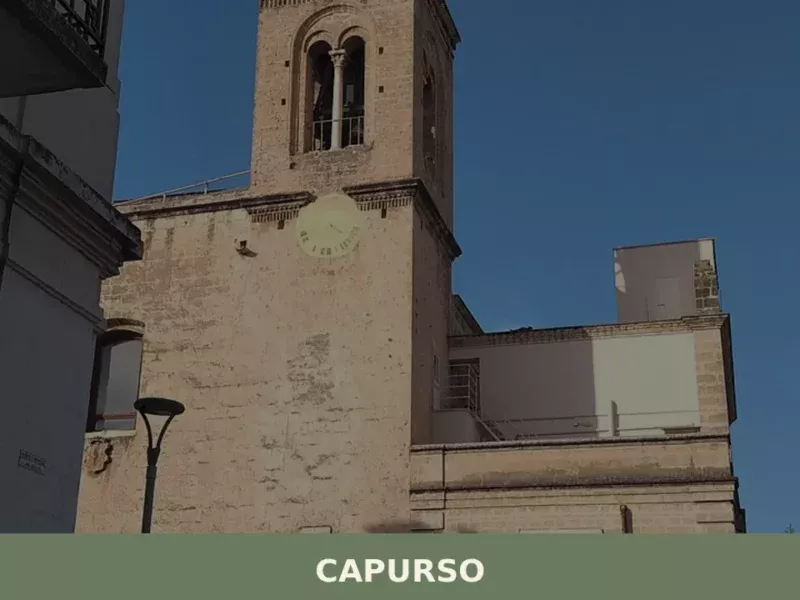
| Capurso | approx. 4 km | 8–10 min |
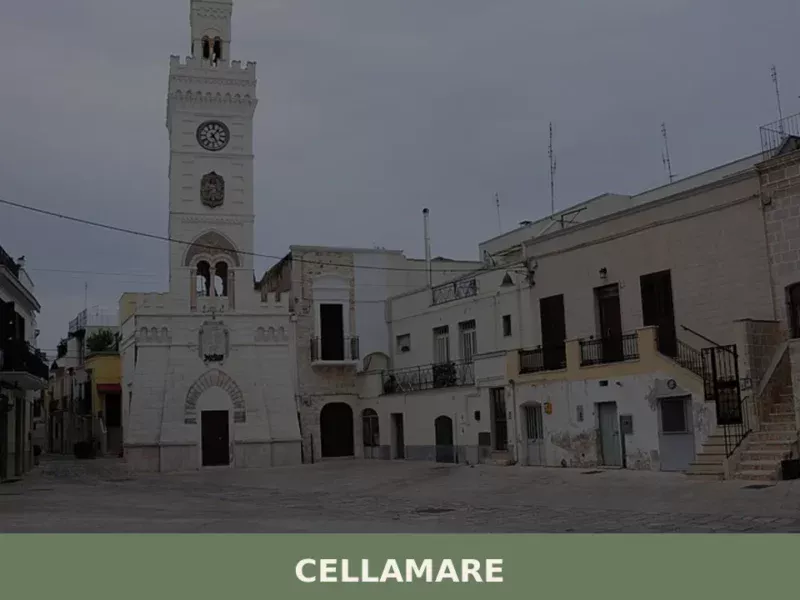
| Cellamare | approx. 3 km | 5–8 min |
| Aeroporto di Bari-Karol Wojtyła | approx. 15 km | 20–25 min |
These practical reference points are enough to plan the journey without overloading the text with unstable logistics. Once on site, the village is best understood slowly, on foot and in relation to the surrounding landscape.
Frequently asked questions about Triggiano
How do I get to Triggiano from Bari?
Triggiano lies roughly 8 kilometres south-east of Bari city centre. By car, take the SS100 or the tangenziale (ring road) towards Taranto and exit at Triggiano. By public transport, Ferrovie del Sud Est (FSE) runs regular train services from Bari Centrale to Triggiano station, with a journey time of approximately 15 minutes. Local bus lines also connect the town to Bari. The nearest motorway access is the A14 Bologna–Taranto, Bari Sud exit.
When is the best time to visit Triggiano?
Spring (April–May) and early autumn (September–October) offer the most pleasant temperatures on the flat Conca di Bari plain. The highlight of the local calendar is the feast of the patron, Maria SS. della Croce (Madonna della Croce), celebrated on the third Sunday of September, when the town hosts religious processions, street festivities and local food markets. Visiting around this date gives travellers an authentic glimpse of Pugliese popular devotion and community life.
Are there notable curiosities about Triggiano not immediately obvious to visitors?
Triggiano's name is believed to derive from the Latin Treianum or a personal Roman name, pointing to ancient pre-medieval roots well before the 983 AD archiepiscopal document. The town also received a community of Greco-Albanian (Arbëreshë) settlers, a migration wave that shaped parts of southern Italy culturally and linguistically during the fifteenth and sixteenth centuries, leaving subtle traces in local customs and surnames still found in the area today.
How long should I plan to spend in Triggiano?
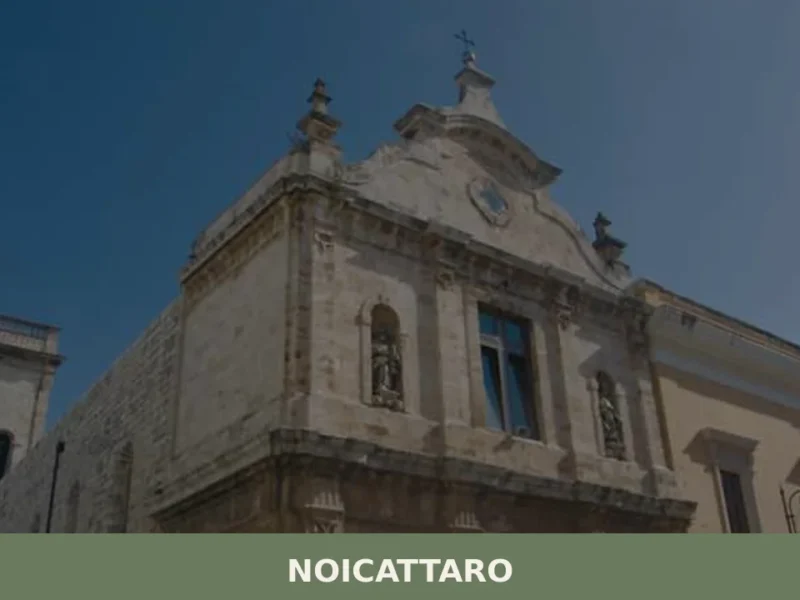
Triggiano is a compact town covering about 20 square kilometres of flat terrain. A focused visit to the historic Rione Ponte quarter, the main churches and any open local museum can comfortably be completed in half a day. Combining Triggiano with nearby centres of the Conca di Bari — such as Capurso, Noicattaro or Rutigliano — makes for a full-day itinerary exploring the broader metropolitan hinterland south-east of Bari.
What local products should I look for when visiting the Triggiano area?
The Conca di Bari, the fertile plain surrounding Triggiano, is renowned for extra-virgin olive oil produced from centuries-old Ogliarola and Coratina olive trees. Local cheeses, fresh pasta such as orecchiette, and seasonal vegetables grown on the flat agricultural land are staples of the area's food tradition. Visitors can find these products at local markets and in the agriturismos and food shops scattered across the municipalities immediately surrounding Triggiano.
Nearby Villages near Triggiano
In Apulia More villages to discover
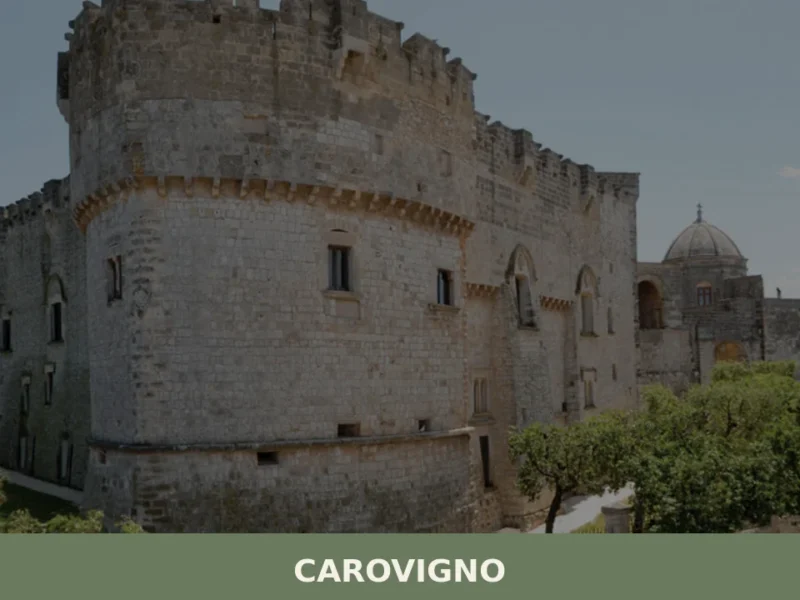
Carovigno
 Sea
Sea
Discover what to see in Carovigno, Puglia: medieval castle, rupestrian churches, Torre Guaceto nature reserve, olive oil traditions and practical travel tips.
Poggio Imperiale
 Plains
A planned eighteenth-century village on the Tavoliere plain, Poggio Imperiale offers grid-pattern streets, agricultural landscapes, and the unhurried rhythms of northern Puglia.
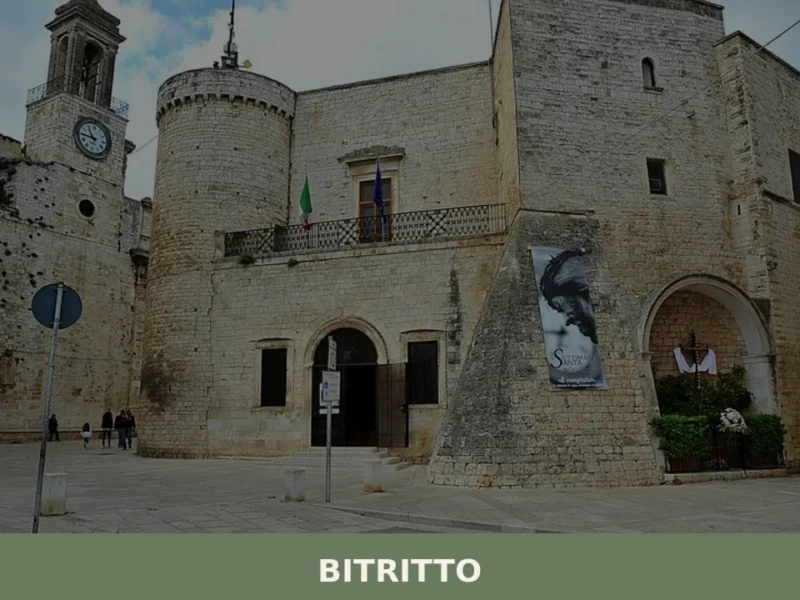
Bitritto
Plains
Approximately 11 kilometers southwest of Bari, in the basin opening towards the hinterland, lies Bitritto, a municipality with 11,046 inhabitants, situated 102 meters above sea level. Its territory, marked by olive groves and almond orchards, is an integral part of the Apulian agricultural landscape and reflects the region’s farming heritage. For those wondering what to […]
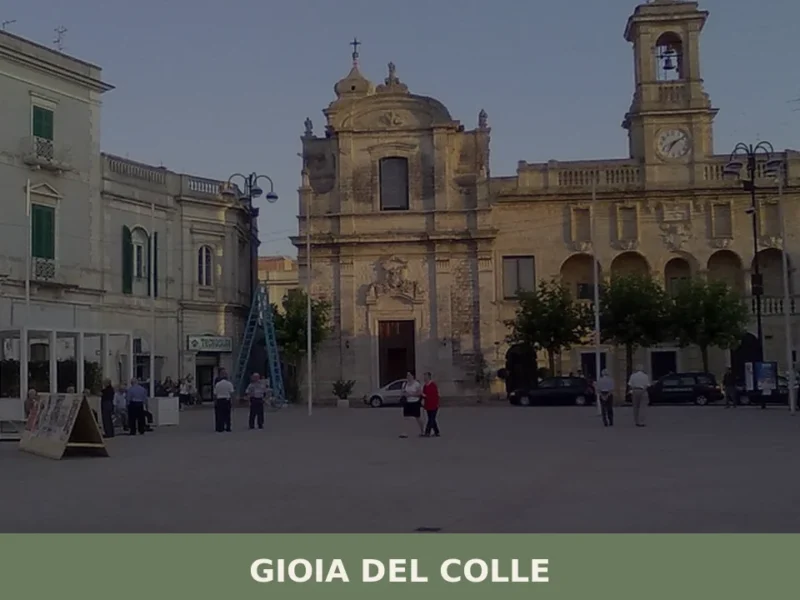
Gioia del Colle
 Hills
Hills
What to see in Gioia del Colle: hilltop town at 362m on the Murgia. Explore the Swabian castle, Monte Sannace park, Primitivo DOC wines and local PAT dishes.
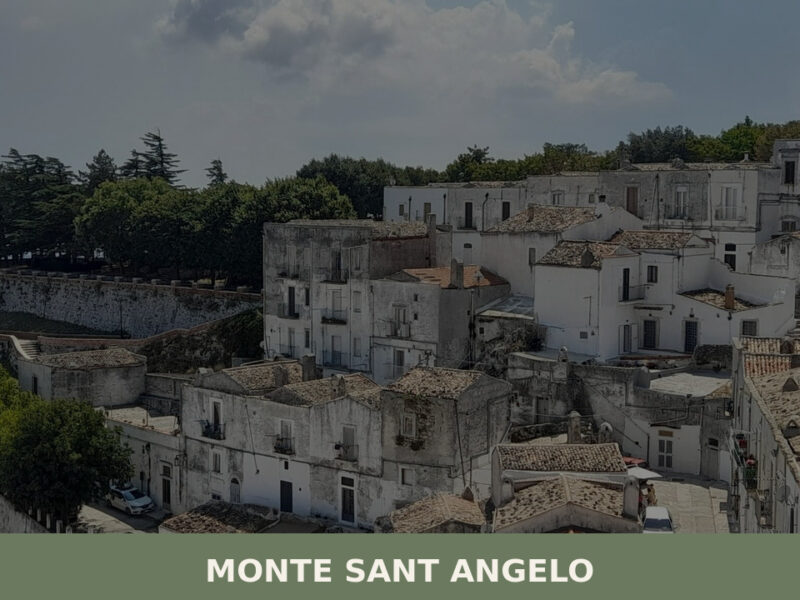
Monte Sant’Angelo
 Mountain
Monte Sant'Angelo rises at 791 metres on Apulia's Gargano promontory, a town of 11,006 inhabitants whose identity is inseparable from its UNESCO archangel sanctuary and its extraordinary sacred landsc
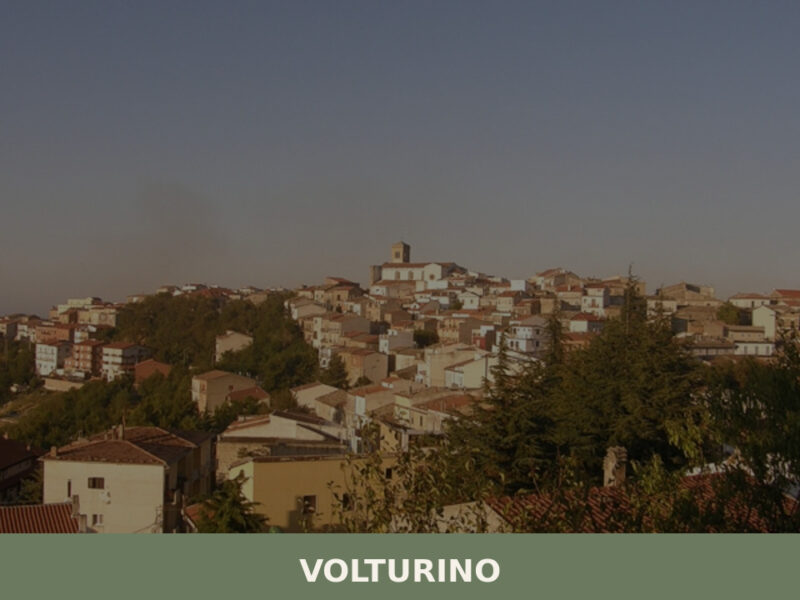
Volturino
Mountain
Volturino is a Daunia highland village in the province of Foggia, born from the ruins of a Norman-razed town and still marked by three medieval towers that anchor both its landscape and its civic iden
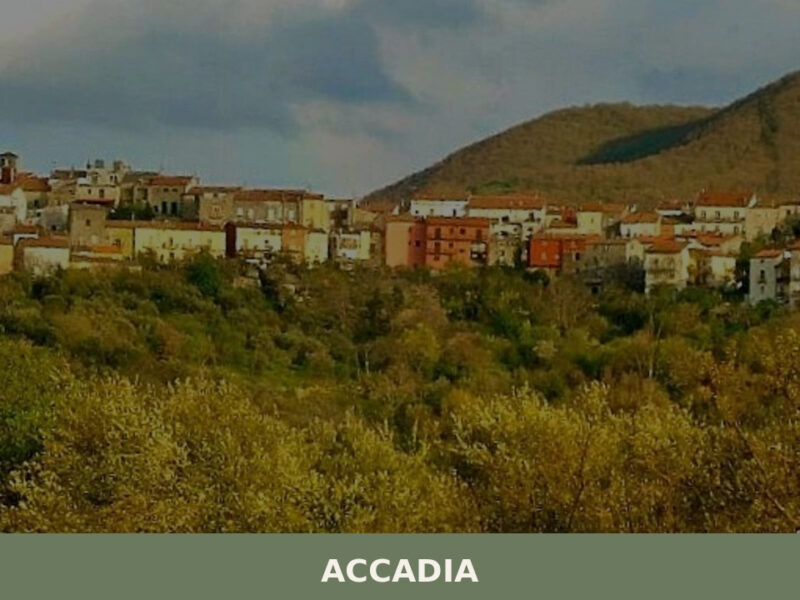
Accadia
Mountain
Perched at 650 metres above sea level on the western edge of Puglia’s Subappennino Dauno, the small village of Accadia feels like a secret whispered between mountains and sky. Home to just over 2,200 inhabitants, this ancient hilltop settlement in the province of Foggia rewards visitors with crumbling medieval ruins, sweeping panoramas, and a fierce […]
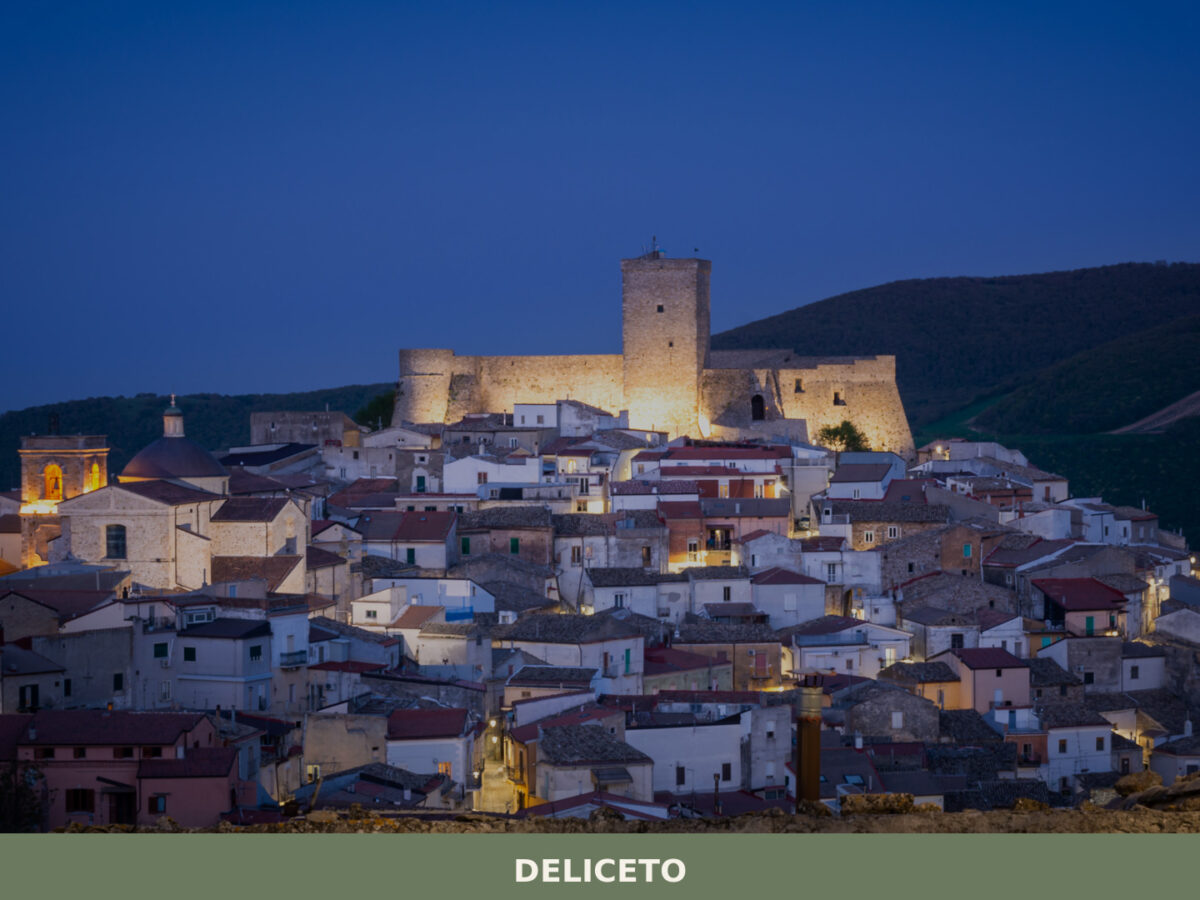
Deliceto
Hills
Deliceto rises at 575 metres on a ridge of the Subappennino Dauno, commanding the Tavoliere plain. A Norman castle, layered churches, and a stone-built historic centre define this compact Puglia hill village.
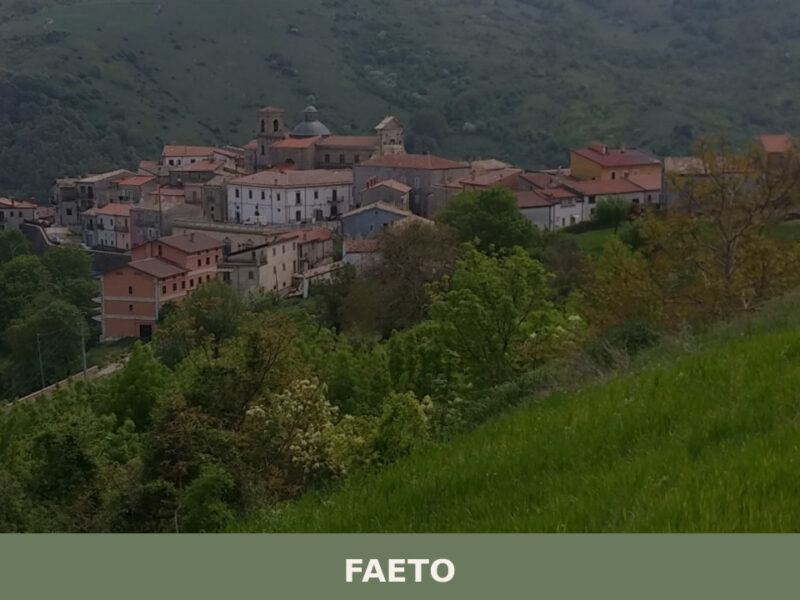
Faeto
Mountain
Faeto, un villaggio in Puglia, offre un'esperienza autentica tra storia medievale e tradizioni radicate nel cuore della Daunia.
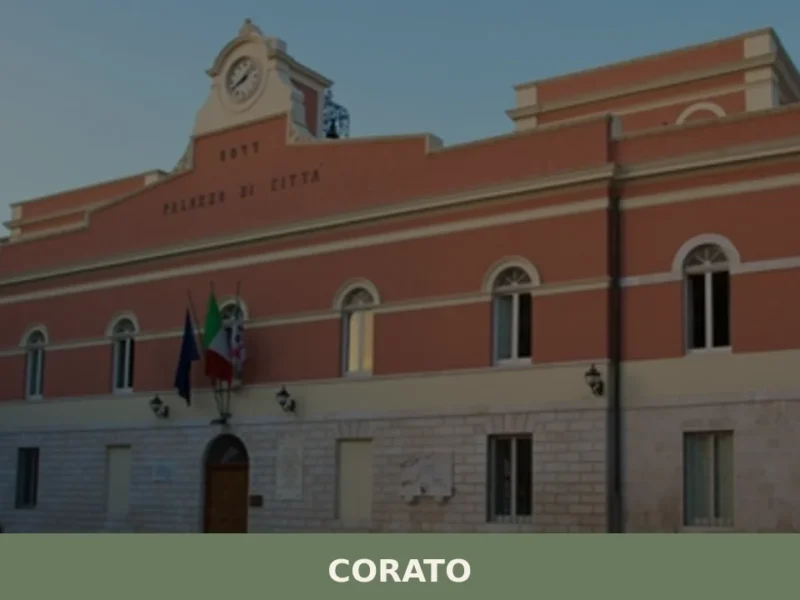
Corato
Hills
What to see in Corato, a city at 232 m in Puglia. 5 attractions, underground olive presses, Castel del Monte 18 km away, PAT dishes. Plan your visit now.
🧀 Flavors of this land

🏡 Know Triggiano better than we do?
If you’re a local or have been there, your knowledge matters: add what’s missing or fix a detail on this page.