


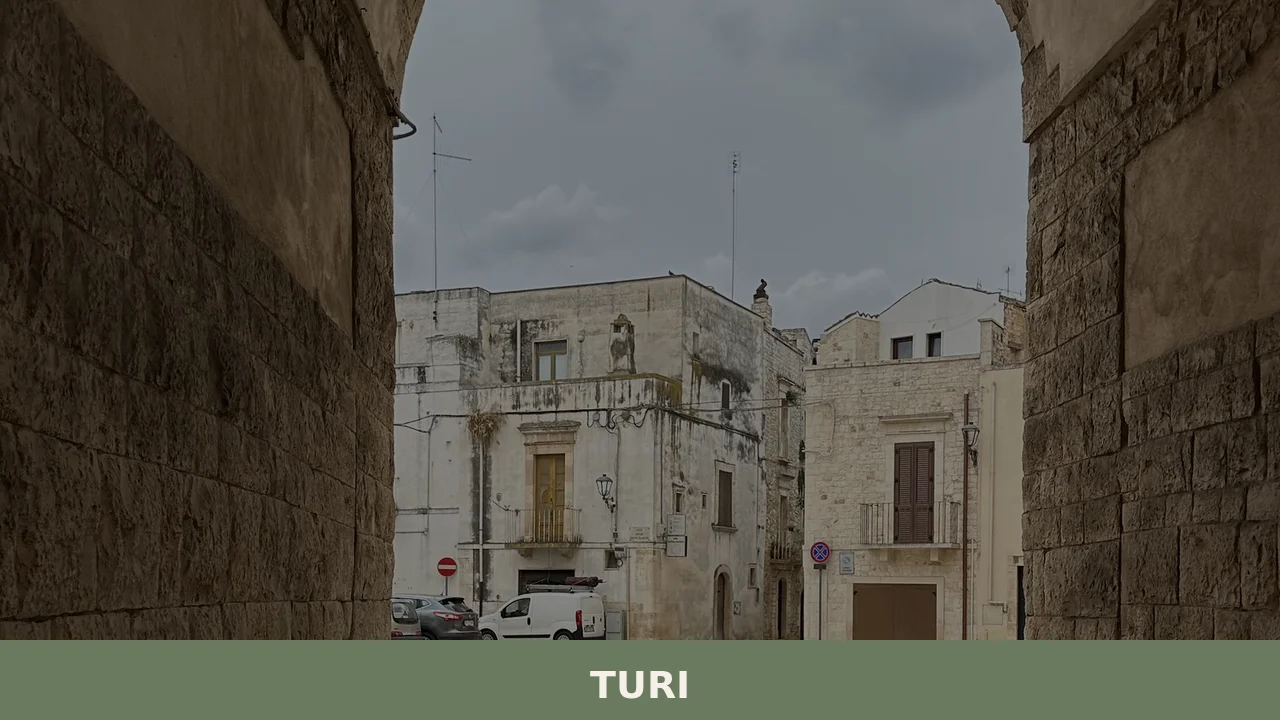
Turi
 Hills
Hills
What to see in Turi? Discover 5 attractions, including the Mother Church and Norman Castle. Visit Turi for an unforgettable experience!
Discover Turi
The town of Turi, nestled among gentle hills at 251 m above sea level, boasts a rich history that unfolds across the centuries, marked by the sound of festivities in honor of Saint John the Baptist.
The ancient streets of the village tell of a past intertwined with the events of the Kingdom of Naples, transporting visitors into an atmosphere that still preserves tangible traditional elements.
A stroll through its narrow streets allows one to touch firsthand the historical roots that run deep into the Apulian territory.
Those looking for what to see in Turi will find a wide range of attractions available.
With a population of approximately 12,971 inhabitants, the village boasts a rich cultural heritage: from historically significant churches to noble palaces, from fascinating local culinary traditions to cultural events. The five things not to be missed in Turi include a visit to the Mother Church, the Norman Castle, as well as the discovery of the flavors of typical products such as Acquasale and Africani.
History and origins of Turi
The origins of Turi are ancient, dating back probably to the Roman era, when the area was an important commercial crossroads.
Although precise documentation regarding its founding is lacking, traces of human settlements date back to the pre-Roman period.
The location of Turi, today belonging to the province of Bari, has guaranteed it an urban grammar tied to the agricultural and commercial activities that flourished over the centuries.
In the Middle Ages, Turi witnessed the succession of various dominations, from the Normans to the Swabians, who left tangible marks on the urban and architectural fabric of the village.
Between the 12th and 13th centuries, Turi became an important feudal holding, as demonstrated by the majestic Norman Castle, which still stands today as a silent witness to that era.
With the advent of modernity, the village of Turi has kept many of its characteristic features intact, while evolving into a dynamic and welcoming center.
The presence of Saint John the Baptist as patron saint, celebrated on August 26th, continues to represent an important milestone in the religious and social life of the town, drawing visitors and the faithful from throughout the region.
What to see in Turi: main attractions
Mother Church of Turi
The Mother Church of Turi, with its façade in local stone, represents a shining example of Apulian religious architecture.
Dating back to the 13th century, the building preserves inside it remarkable works of art, including an ancient wooden crucifix.
To the attentive visitor, the church offers not only artistic elements of inestimable value, but also a glimpse into the local devotion that has animated the village for centuries. Entry is free, but it is advisable to check opening hours on the official municipal website.
Norman Castle of Turi
The majestic Norman Castle, built in the 12th century, dominates the village with its robust towers. Its massive walls tell stories of battles and strategic fortifications.
Walking along its walkways, one can still make out the signs of periods of siege, making the visit an educational and fascinating experience.
The best time to visit the castle is in spring or autumn, when temperatures are mild and the panorama is exceptional.
Palazzo Marchesale
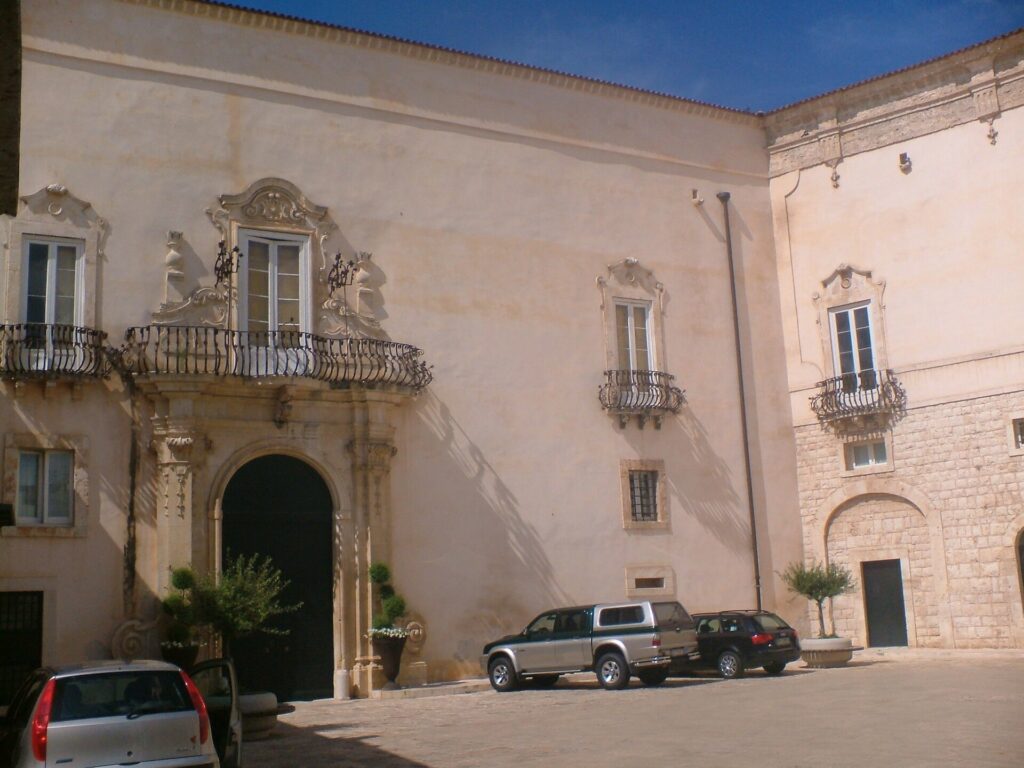
The Palazzo Marchesale stands at the center of the village as a symbol of the aristocratic power that once governed Turi.
Originally built in the 15th century, its outer courtyard impresses with its Renaissance decorations and well-preserved frescoes. Today the palace is often the venue for cultural events and exhibitions, offering the public the opportunity to explore a part of Puglia’s noble history.
Piazza del Popolo
A true agora of the village, Piazza del Popolo is the ideal spot to immerse oneself in the daily life of Turi.
With its layout organized around the central fountain, the square is surrounded by historic buildings that lend it an authentic atmosphere.
Throughout the year, various events animate this space, making it an unmissable stop for those wishing to get to know the social life of the village up close.
Church of San Rocco
The Church of San Rocco, erected in the 17th century, attracts visitors thanks to its unmistakable Baroque style and the colorful frescoes that adorn its walls.
The church is famous for hosting a series of sacred music concerts especially during the summer months, offering an excellent opportunity to appreciate the building’s natural acoustics. Opening hours may vary, so it is advisable to inquire in advance.
Typical Cuisine and Products of Turi
The culinary tradition of Turi is deeply rooted in the use of local ingredients, reflecting the characteristics of Puglia’s fertile soil.
Throughout history, these lands served as pasture and garden for numerous ruling powers, each bringing their own culinary influences and blending them into a unique and varied range of flavors.
Among the typical dishes, Acquasale (PAT) — municipalities: Turi, Putignano, Noci is certainly worth noting, a simple yet flavorful combination of bread, tomatoes and onions.
Africani (PAT) — municipalities: Turi, Alberobello, Castellana Grotte, almond and sugar biscuits, offer a sweet conclusion to local meals.
The passion for meat is expressed in Oven-baked lamb with potatoes alla leccese (PAT) — municipalities: Turi, Lecce, Maglie, a traditional dish combining tender lamb with aromatic Mediterranean herbs.
These dishes are the true protagonists of local festivals, accompanying celebrations and events in every season.
The food festivals that enliven the village during the summer months are perfect occasions to enjoy local cuisine in a spirit of conviviality and festivity.
Festivals, Events and Traditions of Turi
The patron saint feast in honor of Saint John the Baptist falls on August 26th, representing a moment of great devotion and celebration for the community of Turi.
The feast is accompanied by sacred processions, performances by musical bands and spectacular fireworks that light up the village’s night sky.
Other notable events include the summer food festivals dedicated to local products, occasions where the community gathers to celebrate and share the richness of their territory.
These events not only offer the opportunity to savor local dishes, but also to take part in traditional dances and other folk activities.
When to Visit Turi and How to Get There
Visiting Turi is best recommended in spring or early autumn, when the climate is mild and cultural events are in full swing.
This period allows you to explore the village at a leisurely pace, without the tourist crowds typical of the summer months.
Those traveling by car can reach Turi easily from the A14 motorway, Bari exit, approximately 30 km from the village.
The nearest train station is Bari, while the closest airport is Bari-Palese, located approximately 40 km north of the city centre.
For updated timetables and routes, it is recommended to consult Trenitalia for rail connections and the airport portal for flights and transfer options.
| Departure Point | Distance | Estimated Time |
|---|---|---|
| Bari | 30 km | 40 min |
| Brindisi | 110 km | 1 h 30 min |
| Foggia | 155 km | 2 h 10 min |
Those wishing to extend their itinerary can head towards Gravina in Puglia, renowned for its archaeological sites and the extraordinary ravine that gives the village its name.
Where to Sleep in Turi
For those looking for accommodation in Turi, lodging options range from charming B&Bs to agriturismos nestled in the Apulian countryside.
Many visitors appreciate the opportunity to stay at the typical masserie, which offer an authentic experience and direct contact with the rural traditions of the area.
B&Bs in the historic center allow guests to explore the wonders of the village on foot, while ensuring all the necessary comfort.
The accommodation facilities in Turi and the surrounding area represent an ideal starting point for those who want to discover not only the village but also the nearby areas, including in their itineraries villages such as Stornara, which offers further historical and cultural richness. These lodging options enhance the stay of those wishing to appreciate the beauties of Puglia in full comfort.
Frequently asked questions about Turi
What is the best time to visit Turi?
The ideal time to visit Turi is spring (April–June) or early autumn (September–October), when temperatures are mild and the hillside landscape is at its most scenic. Summer is enlivened by food festivals celebrating local products and by the patron saint feast of San Giovanni Battista on August 26th — a highlight of the village calendar featuring sacred processions, band performances and fireworks. August visitors should book accommodation in advance, as the feast draws pilgrims and tourists from across the region.
What are the historical origins of Turi?
Turi's roots trace back to the Roman era, when the area served as a commercial crossroads, with evidence of pre-Roman settlements also recorded. During the Middle Ages the village passed through Norman and Swabian rule, becoming a significant feudal holding between the 12th and 13th centuries. This period produced its most iconic landmark, the Norman Castle. The village later fell within the orbit of the Kingdom of Naples, an experience that shaped its urban fabric and architectural heritage as it is visible today.
What to see in Turi? Main monuments and landmarks
Turi's top sights include: the Norman Castle (12th century), dominating the village with its robust towers; the Mother Church (13th century), housing a notable ancient wooden crucifix; the Palazzo Marchesale (15th century), featuring Renaissance decorations and frescoes and hosting cultural events; the Church of San Rocco (17th century), celebrated for its Baroque frescoes and summer sacred music concerts; and Piazza del Popolo, the village's lively main square. Entry to the Mother Church is free; visiting in spring or autumn is recommended for the best experience at the castle.
Where to take the best photos in Turi?
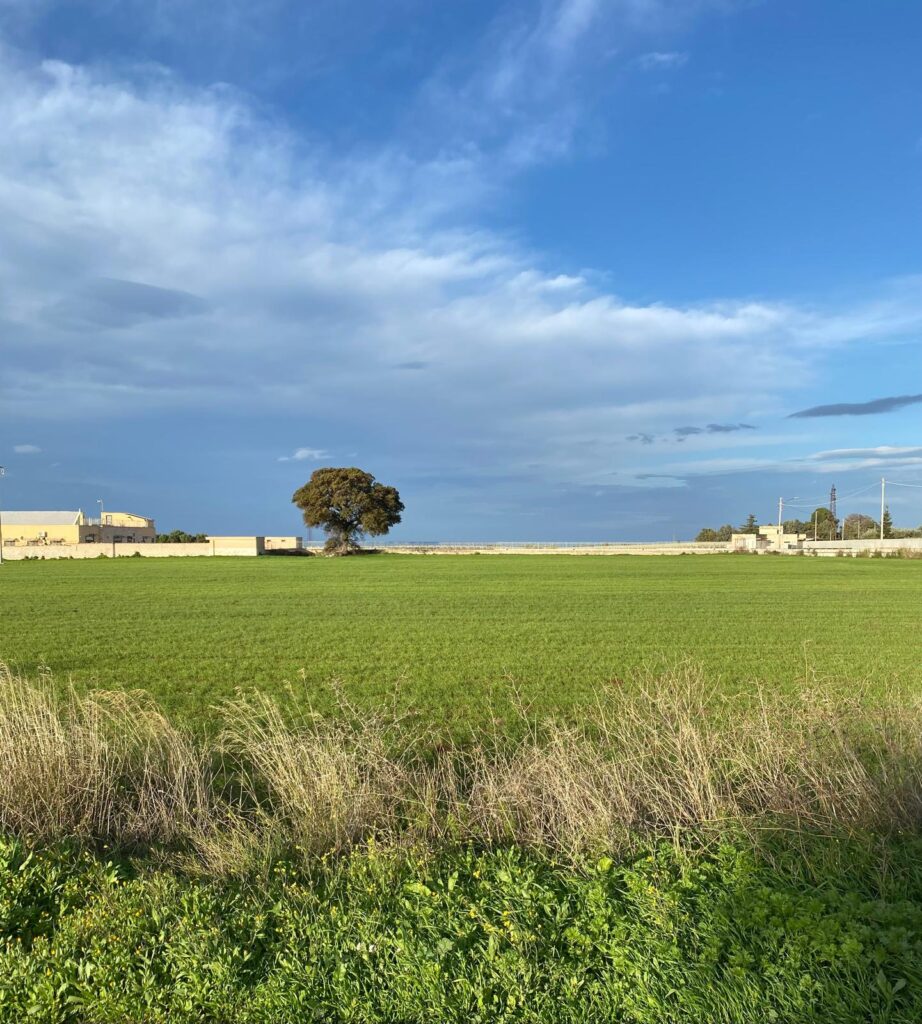
The Norman Castle's elevated position offers panoramic views over the surrounding Apulian hills — particularly striking at sunrise and in the golden light of autumn afternoons. Piazza del Popolo, with its central fountain framed by historic buildings, provides classic village photography opportunities. The stone façade of the Mother Church is equally photogenic, especially in the warm morning light. For wider landscape shots, the countryside roads approaching Turi from Bari reveal gentle rolling hills typical of the Murgia plateau.
Are there museums, churches or historic buildings to visit in Turi?
Yes. The Mother Church (13th century) is open to visitors and preserves an important ancient wooden crucifix; entry is free, but opening hours should be confirmed on the official municipal website. The Church of San Rocco (17th century) is notable for its Baroque frescoes and hosts sacred music concerts in summer — hours may vary, so advance enquiry is advised. The Palazzo Marchesale regularly opens for cultural exhibitions. The Norman Castle is the village's most iconic historic structure; visit in spring or autumn for the best conditions.
What can you do in Turi? Activities and experiences
Turi offers a rich mix of cultural and food-and-wine experiences. Visitors can attend summer food festivals celebrating local specialties such as Acquasale and Africani biscuits, explore the historic center on foot, and enjoy sacred music concerts at the Church of San Rocco. The patron feast of San Giovanni Battista on August 26th includes processions and fireworks. The surrounding Murgia countryside is ideal for scenic drives and agritourism stays, while nearby villages like Alberobello and Castellana Grotte make excellent half-day excursions.
Who is Turi suitable for? Families, couples, hikers, solo travelers?
Turi is well suited to a broad range of visitors. Couples and history enthusiasts will appreciate the Norman Castle, Palazzo Marchesale and the atmospheric historic center. Families can enjoy the lively Piazza del Popolo and the August patron feast with its fireworks and musical performances. Food lovers will find authentic Apulian culinary traditions at local festivals. Those seeking a peaceful countryside retreat will value the masserie and agriturismos in the surrounding hills. Its compact size and proximity to Bari (30 km) also make it an easy and rewarding day trip.
What to eat in Turi? Local products and specialties
Turi's gastronomy reflects the best of the Apulian tradition. Acquasale (PAT) is a simple, rustic dish of bread, tomatoes and onions — humble yet deeply flavorful. Africani (PAT), almond-and-sugar biscuits shared with Alberobello and Castellana Grotte, are the classic local sweet. Oven-baked lamb with potatoes alla leccese (PAT) represents the area's love of hearty meat dishes enriched with Mediterranean herbs. These specialties are best sampled at the summer food festivals or in local trattorias and agriturismos around the village.
📷 Photo Gallery — Turi
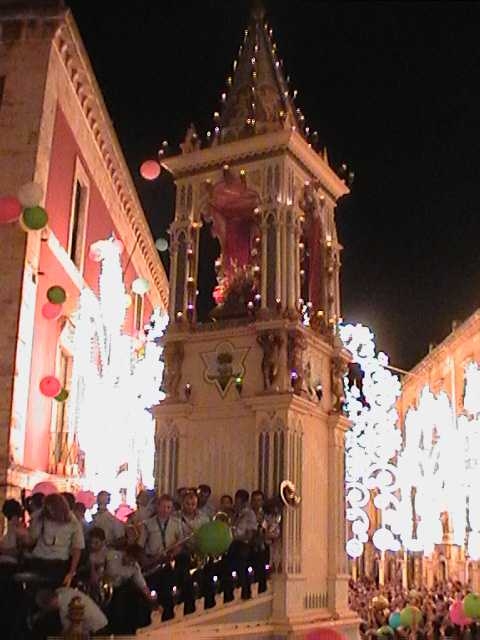
Nearby Villages near Turi
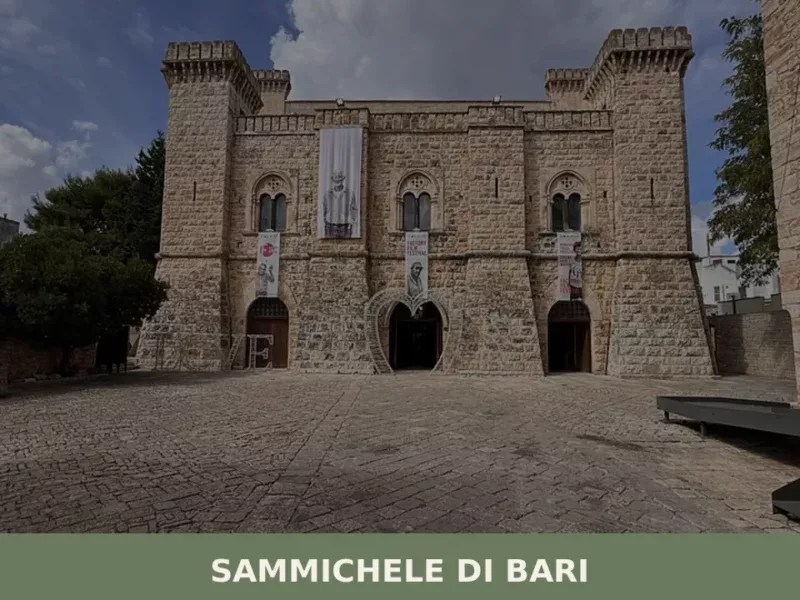
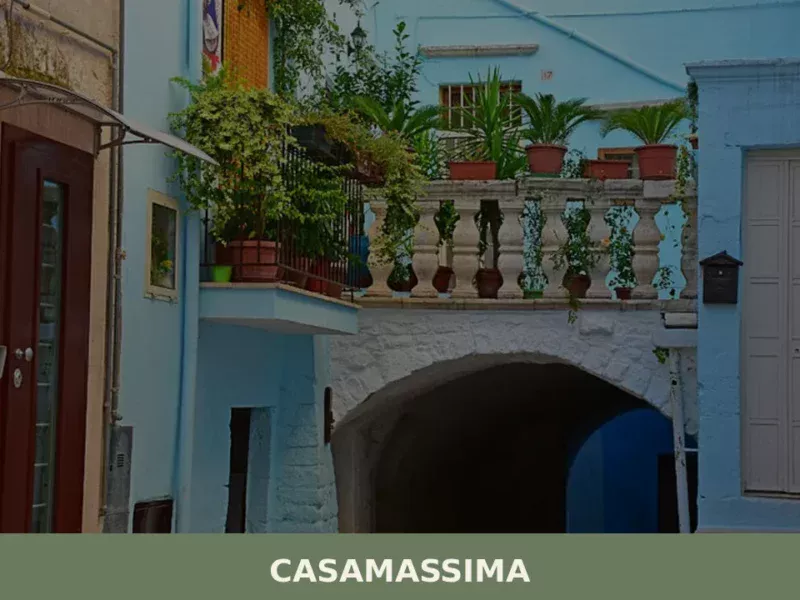
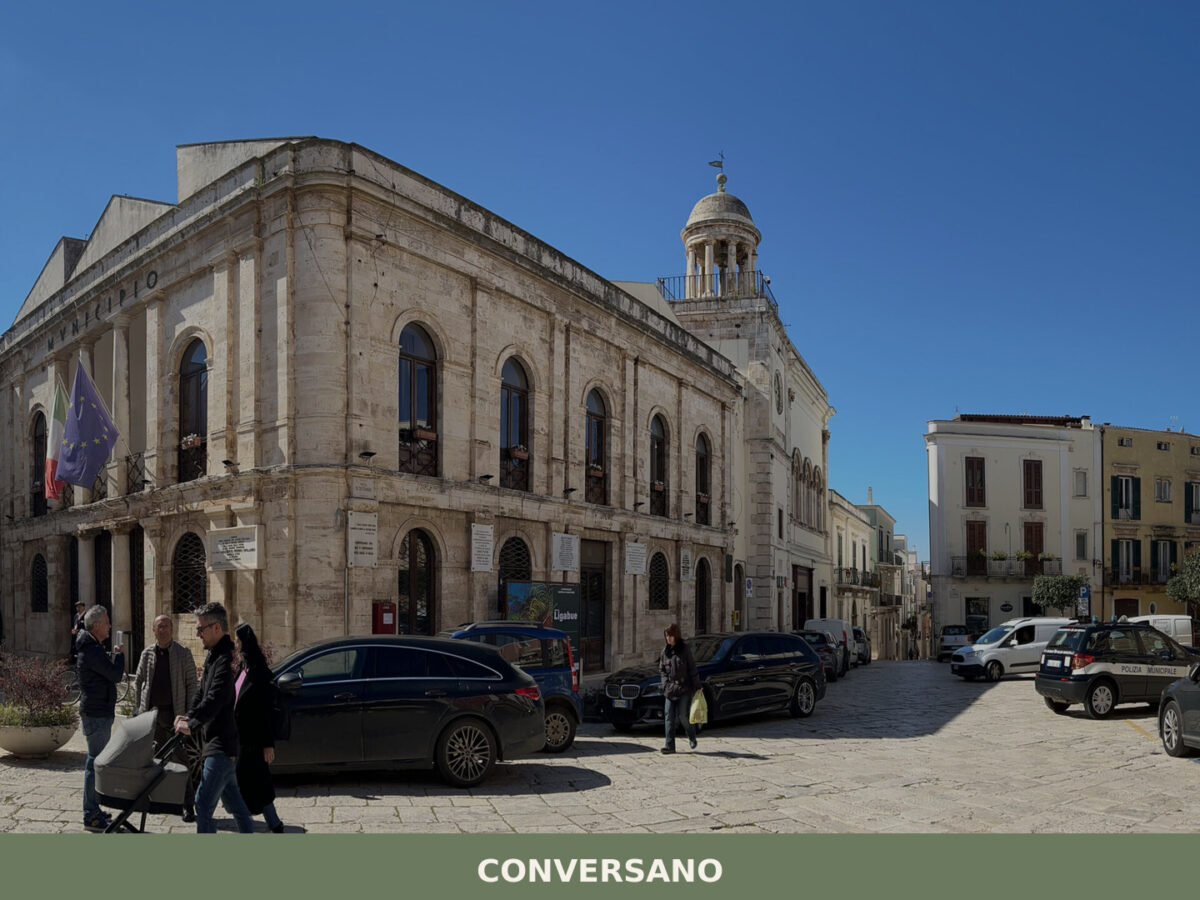
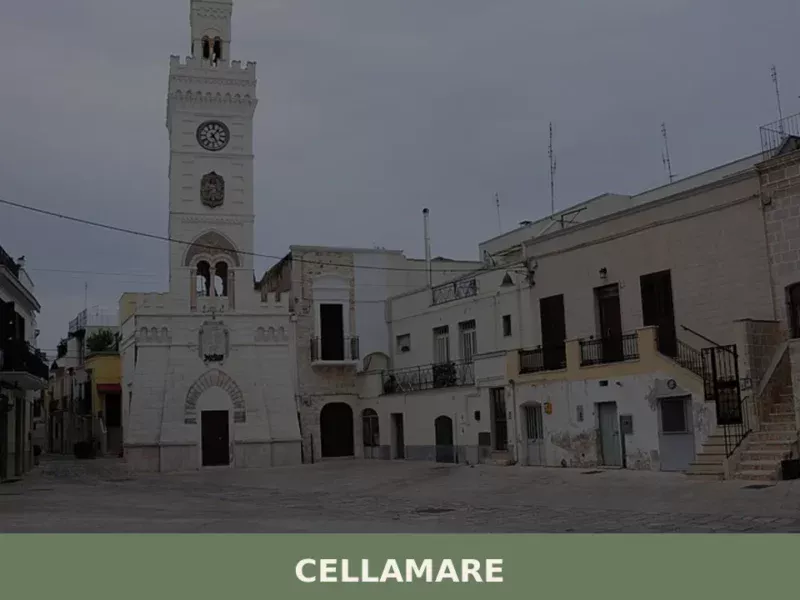
In Apulia More villages to discover
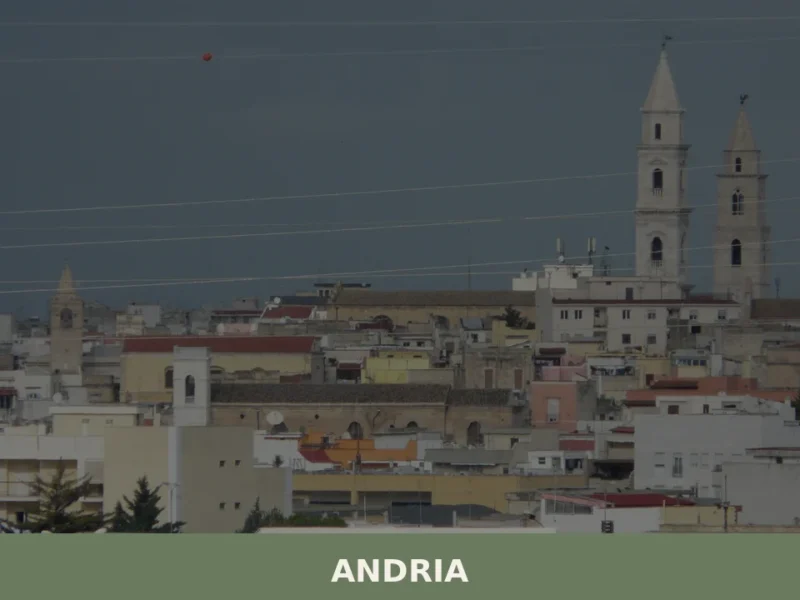
Andria
 Plains
What to see in Andria, Puglia, Italy: explore Castel del Monte UNESCO site, the Cathedral crypt, and local products. Population 97,146. Discover the complete guide.
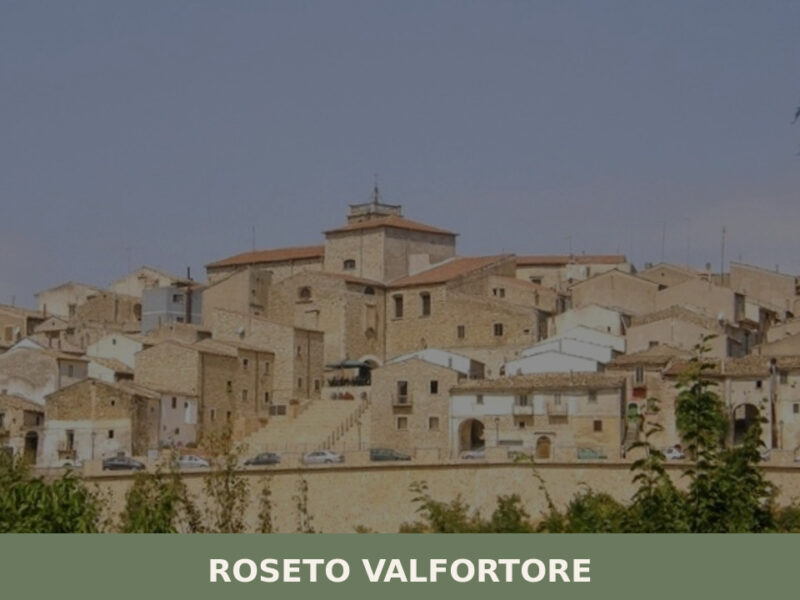
Roseto Valfortore
 Mountain
A stone village of 993 inhabitants at 658 metres in the Fortore valley. Roseto Valfortore preserves medieval architecture, mountain cooking traditions, and the quiet of inland Puglia.
Modugno
Plains
In 1316, King Robert of Anjou confirmed Modugno’s privilege of holding a free fair, recognising this community on the Bari plain as a commercial hub that few centres of similar size could claim. Today, first-time visitors find a compact old town, gathered around Romanesque churches and noble palaces, surrounded by the orderly expanse of olive […]
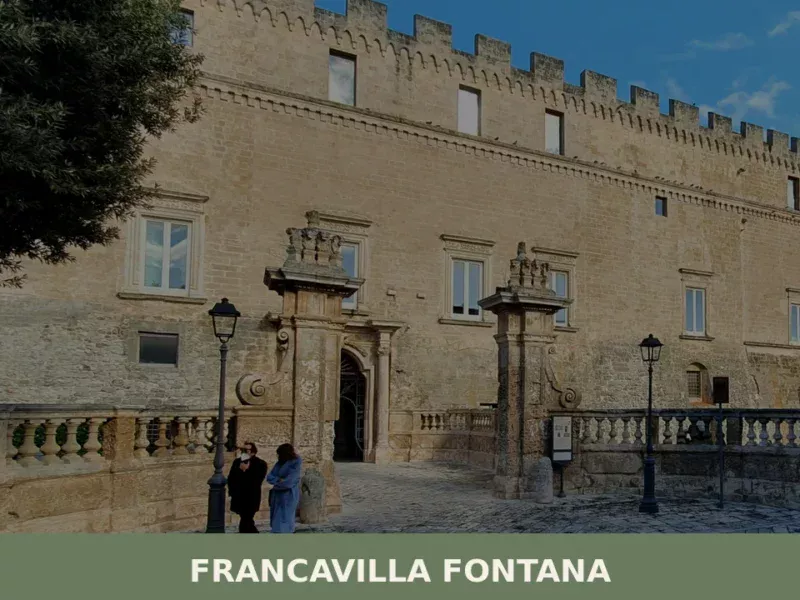
Francavilla Fontana
Plains
Discover what to see in Francavilla Fontana, Puglia: Baroque palaces, the medieval basilica, local food, travel tips and how to get there.
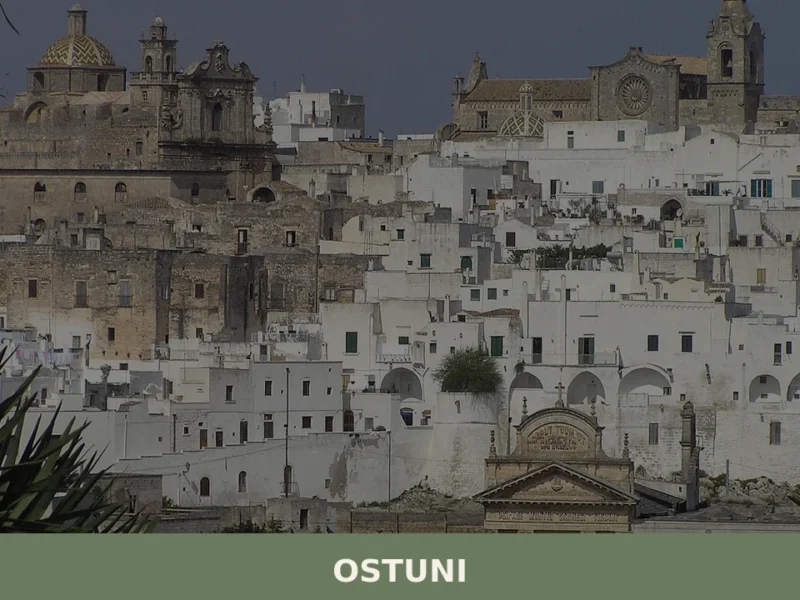
Ostuni
 Sea
Sea
What to see in Ostuni, Italy: Discover the 'White Town' with its 30,143 residents and explore 5 key historical sights. Read our guide for top attractions and travel tips.
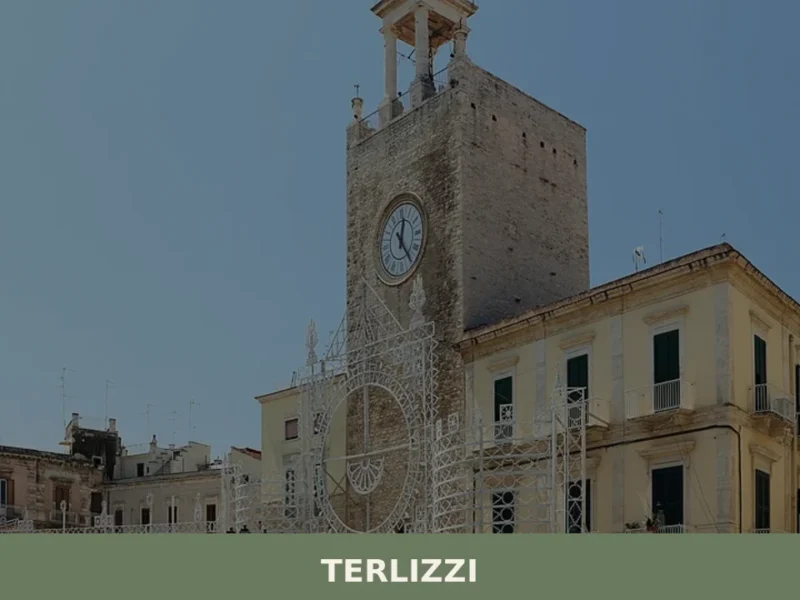
Terlizzi
Plains
What to see in Terlizzi: discover the 5 top attractions, from the Cathedral to the Clock Tower. Plan your visit and taste the local specialities.
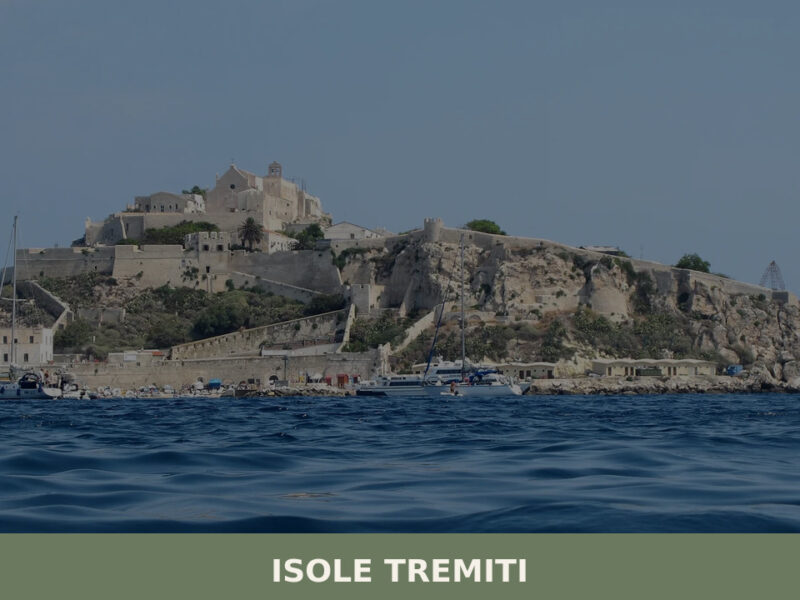
Isole Tremiti
Sea
A 481-resident archipelago off Puglia's Gargano coast, the Tremiti Islands compress monastic history, Adriatic wildlife, and sea caves into three inhabited islands.
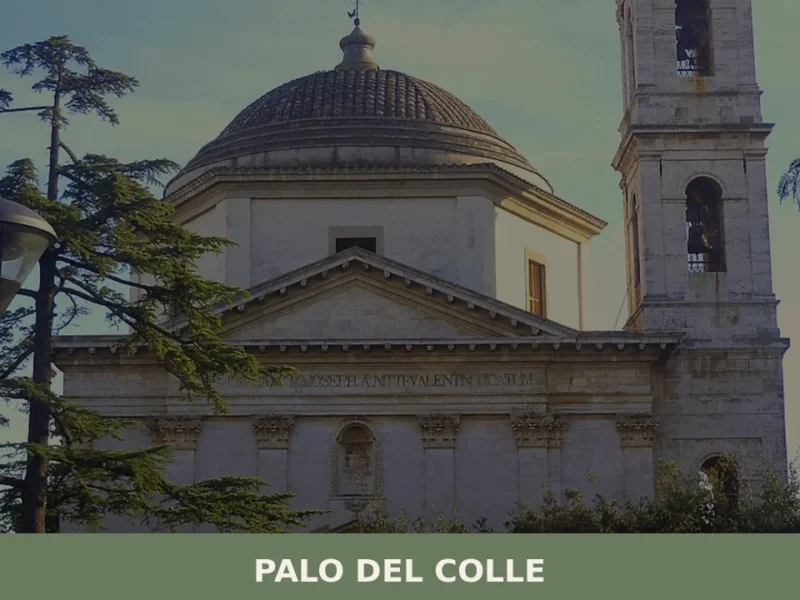
Palo del Colle
Plains
What to see in Palo del Colle: town at 177 m near Bari. Explore the Norman castle, cathedral, and Acquasale PAT. Plan your visit with our full guide.
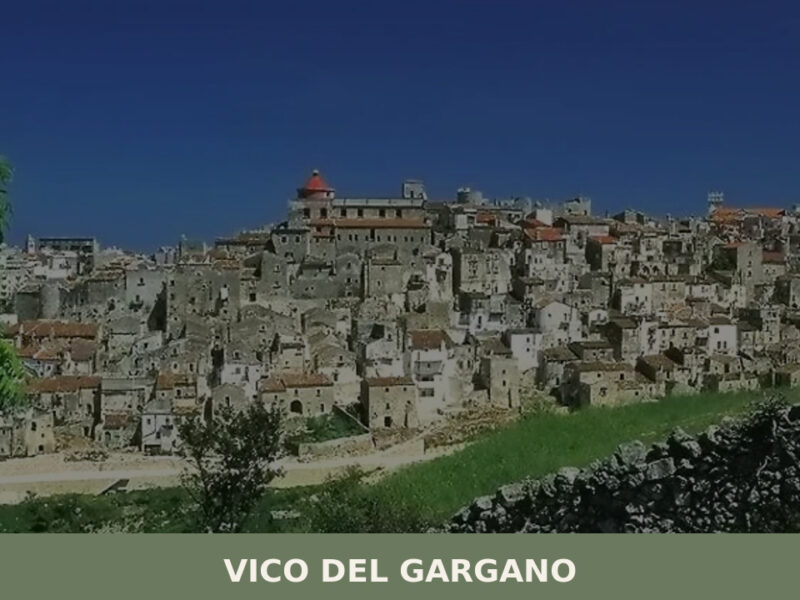
Vico del Gargano
Sea
A hilltop village at 445 metres on the Gargano promontory, Vico del Gargano rewards slow exploration — medieval alleys, underground olive presses, and ancient forest at its edge.
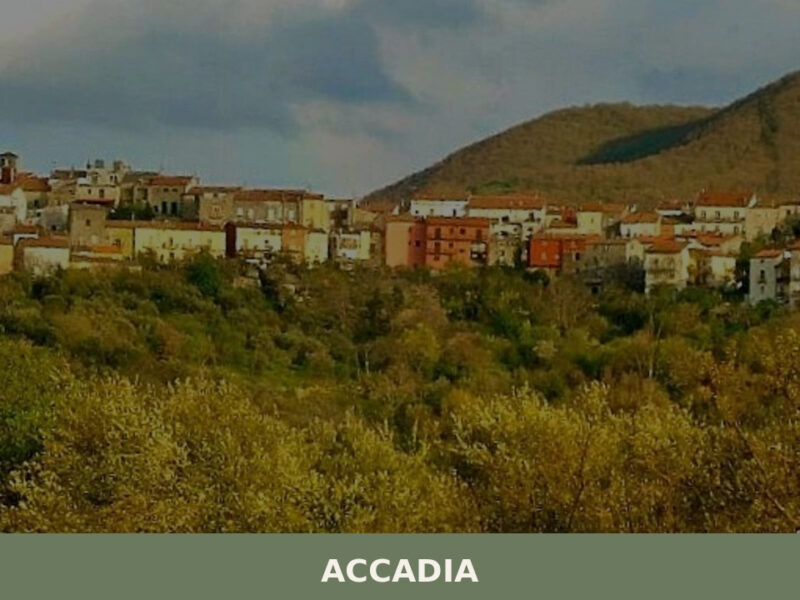
Accadia
Mountain
Perched at 650 metres above sea level on the western edge of Puglia’s Subappennino Dauno, the small village of Accadia feels like a secret whispered between mountains and sky. Home to just over 2,200 inhabitants, this ancient hilltop settlement in the province of Foggia rewards visitors with crumbling medieval ruins, sweeping panoramas, and a fierce […]

🏡 Know Turi better than we do?
If you’re a local or have been there, your knowledge matters: add what’s missing or fix a detail on this page.