


Liberi
 Hills
Hills
Liberi, a small village in Campania in the province of Caserta: discover its history, monuments and how to plan your visit. Plan your itinerary today.
Discover Liberi
With its 1,163 inhabitants, Liberi, in the province of Caserta, is a small town in the heart of Campania. Its urban fabric develops on a hilltop, a common configuration in towns of the Campanian hinterland, suggesting a history linked to defense and rural life.For those wondering about what to see in Liberi, the town offers an experience of discovering less-trodden corners, where civil and religious architecture integrates into a landscape context characterized by Mediterranean vegetation and cultivated fields.
History and Origins of Liberi
The Caserta territory, where Liberi is located, has historical roots that extend into antiquity, with traces of Roman centuriation and the subsequent Longobard presence.
Many settlements in the area saw their formation and development in the medieval era, often around fortifications or in elevated positions for defensive reasons. The name “Liberi” itself could derive from a particular historical context, perhaps linked to groups of “liberi homines” (free men) not subject to direct feudal ties, or to a prominent family bearing that name, a common practice in the genesis of local place names.
The Norman and Swabian periods consolidated feudal structures in Southern Italy, influencing the territorial and social organization of towns like Liberi.
Subsequently, the Angevin and Aragonese dominations saw a succession of local lordships, which left their mark on the architecture and customs. The economy was predominantly agricultural, based on the cultivation of cereals, olive trees, and grapevines, activities that still shape the surrounding landscape today and define the identity of the place.
For further insight into the region, you can consult the Province of Caserta page on Wikipedia.
What to see in Liberi: 5 attractions
1. The Church of San Biagio Vescovo e Martire
The main place of worship, the Church of San Biagio Vescovo e Martire, represents the core of community life. Its facade, often altered over the centuries, features architectural elements ranging from Baroque to Neoclassical. Inside, the space is structured with one or more naves, with side altars housing wooden statues and paintings of local school, evidence of popular devotion and Campanian sacred art.
2. The Historic Center
The oldest core of Liberi consists of a network of narrow and irregular streets, paved with cobblestones or stone slabs. The dwellings, built of local stone, lean against each other, creating a continuous architectural fabric interrupted by small internal courtyards and covered passages. Observing the stone portals and wrought-iron balconies allows one to grasp details of the minor architecture that characterizes these settlements.
3. The Belvedere over the Volturno Valley
From an elevated position, the town offers several points from which to observe the Volturno Valley.From these natural openings or specific viewpoints, the gaze sweeps over the surrounding countryside, where cultivated plots, oak forests, and the river’s curves alternate. It is an observation point for understanding the geographical conformation of the territory and its interaction with human activity.
4. The Ancient Public Washhouse
A functional element of past life, the ancient public washhouse is a stone structure that once served for communal laundry. Fed by a spring or a water collection system, it represents an example of service architecture and social gathering. Its presence is a reminder of daily customs and water resource management in small towns.
5. The Remains of a Medieval Fortification
Like many Campanian towns, Liberi might preserve the remains of a medieval tower or a city wall, fragments of a broader defensive system.These ruins, often incorporated into later constructions or visible as isolated wall sections, offer an indication of the town’s strategic position and the need for protection in past eras. They are traces that invite reflection on the long history of these places.
Traditional Cuisine and Local Products
The cuisine of Liberi, like that of much of the province of Caserta, is deeply rooted in the agricultural and pastoral traditions of Campania. Among the excellent products that define the territory, Buffalo Mozzarella from Campania PDO is an essential reference, with its elastic spun paste and delicate flavor.Alongside it, the extra virgin olive oil from the Caserta hills, often derived from indigenous cultivars like Caiazzana, gives dishes a distinctive aromatic profile.
The Caserta black pig, raised semi-wild, offers flavorful and prized meats, used for cured meats and roasts.
Typical dishes reflect the simplicity and richness of local ingredients. Among these, one can find preparations based on legumes, such as beans and chickpeas, often accompanied by wild greens. Fresh homemade pastas, seasoned with meat ragù or fresh tomato and basil sauces, are a cornerstone of the local diet. Also available are local wines, such as Falanghina del Sannio, which with its freshness and minerality excellently complements the table’s flavors.For a more complete experience, it is possible to inquire about any festivals or farmers’ markets that celebrate these products.
When to Visit Liberi: The Best Time
The best time to visit Liberi and the Caserta hinterland is spring (April-June) or autumn (September-October). During these months, the climate is mild, temperatures are pleasant, and nature displays all its variety, with blooms or the warm colors of foliage. The days are ideal for walks in the town and surrounding areas, allowing one to appreciate the landscape without the intense summer heat.
During summer (July-August), temperatures can be high, but evenings are often cooled by a light breeze.
This is the period when many local events and patron saint festivals might enliven the town, offering an opportunity to delve into community life.Winter (November-March) is characterized by colder temperatures and precipitation, but can offer a more secluded and intimate atmosphere, ideal for those seeking tranquility and direct contact with the daily life of the place.
How to Get to Liberi
Liberi is located in the province of Caserta, in Campania.
- By car: It is reachable via the A1 motorway (Milan-Naples), exiting at Caserta Nord and then continuing on provincial roads following signs for Liberi. Caserta is about a 20-30 minute drive away.
- By train: The nearest train station is Caserta, well-connected to major Italian cities.
From Caserta, you can reach Liberi by local bus or taxi.
- By plane: The nearest international airport is Naples-Capodichino (NAP), located about 40-50 km from Liberi. From the airport, you can reach Caserta by bus or taxi, then proceed as indicated above.
Approximate distances from major cities: from Naples about 50 km, from Rome about 190 km.
Other Towns to Discover in Campania
Campania is a territory rich in small centers that preserve a significant historical and landscape heritage. Exploring these towns means embarking on a journey through centuries of history and traditions.A short distance from Liberi, you can discover other places that share the same cultural and geographical matrix of the Caserta hinterland. For those wishing to continue their exploration, Conca della Campania offers an example of a town with a history rooted in Roman and medieval times, characterized by a historic center that developed around an ancient fortress.
Another destination worth noting is Ciorlano, a town that stands out for its location and the preservation of architectural elements that tell the story of past rural life.
These centers, despite their individuality, are linked by a common thread that runs through the Campanian landscape, made of stone, earth, and sky, and offer authentic perspectives on local life, away from the more frequented tourist circuits. For a broader view of the region, you can consult the Italia.it portal on Campania.
Frequently asked questions about Liberi
What is the best time to visit Liberi?
The ideal times to visit Liberi are spring (April-June) and autumn (September-October) when the climate is mild and pleasant for exploring. Spring offers lush landscapes and blooms, while autumn showcases warm foliage colors. Notably, April 21st marks the patron saint festival of Sant'Anselmo d'Aosta, a perfect opportunity to experience local traditions and community life in the pleasant spring weather. Summer (July-August) can be warm but might feature local events, while winter provides a quieter, more intimate atmosphere for those seeking tranquility.
What to see in Liberi? Main monuments and landmarks
Liberi offers several points of interest for visitors. The main place of worship is the **Church of San Biagio Vescovo e Martire**, a historical building showcasing Baroque and Neoclassical elements, typically open for mass and visits. Exploring the **Historic Center** reveals narrow, cobblestone streets, traditional stone dwellings, and charming architectural details like portals and wrought-iron balconies. Don't miss the **Belvedere over the Volturno Valley**, offering panoramic views of the surrounding countryside. Other notable sites include the **Ancient Public Washhouse**, a glimpse into past communal life, and the **Remains of a Medieval Fortification**, hinting at the town's defensive history.
What are the main natural or scenic attractions of Liberi?
The primary natural attraction in Liberi is the **Belvedere over the Volturno Valley**. From various elevated points in the hilltop town, visitors can enjoy expansive views across the valley, observing a mosaic of cultivated fields, oak forests, and the winding course of the Volturno river. The town's own position, nestled amidst Mediterranean vegetation and rural landscapes, offers a serene environment for walks and appreciating the natural beauty of the Campanian hinterland. While no specific parks or documented trails are noted, the entire surrounding area lends itself to scenic contemplation.
Where to take the best photos in Liberi?
For breathtaking landscape shots, head to the **Belvedere over the Volturno Valley**. From its elevated position, you can capture panoramic vistas of the cultivated plains, the river, and the distant hills, especially beautiful during sunrise or sunset. Within the village, the **Historic Center** is perfect for capturing the charm of traditional Campanian architecture: focus on the narrow, stone-paved streets, the intricate details of stone portals, rustic wrought-iron balconies, and the continuous architectural fabric of the old dwellings, which tell stories of past centuries.
Are there museums, churches or historic buildings to visit in Liberi?
Liberi does not host traditional museums, but it offers significant historical and religious sites. The most prominent is the **Church of San Biagio Vescovo e Martire**, the heart of the community, featuring sacred art and architectural elements from various eras. The entire **Historic Center** can be considered an open-air museum, with its ancient stone houses, narrow alleys, and characteristic details. Visitors can also explore the **Ancient Public Washhouse**, a well-preserved example of communal service architecture, and the **Remains of a Medieval Fortification**, offering insights into Liberi's strategic past.
What can you do in Liberi? Activities and experiences
In Liberi, you can immerse yourself in authentic rural Campania life. Activities include leisurely **strolls through the historic center** to admire its traditional architecture and hidden corners. Nature enthusiasts can enjoy **walks in the surrounding hilly landscape**, appreciating the Mediterranean vegetation and panoramic views of the Volturno Valley. **Food and wine experiences** are a must; seek out local trattorias or agriturismi to savor traditional dishes and products like Buffalo Mozzarella and Caserta black pig. Depending on the season, inquire about local **festivals or farmers' markets** for a deeper cultural dive.
Who is Liberi suitable for? Families, couples, hikers, solo travelers?
Liberi is an ideal destination for **travelers seeking tranquility, authenticity, and a connection with nature and history**. It appeals to **couples** looking for a romantic, unhurried escape, and **solo travelers** eager to explore less-trodden paths and discover genuine local life. **Culture and history enthusiasts** will appreciate the historic center, ancient churches, and medieval traces. Its hilly setting and opportunities for walks make it suitable for **light hikers** and **nature lovers**. **Families** who enjoy quiet exploration and traditional experiences will also find Liberi charming.
What to eat in Liberi? Local products and specialties
The cuisine of Liberi is a true reflection of Campania's agricultural heritage. Essential local products include the renowned **Buffalo Mozzarella from Campania PDO**, famous for its delicate flavor. Don't miss the **extra virgin olive oil from the Caserta hills**, often made from the Caiazzana cultivar. Meats from the **Caserta black pig**, raised semi-wild, are prized for cured meats and roasts. Traditional dishes feature hearty **legumes** (beans, chickpeas) with wild greens, and fresh homemade **pastas** served with rich meat ragù or simple tomato and basil sauces. Complement your meal with a glass of local **Falanghina del Sannio wine**.
📷 Photo Gallery — Liberi
Nearby Villages near Liberi
In Campania More villages to discover

Altavilla Irpina
 Mountain
Discover Altavilla Irpina, a hilltop village in Avellino province with medieval churches, ancient stone architecture, and authentic Irpinian food traditions.
Avellino
Hills
Uncover the charm of the village of Avellino in Campania, Italy. Explore its rich history, local traditions, and stunning landscapes. Plan your visit to this Italian gem!
Aiello del Sabato
Hills
What to see in Aiello del Sabato, Italy? Discover this village at 425 m (1,394 ft) altitude. Explore its historic core and learn about its Roman past. Read our guide.
Rocchetta e Croce
Hills
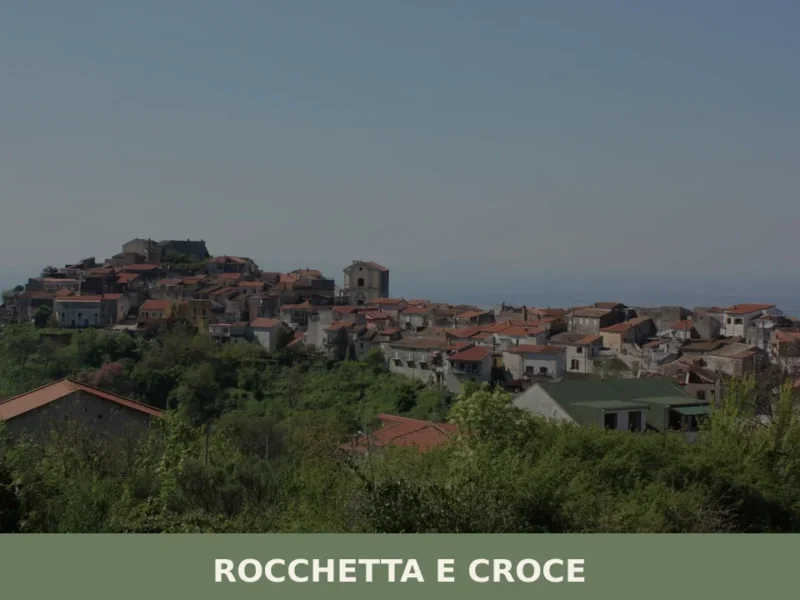
Discover Rocchetta e Croce, a charming village near Caserta. Our guide reveals what to see, must-see attractions, and the history of this Campanian gem.
Agerola
Mountain
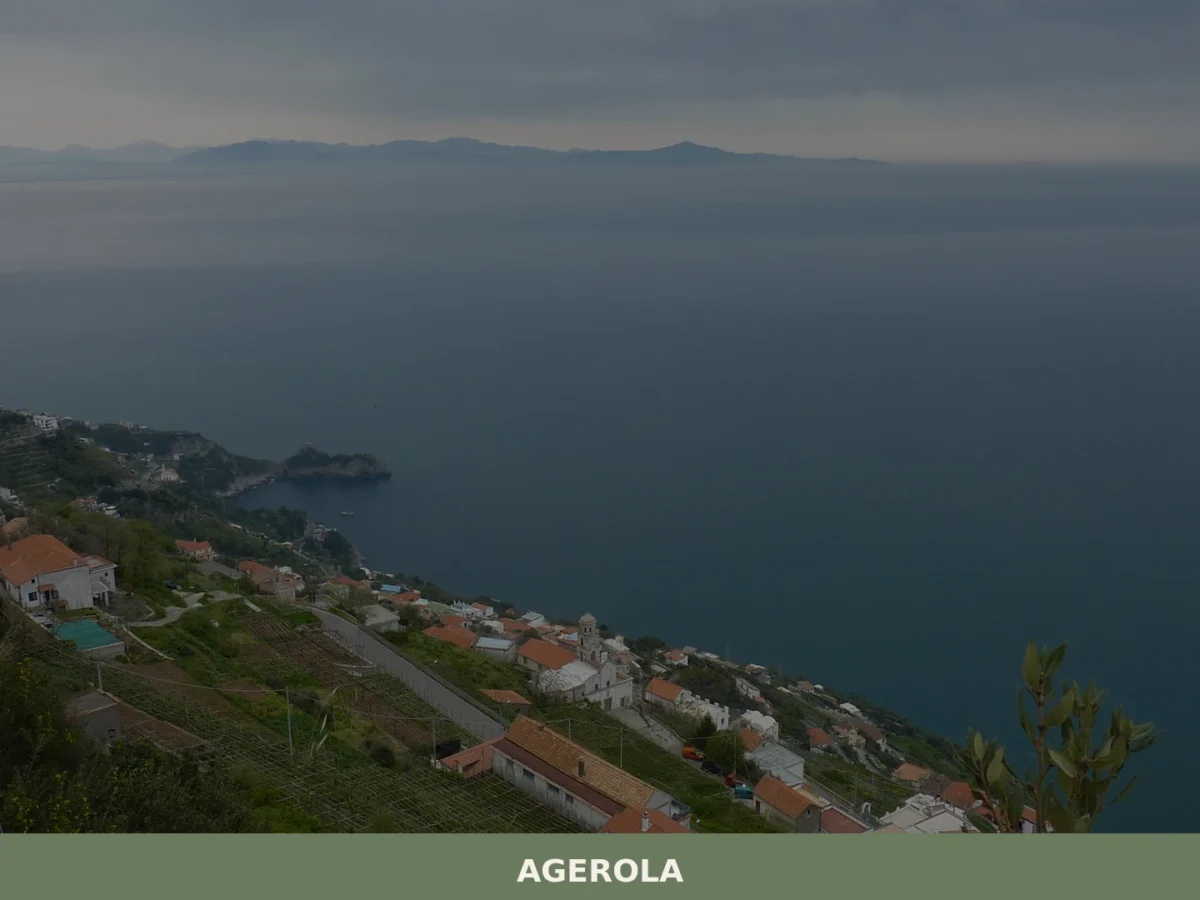
Discover what to see in Agerola, a mountain comune above the Amalfi Coast: hamlets, hiking trails, DOP cheeses and practical travel tips.
Arpaise
Hills
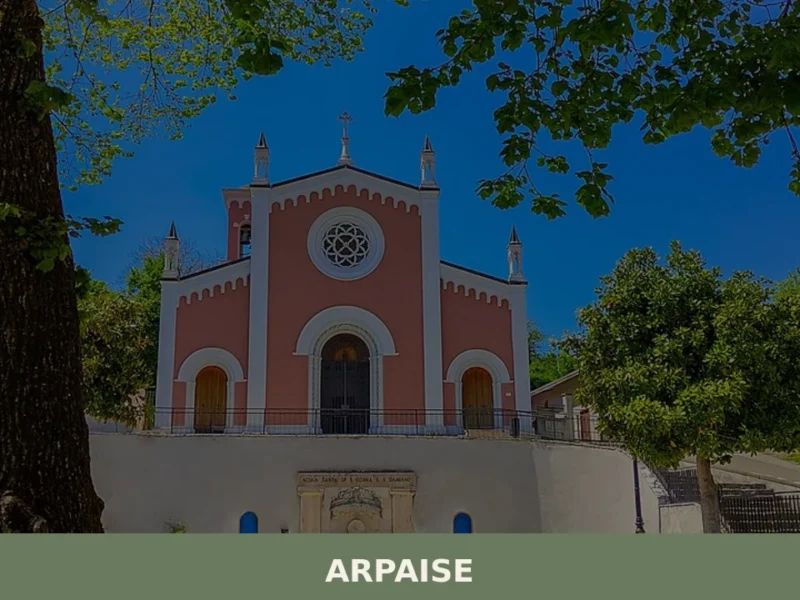
What to see in Arpaise, Italy: Discover this village of 735 inhabitants at 410 m (1,345 ft) altitude. Explore the Parish Church of San Rocco and panoramic views. Read our guide.
Caserta
 Plains
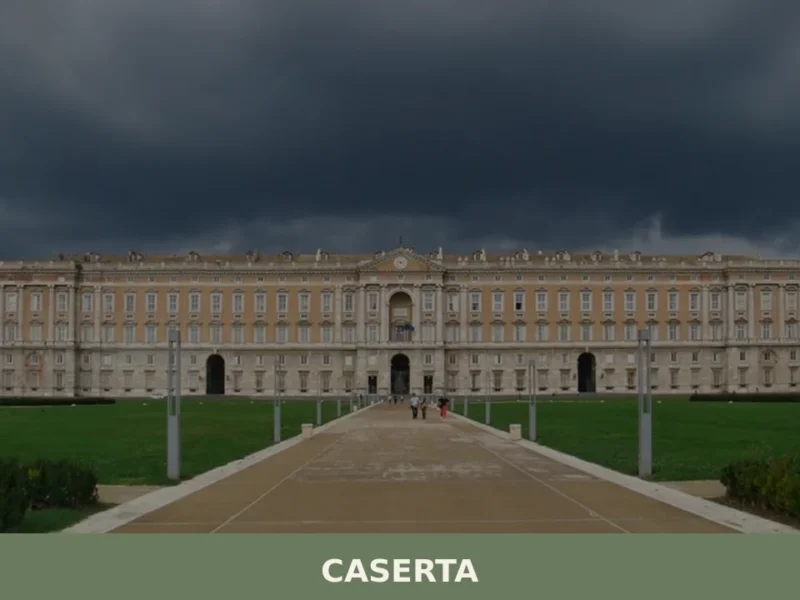
What to see in Caserta: UNESCO Royal Palace, Casertavecchia and certified PAT products. City of 74,000 at 68m above sea level. Plan your visit with our complete guide.
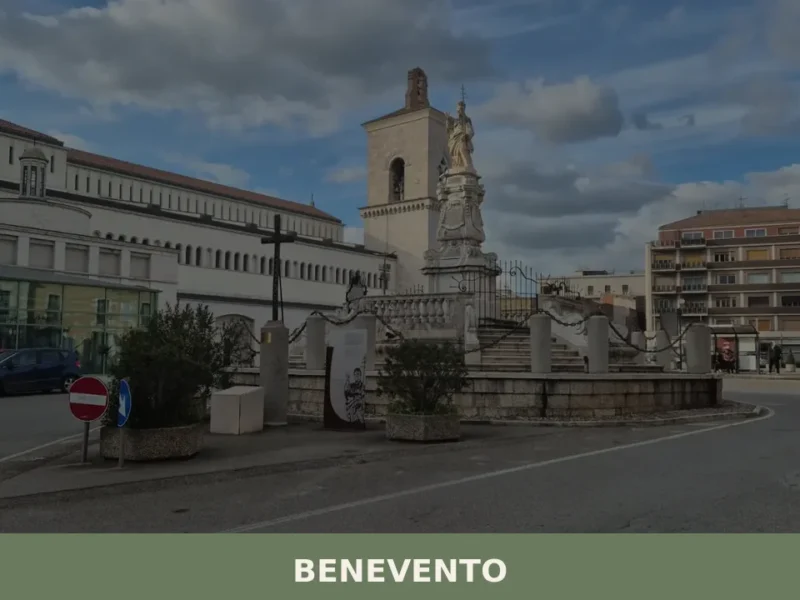
Benevento
Plains
Uncover the rich history and beautiful landscapes of the village of Benevento in Campania, Italy. Plan your visit to this charming Italian gem today!
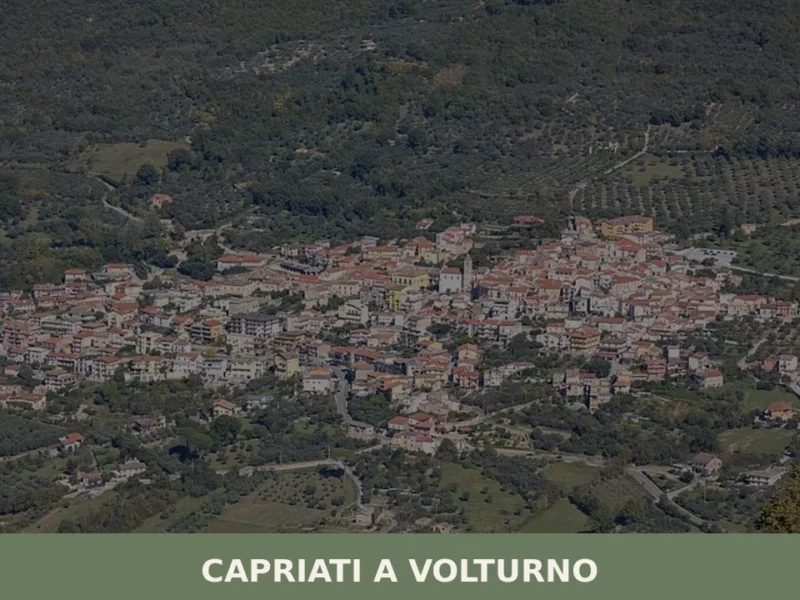
Capriati a Volturno
Hills
At 290 metres above sea level, along the right bank of the Volturno, Capriati has a current population of 1,440 residents spread between the historic centre and the hamlets scattered across the valley. The river, which here sweeps through a wide bend before continuing towards the Campanian plain, has shaped the town’s economy and layout […]
Castel Campagnano
Plains
Standing at fifty-eight metres above sea level along the left bank of the Volturno, Castel Campagnano has a current population of 1,458, spread between the historic centre and the hamlets scattered across the alluvial plain. The municipality, in the province of Caserta, retains an urban layout that still follows the plan of the fortified medieval […]



🏡 Know Liberi better than we do?
If you’re a local or have been there, your knowledge matters: add what’s missing or fix a detail on this page.