


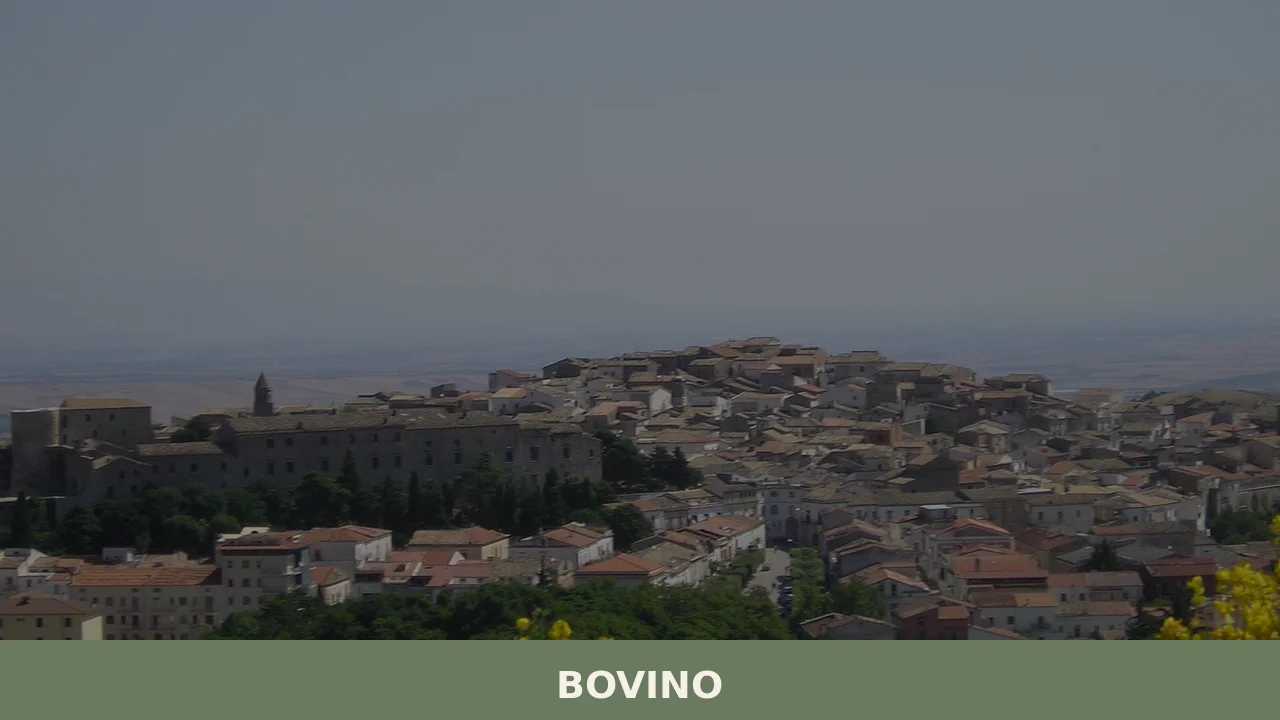
Bovino
 Mountain
What to See in Bovino: discover 5 must-see attractions and savor the taste of Acquasale. Visit the historic village and the magnificent Ducal Castle.
Discover Bovino
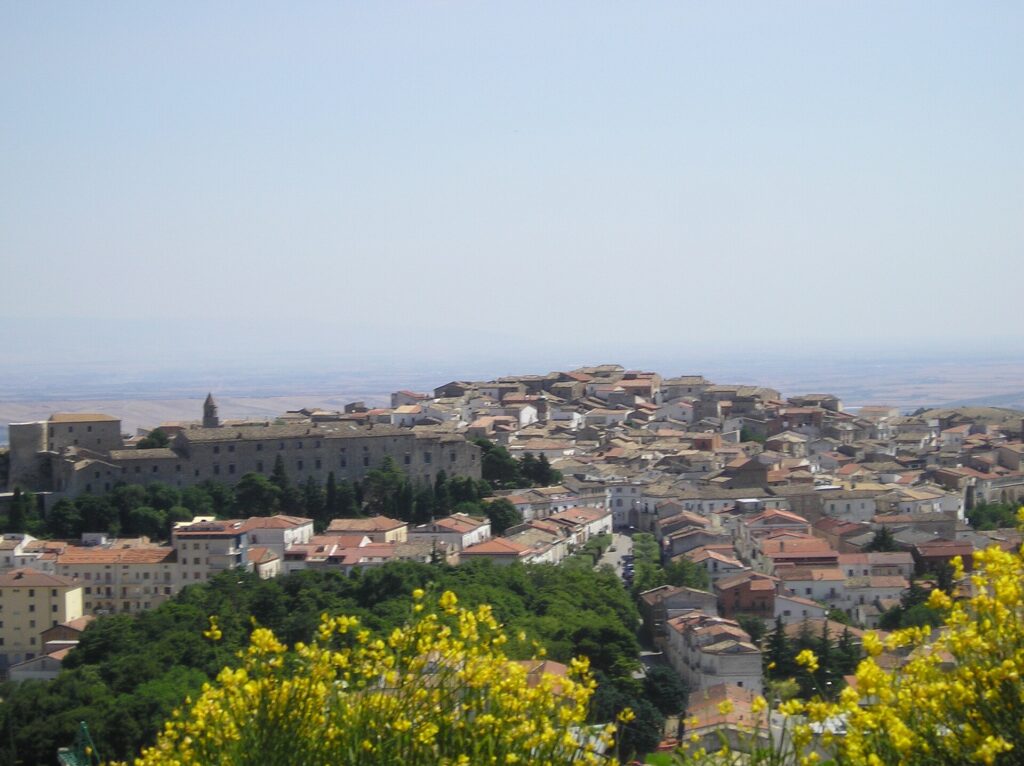
Bovino, a Puglian village of ancient origins, rises serenely amidst gentle hills at 620 m above sea level, an altitude that offers a privileged view of the mountain landscape of the province of Foggia.
With a population of approximately 2,973 inhabitants, this place, once flourishing under Roman rule, today preserves historical secrets that echo through its cobbled streets and centuries-old buildings.
Walking through its streets, one can perceive the echo of the past in the stones that have witnessed empires and dominations alternate, a sign of a village that has managed to maintain its identity over time.
What to see in Bovino? This village, nestled among the Puglian mountains, offers a multitude of historical and cultural attractions.
From the valuable Ducal Castle, which gathers centuries of stories and legends, to the Cathedral, an architectural jewel from the Norman era.
Those who choose to explore Bovino cannot miss these five wonders and must also savor the typical local products such as Acquasale (PAT) — municipalities: Bovino, Foggia, Bari.
The experiences you will find here are endless, revealing a corner of Italy that remains etched in memory.
History and Origins of Bovino
Bovino’s roots go back to Roman times, being one of the cities of Daunia. Historical findings indicate that this area was already inhabited by the Dauni, an ancient Italic people, even before the arrival of the Romans.
With the fall of the Roman Empire, Bovino came under Byzantine control until the arrival of the Normans in the 11th century, who profoundly influenced the architecture and social life of the village, as evidenced by the remains of the city walls and religious buildings.
During the Norman era, Bovino experienced a period of prosperity.
It was during these years that the majestic Cathedral, dedicated to Mary Most Holy of the Assumption, was built, which still today represents one of the town’s symbolic places.
The city was also an important strategic center for the Normans, being in a favorable position for controlling the communication routes of the time.
In the 12th century, Bovino came under the control of the Swabians and subsequently the Angevins, each of whom left an indelible mark on the cultural and architectural fabric of the village.
In particular, under the Angevins, Bovino became a flourishing commercial center, further expanding its urban structures and fortifications.
This historical stratification makes Bovino a stop of great interest for enthusiasts of medieval history and culture.
What to see in Bovino: main attractions
Ducal Castle
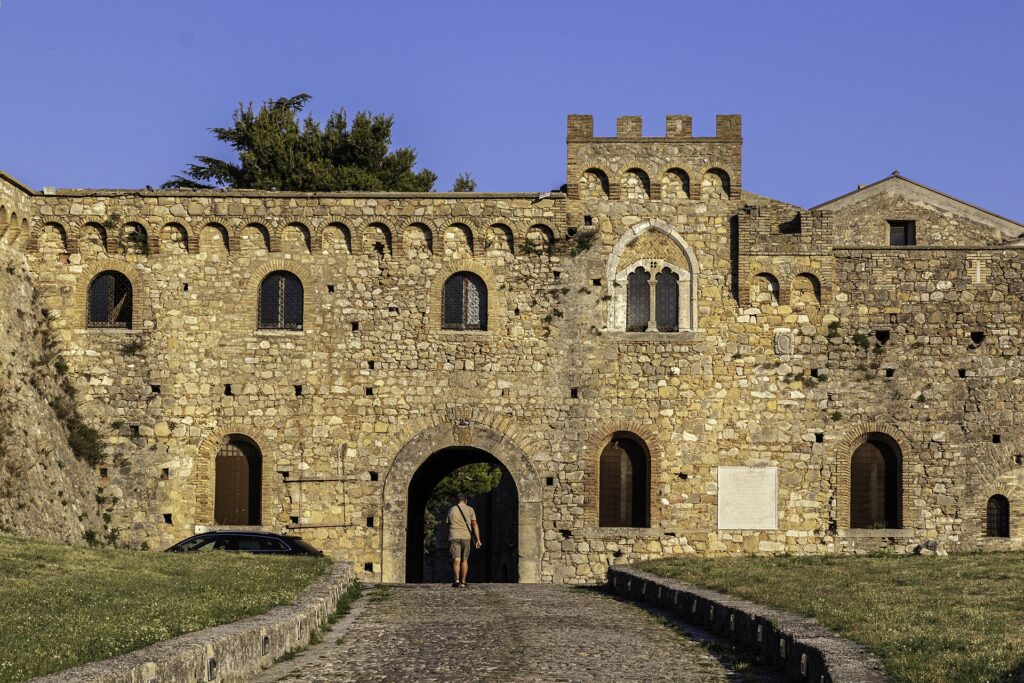
The mighty walls of the Ducal Castle in Bovino tell centuries of history and various dominations.
Built in Norman times, it was later expanded and modified by the Angevins and the Aragonese, each contributing unique architectural details such as battlements and embrasures.
Located in the heart of the village, the castle is accessible and offers an immersive experience with its rooms filled with tapestries and period furniture.
A visit here is a journey through time, ideal for those who want to experience medieval life firsthand.
Cathedral of Maria Santissima Assunta
With its white stone facade and austere yet elegant interior, the Cathedral of Maria Santissima Assunta is an extraordinary example of Norman architecture.
Built in the 11th century, the cathedral has undergone several restoration phases, yet it has preserved its original cruciform structure.
Inside, you can admire valuable frescoes and a finely decorated altar, which testify to the fervent artistic activity of the Middle Ages.
Diocesan Museum
The Diocesan Museum of Bovino, housed in a wing of the Bishop’s Palace, is a hidden treasure that preserves a collection of sacred furnishings, paintings, and relics of inestimable historical and artistic value.
Among the standout pieces, there is a 13th-century processional cross and a collection of embroidered liturgical vestments. The museum offers an interesting perspective on the religious and cultural history of the region and is a must-visit for those eager to deepen their knowledge of the local cultural heritage.
Piazza Duomo
Piazza Duomo is the vibrant heart of Bovino, a lively place where history meets the everyday life of the village.
Surrounded by historic buildings and with the monumental Renaissance-era fountain in the center, the square is the perfect place for a break, perhaps enjoying a local sweet treat like the Africani (PAT) — municipalities: Bovino, Foggia, Bari.
Guided tours also depart from the square, allowing you to explore the secrets of the village.
Porta San Martino
Porta San Martino represents one of the historic entrances to the village of Bovino, a vestige of the ancient Norman city walls.
Built from sturdy local stone, the gate stands proudly guarding the streets of the historic center, offering a suggestive glimpse into the life that unfolded here in past centuries.
Just a few steps away, you can visit a large archaeological park, which completes the cultural offerings of the village.
Typical cuisine and products of Bovino
The culinary tradition of Bovino is deeply rooted in the history of Puglia, characterized by simple yet flavorful dishes influenced by the dominations that have followed one another over time.
The recipes rely on local raw materials such as wheat, oil, and wine, with a strong focus on seasonality and the quality of ingredients.
Among the typical dishes stands out the Lamb with potatoes in Leccese style (PAT), prepared according to an ancient recipe that involves the use of local lamb, extra virgin olive oil, and potatoes, all cooked in a wood oven to enhance the flavors.
Another local specialty is the Acquasale (PAT), a rustic dish of stale bread soaked with fresh tomatoes and oregano.
In the cuisine of Bovino, certified products such as the Africani (PAT) — municipalities: Bovino, Foggia, Bari, and the Gargano Bitter (PAT) — municipalities: Foggia, Manfredonia, Vieste, play a central role.
These products, the result of traditions passed down through the centuries, offer authentic flavors that tell the story and culture of the place with every bite.
During your visit, you can’t miss the opportunity to participate in local festivals, where you can taste these delights directly from the producers.
The “Chestnut Festival” in October is an event to mark on your calendar, a moment to immerse yourself in local culture and enjoy fresh seasonal products.
Festivals, events, and traditions of Bovino
Life in Bovino is marked by events and festivals that have roots in ancient traditions.
The patronal feast dedicated to San Marco di Eca and Maria Santissima di Valleverde is celebrated on October 7 and August 29 with solemn processions, outdoor masses, and concerts in the square.
These festive days are a unique opportunity to discover the spiritual and social dimension of the village, participating in community life.
Among the most anticipated annual events is the week of celebrations for the Madonna della Consolazione, which involves the entire community in religious celebrations enriched by fireworks and an artisan market.
Guests can experience moments of genuine conviviality, discovering ancient rites that tell the story and beliefs of the locals.
When to Visit Bovino and How to Get There
The best time to visit Bovino is from April to October, when the mild climate allows you to explore the village and its surroundings in total comfort.
Traditional events and early autumn festivals offer additional reasons to plan a visit during these months. In summer, the festive atmosphere makes every visit particularly lively and engaging.
To reach Bovino, it is recommended to take the A16 Napoli-Canosa highway, exiting at the Foggia tollbooth, about 35 km from the village.
The nearest train station is Foggia, well connected through the regional service.
For flights, Bari-Palese airport is about 130 km away, providing connections with major Italian and European cities.
For more details on schedules and routes, visit the official Trenitalia website.
| Starting Point | Distance | Estimated Time |
|---|---|---|
| Naples | 210 km | 2h 30m |
| Bari | 130 km | 1h 40m |
| Rome | 300 km | 3h 30m |
Where to Stay in Bovino
Those looking for a place to stay in Bovino have several options, including cozy B&Bs and farmhouses that offer a familial and genuine experience immersed in the mountain landscape.
These accommodations provide modern comforts and warm hospitality, allowing visitors to enjoy a relaxing stay rich in local charm. Book in advance to secure the perfect accommodation, especially during peak seasons or special events.
Visitors to Bovino can extend their itinerary to the town of Giovinazzo, known for its picturesque small harbor, or explore the Tremiti Islands, for a maritime experience in crystal-clear waters.
Photo Gallery of Bovino
Frequently asked questions about Bovino
What is the best time to visit Bovino?
The best time to visit Bovino is from April to October, when mild temperatures and clear skies make exploring the historic center and mountain surroundings most enjoyable. Two key dates to plan around are August 29, feast of Maria Santissima di Valleverde, and October 7, feast of San Marco di Eca, both celebrated with processions, outdoor masses, and concerts in the square. October also brings the Chestnut Festival, a perfect occasion to combine cultural visits with authentic local flavors.
What are the historical origins of Bovino?
Bovino is one of the ancient cities of Daunia, already inhabited by the Dauni people before Roman rule. Following the fall of Rome, it passed under Byzantine control before the Normans arrived in the 11th century, leaving a lasting mark on its architecture and urban structure. Subsequent Swabian and Angevin dominations further shaped the village, making Bovino a layered historical site that reflects centuries of Southern Italian medieval history.
What to see in Bovino? Main monuments and landmarks
Bovino's main attractions include the Ducal Castle, built in Norman times and enriched by Angevin and Aragonese additions, featuring period rooms with tapestries and furniture. The Cathedral of Maria Santissima Assunta, an 11th-century Norman masterpiece, houses valuable frescoes and a decorated altar. The Diocesan Museum preserves sacred art including a 13th-century processional cross. Piazza Duomo, with its Renaissance fountain, is the village's social hub, while Porta San Martino offers a glimpse of the original Norman city walls.
What are the main natural or scenic attractions of Bovino?
Sitting at 620 m above sea level in the Apennine foothills of the province of Foggia, Bovino is surrounded by rolling mountain landscapes ideal for outdoor exploration. The area around the village offers scenic hillside views across the Daunia Subapennines. A large archaeological park near Porta San Martino complements the natural setting, combining history with open-air visits. The elevated position makes the village a natural viewpoint over the Foggia plain, especially appealing in spring and autumn.
Where to take the best photos in Bovino?
The most photogenic spots in Bovino include Piazza Duomo, where the Renaissance fountain frames the Cathedral's white stone facade beautifully, especially in the golden hour. Porta San Martino, with its ancient Norman stonework, offers evocative shots of the historic entrance to the village. The elevated position of the Ducal Castle provides sweeping views over the surrounding Daunia hills, ideal for landscape photography. The cobbled streets of the historic center, lined with centuries-old buildings, are also highly photogenic throughout the day.
Are there museums, churches or historic buildings to visit in Bovino?
Yes. The Diocesan Museum, housed in a wing of the Bishop's Palace, contains sacred furnishings, paintings, relics, a 13th-century processional cross, and embroidered liturgical vestments. The Cathedral of Maria Santissima Assunta, Norman in origin, features original cruciform architecture, frescoes, and a decorated altar. The Ducal Castle, in the heart of the village, is accessible to visitors and displays period interiors. For updated opening hours and admission fees, it is advisable to contact the local Pro Loco or the Municipality of Bovino directly.
What can you do in Bovino? Activities and experiences
Bovino offers a rich mix of cultural and gastronomic experiences. Visitors can join guided tours departing from Piazza Duomo to discover the historic center's secrets, visit the Ducal Castle and Diocesan Museum, and explore the archaeological park near Porta San Martino. Food lovers can taste local specialties at the Chestnut Festival in October or at the patronal feasts on August 29 and October 7. The mountain surroundings are well suited for hiking and scenic walks through the Daunia Subapennine landscape.
Who is Bovino suitable for? Families, couples, hikers, solo travelers?
Bovino suits a wide range of visitors. History and culture enthusiasts will appreciate its layered Norman, Swabian, and Angevin heritage across the castle, cathedral, and museum. Couples seeking a quiet, atmospheric retreat will find its cobbled streets and hilltop setting romantic. Hikers and nature lovers are drawn to the mountain landscape of the Daunia Subapennines at 620 m altitude. Families can enjoy the lively patronal feasts and the Chestnut Festival. Solo travelers looking for an authentic, uncrowded southern Italian village will feel equally at home here.
What to eat in Bovino? Local products and specialties
Bovino's culinary tradition centers on simple, high-quality local ingredients. Acquasale (PAT), a rustic dish of stale bread with fresh tomatoes and oregano, is a village staple. Lamb with potatoes cooked in a wood oven is a celebrated local recipe. The Africani (PAT), a traditional sweet, can be found in Bovino's bakeries and enjoyed in Piazza Duomo. The Gargano Bitter (PAT) represents the area's artisan liqueur tradition. All these products are rooted in centuries-old recipes tied to the agricultural and pastoral heritage of the Foggia province.
📷 Photo Gallery — Bovino
Nearby Villages near Bovino
Nearby villages we are mapping:
- Bovino (Italia) Puglia 📍 0 km Coming soon
- Troia (Italia) Puglia 📍 12.8 km Coming soon
In Apulia More villages to discover
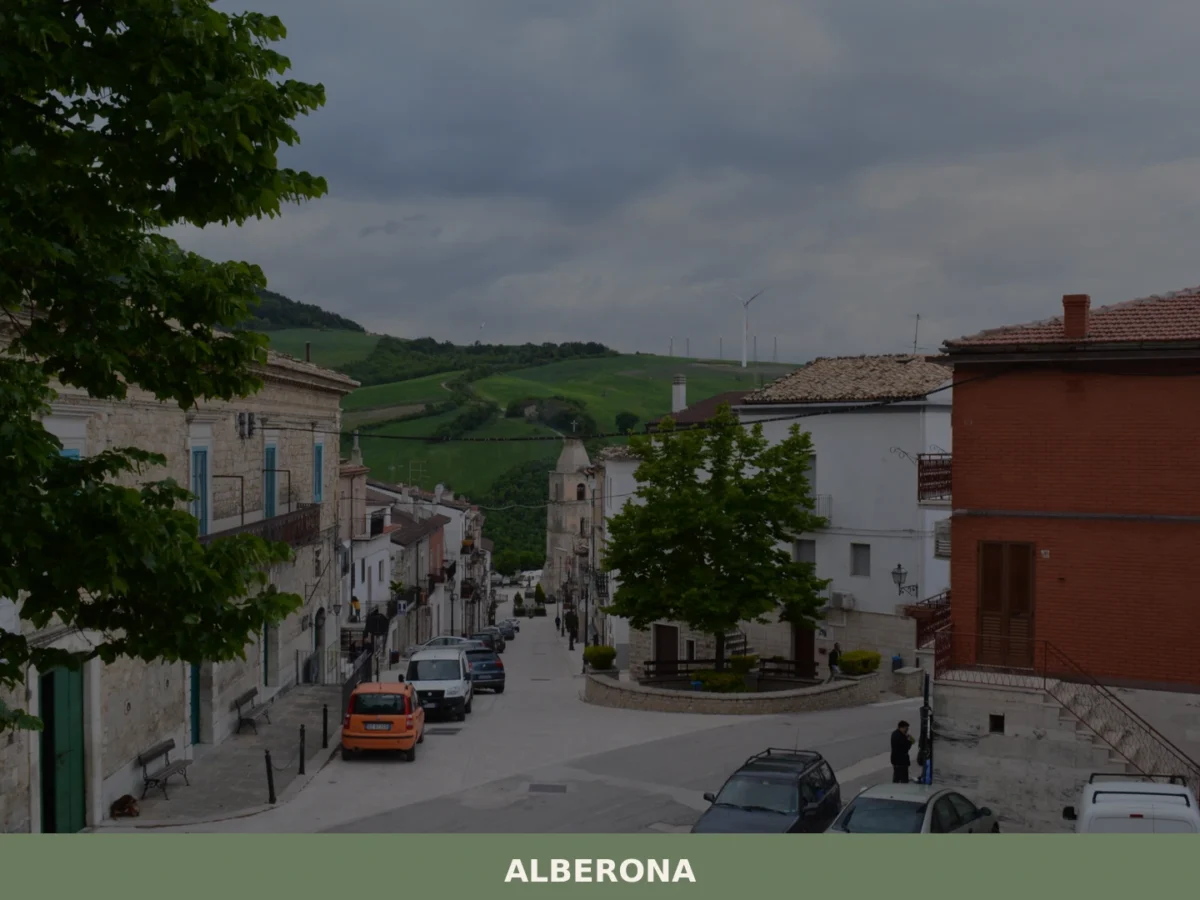
Alberona
Mountain
What to see in Alberona, Italy? Discover this upland village at 732 m (2,303 ft) a.s.l., one of I Borghi più belli d'Italia. Explore its historic core and traditional architecture.
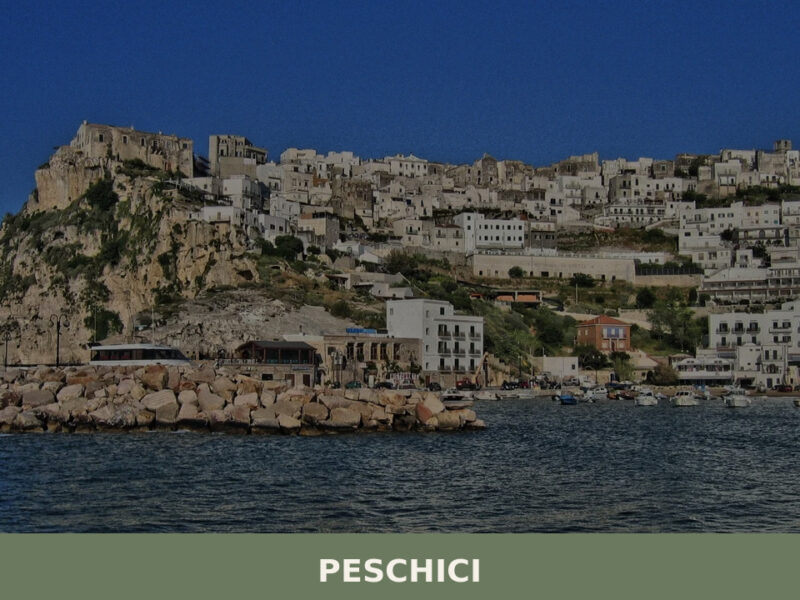
Peschici
 Sea
Sea
Perched on a rocky promontory above the turquoise waters of the Adriatic Sea, Peschici is one of the most enchanting coastal villages in Puglia’s Gargano peninsula. With its whitewashed houses, narrow alleyways, and dramatic clifftop setting, this small town of 4,283 inhabitants offers a captivating blend of history, natural beauty, and Mediterranean charm. If you’re […]
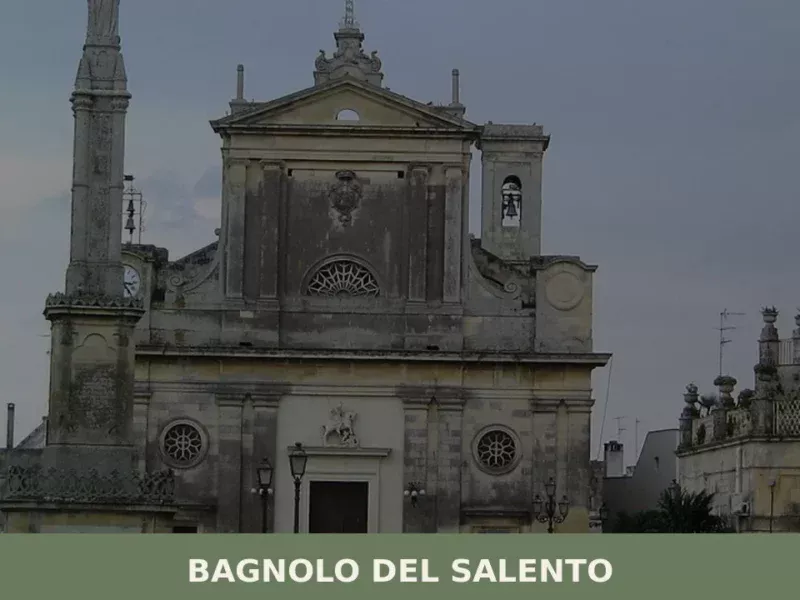
Bagnolo del Salento
 Plains
Bagnolo del Salento: discover the village, visit historic churches, and taste traditional cuisine. Plan your trip now!
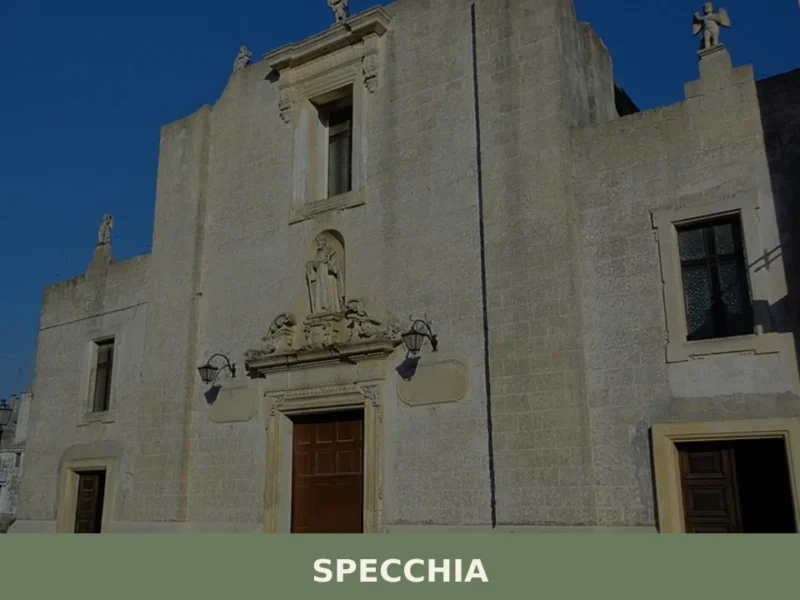
Specchia
Plains
What to see in Specchia: a medieval village at 131m in Salento with 4,569 residents. Explore Castello Risolo, the historic centre and PAT-certified local food. Plan your visit.
Volturara Appula
 Hills
Hills
A hill village of 378 residents at 489 metres in the Daunian Subapennines. Volturara Appula offers medieval lanes, panoramic views over the Tavoliere, and the quiet of a place most travellers never find.
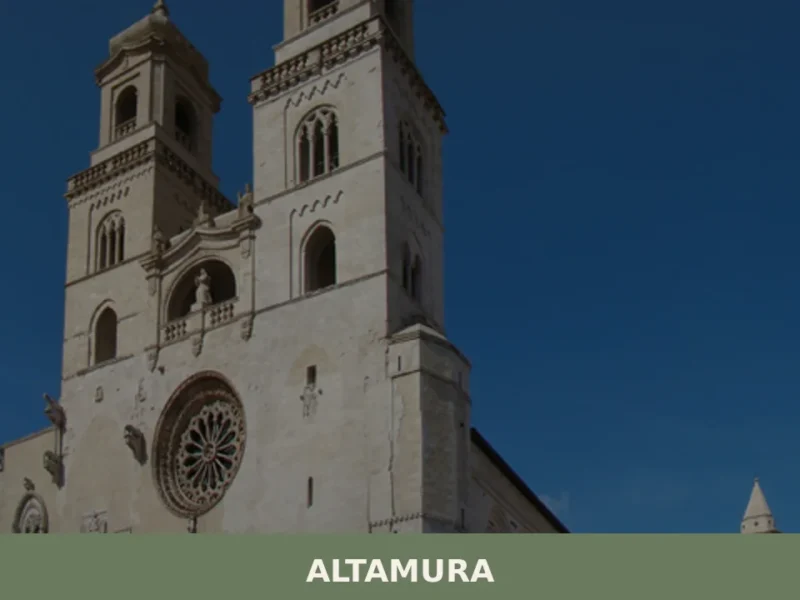
Altamura
Hills
In 1993, inside the Lamalunga limestone quarry a few kilometres from the town centre, a skeleton of Homo neanderthalensis dating back approximately 150,000 years was brought to light — one of the most complete ever found in Europe. That discovery changed the perception of Altamura, transforming it from a bread-making town into a site of […]
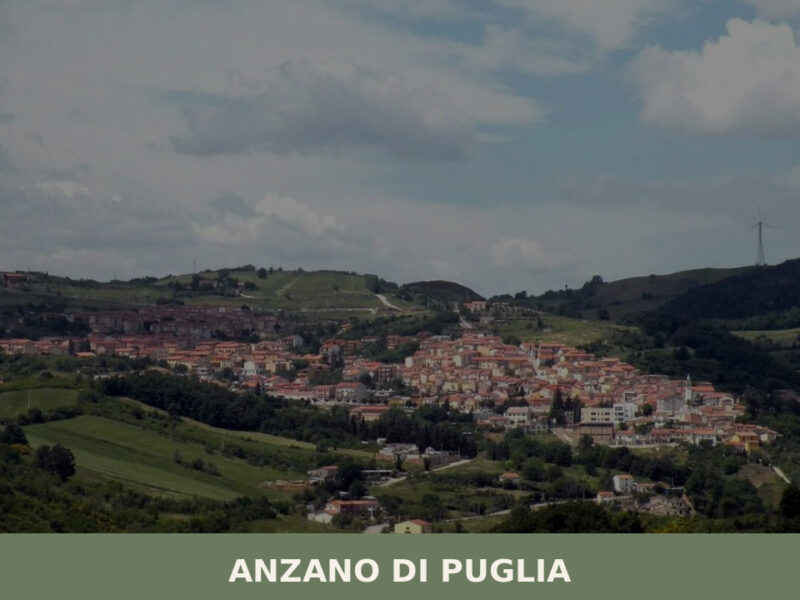
Anzano di Puglia
Mountain
A tiny hilltop village at 760 m in the Daunia Mountains, Anzano di Puglia enchants with stone lanes, sweeping panoramas, and authentic mountain cuisine.
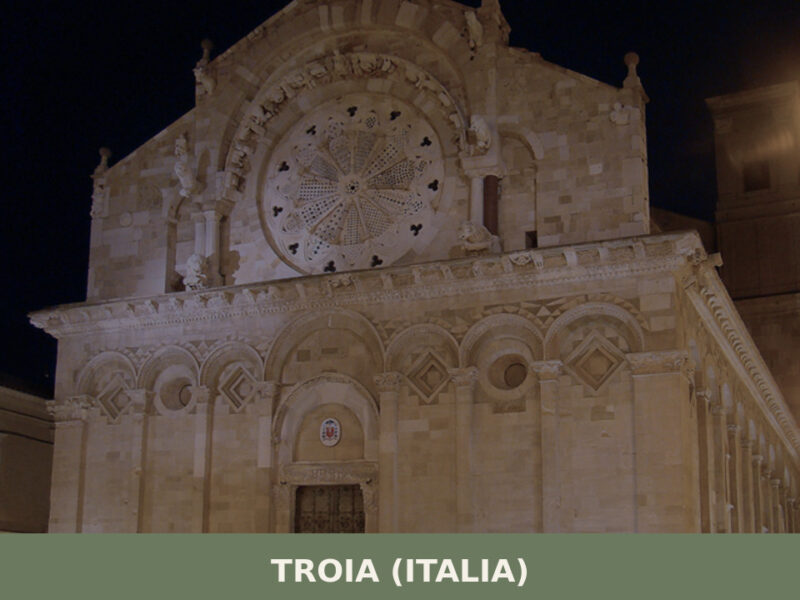
Troia
Hills
Are you ready to discover one of the most fascinating villages of Troia Puglia? Hidden among the gentle hills of the Dauno Sub-Apennines, this medieval jewel will amaze you with its historical, architectural and cultural richness. Troia Puglia is not just a tourist destination, but a true journey through time that will take you back […]
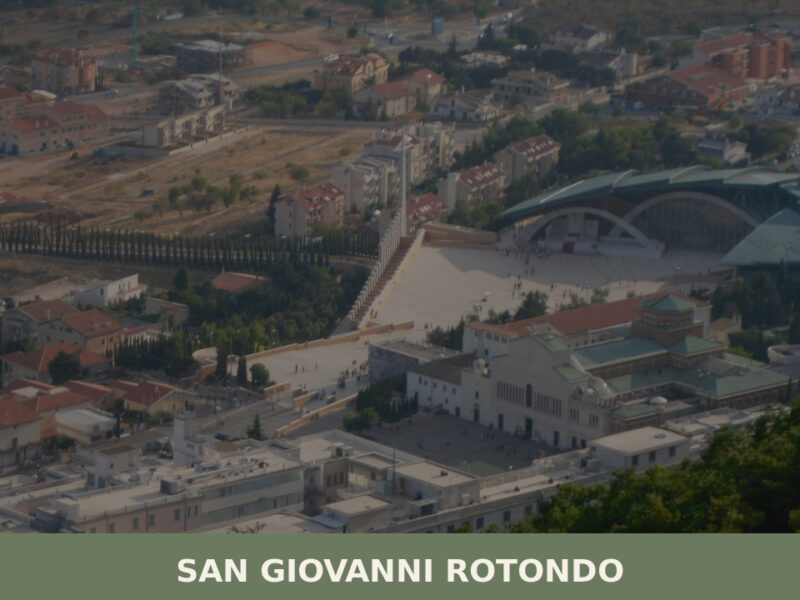
San Giovanni Rotondo
Hills
San Giovanni Rotondo, in the Apulian Gargano, combines faith, medieval history, and nature. Discover the must-see attractions, traditional dishes, and tips for visiting Padre Pio's hometown.
Stornara
Plains
A quiet agricultural town on Puglia's Tavoliere plain, Stornara rewards visitors with honest rural architecture, sweeping wheat-field panoramas, and a food tradition rooted in durum wheat.
🏡 Know Bovino better than we do?
If you’re a local or have been there, your knowledge matters: add what’s missing or fix a detail on this page.