


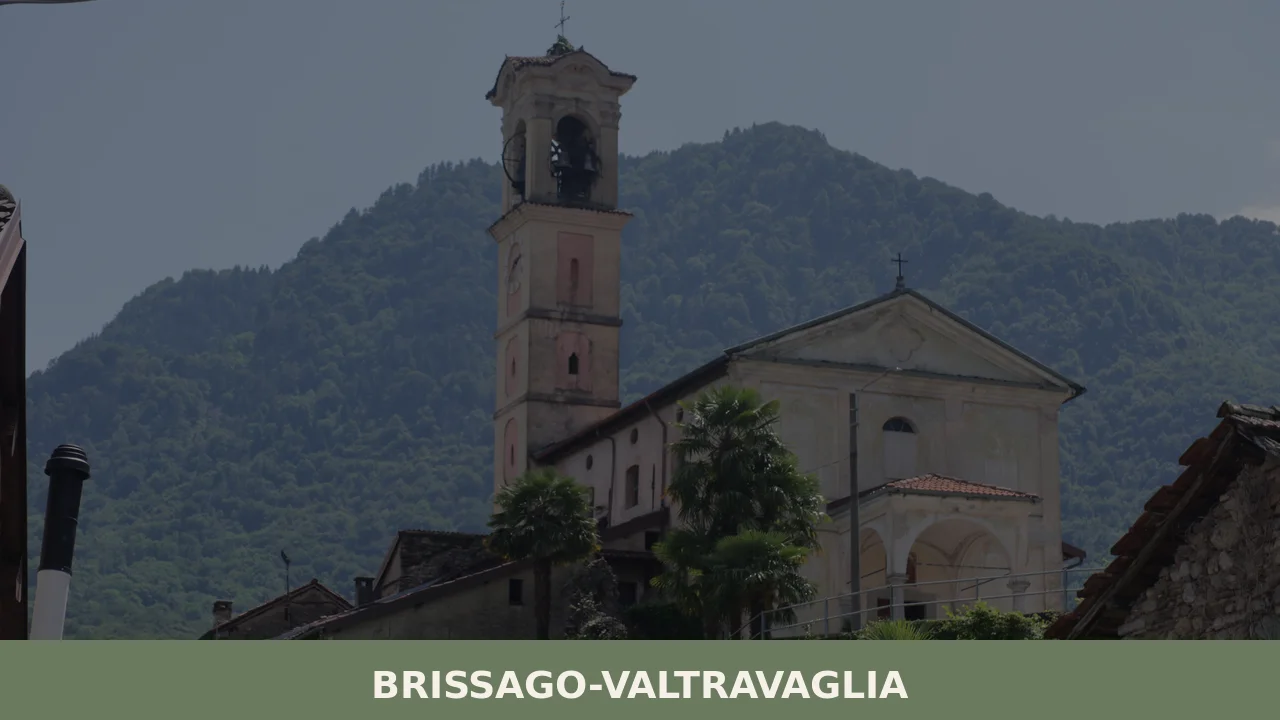
Brissago-Valtravaglia
What to see in Brissago-Valtravaglia: village at 429m with 5 top attractions, Lombard cuisine and panoramic trails. Explore the complete guide now.
Discover Brissago-Valtravaglia
The scent of damp earth, marked by the furrows of an agricultural era that still breathes, mingles with the fresh air descending from the Pre-Alpine heights. It is a scent of woods and hay, of wood burning in fireplaces in winter, and of wild herbs growing on dry-stone walls.
Brissago-Valtravaglia is not a glossy postcard village, but a place that reveals itself through its rhythms, its sober architecture, and the solid texture of its stones.
Here, at 429 metres above sea level, life has been shaped for centuries by the opportunities offered by a territory that looks towards Lake Maggiore while maintaining a deep bond with the hills and mountains.
For those wondering what to see in Brissago-Valtravaglia, the answer lies not only in its churches but in a broader experience made of landscapes, silences broken only by the wind and the sound of bells, and a history that can be read in the layers of its urban fabric.
History and Origins of Brissago-Valtravaglia
The name Brissago-Valtravaglia encapsulates the village’s geographical and historical roots. The term “Brissago” is believed to derive from the Latin “Brixiacus,” indicating a land or property belonging to a certain Brixius.
The specification “Valtravaglia” refers to the namesake valley, an area stretching across the Varese hinterland between Lake Maggiore and the Pre-Alps.
This name highlights its strategic position—a point of transit and control between lake routes and land routes connecting Switzerland and the Duchy of Milan, a crossroads of cultures and trade that has shaped the local identity since ancient times. The earliest evidence of settlements in the area dates back to the Roman era, as suggested by archaeological findings indicating human activity in the territory as early as the pre-medieval period.
During the Middle Ages, Brissago-Valtravaglia gained importance due to its elevated and easily defensible position, becoming part of a system of minor fortifications guarding Val Travaglia. The Pieve di San Giorgio, whose cult remains central to the community today, is an indicator of its ecclesiastical and social relevance at that time, serving as a spiritual centre for surrounding communities and consolidating its role as a reference point for the entire valley.
Conflicts between various local lordships and major powers, such as the Visconti and Sforza families, have left traces in the village’s structure, with defensive elements and architecture revealing a past of disputes and rebuilding.
In the following centuries, particularly under Spanish and then Austrian rule, the village maintained a predominantly agricultural and silvo-pastoral economy. Its population, which today numbers about 1,240 inhabitants, has seen slow but constant evolution, linked to the demographic dynamics of rural Lombardy.
What to See in Brissago-Valtravaglia: 5 Must-See Attractions
1. Parish Church of San Giorgio
The Parish Church of San Giorgio, dedicated to the village’s patron saint, stands as a spiritual and architectural landmark. Its current structure, the result of renovations and expansions over the centuries, preserves elements testifying to its ancient, likely medieval, origins. The building features a sober façade typical of rural Lombard churches, with a bell tower that stands out against the profile of the surrounding hills. Inside, visitors can admire sacred artworks and frescoes that tell the story of local devotion.
2. Oratory of San Carlo
The Oratory of San Carlo represents another significant religious building, testifying to the deep spirituality of the community. Although smaller than the parish church, the oratory possesses a discreet charm, often linked to specific historical events or the devotion of noble local families. Its essential architecture often houses interesting details like votive niches or small sculptures that offer an authentic glimpse into popular faith and local minor art.
3. Trails of Monte Pian Nave
For nature and hiking enthusiasts, the Trails of Monte Pian Nave offer an opportunity to explore the hilly landscape surrounding Brissago-Valtravaglia. Monte Pian Nave, at 1,011 metres, is one of the most accessible and panoramic peaks in the area, offering views ranging from Val Travaglia to Lake Maggiore and the Alps. The well-marked trail network passes through beech and chestnut forests, pastures, and clearings, providing a sense of peace and natural beauty.
4. Historic Centre and Rural Architecture
The Historic Centre of Brissago-Valtravaglia is an open-air museum of rural architecture and traditional life. Walking through its streets, one can observe stone buildings with tiled roofs, granite portals, and small windows testifying to ancient construction techniques. Every corner and internal courtyard reveals details of a daily life once dictated by the rhythms of the countryside and the community.
5. Palazzo Brissago (or Palazzo Crivelli)
Palazzo Brissago, also known as Palazzo Crivelli, is a historic building that stands out for its size and more elaborate architecture compared to common dwellings. Its presence indicates the importance of noble families who played a role in the history of the village.
Observing the palace from the outside offers a starting point to imagine the life of the local elite and their contribution to the social and cultural development of the village over the centuries.
What to Eat in Brissago-Valtravaglia: Local Cuisine and Regional Products
The cuisine of Brissago-Valtravaglia is an expression of a territory that has successfully valued the resources of the land and the influence of nearby Lake Maggiore. Its culinary history is woven with robust dishes designed to sustain work in the fields and woods. The Pre-Alpine climate has favoured a diet rich in grains, dairy, meats, and—thanks to the lake—freshwater fish.
At the centre of the table is often polenta, made with cornmeal and served as an accompaniment to various dishes. Among the symbolic local recipes is risotto with luganega (a typical fresh Lombard sausage), and the classic cassoeula, a hearty pork and cabbage stew typical of the colder months.
Although not produced directly in the village, prized Lombard cheeses like Taleggio DOP, Gorgonzola DOP, and Bitto DOP are widely consumed.
The proximity to Lake Maggiore also brings freshwater fish specialities like missoltini (dried and pressed shad) to the table. The patronal feast of San Giorgio on April 23rd is a perfect occasion to find stalls offering traditional dishes or to visit local trattorias that keep the territory’s culinary traditions alive.
When to Visit Brissago-Valtravaglia: The Best Time
Spring, particularly April and May, is ideal. Temperatures are mild, nature awakens with vibrant colours, and the days grow longer. April 23rd, the feast of San Giorgio, offers a chance to immerse yourself in local traditions. Summer (June to August) attracts those looking for the sun’s warmth and lake activities, though August can be crowded. Autumn, especially September and October, offers a suggestive atmosphere with the woods turning red and gold, perfect for those seeking peace and contemplation.
How to Get to Brissago-Valtravaglia
By car, the village is accessible via the provincial road network branching from the SS394.
From Milan, take the A8 motorway towards Varese, then the A60 towards Luino. By train, the nearest stations are Luino or Laveno Mombello, connected to Milan and Switzerland. From these stations, local buses (Autolinee Varesine) connect to the hinterland villages, though frequencies may be limited. Milan Malpensa (MXP) is the closest airport, about 50 km away.
Other Villages to Discover in Lombardy
The province of Varese is dotted with villages worth visiting. Nearby, you can find Biandronno, known for its position on Lake Varese and the Isolino Virginia archaeological site. About 40 minutes away is Arcisate, with its historic centre and the Pieve di San Vittore.
Other recommended stops include Besozzo, overlooking Lake Maggiore, and Arsago Seprio, famous for its Romanesque Basilica and Baptistery.
Photo Gallery of Brissago-Valtravaglia
Do you have photos of Brissago-Valtravaglia?
Share your photos of the village: the best ones will be added to the official gallery, with your credit.
Send your photosIn Lombardia More villages to discover
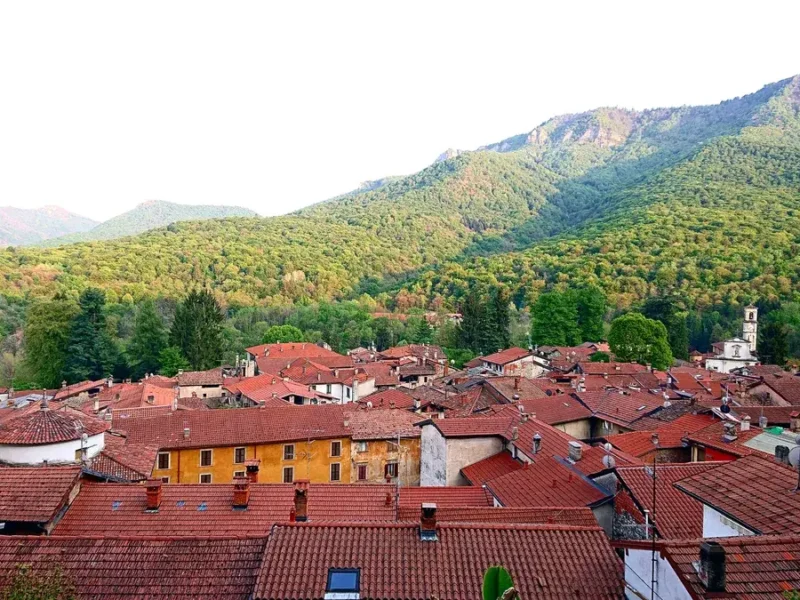
Castello Cabiaglio
What to see in Castello Cabiaglio: a hill village at 514m with 567 residents in Varese. Explore Sant'Appiano church, Campo dei Fiori trails and local porcini risotto. Plan your visit now.
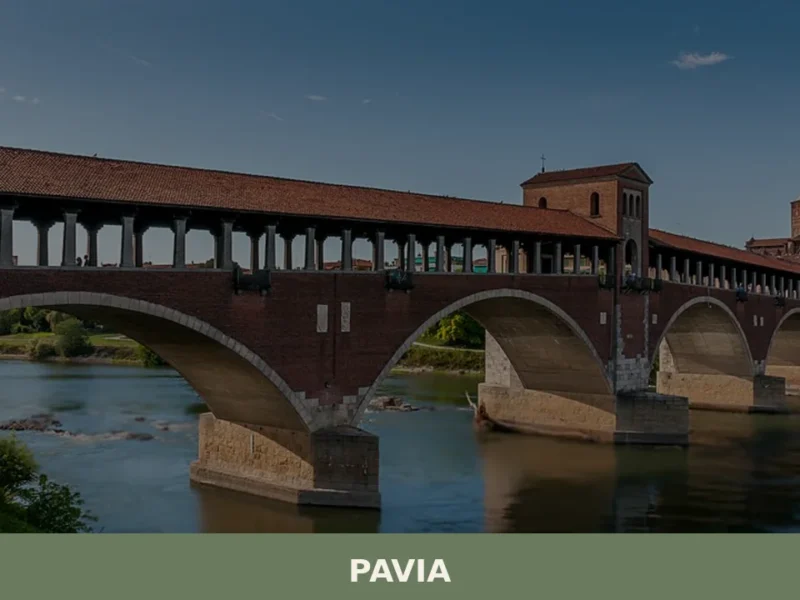
Pavia
what to see in pavia, home to 70,636 residents. Discover its iconic Duomo, the historic Certosa, and the ancient University. Explore Pavia's rich heritage now.
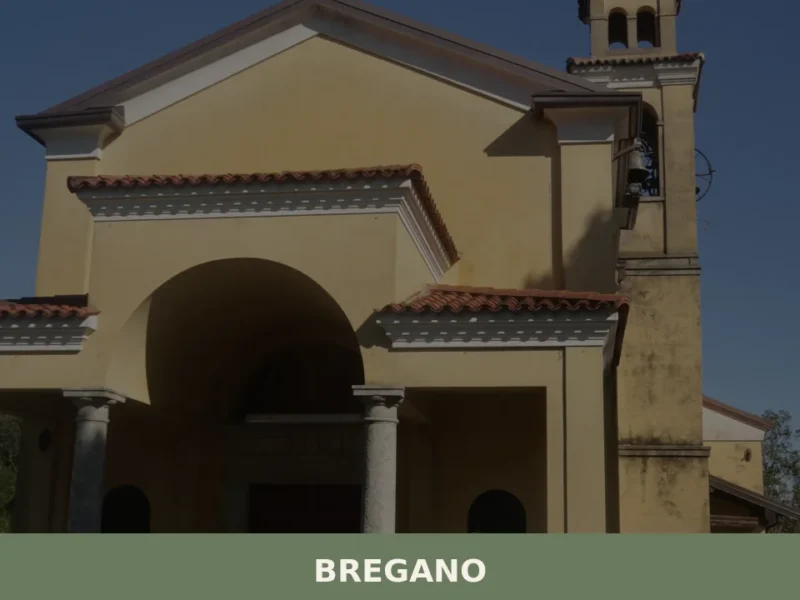
Bregano
With its 824 inhabitants spread across an elevation of 303 metres on the hills between Lake Varese and Campo dei Fiori, Bregano is a municipality in the province of Varese whose documented existence dates back at least to the 13th century, when the settlement appears in the ecclesiastical registers of the Pieve di Brebbia. Asking […]



📝 Incorrect information or updates?
Help us keep the Brissago-Valtravaglia page accurate and up to date.