


Besozzo
 Hills
Hills
What to see in Besozzo, Italy: Explore the historic upper village (240 m a.s.l.), its noble Palazzi, and proximity to Lago Maggiore. Discover this Lombardian gem.
Discover Besozzo
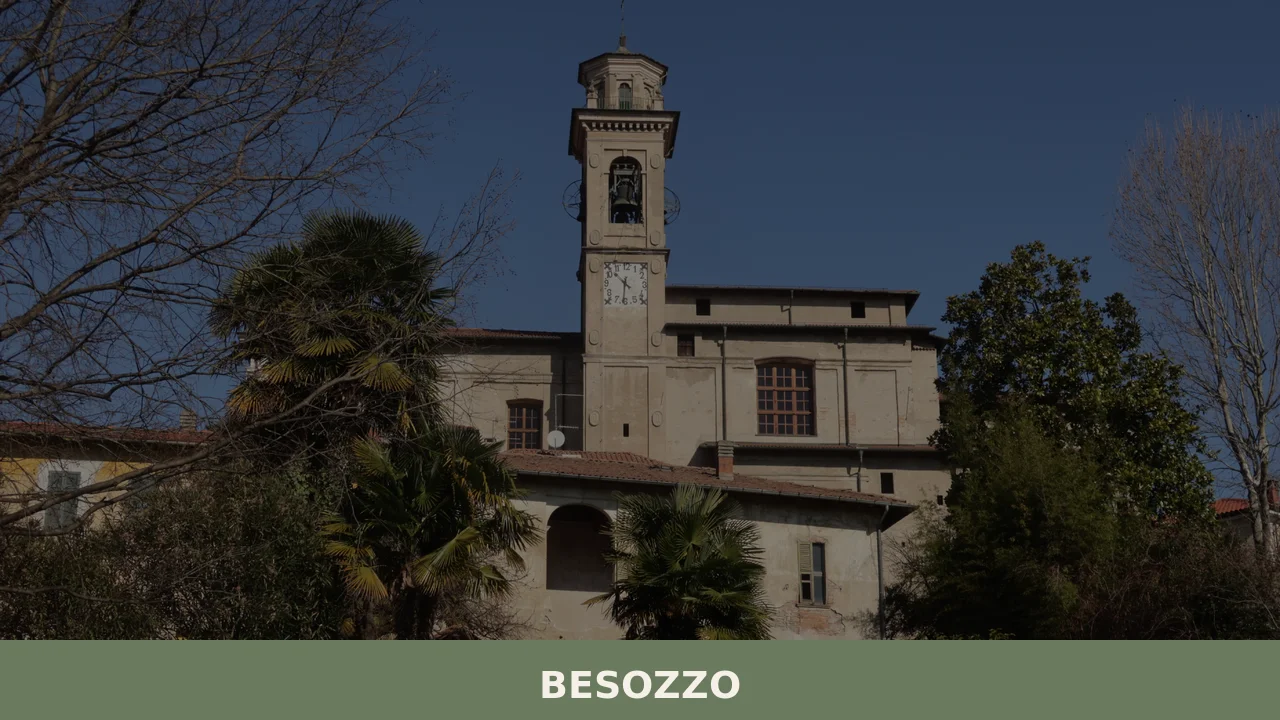
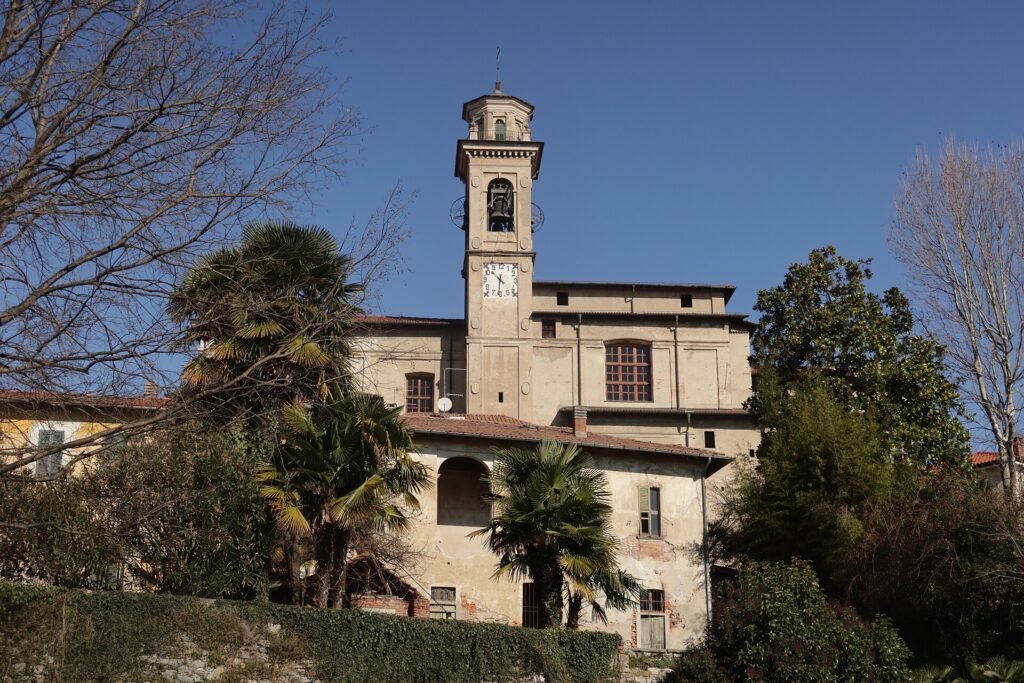
The village of Besozzo, rising 240 m (787 ft) above sea level in the province of Varese, presents a distinct division between its upper and lower sections. A small historical centre, characterized by ancient churches and noble Palazzi, defines the higher ground, inviting exploration along its pedestrian-friendly lanes.
This elevated position provides natural vistas across the surrounding landscape, hinting at the nearby glacial lakes and distant peaks.
For those wondering what to see in Besozzo, the village offers a compelling blend of historical charm and natural beauty, with its 8,711 inhabitants. Visitors to Besozzo find a well-preserved upper part featuring historical architecture and a vibrant modern lower section. The Besozzo highlights include exploring the ancient noble residences and enjoying views of the Alps from its elevated points.
History of Besozzo
Besozzo’s origins are deeply rooted in its strategic position within the Varese province of Lombardy, Italy, a region historically significant due to its lake district and proximity to major northern Italian routes. The town developed on a hill, a common defensive and observational advantage in past centuries, allowing for control over surrounding territories. Its location, just 6 km (3.7 mi) from Lago Maggiore, placed it within an area influenced by trade and communication networks connecting the plains of Lombardy with the alpine passes, shaping its early development.
The village has maintained a distinct historical centre, characterized by churches and noble houses, known locally as Palazzi.
This upper section, in part pedestrianized, reflects centuries of architectural evolution and community life, similar to the historical continuity found in other Lombardian centers like Mantova. In contrast, Besozzo’s lower part has grown into a modern hub, accommodating shops, cafes, and banks, indicative of its continuous development through the 20th and 21st centuries. This dual character showcases the town’s ability to preserve its heritage while adapting to contemporary needs.
Besozzo has experienced considerable growth in recent decades, a trend that continues as families relocate from Milan to the lake region, seeking a different quality of life. Many residents become commuters, utilizing the local train station on the Luino–Milan railway and the fast road network linking the village to the broader Italian highway system. This demographic shift has further integrated Besozzo into the wider economic fabric of Lombardy, also benefiting from its proximity to the European Union’s Joint Research Centre site in Ispra.
What to see in Besozzo, Lombardia: top attractions
The Pedestrianised Historical Centre of Besozzo
The upper section of Besozzo is dedicated to its historical centre, a network of lanes largely reserved for pedestrians, offering a tranquil environment for visitors.
Stone-paved pathways lead through a compact cluster of buildings, reflecting centuries of local construction techniques and community planning. This area provides a tangible sense of the village’s past, distinct from the contemporary developments found lower down the hill. Exploring these quiet thoroughfares reveals characteristic details of traditional Lombard architecture, inviting leisurely contemplation of the village’s heritage, especially during the quiet morning hours.
The Noble Palazzi and Their Architecture
Among the structures in Besozzo’s upper historical centre are several distinguished noble houses, locally known as Palazzi, which contribute significantly to the village’s architectural character. These historical residences, though not individually detailed in records, typically feature robust stone foundations and plaster facades, often adorned with decorative elements around windows and doorways. Their presence indicates a past era of prosperity and local influence, with some buildings likely dating back several centuries.
Observing these architectural details provides insight into the craftsmanship and aesthetic preferences that have shaped Besozzo’s urban fabric over time.
The Churches of the Historical Centre
Besozzo’s historical centre is home to various churches, serving as spiritual anchors and architectural landmarks within the community. While specific names beyond the patron saint are not provided, these sacred edifices often display features typical of Lombard religious architecture from different periods, ranging from Romanesque simplicity to more elaborate Baroque styles. The main parish church, dedicated to Sant’Alessandro di Bergamo, likely stands as a central point, its bell tower perhaps visible above the rooftops. Visitors exploring what to see in Besozzo will find these churches offer moments of quiet reflection and historical appreciation.
Panoramic Vistas of the Alps and Lago Maggiore
One of Besozzo’s most striking natural features is its elevated position, which affords expansive panoramic views across the surrounding landscape. To the west, the shimmering expanse of Lago Maggiore is clearly visible, situated just 6 km (3.7 mi) from the village centre. Beyond the lake, the formidable peaks of the Alps rise in the distance, their contours often sharply defined against the sky, particularly on clear days. These vistas offer a profound connection to the geographical context of Lombardy, showcasing the dramatic interplay of water and mountains that defines the region, similar to the scenic views found around Lecco on its own lake, especially captivating at sunrise or sunset.
The Modern Lower Village and Commercial Heart
In contrast to the historical upper part, Besozzo’s lower section functions as the village’s modern commercial and social hub.
This area is characterized by a lively atmosphere, hosting a variety of shops, cafes, and banks that cater to the daily needs of the 8,711 inhabitants. The layout here is more contemporary, with wider streets and newer buildings, reflecting the growth Besozzo has experienced as a commuter town. The modern lower village offers a different perspective on what to see in Besozzo, providing practical amenities and a contrast to the historical quietude of the upper pedestrian zone.
Local food and typical products of Besozzo
The culinary traditions around Besozzo, situated in the Varese province of Lombardia, are deeply influenced by the region’s geographical characteristics: the proximity of the lakes, the surrounding hills, and the agricultural practices of northern Italy. This environment has historically shaped a cuisine that balances freshwater fish with hearty meats, dairy products, and seasonal vegetables. Understanding the local gastronomy is also a key part of what to see in Besozzo, as it reflects the need for sustenance in a region that experiences distinct seasons, often incorporating elements from both the alpine and plain traditions.
Visitors to the Besozzo area will find dishes that exemplify Lombard cuisine, characterized by rich flavors and substantial ingredients.
Common preparations include Risotto alla Milanese, a creamy rice dish colored with saffron, often served with ossobuco, a braised veal shank. Another staple is Polenta, a versatile cornmeal porridge that accompanies stews, cheeses, and various meat dishes, especially during colder months. Freshwater fish from nearby Lago Maggiore, such as perch or pike, are also frequently featured, often simply pan-fried or baked with herbs to highlight their delicate flavors.
The provided sources do not specify any certified products (DOP, IGP, etc.) directly associated with Besozzo itself. However, the broader Lombardy region is renowned for several high-quality agricultural and food products. These often include various cheeses like Gorgonzola (DOP), a blue cheese with a creamy texture and pungent flavor, or Grana Padano (DOP), a hard, granular cheese similar to Parmigiano Reggiano.
While not unique to Besozzo, these regional specialties are widely available and represent the quality of local produce found throughout the province.
Information regarding specific food fairs or markets held within Besozzo itself is not available in the provided sources. However, across the Lombardy region, many villages and towns host weekly markets where local producers sell fresh produce, cheeses, cured meats, and other regional specialties. Seasonal sagre (a traditional local food festival) dedicated to particular ingredients, such as chestnuts in autumn or mushrooms, are common occurrences in the wider Varese province, offering opportunities to taste and purchase regional fare.
Festivals, events and traditions of Besozzo
The most significant annual event in Besozzo is the celebration of its patron saint, Sant’Alessandro di Bergamo, observed on August 26. This traditional feast day is a deeply rooted expression of local culture and religious devotion. Typically, the day involves religious services held in the village’s churches, honoring the saint with special masses. It is common for such celebrations in Italian villages to include solemn processions, where a statue or relic of the patron saint is carried through the streets, accompanied by local parishioners and often a marching band, marking a profound community observance.
Beyond the religious rites, the patron saint’s feast often transforms into a broader community celebration, bringing together the 8,711 inhabitants of Besozzo.
While specific details like fireworks or particular musical performances are not provided in the sources, these village festivals generally include social gatherings, local markets selling crafts and food, and entertainment for families. The August 26 date places the celebration in the height of summer, a time when many Italians are on holiday, making it a lively period for local festivities and a reflection of enduring traditions, adding another dimension to what to see in Besozzo during the summer.
When to visit Besozzo, Italy and how to get there
The best time to visit Besozzo, Italy, and the wider Lombardia region, is typically during the spring (April to June) and early autumn (September to October). During these months, the weather is pleasantly mild, ideal for exploring the pedestrian zones and enjoying the views of Lago Maggiore and the Alps without the intense heat of mid-summer. These periods also offer a balance of fewer crowds compared to peak summer, while still providing ample daylight for sightseeing. The village’s upper historical centre, with its winding lanes, might present some uneven terrain, suggesting comfortable footwear is advisable for exploration, enhancing what to see in Besozzo.
Besozzo is well-connected for a day trip from nearest major cities, particularly Milan.
The village has its own train station, located on the Luino–Milan railway line, offering convenient access for those preferring rail travel from larger hubs like Milan’s Porta Garibaldi or Cadorna stations. For those arriving by car, Besozzo is linked to the Italian highway system via a fast road, making it accessible from the A8 (Autostrada dei Laghi) motorway. The nearest major international airports are Milan Malpensa (MXP), approximately 30 km (18.6 mi) away, and Milan Linate (LIN), roughly 70 km (43.5 mi) distant.
Travelers planning to visit Besozzo can expect a straightforward journey, especially from Milan, which is approximately 60 km (37.3 mi) southeast. A typical train journey from Milan to Besozzo takes around 1 hour 15 minutes to 1 hour 30 minutes. Upon arrival, visitors will find local amenities in the lower part of the village. It is worth noting that while major tourist areas in Italy are accustomed to English speakers, in smaller villages like Besozzo, English may be limited in some local shops and eateries.
Carrying some Euros cash can be useful for smaller purchases or establishments that do not accept card payments. For official information about the municipality, visitors can consult the Comune di Besozzo website. For those exploring the Varese province more extensively, nearby villages such as Barasso offer additional insights into the local landscape and community life.
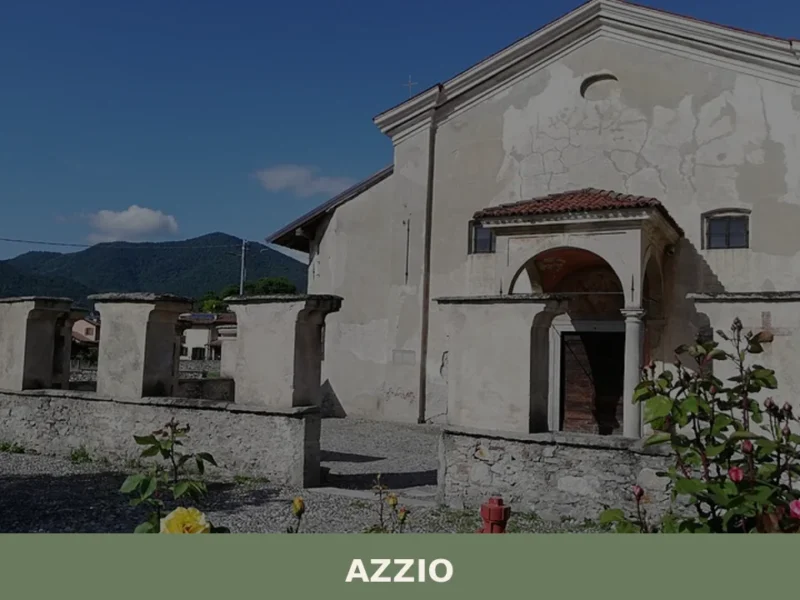
Visitors to Besozzo can extend their exploration to other nearby localities within the Varese province, including Azzio, which shares the region’s characteristic hilly terrain and historical charm.
Frequently asked questions about Besozzo
What is the best time to visit Besozzo?
Spring (April–June) and autumn (September–October) offer the most pleasant conditions for visiting Besozzo, with mild temperatures, clear skies, and excellent visibility over Lake Maggiore and the surrounding hills. Summer is ideal for longer days and outdoor walks, and culminates with the patron saint's feast of Sant'Alessandro di Bergamo on August 26, when the town comes alive with local traditions and celebrations. Winter is quieter but offers an intimate, unhurried atmosphere for exploring the historic center.
What are the historical origins of Besozzo?
Besozzo traces its origins to Roman times, when it was known as Besutium, indicating continuous settlement on the site. Its elevated position, commanding views over Lake Maggiore and the surrounding valleys, made it strategically important through the medieval period. A 10th-century castrum — a defensive nucleus — formed the kernel of the modern town. The influential Besozzi noble family, one of Lombardy's oldest, shaped the town's architecture and social fabric for centuries, lending their name to both the settlement and its principal palace.
What to see in Besozzo? Main monuments and landmarks
The key sights in Besozzo include: Palazzo Besozzi (the Castle), the town's most imposing landmark with its medieval core, Renaissance and Baroque additions, internal courtyard with porticoes, and frescoed rooms; the parish Church of Saints Alexander and Tiburtius, featuring a stone facade, marble altars, and decorated vaults; the Oratory of San Macario, preserving 15th–16th-century fresco cycles of notable artistic value; the Civic Tower, a medieval stone structure visible across the territory; and the historic center around Piazza della Repubblica, ideal for a leisurely walk through traditional alleys and courtyards.
What are the main natural or scenic attractions of Besozzo?
Besozzo sits at 240 metres on a hill in the Varese province, offering open views towards Lake Maggiore and the pre-Alpine valleys. The surrounding hillside landscape, with wooded areas and agricultural land, is well suited to walking and cycling. The nearby Valcuvia valley and the shores of Lake Maggiore — accessible within a short drive — extend the range of outdoor options. The natural setting is particularly rewarding in spring and autumn when the colours of the Lombard hills are at their most vivid.
Where to take the best photos in Besozzo?
The elevated position of Palazzo Besozzi (the Castle) provides one of the finest panoramic viewpoints in the town, with sweeping views over the surrounding hillside and towards Lake Maggiore. The Civic Tower, visible from multiple angles within the territory, makes a striking subject in its own right. The narrow alleys and decorated courtyard facades of the historic centre around Piazza della Repubblica offer excellent material for architectural photography, especially in the soft morning or late-afternoon light.
Are there museums, churches or historic buildings to visit in Besozzo?
Besozzo's main historic buildings open to visitors include Palazzo Besozzi, with its frescoed interior rooms and porticoed courtyard; the parish Church of Saints Alexander and Tiburtius, notable for its Baroque interior, marble altars, and vault frescoes; and the Oratory of San Macario, which preserves an important cycle of 15th–16th-century devotional frescoes. For current opening times and any admission details, it is advisable to check directly with the Municipality of Besozzo or the local pro loco, as hours may vary seasonally.
What can you do in Besozzo? Activities and experiences
Visitors to Besozzo can explore the historic centre on foot, visiting its medieval palace, parish church, and oratory frescoes. The hillside setting lends itself to leisurely walks through the surrounding countryside with views towards Lake Maggiore. The patron saint's feast on August 26 is a highlight of the local calendar, offering an authentic experience of Lombard village traditions. Food lovers can seek out local specialities in town restaurants, while the proximity to Lake Maggiore and the Valcuvia valley provides easy access to broader cycling and nature itineraries.
Who is Besozzo suitable for? Families, couples, hikers, solo travelers?
Besozzo suits a wide range of visitors. Couples and culture travellers will appreciate the historic architecture, frescoed interiors, and peaceful village atmosphere. Families can enjoy gentle hillside walks, open viewpoints, and the festive atmosphere of the August patron saint celebration. Hikers and cyclists find a good base for exploring the Valcuvia valley and the Lake Maggiore shore. Solo travellers and photography enthusiasts are well served by the town's compact, walkable historic centre and its panoramic position in the Varese hills.
What to eat in Besozzo? Local products and specialties
Besozzo's table reflects the traditions of Varese cuisine. Signature dishes include risotto with luganega (a local fresh sausage), brasato al vino rosso with polenta, and preparations of lake fish such as perch and tench from Lake Maggiore. Notable local products include Formaggella del Luinese DOP, a goat or mixed-milk cheese from the nearby Luinese area, and Miele Varesino DOP honey in several botanical varieties. Traditional desserts include Miascia, a rustic cake of stale bread, fruit, and milk, and various chestnut-based sweets typical of the hilly terrain.
📷 Photo Gallery — Besozzo
Nearby Villages near Besozzo
In Lombardy More villages to discover
Abbadia Lariana
 Lake
Lake
Discover what to see in Abbadia Lariana, a lakeside village on Lake Como in Lecco province. History, attractions, food, travel tips and how to get there.
Adrara San Martino
Hills
What to see in Adrara San Martino? Discover the 5 must-see attractions of this Lombard village. The complete guide for your visit. Plan your trip!
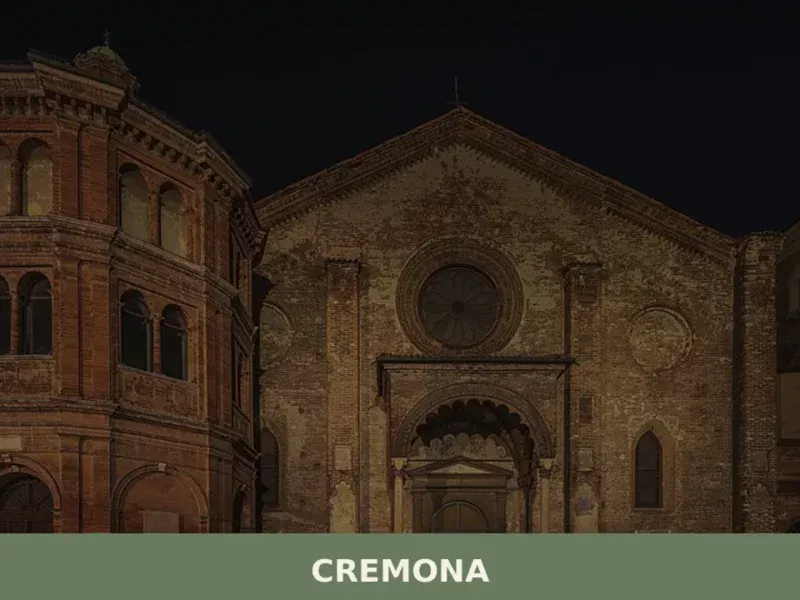
Cremona
 Plains
What to see in Cremona? With a population of 70,637, this city of lutherie offers the iconic Torrazzo and Violin Museum. Explore our guide.
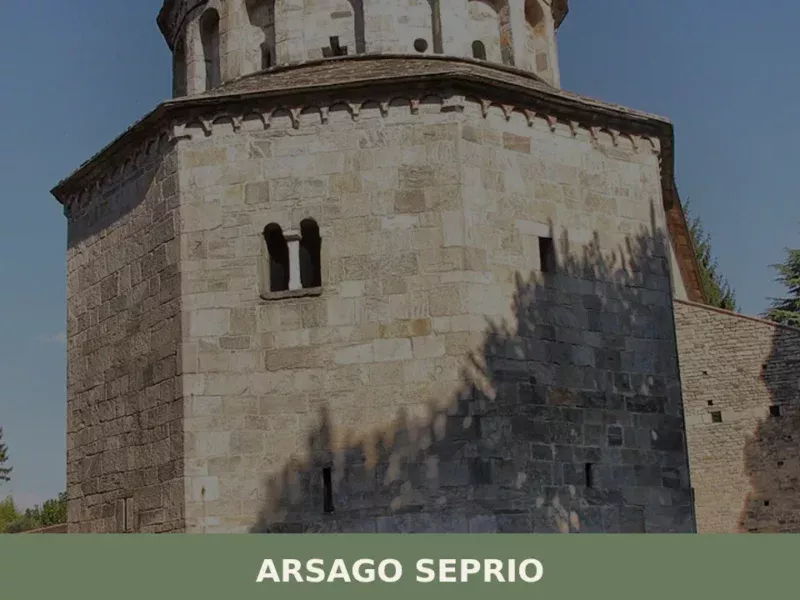
Arsago Seprio
Hills
In Arsago Seprio, located in the province of Varese, the ancient Basilica of San Vittore Maggiore features structures dating back to the 9th century, indicating continuous settlement rooted in Roman times. This specific detail introduces a village of 4,869 inhabitants, located 290 meters above sea level, where historical layering is a tangible element. For those […]
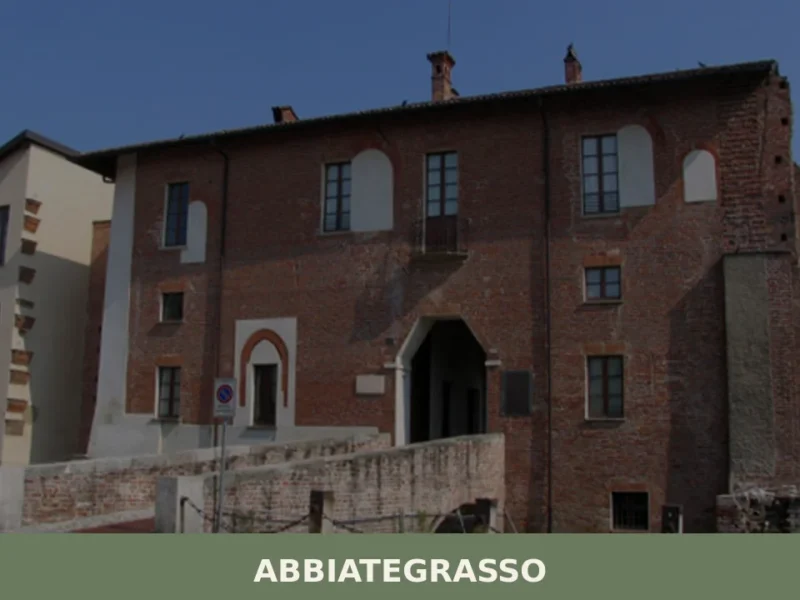
Abbiategrasso
Plains
Discover what to see in Abbiategrasso: a Visconti castle, a Renaissance church portico, the Naviglio Grande canal, and the Ticino valley park in Lombardia.
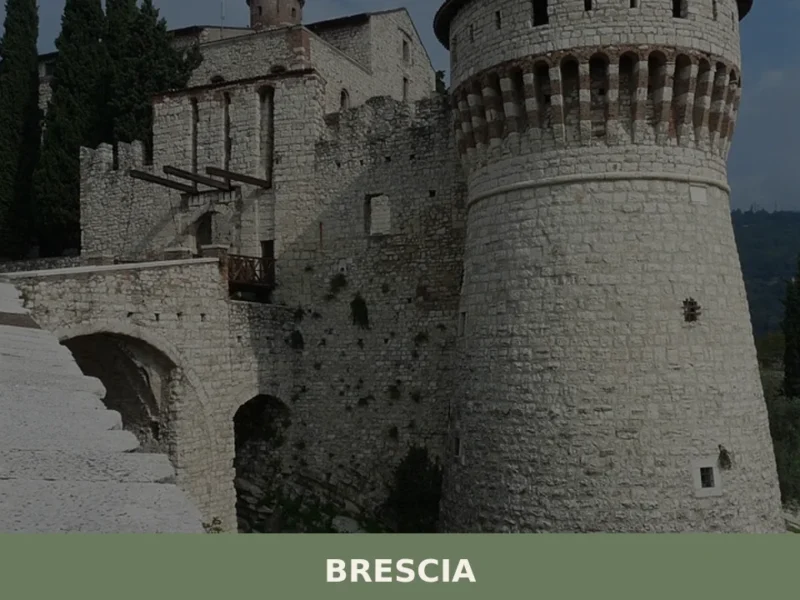
Brescia
Plains
In 1826, during the excavation of a house’s foundations on Via Musei, the Winged Victory emerged from the ground — a Roman bronze from the 1st century AD, nearly two metres tall, and the symbol of a city that has layered twenty-five centuries of history upon itself. Anyone wondering what to see in Brescia today […]

Milano
Plains
Over 1.3 million residents and 2,600 years of history make Milano Lombardia one of Europe's most compelling destinations. Art, opera, fashion and extraordinary food await every visitor.
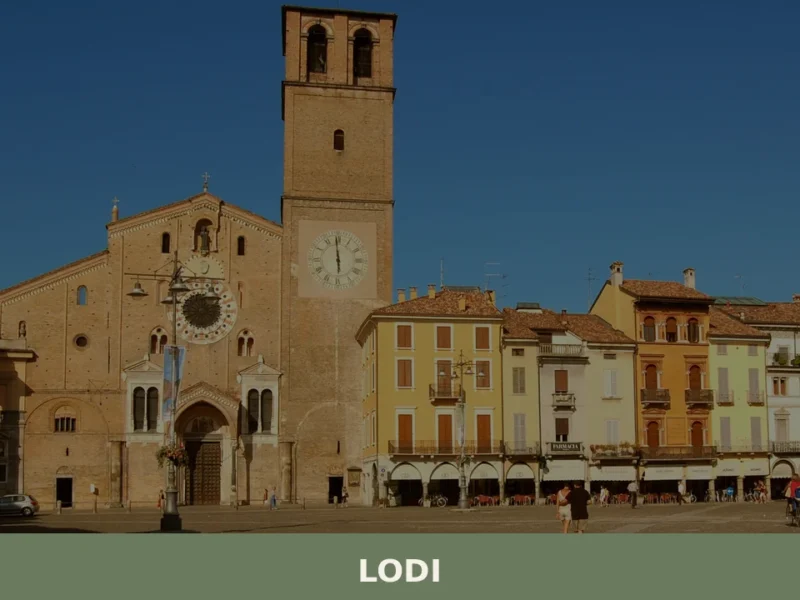
Lodi
Plains
What to see in Lodi, Italy: Discover its 1454 Treaty legacy and 1796 Battle site. Explore this Lombard city, 87 m (285 ft) above sea level, for a unique historical day trip.
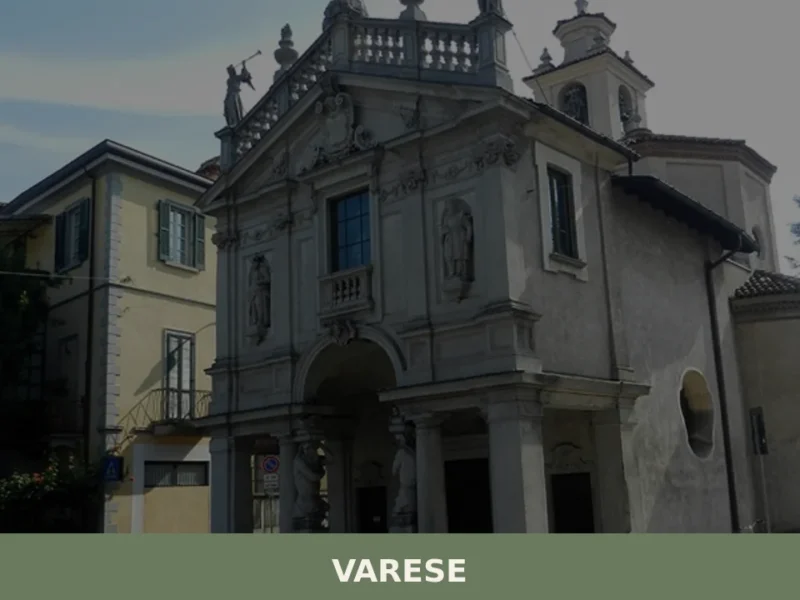
Varese
Hills
Lake
Varese, a Lombard city with a population of 78,409 inhabitants, stands at 382 m above sea level and is distinguished by its strategic position between lakes and pre-Alps. This locality, capital of the eponymous province, offers a rich historical and natural heritage that attracts numerous visitors every year. In this article History and Origins of […]
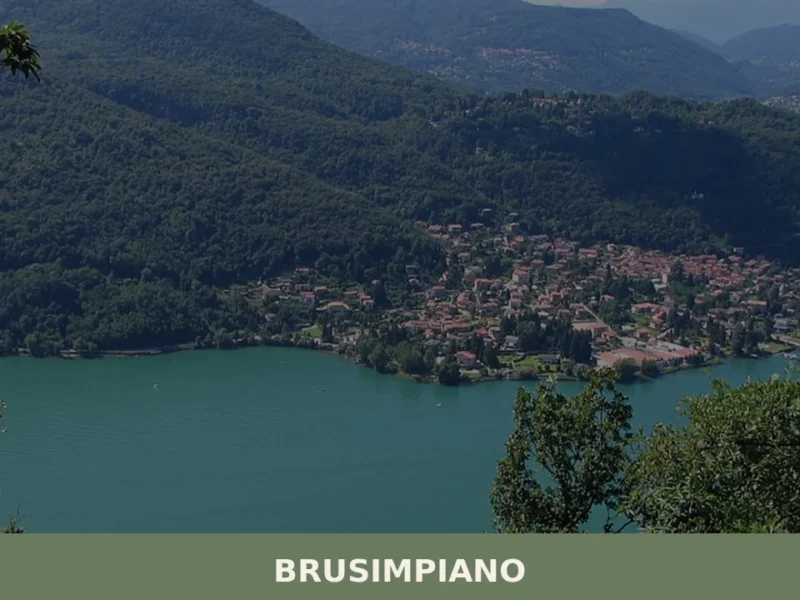
Brusimpiano
Hills
Lake
What to see in Brusimpiano: 1,229 inhabitants, 289m above Lake Lugano. Discover the Church of the Nativity, lakeside promenade and nature trails. Plan your visit now.






🏡 Know Besozzo better than we do?
If you’re a local or have been there, your knowledge matters: add what’s missing or fix a detail on this page.