


Arcisate
 Hills
Hills
What to see in Arcisate, Italy: Discover Roman history and hillside views at 372 m a.s.l. Explore the village’s main church and its unique past.
Discover Arcisate
At an elevation of 372 m (1,220 ft) above sea level, Arcisate sits among the gentle hills of the Varese province in Lombardy. This position provides a distinctive perspective on the surrounding landscape, characterized by undulations and the distant outlines of the Prealps. The village, a comune with 9,933 inhabitants, reflects the quiet rhythm of northern Italian rural life.
For those searching for what to see in Arcisate, the village presents a rich historical backdrop, including the site where an important Roman silver treasure was unearthed in the nineteenth century.
Visitors to Arcisate find a blend of archaeological significance and local traditions, centered around its patron saint, Vittore il Moro, whose feast day is celebrated annually on 8 maggio. The Arcisate highlights include exploring its historical core and appreciating the natural hillside environment.
History of Arcisate
The history of Arcisate is marked by a significant archaeological find that points to its deep Roman roots. In the nineteenth century, a celebrated collection of Roman silverware, known as the Arcisate Treasure, was discovered within the town’s boundaries. This discovery provides concrete evidence of Roman presence and activity in this part of Lombardy, suggesting a settlement of some importance during antiquity. The treasure, now a key exhibit in the British Museum, offers a tangible link to the lives and material culture of people who inhabited Arcisate many centuries ago.
Following the Roman era, the territory encompassing Arcisate, Lombardia, Italy, evolved through various historical phases, typical of northern Italy.
The region experienced the influence of Germanic tribes, the Lombard kingdom, and later the fragmentation into feudal lordships and eventually the consolidation under larger regional powers. The designation of Arcisate as a comune reflects its long-standing administrative identity and its role as a local center within the broader province of Varese. Over centuries, the village maintained its character as an agricultural and residential hub, adapting to changes in governance and economy.
In more recent times, Arcisate has continued to develop as a residential community within the modern Italian state, retaining its unique character while integrating into the economic and social fabric of Lombardy. Its location in the province of Varese places it within a dynamic area, balancing natural landscapes with urban development. The village’s enduring identity as a comune with a population of 9,933 inhabitants underscores its continued vitality and self-governance, offering visitors a clear sense of what to see in Arcisate today.
The legacy of finds like the Roman silverware contributes to the distinct historical narrative of Arcisate, distinguishing it within the region.
What to see in Arcisate, Lombardia: top attractions
The Arcisate Treasure Discovery Site
One of the most historically significant aspects of Arcisate is the site where the renowned Arcisate Treasure was found in the nineteenth century. Although the Roman silverware itself is now housed in the British Museum, the location within the village remains an important marker of its ancient past. This discovery highlights the presence of a prosperous Roman settlement here, whose inhabitants possessed luxury items. Exploring the historical core of Arcisate allows visitors to connect with the ground that yielded such a remarkable archaeological find.
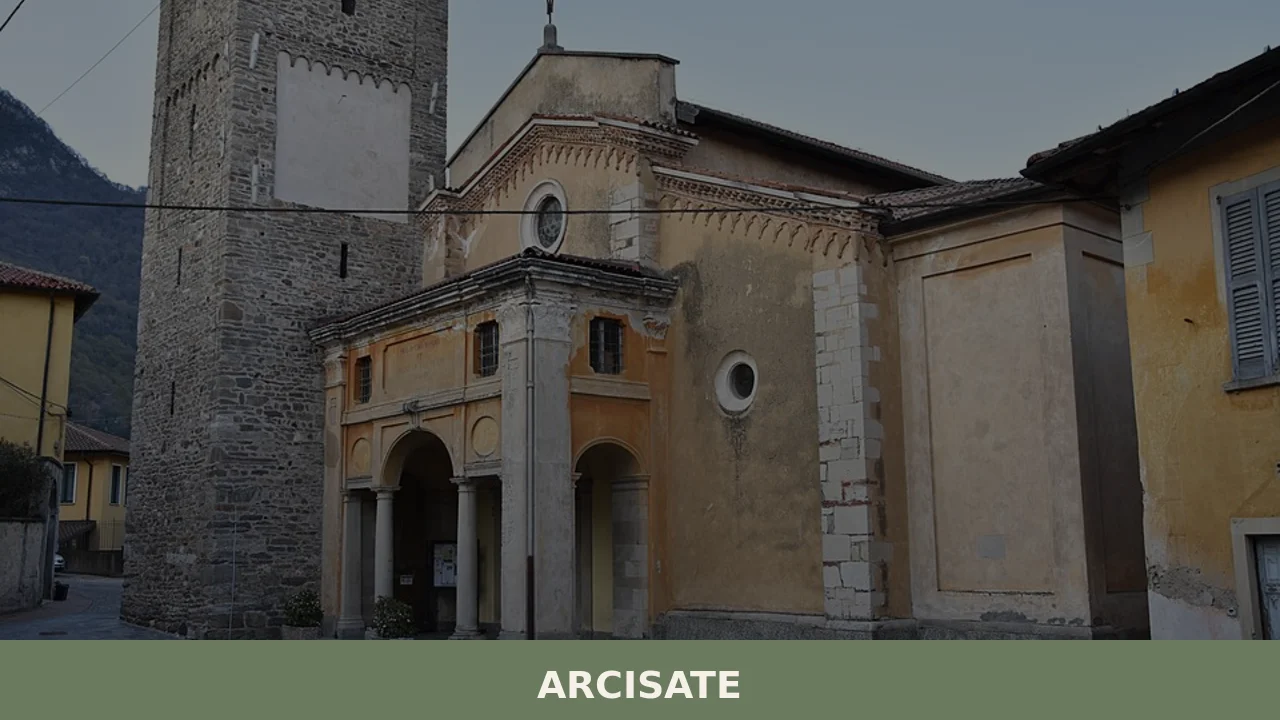
Chiesa di San Vittore Martire
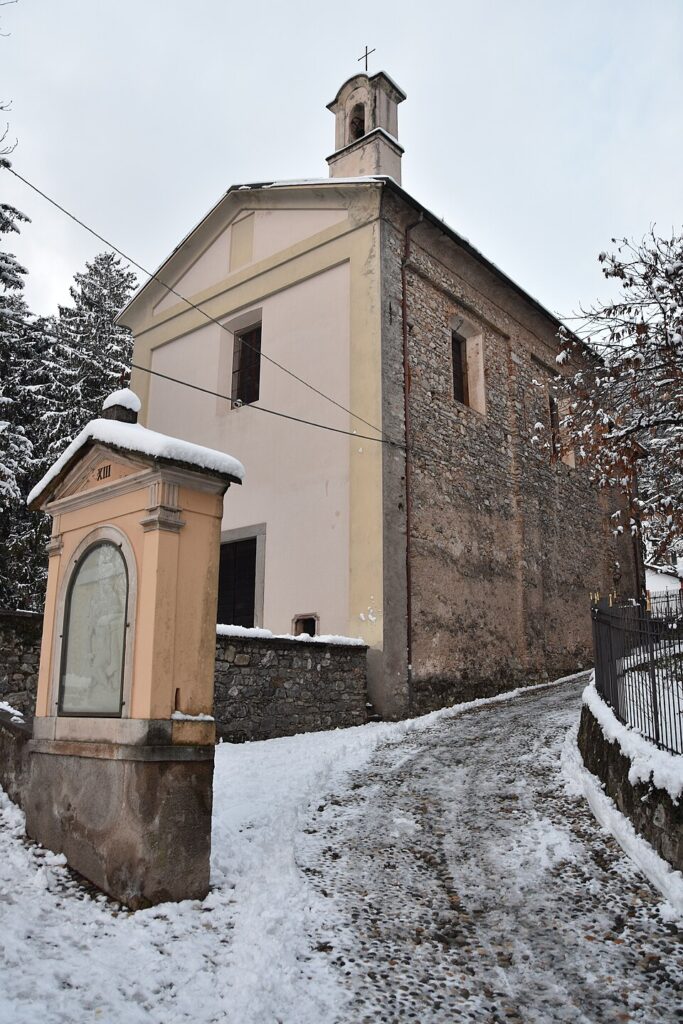
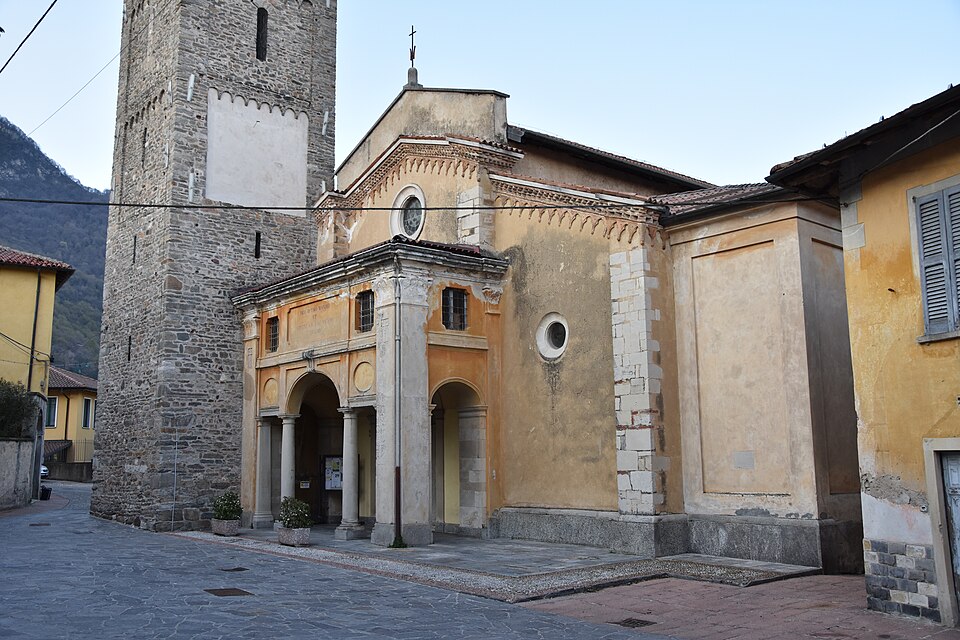
The spiritual heart of Arcisate is undoubtedly the Chiesa di San Vittore Martire, dedicated to the village’s patron saint, Vittore il Moro. While specific architectural details are not documented in available sources, its role as the primary parish church signifies its central importance to the community. Such churches in Lombardy often feature a blend of historical styles and serve as gathering points for religious ceremonies and local celebrations.
Visitors can appreciate its prominence in the village landscape and understand its enduring significance for the local population.
The Collina Landscape
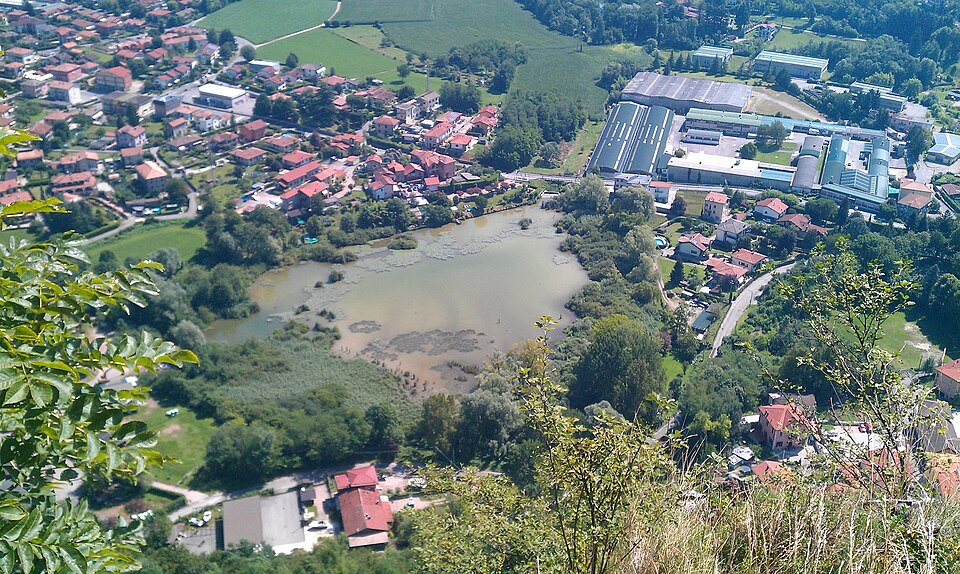
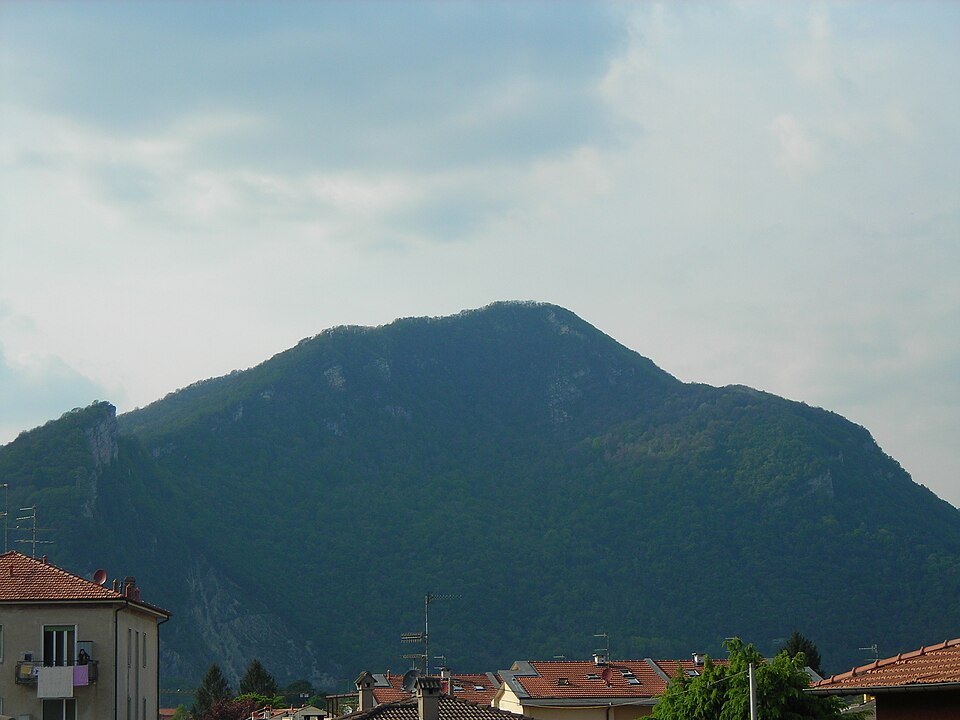
Arcisate’s geographical designation as a collina, or hillside village, defines much of its scenic appeal and offers insights into what to see in Arcisate from a natural perspective. Situated at 372 m (1,220 ft) above sea level, the village is surrounded by gently rolling terrain typical of the Varese province. These hills provide opportunities for tranquil walks along local paths, offering views across the Lombard plain and towards the pre-alpine foothills. The natural environment invites visitors to experience the quieter side of northern Italy, away from more bustling urban centers.
Arcisate’s Residential Fabric
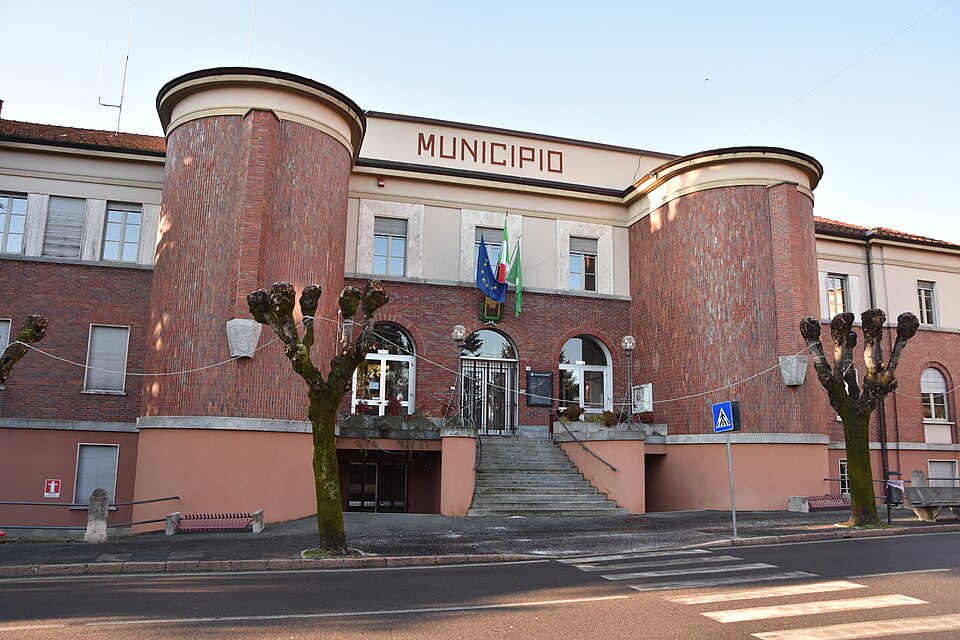
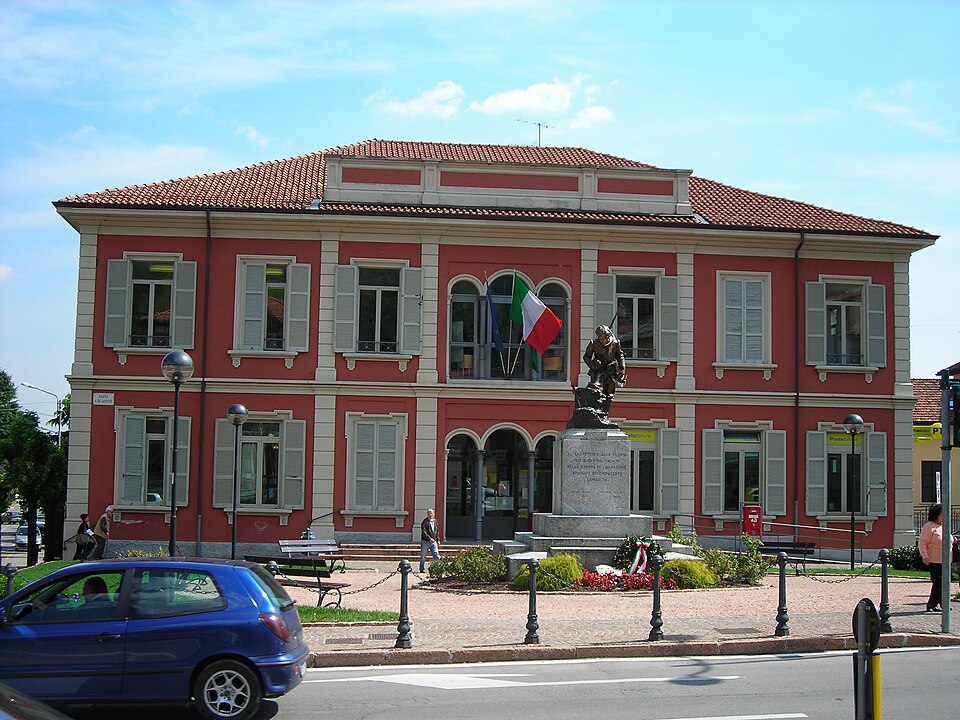
The residential fabric of Arcisate, home to 9,933 inhabitants, offers a glimpse into typical Lombard village architecture and daily life. Walking through the streets, visitors observe the characteristic buildings that have evolved over centuries, reflecting regional construction styles using local materials. While not a collection of grand monuments, the village’s layout and the individual homes tell a story of community and continuity.
This provides a tangible sense of place, contrasting with the more dramatic landscapes found elsewhere in Lombardy, such as the shores of Sirmione.
The Varese Province Surroundings
Positioned within the province of Varese, Arcisate serves as a gateway to exploring the wider Lombardian landscape, particularly its renowned lakes and pre-alpine areas. While Arcisate itself is a hillside village, its proximity to larger natural attractions makes it a strategic point for regional excursions. The province is known for its diverse scenery, from the shores of Lake Varese to the forested slopes, providing varied options for outdoor activities. This broader geographical context enriches the experience of those seeking what to see in Arcisate and its immediate vicinity.
Local food and typical products of Arcisate
While specific culinary traditions unique to Arcisate are not detailed in available sources, the village, like many in the province of Varese, shares in the rich gastronomic heritage of Lombardy. This regional cuisine is characterized by its hearty and comforting nature, often influenced by its agricultural landscape and historical ties to both the plains and the pre-alpine areas. Staples include rice, polenta, various cheeses, and cured meats. The cooking often prioritizes robust flavors derived from local produce and traditional farming practices, creating a distinct culinary identity across the region.
Visitors to Arcisate can expect to find dishes representative of Lombard cooking, prepared with care and attention to local ingredients.
Common examples include various risottos, particularly Risotto alla Milanese with saffron, and rich meat stews like Ossobuco. Pasta dishes, while less dominant than in other Italian regions, are also present, often featuring robust sauces. The use of butter is more prevalent than olive oil in many traditional Lombard recipes, reflecting a culinary approach distinct from central and southern Italy.
Information regarding certified products (such as DOP or IGP designations) specifically originating from Arcisate is not available in the provided sources. However, the broader Lombardy region boasts numerous acclaimed products that visitors may encounter in local markets or restaurants. These often include a variety of cheeses like Grana Padano (DOP) or Taleggio (DOP), as well as cured meats such as Salame Brianza (DOP). While not exclusive to Arcisate, these regional specialties offer a taste of the wider Lombardian culinary landscape.
Specific food fairs or markets held within Arcisate are not documented in the provided information.
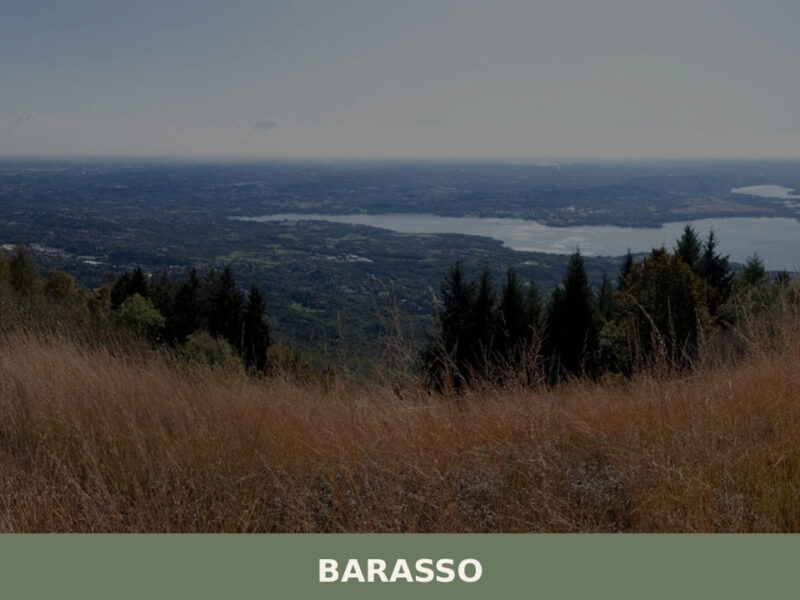
However, many Italian villages, including those in the Varese province, host weekly markets where fresh produce, local cheeses, and other regional goods are sold. Seasonal festivals, known as sagre, often celebrate specific agricultural products or traditional dishes in nearby communities throughout the year. Visitors interested in local gastronomy are encouraged to inquire about such events in neighboring towns, such as Barasso, which might offer similar culinary experiences.
Festivals, events and traditions of Arcisate
The most significant annual event in Arcisate is the celebration of its patron saint, Vittore il Moro, observed on 8 maggio. This festa patronale is a deeply rooted tradition in Italian village life, blending religious observance with community festivity. Typically, the day involves solemn religious services at the Chiesa di San Vittore Martire, often followed by a procession through the village streets, where a statue or relic of the saint is carried.
These events serve to reinforce local identity and communal bonds, drawing residents together for shared reflection and celebration.
Beyond the religious ceremonies, the feast day for Vittore il Moro often includes secular activities such as local markets, musical performances, and communal meals, though specific details for Arcisate are not documented. These traditions provide visitors with an authentic glimpse into the cultural rhythms of a Lombard village. Such annual events are vital for preserving local customs and offer a chance to experience the communal spirit that defines many smaller Italian towns, making the 8 maggio a particularly engaging time to visit Arcisate, Lombardia, Italy.
When to visit Arcisate, Italy and how to get there
The best time to visit Arcisate, and indeed much of Lombardia, is during the spring (April to June) and autumn (September to October) months. During these periods, the climate is typically mild and pleasant, making it ideal for exploring the village and its surrounding hillside (collina) landscape. The summer months can be warm, while winters are generally cold and damp. Arcisate’s terrain, at an altitude of 372 m (1,220 ft), features gentle slopes, making it relatively accessible for most visitors, though comfortable footwear is always advisable for exploring historical centers.
Arcisate is well-connected for those planning a day trip from nearest major city hubs like Milan.
By car, it is approximately 60 km (37 mi) northwest of Milan, reachable via the A8 Autostrada dei Laghi, exiting towards Varese and then following signs. For public transport, Arcisate has its own train station, serviced by regional lines connecting to Varese and onward to Milan, making it accessible for those preferring not to drive. The journey from Milan Centrale to Arcisate via Varese can take around 1 hour and 15 minutes. The nearest major international airport is Milan Malpensa Airport (MXP), located approximately 30 km (18.6 mi) south of Arcisate, a drive of about 30-40 minutes.
For international visitors planning their trip, Arcisate offers a peaceful retreat with good connectivity to larger urban centers and natural attractions. While major credit cards are widely accepted, carrying some Euros cash can be useful for smaller shops or local markets. English may be limited in smaller establishments, so having a few basic Italian phrases can enhance interactions.
Exploring neighboring villages like Arcisate’s official municipality website offers further local information, and nearby Azzate also provides an opportunity to delve deeper into the local culture and landscape of the Varese province.
Frequently asked questions about Arcisate
What is the best time to visit Arcisate?
Spring and autumn offer the most pleasant conditions for visiting Arcisate, with mild temperatures ideal for walking in the Pissaboda Valley and exploring the hillside paths. The most significant local event is the patron saint's feast on May 8th, dedicated to Saint Victor the Moor (San Vittore il Moro), when the village hosts traditional celebrations and community events — making early May a particularly lively time to visit. Summer is also suitable, with pre-Alpine altitudes keeping temperatures moderate for outdoor activities.
What are the historical origins of Arcisate?
Arcisate has Roman-era roots, with its name possibly derived from Arx Isatis, suggesting an ancient stronghold near the river Isatis. By the 9th century, Lombard documents already recorded it as the center of a pieve — an ecclesiastical district with authority over a wide surrounding area. During the Middle Ages, powerful Milanese families including the Torriani and Visconti competed for control of the village. From the 19th century onward, industrialization — particularly a cement factory and textile mills — significantly transformed its economy and landscape.
What to see in Arcisate? Main monuments and landmarks
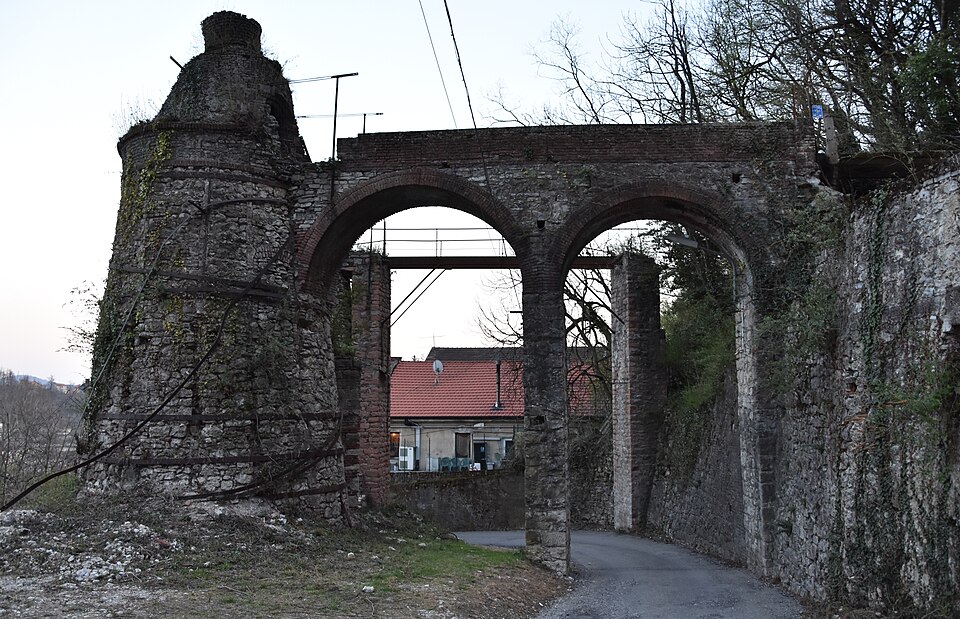
The five main points of interest in Arcisate are: the Pieve di San Vittore, a Romanesque church with 11th–12th century foundations dedicated to the village's patron saint; Palazzo Sessa-Cicogna, a historic noble residence; the Civic Tower, a landmark of the town center; the Pissaboda Valley, a natural wooded area ideal for walks along a stream; and the Mulino del Gaggio, a historic mill that documents the pre-industrial hydraulic economy of Valceresio. Specific opening hours and admission fees are not officially published — checking with the Municipality of Arcisate before visiting is recommended.
What are the main natural or scenic attractions of Arcisate?
The Pissaboda Valley is the main natural attraction near Arcisate, offering a wooded trail along a stream through the pre-Alpine landscape of Valceresio. The hillside setting of the village at 372 meters above sea level also provides scenic views over the surrounding territory. The area is characterized by vegetation and fauna typical of the Varese pre-Alps, making it well suited for easy nature walks and birdwatching in spring and autumn when flora and foliage are at their most vivid.
Who is Arcisate suitable for? Families, couples, hikers, solo travelers?
Arcisate is well suited for a diverse range of visitors. Families and nature lovers will appreciate the easy walks in the Pissaboda Valley and the accessible hillside environment. History and architecture enthusiasts will find value in the Pieve di San Vittore, Palazzo Sessa-Cicogna, and the industrial heritage of Valceresio. Couples seeking a quiet pre-Alpine retreat away from major tourist crowds will enjoy its calm atmosphere. Its position — roughly 10 km from Varese and 60 km from Milan — also makes it an ideal day-trip destination for travelers already exploring the broader Varese area.
What to eat in Arcisate? Local products and specialties
Arcisate's food tradition reflects the broader Varese pre-Alpine culinary heritage. Key dishes include risotto con il pesce persico (risotto with perch from nearby lakes) and polenta e bruscitti, a slow-cooked finely chopped beef stew served with polenta. Noteworthy local products from the surrounding area include Asparago di Cantello IGP (Cantello Asparagus PGI), Miele Varesino DOP (Varese Honey PDO) in multiple floral varieties, luganega fresh pork sausage, and local fresh or aged cheeses from area farms. Farmers' markets and local agriturismi are good places to source these products.
📷 Photo Gallery — Arcisate
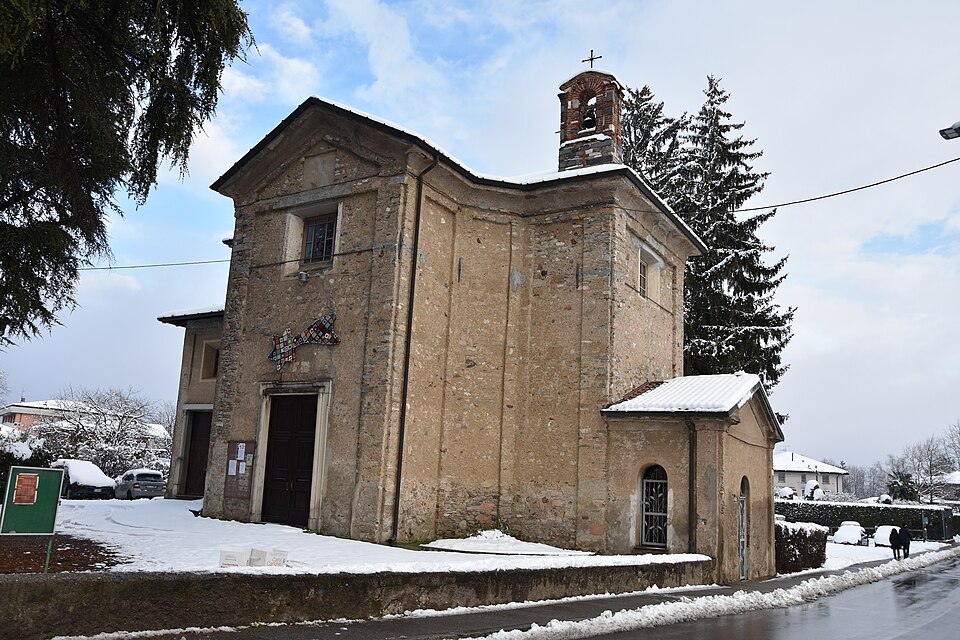
Nearby Villages near Arcisate
In Lombardy More villages to discover
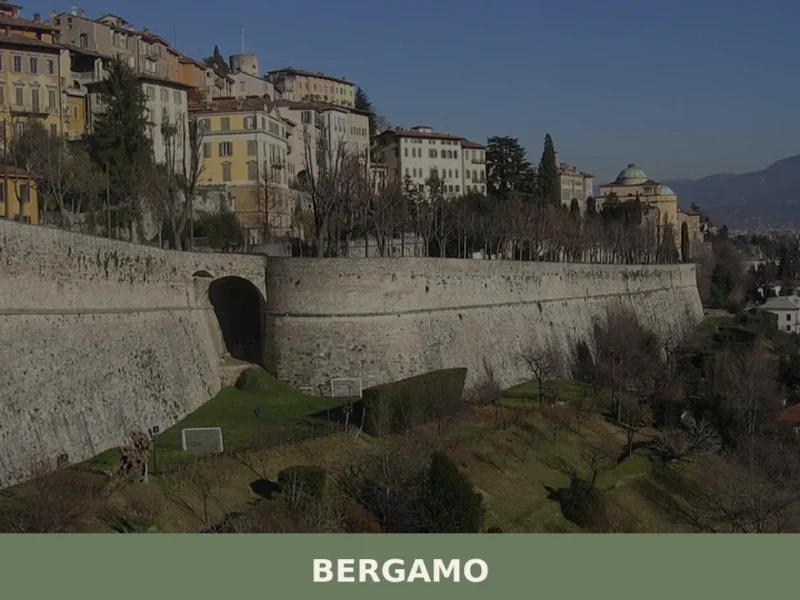
Bergamo
Hills
What to see in Bergamo? With 119,534 inhabitants, the city is famous for its Venetian Walls and Piazza Vecchia. Discover its rich history and typical dishes.
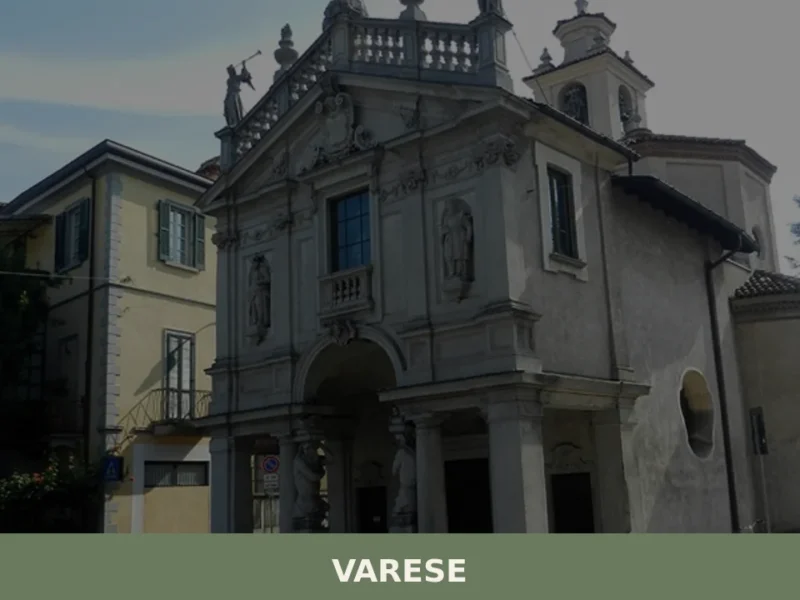
Varese
Hills
 Lake
Lake
Varese, a Lombard city with a population of 78,409 inhabitants, stands at 382 m above sea level and is distinguished by its strategic position between lakes and pre-Alps. This locality, capital of the eponymous province, offers a rich historical and natural heritage that attracts numerous visitors every year. In this article History and Origins of […]
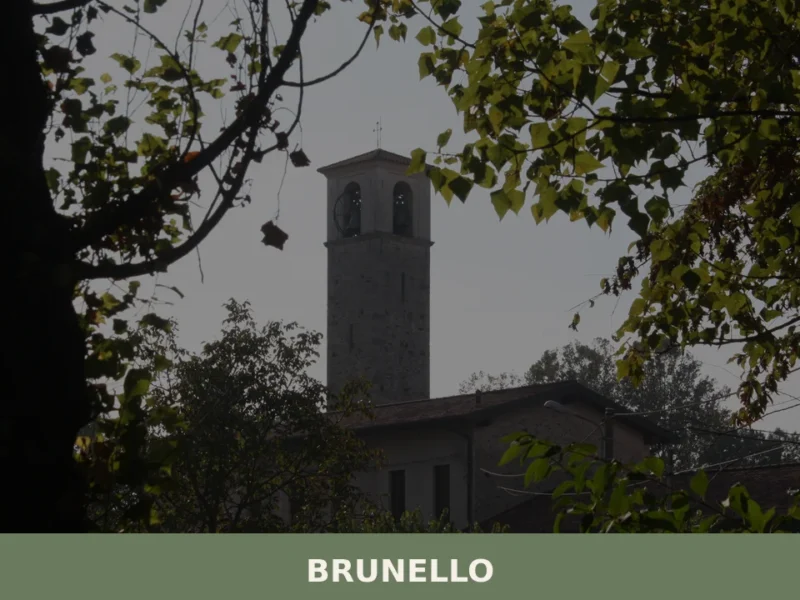
Brunello
Hills
What to see in Brunello, a village of 1,022 people in the province of Varese. Visit the Parish Church of San Giorgio, the Civic Tower and the Roggia Mulinara Trail. Plan your visit now.
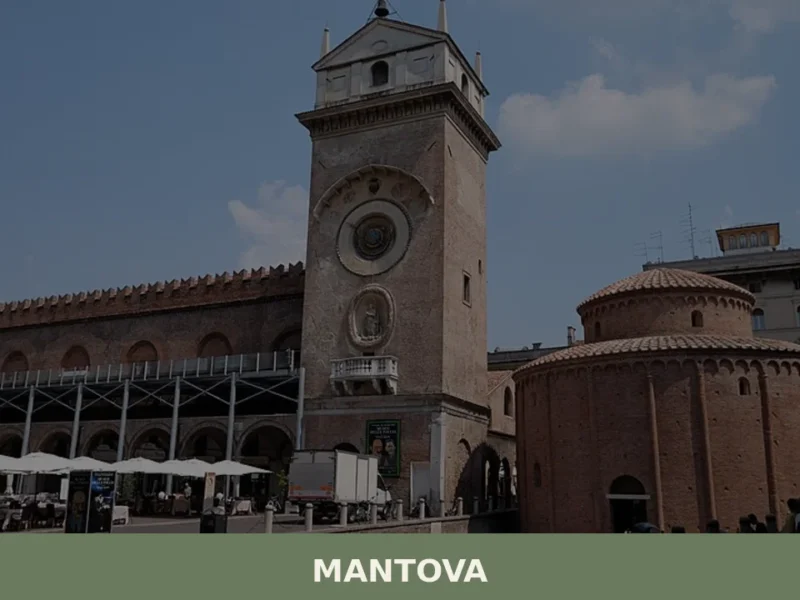
Mantova
 Plains
what to see in mantova. A UNESCO heritage village with 48,653 inhabitants. Explore Palazzo Ducale and taste the famous Pumpkin Tortelli.
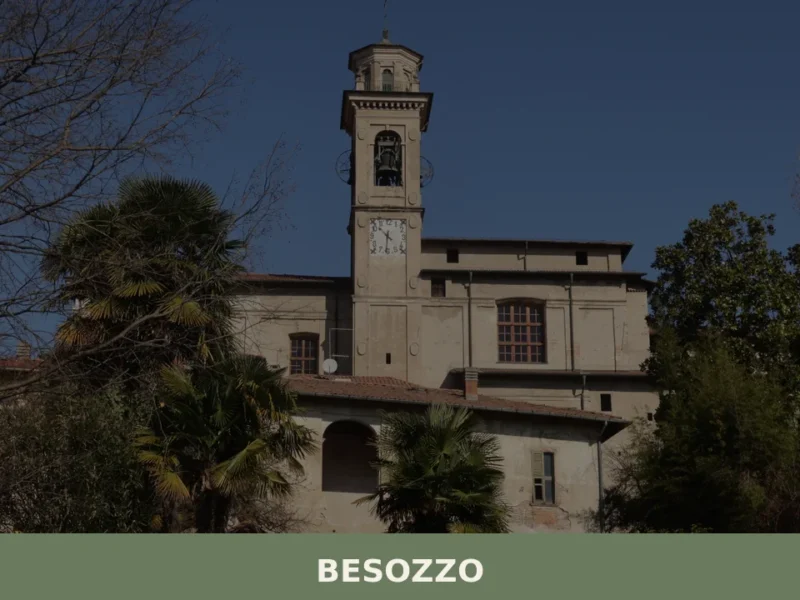
Besozzo
Hills
What to see in Besozzo, Italy: Explore the historic upper village (240 m a.s.l.), its noble Palazzi, and proximity to Lago Maggiore. Discover this Lombardian gem.
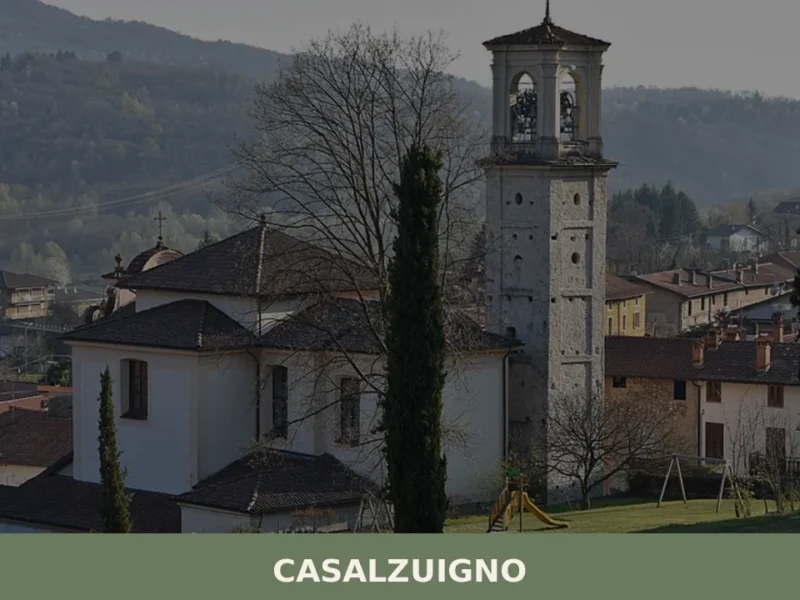
Casalzuigno
Hills
Cosa vedere a Casalzuigno: borgo a 350m nel Varesotto con Villa della Porta Bozzolo (FAI), chiesa di San Vittore e Parco Campo dei Fiori. Guida completa.
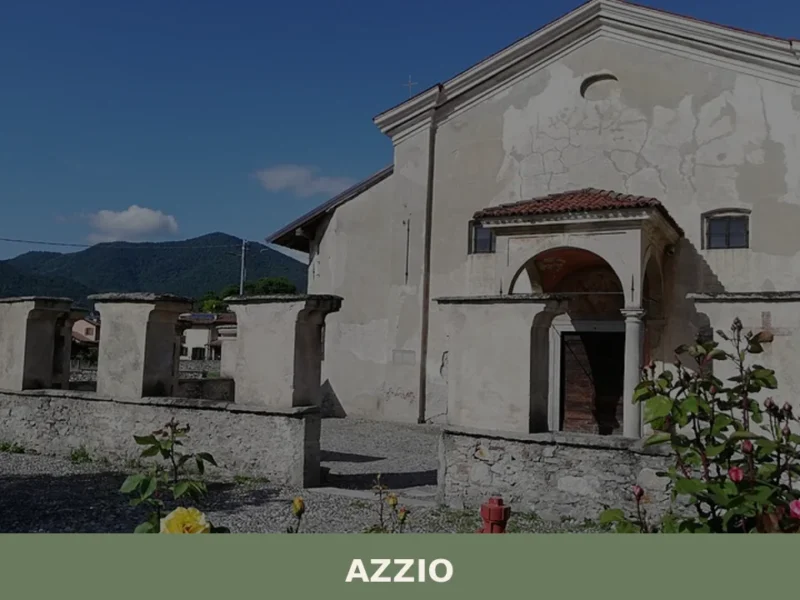
Azzio
Hills
What to see in Azzio: discover attractions like the Parish Church and the Path of the Rocks. Explore Azzio now!

Dalmine
Plains
7 historic hamlets merged into one municipality. Dalmine offers Roman foundations, a fascist-era urban plan and remarkable World War II air-raid shelters.
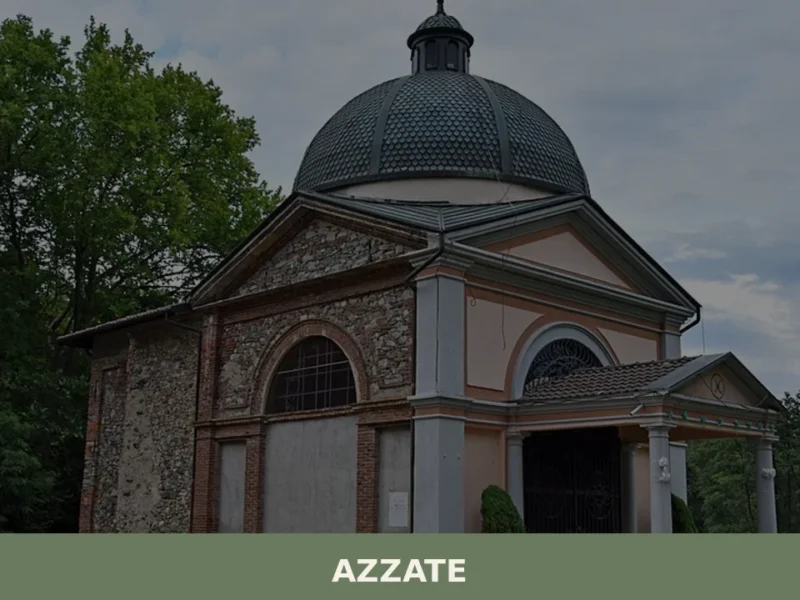
Azzate
Hills
Lake
What to see in Azzate? Discover 5 must-see attractions. Explore the Church of Sant'Andrea and the Belvedere. Book your visit now!

Cassano Magnago
Hills
Over 21,000 residents and a documented history stretching back to 1152. Cassano Magnago rewards visitors with a medieval castle, four ancient churches and a rich civic past.
🧀 Italian traditional products



🏡 Know Arcisate better than we do?
If you’re a local or have been there, your knowledge matters: add what’s missing or fix a detail on this page.