


Arsago Seprio
 Hills
Hills
In Arsago Seprio, located in the province of Varese, the ancient Basilica of San Vittore Maggiore features structures dating back to the 9th century, indicating continuous settlement rooted in Roman times. This specific detail introduces a village of 4,869 inhabitants, located 290 meters above sea level, where historical layering is a tangible element. For those […]
Discover Arsago Seprio
In Arsago Seprio, located in the province of Varese, the ancient Basilica of San Vittore Maggiore features structures dating back to the 9th century, indicating continuous settlement rooted in Roman times. This specific detail introduces a village of 4,869 inhabitants, located 290 meters above sea level, where historical layering is a tangible element. For those who want to understand what to see in arsago seprio, the journey begins with its founding and the archaeological evidence that outlines its past, a narrative marked by centuries of human presence and architectural transformations. Arsago Seprio offers insight into how communities developed in the Lombard Prealps region.
History and Origins of Arsago Seprio
The origins of Arsago Seprio are set within a long historical context. The name “Seprio” derives from Sibrium, an important Roman settlement and the administrative center of a territorial district already in the imperial era. This area, strategically positioned along ancient communication routes, maintained its importance even during the Lombard period. Traces of this era are still visible, with archaeological finds confirming the presence of a fortified castrum, a center of power and control over the surrounding territory. Historical documentation mentions Arsago as early as the 9th century, a period when its basilica took on a prominent role.
Over the centuries, Arsago Seprio maintained its function as a local center, influenced by the events of the Duchy of Milan and,
Frequently asked questions about Arsago Seprio
What is the best time to visit Arsago Seprio?
Spring and early autumn offer the most pleasant conditions for visiting Arsago Seprio, with mild temperatures and clear skies that suit outdoor exploration and photography of its historic monuments. A particularly meaningful time to visit is around 8 May, the feast day of San Vittore il Moro, the village patron, when local celebrations animate the town center. Summer is warm but manageable at 290 meters above sea level. Winter visits are quieter and ideal for those seeking a contemplative experience of the Lombard Prealps landscape.
What are the historical origins of Arsago Seprio?
Arsago Seprio takes its name from Sibrium, a documented Roman settlement and administrative hub of the ancient territory of Seprio. The area retained strategic importance through the Lombard period, with archaeological evidence of a fortified castrum. The village is recorded in historical sources from the 9th century, when the Basilica of San Vittore Maggiore was already a prominent local landmark. This layered history — Roman, Lombard, and medieval — makes Arsago Seprio one of the most historically significant small villages in the province of Varese.
What to see in Arsago Seprio? Main monuments and landmarks
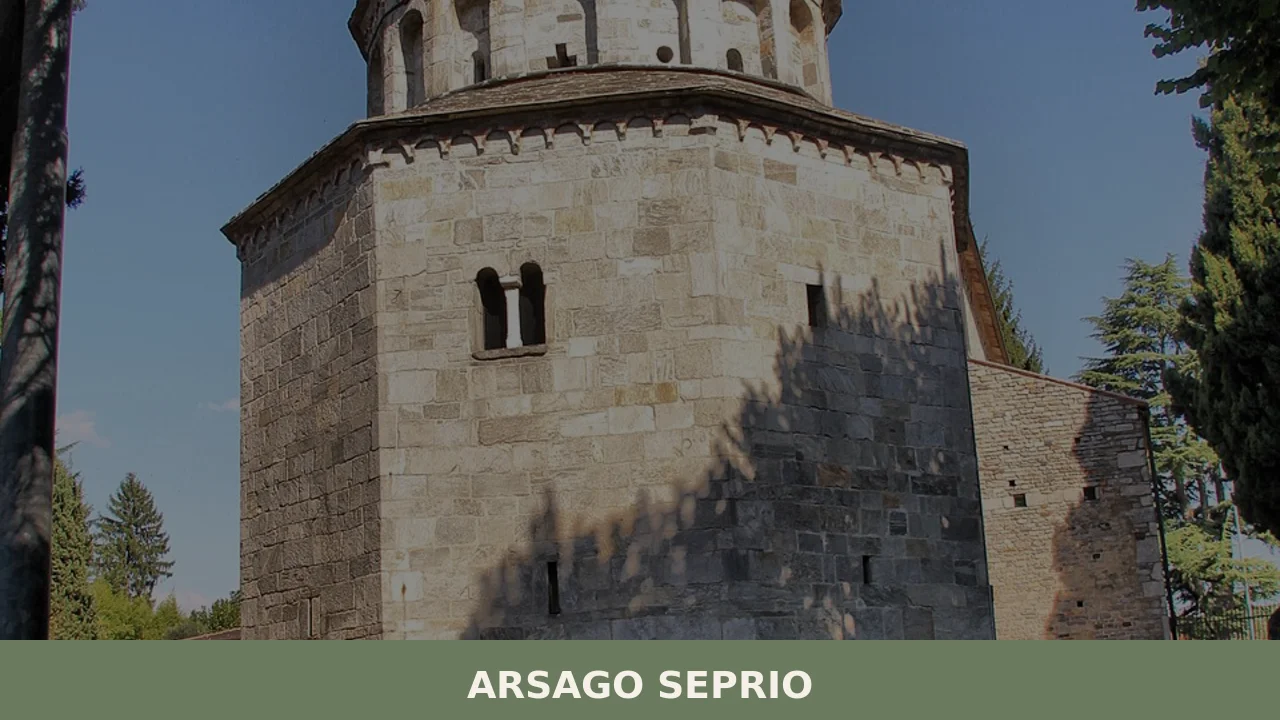
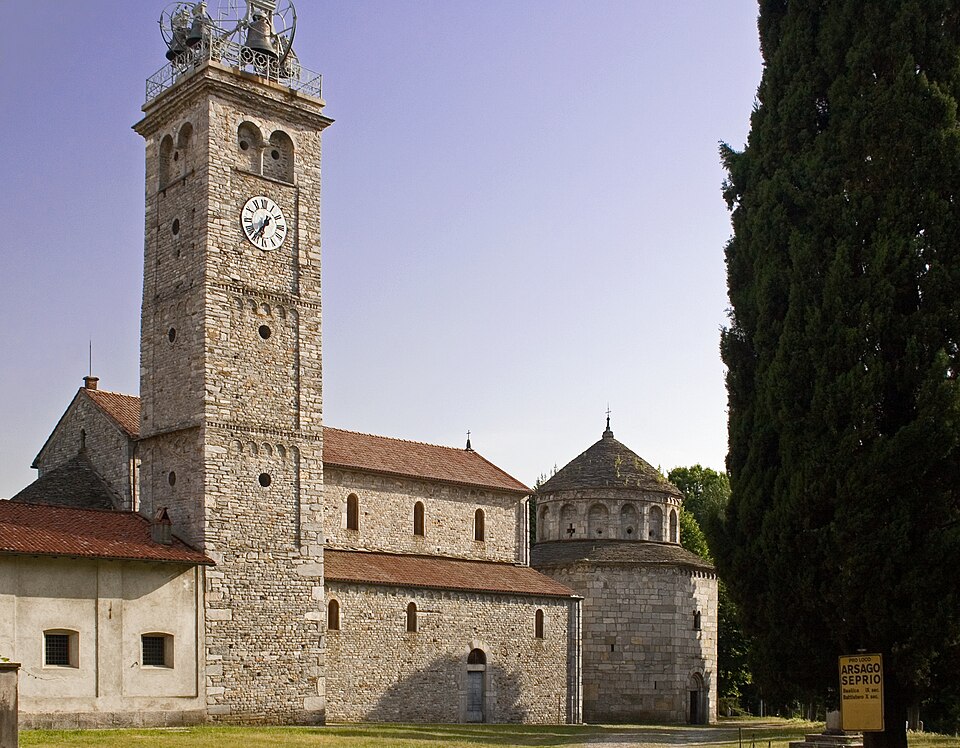
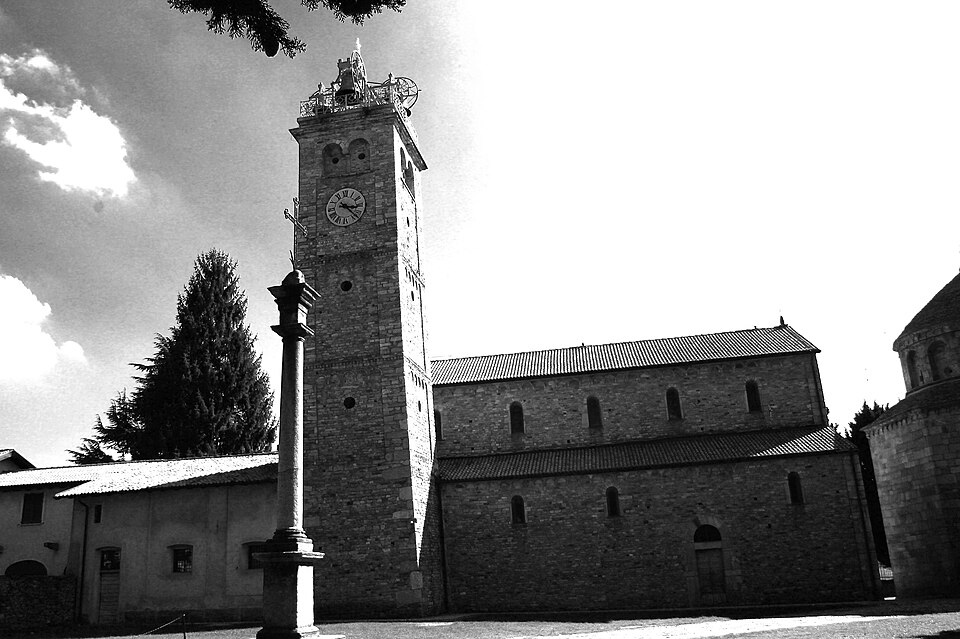
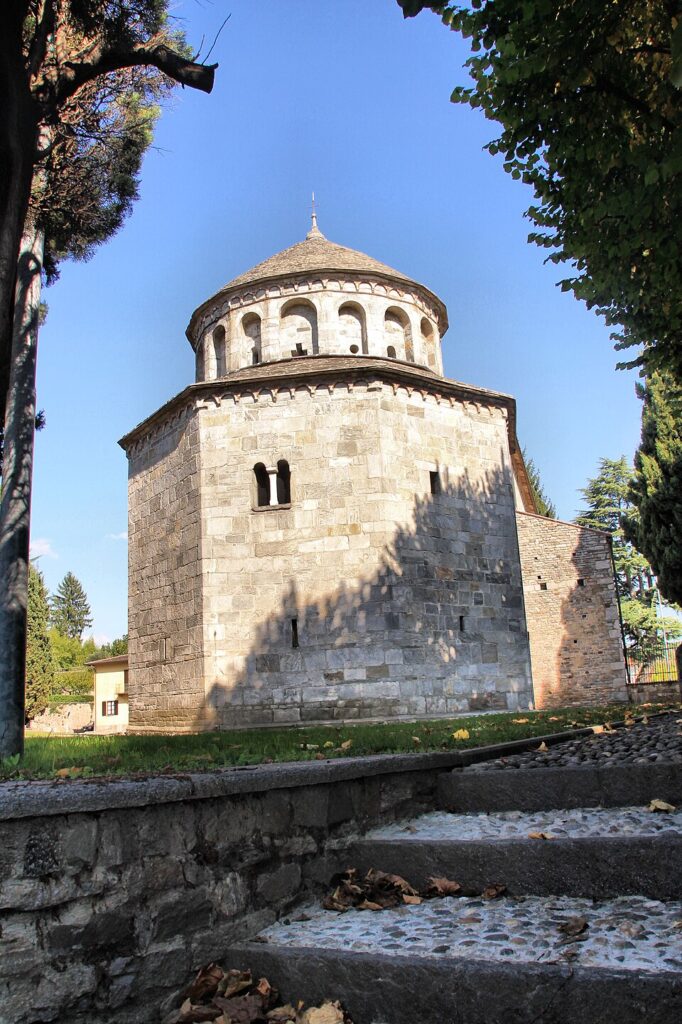
The primary landmark is the Basilica of San Vittore Maggiore, a Romanesque church with structural elements dating to the 9th century, making it one of the oldest ecclesiastical buildings in the Varese area. Adjacent to the basilica stands a well-preserved baptistery, also of early medieval origin, which is among the most notable examples of pre-Romanesque religious architecture in Lombardy. Together, these two buildings form the historic-religious core of the village and are the essential stops for any visitor interested in medieval art and architecture.
Are there museums, churches or historic buildings to visit in Arsago Seprio?
Yes. The Basilica of San Vittore Maggiore and its adjacent baptistery are the two main historic buildings in Arsago Seprio. The baptistery, dating to the early medieval period, preserves significant architectural and decorative features. The Museo Civico Archaeologico del Seprio, located in the village, houses archaeological finds from the Roman and Lombard periods connected to the broader Seprio territory. Visitors are advised to check opening hours directly with the municipality or local pro loco, as seasonal schedules may apply.
Who is Arsago Seprio suitable for? Families, couples, hikers, solo travelers?
Arsago Seprio is best suited to history enthusiasts, cultural travelers, and architecture lovers who appreciate early medieval and Romanesque heritage in an authentic, uncrowded setting. Couples seeking a quiet, reflective destination in the Lombard Prealps will find it rewarding. Families with an interest in history and local traditions, particularly around the 8 May patron feast, will also enjoy the village. It is less suited to visitors looking for beach, nightlife, or extensive outdoor adventure infrastructure, though the surrounding hills offer pleasant walking.
📷 Photo Gallery — Arsago Seprio
Nearby Villages near Arsago Seprio
In Lombardy More villages to discover
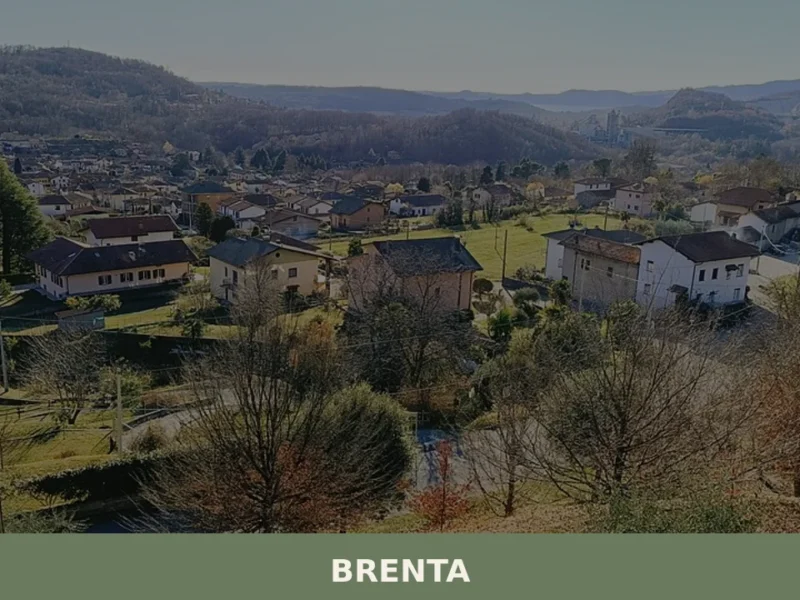
Brenta
Hills
Brenta has 1,715 inhabitants and sits at 276 metres above sea level, on the hilly belt separating Lake Varese from the western Po Plain. The municipality, part of the province of Varese, comprises a central nucleus and agricultural hamlets spread across terrain that slopes gently southward. Anyone looking into what to see in Brenta will […]
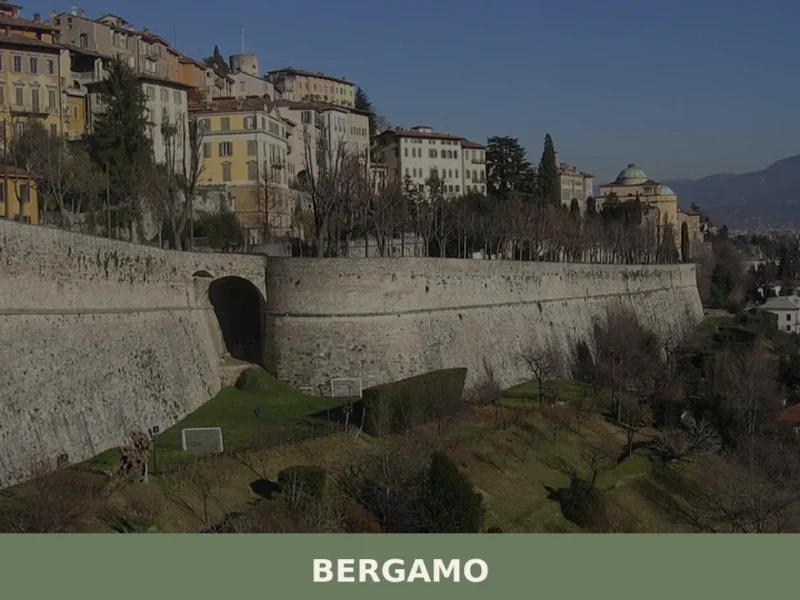
Bergamo
Hills
What to see in Bergamo? With 119,534 inhabitants, the city is famous for its Venetian Walls and Piazza Vecchia. Discover its rich history and typical dishes.
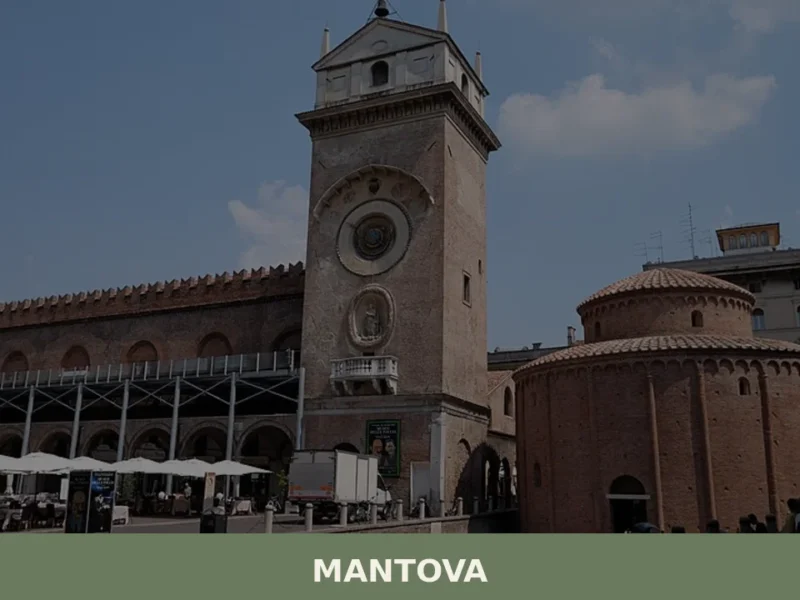
Mantova
 Plains
what to see in mantova. A UNESCO heritage village with 48,653 inhabitants. Explore Palazzo Ducale and taste the famous Pumpkin Tortelli.

Rogeno
Hills
 Lake
Lake
3,035 residents, one patron saint, and a village whose families shaped Italian history. Rogeno rewards slow exploration along the southern Brianza.
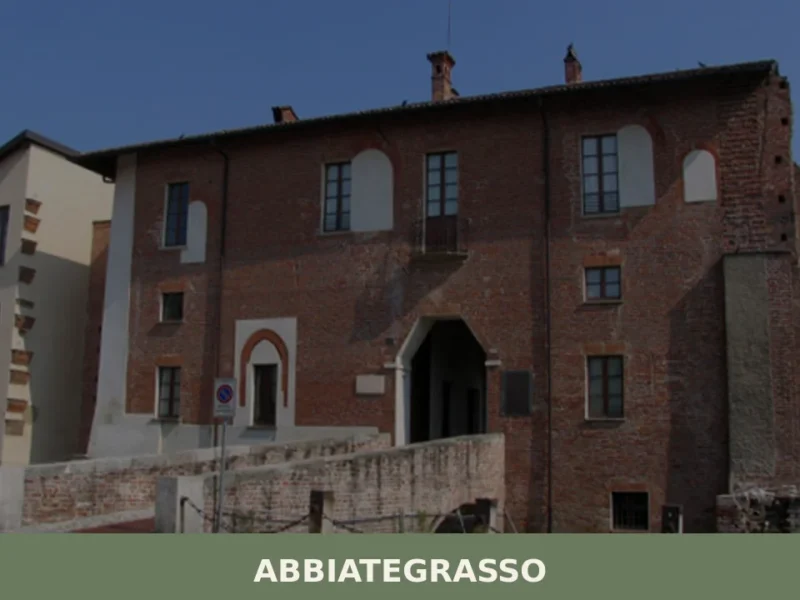
Abbiategrasso
Plains
Discover what to see in Abbiategrasso: a Visconti castle, a Renaissance church portico, the Naviglio Grande canal, and the Ticino valley park in Lombardia.
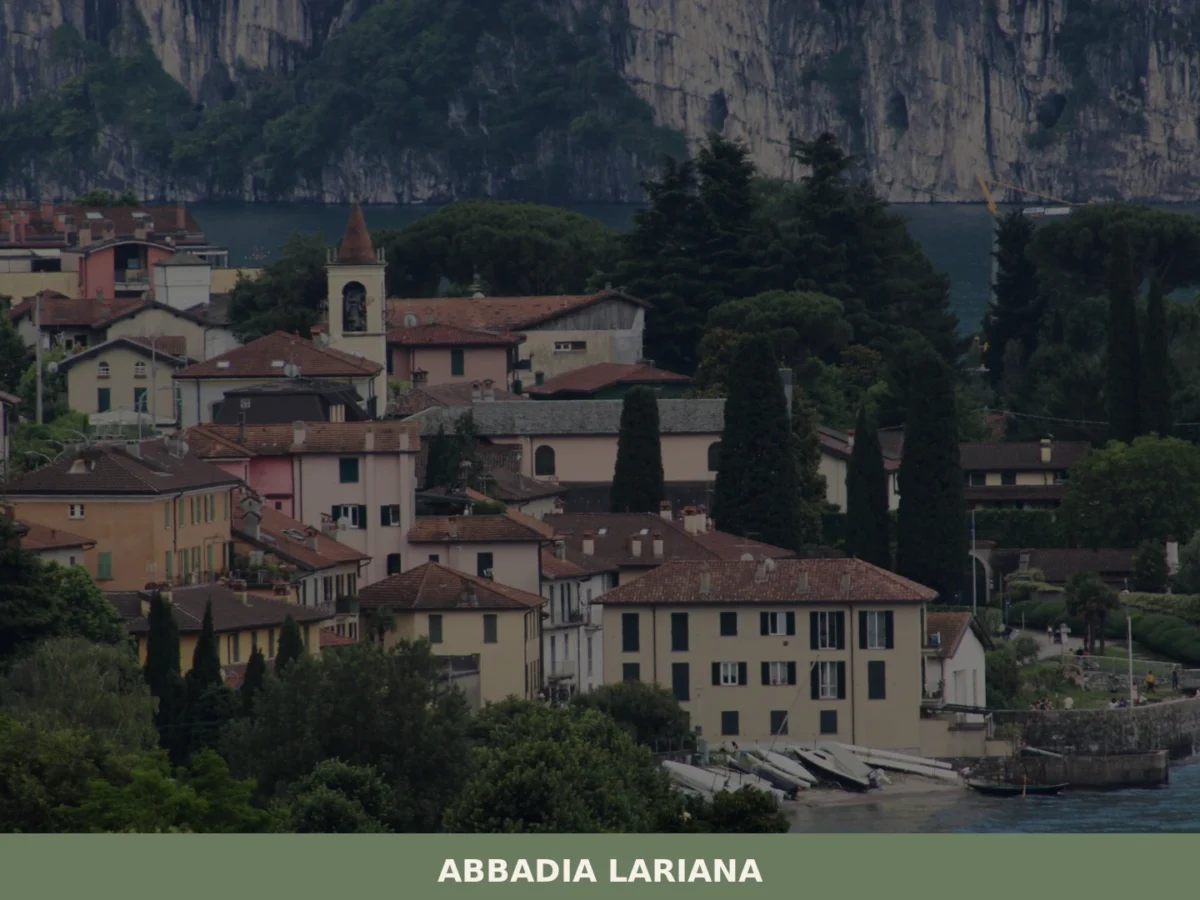
Abbadia Lariana
Lake
Discover what to see in Abbadia Lariana, a lakeside village on Lake Como in Lecco province. History, attractions, food, travel tips and how to get there.
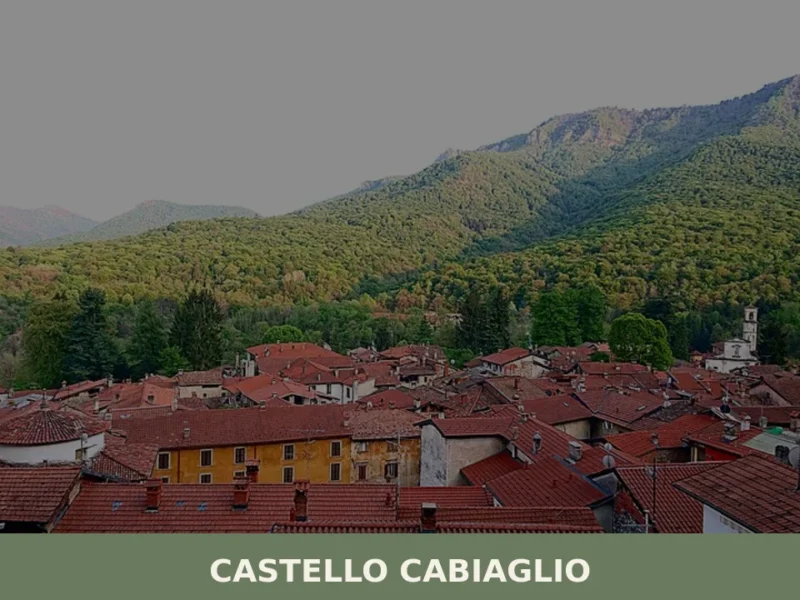
Castello Cabiaglio
Hills
What to see in Castello Cabiaglio: a hill village at 514m with 567 residents in Varese. Explore Sant'Appiano church, Campo dei Fiori trails and local porcini risotto. Plan your visit now.
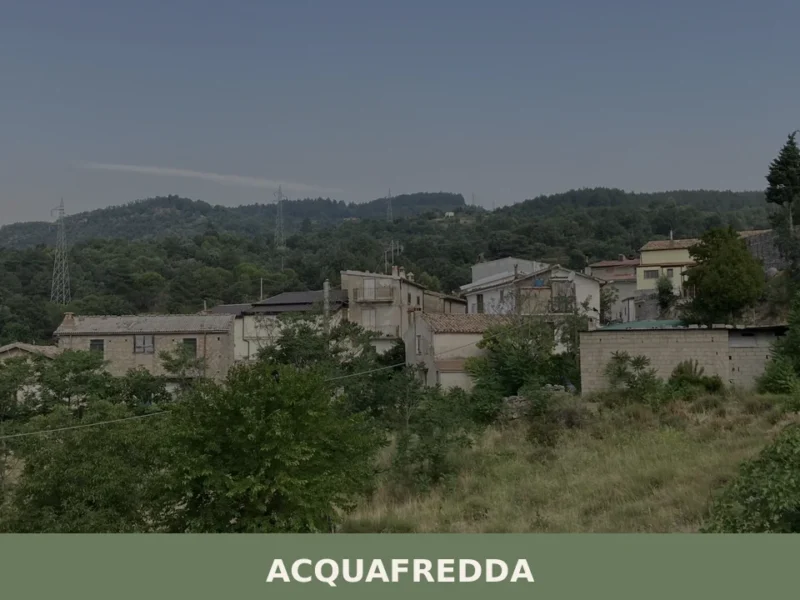
Acquafredda
Plains
What to see in Acquafredda, a municipality in the lower Brescian area at 55 m above sea level: the Church of San Biagio, historic farmsteads, fontanili and the traditional cuisine of the Po Plain.
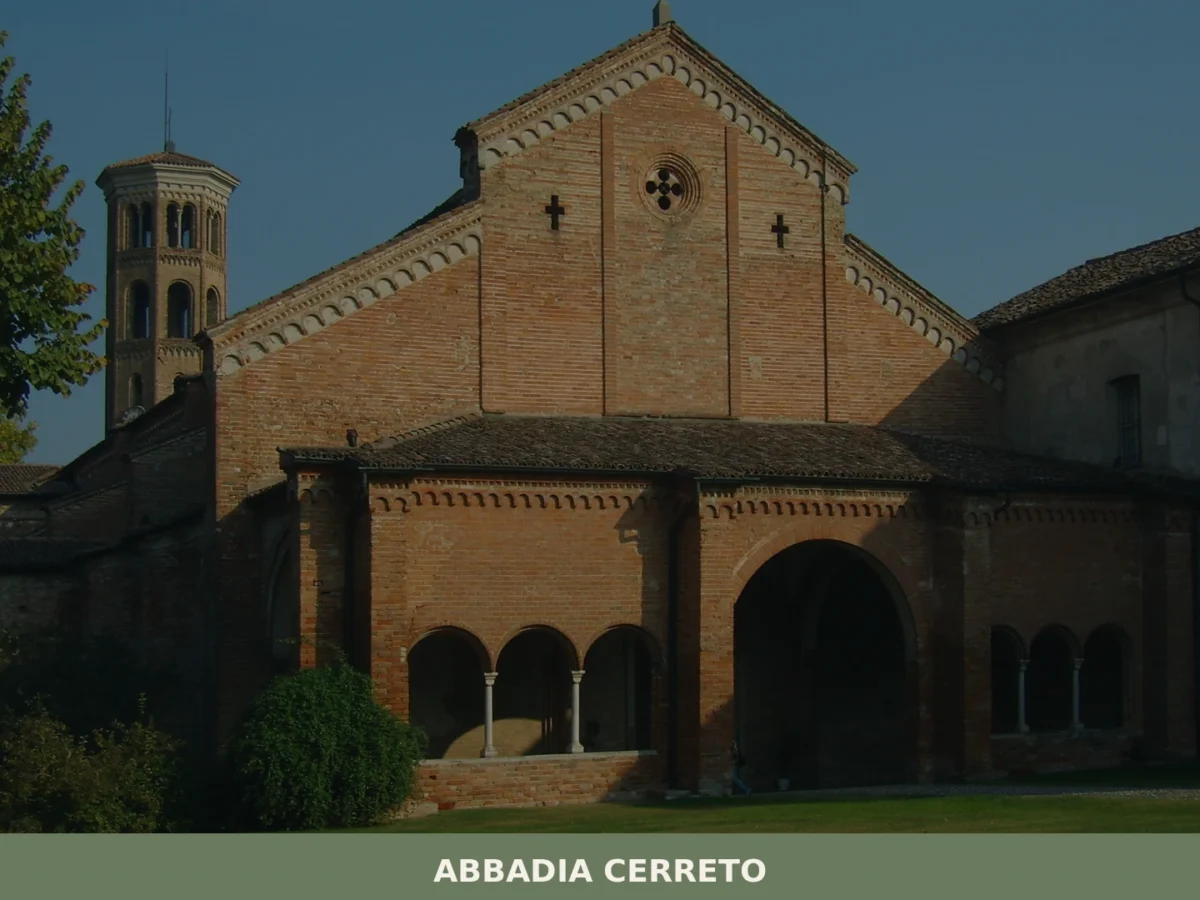
Abbadia Cerreto
Plains
Discover what to see in Abbadia Cerreto, a 280-person Lombard village in the province of Lodi with Cistercian roots and Po Valley landscapes.

Cassano Magnago
Hills
Over 21,000 residents and a documented history stretching back to 1152. Cassano Magnago rewards visitors with a medieval castle, four ancient churches and a rich civic past.






🏡 Know Arsago Seprio better than we do?
If you’re a local or have been there, your knowledge matters: add what’s missing or fix a detail on this page.