


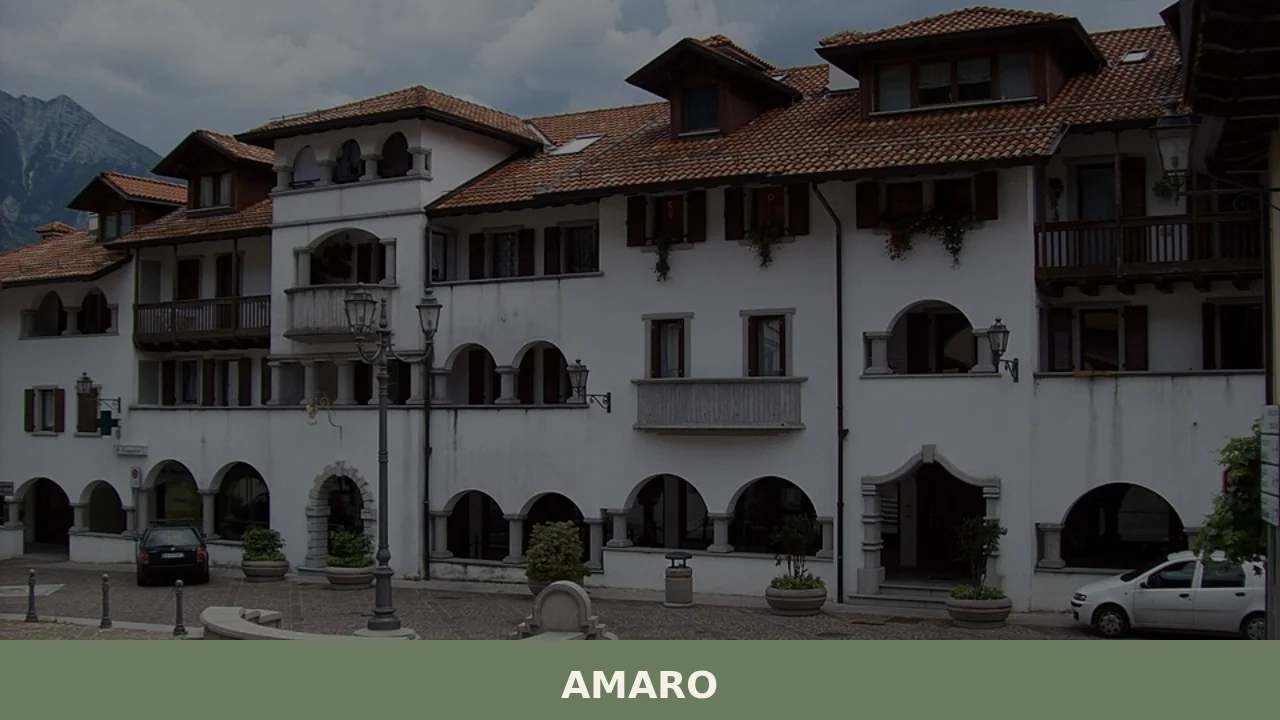
Amaro
Morning mist lifts slowly from the Tagliamento river valley, and the first light catches the rooftops of a small settlement pressed against the foothills of the Carnic Alps. Church bells mark the hour across a village of roughly 840 souls. This is Amaro, a quiet municipality in the province of Udine, in Friuli Venezia Giulia. […]
Discover Amaro
Morning mist lifts slowly from the Tagliamento river valley, and the first light catches the rooftops of a small settlement pressed against the foothills of the Carnic Alps. Church bells mark the hour across a village of roughly 840 souls. This is Amaro, a quiet municipality in the province of Udine, in Friuli Venezia Giulia. Few travellers pause here on their way north toward Austria, which is precisely why knowing what to see in Amaro rewards those who do stop — with layers of history, alpine architecture, and a rhythm of life that moves at the pace of the seasons.
History of Amaro
The name “Amaro” likely derives from a pre-Roman or early Latin root, though its precise etymology remains debated among local historians. Some connect it to the Latin word amarus, meaning bitter — possibly a reference to the character of the mountain waters that run through the territory, or to the challenging terrain that early settlers worked to cultivate. The area has been inhabited since antiquity, situated along routes that connected the Adriatic lowlands to the Alpine passes used for trade and military movement since Roman times.
During the medieval period, the territory fell under the jurisdiction of the Patriarchate of Aquileia, the powerful ecclesiastical state that shaped much of Friuli’s political and cultural identity for centuries. Like many small communities in the Carnic foothills, Amaro’s fortunes were tied to the shifting alliances between feudal lords, the Patriarchate, and later the Republic of Venice, which absorbed much of Friuli in 1420. The village’s position near the confluence of valleys gave it modest strategic relevance, though it never grew into a major centre of power.
The twentieth century left deep marks. During World War I, the area was close to the front lines of the Italian-Austrian conflict, and the population endured displacement and destruction. The post-war decades brought emigration, as many families left for work in northern Europe or the Americas — a common pattern across the Carnic region. Today, with a population of around 840, Amaro carries this layered past quietly in its stone walls, field boundaries, and the oral memory of its older residents.
What to see in Amaro: 5 must-visit attractions
1. Parish Church of Amaro
The parish church stands at the centre of village life, as it has for centuries. Its architecture reflects the sober, functional style typical of Friulian mountain churches — a stone facade, a modest bell tower, and interiors that often contain altarpieces or frescoes dating to several centuries past. It is the first place to orient yourself when arriving in Amaro, both geographically and culturally.
2. The historic village centre
Walking through the old core of Amaro reveals a compact settlement of traditional Carnic houses built from local stone, with wooden balconies used for drying crops and storing firewood. The narrow lanes were designed for foot traffic and livestock, not automobiles. Architectural details — lintels carved with dates, iron door fittings — speak to the pride of families who built here across generations.
3. The Tagliamento river landscape
The Tagliamento, often called the last great wild river of the Alps, shapes the territory around Amaro. Its wide, braided gravel bed is a striking sight — a riverscape that has not been straightened or dammed into submission. Walking along its banks offers a direct encounter with a fluvial ecosystem that ecologists across Europe study and reference.
4. Footpaths and alpine trails
From Amaro, a network of marked footpaths leads into the surrounding hills and toward the higher Carnic Alps. These are not dramatic via ferrata routes but rather pastoral trails through woodland, meadow, and past seasonal farming shelters known as malghe. In autumn, the beech forests turn copper and gold, and the only sounds are wind, water, and the occasional cowbell.
5. War memorials and sites of remembrance
Small monuments and plaques scattered through the village and its surroundings record the impact of the World Wars on this community. These are understated markers — a stone cross, a plaque on a wall — but they map a history of displacement and loss that shaped the demographic and emotional identity of Amaro and the wider Carnic region through the twentieth century.
Local food and typical products
The cuisine of Amaro belongs to the broader Carnic culinary tradition, which is mountain food — resourceful, seasonal, and built around what the land and climate permit. Frico, the crisp cheese pancake made from aged Montasio DOP cheese and potatoes, is the signature dish of the region. Polenta appears at nearly every meal, served soft alongside game, mushrooms, or smoked meats. Cjarsòns, the stuffed pasta particular to the Carnic Alps, combine sweet and savoury fillings — ricotta, herbs, raisins, chocolate — in a combination that surprises first-time visitors. Smoked ricotta and local cured meats round out the larder.
Amaro does not have a large restaurant scene, but the trattorie and osterie in the surrounding area serve these dishes with ingredients sourced locally and prepared without affectation. The province of Udine is also known for its white wines from the Friuli Colli Orientali and Grave appellations, which pair naturally with the region’s food. For those who want to bring something home, Montasio cheese — produced throughout the area and protected by DOP designation — is the most reliable souvenir of the Friulian table.
Best time to visit Amaro
Late spring, from May through June, brings long days, wildflowers in the meadows, and comfortable temperatures for walking without the summer heat of the lowlands. This is the ideal window for exploring trails and the river landscape. Autumn — particularly September and October — offers a second peak, when the forests change colour and the village hosts or participates in local harvest festivals and sagre. These community gatherings, centred on food and tradition, offer a more authentic encounter with Friulian culture than any curated tourist event.
Winters are cold and quiet. Snowfall is possible, and the village turns inward. For those who prefer solitude and don’t mind short days, this season has its own appeal, especially if combined with visits to the thermal or cultural sites of the wider region. Summers can be warm, though the altitude and proximity to the mountains temper the heat. Accommodation options in the immediate area are limited, so booking ahead — particularly during local festivals — is practical advice worth following.
How to get to Amaro
Amaro is located in the province of Udine, accessible by car via the A23 motorway (Autostrada Alpe Adria), which connects Udine to the Austrian border at Tarvisio. The village lies near the exit for Tolmezzo, the main town of the Carnia district. From Udine, the drive takes approximately 45 minutes northward. From Trieste, the regional capital, allow roughly 90 minutes.
The nearest railway station with regular service is in Carnia (Stazione di Carnia–Tolmezzo), served by regional trains on the Udine–Tarvisio line. From there, local bus connections or a short taxi ride reach Amaro. The closest commercial airport is Trieste–Friuli Venezia Giulia Airport (Ronchi dei Legionari), about 100 kilometres to the south. Venice Marco Polo Airport, roughly 180 kilometres away, offers the widest range of international flights and is a viable alternative for those renting a car.
More villages to discover in Friuli Venezia Giulia
Amaro sits within a territory of small, dispersed communities, each with its own character shaped by altitude, water, and centuries of self-reliance. To the north, deeper into the Carnic Alps, the villages grow smaller and the architecture more alpine, with wooden-clad houses and steeply pitched roofs designed for heavy snowfall. To the south, as the foothills flatten toward the Friulian plain, the landscape shifts to vineyards, open fields, and a different pace of rural life. Understanding Amaro means understanding it as one node in this wider network of settlement.
Travellers interested in exploring further should consider a visit to Verzegnis, a neighbouring municipality that shares similar Carnic traditions and offers access to Lake Verzegnis, a small alpine reservoir set in a forested valley. In a different direction, the village of Cavazzo Carnico sits on the shore of Lago di Cavazzo, the largest natural lake in Friuli Venezia Giulia, where the water reflects the surrounding mountains with a clarity that rewards a slow afternoon. Together, these communities form a quietly compelling circuit through one of northeastern Italy’s least-visited corners.
Photo Gallery of Amaro
Do you have photos of Amaro?
Share your photos of the village: the best ones will be added to the official gallery, with your credit.
Send your photosNearby Villages near Amaro
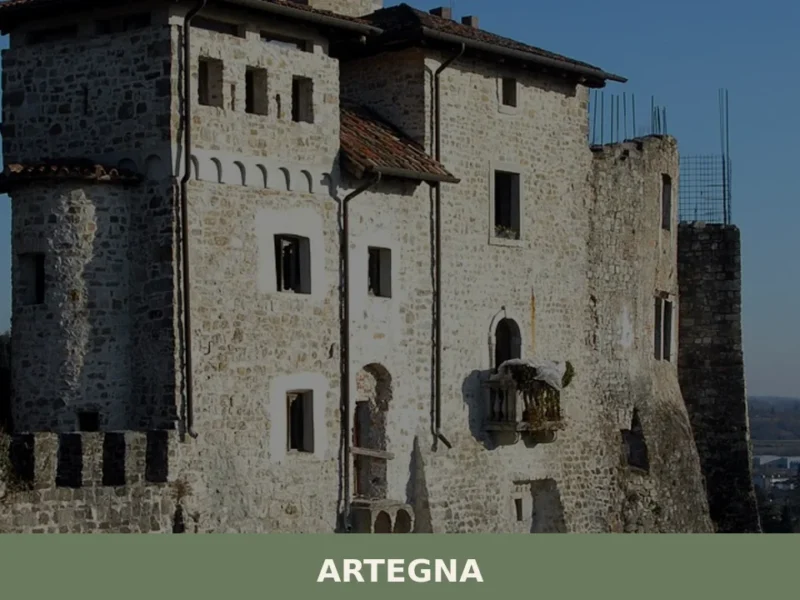
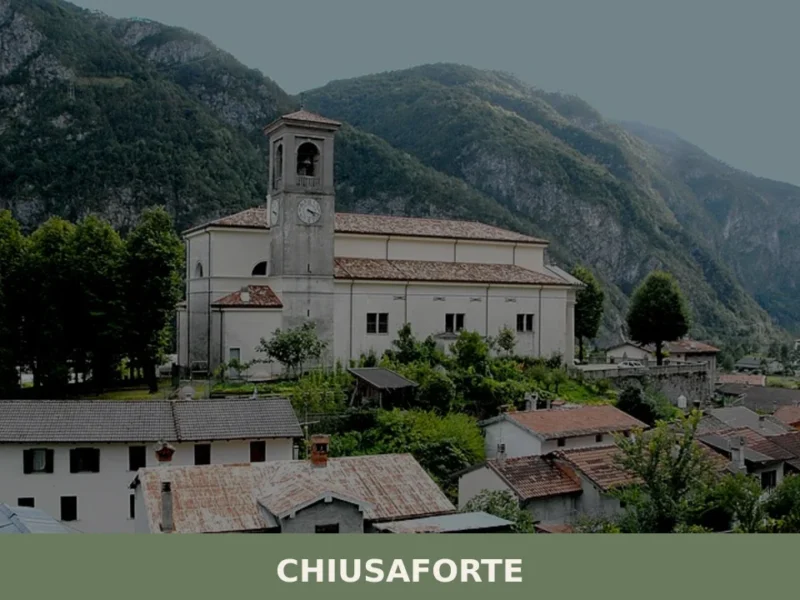
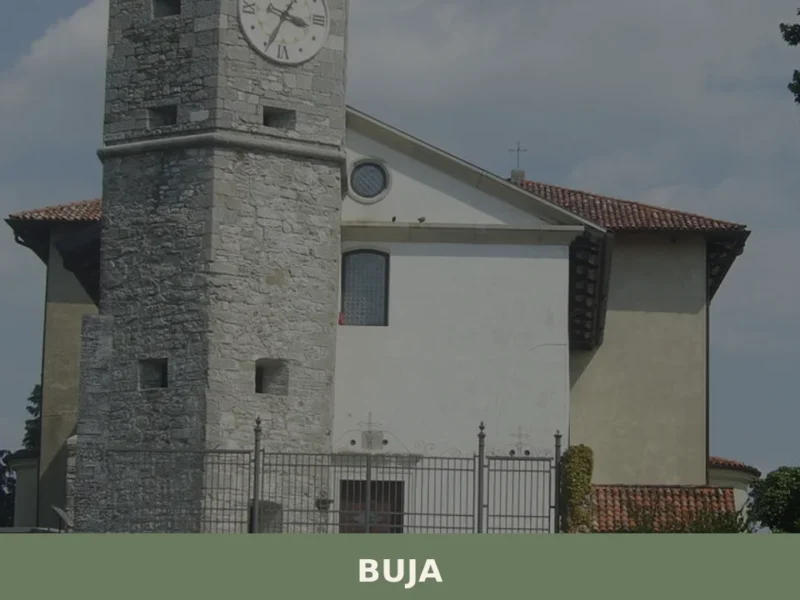
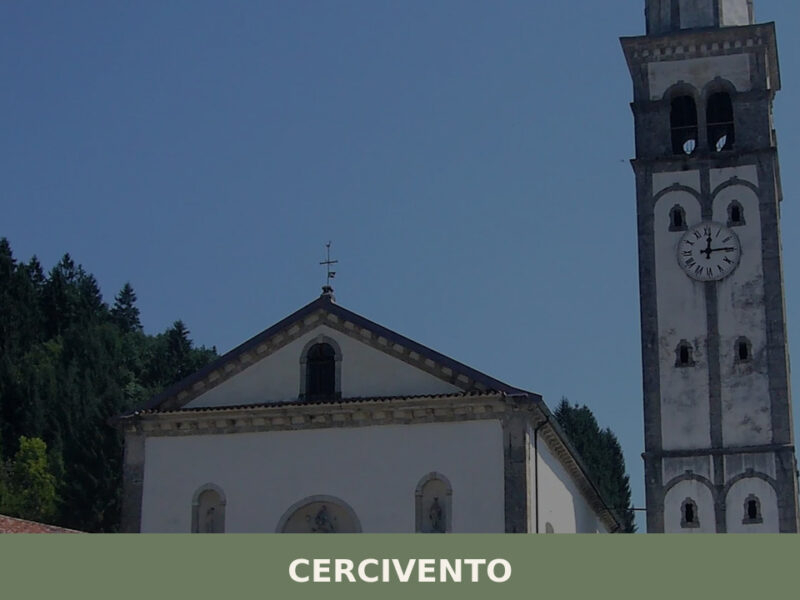
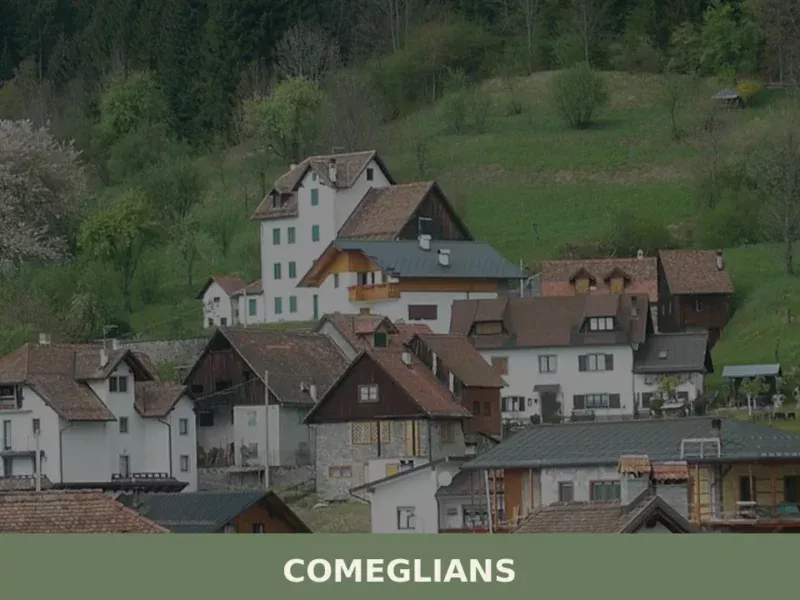
In Friuli Venezia Giulia More villages to discover
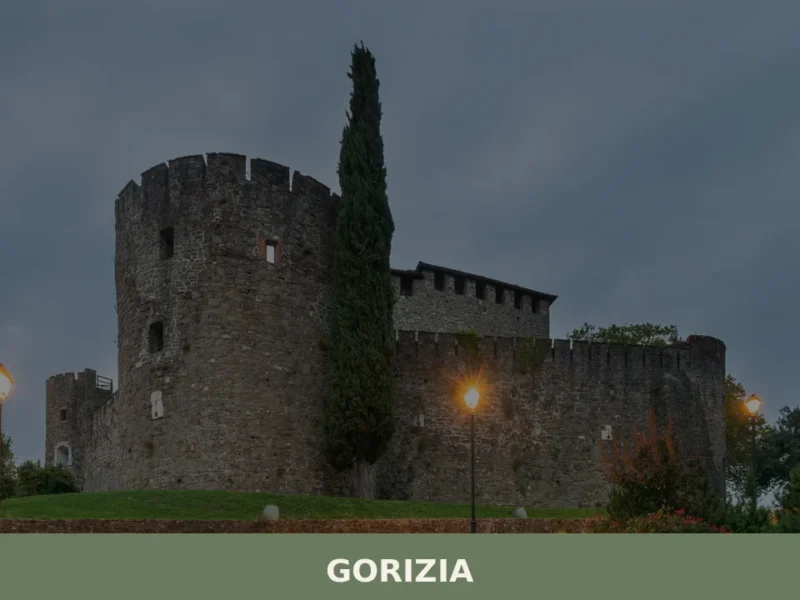
Gorizia
What to see in Gorizia, located at 84m. Discover 5 historic attractions, including its iconic Castle, and savor typical local cuisine. Explore your trip!
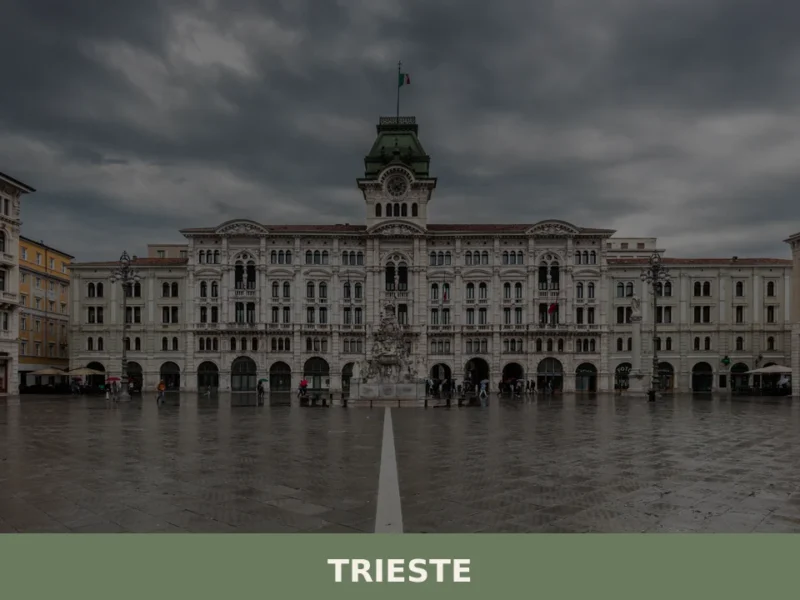
Trieste
What to see in Trieste, a city with over 200,000 inhabitants? Discover 5 main attractions and savor local cuisine like Jota and Presnitz. Explore its unique history.
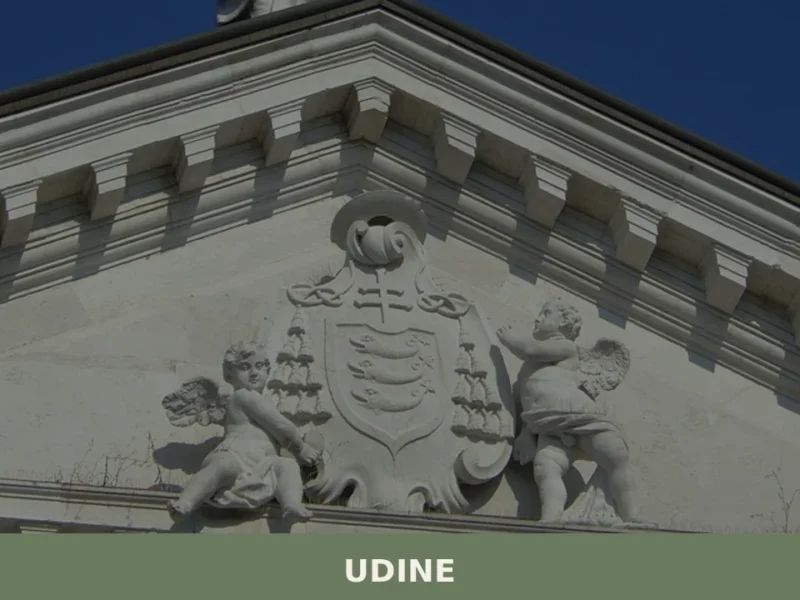
Udine
what to see in udine, home to 98,780 residents. Discover the historic Castle, Piazza della Libertu00e0, and Tiepolo Galleries. Explore its rich heritage.
🧀 Italian traditional products


📝 Incorrect information or updates?
Help us keep the Amaro page accurate and up to date.