


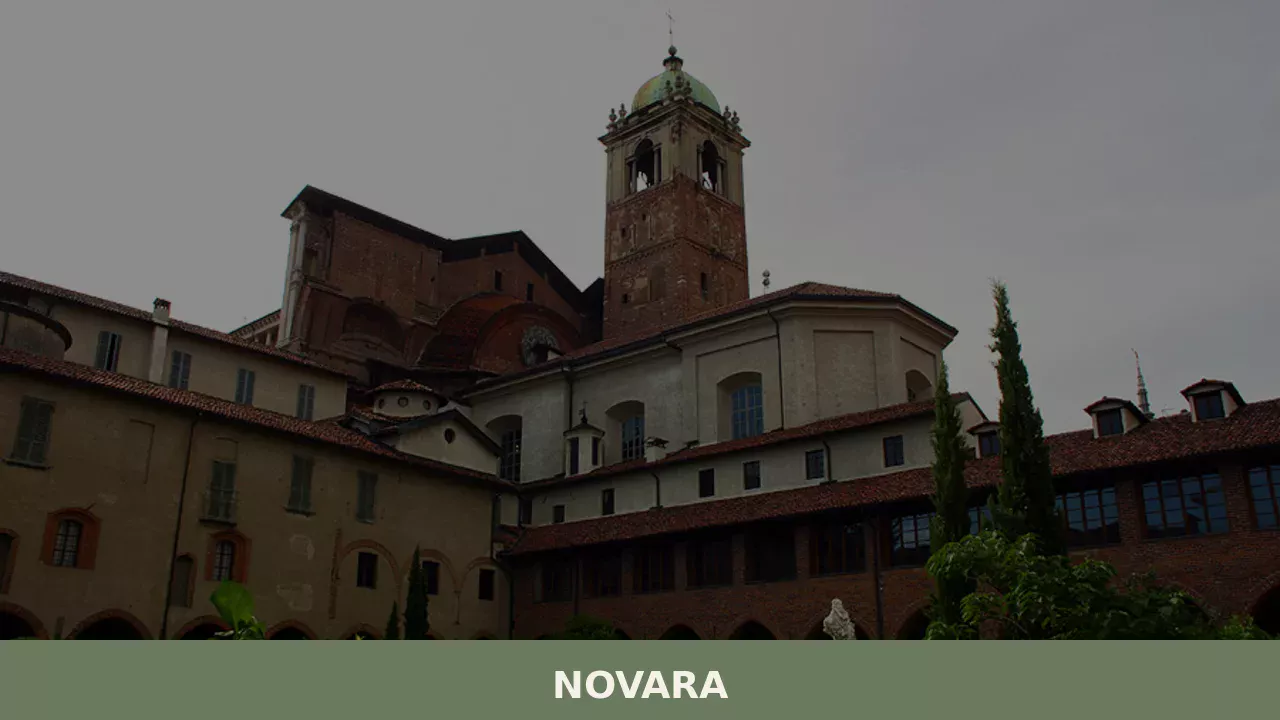
Novara
 Plains
What to see in Novara: city at 162 m with 101,000 residents. Explore the Antonelli dome, 4th-century baptistery, paniscia and Colline Novaresi DOC wines.
Discover Novara
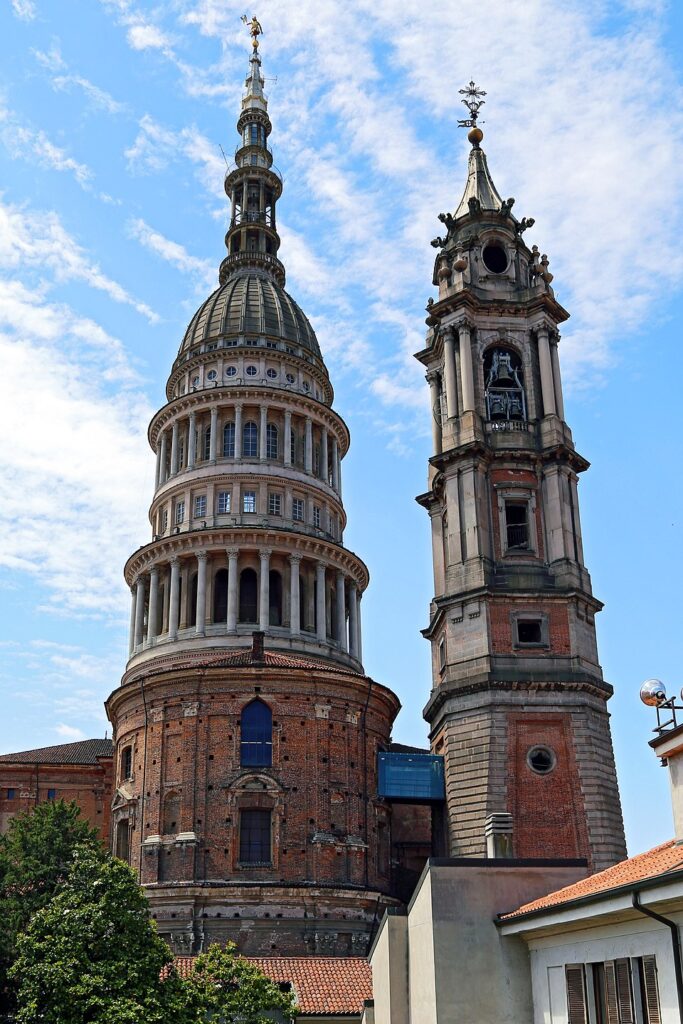
A dome 121 metres tall dominates the plain between the Ticino and the Sesia rivers: it is the Basilica of San Gaudenzio, designed by Alessandro Antonelli, the same architect behind Turin’s Mole Antonelliana.
That dome, visible from dozens of kilometres away, serves as a landmark for an entire province and the symbol of a city with over one hundred thousand inhabitants at 162 metres above sea level, in the centre of the largest rice-growing plain in Europe.
Asking what to see in Novara means traversing twenty-two centuries of urban layering, from Roman foundations to neoclassical courtyards, by way of an Early Christian baptistery among the oldest in northern Italy. All this less than an hour from both Milan and Turin, in a position that has made this city an unavoidable crossroads.
History and origins of Novara
The Latin name Novaria appears for the first time in the writings of Pliny the Elder, who lists it among the oppida of Gallia Transpadana. The etymology remains debated: some scholars link it to the Celtic root nov-, which may indicate a new field or a recent settlement compared to other centres of the Vertamocori tribe, a branch of the Vocontii according to Roman sources. Its foundation as a Roman municipium most likely dates to the 1st century BC, when the city received Roman citizenship and was enrolled in the Claudia tribe.
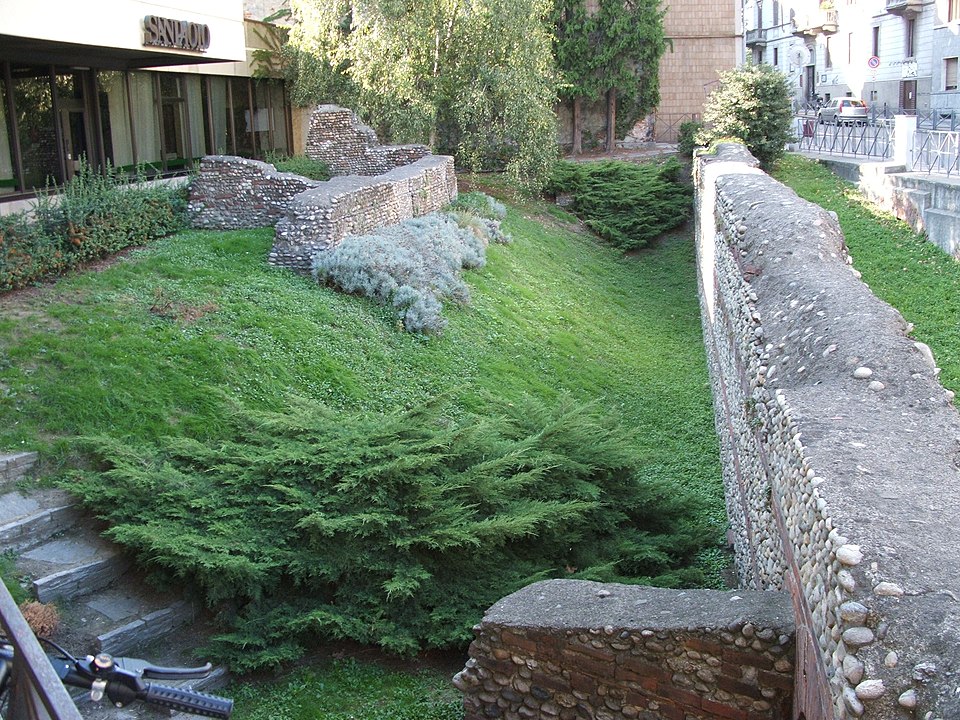
Traces of the original layout survive in the street grid of the centre, with the cardo and decumanus still recognisable at the intersection of today’s main roads.
In late antiquity Novara became an episcopal seat: the first documented bishop is Gaudentius, who lived in the 4th century and is now the city’s patron saint, with his feast day set on 22 January.
During the Early Middle Ages the city endured Lombard incursions and then entered the orbit of the Carolingian Kingdom of Italy. In 1110 it obtained the status of a free commune, actively participating in the struggles between Guelphs and Ghibellines. A crucial turning point came in 1311, when Novara fell under the control of the Visconti of Milan, marking the beginning of a political allegiance to Lombardy that would last for centuries.
In 1535 the city entered Spanish domains and subsequently, with the Treaty of Utrecht in 1713, passed to the House of Savoy, thereby being incorporated into the Kingdom of Sardinia.
On 23 March 1849, during the First Italian War of Independence, the countryside south of the city was the theatre of the Battle of Novara, which saw the defeat of the Piedmontese army at the hands of the Austrians under Marshal Radetzky and led to the abdication of Charles Albert in favour of Victor Emmanuel II. That event marked a turning point in the Risorgimento and left a deep imprint on the city’s civic memory.
Over the course of the 20th century Novara grew as an industrial and agricultural centre: rice cultivation, introduced on a large scale in the 15th century, transformed the landscape of the lower Novara area into a mosaic of paddies that still today produces a significant share of Italian rice. The population, which stood at around 26,000 inhabitants in the 1861 census, has reached the current 101,257 residents, confirming Novara’s role as the second urban centre of eastern Piedmont after Vercelli in terms of importance within the rice-growing area.
What to see in Novara: 5 essential attractions
1. Basilica of San Gaudenzio and the Antonelli dome
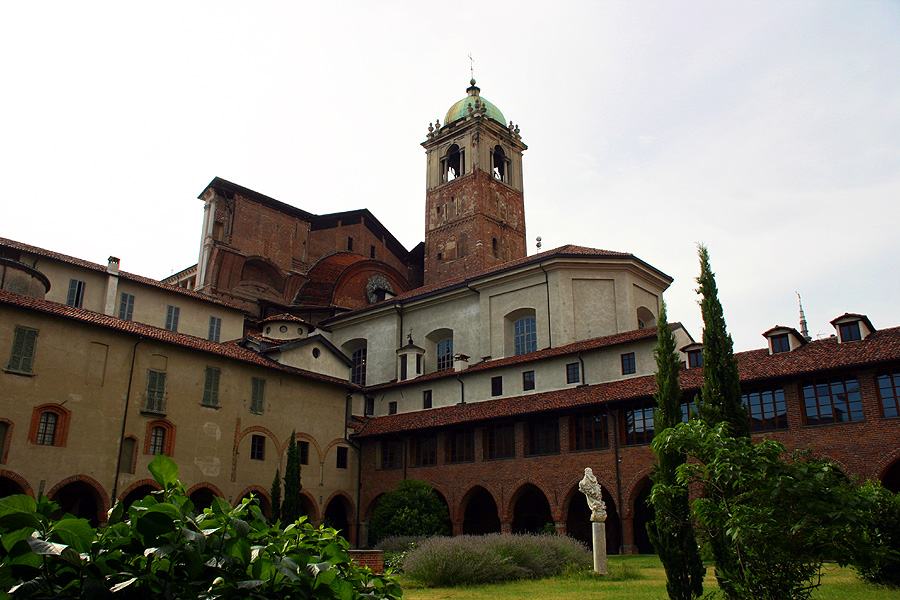
The Basilica of San Gaudenzio was built starting in 1577 to a design by Pellegrino Tibaldi, but its most celebrated feature is the dome constructed by Alessandro Antonelli between 1840 and 1888. At a total height of 121 metres, this self-supporting masonry structure represents a feat of 19th-century engineering: no external pylons hold it up, and the weight is distributed through a system of superimposed concentric arches. Inside, the basilica holds a polyptych by Gaudenzio Ferrari and a canvas by Tanzio da Varallo. The climb to the dome, when accessible, offers a view that on clear days reaches Monte Rosa.
2. Early Christian Baptistery
The Baptistery of Novara, located next to the Cathedral within the episcopal complex, dates to between the late 4th and early 5th century, making it one of the oldest Christian buildings in Piedmont. The plan is octagonal, a form that in Early Christian symbolism refers to the Resurrection. Inside, fragments of medieval frescoes from different periods survive, including an Apocalypse cycle attributed to the 10th–11th century. The original baptismal font, sunk into the ground, is still visible at the centre of the structure. The building documents the early importance of Novara as a bishopric in north-western Italy.
3. Cathedral of Santa Maria Assunta (Duomo)
The Duomo of Novara, dedicated to Santa Maria Assunta, stands on the site of the Roman forum. Its current appearance is the result of the neoclassical reconstruction carried out by Alessandro Antonelli between 1854 and 1869, which incorporated and partly replaced the earlier Romanesque structure. The interior, with three naves and Corinthian columns in pink Baveno granite, preserves a 12th-century floor mosaic in the presbytery area and a cycle of 16th-century Flemish tapestries. In the cloister of the canonry, accessible from the north side, the structure of the original Romanesque quadriportico can be observed, partially preserved and restored in the 20th century.
4. Broletto
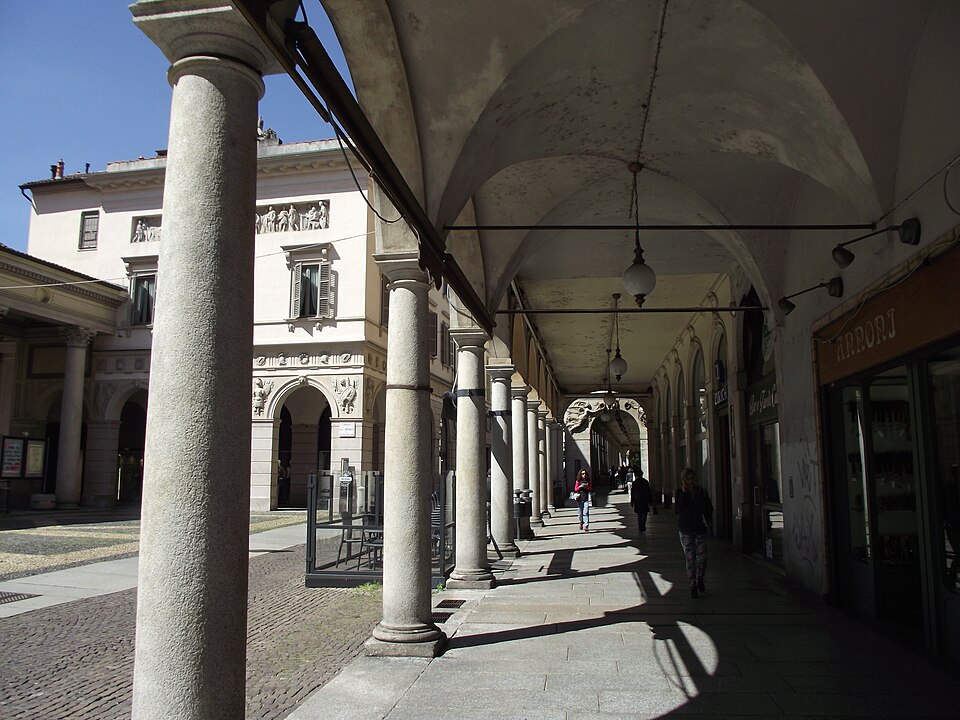
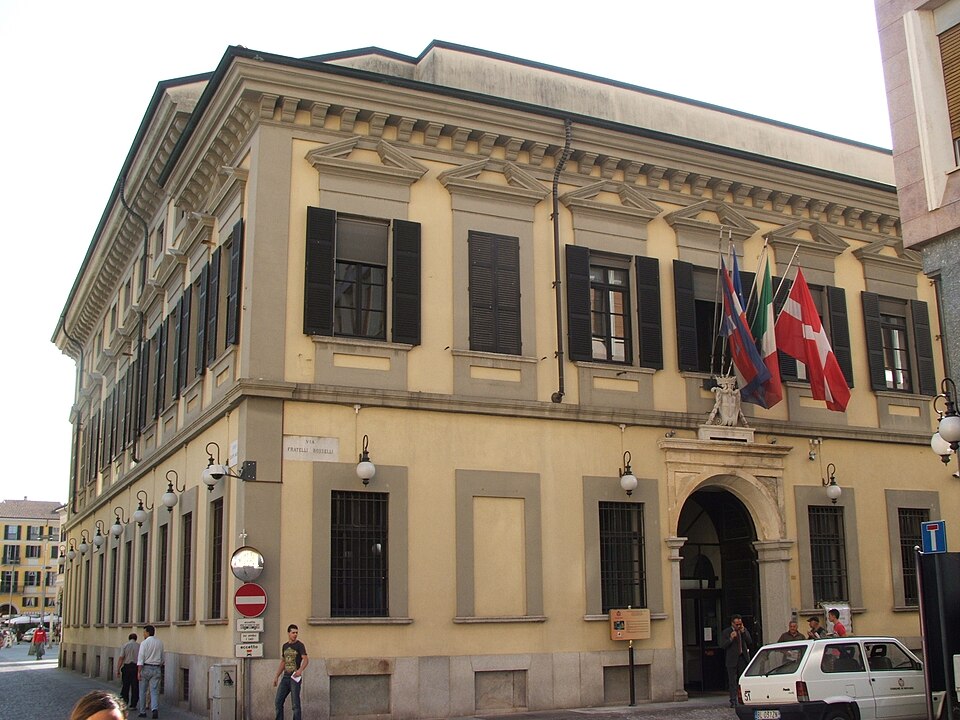
The Broletto is a complex of four medieval buildings arranged around a quadrangular courtyard, located in the historic centre between Piazza della Repubblica and Via Fratelli Rosselli. Built between the 13th and 15th centuries, the four wings — the Palazzo dell’Arengo, the Palazzo dei Paratici, the Palazzo del Podestà, and the so-called Referendari wing — bear witness to the different phases of communal self-governance. Today the complex houses the Galleria d’Arte Moderna Paolo e Adele Giannoni, with works by Piedmontese and Lombard artists from the 19th and 20th centuries.
The inner courtyard, with its pointed-arch loggias, is one of the best-preserved medieval urban spaces in Piedmont.
5. Visconti-Sforza Castle
The Castle of Novara, located in the north-western sector of the centre, was erected by the Visconti in the second half of the 14th century and subsequently enlarged by the Sforza in the 15th century. Used as a military barracks for much of the 19th and 20th centuries, it underwent extensive alterations that changed its original appearance. Portions of the perimeter walls and the base of the corner towers remain visible from the medieval structure.
After decades of debate over its restoration, the castle has been the subject of conservation work and now hosts cultural events and temporary exhibitions, functioning as an accessible public space in the city centre.
What to eat in Novara: local cuisine and regional products
Novara’s cuisine developed at the meeting point of two traditions: that of the rice-growing plain, with its paddies stretching as far as the eye can see toward the Lomellina, and that of the hills and mountains rising northward toward the Ossola Valley and Lake Orta.
Rice is the cornerstone of this gastronomy — not merely an ingredient but the structural axis of an entire food culture. The abundance of water and the availability of alpine cheeses and farmyard meats shaped a solid cuisine, tied to the cycle of the seasons and to agricultural labour.
The most representative dish is paniscia novarese, a thick and hearty risotto prepared with borlotti beans, pork rind, salame della duja, savoy cabbage, celery, carrots and tomato, all moistened with local red wine. Unlike the panissa of Vercelli, the Novara version calls for a richer vegetable soffritto and the use of a lard battuto. Historically it is a winter dish, linked to the period of pig slaughter.
Another deeply rooted traditional dish is risotto with frogs, which took advantage of the once-abundant presence of these amphibians in the rice paddies — less common today but still found on the menus of trattorias outside the centre.
The rice grown on the Novara plain includes varieties such as Arborio, Carnaroli and Baldo, particularly well suited to risotto cooking for their ability to absorb condiments while maintaining the grain’s structure.
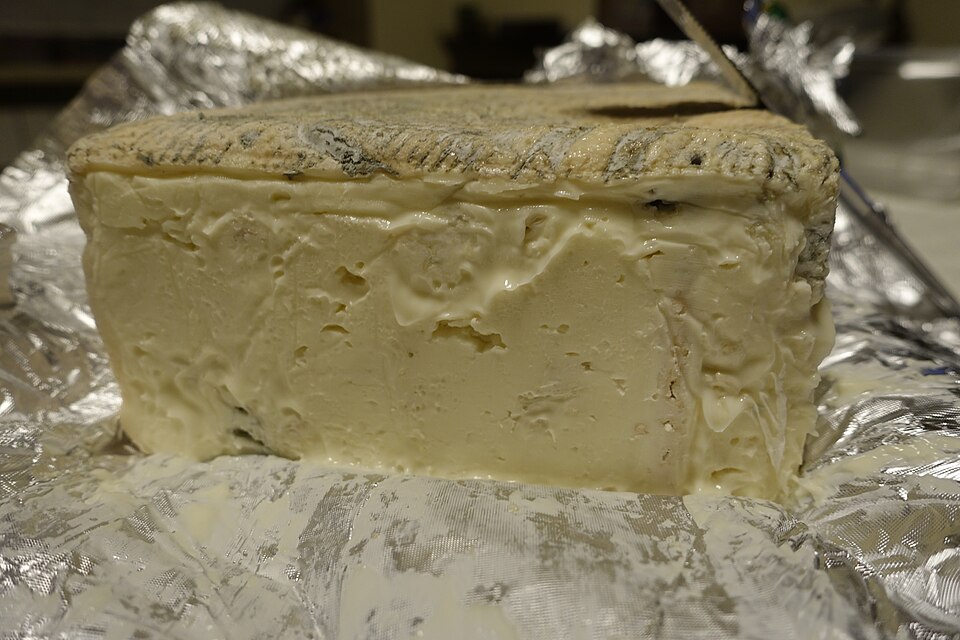
The province of Novara falls within the production area of Gorgonzola, a blue-veined cheese with DOP designation — the production regulations include several municipalities in the Novara area among the authorised production zones, as documented by the relevant protection consortium. To this is added an alpine cheesemaking tradition linked to the high Novara pastures, with raw-milk tome d’alpeggio produced during the summer months in the mountain dairies of the Val d’Ossola and the valleys gravitating toward the Cusio area.
The city’s gastronomic calendar includes twice-weekly neighbourhood markets in Piazza Martiri and the Viale Buonarroti area, where local rice can be purchased directly from producers.
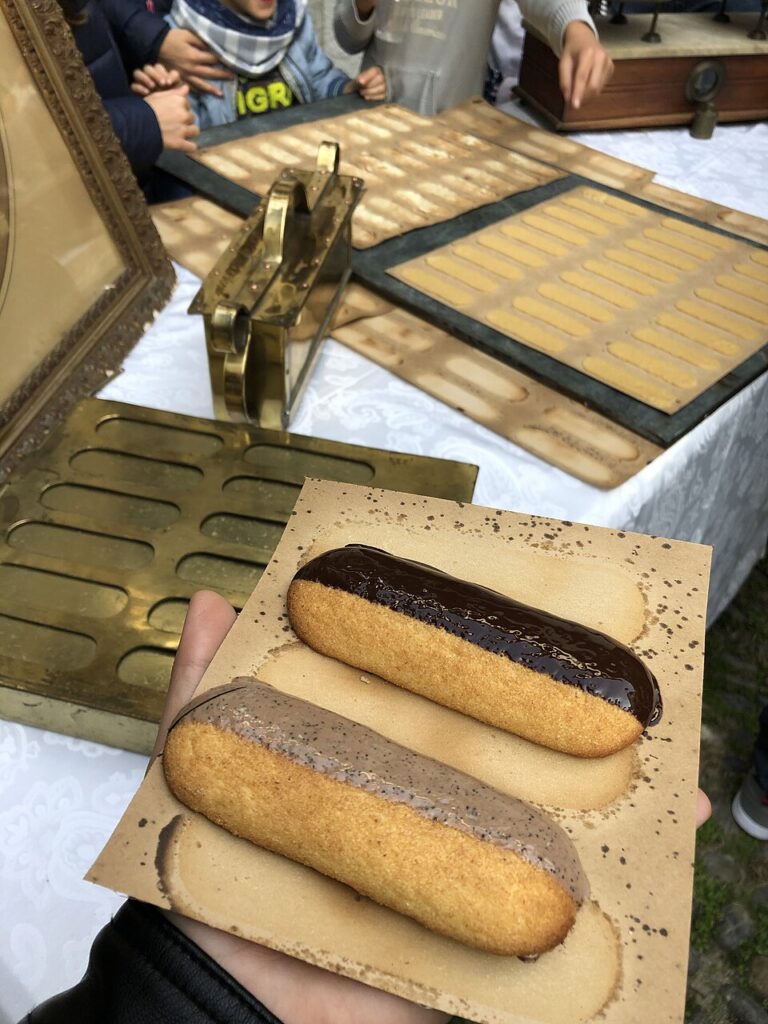
In autumn, several farmsteads in the lower Novara area organise direct-sale days during the harvest season. The Feast of San Gaudenzio, held around 22 January, is accompanied by food stalls in the historic centre, featuring traditional sweets such as the biscottini di Novara — small, dry biscuits with a crumbly texture, documented in Piedmontese gastronomic chronicles since at least the 18th century.
The province of Novara includes hilly areas that fall within the production zone of the Colline Novaresi DOC, a denomination encompassing red wines based on Nebbiolo (locally called Spanna), Vespolina, Uva Rara and Croatina.
These are wines of medium body, often less well known than the Nebbiolo wines of the Langhe but with a distinct identity of their own, characterised by spicy notes and moderate tannins. The vineyards are concentrated in the hill belt between Novara and Lake Maggiore, in municipalities such as Boca, Ghemme, Sizzano and Fara, some of which hold their own long-established appellations.
When to visit Novara: the best time of year
Spring, between April and June, is the most photogenic period to visit Novara and its surroundings: the flooded rice paddies reflect the sky like enormous mirrors of water, creating a landscape with few equivalents in Europe.
Temperatures range between 12 and 25 degrees, ideal for exploring the centre on foot without the summer heat of the plain. In May, a commemoration linked to the 1849 battle takes place along with various cultural initiatives brought on by the spring season. Summer, between July and August, brings intense humidity — typical of the lower Po Valley — with temperatures often exceeding 30 degrees; it is the least recommended period for urban walks, though evenings can offer concerts and open-air cinema in the Broletto courtyard.
Autumn, from September to November, coincides with the rice harvest and offers the chance to visit farmsteads during threshing days.
The colours of the Novara hills, with Nebbiolo vineyards turning red, make this period well suited to excursions outside the city. Winter is cold and often foggy — a weather condition that lends the historic centre a dense and silent atmosphere — but it is the time of the patron feast of San Gaudenzio on 22 January, a deeply felt event among the local population that brings piazzas and streets alive with markets, performances and the traditional fair.
Those who prefer to avoid crowds should aim for March or October, transitional months with good weather conditions and few tourists.
How to reach Novara
Novara is one of the main road junctions in north-western Italy. The A4 Turin–Milan motorway serves it with the Novara Est and Novara Ovest exits: Turin is approximately 95 km away (one hour’s drive), Milan approximately 50 km (forty minutes). The A26 connects the city to Genoa (around 170 km) via Alessandria, while the A4 heading east leads to Venice. For those coming from Switzerland, the Simplon Pass can be reached in about an hour and a half via the Simplon state road or the A26 heading north.
Novara railway station sits on the Turin–Milan line, one of the busiest in Italy, with regional trains approximately every thirty minutes and Frecciabianca connections.
Travel time is around 25 minutes from Milano Centrale and 70 minutes from Torino Porta Nuova. The nearest airport is Milan Malpensa, just 35 km away — reachable in thirty minutes by car or via the Malpensa Express rail service with a change in Milan. Turin Caselle (110 km) and Milan Linate (75 km) are also viable alternatives.
Other villages to discover in Piedmont
Piedmont is a region where size matters little: centres of just a few hundred inhabitants preserve notable architectural and landscape heritage.
About one hundred and thirty kilometres from Novara, heading up toward the Canavese, lies Alice Superiore, a village in the morainic amphitheatre of Ivrea where local stone and the green of chestnut woods compose a landscape quite different from the Novara plain. The higher elevation and hilly climate make Alice Superiore a complementary destination for those who want to know Piedmont beyond the rice paddies, exploring the traces of a rural economy tied to the mountains rather than to rice cultivation.
In the opposite direction, toward the Turin plain, Airasca deserves attention — a small centre south-west of Turin that retains the typical layout of agricultural villages on the Piedmontese plain.
Those with more days available can put together an itinerary that from Novara, following the rice paddies westward, reaches Vercelli — another rice capital — and then climbs toward the Canavese hills as far as Alice Superiore, or else detours south toward Airasca, covering in a circular route of roughly 300 km the variety of landscapes that Piedmont manages to concentrate between plain, hill and the first Alpine foothills.
Driving times between these villages range from one to two hours, making a multi-stop programme feasible over a long weekend.
Frequently asked questions about Novara
What is the best time to visit Novara?
Spring (April–June) and early autumn (September–October) offer the most pleasant conditions, with mild temperatures and clear skies that allow views of Monte Rosa from the Antonelli dome. January is worth considering for the Feast of San Gaudenzio (22 January), the city's patron saint, when the historic centre hosts food stalls and celebrations. Summer can be hot and humid on the Po plain. The rice paddies around the city are at their most scenic in June, when they are flooded and mirror the sky, and again in September during the harvest.
What are the historical origins of Novara?
Novara's origins as a Roman municipium date to the 1st century BC, when it was known as Novaria and mentioned by Pliny the Elder among the towns of Gallia Transpadana. The city became an episcopal seat in late antiquity — its first documented bishop, Gaudentius, lived in the 4th century. In 1110 Novara became a free commune, fell under Visconti rule in 1311, passed to Spain in 1535, and joined the Kingdom of Sardinia under the House of Savoy following the Treaty of Utrecht in 1713. The Battle of Novara (23 March 1849) marked a decisive turning point in the Risorgimento.
What to see in Novara? Main monuments and landmarks
The five essential stops are: the Basilica of San Gaudenzio with Antonelli's 121-metre dome (climb available when open, views to Monte Rosa on clear days); the Early Christian Baptistery next to the Cathedral, one of the oldest in northern Italy with its original sunken baptismal font; the neoclassical Cathedral of Santa Maria Assunta, housing a 12th-century floor mosaic and Flemish tapestries; the Broletto, a medieval courtyard complex hosting the Galleria d'Arte Moderna Giannoni; and the Visconti-Sforza Castle, now used for cultural events and temporary exhibitions.
Where to take the best photos in Novara?
The most iconic shot is the Antonelli dome of San Gaudenzio rising above the rooftops, best framed from Piazza della Repubblica or from the surrounding streets of the historic centre. The medieval inner courtyard of the Broletto, with its pointed-arch loggias, offers an excellent architectural composition. In the countryside surrounding the city, the flooded rice paddies in June provide striking reflective landscapes. On clear days, the dome itself — when the climb is accessible — delivers a panorama stretching to Monte Rosa and the Alps.
Are there museums, churches or historic buildings to visit in Novara?
Yes. The Galleria d'Arte Moderna Paolo e Adele Giannoni is housed inside the Broletto complex and displays 19th- and 20th-century works by Piedmontese and Lombard artists. The episcopal complex groups the Cathedral, the Early Christian Baptistery, and the Romanesque canonry cloister in a single accessible area. The Basilica of San Gaudenzio contains paintings by Gaudenzio Ferrari and Tanzio da Varallo. For current opening hours and admission fees, check the official Comune di Novara website or the Musei Novara portal, as schedules vary seasonally.
What can you do in Novara? Activities and experiences
Beyond sightseeing, Novara offers a strong food and wine experience: twice-weekly markets in Piazza Martiri and the Viale Buonarroti area sell locally grown rice directly from producers, and several farmsteads in the lower Novara area hold direct-sale days during the autumn harvest. The city is also a convenient base for day trips to Lake Orta, the Ossola valleys and the Ticino Natural Park. The Feast of San Gaudenzio on 22 January animates the historic centre with food stalls and traditional products. Cultural events and temporary exhibitions are regularly hosted at the Visconti-Sforza Castle.
Who is Novara suitable for? Families, couples, hikers, solo travelers?
Novara suits a broad range of visitors. History and architecture enthusiasts will find twenty-two centuries of layered heritage in a compact, walkable centre. Food lovers are drawn by the rice-growing culture, paniscia novarese, Gorgonzola DOP and local markets. Couples benefit from the city's elegant neoclassical character and proximity to the romantic Lake Orta. Families can enjoy the Broletto courtyard, the dome climb and the rural landscape of the rice paddies. Its central location — under an hour from both Milan and Turin by rail — makes it ideal for solo travellers on a broader Piedmont or Lombardy itinerary.
What to eat in Novara? Local products and specialties
The defining dish is paniscia novarese, a hearty risotto with borlotti beans, pork rind, salame della duja, savoy cabbage, celery, carrots and red wine — richer in its vegetable soffritto than the Vercelli version. Risotto with frogs, once a staple of the paddy-field culture, still appears on trattoria menus. The rice itself — varieties including Arborio, Carnaroli and Baldo — is grown locally and sold at city markets. Novara falls within the production zone of Gorgonzola DOP. Alpine tome d'alpeggio from the Val d'Ossola pastures and traditional biscottini di Novara complete the local food picture.
📷 Photo Gallery — Novara
Nearby Villages near Novara
Nearby villages we are mapping:
- Besnate Lombardia 📍 30.5 km Coming soon
In Piedmont More villages to discover

Rocca Canavese
 Hills
Hills
Population 1,718. A fortified valley settlement with castle ruins, 11th-century religious architecture and a landscape of green hills rimmed by the Malone torrent.
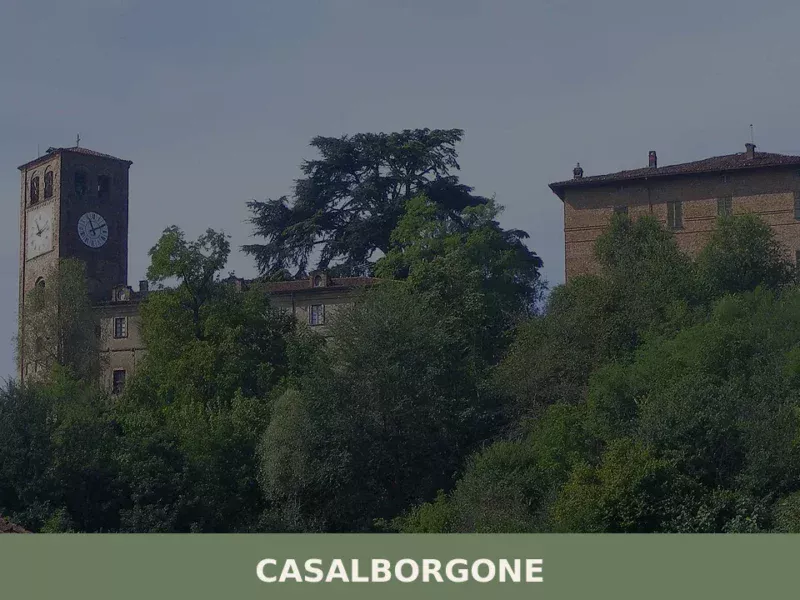
Casalborgone
Hills
Scopri Casalborgone, affascinante borgo storico del Piemonte: storia, tradizioni e paesaggi mozzafiato nel cuore del Monferrato.
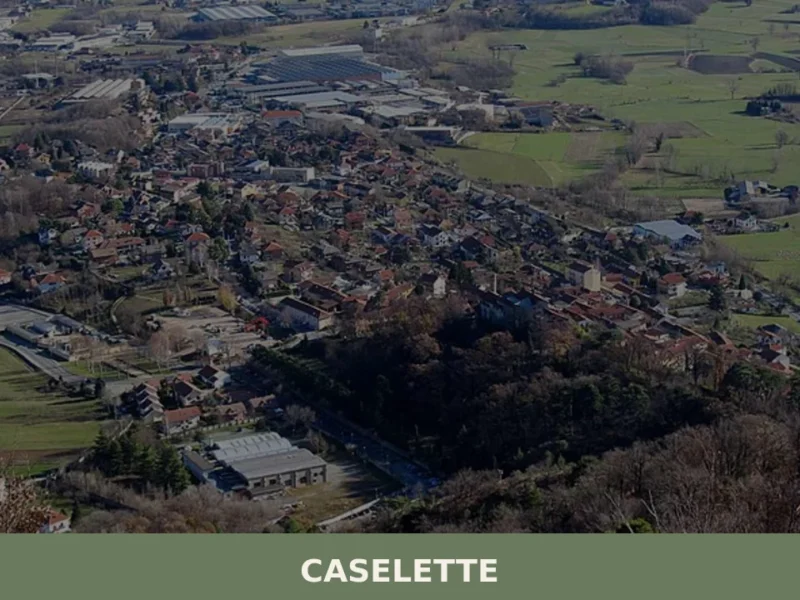
Caselette
Hills
At the foot of Monte Musinè, where the plain of Turin gives way to the first folds of the Val di Susa, a mass of rock the size of a house sits in open ground. The Pietra Alta, one of the largest glacial erratics in the whole of Piedmont, was deposited here by glacial movement […]

Prarostino
 Mountain
Population 1,230. A foothill comune where partisan memory and valley crossroads define the landscape and village rhythm.

Pralormo
Hills
Population 1,852. A hilltop comune marked by its 13th-century castle, a 1930s parish church sheltering Renaissance art, and a medieval tower that once guarded Asti's trade routes.
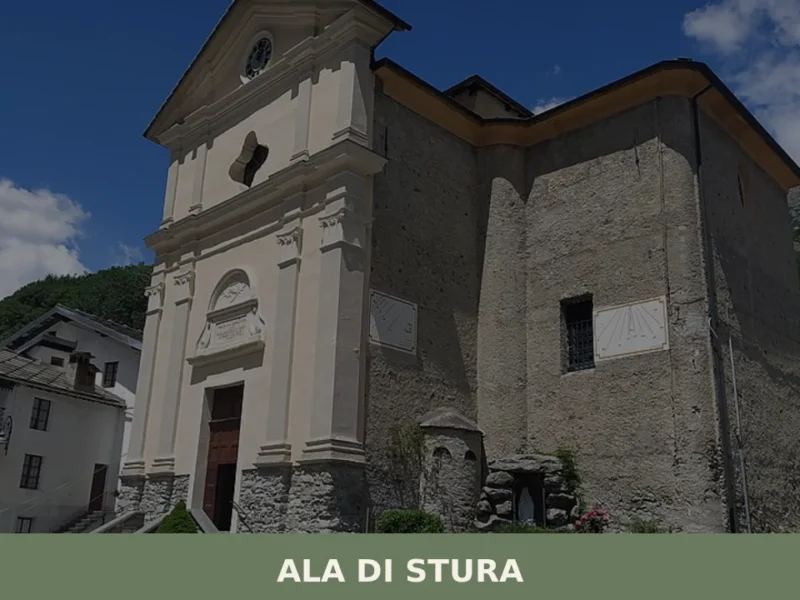
Ala di Stura
Mountain
Every year on 4 September, in Ala di Stura, the bells of the Parish Church of San Grato ring out with special fervour, announcing the patron saint’s feast day. This annual ritual, rooted in centuries of mountain history, is more than a simple religious celebration: it is a call to a community that, at 1,080 […]
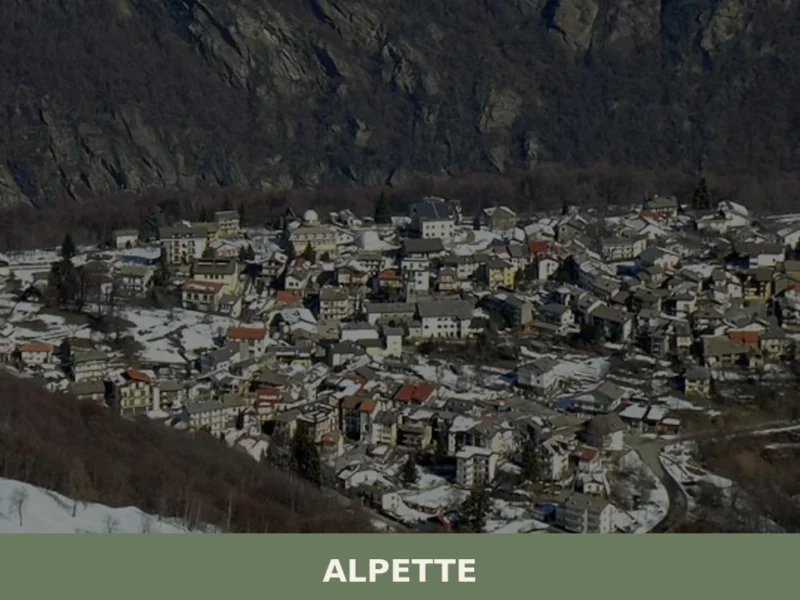
Alpette
Mountain
At 957 metres above sea level, on the eastern slope of Gran Paradiso, Alpette has 251 inhabitants spread between the central settlement and a handful of hamlets scattered along the pastures that climb towards Cima Quinzeina. Those looking into what to see in Alpette will find a village built almost entirely from local stone and […]
Avigliana
Hills
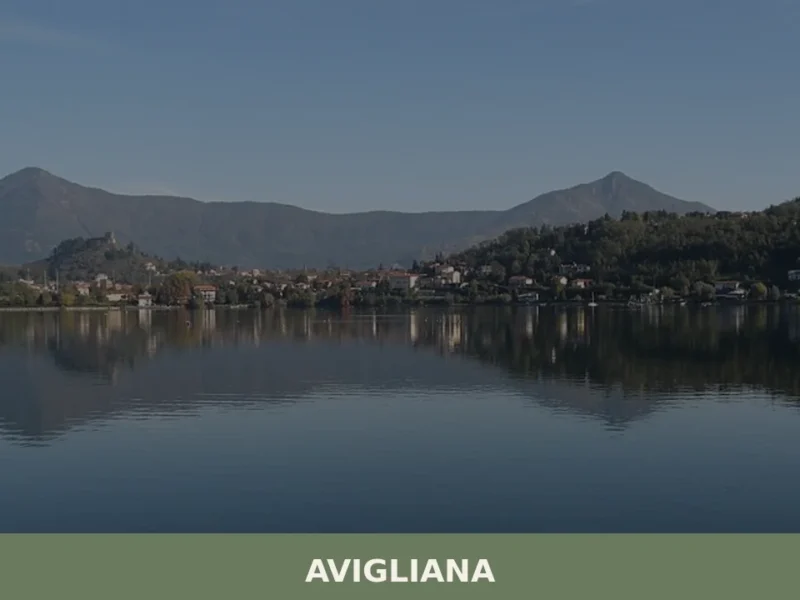
In 1092, a donation charter by Countess Adelaide of Susa mentioned for the first time the castrum Avillianae, a fortified settlement on the hill overlooking two moraine-origin lake basins in the lower Susa Valley. Anyone wondering what to see in Avigliana today will find an urban fabric preserving precise layers of history: thirteenth-century towers, Gothic […]
Piverone
Hills
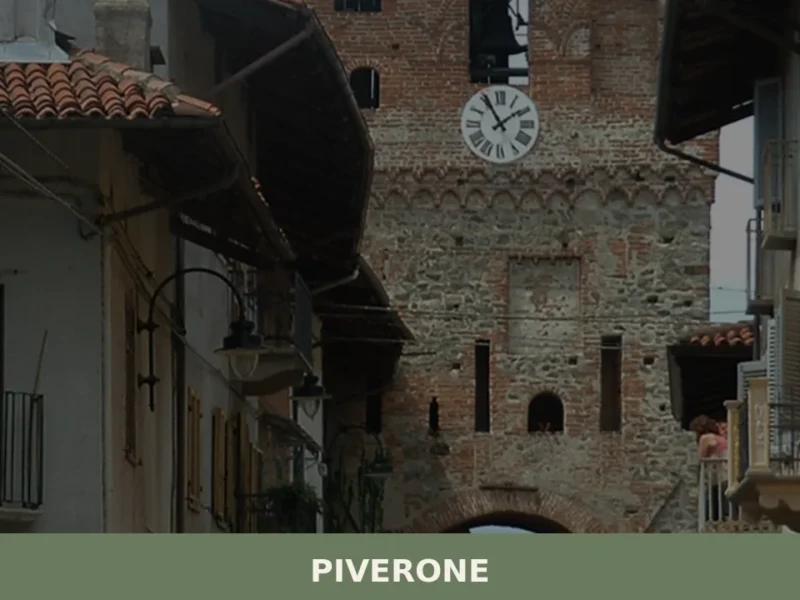
Piverone is a comune of 1,225 inhabitants in the Metropolitan City of Turin, sitting in the Canavese district of Piemonte at the foot of the Monferrato hills. Its Piedmontese name, Pivron, pronounced /pɪw’rʊŋ/, signals a linguistic heritage rooted deep in the region’s Franco-Provençal and Occitan-influenced dialects. For anyone researching what to see in Piverone, the […]

Beinasco
Plains
Beinasco traces its roots to a Roman frontier post. Discover how this small town survived plague, warfare and transformation to anchor modern metropolitan Turin.
🏡 Know Novara better than we do?
If you’re a local or have been there, your knowledge matters: add what’s missing or fix a detail on this page.