


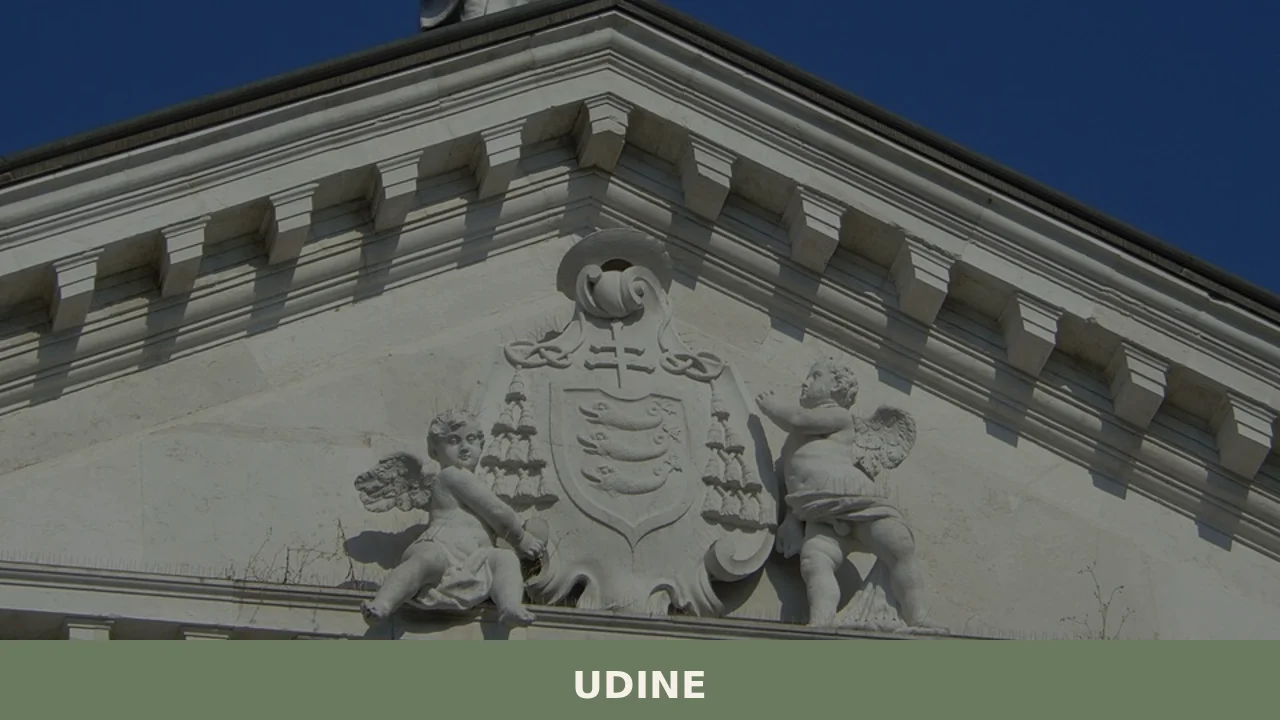
Udine
 Plains
what to see in udine, home to 98,780 residents. Discover the historic Castle, Piazza della Libertu00e0, and Tiepolo Galleries. Explore its rich heritage.
Discover Udine
The history of Udine, a city located at 113 m above sea level in the Friulian plain, is deeply linked to the figure of the Patriarch of Aquileia, an institution that for centuries represented the political and religious fulcrum of a vast territory.
It was precisely in this context that the urban center grew in importance, becoming a patriarchal seat and acquiring a central role for the entire region.
Today’s city offers a significant historical and artistic heritage, inviting visitors to discover its various facets.
Those wishing to explore the Friulian capital will immediately ask themselves what to see in Udine, and the answer unfolds through majestic squares, historic buildings, and notable art collections.
Its strategic position, a crossroads of cultures and trade between Central Europe and the Mediterranean, has shaped a unique identity, reflected in its architecture and traditions.
Exploring the historic center reveals layers of history, from Venetian to Habsburg influences, evident in every corner.
History and Origins of Udine
The origins of Udine are rooted in a past that is lost between legend and historical documentation, with the first records placing it in the medieval period.
The city’s name itself, according to some interpretations, could derive from terms of Celtic or Slavic origin, suggesting the area was frequented since ancient times.
However, its significant development began with the donation of the Castle Hill, which occurred in 983 by Emperor Otto II to the Patriarch of Aquileia, a date that marks a turning point for the future centrality of the settlement.
In 1238, Patriarch Berthold of Andechs-Merania transferred the patriarchal seat from Aquileia to Udine, consolidating its role as the capital of Friuli and the Patriarchate, a vast ecclesiastical state that extended over a considerable area.
This transfer was not just a formal act, but initiated a period of great flourishing for the city, which saw the construction of important public and religious buildings.
The patriarchal power guaranteed Udine autonomy and prosperity, making it a center of trade and culture in Friuli, similar in importance to Aquileia itself, albeit with a different role.
The 15th century marked a decisive change with the annexation of Friuli to the Republic of Venice in 1420, an event that ended the temporal power of the Patriarchs of Aquileia.
Under Venetian rule, which lasted for almost four centuries, Udine maintained a prominent role as the administrative capital of the Patria del Friuli.
This period left a profound imprint on the city’s architecture and urban planning, with the construction of loggias, squares, and palaces that still define the appearance of the historic center today, characterizing it with an elegant and recognizable Venetian style.
What to see in Udine: main attractions
Udine Castle
The Udine Castle stands majestically on the hill of the same name, dominating the city skyline from a privileged position.
Its origin is linked to a fortified Roman-era settlement, although the current structure is the result of successive architectural stratifications.
Destroyed by an earthquake in 1511, it was rebuilt in the forms we admire today, mainly between 1517 and 1595, based on a design attributed to Giovanni da Udine, with an appearance more akin to a noble palace than a military fortress.
Its stone walls enclose an internal courtyard and house the Civic Museums of Udine, making it a cultural hub of great interest.
Inside, visitors can explore the Ancient Art Gallery, which exhibits works by Friulian and Venetian artists from the 14th to the 19th century, and the Archaeological Museum, with artifacts documenting the history of the territory from prehistory to the Roman age.
Furthermore, the Castle houses the Friulian Museum of Photography and the Risorgimento Museum.
The ascent to the hill not only offers the opportunity to visit these important museums but also to enjoy a panoramic view of the entire city of Udine and, on clear days, of the Julian Alps and the surrounding plain, providing a unique vantage point to understand the geography of the area.
Piazza della Libertà
Piazza della Libertà is considered the civic heart and one of Udine’s most significant places, often called the city’s “drawing-room” for its elegance and harmonious architecture.
It stands as one of the most important Venetian-style squares on the mainland, characterized by a series of historic buildings that define its space.
Among these, the Loggia del Lionello stands out, a Gothic-Venetian masterpiece built between 1448 and 1457 based on a design by Bartolomeo delle Cisterne, with its porticoed facade and the alternation of white and pink stone that enhances its lightness.
Opposite the Loggia del Lionello is the Loggia di San Giovanni, built by Bernardino da Morcote between 1533 and 1539, with a Renaissance style that echoes Venetian architecture.
Next to it stands the Clock Tower, built in 1527, which houses the two Moors striking the hours, a mechanism reminiscent of the one in St.
Mark’s Square in Venice. In the center of the square, visitors can admire the statues of Hercules and Cacus, the column with the Lion of St.
Mark, and the Carrara Fountain, elements that contribute to creating a monumental complex of great historical and artistic value, offering visitors a complete immersion in Udine’s Venetian history.
Cathedral of Santa Maria Maggiore
The Cathedral of Santa Maria Maggiore, or Udine Duomo, represents the city’s main place of worship and a significant example of religious architecture.
Its construction began in 1236 at the behest of Patriarch Bertold of Andechs-Merania, with a structure originally in Romanesque-Gothic style.
Over the centuries, the building has undergone numerous modifications and restorations, particularly between the 17th and 18th centuries, which altered its original appearance, giving it the Baroque forms we largely see today.
The main facade, while retaining Gothic elements, has been reworked with Baroque additions, while the interior is richly decorated.
The interior of the Cathedral is divided into three naves and houses valuable works of art, among which the frescoes and decorations created by Giambattista Tiepolo stand out, particularly in the Chapel of the Blessed Sacrament and the presbytery, which represent one of the artist’s most important pictorial cycles.
The Duomo also preserves a valuable high altar and several side chapels with works by other masters.
Its imposing structure and the richness of its decorations make it an essential stop for those wishing to explore what to see in Udine, offering an experience that combines sacred art and architectural history.
Tiepolo Galleries (Archbishop’s Palace)
The Tiepolo Galleries, located inside Udine’s Archbishop’s Palace, constitute a museum complex of extraordinary artistic value, entirely dedicated to the works of Giambattista Tiepolo.
The Palace, an ancient residence of the Patriarchs of Aquileia and then of the Archbishops, is in itself a historical building of considerable interest.
The rooms frescoed by Tiepolo between 1726 and 1729 represent one of the artist’s first important works outside Venice and are considered among his early masterpieces. These frescoes cover various areas of the palace, transforming the spaces into environments of great visual impact.
Among the most significant works are the frescoes in the Guests’ Gallery, Red Room Throne Room A visit to these galleries offers a unique opportunity to admire Tiepolo’s stylistic evolution up close and to immerse oneself in a historical-artistic context of rare beauty, an unmissable attraction for anyone wondering what to see in Udine.
Oratorio della Purità
The Oratorio della Purità, adjacent to the Cathedral of Santa Maria Maggiore, is a small artistic jewel that houses another significant cycle of frescoes by Giambattista Tiepolo and his son Giandomenico.
Its construction dates back to the 18th century; in particular, it was built between 1757 and 1759 at the behest of Archbishop Daniele Dolfin, who wished to create a place of worship dedicated to the education of young women.
The exterior architecture is sober, but the interior reveals surprising decorative richness, concentrated in an intimate and secluded space.
The ceiling of the Oratory is dominated by Giambattista Tiepolo’s fresco depicting the Assumption, a luminous and dynamic work that captures the eye.
The walls are decorated with scenes from the life of the Virgin Mary, created by Giandomenico Tiepolo, which already show his artistic maturity and ability to interpret sacred themes with a more intimate and narrative sensibility.
The combination of the father’s and son’s works in a single environment offers an interesting comparison between the two styles and testifies to the continuity of the Tiepolo workshop.
This oratory represents an essential stop for lovers of Baroque and Rococo art, completing Udine’s artistic offering.
Typical Cuisine and Products of Udine
The cuisine of Udine and Friuli Venezia Giulia is the result of an interesting fusion of historical and geographical influences, which have shaped a robust and flavorful gastronomy.
The region’s position, bordering Austria and Slovenia, has contributed to creating a culinary repertoire that incorporates Mediterranean, Alpine, and Central European elements.
Traditional dishes are often linked to seasonality and local produce, with a predilection for pork, mountain pasture cheeses, cereals, and winter vegetables, reflecting an ancient peasant and mountain culture.
Among the most representative dishes of the area is Frico, a cheese and potato tart, which can be prepared in various versions, from soft and creamy to crispier, and is often accompanied by polenta.
Another iconic dish is Cjarsons, stuffed ravioli that vary significantly from valley to valley and even from family to family, potentially containing both sweet fillings (ricotta, raisins, cocoa) and savory ones (herbs, potatoes, meat).
Also featured is Muset e Brovada, a spiced cotechino served with fermented white turnips, typical of the winter season, which embodies Friulian gastronomic tradition.
Although no certified DOP or IGP products for the specific area of Udine were provided in the database, the Friuli Venezia Giulia region is renowned for its quality wines, particularly whites such as Friulano (formerly Tocai Friulano), Ribolla Gialla, and Sauvignon, produced in the Colli Orientali del Friuli and Friuli Grave areas.
Cured meats, such as Prosciutto di San Daniele, although not produced directly in Udine, are an expression of the regional pork butchery tradition and can be easily found in city markets and delis, enriching the local culinary offerings.
Visitors to Udine can explore the local markets to taste these products, such as the weekly market held on Tuesdays and Saturdays.
Festivals, Events, and Traditions of Udine
Udine devoutly celebrates its patron saints, Ermacora and Fortunato, whose feast day falls on July 12th.
On this day, the city comes alive with religious celebrations culminating in a solemn procession, attended by civil and religious authorities, along with the faithful.
Liturgical functions are held in the Cathedral of Santa Maria Maggiore, commemorating the martyrdom of the two saints, central figures in the Christianization of Friuli.
This event is not only a moment of spirituality but also an opportunity for the community of Udine to gather and renew its traditions.
In addition to the patron saint’s feast day, Udine hosts other important events that enliven the city’s calendar. Among these, Friuli DOC stands out, an enogastronomic event traditionally held in September, attracting visitors from across the region and beyond.
During Friuli DOC, the squares and streets of the historic center transform into a large tasting route, where it’s possible to sample typical Friulian products, from wines to cheeses, cured meats to desserts, accompanied by music and shows.
This event represents a significant opportunity to discover the richness of local culinary culture and to experience the city’s lively atmosphere.
When to visit Udine and how to get there
Udine can be visited at any time of year, but spring (April-May) and autumn (September-October) are generally considered the best times.
In spring, the climate is mild and pleasant, ideal for strolling through the historic center and enjoying the city parks in bloom. Autumn offers pleasant temperatures and the chance to participate in events like Friuli DOC, as well as admire the colors of the foliage in the surrounding landscape.
The summer months can be hot, but the city still offers many cultural activities, and its proximity to the mountains or the sea allows for day trips.
Winter, though colder, provides a more intimate atmosphere and the opportunity to visit museums without the crowds.
To reach Udine, the city is well-connected through various infrastructures.
Those arriving by car can take the A4 Turin-Trieste motorway, exiting at the Udine Sud or Udine Nord toll booths, depending on their direction of origin. From Venice, the distance is approximately 120 km. Udine’s train station is an important hub on the Venice-Trieste line and is served by regional, Intercity, and Frecciarossa trains, making arrival by train a convenient and sustainable choice.
To consult updated timetables, it is advisable to visit the official Trenitalia website. The nearest airport is Trieste-Ronchi dei Legionari Airport (TRS), approximately 40 km away, connected to the city by bus and taxi services.
Venice Marco Polo Airport (VCE) is also an option, although further away.
For those wishing to explore the region, Udine can be a starting point for visiting other places of interest.
A few kilometers away, you’ll find Corno di Rosazzo, known for its vineyards and wineries, or Buttrio, with its castles and wine tradition.
For more detailed information about the city, you can consult the official website of the Municipality of Udine.
| Starting point | Distance | Estimated time |
|---|---|---|
| Trieste | 70 km | 1 hour |
| Venice | 120 km | 1 hour and 30 minutes |
| Ljubljana (Slovenia) | 120 km | 1 hour and 45 minutes |
Where to stay in Udine
Udine offers various accommodation options for visitors, suitable for different needs and budgets.
In the historic center, you’ll find numerous hotels, from superior category to more budget-friendly solutions, often housed in restored historic buildings that retain the charm of local architecture.
These establishments allow you to reach the main city attractions on foot, such as the Castle, Piazza della Libertà, and the Cathedral, making it easier to explore what to see in Udine.
In addition to traditional hotels, the city and its immediate surroundings offer bed & breakfasts, guesthouses, and holiday apartments, providing a more intimate alternative, often with a personal touch.
For those who prefer an experience closer to nature or wish to explore the Friulian countryside, there are also agriturismos in the neighboring areas, where you can stay among vineyards and savor local zero-kilometer products, combining cultural visits with an immersion in the rural landscape.
Frequently asked questions about Udine
What is the best time to visit Udine?
The ideal time to visit Udine is spring (April–June) and early autumn (September–October), when temperatures are mild and the city is lively but not overcrowded. Summer is pleasant and brings key cultural events, including the feast of patron saints Ermacora and Fortunato on 12 July, celebrated with religious ceremonies and city festivities. July also hosts Friuli DOC, one of Italy's largest food and wine festivals, typically held in September. Winter offers a quieter atmosphere and atmospheric Christmas markets in Piazza della Libertà.
What are the historical origins of Udine?
Udine's documented history begins with Emperor Otto II's donation of Castle Hill to the Patriarch of Aquileia in 983 AD. The city's true prominence came in 1238 when Patriarch Berthold of Andechs-Merania transferred the patriarchal seat from Aquileia to Udine, making it the capital of Friuli. In 1420, Friuli was annexed to the Republic of Venice, ushering in nearly four centuries of Venetian rule that profoundly shaped Udine's architecture, urban layout, and cultural identity.
What to see in Udine? Main monuments and landmarks
Udine's must-see sites include: Udine Castle (housing the Civic Museums with the Ancient Art Gallery and Archaeological Museum, open Tue–Sun); Piazza della Libertà with the Gothic-Venetian Loggia del Lionello (1448–1457), the Clock Tower (1527), and the Lion of St. Mark column; the Cathedral of Santa Maria Maggiore with Tiepolo frescoes; the Archbishop's Palace Tiepolo Galleries (frescoes 1726–1729); and the Oratorio della Purità with works by Giambattista and Giandomenico Tiepolo. Most civic museums charge a modest admission fee; check the Civici Musei di Udine website for current hours.
Where to take the best photos in Udine?
The most photogenic spots in Udine are Piazza della Libertà at golden hour, when the Loggia del Lionello's pink and white stonework glows beautifully, and the top of Castle Hill, which offers a panoramic view over the city rooftops, the Friulian plain, and — on clear days — the Julian Alps. The medieval alleyways leading up to the castle and the area around the Cathedral also provide excellent architectural photography opportunities, especially in the early morning when foot traffic is minimal.
Are there museums, churches or historic buildings to visit in Udine?
Udine offers a rich museum circuit. The Civic Museums inside Udine Castle include the Ancient Art Gallery, Archaeological Museum, Friulian Museum of Photography, and Risorgimento Museum. The Archbishop's Palace hosts the Tiepolo Galleries, dedicated entirely to Giambattista Tiepolo's frescoes (1726–1729). The Cathedral of Santa Maria Maggiore and the adjacent Oratorio della Purità complete the Tiepolo trail. Opening hours vary by season; the Civici Musei di Udine website (civicimuseiudine.it) provides up-to-date schedules and ticket prices.
What can you do in Udine? Activities and experiences
Beyond sightseeing, Udine offers a variety of experiences: follow the dedicated Tiepolo art trail through the Cathedral, Archbishop's Palace, and Oratorio della Purità; explore the historic centre on foot or by bike; visit the city's covered market for local produce; and attend the Friuli DOC festival in September, celebrating regional food, wine, and crafts. Day trips are easily organized to the Friulian wine hills (Collio and Colli Orientali del Friuli DOC zones) and to Aquileia's Roman ruins, a UNESCO World Heritage Site.
Who is Udine suitable for? Families, couples, hikers, solo travelers?
Udine is a versatile destination suited to a wide range of visitors. Art and history lovers will be drawn to the Tiepolo trail and Civic Museums. Couples will appreciate the romantic elegance of Piazza della Libertà and the city's café culture. Families can enjoy the Castle Hill panorama, interactive museum sections, and the lively atmosphere of local festivals. Food and wine enthusiasts will find Friulian cuisine and regional wines a highlight. Solo travellers benefit from the compact, walkable historic centre and excellent transport links to the wider region.
What to eat in Udine? Local products and specialties
Udine is the gateway to some of Italy's finest regional gastronomy. Key specialties include Frico (a crispy or soft cheese and potato dish, often served with polenta), San Daniele PDO prosciutto (produced in nearby San Daniele del Friuli), Montasio PDO cheese (the base of authentic Frico), and Friulian wines from the Collio and Colli Orientali DOC zones. Gubana, a rich sweet bread filled with nuts, raisins, and grappa, is a traditional Friulian dessert. Local restaurants and the Friuli DOC festival in September are ideal settings to sample these products.
Nearby Villages near Udine
In Friuli-Venezia Giulia More villages to discover
Campolongo Tapogliano
Plains
What to see in Campolongo Tapogliano, Friuli-Venezia Giulia, Italy. Explore a comune born in 2009, its twin-town ties with France, local food and how to get there.
Colloredo di Monte Albano
 Hills
Hills
The earthquake of 6 May 1976 split the history of Colloredo di Monte Albano in two: before and after. The castle of the Counts of Colloredo, one of the most imposing noble residences in Friuli, largely collapsed that evening, and with it shattered an architectural heritage built over seven centuries. Today, after decades of restoration, […]
Arba
Plains
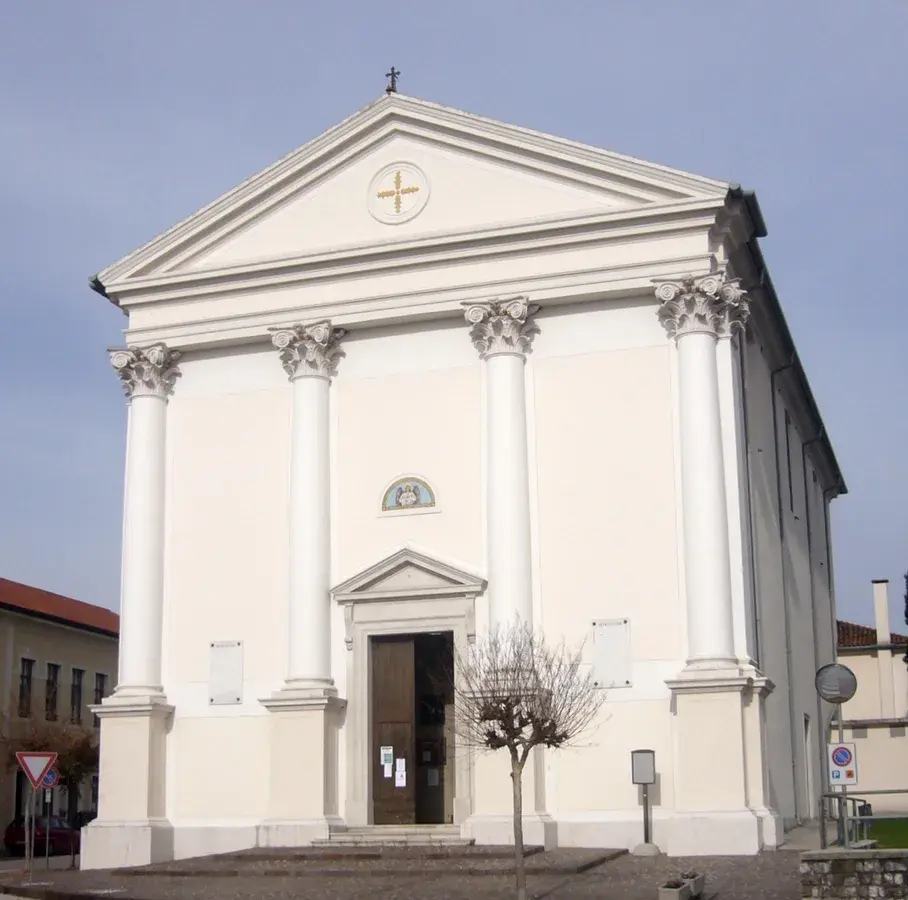
What to see in Arba: Explore Italy's Arba, a village at 210 meters altitude. Discover its historic church and vibrant patron saint festival on September 29. Read more.
Cavasso Nuovo
Hills
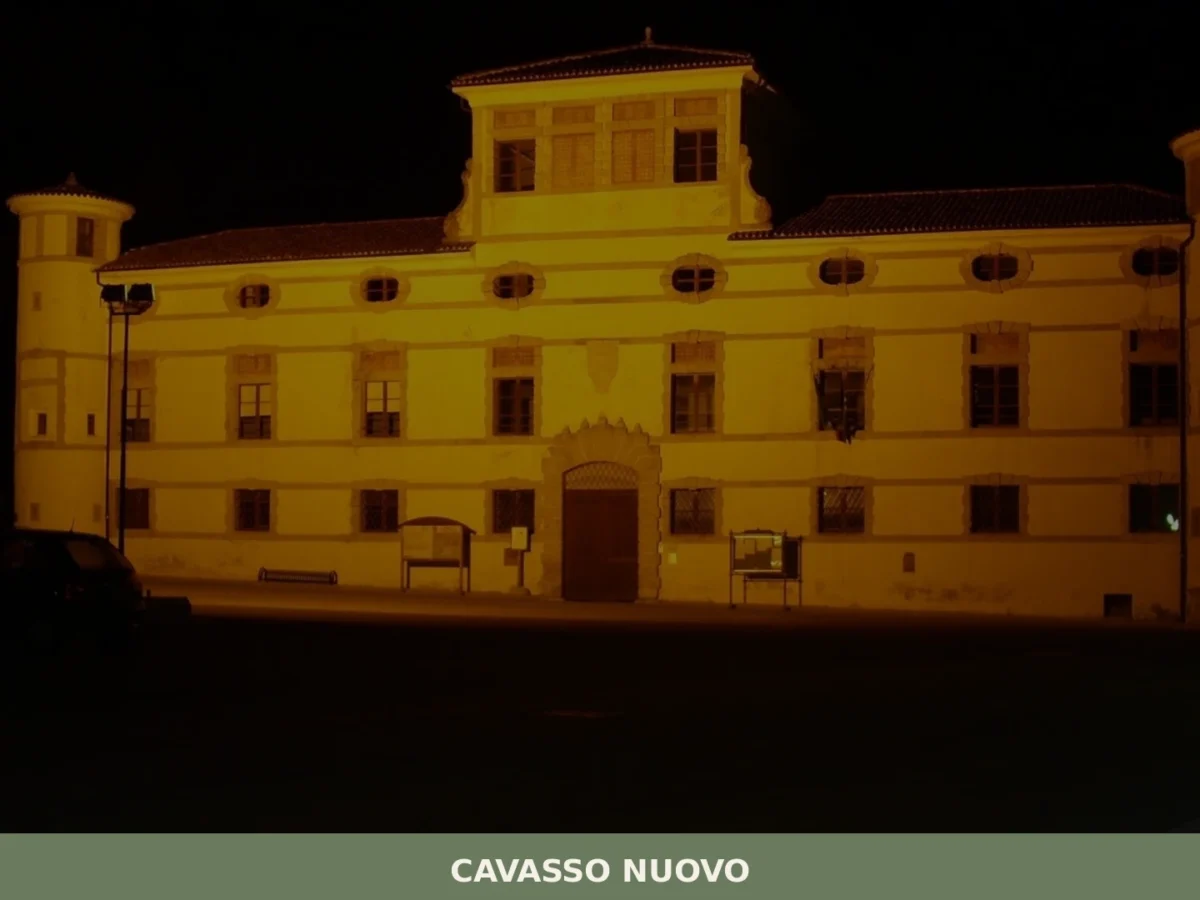
What to see in Cavasso Nuovo, Italy? Explore this Friuli-Venezia Giulia village at 280 m (919 ft) altitude. Discover its 15th-century church and the birthplace of Louis Francescon.
Buja
Hills
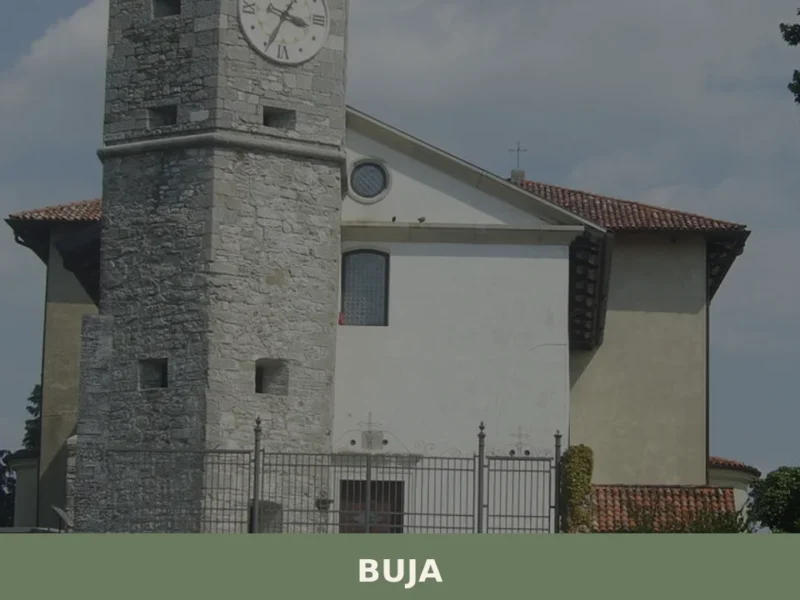
In 1976, two earthquakes devastated Friuli, and Buja was among the hardest-hit municipalities: more than seventy per cent of its buildings suffered serious damage. The reconstruction, which lasted nearly two decades, reshaped the appearance of this hilltop settlement without erasing the scattered layout of hamlets and small villages that has defined it since the Middle […]
Andreis
 Mountain
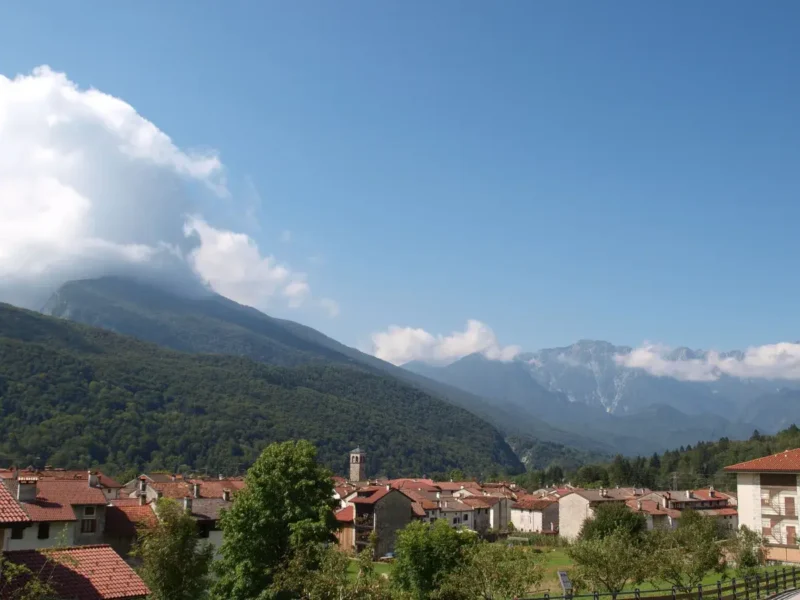
What to see in Andreis, a village of 242 residents in the Friulian Dolomites Park: attractions, local food, how to get there and when to visit.
Barcis
Mountain
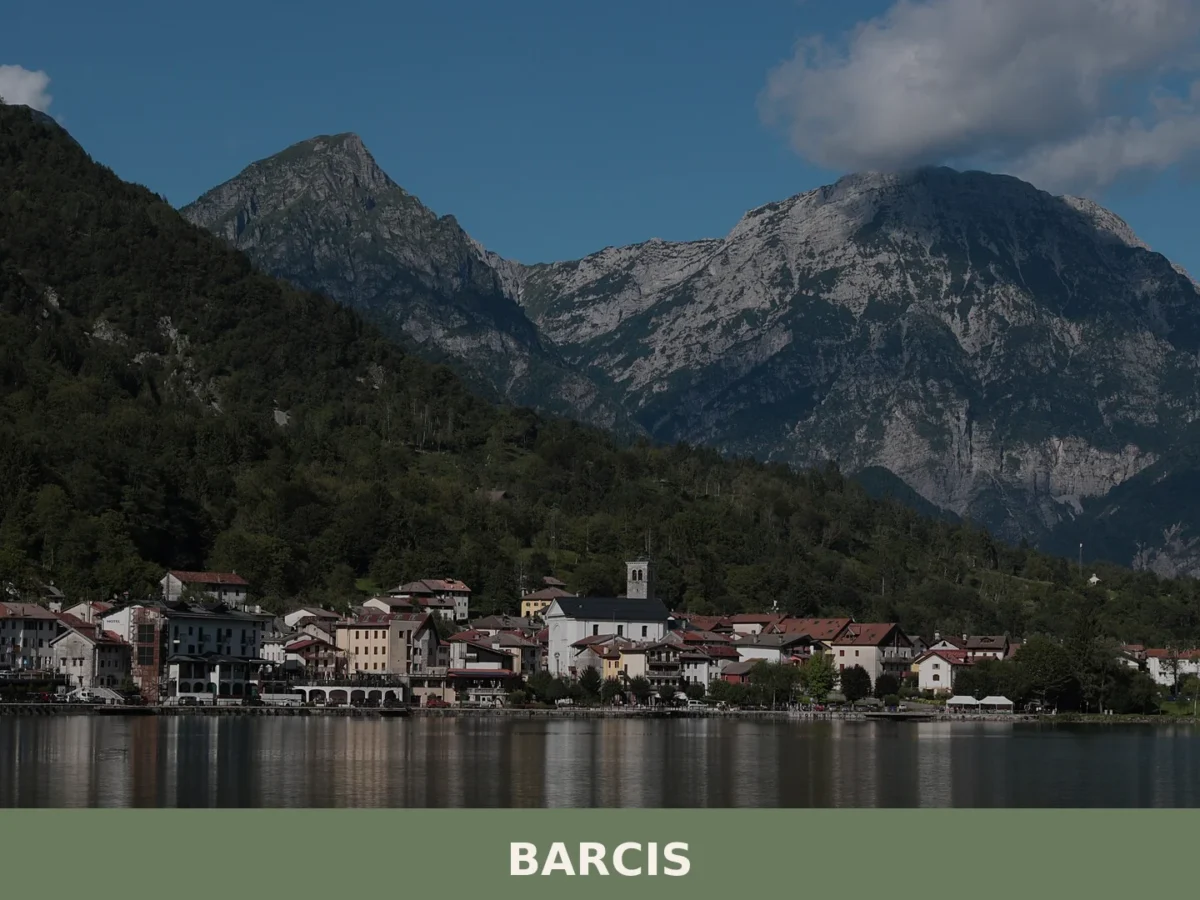
231 inhabitants. A small mountain comune where medieval stone meets a luminous artificial lake, ringed by limestone summits and ancient mountain paths.
Corno di Rosazzo
Plains
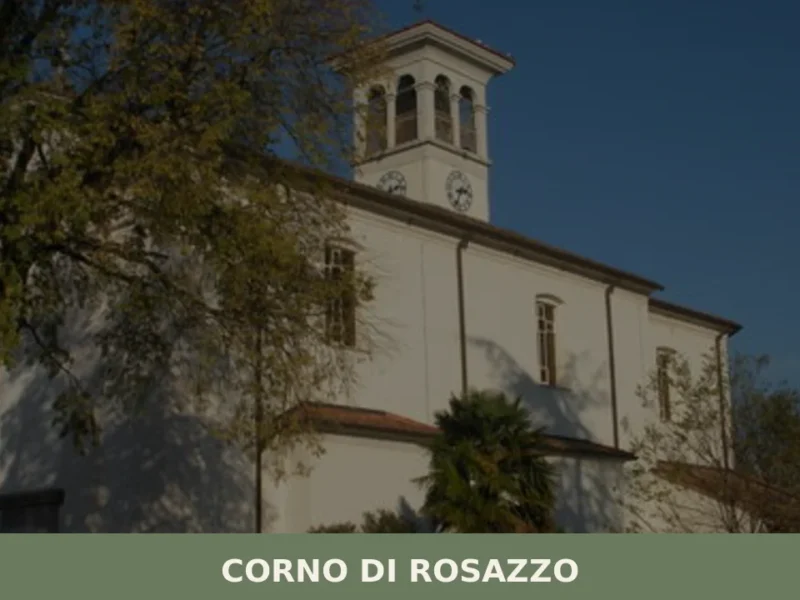
In 1070, a deed of donation by the Patriarch of Aquileia mentioned the name Corno di Rosazzo for the first time, linking it to a parish church and a territory already organized around viticulture and cereal farming. Today that territory extends over just twenty square kilometres across the Colli Orientali del Friuli, at 88 metres […]
Basiliano
Plains
In 1309, a notarial deed drawn up in Udine recorded the transfer of certain feudal rights relating to the territory of Basiliano, confirming the existence of a settlement already organised along the route connecting Udine to Codroipo. Today that route partly coincides with regional road 464, and anyone travelling along it crosses a plain where […]
Arta Terme
Hills
In 1687, the physician and naturalist Giovanni Battista De Candido published the first treatise on the healing properties of the sulphurous waters flowing from the Fonte Pudia spring in the territory of Arta. That document marked the beginning of a thermal spa tradition that would define the economic identity of this Carnic centre for the […]


🏡 Know Udine better than we do?
If you’re a local or have been there, your knowledge matters: add what’s missing or fix a detail on this page.