


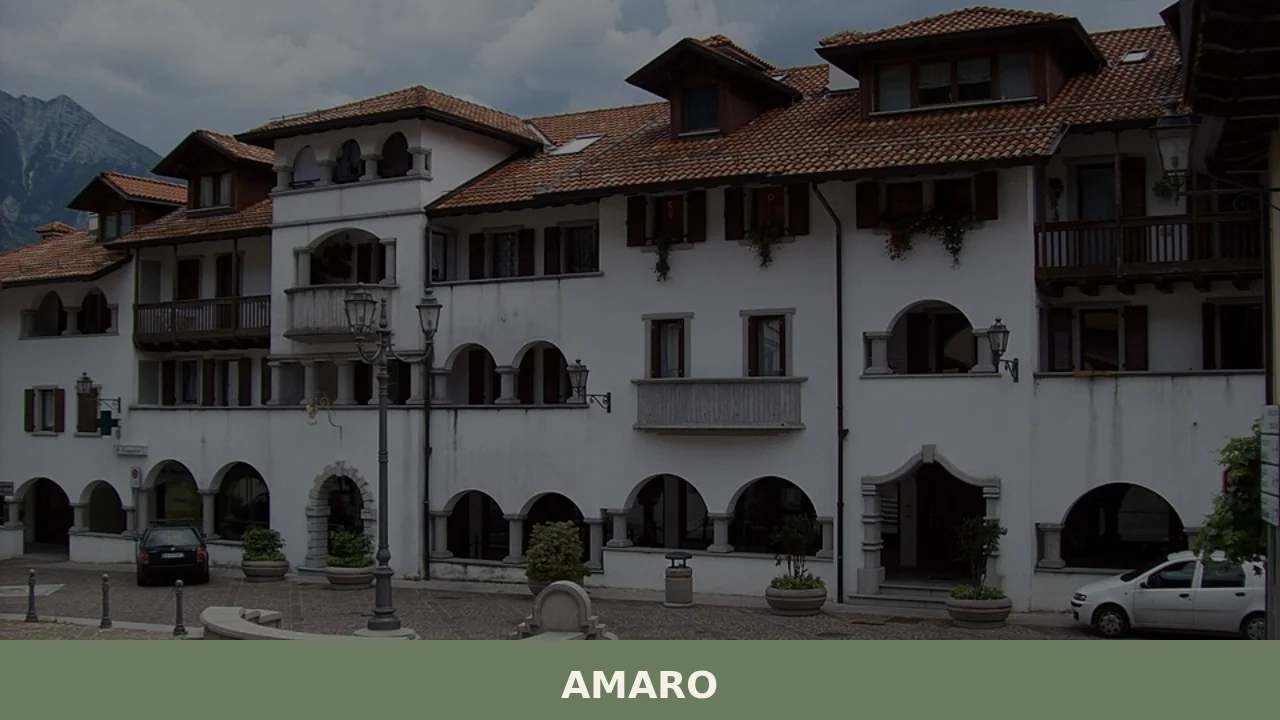
Amaro
 Hills
Hills
What to see in Amaro, Italy: Discover this Friuli-Venezia Giulia village at 296 m (971 ft) altitude. Explore local traditions and planning your visit.
Discover Amaro
At an altitude of 296 m (971 ft) above sea level, the village of Amaro sits within the province of Udine, a component of the Friuli-Venezia Giulia region in northeastern Italy. This small community, home to 851 inhabitants, is officially categorized within the “Collina” (hill) theme, reflecting its elevated position and surrounding landscape.
The area is characterized by gentle slopes and a serene environment, typical of many smaller settlements in the region.
For those wondering what to see in Amaro, this guide provides insights into the village’s identity and surrounding context. Visitors to Amaro find a quiet retreat where local life unfolds at a measured pace, offering an opportunity to experience authentic Friulian culture. The Amaro highlights include its patron saint celebrations and the natural setting of a hill village, inviting exploration of the wider region.
History of Amaro
The village of Amaro is formally recognized as a municipality within the Italian administrative structure, situated in the geographical and historical region of Friuli-Venezia Giulia. Its classification as a “Collina” settlement indicates its position within the hill country of Udine province, a landscape that has historically shaped the development and character of its communities.
With a population of 851 inhabitants, Amaro maintains the intimate scale characteristic of many smaller Italian villages.
A significant aspect of Amaro’s cultural identity is its dedication to Nicola di Mira as the patron saint, celebrated annually on December 6th. This feast day marks a moment of local observance and tradition, connecting the community to centuries of shared heritage. While specific historical records detailing the founding or early development of the village of Amaro itself are not extensively provided in the available sources, the presence of a patron saint points to a long-standing communal life.
The name “Amaro” appears in broader contexts, including a semi-legendary Christian saint born in 1522 and an Italian herbal liqueur. However, the provided sources do not establish a direct historical link between these distinct entities and the municipality of Amaro in Friuli-Venezia Giulia. Consequently, specific historical events, documented figures, or an etymological origin directly tied to the village itself are not detailed, leaving its early narrative largely unrecorded in the available information.
What to see in Amaro, Friuli-Venezia Giulia: top attractions
The provided information about Amaro, Friuli-Venezia Giulia, primarily defines its administrative status, population, altitude, and patron saint, but does not detail specific tourist attractions or points of interest within the village itself.
Therefore, a list of five distinct attractions with precise physical descriptions, historical facts, and measurements cannot be compiled from the available sources. Visitors seeking specific landmarks will find a tranquil hill village environment, rather than a destination rich in named historical sites or museums.
Despite the absence of specific attractions, the experience of visiting Amaro centers on its setting as a “Collina” village. The general area offers opportunities for quiet walks and appreciation of the natural landscape, characteristic of the Friulian hills. Exploring the local streets can provide a glimpse into daily life in a small Italian community, a contrast to larger, more bustling tourist destinations.
The surrounding region of Friuli-Venezia Giulia is known for its diverse landscapes, from mountains to the Adriatic coast, which visitors can explore.
Local food and typical products of Amaro
The available sources do not provide specific details regarding the local gastronomic traditions, unique dishes, or culinary influences directly tied to the village of Amaro. While Friuli-Venezia Giulia as a region boasts a rich and varied cuisine, a distinct culinary identity for Amaro itself is not outlined in the provided information. Visitors interested in the regional gastronomy would typically find influences from Austrian, Slovenian, and Venetian traditions throughout Friuli.
One notable item sharing the name is Amaro (liqueur), an Italian herbal liqueur that is widely produced across Italy. This digestif is typically made from a maceration of herbs, roots, flowers, bark, and citrus peels in alcohol, often sweetened with caramel. While the liqueur shares the village’s name, the provided sources do not confirm that this particular type of liqueur is a specific or traditional product of the municipality of Amaro, nor that it is produced there.
Furthermore, the sources do not list any certified products (such as DOP, IGP, or DOC) that are unique to Amaro or for which Amaro is a designated production municipality.
Therefore, specific local food fairs or markets where unique Amaro products could be purchased are not detailed. Those seeking certified regional products might explore broader Friulian offerings like Prosciutto di San Daniele or Montasio cheese, which are well-known throughout the region but not specifically linked to Amaro in the provided data.
Festivals, events and traditions of Amaro
The most prominent and verifiable tradition in Amaro centers around its patron saint, Nicola di Mira, whose feast day is celebrated annually on December 6th. This day is a significant occasion for the community, typically involving religious services and local gatherings. In many Italian villages, such patron saint festivals are marked by processions, special masses, and communal meals, fostering a strong sense of local identity and continuity.
Beyond the patron saint’s feast day, the provided sources do not detail other specific festivals, recurring events, or unique traditions held within the village of Amaro.
Information regarding documented food fairs, seasonal markets, or other cultural celebrations that might take place during particular months or seasons is not available. Visitors planning a trip around specific events should be aware that the publicly available data for Amaro is limited in this regard.
When to visit Amaro, Italy and how to get there
Considering the village’s classification as a “Collina” (hill) area in Friuli-Venezia Giulia, the best time to visit Friuli-Venezia Giulia, including Amaro, generally spans from spring through early autumn. Months like May, June, September, and October offer pleasant temperatures for exploring the surrounding landscape and enjoying the quiet atmosphere. Summers, particularly July and August, can be warm but provide longer daylight hours, while winters, including the December 6th patron saint feast, are cooler and quieter, offering a different, more subdued experience of the village.
Amaro’s altitude of 296 m (971 ft) indicates a relatively accessible hill environment, suitable for visitors who appreciate a tranquil setting.
For those arriving by car, Amaro is conveniently located near the A23 motorway. The recommended exit is Carnia-Tolmezzo, from which Amaro is a short drive of approximately 10 km (6.2 mi). For travelers preferring rail, the nearest train stations are Carnia or Udine. Udine, a regional hub, is about 35 km (21.7 mi) south of Amaro and offers connections to major Italian cities.
The nearest major airport is Trieste – Friuli Venezia Giulia Airport (TRS), located approximately 60 km (37.3 mi) from Amaro. From the airport, visitors can rent a car or use public transport connections to reach Udine and then Amaro. For international visitors, it is advisable to carry some Euros cash, as smaller shops and services in villages like Amaro may have limited English-speaking staff and prefer cash transactions. Understanding how to get to Amaro from these regional gateways is key for planning your journey to this Friulian village.
Visitors to Amaro can extend their trip to explore other nearby villages in Friuli-Venezia Giulia, such as Dignano, which lies further south and offers another perspective on the region’s rural character.
Alternatively, the area around Coseano provides additional examples of Friulian village life and agricultural landscapes. A journey through this part of Italy might also include a stop at Camino al Tagliamento, known for its historical connections to the Tagliamento river. Further south, Aiello del Friuli offers a different set of local features to discover, enriching the overall experience of the region.
Frequently asked questions about Amaro
What is the best time to visit Amaro?
The two best windows are late spring (May–June) and autumn (September–October). In May and June, meadows are in bloom, temperatures are mild, and the trails into the Carnic foothills are at their most walkable. September and October bring spectacular beech forest colours and local harvest festivals (sagre) where Friulian food traditions take centre stage. Winter is cold and quiet — suited to solitude seekers. On 6 December, the village marks the feast of its patron saint, Nicholas of Myra (San Nicola di Mira), a small but authentic community occasion worth catching if you are in the area.
What are the historical origins of Amaro?
Amaro's territory has been inhabited since antiquity, sitting along routes connecting the Adriatic lowlands to Alpine passes used for trade and military movement since Roman times. Its name is debated: some historians link it to the Latin amarus (bitter), possibly referencing the character of local mountain waters or the challenging terrain. During the medieval period the village fell under the Patriarchate of Aquileia, the powerful ecclesiastical state that defined much of Friuli's identity, before passing to the Republic of Venice in 1420. The twentieth century brought the trauma of World War I and subsequent emigration waves toward northern Europe and the Americas.
What to see in Amaro? Main monuments and landmarks
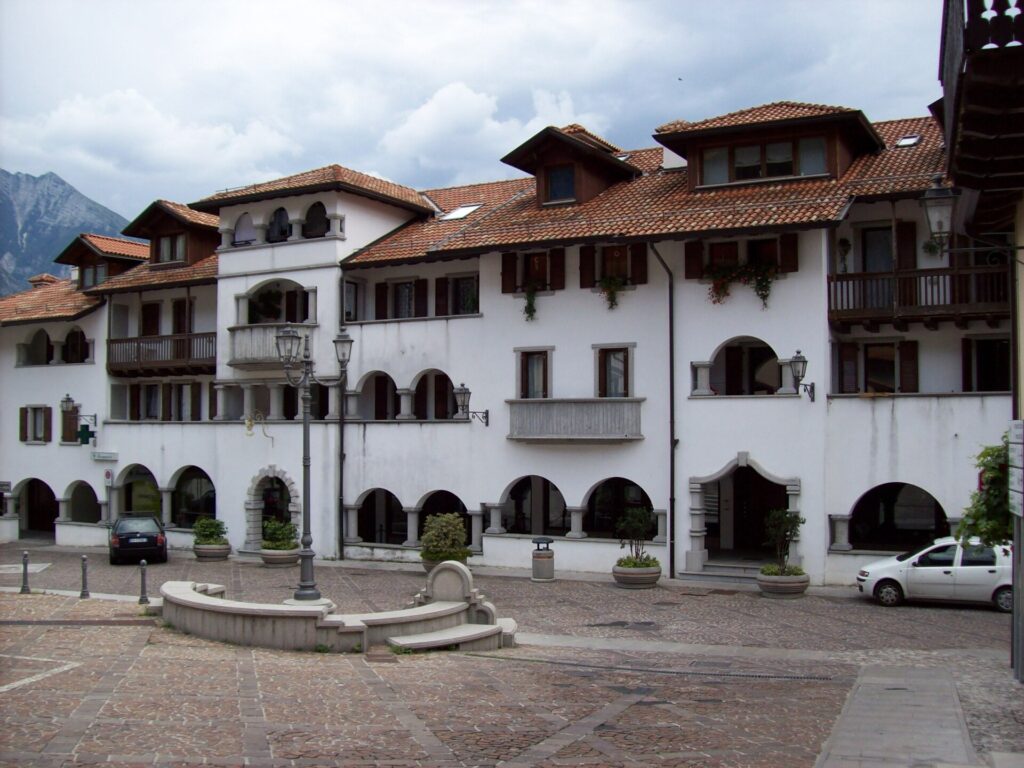
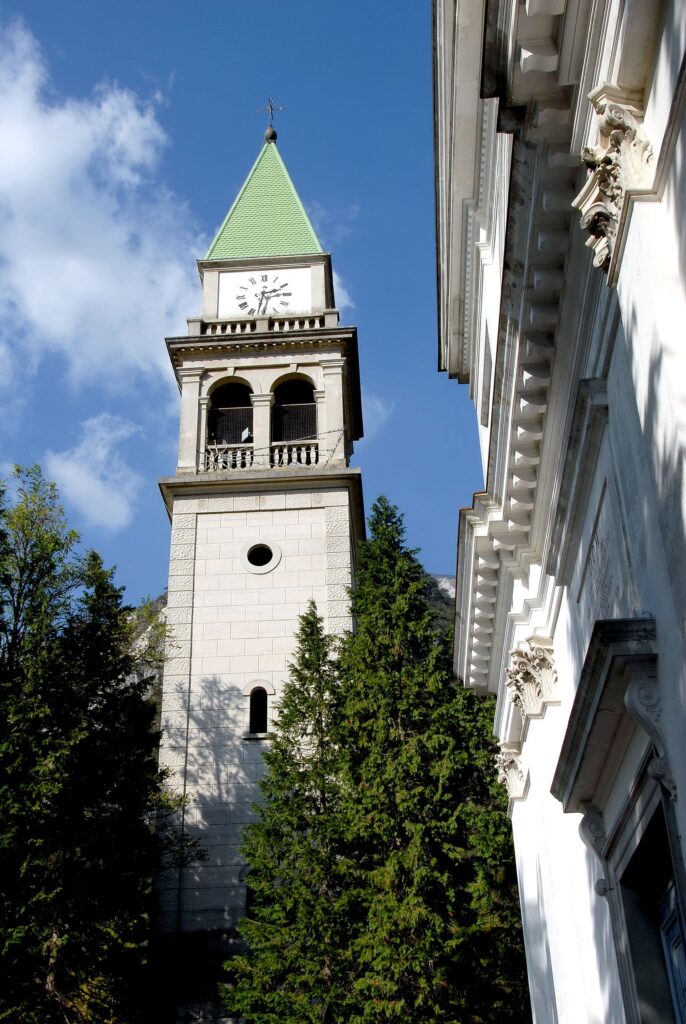
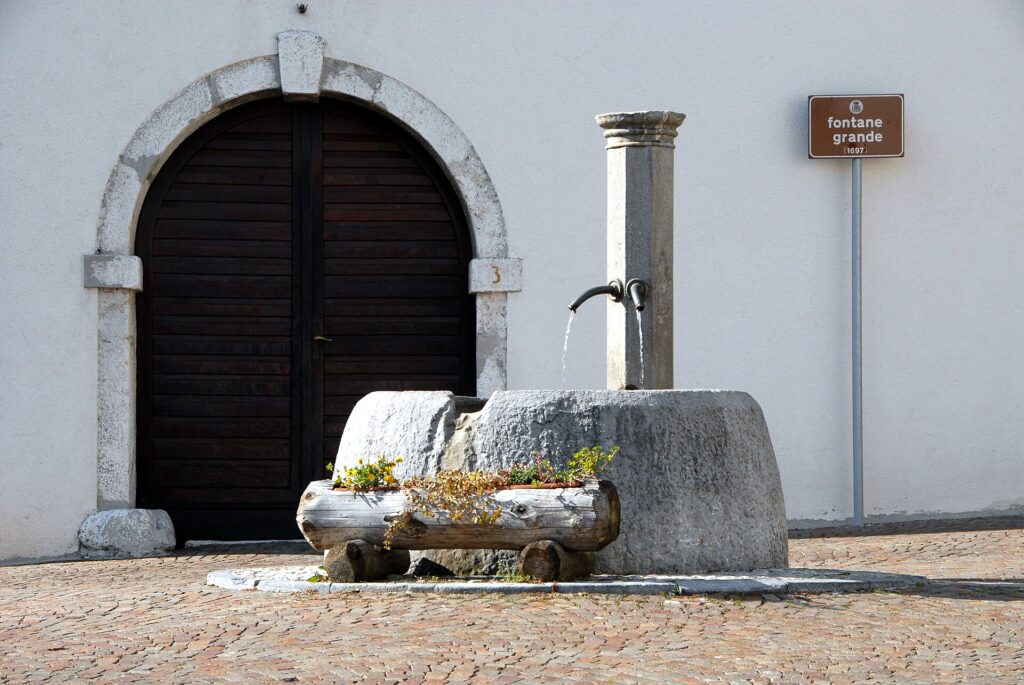
The parish church is the natural starting point — a stone-façaded Friulian mountain church at the heart of the village, with a bell tower and interiors containing traditional altarpieces. The historic centre rewards a slow walk: compact lanes lined with Carnic stone houses, wooden balconies once used for drying crops, and carved lintels bearing family dates and iron door fittings. Scattered war memorials — stone crosses and wall plaques — document the community's World War I experience. The wide, braided gravel bed of the Tagliamento river on the village's doorstep is itself one of the most ecologically significant landscapes in the Alps.
What are the main natural or scenic attractions of Amaro?
The Tagliamento river is the defining natural feature — an unregulated, braided Alpine river that ecologists across Europe study as a benchmark wild waterway. Walking its gravel banks is a striking, low-effort experience. From Amaro, a network of marked footpaths leads through beech and mixed woodland into the Carnic foothills, passing seasonal farming shelters (malghe) and open meadows. Nearby, Lake Verzegnis and Lago di Cavazzo — the largest natural lake in Friuli Venezia Giulia — offer alpine reservoir and lakeside scenery within a short drive, rounding out a full day in the surrounding landscape.
Where to take the best photos in Amaro?
The banks of the Tagliamento offer the most dramatic compositions: the wide braided gravel bed with the Carnic Alps as a backdrop is particularly photogenic in morning light when mist still hangs in the valley. Within the village, the historic centre's stone lanes and carved wooden balconies make for strong architectural detail shots, especially at golden hour. The autumn beech forest along the footpaths above the village turns copper and gold from late September, providing a classic Friulian mountain colour palette. The nearby shores of Lago di Cavazzo, reflecting the surrounding peaks, are also a rewarding short detour for landscape photography.
What can you do in Amaro? Activities and experiences
Walking and light hiking are the main activities: marked footpaths from the village lead through woodland, meadow, and past malghe into the Carnic foothills, suitable for casual walkers rather than technical climbers. The Tagliamento riverbanks are ideal for unhurried riverside walks and birdwatching in a protected wild-river ecosystem. Food and wine exploration is a strong draw — local trattorie and osterie in the area serve traditional Carnic dishes using seasonal, local ingredients. Day trips to Lago di Cavazzo for swimming or lakeside walking, and to Verzegnis for alpine reservoir scenery, integrate naturally into a stay based in Amaro.
Who is Amaro suitable for?
Amaro suits travellers who actively want to step off the tourist circuit. Couples and solo travellers seeking quiet, authentic Friulian village life will find exactly that pace here. Nature lovers and birdwatchers are drawn by the wild Tagliamento river ecosystem. Walkers and light hikers can explore the Carnic foothill trails without needing technical equipment. Food-focused visitors will appreciate the proximity to genuine Carnic cuisine — frico, cjarsòns, smoked ricotta — in unpretentious local establishments. Families with older children comfortable with walking and nature exploration will also enjoy the area. It is not suited to those seeking a busy resort atmosphere or a wide range of on-site amenities.
What to eat in Amaro? Local products and specialties
The local table belongs to the Carnic mountain tradition. Frico — a crisp pancake of aged Montasio DOP cheese and potatoes — is the regional signature dish. Polenta, served soft alongside game, wild mushrooms, or smoked meats, appears at almost every meal. Cjarsòns are the most distinctive local pasta: stuffed with a mixture of ricotta, herbs, raisins, and chocolate, they surprise first-time visitors with their sweet-savoury balance. Smoked ricotta and locally cured meats are reliable antipasto choices. Montasio DOP cheese, produced throughout the province of Udine, is the ideal edible souvenir. White wines from the Friuli Grave and Colli Orientali DOC appellations pair naturally with the food.
📷 Photo Gallery — Amaro
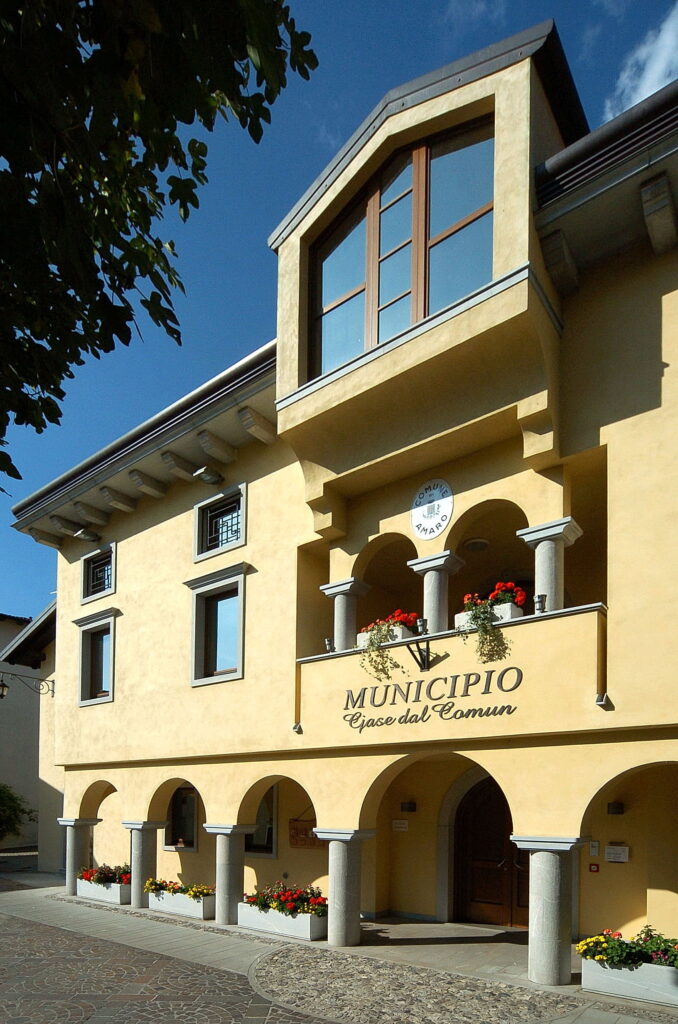
Nearby Villages near Amaro
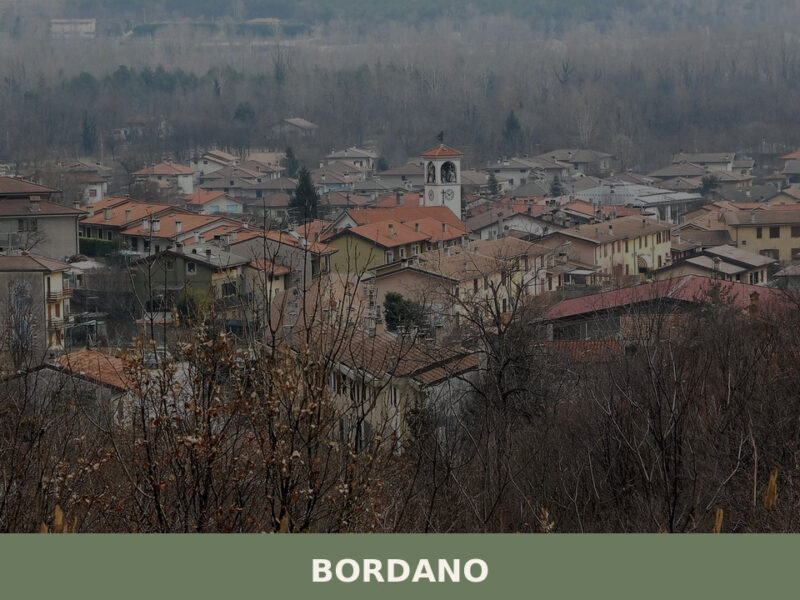
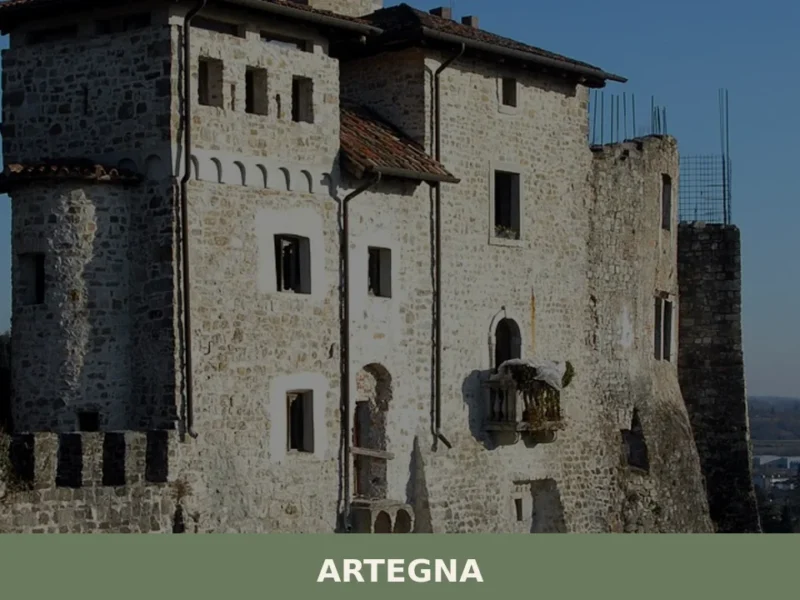
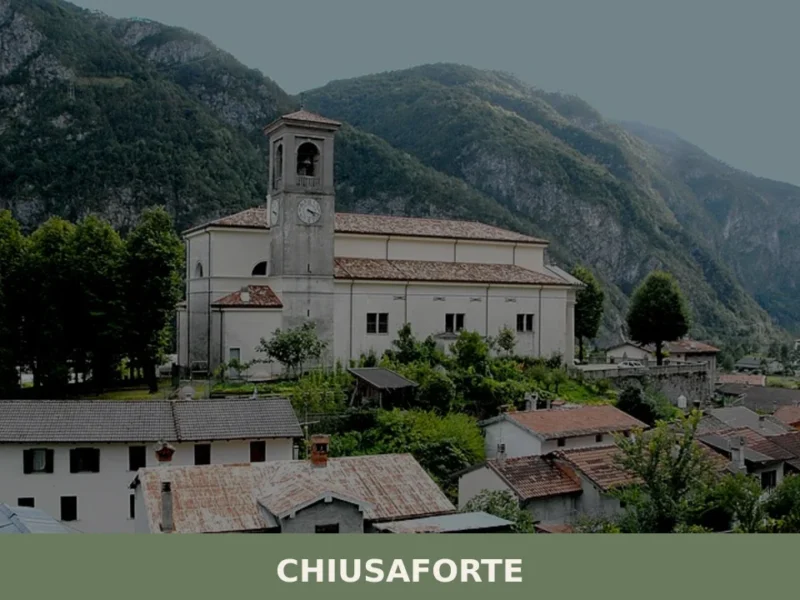
In Friuli-Venezia Giulia More villages to discover
Castions di Strada
 Plains
A straight road cuts across the Friulian plain at twenty-three metres above sea level, and along that route — the ancient road that connected Aquileia to Concordia Sagittaria — a settlement grew whose very name declares its reason for being. Castions di Strada owes its identity to that Roman road, to a network of drainage […]
Arta Terme
Hills
In 1687, the physician and naturalist Giovanni Battista De Candido published the first treatise on the healing properties of the sulphurous waters flowing from the Fonte Pudia spring in the territory of Arta. That document marked the beginning of a thermal spa tradition that would define the economic identity of this Carnic centre for the […]
Cercivento
 Mountain
Discover what to see in Cercivento: a 635-soul village in the Carnic Alps of Friuli Venezia Giulia, with historic churches, mosaics, and alpine trails.
Aquileia
Plains
What to see in Aquileia: early Christian basilica, UNESCO mosaics, Roman forum, archaeological museum. Guide with history, cuisine and how to get there.
Attimis
Plains
Twin castle ruins, a medieval archaeological museum, and the secluded mountain hamlet of Porzûs — Attimis reveals Friuli's layered history in a quiet valley near Udine.
Trieste
 Sea
Sea
What to see in Trieste, a city with over 200,000 inhabitants? Discover 5 main attractions and savor local cuisine like Jota and Presnitz. Explore its unique history.
Campoformido
Plains
On 17 October 1797, in a country villa on the Friulian plain, plenipotentiaries representing Napoleon Bonaparte and the Austrian Empire signed the treaty that redrew the political map of Europe, erasing the Republic of Venice after more than a millennium of existence. That document bears the name of this place: Campoformido, a municipality of 7,799 […]
Bertiolo
Plains
The earliest documented mention of the name Bertiolo dates back to 1219, in a notarial deed linked to the properties of the Patriarchate of Aquileia. Arriving today along the road that leads south from Codroipo, visitors encounter a compact urban centre laid out along a grid of orderly streets, surrounded by fields of maize and […]
Latisana
Plains
Latisana shaped medieval trade along the Tagliamento River for centuries. Visit for its Venetian architecture, ancient port history, and the lagoon at Aprilia Marittima.
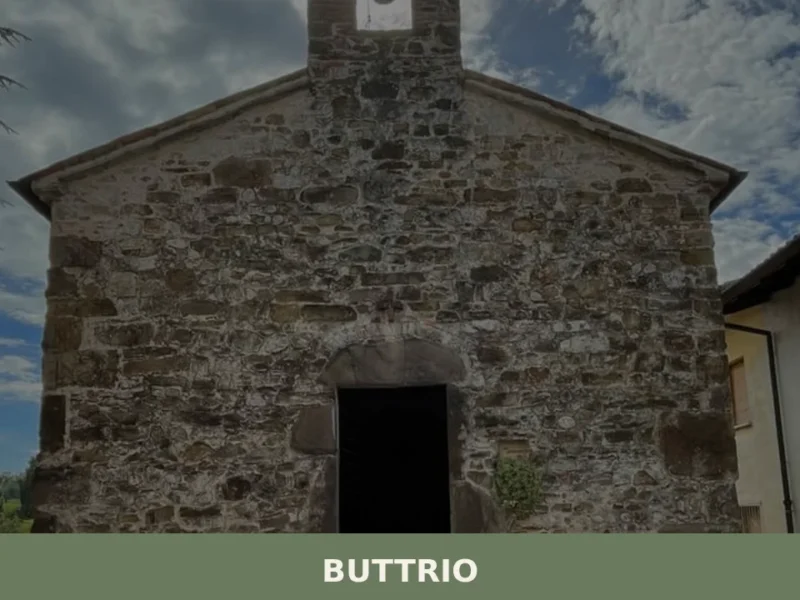
Buttrio
Plains
In 1031 a document issued by Emperor Conrad II mentioned for the first time the name Butrium, referring to a hilltop settlement where grapevines had already been cultivated for centuries. Today that nucleus has become a municipality of 4,040 inhabitants in the province of Udine, standing at 79 metres above sea level and surrounded by […]

🏡 Know Amaro better than we do?
If you’re a local or have been there, your knowledge matters: add what’s missing or fix a detail on this page.