


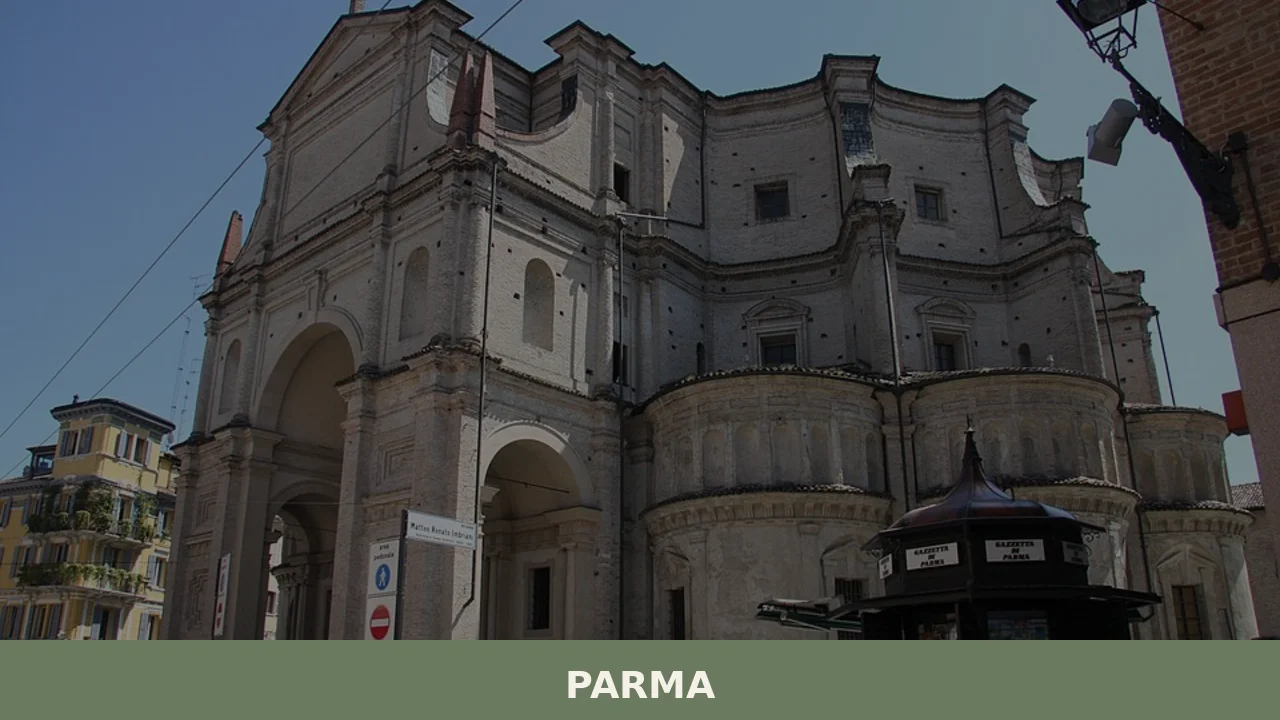
Parma
what to see in parma. Home to 177,714 residents, Parma offers the iconic Duomo, Baptistery, and world-famous Parma Ham. Explore its rich heritage.
Discover Parma
During the 19th century, the city of Parma experienced a period of remarkable cultural and urban development thanks to the influence of Maria Luigia d’Austria, duchess who governed the Duchy from 1816 to 1847.
Her administration left a lasting impression, contributing to the modernization of infrastructures and the promotion of the arts, a legacy that still today defines the identity of the Emilian capital.
For those wondering what to see in Parma, the answer lies in a heritage that ranges from medieval architecture to the testimonies of the Farnese and Bourbon duchies, offering an itinerary rich in discoveries.
The city, with its 177,714 inhabitants and an altitude of 69 m a.s.l., presents itself as a vibrant center, where history and contemporary life merge in an elegant and welcoming urban context.
History and origins of Parma
The origins of Parma date back to the Bronze Age, with Terramare settlements documented in the area.
The city’s foundation as a Roman colony occurred in 183 BC, along the Via Emilia, taking the name of Parma, probably derived from a round shield, the “parma” of the Roman legionaries, or perhaps from an ancient Etruscan root.
After the fall of the Western Roman Empire, the city was subject to various dominations, including the Lombard and Frankish ones, which shaped its social and political structure.
The early medieval period saw Parma establish itself as an episcopal see, with the Church acquiring a central role in the management of the territory and the organization of city life.
In the Middle Ages, Parma became a free commune, frequently clashing with neighboring cities and participating in the struggles between Guelphs and Ghibellines.
This historical phase was characterized by the construction of important civil and religious buildings, which still today constitute the historical heart of the city.
The presence of influential noble families and ecclesiastical powers gave rise to a complex and stratified urban fabric, evident in the different architectural phases of the buildings.
The 13th and 14th centuries saw the alternation of lordships, including those of the Pallavicino, Visconti, and Sforza, who sought to consolidate their control over the city and the surrounding duchy, in a context similar to that of Gazzola, also characterized by a complex history of dominations.
The Duchy of Parma and Piacenza, established in 1545 by Pope Paul III for his son Pier Luigi Farnese, marked an era of great splendor for the city.
The Farnese promoted intense building and artistic activity, transforming Parma into a significant cultural center.
After the extinction of the Farnese dynasty, the duchy passed to the Bourbons of Parma and, subsequently, to the Napoleonic Empire.
The Congress of Vienna in 1815 assigned the duchy to Maria Luigia d’Austria, who was its duchess until her death in 1847.
Her government was a period of reforms and modernization, which prepared the city for annexation to the Kingdom of Italy in 1860, after lively involvement in the Risorgimento movements.
The city continued to develop in the 20th century, maintaining a strong link with its history and traditions.
What to see in Parma: main attractions
Parma offers a rich selection of historical and cultural attractions, ideal for those wishing to explore the artistic heritage of Emilia-Romagna.
Every corner of the city reveals layers of history, from the Roman era to the great lordships, up to the ducal period. For anyone wondering what to see in Parma, the historic center is a true open-air museum, with monuments that tell centuries of events and house priceless works of art.
A thorough visit allows one to appreciate the elegance of the buildings and the care with which the city has preserved its identity.
Parma Cathedral
The Cathedral of Santa Maria Assunta, commonly known as Parma Cathedral, represents one of the most significant examples of Romanesque architecture in Italy.
Its construction began in the 11th century and it was consecrated in 1106, although it has undergone several modifications and restorations over the centuries.
The white marble facade, with its splayed portal and upper loggia, displays Romanesque sculptural elements of great value.
The interior, with three naves, is famous for the frescoes in the dome created by Antonio da Correggio between 1526 and 1530, depicting the Assumption of the Virgin, a Renaissance masterpiece that anticipates Baroque solutions. The perspectival complexity and dynamic rendering of the figures create an illusionistic effect that lifts the visitor’s gaze.
Next to the Cathedral stands a Gothic bell tower, added at a later period, which helps define the square’s skyline.
Parma Baptistery
The Parma Baptistery is an iconic building, considered one of the most important transitional works between Romanesque and Gothic architecture. Begun in 1196 by Benedetto Antelami, the Baptistery stands out for its octagonal plan and the use of pink Verona marble which gives it a distinctive color.
The exterior is enriched with sculptural cycles attributed to Antelami himself, depicting biblical and allegorical scenes, including the cycle of months and seasons.
The interior features seventeen niches housing sculptures and an immersive baptismal font.
The 13th and 14th-century frescoes on the vaults and internal walls complete the visual experience, making the Baptistery a place of profound spirituality and extraordinary artistic beauty.
The light filtering through the windows creates plays of shadows that enhance the sculpted surfaces.
Palazzo della Pilotta
The Palazzo della Pilotta is a vast monumental complex that testifies to the power and patronage of the Farnese Dukes. Its construction began in 1583 under Duke Ottavio Farnese and was expanded by Ranuccio I Farnese, although it was never completed according to the original design.
The name “Pilotta” derives from the game of pelota, which was played in one of the internal courtyards.
Today the palace houses several cultural institutions of primary importance, including the National Gallery of Parma, the Palatine Library, the National Archaeological Museum, and the famous Farnese Theatre.
The imposing structure, with its courtyards and brick facades, reflects the grandeur of the ducal ambitions.
Visiting this complex allows one to traverse centuries of history and admire art collections ranging from antiquity to the Renaissance.
Farnese Theatre
Located within the Palazzo della Pilotta, the Farnese Theatre is one of Parma’s most extraordinary architectural wonders. It was built between 1618 and 1619 at the behest of Ranuccio I Farnese, on the occasion of Cosimo II de’ Medici’s visit to Parma.
Made entirely of fir wood, with stuccoes and painted papier-mâché decorations simulating marble, the theatre is a magnificent example of Baroque architecture.
Its structure is inspired by classical theatres, with a vast horseshoe-shaped parterre and a movable stage that could be flooded for aquatic spectacles.
Despite the severe damage suffered during World War II, it was faithfully reconstructed, preserving its original appearance and its ability to evoke the splendor of the ducal courts.
A visit to this theatre offers an immersive experience in the history of spectacle. Those visiting Parma for the first time are often struck by the majesty of this structure.
Camera di San Paolo
The Camera di San Paolo is located within the former Monastery of San Paolo, an ancient Benedictine female complex in the heart of Parma. This room, originally the dining hall of Abbess Giovanna da Piacenza, is famous for the frescoes executed by Antonio da Correggio between 1518 and 1519.
Correggio’s work transforms the vault of the room into an illusionistic pergola, populated by putti and mythological figures, with a vivacity and grace that anticipate Mannerism.
Below the vault, lunettes decorated with hunting scenes and allegories add further depth to the environment.
The Camera di San Paolo is an intimate yet powerful example of Correggio’s genius, who in this private space created a masterpiece of great ra
Traditional Cuisine and Products of Parma
Parma’s cuisine is a cornerstone of Emilia’s gastronomic tradition, internationally recognized for the richness and quality of its products. The city’s location in the Po Valley, with its fertile lands and abundant resources, has fostered the development of a culinary culture deeply connected to the land and farming.
Historical influences, from ducal courts demanding elaborate dishes to peasant traditions valuing every ingredient, have shaped a repertoire of intense and genuine flavors.
This context has allowed for the birth of specialties that have become symbols of Italy worldwide.
Among the symbolic dishes of Parmigiana gastronomy, first courses, often based on fresh stuffed pasta, stand out.
Anolini in brodo are small pasta parcels filled with braised beef, Parmigiano, and nutmeg, traditionally served in meat broth, especially during holidays.
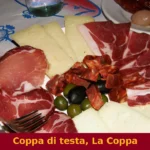
Another classic is Tortelli d’erbetta, prepared with a filling of ricotta, spinach, and Parmigiano Reggiano, seasoned with melted butter and Parmigiano. Second courses and cured meats are no less famous. Prosciutto di Parma is renowned for its sweetness and unmistakable aroma, the result of careful processing and prolonged aging.
Culatello di Zibello, a prized cured meat obtained from the most noble part of the pig’s thigh, aged under specific climatic conditions, represents an excellence distinguished by its soft texture and delicate flavor.
Also, Salame di Felino, produced in the eponymous municipality a few kilometers from Parma, is a characteristic cured sausage, recognizable by its coarse grind and ruby red color.
Although the database does not contain specific certified products for the Parma area in the required format, it must be mentioned that the province is universally associated with world-famous products.
Parmigiano Reggiano, a hard, long-aged cheese, is an emblem of local dairy production, made with raw cow’s milk and processed according to millennia-old techniques.
Similarly, Prosciutto di Parma and Culatello di Zibello are products that have an indissoluble link with the territory and its environmental conditions.
Their production follows strict regulations that guarantee their authenticity and quality.
For those visiting Carpaneto Piacentino, the richness of the pork butchery tradition is equally evident, with a variety of cured meats that reflect the region’s food culture.
Tasting these products is a fundamental experience for understanding the gastronomic soul of the city.
In addition to cured meats and cheeses, Parmigiana cuisine offers other specialties such as Torta fritta, a leavened and fried dough, often served with cured meats, and Cappelletti, similar to anolini but with a different filling, typical of other areas of Emilia.
The local gastronomic tradition is also celebrated through markets and fairs, where it is possible to buy directly from producers.
Although there are no specific documented festivals for Parma related to certified products, the city and surrounding villages host food-related events throughout the year, particularly in autumn, offering the opportunity to discover and savor the excellences of the territory.
It is always advisable to consult the Municipality of Parma website for an updated calendar of events.
Festivals, Events, and Traditions in Parma
Parma celebrates its roots and traditions through events that mark the year, keeping alive the connection with local history and culture.
The most significant festival for the Parmigiana community is dedicated to its Patron Saint, Saint Hilary of Poitiers, celebrated on January 13th.
On this day, the city comes alive with religious celebrations culminating in the Cathedral, where solemn masses are held in honor of the 4th-century bishop and theologian.
The festival is also an occasion for civic and cultural events, involving citizens and visitors in a convivial atmosphere.
Traditionally, on this day, the “Sant’Ilario” awards are presented, recognizing citizens and associations who have distinguished themselves through particular merits, contributing to the well-being of the community.
In addition to the patron saint’s festival, Parma hosts various cultural and artistic events throughout the year, reflecting its vocation as a city of art and music.
Although specific gastronomic festivals for a particular month are not documented in detail in the sources, the richness of its culinary tradition is often at the heart of local events that highlight typical products.
Concerts, art exhibitions, and theatre festivals animate the city, particularly during spring and autumn.
These occasions offer visitors the chance to immerse themselves in Parma’s cultural life, discovering its diverse artistic expressions.
Those in Borgo Tossignano, also in Emilia-Romagna, can find a similar focus on preserving local traditions through events that evoke its history and identity.
When to Visit Parma and How to Get There
The best time to visit Parma is undoubtedly spring (April-May) and autumn (September-October).
During these months, the weather is mild and pleasant, ideal for strolling through the historic center and admiring the attractions without the intense summer heat.
Spring offers blooms in parks and gardens, while autumn provides warm colors and the opportunity to participate in events related to harvesting local produce, such as various food and wine festivals.
Summer can be hot and humid, but it is still a good time for those who prefer longer days.
Winter, on the other hand, can be cold and foggy, but the city takes on a special charm under a light frost, and the Christmas festivities offer a unique atmosphere. For those looking for what to see in Parma during a less crowded period, early spring or late autumn can be excellent choices.
Getting to Parma is quite simple thanks to its strategic location in the heart of Emilia-Romagna.
Those traveling by car can take the A1 motorway (Milan-Naples) and exit at “Parma”. The city is also well connected via the national railway network.
Parma’s train station is a short distance from the historic center and is served by numerous regional and intercity trains, making it easily accessible from cities such as Milan, Bologna, and Florence.
For those arriving by plane, Parma “Giuseppe Verdi” Airport (PMF) offers some national and international connections.
Alternatively, you can consider Bologna “Guglielmo Marconi” Airport (BLQ), about 90 km away, or Milan Linate (LIN) and Malpensa (MXP) airports, both about 120-150 km away, with shuttle or train services to reach Parma. Its proximity to centers like Caorso, also in Emilia-Romagna, makes Parma an ideal starting point for exploring the surrounding areas.
| Starting Point | Distance | Estimated Time |
|---|---|---|
| Milan | 125 km | 1h 30 min |
| Bologna | 90 km | 1h 00 min |
| Florence | 180 km | 2h 00 min |
Where to stay in Parma
Parma offers a wide range of accommodation options for every type of traveler, from tourists seeking comfortable lodging in the historic center to hikers preferring the tranquility of the surrounding countryside.
In the heart of the city, numerous hotels of various categories can be found, from those with full services to more intimate boutique hotels, often located in renovated historic buildings that preserve the charm of local architecture.
These establishments allow guests to reach the main attractions on foot and fully experience the city’s atmosphere.
For those desiring a more authentic experience or a more direct connection with the territory, various farm stays (agriturismi) and bed & breakfasts are available in the immediate vicinity of Parma and the surrounding countryside.
These options offer the chance to stay in rural settings, often with the opportunity to taste typical zero-mile products and enjoy the tranquility of nature. Some of these farm stays (agriturismi) are housed in ancient farmhouses or agricultural estates, providing a complete immersion in the culture and traditions of the Parma province. It is advisable to book in advance, especially during high season periods or in conjunction with important events, to secure the best accommodation.
Photo Gallery of Parma
Do you have photos of Parma?
Share your photos of the village: the best ones will be added to the official gallery, with your credit.
Send your photosIn Emilia-Romagna More villages to discover
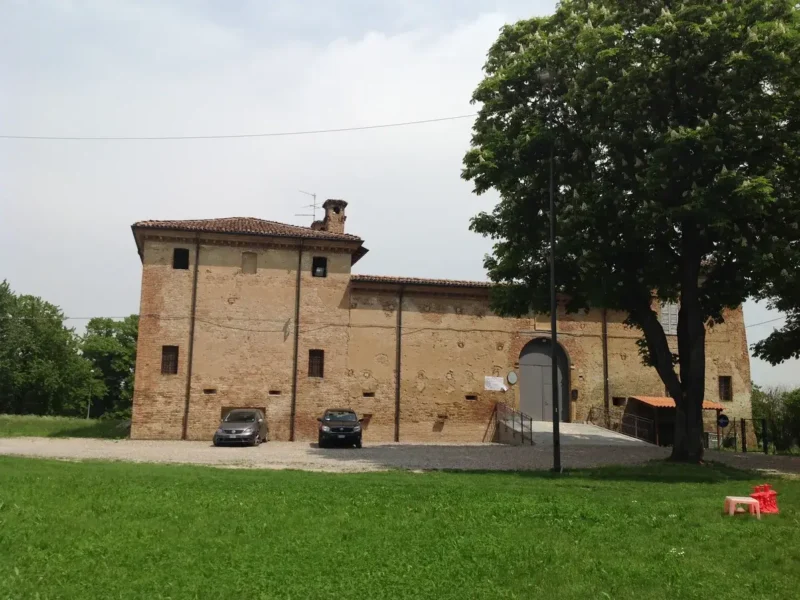
Alseno
Alseno sits at 79 metres above sea level in the province of Piacenza, on the plain crossed by the Ongina stream, a tributary of the Po. With a population of 4,866, the municipality brings together several hamlets spread across the area between the Via Emilia and the first foothills of the Piacenza Apennines. For anyone […]
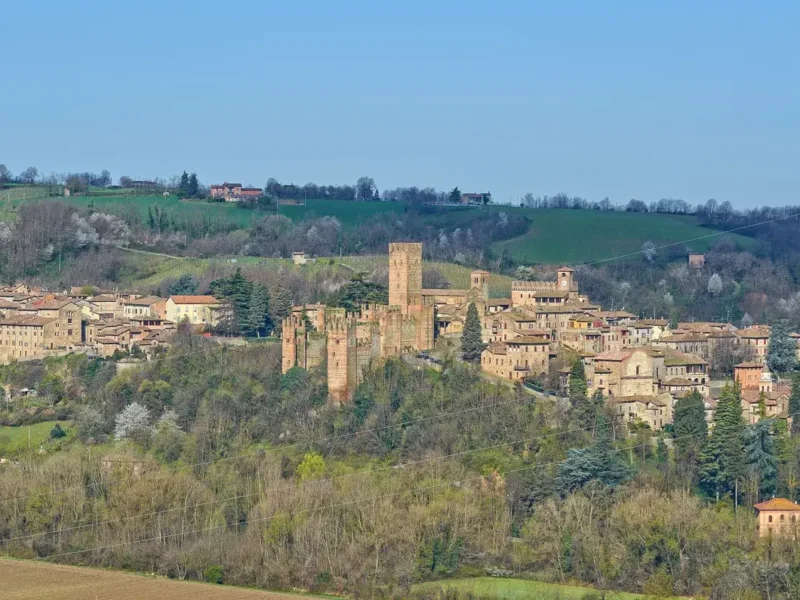
Castell’Arquato
In the upper Val d’Arda valley, at around 150 metres above sea level, Castell’Arquato is one of the best-preserved medieval villages in the province of Piacenza. In this article History and Origins of Castell'Arquato What to See in Castell'Arquato: Main Attractions Local Cuisine and Products of Castell'Arquato Festivals, Events and Traditions of Castell'Arquato When to […]
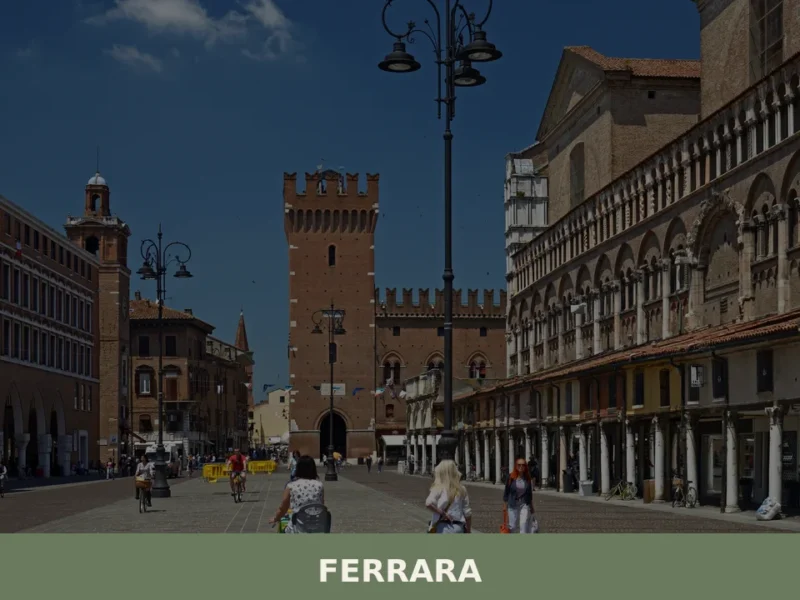
Ferrara
What to see in Ferrara? Explore 6 attractions, from the Estense Castle to the Palio at this city of 135,000. Discover Ferrara’s unique architecture today!
📝 Incorrect information or updates?
Help us keep the Parma page accurate and up to date.