


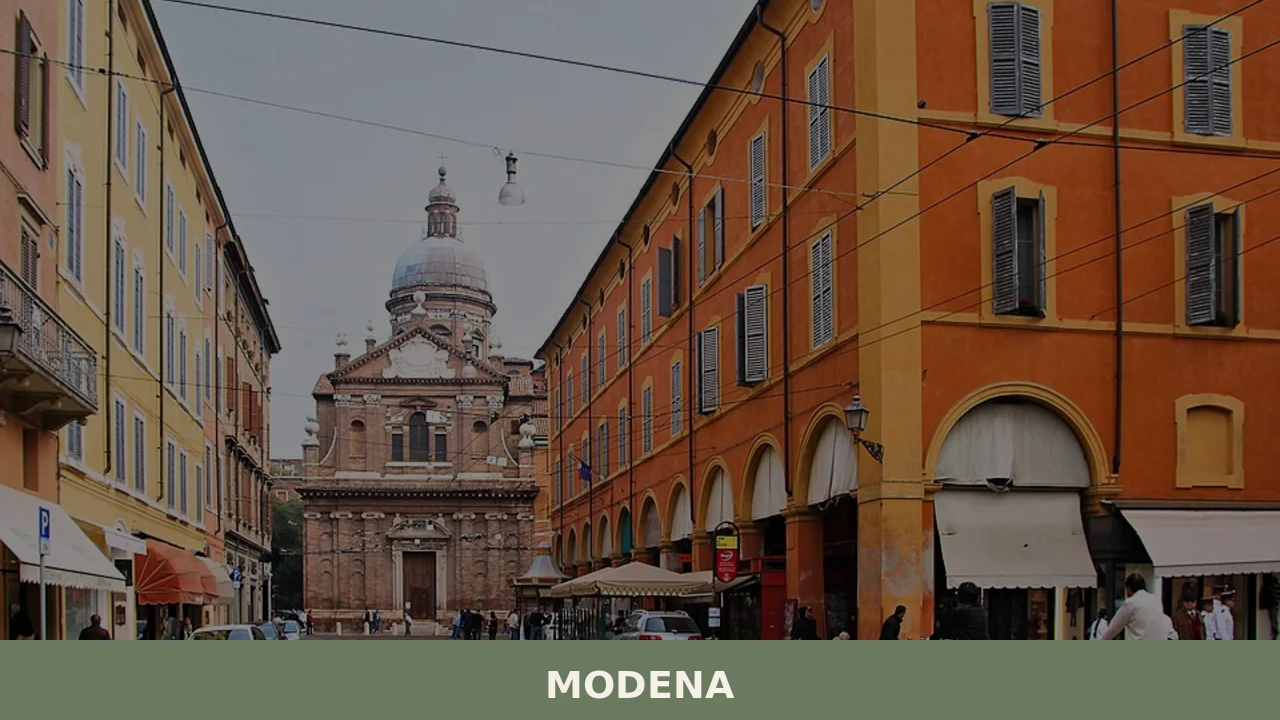
Modena
 Plains
what to see in modena. Discover the UNESCO Duomo and Ducal Palace. Explore this city of 179,000+ residents and taste typical Modenese products.
Discover Modena
The history of Modena dates back to the Roman era, when in 183 BC the colony of Mutina was founded along the Via Emilia, immediately assuming a strategic role for trade and communications.
This city, located in the fertile Emilian plain at 34 m above sea level, is today a center of great cultural and economic importance, known for its artistic heritage and its gastronomic excellences.
Those who wish to discover the beauties of this province can begin their exploration by asking themselves what to see in Modena, a question answered by a rich itinerary of UNESCO monuments, historic palaces, and internationally renowned museums.
The city keeps alive the memory of its glorious past, offering visitors a journey through centuries of art and tradition.
History and Origins of Modena
The origins of Modena, ancient Mutina, are closely linked to the Roman colonization of the Po Valley.
Founded as a Latin-right colony in 183 BC, the city developed rapidly thanks to its strategic position along the Via Emilia, becoming an important road and commercial hub.
Its importance is also attested by major historical events, such as the siege of 44-43 BC which saw the forces of Mark Antony pitted against those of the Roman Senate, led by Octavian, the future Emperor Augustus.
This episode highlights the crucial role Mutina played in the political and military context of the Republican era.
During the Middle Ages, after the decline of the Western Roman Empire, Modena experienced a period of uncertainties and transformations.
The city suffered barbaric invasions and Lombard rule, but managed to maintain a certain vitality thanks also to the figure of Saint Geminianus, its patron saint, bishop in the 4th century, whose figure became a symbol of protection and identity for the community.
With the advent of the communal era, between the 11th and 12th centuries, Modena regained autonomy and prosperity, developing its own institutions and establishing itself as a free commune. This period saw the construction of important civil and religious buildings, which still constitute the historic heart of the city today.
The destiny of Modena became inextricably linked to the Este family starting from the 13th century, when the Este family assumed control of the city, which became the capital of their duchy in 1598, after the loss of Ferrara.
Under their lordship, Modena experienced an era of great splendor, with the construction of magnificent palaces, the establishment of the University, and the development of arts and sciences.
The Ducal Palace is the emblem of this flourishing period.
The Este dynasty governed Modena until the Unification of Italy in 1859, leaving a cultural and architectural legacy that still defines the city’s character today, a heritage that invites visitors to discover what to see in Modena through its streets and historic monuments.
The city is located in a plain context, similar to that of Caorso, which is also characterized by a long agricultural history and settlements that have benefited from the fertility of the land.
What to see in Modena: main attractions
Modena Cathedral
Modena Cathedral, dedicated to Santa Maria Assunta in Cielo and San Geminiano, represents one of the greatest masterpieces of Romanesque architecture in Europe and was declared a UNESCO World Heritage Site in 1997, along with the Ghirlandina Tower and Piazza Grande.
Its construction began in 1099 under the direction of architect Lanfranco and sculptor Wiligelmo, figures who brought to life a building of extraordinary harmony and decorative richness.
The exterior is characterized by an imposing marble facade, with a large central rose window and three sculpted portals, where Wiligelmo’s works narrate scenes from Genesis with remarkable expressive power.
These sculptures are considered among the first examples of monumental Romanesque sculpture in Italy.
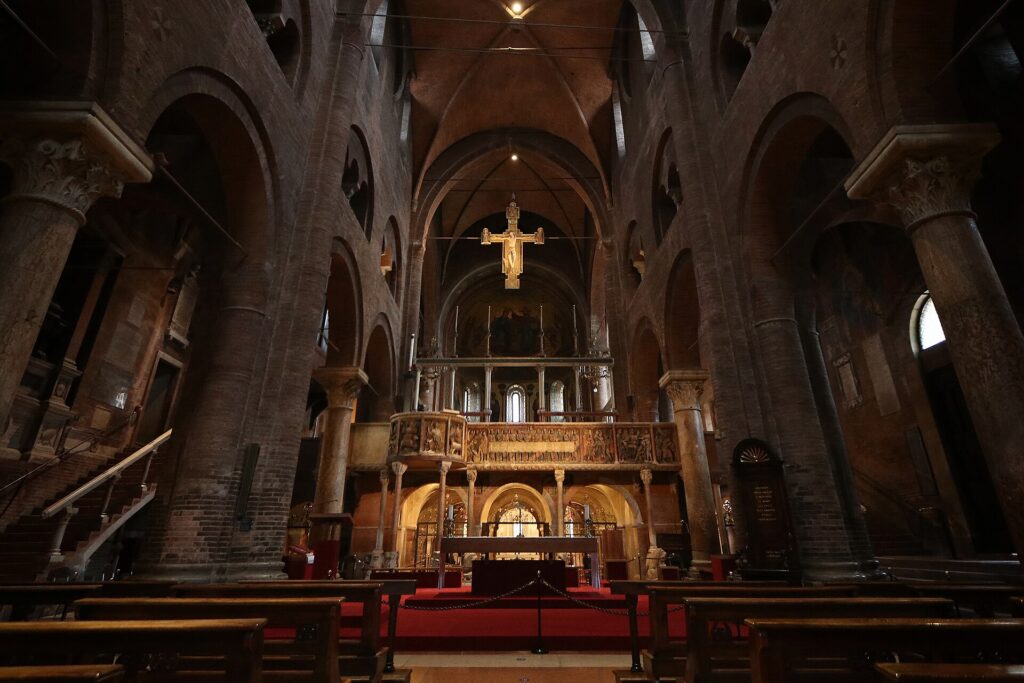
The interior of the Cathedral features a three-nave plan, separated by columns and pillars supporting round arches, culminating in a raised presbytery and a crypt.
The crypt, of great charm, houses the remains of Saint Geminianus, patron saint of the city, and is a place of profound devotion.
Internal decorative elements include medieval and Renaissance frescoes, a sculpted pulpit, and an iconostasis separating the presbytery from the nave, enriched with sculptures by Anselmo da Campione. The light filtering through the windows creates a solemn atmosphere, inviting contemplation of the beauty and spirituality of the place.
An in-depth visit to this building is essential for anyone wondering what to see in Modena.
Ghirlandina Tower
The Ghirlandina Tower is the bell tower of Modena Cathedral and an unmistakable symbol of the city, also included in the UNESCO site. Its construction began in 1167 and continued for several centuries, with various construction phases that have given it its current appearance. The tower reaches a height of 86.12 meters and stands out for its elegance and the richness of its decorations, which include bas-reliefs and sculpted capitals.
The name “Ghirlandina” probably derives from the “ghirlande” or marble balustrades that adorn the spire, added in the 14th century.
This tower was not only a bell tower but also served civic functions, such as guarding the municipal treasury and signaling fires or the arrival of enemies.
Climbing to the top of the Ghirlandina offers a spectacular panoramic view of the entire city of Modena and the surrounding Emilian plain, allowing visitors to appreciate the urban layout and the beauty of the red roofs.
Along the ascent, visitors can admire the Room of the Stolen Bucket (Sala della Secchia Rapita), named after Alessandro Tassoni’s famous heroicomic poem, and the Room of the Torresani (Sala dei Torresani), which houses an ancient clock.
The tower’s structure is an excellent example of medieval engineering, capable of withstanding centuries and remaining a visual and historical landmark.
The tower is an unmissable attraction for understanding medieval architecture and for gaining a unique perspective on what to see in Modena from above.
Piazza Grande
Piazza Grande is the beating heart of Modena and, like the Cathedral and the Ghirlandina, has been recognized as a UNESCO World Heritage Site.
Since medieval times, this square has been the center of the city’s civil and religious life, a place for markets, festivals, celebrations, and public assemblies. Its irregular shape reflects the organic growth of the city over the centuries, and the various buildings surrounding it bear witness to different historical eras.
On the east side stands the Cathedral with its Ghirlandina Tower, while to the west is the Town Hall (Palazzo Comunale), the result of an aggregation of medieval buildings that underwent transformations in subsequent centuries.
Among the most evocative elements of the square are the Preda Ringadora, a large marble block formerly used as a platform for orators and a place for carrying out sentences, and the drainage channel of the Piazza Grande fountain, known as the “Stone of Paradise” (Pietra del Paradiso).
The cobblestone paving and the arches of the Town Hall contribute to creating a historic and welcoming atmosphere.
The square is a vibrant place where Modenese people meet and visitors can immerse themselves in the city’s daily life, surrounded by monuments of inestimable value.
A stroll in Piazza Grande is an essential experience for anyone wanting to explore what to see in Modena and feel its true spirit.
Ducal Palace of Modena
The Ducal Palace of Modena is one of Italy’s most sumptuous Baroque residences and was the seat of the Este court from 1634, when Duke Francesco I d’Este commissioned its construction from architect Bartolomeo Avanzini.
The building stands on the site of the ancient Este Castle, transformed into a royal palace that reflected the dynasty’s prestige and power.
The main facade, with its long portico and clock tower, overlooks Piazza Roma and is striking for its monumentality and the elegance of its
lines.
The palace interiors are richly decorated with frescoes, stuccoes, and sculptures, the work of the most important artists of the era.
Today, the Ducal Palace houses the Military Academy, one of the oldest and most prestigious military training institutions in the world, founded in 1678.
Although much of the palace is used for military purposes and is not freely accessible, some halls are open to the public on special occasions or through organized guided tours, allowing visitors to admire the magnificence of historic rooms such as the Hall of Honor and the State Apartment.
The Academy’s presence gives the palace a unique character, combining its history as a ducal residence with its current function as a center of excellence.
Its grandeur makes it a significant landmark among the answers to the question of what to see in Modena.
Estense Gallery
The Estense Gallery is one of Emilia-Romagna’s most important museums, located on the third floor of the Palazzo dei Musei, and houses an extraordinary art collection accumulated by the Este dukes over the centuries.
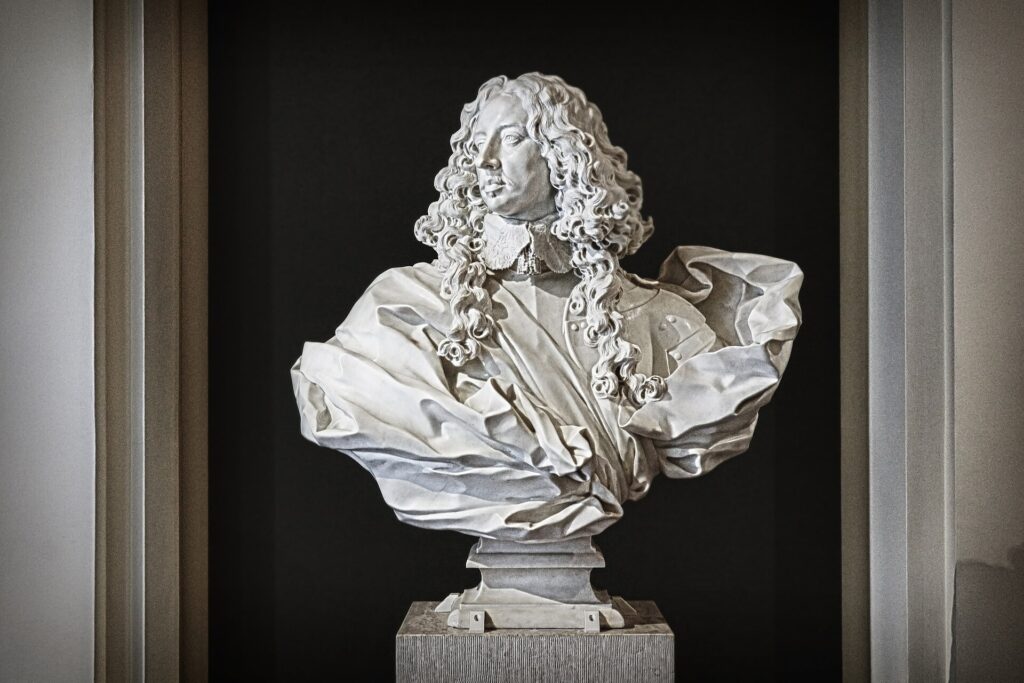
The collection includes works by world-renowned artists such as Correggio, Guercino, Guido Reni, Tintoretto, Veronese, and Velázquez, featuring the celebrated portrait of Francesco I d’Este.
In addition to paintings, the Gallery exhibits sculptures, ancient musical instruments, decorative art objects, and a remarkable collection of coins and medals.
The works are arranged in an exhibition pathway that retraces the history of the collection and the artistic events of the Este court.
The Estense Gallery offers visitors a unique opportunity to immerse themselves in the taste and culture of Renaissance and Baroque courts, admiring masterpieces that testify to the high level of Este patronage.
Among the most significant works are Correggio’s “Madonna and Child,” Guercino’s “Crucified Christ,” and Tintoretto’s “Altarpiece of San Vincenzo.” The musical instruments section is particularly interesting, with unique pieces that reflect the Estensi’s passion for music.
A visit to the Estense Gallery is essential for those who appreciate art and wish to delve deeper into the city’s cultural heritage, completing the experience of what to see in Modena with its artistic richness.
Typical Cuisine and Products of Modena
Modenese cuisine is a glorious expression of the Emilian gastronomic tradition, renowned for its richness, variety of flavors, and the use of high-quality ingredients, a fruit of the generous Po Valley.
The culinary history of the region is deeply influenced by the presence of the Este court, which for centuries promoted a refined and abundant culinary art, where peasant wisdom combined with the search for delicacies for ducal banquets.
This fusion gave rise to robust yet sophisticated dishes, characterized by a strong territorial identity and preparation techniques handed down from generation to generation.
The province of Modena, like that of Lizzano in Belvedere, is known for a gastronomy that reflects its landscape, albeit with different products and traditions.
Among the symbolic dishes of Modenese cuisine, egg-pasta first courses stand out, such as Tortellini, small pasta rings filled with pork, prosciutto crudo, mortadella, Parmigiano Reggiano, and nutmeg, traditionally served in capon broth.
Other specialties include Green Bolognese Lasagne, with egg pasta colored with spinach and seasoned with meat ragù and béchamel sauce, and Passatelli in brodo, made with breadcrumbs, eggs, Parmigiano Reggiano, and nutmeg.
Among the second courses, Cotechino and Zampone, both made from minced and stuffed pork, are protagonists of winter tables, often accompanied by lentils or mashed potatoes.
Modena is also home to unique and world-renowned products.
Traditional Balsamic Vinegar of Modena is a sweet and sour condiment obtained from the slow cooking of grape must and aged for years in barrels of different woods, a process that gives it a complex and unmistakable flavor.
Although it is not possible to use the (DOP) or (IGP) designation in this specific context of an empty database, it is a product whose authenticity is universally recognized and documented by institutional sources.
Similarly, Parmigiano Reggiano, a hard, aged cheese, is closely linked to the Modenese territory, as is Prosciutto di Modena, a cured raw ham. No less important are Lambrusco, the typical sparkling wine of the area, and Gnocco Fritto and Tigelle, traditional flatbreads served with cured meats and cheeses.
For those who wish to purchase these delicacies directly from producers or savor them in an authentic setting, Modena offers several opportunities.
The Mercato Albinelli, a historic covered market inaugurated in 1931, is the ideal place to find fresh produce, cheeses, cured meats, and local specialties, with stalls run by vendors who keep traditions alive.
Throughout the year, the city and its surroundings host numerous food and wine festivals and fairs, particularly in autumn, dedicated to celebrating local products, such as balsamic vinegar or Lambrusco, offering visitors the chance to taste and deeply explore Modenese culinary culture.
Festivals, Events, and Traditions in Modena
Modena’s cultural and social life is marked by a rich calendar of festivals and events deeply rooted in local history and traditions.
The most heartfelt and significant celebration is in honor of Saint Geminianus, the city’s patron saint, observed on January 31st. On this day, the city comes alive with a series of religious and civil events.
The solemn procession in honor of the bishop, which traditionally winds through the streets of the historic center, represents the culmination of the celebrations, attracting devotees and visitors.
Alongside the religious aspects, the traditional Saint Geminianus Fair is held, a large market that occupies the main squares and streets, offering products of all kinds, from local crafts to gastronomic specialties.
In addition to the patron saint’s festival, Modena hosts other events throughout the year that highlight its cultural and gastronomic heritage.
Among these, the Modena Carnival, with its traditional masks and parades, brings joy to the city’s streets. Historical re-enactments, particularly those related to the Este court or medieval events, offer a vivid glimpse into Modena’s past, with costumed performers and shows that recreate atmospheres of bygone eras.
The city is also an important center for music and opera, with a significant opera season at the Luciano Pavarotti Municipal Theater, named after the famous Modenese tenor.
These occasions are ideal moments to immerse oneself in local culture and experience the city’s authentic atmosphere.
When to Visit Modena and How to Get There
Modena offers a pleasant visiting experience at different times of the year, but the best seasons to explore the city are spring (April-May) and autumn (September-October).
During these months, the weather is mild and pleasant, ideal for strolling through the historic center, visiting monuments, and enjoying numerous outdoor activities. Spring sees the blooming of gardens and the organization of cultural events, while autumn is the season for food and wine festivals, with the Lambrusco grape harvest and celebrations of typical products. Summer can be hot and humid, but evenings are often enlivened by concerts and events.
Winter, though colder, allows visitors to appreciate the Christmas atmosphere and the celebrations of the patron saint, Saint Geminianus, at the end of January.
Modena is well-connected and easily reachable from various Italian locations. If arriving by car, the city is served by the A1 Milan-Naples Motorway, with exits at Modena Nord and Modena Sud.
For those who prefer the train, Modena’s railway station is an important hub on the Bologna-Milan line, with frequent connections to major Italian cities.
You can check schedules and purchase tickets on the official Trenitalia website.
The nearest airport is Bologna “Guglielmo Marconi” Airport (BLQ), located approximately 40 kilometers away, from which you can reach Modena by shuttle bus or taxi.
Those arriving by plane might consider continuing their journey to explore nearby villages such as Travo or Zerba, although they are more distant and have different geographical characteristics.
For trip planning, here is a summary table of distances and estimated travel times from major cities:
| Starting Point | Distance | Estimated Time |
|---|---|---|
| Bologna | 40 km | 45 minutes |
| Milan | 170 km | 1 hour and 45 minutes |
| Florence | 150 km | 1 hour and 50 minutes |
| Verona | 100 km | 1 hour and 10 minutes |
It is always advisable to check public transport schedules and traffic conditions before departure.
For detailed information on events, transport, and accommodation, the official municipal website is a useful resource: Modena Municipality.
Where to stay in Modena
Modena, being a significant-sized city and a tourist and economic hub, offers a wide range of accommodation options, suitable for various needs and budgets.
In the historic center, visitors can find boutique hotels housed in period buildings, combining the charm of history with modern comforts, ideal for those wishing to immerse themselves in the city’s atmosphere and have the main attractions within easy reach.
Many of these also offer services dedicated to business travelers or those seeking a luxury stay.
In the areas bordering the center and in residential neighborhoods, numerous bed & breakfasts and guesthouses are available, often privately run, offering a more intimate and personalized welcome, sometimes with the possibility of tasting breakfasts based on local products.
For those traveling with family or preferring greater autonomy, apartments and holiday homes are also available. The outskirts and surrounding countryside host agriturismi (farm stays) and accommodation immersed in greenery, ideal for those seeking tranquility and a more direct contact with nature and the agricultural traditions of the province, often also offering the chance to taste typical local dishes.
Frequently asked questions about Modena
What is the best time to visit Modena?
The best time to visit Modena is typically during the spring (April-June) and autumn (September-October) months. The weather is pleasantly mild, ideal for exploring the city's historic center and outdoor attractions like Piazza Grande. These periods also often host various cultural events. While summers can be hot in the Emilian plain, and winters cold, a unique time to experience local tradition is on January 31st, during the feast day of San Geminiano, the city's patron saint. This offers a glimpse into local customs, despite being in the colder season.
What to see in Modena? Main monuments and landmarks
Modena boasts a rich itinerary of UNESCO World Heritage sites, including the magnificent Modena Cathedral, a masterpiece of Romanesque architecture dedicated to Santa Maria Assunta in Cielo and San Geminiano. Adjacent to it, the iconic Ghirlandina Tower offers breathtaking panoramic views of the city and plain from its summit, accessible via a climb. Both are integral to Piazza Grande, the historic heart of Modena. Further essential visits include the majestic Ducal Palace, now home to the Military Academy, and the Estense Gallery within the Palazzo dei Musei, showcasing an extraordinary art collection gathered by the Este dukes.
Where to take the best photos in Modena?
For unforgettable photos, the top of the Ghirlandina Tower provides a spectacular 360-degree panorama of Modena's historic rooftops and the surrounding Emilian plain. Piazza Grande itself is highly photogenic, capturing the grandeur of the Cathedral and Ghirlandina together. The impressive Baroque facade of the Ducal Palace, overlooking Piazza Roma, offers another grand architectural subject. Don't miss the intricate details of the Cathedral's sculptures by Wiligelmo and the vibrant street life in the city center for atmospheric shots.
Are there museums, churches or historic buildings to visit in Modena?
Yes, Modena offers several significant cultural sites. The Modena Cathedral, a UNESCO World Heritage site, is the city's primary church, housing the remains of Saint Geminianus. Among historic buildings, the UNESCO-listed Ghirlandina Tower provides civic and historical insight, while the Ducal Palace, a grand Baroque residence, now serves as the Military Academy, with some historic halls occasionally open for visits. For art lovers, the Estense Gallery, located in the Palazzo dei Musei, is a must-see museum, showcasing an invaluable collection from the Este dukes, including works by renowned masters.
What can you do in Modena? Activities and experiences
In Modena, visitors can immerse themselves in centuries of art and tradition. A key activity is exploring the UNESCO World Heritage ensemble of Modena Cathedral, the Ghirlandina Tower, and Piazza Grande. Climb the Ghirlandina for unparalleled city views, wander through Piazza Grande to feel the city's pulse, and discover the artistic treasures of the Estense Gallery. While the article mentions Modena's 'gastronomic excellences,' exploring local cuisine and products is also a highly recommended experience for food enthusiasts.
Who is Modena suitable for? Families, couples, hikers, solo travelers?
Modena is ideal for culture and history enthusiasts, art lovers, and those who appreciate UNESCO World Heritage sites. Its rich artistic heritage, including the Cathedral and Estense Gallery, appeals to solo travelers and couples seeking a culturally immersive city break. Families interested in history will find engaging stories and monuments. While not a hiking destination due to its plain context, foodies will also be drawn to Modena for its renowned gastronomic excellences, making it a well-rounded destination for those seeking a blend of art, history, and culinary delights.
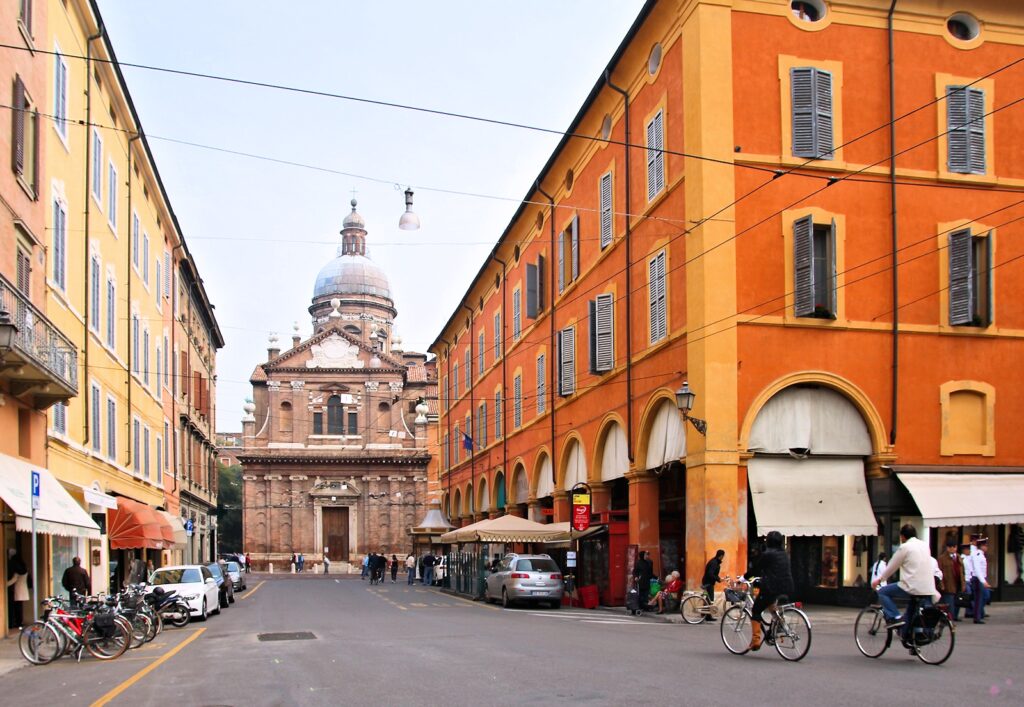
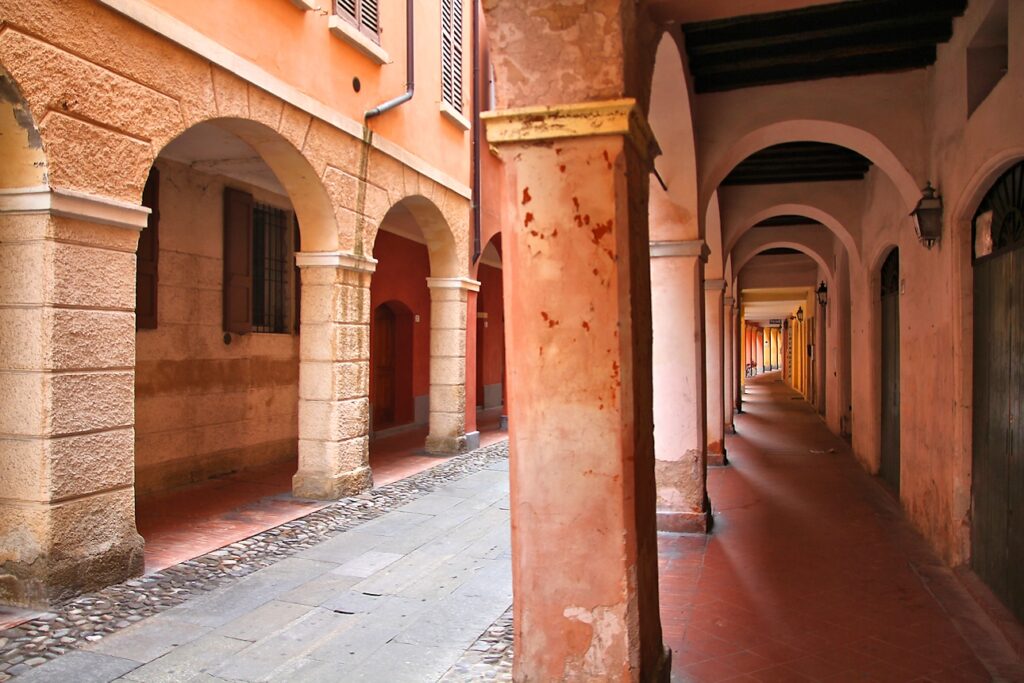
📷 Photo Gallery — Modena
Nearby Villages near Modena
In Emilia-Romagna More villages to discover
Budrio
Plains
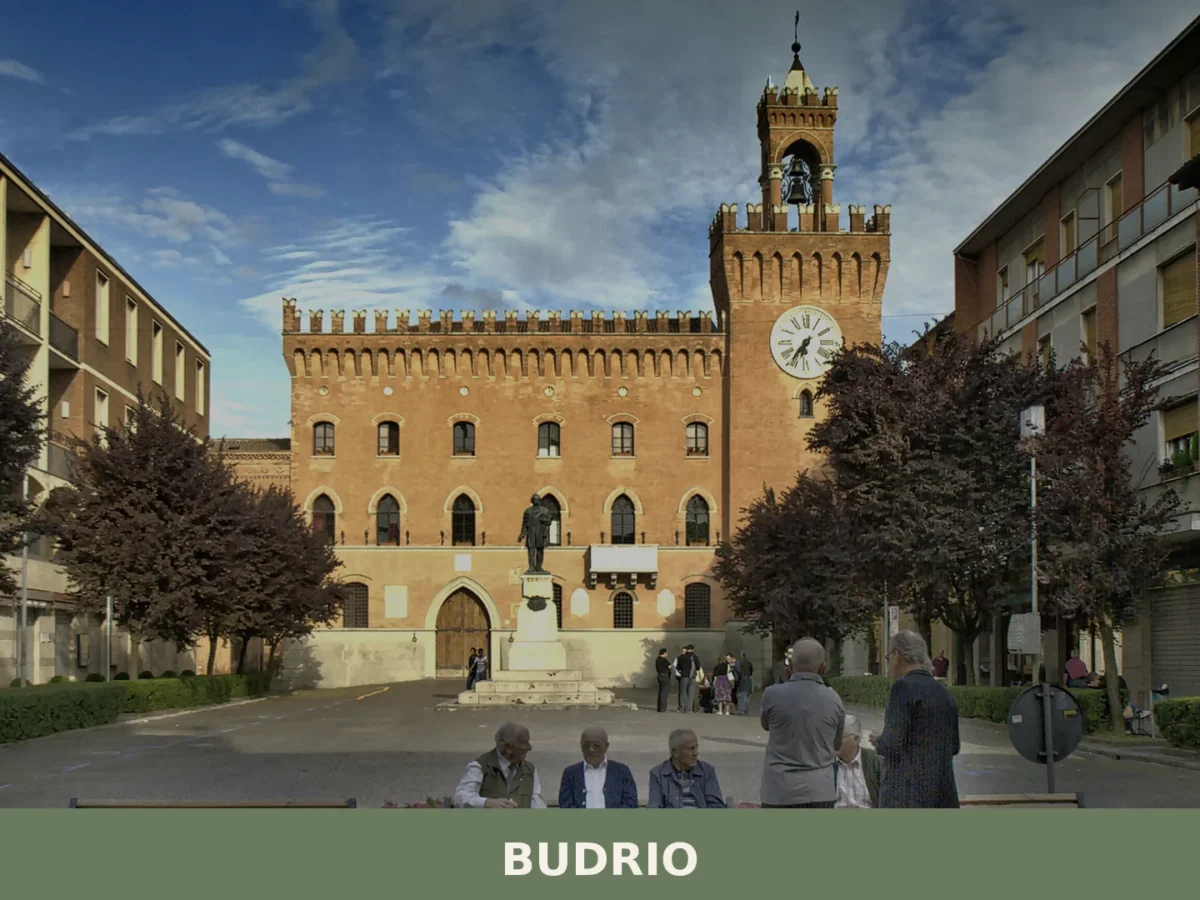
Budrio is a historic town of around 18,400 inhabitants near Bologna, known worldwide as the birthplace of the ocarina and home to an exceptional cluster of museums within its fourteenth-century fortif
Bobbio
 Hills
Hills
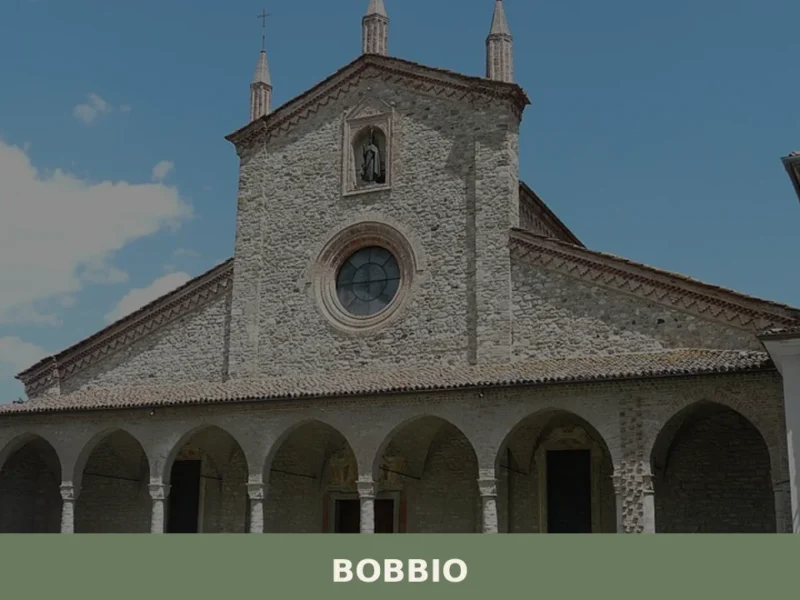
What to see in Bobbio: a town of 3,710 at 272 m in the Trebbia valley, with a 614 AD abbey, the medieval Ponte Gobbo and a hilltop castle. Plan your visit now.
Brescello
Plains
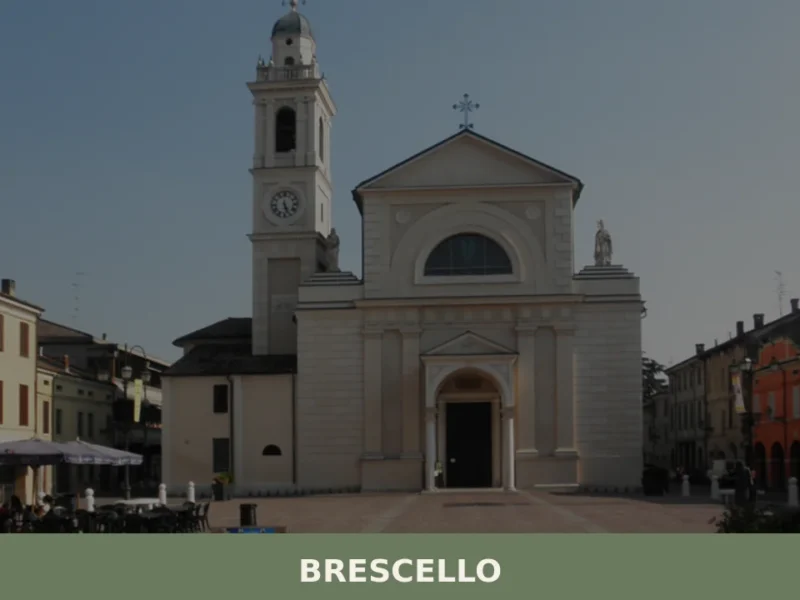
What to see in Brescello, Emilia-Romagna, Italy: explore the Don Camillo Museum, Roman ruins and local Po Valley cuisine. 5,554 inhabitants. Discover it now.
Baiso
Hills
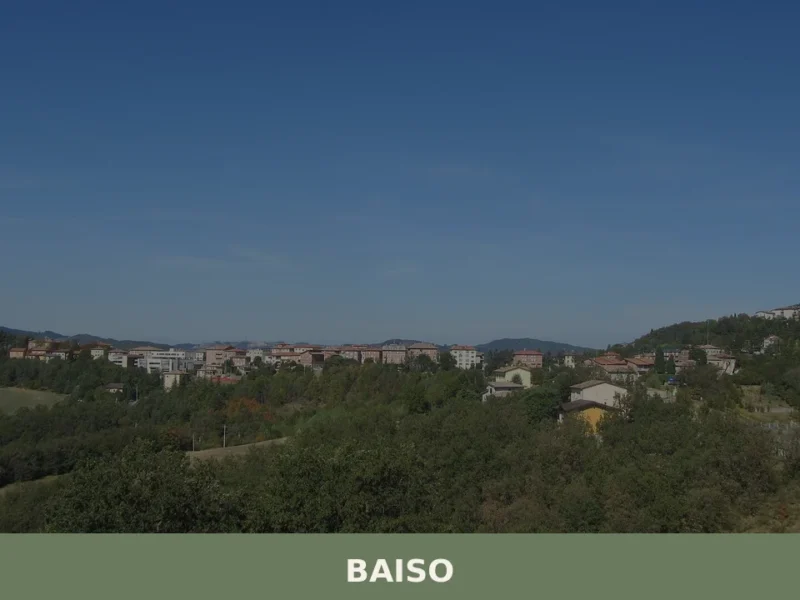
The ridge road into Baiso levels out at 542 m (1,778 ft) above the Po Plain and delivers a view across the Apennine foothills that is measurable rather than vague: the valley floors of the Secchia drainage basin lie several hundred metres below, and the profiles of Carpineti and Castellarano mark the horizon to the […]
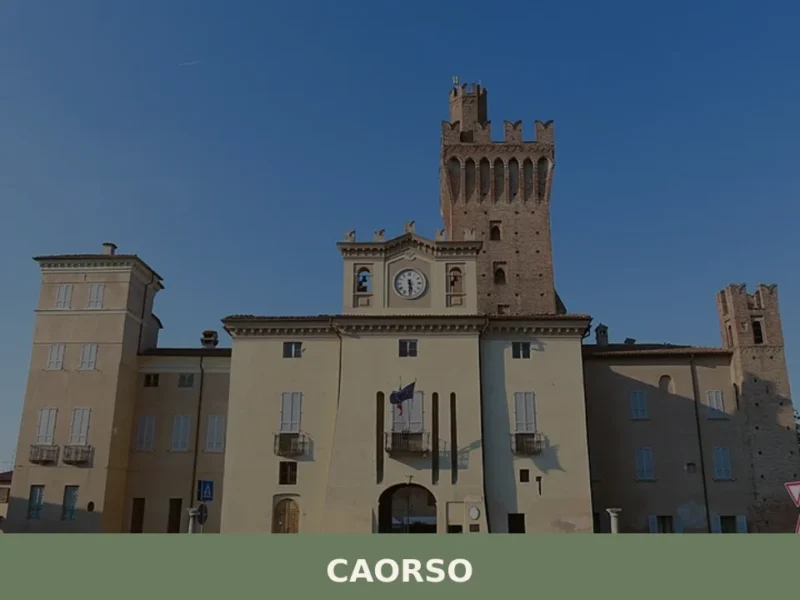
Caorso
Plains
What to see in Caorso: explore the medieval castle and the Parish Church of Santa Maria Assunta. Population 4,859, elevation 46m. Plan your visit now.
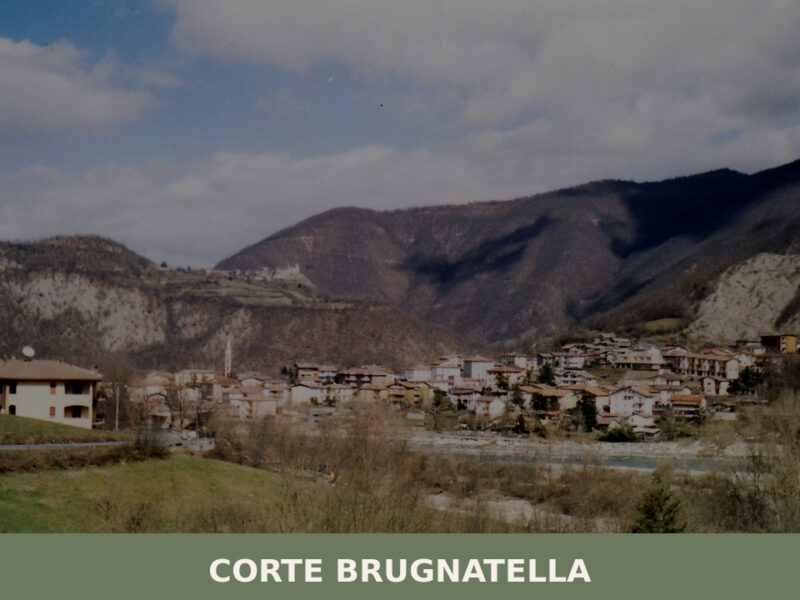
Corte Brugnatella
Hills
Corte Brugnatella scatters its stone hamlets above the Trebbia River in the Piacenza Apennines. A guide to its medieval settlements, river gorge, and mountain food.
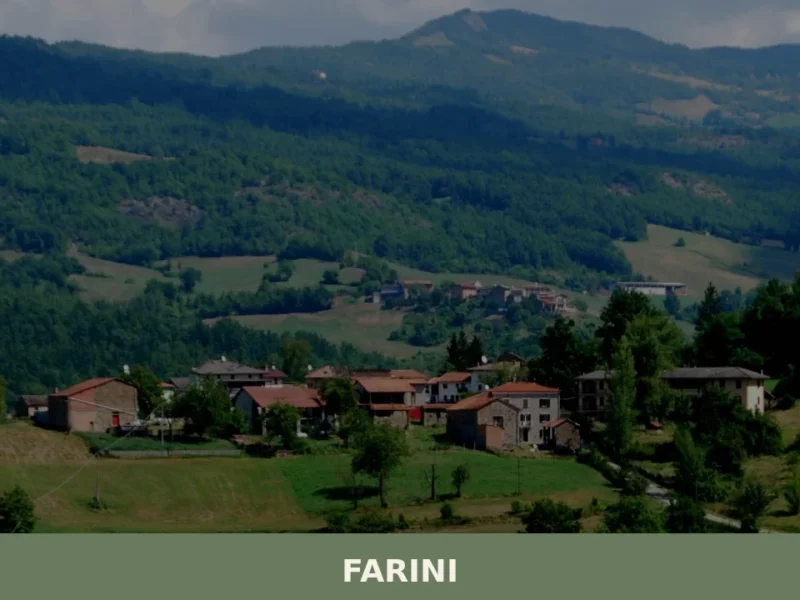
Farini
Hills
What to see in Farini, a village at 424 m in Val Nure with 1,043 residents: San Giuseppe Church, Apennine trails, PDO cured meats. Plan your visit and how to get there.
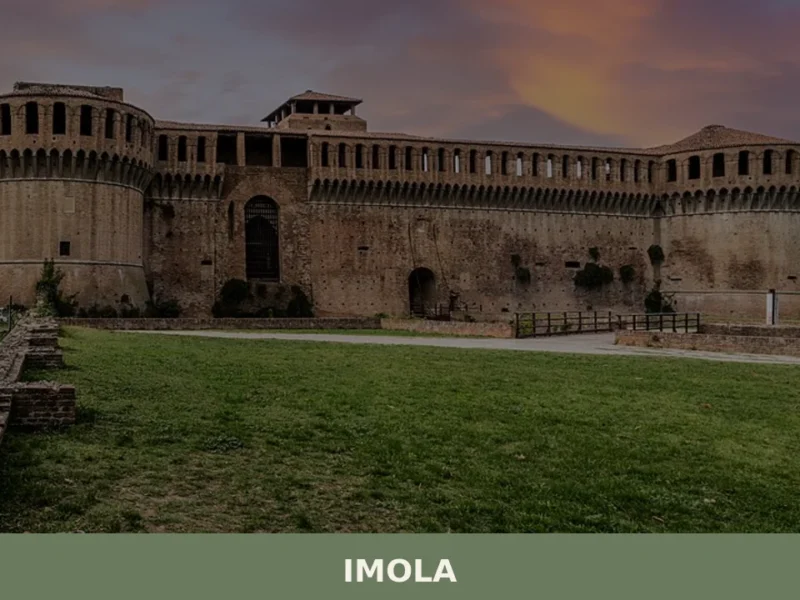
Imola
Plains
In 1953, on the track of the Autodromo Enzo e Dino Ferrari, Formula One cars raced in the Italian Grand Prix, placing Imola firmly in international motorsport history. But this city of 69,121 inhabitants, spread out at 47 metres above sea level along the banks of the River Santerno, had already existed for two thousand […]
Lizzano in Belvedere
 Mountain
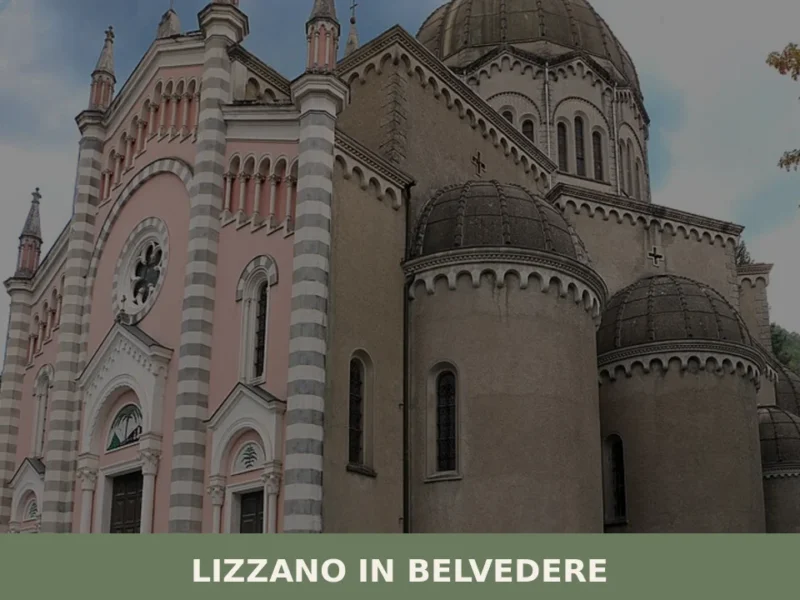
Every year, on 17 August, the procession in honour of Saint Mamante winds its way up the streets of Lizzano in Belvedere to the parish church, following a ritual that has been repeated since at least the 15th century. This municipality of 2,314 inhabitants, situated at 640 metres above sea level on the Bolognese Apennines, […]
Travo
Plains
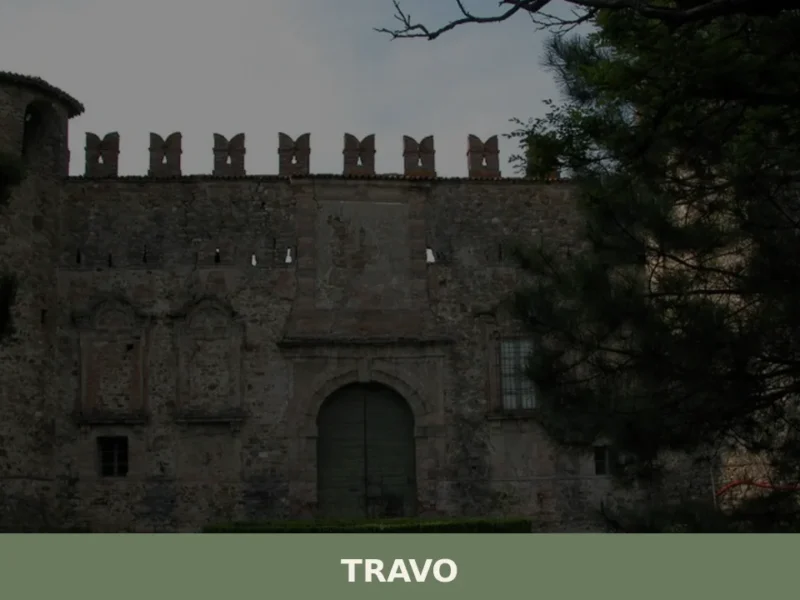
At 171 metres above sea level, in the lower Val Trebbia, Travo is one of those centres in the province of Piacenza where the historical layers of the past surface in visible, tangible ways: from pre-Roman foundations to the medieval domains of the Malaspina and Landi families, with traces of the Matildine Middle Ages in […]



🏡 Know Modena better than we do?
If you’re a local or have been there, your knowledge matters: add what’s missing or fix a detail on this page.