


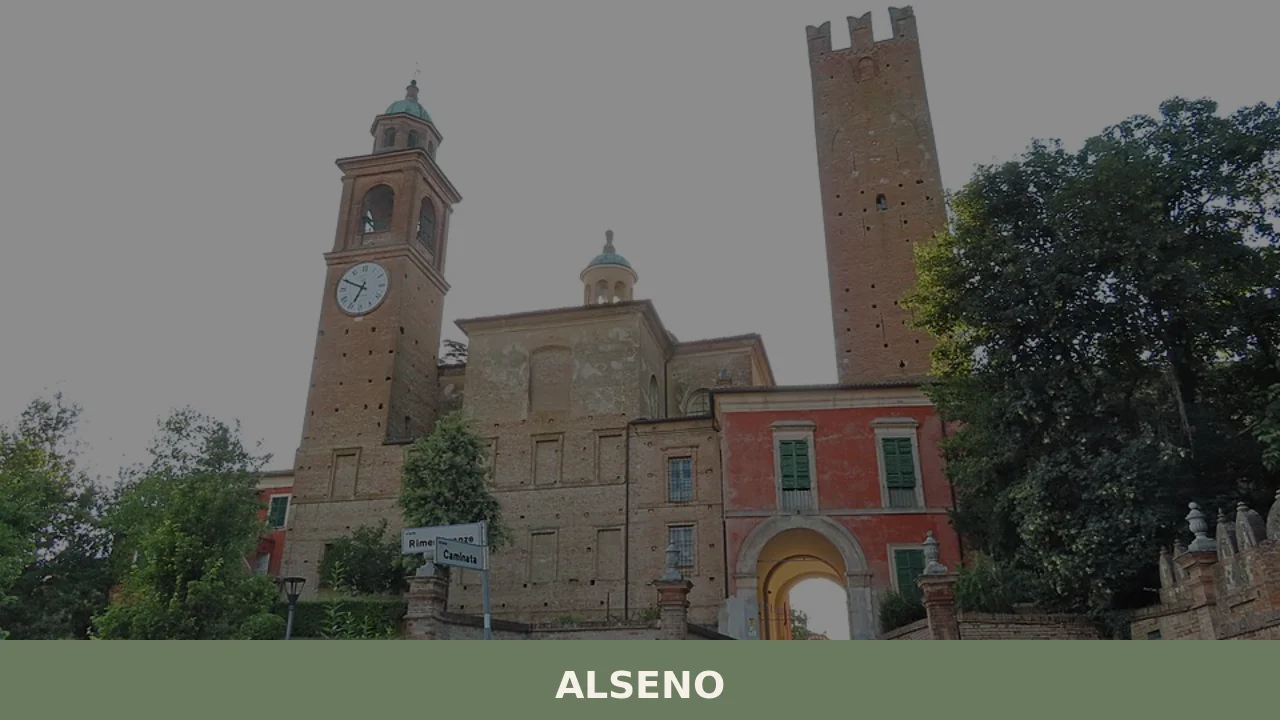
Alseno
 Plains
Alseno sits at 79 metres above sea level in the province of Piacenza, on the plain crossed by the Ongina stream, a tributary of the Po. In this article History and Origins of Alseno What to See in Alseno: Main Attractions Local Food and Products of Alseno Festivals, Events and Traditions of Alseno When to […]
Discover Alseno
Alseno sits at 79 metres above sea level in the province of Piacenza, on the plain crossed by the Ongina stream, a tributary of the Po.
With a population of 4,866, the municipality brings together several hamlets spread across the area between the Via Emilia and the first foothills of the Piacenza Apennines.
For anyone wondering what to see in Alseno, the answer runs through an ecclesiastical heritage of regional importance, historic villas scattered across the countryside, and a rural tradition that has shaped the landscape over the centuries.
The territory preserves layered traces of human settlement dating back at least to the Middle Ages, visible in the parish churches, castles and farmsteads that dot the Po plain.
History and Origins of Alseno
The earliest documentary records of the Alseno area date to the medieval period, when this part of the Piacenza plain was crossed by a network of roads and routes connecting the major Po Valley cities with the Apennine communication corridors.
The name Alseno most likely derives from a place name of Lombard or early medieval origin, linked to the rural settlements that characterised the agricultural colonisation of the Po plain between the sixth and tenth centuries.
Monastic estates and ecclesiastical landholdings played a fundamental role in organising the territory, as evidenced by the Romanesque parish churches still visible in several of the municipality’s hamlets.
Throughout the Middle Ages, the Alseno area fell within the sphere of the Commune of Piacenza, which exercised political and military control over the surrounding plain.
Piacenza’s noble families — among them the Landi and the Farnese — extended their landholdings into this area as well, building castles and fortified farmsteads that controlled communication routes and agricultural resources. The presence of these families left a lasting mark on the organisation of the rural landscape, still visible today in the villas and historic agricultural structures that punctuate the municipal territory.
During the Farnese period, the Alseno area was incorporated into the Duchy of Parma and Piacenza, which governed these lands from 1545 until Italian unification.
With the Risorgimento and annexation to the Kingdom of Sardinia in 1848, then to the Kingdom of Italy in 1861, Alseno followed the administrative fortunes of the entire province of Piacenza.
In the twentieth century the municipality underwent the changes typical of the Po plain: the development of industrialised agriculture, post-war population growth, and progressive integration into the Emilian regional economy.
Today Alseno retains a predominantly agricultural character, with livestock farming and cereal production defining the local economy, while its historic architectural heritage is becoming an increasingly valuable resource for cultural tourism in the province of Piacenza.
What to See in Alseno: Main Attractions
Abbey of Chiaravalle della Colomba
Among the most significant sites to visit in the municipal territory, the Abbey of Chiaravalle della Colomba stands as a leading example of Romanesque-Gothic architecture for the entire region.
Founded in 1136 by Cistercian monks on the initiative of Bernard of Clairvaux, the abbey was built in the hamlet of Alseno that still bears the name Chiaravalle della Colomba today.
The monastic complex — comprising the abbey church, the cloister and the conventual buildings — is one of the best-preserved medieval monuments in the province of Piacenza.
A visit here offers a clear sense of Cistercian architecture in its formal rigour, defined by clean lines and the deliberate absence of unnecessary ornamentation.
Parish Church of Sant’Antonino
The territory of Alseno contains ancient parish churches of Romanesque origin that document the spread of Christianity across the Po plain during the early Middle Ages.
The local churches, with their brick apses and square-sectioned bell towers, reflect the constructive conventions of Po Valley religious architecture between the tenth and twelfth centuries. These buildings served as both religious and administrative centres for the rural communities dispersed across the territory, gathering the population of surrounding hamlets for the principal rites.
Visitors to Alseno will find in these structures a direct point of access to the religious and social history of the medieval Piacenza plain.
Castle of Lusignano
Among the defensive structures scattered across the municipal territory, the Castle of Lusignano reflects the militarisation of the Piacenza rural landscape during the late Middle Ages.
Built to control the plain’s communication routes and the paths running along the watercourses, the castle underwent alterations over the centuries that adapted it to the changing defensive and residential requirements of the noble families who inhabited it. Like many of the fortified farmsteads of the Piacenza plain, the structure displays layered architectural elements ranging from the medieval period through to the early modern era.
The site offers the opportunity to observe at close range the building techniques of Emilian rural defence.
Villa and Farmstead of Vicobarone
The rural landscape of the municipality of Alseno is scattered with villas and agricultural estates that reflect the wealth of Piacenza’s noble and merchant families between the Renaissance and the eighteenth century.
These structures — with their building ranges arranged around enclosed courtyards, storage barns, dovecotes and private chapels — form a settlement system that organised the agricultural territory for centuries.
Visiting the historic farmsteads of the area makes it possible to read how agricultural work was structured and how land ownership related to the landscape of the Po plain.
Many of these buildings preserve frescoes, decorative elements and furnishings that document the tastes of Piacenza’s elites in past centuries.
Walks Along the Ongina Stream
The Ongina stream crosses the municipal territory before joining the Po, and its ecological corridor represents a natural environment of interest for the aquatic wildlife and birdlife of the Po plain.
The paths running along its banks provide routes suitable for walking and cycling, offering a direct way to take in the Piacenza agricultural landscape.
Those looking for something beyond the architectural attractions will find along the Ongina a natural setting that complements the cultural visit with a discovery of the river territory.
This kind of excursion is particularly well suited to the spring and autumn months, when the riparian vegetation is at its fullest.
Local Food and Products of Alseno
The food tradition of the Alseno area belongs to the gastronomic heritage of the Piacenza plain, one of the most varied in the whole of Emilia-Romagna.
This part of the province of Piacenza developed over the centuries a peasant cuisine based on the resources of pig farming, dairy production and the cereal crops typical of the Po plain. Influences from nearby Lombardy blend with those that are distinctly Emilian, producing a culinary tradition with its own character compared to other areas of the region.
The abundant use of animal fats, a preference for aged cured meats and hand-rolled fresh pasta are the foundations of this deeply rooted local cuisine.
Among the dishes that define the Piacenza table in the Alseno area, pisarei e fasò hold a place of particular importance: small dumplings made from stale breadcrumbs and flour, dressed with a ragù of borlotti beans and tomato sauce — a simple, frugal dish that has earned a reputation as a symbol of Piacenza cooking.
Pasta fritta, often served alongside local cured meats, is another preparation common in households across the area, while tortelli filled with ricotta and herbs represent the local version of Emilian stuffed pasta.
Polenta also deserves a mention, particularly appreciated when served with meat stews or aged cheeses — a regular feature of the winter table across the Piacenza area.
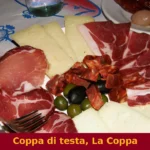
On the charcuterie front, the Piacenza territory produces three protected designation of origin products recognised at European level, found throughout the municipality of Alseno: Coppa Piacentina, Pancetta Piacentina and Salame Piacentino.
These three products, whose production area covers the entire province of Piacenza, are made from pork processed according to precise specifications that regulate ingredients, curing times and production techniques.
The coppa in particular is regarded as the most representative product of Piacenza’s gastronomic identity: it is made from the neck of the pig, seasoned and aged for a minimum of six months.
In the municipality’s hamlets it is possible to find small producers and farm shops where local cured meats and cheeses can be bought directly, often at the periodic markets held across the municipal territory.
The autumn agricultural fairs are the best time to find a wide selection of Piacenza plain products, from cured meats to wines from the nearby Colli Piacentini zone.
Those visiting Alseno in October or November have a good chance of coinciding with these events and buying products directly from local producers.
Festivals, Events and Traditions of Alseno
The patron saint of Alseno is Martin of Tours, a fourth-century Gallic bishop venerated across Europe as the protector of the poor and of soldiers.
His feast is celebrated on 11 November, a date that in the Po plain’s agricultural tradition marked the end of the annual production cycle, the conclusion of sharecropping contracts and the beginning of the winter rest period. The feast of San Martino has historically been associated across the Emilian plain with the first tasting of the new wine, the opening of the barrels and livestock fairs — traditions that reflect the agricultural calendar of the Po plain.
The community of Alseno celebrates its patron with the traditional religious services held in the main church of the village.
The municipal territory takes part in the food festivals and events that enliven the province of Piacenza throughout the year, with particular intensity during the autumn months.
Celebrations linked to cured meat production, the maize harvest and the grape harvest in the adjacent Colli Piacentini interweave with the religious feasts of the liturgical calendar. The tradition of agricultural fairs, which in this area of the Po plain has roots stretching back to the Middle Ages, continues to find expression in updated forms through events involving the municipality’s hamlets and the neighbouring towns of the Piacenza province.
When to Visit Alseno and How to Get There
The most suitable period to visit Alseno runs from spring through to autumn.
Spring, between April and May, offers an agricultural landscape in full activity, with mild temperatures well suited to visiting monuments and exploring outdoor routes.
Autumn, particularly October and November, coincides with the patron saint’s feast, food festivals and events tied to the typical products of the Piacenza plain.
The summer period is perfectly feasible, though the heat of the Po plain can make visiting more demanding during the middle hours of the day.
For up-to-date information on events and municipal services, you can consult the Alseno municipal website, where office contacts and local administrative news are available.
If you are arriving by car, the main reference road is the Via Emilia, the SS9 state road connecting Piacenza to Parma across the Piacenza plain.
Alseno is reachable from the A1 Milan–Naples motorway by taking the Fiorenzuola d’Arda exit, approximately 10 kilometres from the town centre.
Those preferring the train can use the Piacenza–Parma rail line, with Fiorenzuola d’Arda station as the nearest stop to the municipality.
For those arriving by air, the most convenient option is Bologna Airport, around 100 kilometres away, connected to the motorway network and reachable in approximately one hour via the A1.
Milan Linate Airport and Parma Airport are equally viable alternatives depending on your point of departure.
Where to Stay in Alseno
The territory of Alseno and its hamlets offer several accommodation options linked to the agritourism character of the Piacenza plain.
Farm stays in the area allow visitors to lodge directly within historic agricultural estates, with the opportunity to follow farm activities and eat meals prepared with the property’s own produce.
Those who prefer a more fully equipped base can choose from the accommodation options in Fiorenzuola d’Arda, around 10 kilometres away, which offers a wider range of hotels and bed and breakfasts suitable for multi-day stays.
This solution allows Fiorenzuola to serve as a logistical base for exploring the entire provincial territory.
Other Villages to Explore in Emilia-Romagna
Emilia-Romagna offers a network of villages and rural territories that pair well with a visit to Alseno, allowing itineraries that combine plain, hill and Apennine landscapes.
Those who have appreciated the Piacenza agricultural landscape and its rural architecture can extend the trip into the Apennine area, where villages such as Morfasso, in the upper Val d’Arda, offer a completely different landscape setting, with mountain pastures and ophiolitic rocks that characterise this section of the Piacenza Apennines.
In the opposite direction, towards the Bologna area, Fontanelice in the Val Santerno preserves a medieval castle and a compact historic centre well worth the detour for those travelling along the Via Emilia.
Further west, in the Bologna Apennines, two quite different destinations complete a possible regional itinerary.
Castel d’Aiano offers a mountain setting of woodland and high-altitude pastures, well suited to those looking for walking routes and open landscapes away from the plain.
Those wishing to push on to the highest elevations of the Emilian Apennines can reach Lizzano in Belvedere, the gateway to the Corno alle Scale and a long-established mountain resort with a solid tourist tradition.
These four villages, connected with Alseno, form a regional itinerary that crosses all the landscapes of Emilia-Romagna, from the Po plain to the Apennine ridgeline.
Frequently asked questions about Alseno
What is the best time to visit Alseno?
Spring (April–May) and autumn (September–November) are the ideal seasons. In spring the Ongina stream paths are at their most pleasant for walking and cycling. Autumn coincides with agricultural fairs and the feast of San Martino on 11 November — Alseno's patron saint celebration — historically linked to the first tasting of new wine and the end of the farming year. October and November also offer the best chance to find local producers selling Piacenza DOP cured meats and Colli Piacentini wines at seasonal markets across the municipality.
What are the historical origins of Alseno?
The earliest documented records of the Alseno area date to the medieval period. The name likely derives from a Lombard or early medieval place name connected to agricultural settlement of the Po plain between the sixth and tenth centuries. The territory was shaped by monastic landholdings — most notably the Cistercian Abbey of Chiaravalle della Colomba, founded in 1136 — and by noble families such as the Landi and the Farnese, who built castles and fortified farmsteads here. From 1545 until Italian unification Alseno fell within the Duchy of Parma and Piacenza.
What to see in Alseno? Main monuments and landmarks
The standout site is the Abbey of Chiaravalle della Colomba in the hamlet of the same name — a Cistercian complex founded in 1136 and one of the best-preserved Romanesque-Gothic monuments in the province of Piacenza, comprising the abbey church, cloister and conventual buildings. Other attractions include the Castle of Lusignano, the Romanesque parish churches scattered across the municipality's hamlets, and historic villas and agricultural estates such as those in the Vicobarone area. For current visiting hours and admission it is advisable to check directly with the abbey or the municipality of Alseno.
What are the main natural or scenic attractions of Alseno?
The Ongina stream, a Po tributary that crosses the municipal territory, offers the main natural attraction. Its banks host paths suitable for walking and cycling through the Piacenza agricultural plain, with riparian vegetation providing habitat for aquatic wildlife and birdlife typical of the Po plain corridor. The routes are particularly appealing in spring and autumn. The broader landscape — flat farmland stretching between the Via Emilia and the first Apennine foothills — gives visitors a direct experience of the classic Po Valley rural environment.
Are there museums, churches or historic buildings to visit in Alseno?
Yes. The Abbey of Chiaravalle della Colomba is the principal historic building, offering a remarkably complete Cistercian monastic complex with church, cloister and conventual buildings. The municipality also preserves several Romanesque parish churches in its hamlets, including the Parish Church of Sant'Antonino, built in the constructive tradition of Po Valley religious architecture between the tenth and twelfth centuries. Historic villas and agricultural estates with frescoes and decorative elements are further examples of the architectural heritage across the territory. Visiting hours should be confirmed locally before travel.
What can you do in Alseno? Activities and experiences
Alseno lends itself to a mix of cultural and rural activities. Visiting the Abbey of Chiaravalle della Colomba and the Romanesque parish churches satisfies cultural interests. Walking or cycling along the Ongina stream provides an easy nature excursion. Food and wine experiences are a strong draw: tasting Coppa Piacentina, Pancetta Piacentina and Salame Piacentino at farm shops, and seeking out pisarei e fasò at local restaurants. Attending the autumn agricultural fairs and the San Martino feast day celebrations on 11 November rounds out a visit focused on local traditions.
Who is Alseno suitable for? Families, couples, hikers, solo travelers?
Alseno suits a varied range of visitors. Couples and cultural travellers will appreciate the Abbey of Chiaravalle della Colomba and the historic rural landscape. Food and wine enthusiasts will find the area rewarding, with three EU-protected DOP products and a strong local gastronomic tradition. Families and cyclists will enjoy the flat paths along the Ongina stream. The village is less suited to those seeking mountain trekking or seaside holidays, but works well as a day trip or short stop for anyone exploring the province of Piacenza or travelling the Via Emilia corridor.
What to eat in Alseno? Local products and specialties
Alseno sits within the Piacenza DOP territory, home to three EU-protected cured meats: Coppa Piacentina (aged neck of pork, minimum six months), Pancetta Piacentina and Salame Piacentino. The local table is also defined by pisarei e fasò — breadcrumb-and-flour dumplings with a borlotti bean ragù, considered the signature dish of Piacenza cooking — alongside pasta fritta, tortelli filled with ricotta and herbs, and polenta served with meat stews or aged cheeses. Wines from the nearby Colli Piacentini DOC zone complement local meals and are available at autumn fairs in the municipality.
📷 Photo Gallery — Alseno


Nearby Villages near Alseno
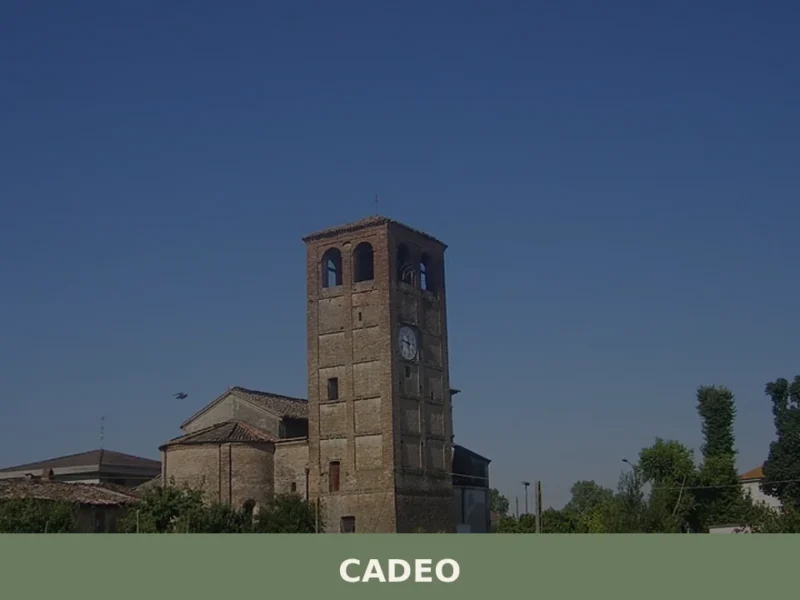
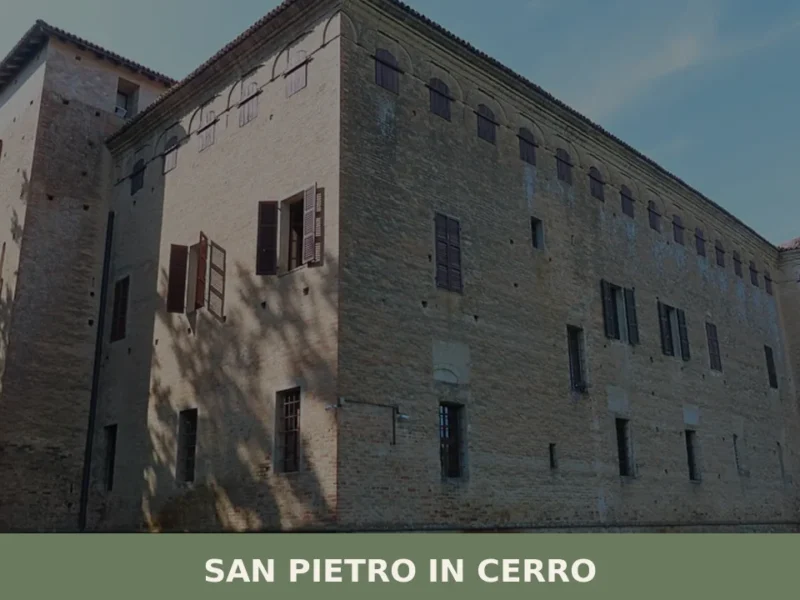
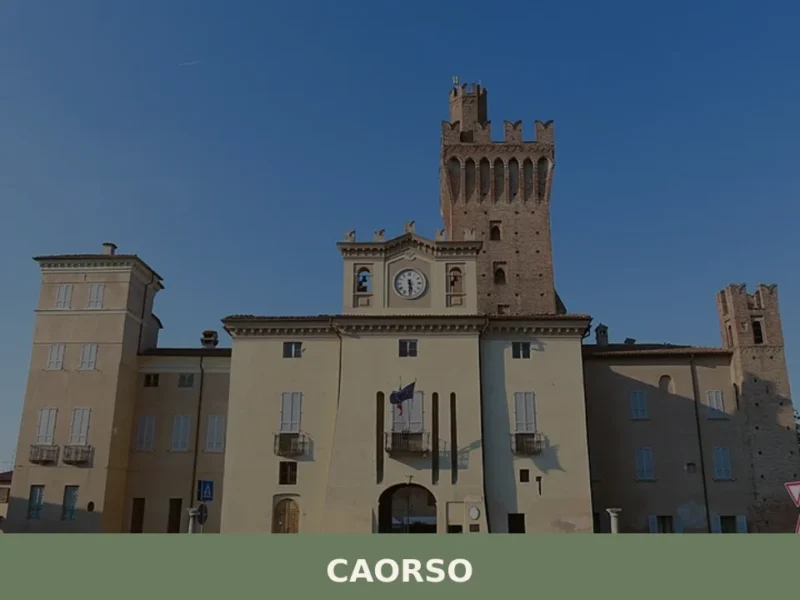
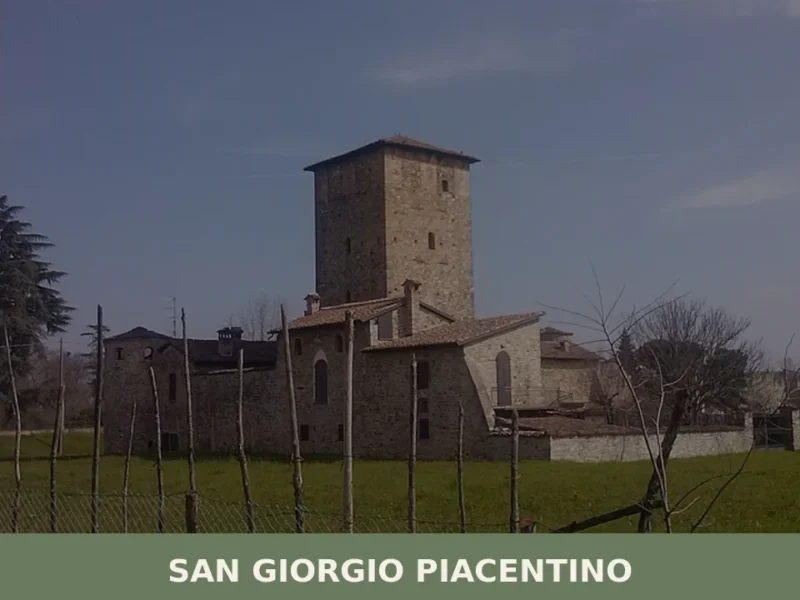
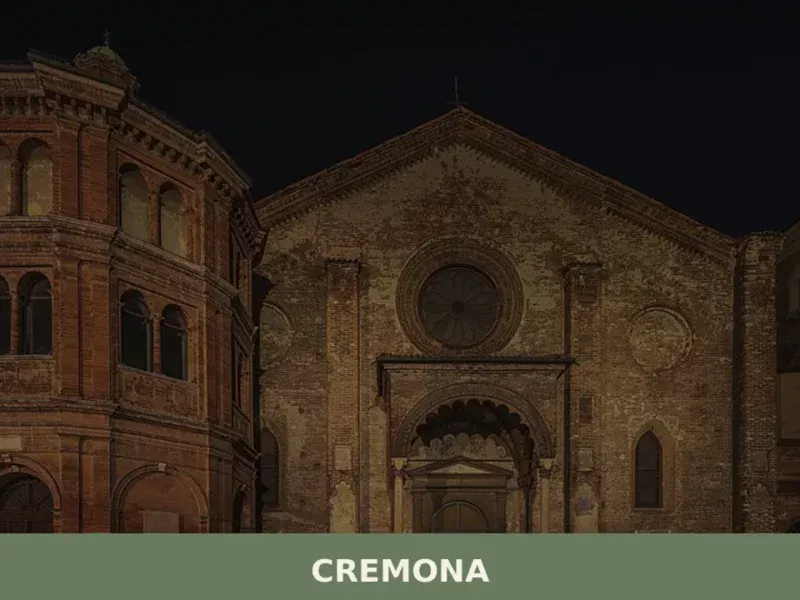
In Emilia-Romagna More villages to discover
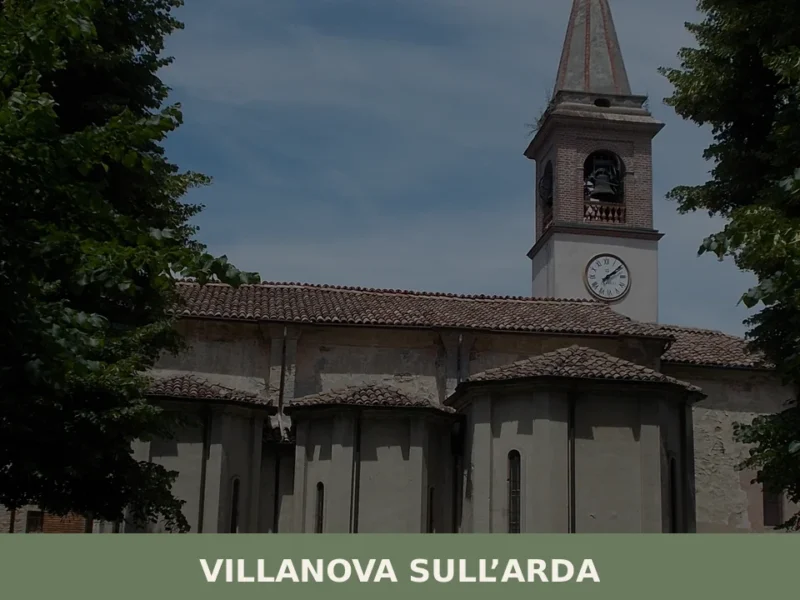
Villanova sull’Arda
Plains
In 1813, in the hamlet of Sant’Agata, Giuseppe Verdi was born — the composer who would rewrite the history of European melodrama. Villanova sull’Arda, home to 1,894 inhabitants in the Bassa Piacentina lowlands, still bears the marks of that bond: the villa where Verdi lived for over half a century with soprano Giuseppina Strepponi stands […]
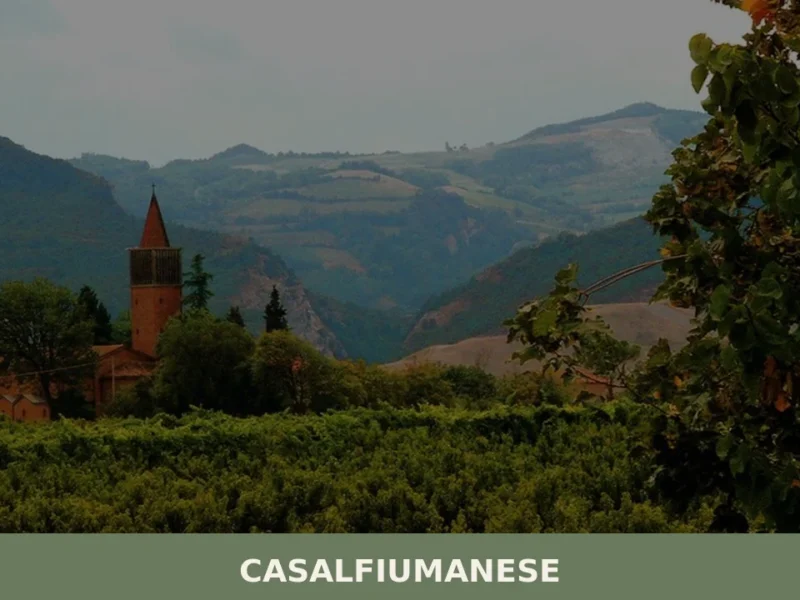
Casalfiumanese
Plains
About twenty kilometres from Imola, along the valley of the Sillaro stream, the municipal territory of Casalfiumanese stretches between the lower plain and the first hills of the Bolognese Apennines, covering an elevation range from 50 to nearly 500 metres above sea level. The main town, sitting at 125 metres above sea level, has approximately […]
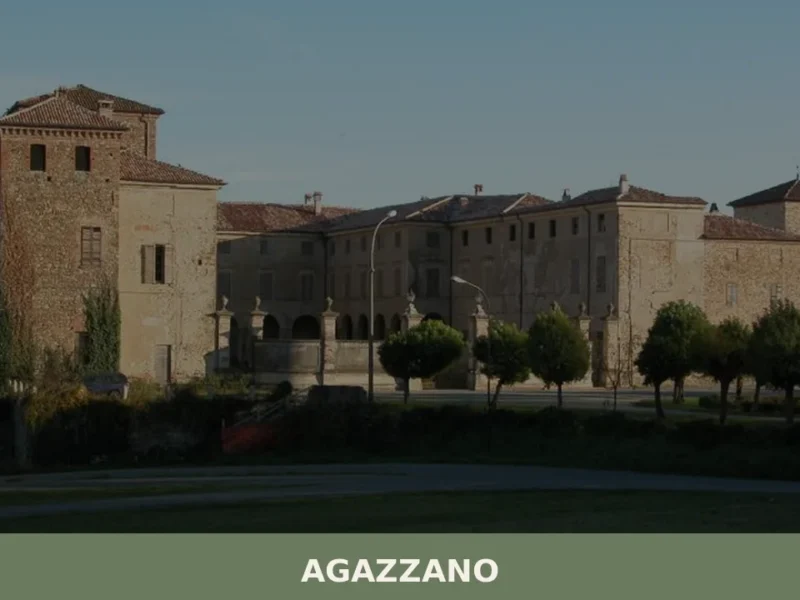
Agazzano
Plains
What to see in Agazzano, a village at 187 m in Piacenza province with 2,054 residents. Explore the medieval castle, Santa Maria Assunta church and Val Luretta. Plan your visit.
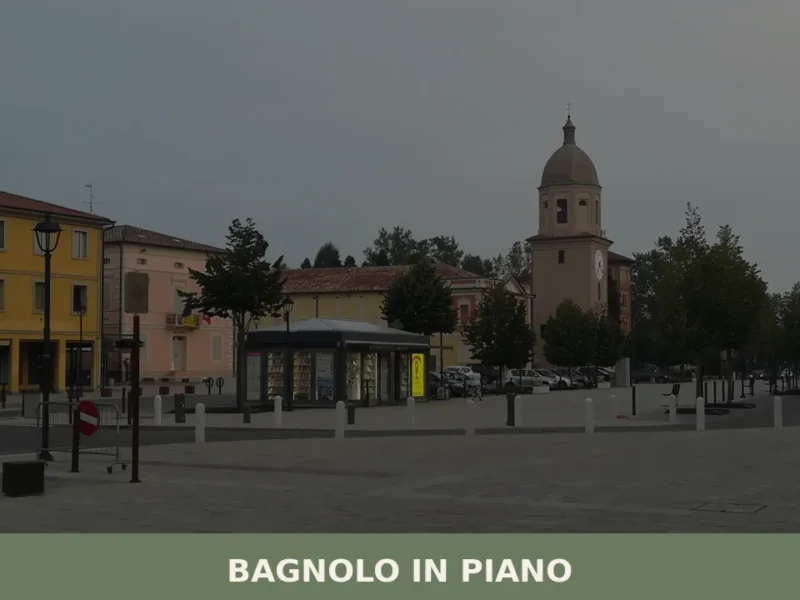
Bagnolo in Piano
Plains
What to see in Bagnolo in Piano, Emilia-Romagna, Italy: explore the medieval Torrazzo tower, the Pieve Rossa church, and local Po Valley cuisine. Discover now.
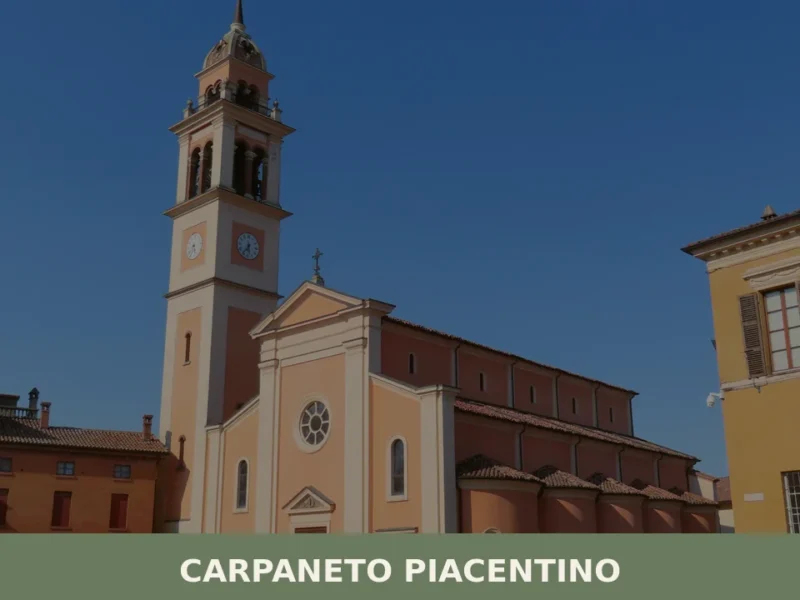
Carpaneto Piacentino
Plains
What to see in Carpaneto Piacentino: 7,598 residents, 114 m altitude, Saints Fermo & Rustico festival on 9 Aug, DOP cured meats. Plan your visit now.
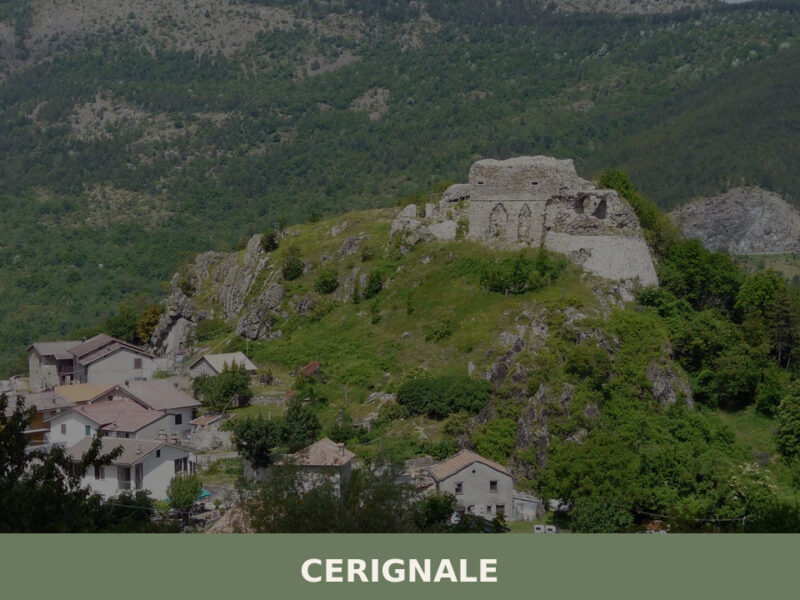
Cerignale
 Mountain
Cerignale, a 117-resident village at 725 metres in the Piacenza Apennines, holds medieval ruins, a geological elephant, and the silence of the upper Val Trebbia.
Argenta
Plains
What to see in Argenta, Italy: Explore the 7m altitude of Argenta. Discover top attractions like San Nicola di Bari and enjoy local foods.
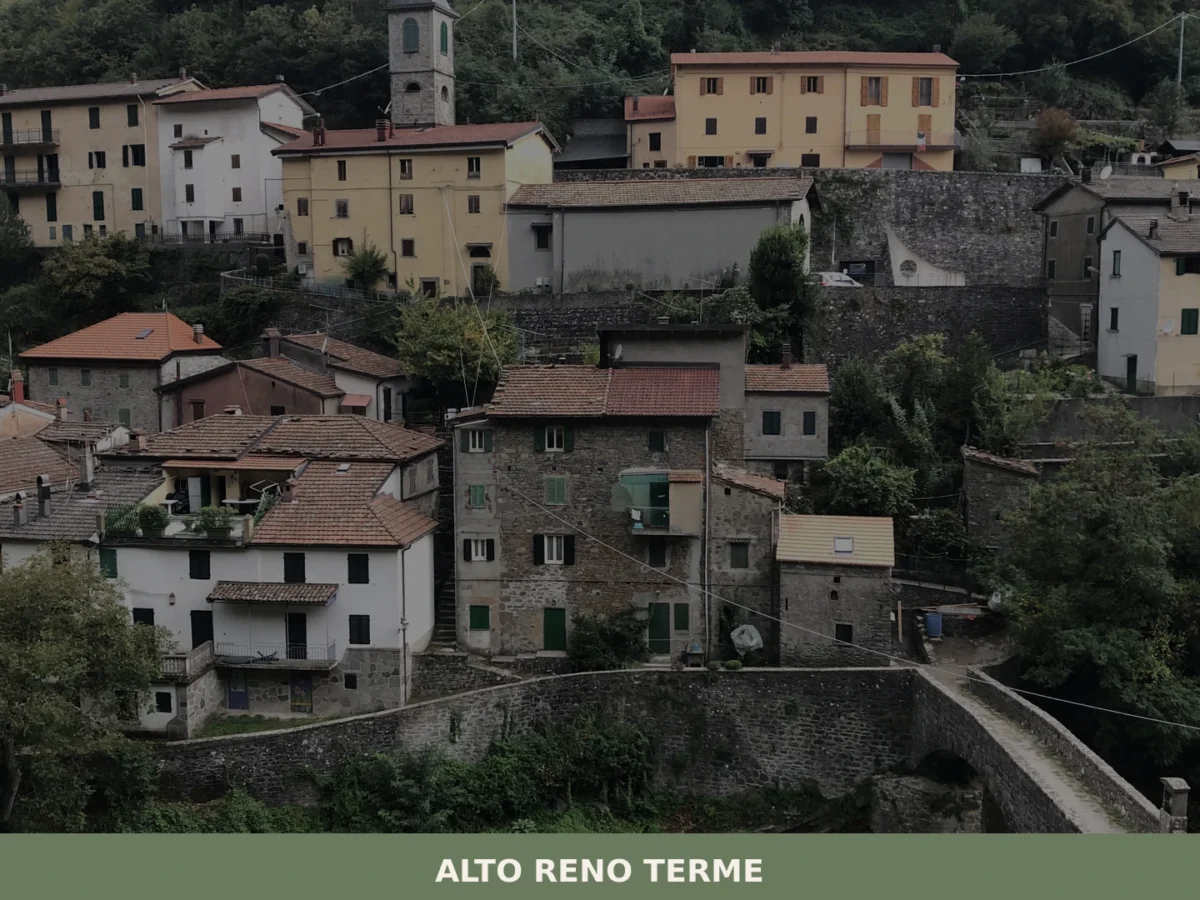
Alto Reno Terme
Mountain
What to see in Alto Reno Terme: 5 unmissable attractions, from thermal baths and historic villages to Apennine nature. Discover the complete guide to plan your visit.
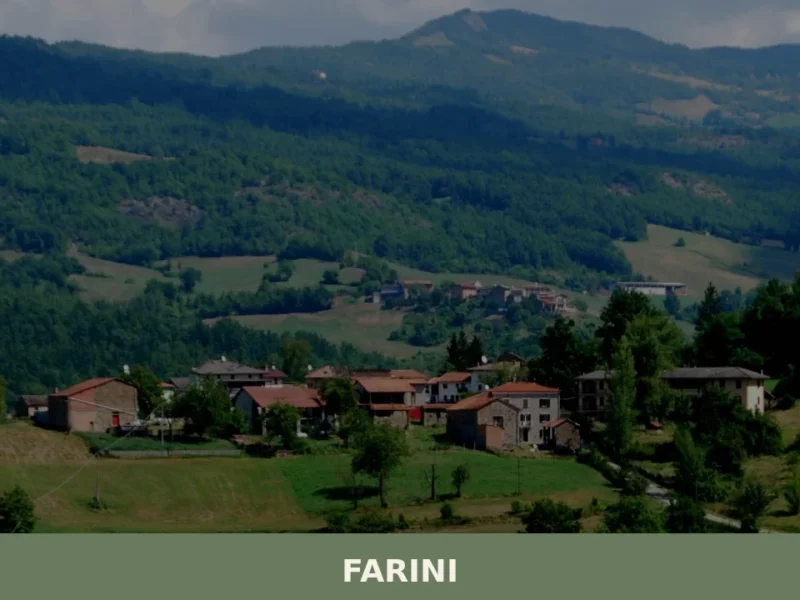
Farini
 Hills
Hills
What to see in Farini, a village at 424 m in Val Nure with 1,043 residents: San Giuseppe Church, Apennine trails, PDO cured meats. Plan your visit and how to get there.
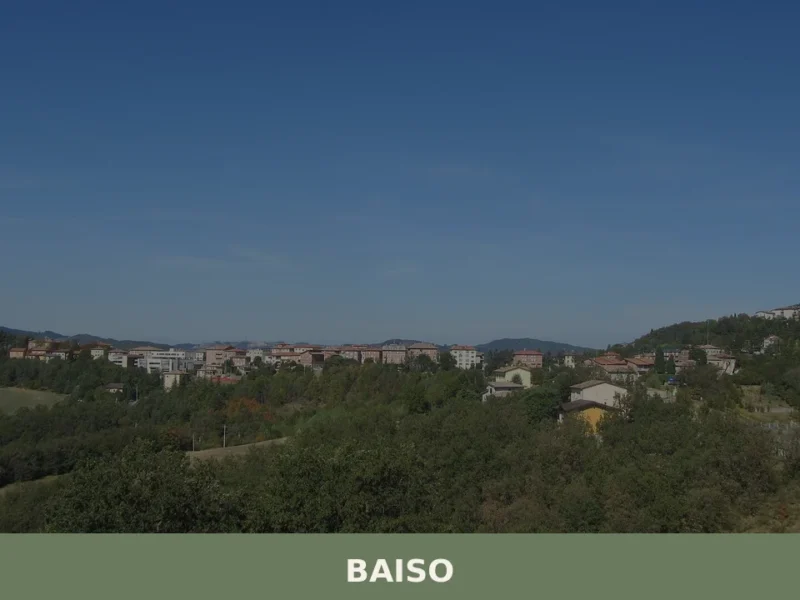
Baiso
Hills
The ridge road into Baiso levels out at 542 m (1,778 ft) above the Po Plain and delivers a view across the Apennine foothills that is measurable rather than vague: the valley floors of the Secchia drainage basin lie several hundred metres below, and the profiles of Carpineti and Castellarano mark the horizon to the […]


🏡 Know Alseno better than we do?
If you’re a local or have been there, your knowledge matters: add what’s missing or fix a detail on this page.