


Castell’Arquato
 Hills
Hills
In the upper Val d’Arda valley, at around 150 metres above sea level, Castell’Arquato is one of the best-preserved medieval villages in the province of Piacenza. In this article History and Origins of Castell'Arquato What to See in Castell'Arquato: Main Attractions Local Cuisine and Products of Castell'Arquato Festivals, Events and Traditions of Castell'Arquato When to […]
Discover Castell’Arquato
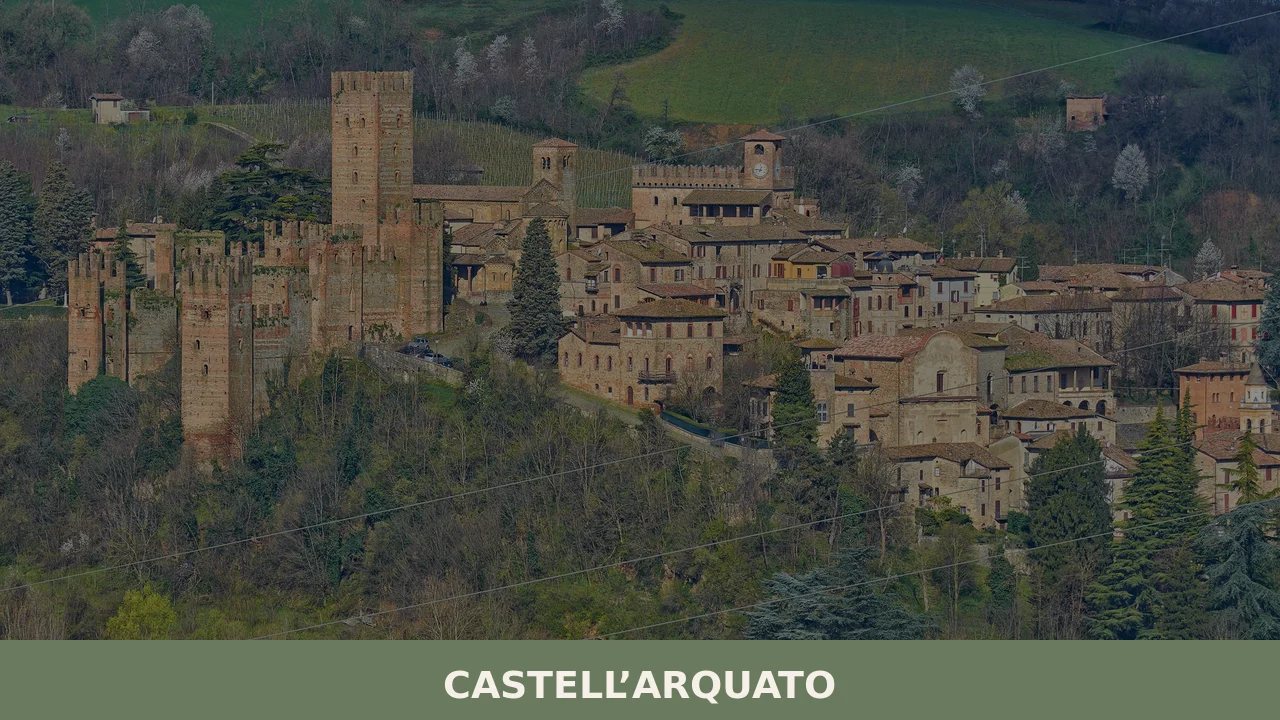
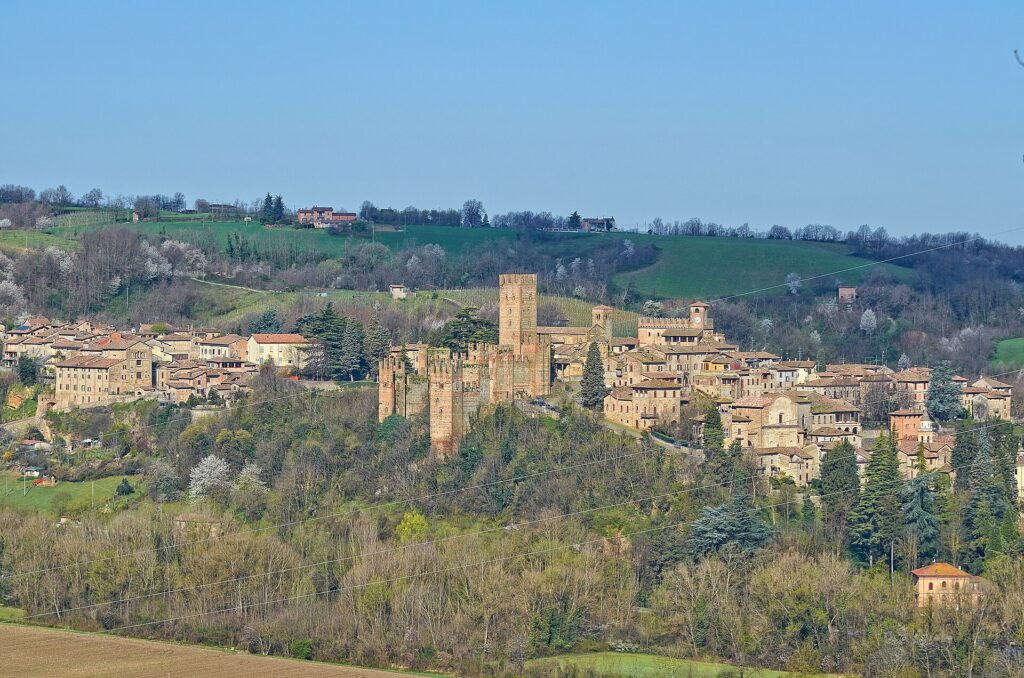
In the upper Val d’Arda valley, at around 150 metres above sea level, Castell’Arquato is one of the best-preserved medieval villages in the province of Piacenza.
With a population of 4,732 and an urban layout that retains its historic structure intact, the town brings together Romanesque, Gothic and Renaissance architecture in a concentration that makes the journey worthwhile from any direction.
If you are planning a visit and want to know what to see in Castell’Arquato, this guide draws together everything the sources document: monuments, local cuisine, events and practical information to help you plan your stay.
History and Origins of Castell’Arquato
The origins of Castell’Arquato go back to the early Middle Ages, although the territory was already frequented in Roman times, as confirmed by archaeological finds in the surrounding area.
The name of the village is thought to derive from a combination of “castrum” (a fortified settlement) and a reference to arched structures present in the area, though scholars continue to debate the exact etymology.
Its position on a hilltop plateau overlooking the confluence of the Arda stream with the Po Valley made the site strategically significant from the earliest centuries of the first millennium, encouraging the construction of permanent defensive structures.
Throughout the Middle Ages, the village came under the control of the Bishopric of Piacenza, which managed its political and administrative affairs for a long period.
From the thirteenth century onwards, Castell’Arquato underwent a significant phase of building development, with the construction or expansion of the main civic and religious buildings that still define the historic centre today.
The Rocca Viscontea, the Collegiata and the Palazzo del Podestà largely date from this period and the decades that followed.
The Municipality of Piacenza exerted its influence over the area, drawing the village into the political dynamics of the medieval Po Valley — a theatre of conflict between Guelphs and Ghibellines and between the great lordships of northern Italy.
When the Visconti of Milan took control in the fourteenth century, Castell’Arquato took on a reinforced role as a military stronghold.
The Visconti family commissioned consolidation works on the fortress and the walls, leaving an architectural mark that is still legible in the layout of the village today.
The territory subsequently came within the orbit of the Duchy of Parma and Piacenza, gradually losing its military importance while preserving its urban fabric without the radical transformations that affected other centres in Emilia.
This relative isolation has helped transmit to the present day a medieval layout that is broadly coherent, recognisable and studied by architectural historians and urban planners alike, as documented in historical sources.
What to See in Castell’Arquato: Main Attractions
Rocca Viscontea
The Rocca Viscontea dominates the village from the top of the hill and is the most recognisable architectural feature of the town.
Built in 1342 at the behest of Luchino Visconti, it is a quadrangular fortress with corner towers and a central keep that offers a wide view over the Val d’Arda. Inside, it houses the “Giuseppe Cortesi” Geological and Palaeontological Museum, which holds fossils and artefacts from the Piacenza territory.
It is well worth climbing to the top of the keep to take in the view over the plain and the surrounding hills.
Collegiata di Santa Maria Assunta
The Collegiata di Santa Maria Assunta is the main church of the village and one of the most significant examples of Romanesque architecture in the province of Piacenza.
Built from 1122, it has a gabled façade with a portico supported by columns and a sturdy bell tower rising above the roofline.
The three-nave interior retains decorative elements from different periods, including sculpted capitals and fragments of frescoes.
The semicircular apse at the rear is one of the most photographed architectural views in Castell’Arquato.
Palazzo del Podestà
The Palazzo del Podestà faces onto Piazza del Municipio and stands as a well-preserved example of medieval civic architecture. Dating from the thirteenth century, the building is characterised by an open loggia on the ground floor with round arches and a bell tower attached to the main structure. It served as the seat of city government during the communal period and still performs a public function today.
The square it faces — flanked by the Collegiata and other historic buildings — forms an urban ensemble of notable architectural consistency.
Giuseppe Cortesi Geological and Palaeontological Museum
Located inside the Rocca Viscontea, the Geological and Palaeontological Museum is dedicated to Giuseppe Cortesi, an eighteenth-century naturalist from Piacenza who was the first to provide a scientific description of the marine fossils found in the surrounding hills.
The museum displays a collection of fossil remains of cetaceans, sharks and molluscs dating from the Pliocene epoch, a period during which the area was submerged beneath the sea.
The collection has recognised scientific value and offers an unexpected angle for anyone wanting to know what to see in Castell’Arquato beyond the medieval architecture.
Medieval Walls and Defensive Perimeter
The circuit of walls surrounding the old core of Castell’Arquato is largely still visible and can be walked along.
The walls, consolidated and extended between the thirteenth and fourteenth centuries, include watchtowers and gateways that once marked the boundaries of the defended village.
A walk along the perimeter allows visitors to observe the evolution of medieval construction techniques and to understand the defensive logic that guided the planning of the site.
Some of the towers are open to the public and allow a close-up view of the wall structure.
Local Cuisine and Products of Castell’Arquato
The cuisine of Castell’Arquato belongs to the gastronomic tradition of the province of Piacenza, one of the richest in Emilia-Romagna for the variety and quality of its food and agricultural output.
The village’s geographic position, at the boundary between the Po Plain and the first Apennine ridges, has historically encouraged a cuisine that combines products of the lowlands — grains, pork, dairy — with those of the surrounding hill and mountain areas, such as mushrooms, truffles and game.
This overlap of influences is reflected in the menus of local taverns and restaurants, which offer dishes rooted in the Piacenza peasant tradition.
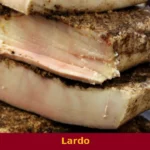
Among the dishes most deeply embedded in local tradition are pisarei e fasò, small bread-and-flour dumplings dressed with a sauce of borlotti beans and lard, considered one of the symbols of Piacenza cooking.
Equally common are tortelli con la coda, pasta parcels filled with ricotta and spinach, with a characteristic elongated shape twisted at the ends and dressed with melted butter and sage.
The cured-meat tradition is well represented: coppa piacentina, pancetta piacentina and salame piacentino are products from across the province that regularly appear on local tables as a starter or accompaniment.
These are often paired with gutturnio, a sparkling red wine produced from Barbera and Croatina grapes grown on the hills around Piacenza.
Regarding certified products, available sources do not allow specific DOP, IGP or PAT designations to be attributed to the municipality of Castell’Arquato itself.
The best-known productions of the area fall under the broader provincial denominations of Piacenza as a whole.
Visitors to the village can find these products in the food shops of the historic centre and at local markets, where producers from the surrounding countryside bring aged cheeses, cured meats made using traditional methods, and preserves prepared with seasonal fruit and vegetables grown on the Arda hills.
Throughout the year the village hosts events focused on promoting local products, particularly during the autumn months, when the mushroom season and harvest period bring life to the markets and squares.
The autumn fairs offer the chance to sample traditional country dishes prepared with fresh local ingredients and to buy wines, cheeses and preserves directly from producers.
Anyone planning what to see in Castell’Arquato during this period can combine visits to the monuments with a more direct experience of the local food culture.
Festivals, Events and Traditions of Castell’Arquato
Castell’Arquato is home to one of the best-known medieval historical re-enactments in the province of Piacenza: the Torneo dei Quattro Terzieri, an event held every year in September.
During the re-enactment, the village is divided into four historic terzieri that compete in challenges inspired by medieval games and tournaments. The historic centre becomes the backdrop for costumed processions, displays by archers and crossbowmen, musicians and flag-throwers.
The event draws visitors from across the region and is one of the most attended summer occasions in the entire Piacenza Apennines.
The patron saint’s celebration is linked to the Collegiata di Santa Maria Assunta, the main church of the village, with religious ceremonies held around the Feast of the Assumption.
Alongside these structured civic and religious events, the local calendar includes initiatives tied to the wine season and the gathering of hill produce, particularly in autumn.
The weekly market and seasonal fairs continue to serve as gathering points for the community of 4,732 residents and for people living in the surrounding rural centres, building a calendar of recurring events that marks the rhythm of life in the village throughout the year.
When to Visit Castell’Arquato and How to Get There
The best period to visit Castell’Arquato runs from April to October.
In spring, the hill landscape of the Val d’Arda is at its most lively, with green vegetation contrasting against the pale stone of the historic buildings. Summer is the season for outdoor events, with the Torneo dei Quattro Terzieri in September as the highlight. Autumn brings deep colours to the hills and the arrival of seasonal produce at local markets. Winter is quieter, suited to those who prefer to visit the museums and churches without the pressure of crowds.
For up-to-date information on opening times, it is worth consulting the Castell’Arquato Municipal website, which publishes the events calendar and visitor information.
If you are arriving by car from the A1 motorway (Milan–Bologna), the recommended exit is Fiorenzuola d’Arda, from which Castell’Arquato is around 14 kilometres to the south-west along the provincial road SP6R.
The nearest railway station is Fiorenzuola d’Arda, served by the Milan–Bologna line, with onward connection to the village by bus or taxi.
Travellers arriving by air can use Bologna Guglielmo Marconi Airport, approximately 90 kilometres away, or Milan Linate Airport (around 95 km) or Milan Malpensa Airport (around 120 km).
The village has public car parks outside the walls, from which the historic centre is a short walk away.
Where to Stay in Castell’Arquato
The accommodation offer in Castell’Arquato covers several types of lodging spread between the historic centre and the surrounding hill areas.
Within the village there are bed and breakfasts housed in historic buildings, offering the chance to stay inside the medieval walls.
In the Val d’Arda countryside there are agriturismi that combine accommodation with the opportunity to learn about local agricultural production.
Those looking for a base from which to explore several villages in the Piacenza province may also want to consider accommodation in Fiorenzuola d’Arda, which offers a wider range of hotels with fast connections to the village.
Other Villages to Explore in Emilia-Romagna
The province of Piacenza and Emilia-Romagna offer a number of smaller historic centres that lend themselves to combined itineraries alongside a visit to Castell’Arquato.
Nearby, the village of Morfasso, in the upper Val d’Arda, presents a rougher Apennine landscape that sees fewer visitors, with well-preserved rural characteristics.
Also within the Piacenza area, San Pietro in Cerro is known for its medieval castle and for a contemporary art collection housed within the historic structure — an unusual pairing that merits a stop.
Extending the exploration eastward, Tossignano, in the province of Bologna, offers an example of a hill village with a well-preserved fortress overlooking the Santerno river, in a landscape setting entirely different from that of the Val d’Arda.
Further west, towards the high Piacenza valleys, Zerba is one of the smallest municipalities in Italy, situated on the Apennine watershed between Liguria and Emilia, with a distinctly mountain identity. These four villages, though different in character and location, share with Castell’Arquato the capacity to illustrate different aspects of the Emilian territory away from the more heavily visited circuits.
Frequently asked questions about Castell’Arquato
What is the best time to visit Castell'Arquato?
The best period to visit Castell'Arquato runs from April to October. Spring offers mild temperatures and a green hill landscape ideal for exploring the medieval centre on foot. September is particularly lively, when the Torneo dei Quattro Terzieri medieval re-enactment fills the historic centre with costumed processions, archers and flag-throwers. Autumn — especially October — is excellent for combining monument visits with local food culture: mushroom season and harvest fairs bring producers of wine, cheese and cured meats to the village squares.
What are the historical origins of Castell'Arquato?
Castell'Arquato has early medieval origins, though the territory was already frequented in Roman times. Its hilltop position overlooking the Val d'Arda made it strategically valuable, leading to early defensive construction. From the thirteenth century, major civic and religious buildings took shape. In 1342, Luchino Visconti commissioned the Rocca, reinforcing the village as a military stronghold. The town later fell within the Duchy of Parma and Piacenza, and its relative isolation preserved the medieval urban layout largely intact to the present day.
What to see in Castell'Arquato? Main monuments and landmarks
The must-see sites are: the Rocca Viscontea (1342), a quadrangular fortress with corner towers housing the Geological and Palaeontological Museum — climb the keep for panoramic views over Val d'Arda; the Romanesque Collegiata di Santa Maria Assunta (begun 1122), with its porticoed façade, three naves and sculpted capitals; the thirteenth-century Palazzo del Podestà, with its ground-floor loggia facing Piazza del Municipio; and the medieval walls with walkable stretches and open towers. The piazza formed by these buildings together is an outstanding architectural ensemble.
What are the main natural or scenic attractions of Castell'Arquato?
Castell'Arquato sits on a hilltop plateau in the upper Val d'Arda at around 224 metres, surrounded by Apennine foothills. The valley landscape — with vineyards, woodland and the Arda stream below — offers scenic walking opportunities in the surrounding countryside. The area's hills are geologically significant: the Pliocene-era marine fossil beds that yielded the Rocca museum's collection are found in the surrounding terrain, making the landscape of interest beyond its visual appeal.
Where to take the best photos in Castell'Arquato?
The most photographed spot in Castell'Arquato is the semicircular apse of the Collegiata di Santa Maria Assunta, best captured from the narrow lane behind the church. Piazza del Municipio — with the Palazzo del Podestà, the Collegiata and the Rocca Viscontea in close proximity — offers a concentrated medieval skyline. The top of the Rocca's keep provides a wide panoramic view over the Val d'Arda plain and hills, ideal for landscape shots, particularly in the golden light of late afternoon.
Are there museums, churches or historic buildings to visit in Castell'Arquato?
Yes. The Rocca Viscontea houses the Giuseppe Cortesi Geological and Palaeontological Museum, dedicated to Pliocene marine fossils — cetaceans, sharks and molluscs — found in the surrounding hills. The Collegiata di Santa Maria Assunta, a Romanesque church begun in 1122, preserves sculpted capitals and fresco fragments inside. The Palazzo del Podestà, dating from the thirteenth century, is a key example of medieval civic architecture. Specific opening hours and admission prices should be confirmed directly with the local municipality or tourist office before visiting.
What can you do in Castell'Arquato? Activities and experiences
Visitors can walk the medieval walls and climb the Rocca Viscontea keep for panoramic views, visit the Palaeontological Museum, and explore the Romanesque Collegiata. In September, the Torneo dei Quattro Terzieri medieval re-enactment offers costumed tournaments, archery displays and flag-throwing. Food and wine experiences are central: tasting coppa piacentina, pisarei e fasò and gutturnio wine in local restaurants, and browsing autumn fairs where hill producers sell cheeses, cured meats and preserves directly to visitors.
Who is Castell'Arquato suitable for? Families, couples, hikers, solo travellers?
Castell'Arquato suits a wide range of visitors. Couples and architecture enthusiasts will appreciate the intact medieval centre, Romanesque church and fortress. Families benefit from the hands-on Palaeontological Museum with its fossil collections. History and culture travellers will find the density of monuments — Rocca, Collegiata, Palazzo del Podestà, walls — rewarding in a compact area. Food and wine lovers are well served by the Piacenza gastronomy tradition. The medieval re-enactment in September makes it especially appealing for those interested in living history events.
What to eat in Castell'Arquato? Local products and specialties
The local table draws on the Piacenza gastronomic tradition. Signature dishes include pisarei e fasò (bread-and-flour dumplings with borlotti bean and lard sauce) and tortelli con la coda (ricotta and spinach pasta with butter and sage). Starters typically feature coppa piacentina, pancetta piacentina and salame piacentino — provincial cured meats with DOP status. These are classically paired with gutturnio, a sparkling red wine made from Barbera and Croatina grapes grown on the Piacenza hills. Local food shops and autumn fairs are the best places to buy directly from producers.
📷 Photo Gallery — Castell’Arquato



Nearby Villages near Castell’Arquato
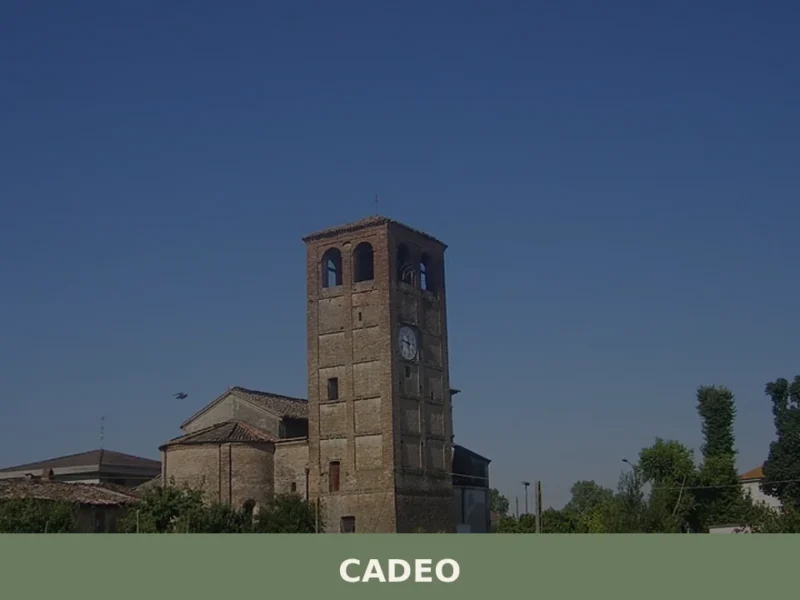
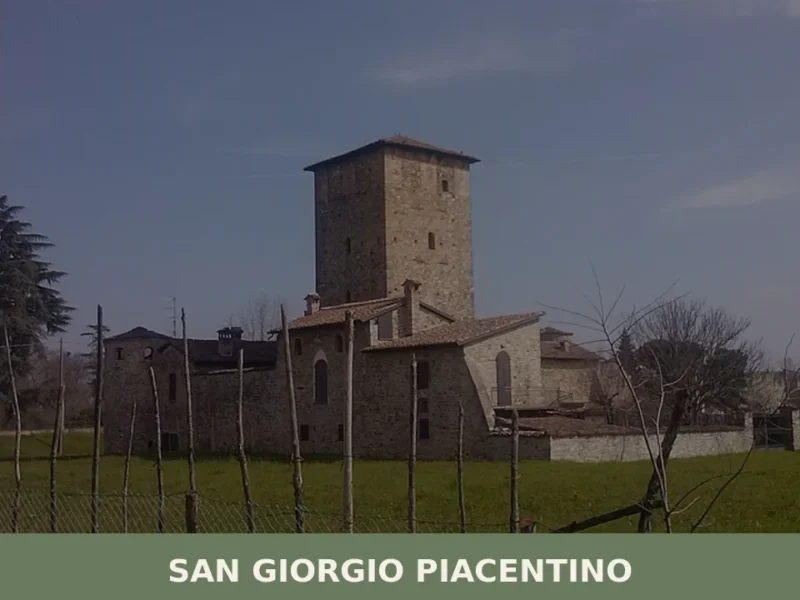
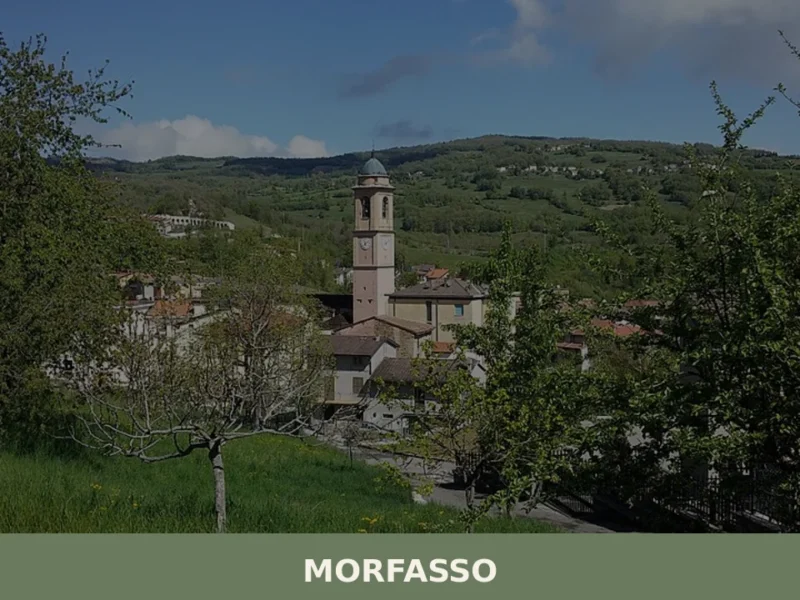
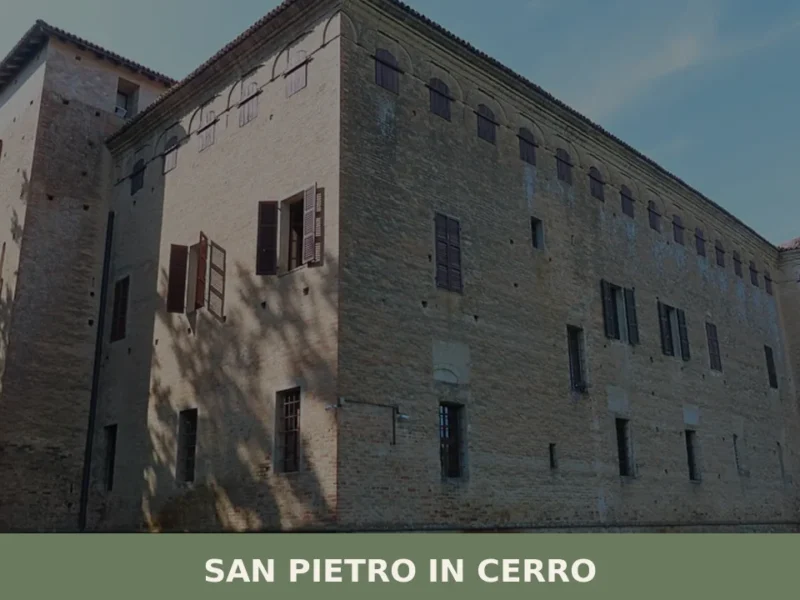
In Emilia-Romagna More villages to discover
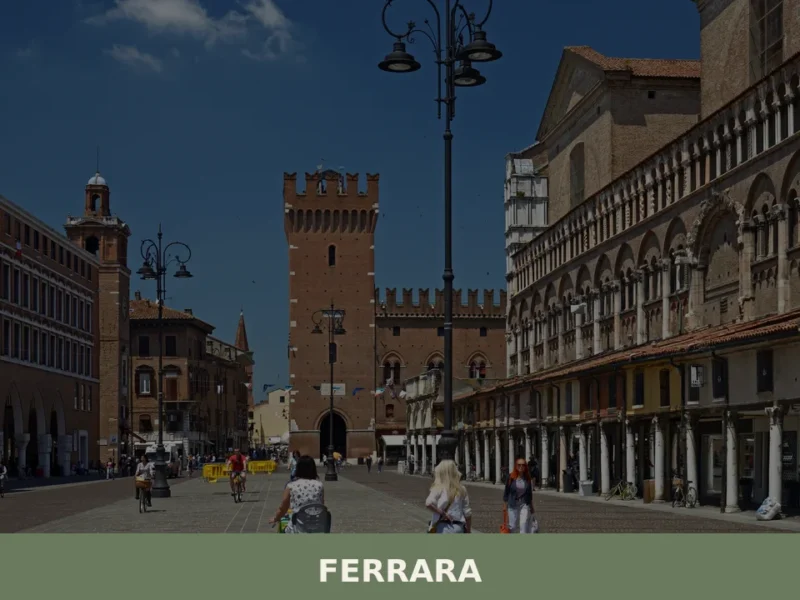
Ferrara
 Plains
What to see in Ferrara? Explore 6 attractions, from the Estense Castle to the Palio at this city of 135,000. Discover Ferrara’s unique architecture today!
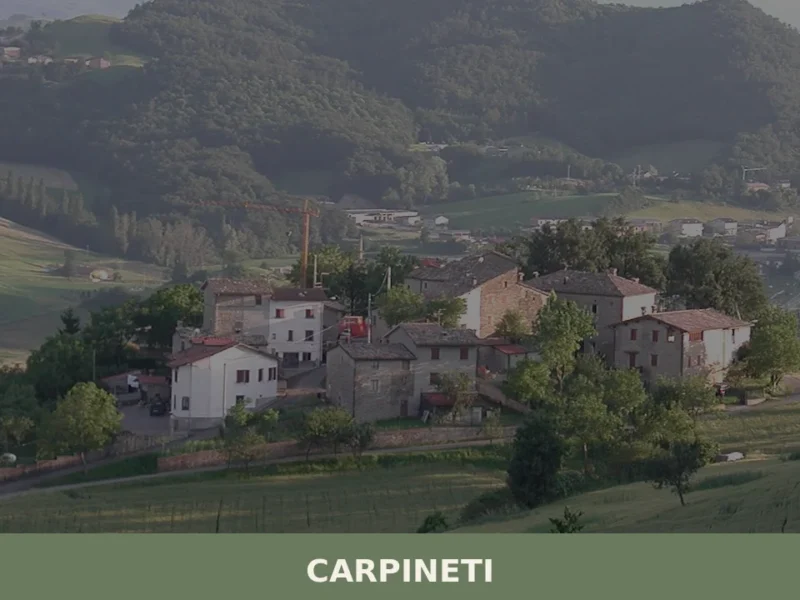
Carpineti
Hills
What to see in Carpineti: from the Rocca dei Canossa to the traditional flavors of the Apennines. Find out how to get there and plan your visit.
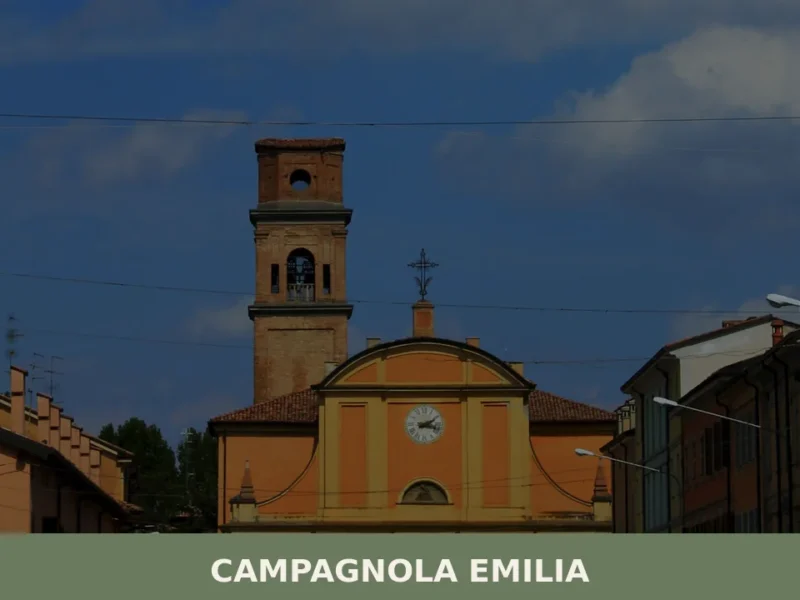
Campagnola Emilia
Plains
What to see in Campagnola Emilia, Italy: explore a Po Plain comune at 22 m altitude, 25 km from Reggio Emilia. Discover local festivals and food. Read the guide.
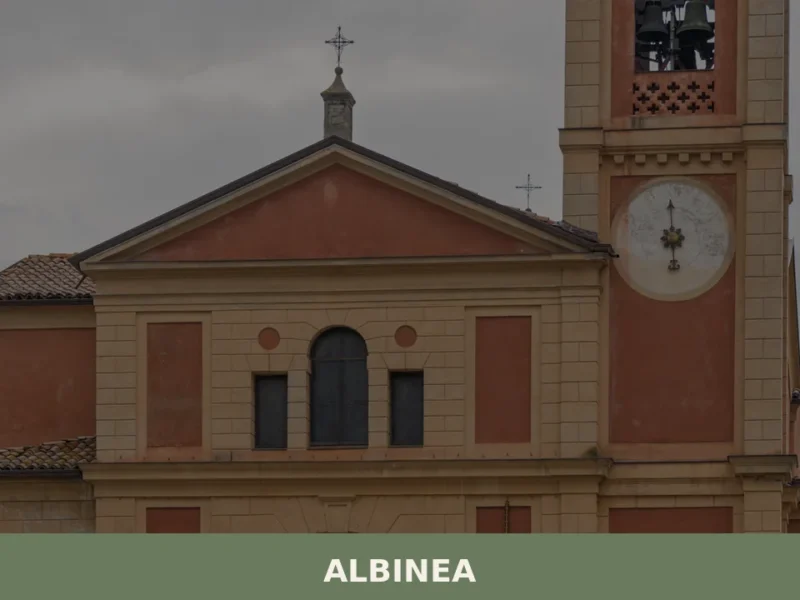
Albinea
Plains
What to see in Albinea, Italy: explore 8,882 inhabitants, medieval history since 980 AD, Apennine foothills landscape and local food. Discover the full guide.
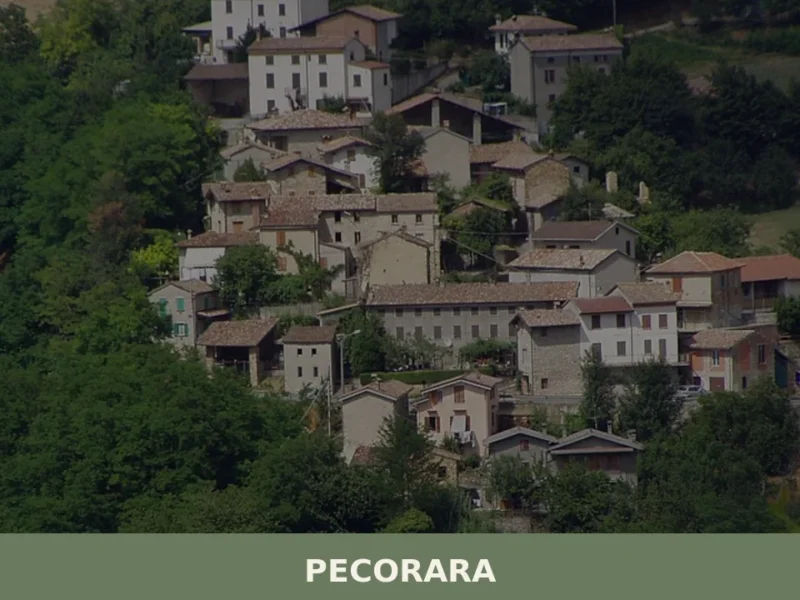
Pecorara
Hills
What to see in Pecorara? Discover 5 must-see attractions in this Emilia-Romagna village. Read the full guide and plan your visit!
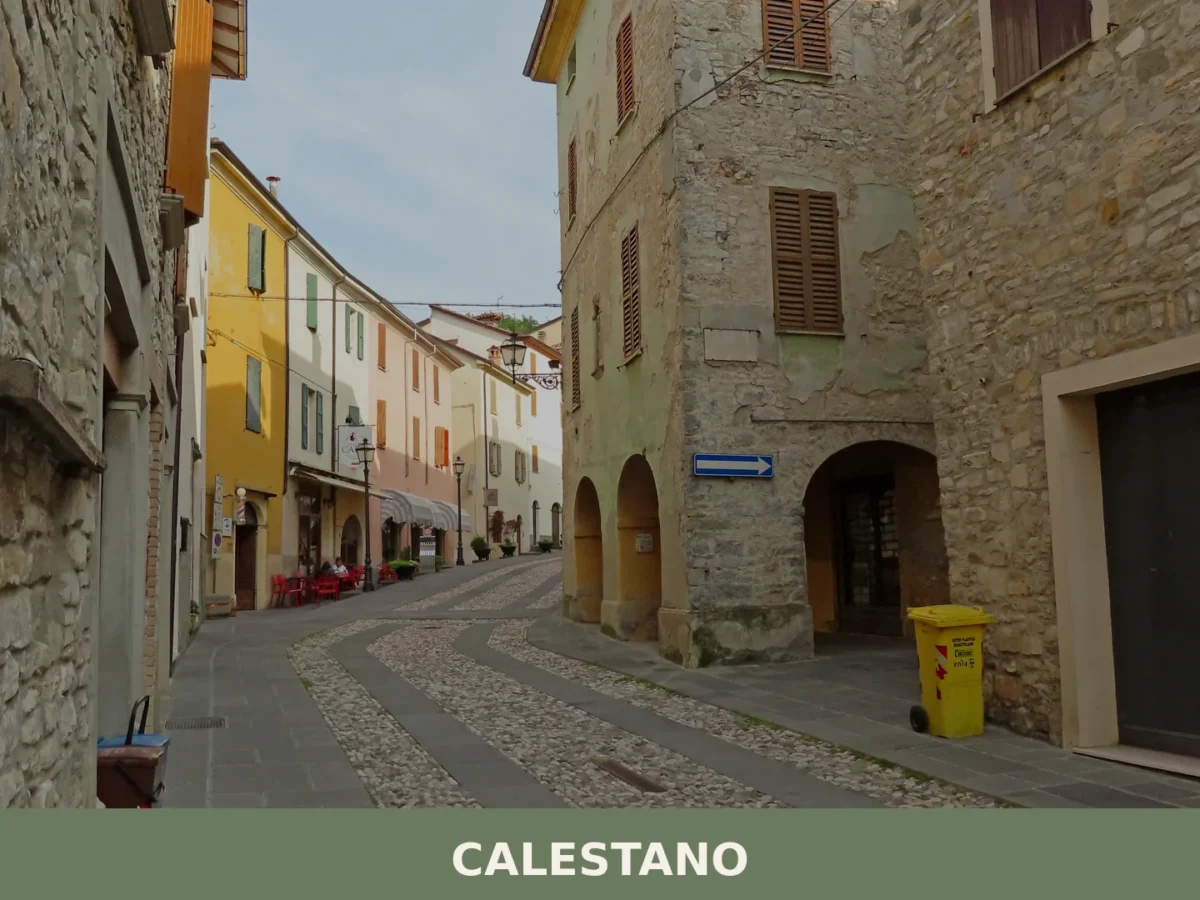
Calestano
Hills
Calestano is a hill municipality in the Baganza valley, province of Parma, with over seven thousand years of human history, five medieval castles and striking natural formations in the Parma Apennines
Cerignale
 Mountain
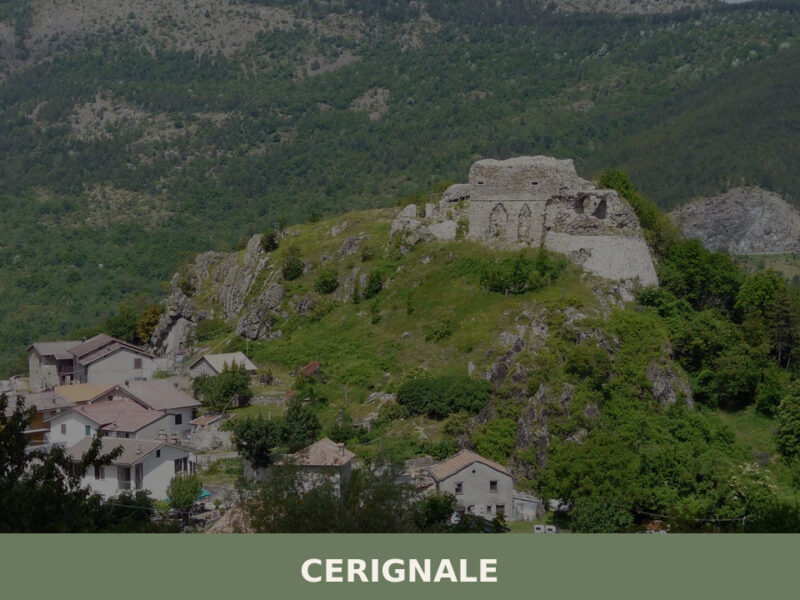
Cerignale, a 117-resident village at 725 metres in the Piacenza Apennines, holds medieval ruins, a geological elephant, and the silence of the upper Val Trebbia.
Besenzone
Plains
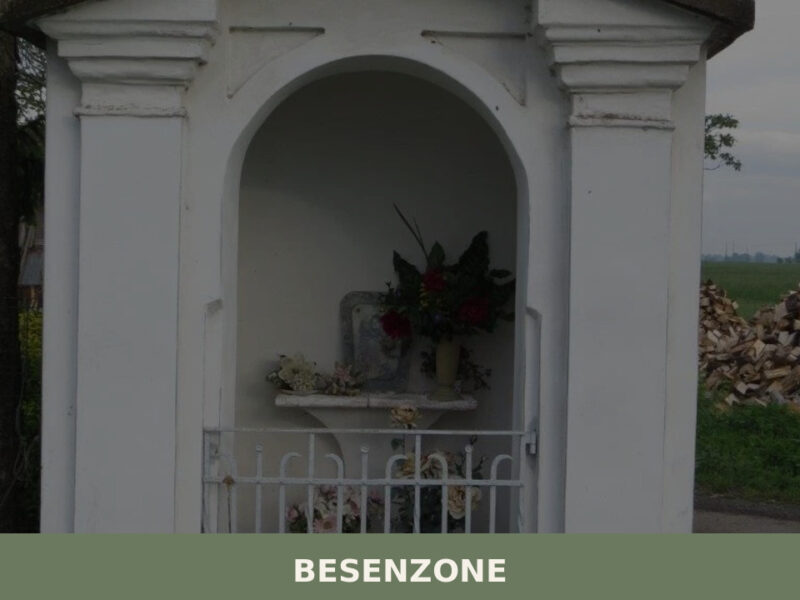
What to see in Besenzone, Italy: Discover a tranquil village of 916 inhabitants at 48 m (157 ft) altitude. Explore its historical sites and local traditions. Read our guide.
Alfonsine
Plains
What to see in Alfonsine? Discover the top 5 attractions of the village in Emilia-Romagna. From the house museum to nature trails, plan your visit now!
Cervia
 Sea
Sea
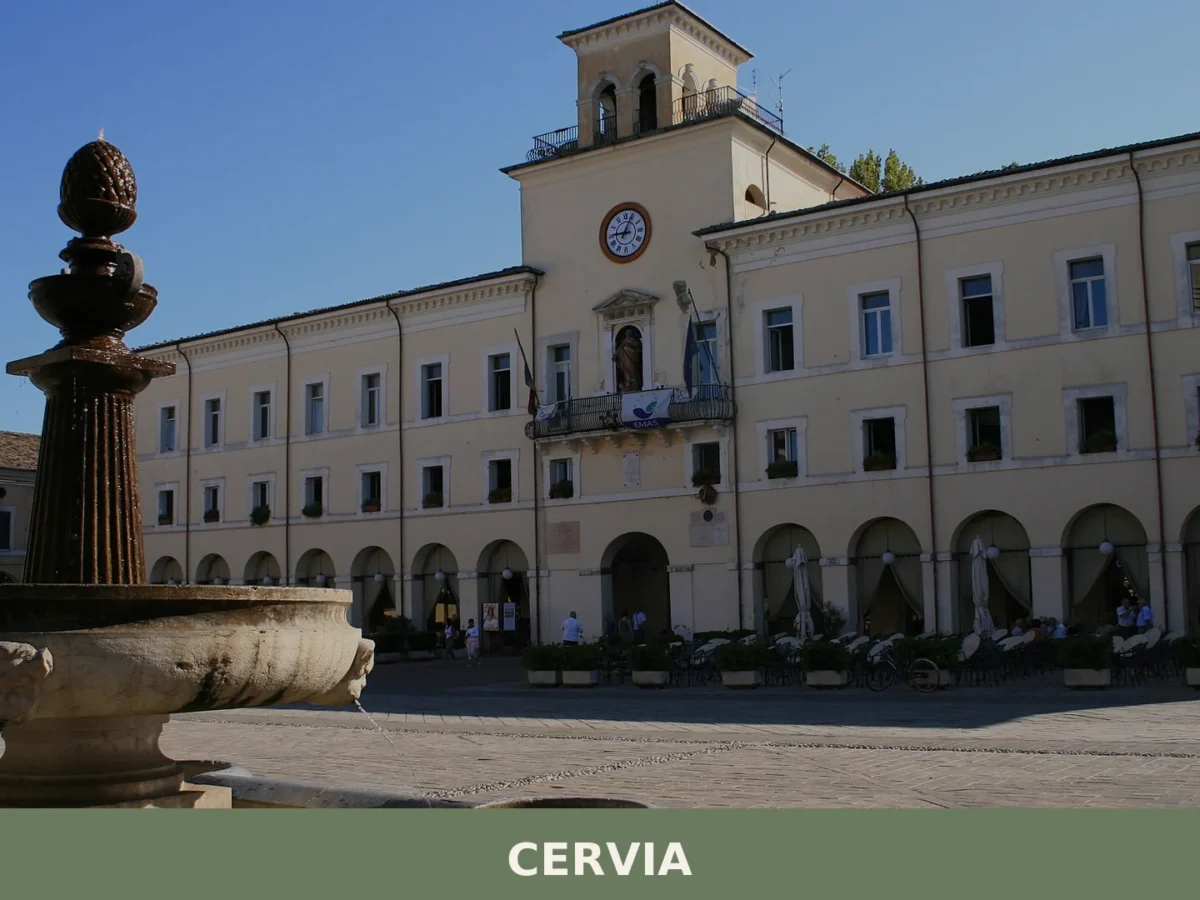
A coastal settlement built atop ancient salines, Cervia preserves nine centuries of salt heritage and 9 km of protected beaches in the Ravenna province.

🏡 Know Castell’Arquato better than we do?
If you’re a local or have been there, your knowledge matters: add what’s missing or fix a detail on this page.