


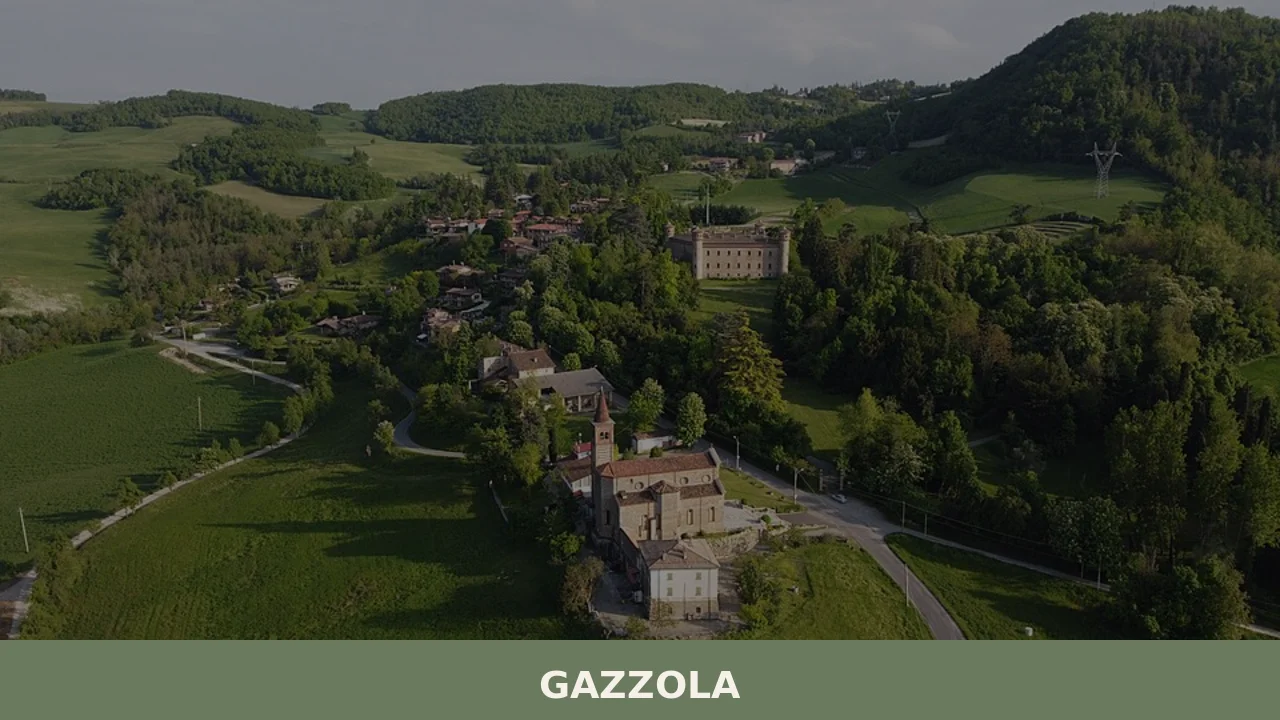
Gazzola
 Plains
What to see in Gazzola, a Piacenza hill village at 146 m with 2,050 residents. Explore Rivalta Castle, the Luretta valley and Colli Piacentini DOC wines. Plan your visit.
Discover Gazzola
Gazzola is located in the province of Piacenza, at 146 metres above sea level, on a hilly stretch of land between the Luretta stream and the Po river.
With just over 2,050 inhabitants, it is one of the smallest municipalities in the Piacenza area, yet anyone looking into what to see in Gazzola will find a landscape of medieval architecture, Visconti castles and well-preserved agricultural scenery.
The municipality has roots going back to the Lombard and medieval periods, and its territorial layout tells centuries of feudal history through buildings that still define the landscape of the Luretta valley today.
History and Origins of Gazzola
The name Gazzola most likely derives from a Lombard or late Latin term referring to agricultural settlements on the plain and hills.
The earliest documented references to the area date back to the early Middle Ages, when this part of the Po plain was crossed by roads connecting Piacenza to the Apennine valleys. Like many centres in the Piacenza area, the municipality grew up around fortified structures built by local lords to control transit routes and the surrounding farmland.
The geography of the area, with the Luretta stream running through the valley floor, supported a mixed economy based on agriculture and livestock-rearing from the outset.
During the medieval period, the territory of Gazzola came under the influence of the lordships that dominated the Piacenza area, including the Visconti of Milan, who exercised direct control over numerous castles in the region. The fortified structures within the municipality — most notably Rivalta Castle — still reflect this phase of history in their current architecture.
Rivalta Castle is documented from 1027, the year it appears in records as the property of noble families linked first to ecclesiastical and then to feudal power.
Throughout the fourteenth and fifteenth centuries, the territory experienced the conflicts typical of the wars between Milan and its rival communes, leaving visible marks on the local defensive structures (source: local historical documentation and regional institutional portals).
In the modern era, Gazzola followed the fortunes of the Duchy of Parma and Piacenza, and its territory enjoyed a period of relative administrative stability that allowed an organised agricultural economy to develop.
The nineteenth century brought Italian unification and with it a gradual reorganisation of the smaller municipalities in the Piacenza area. In the twentieth century, like many rural centres in Emilia-Romagna, Gazzola experienced a degree of depopulation driven by the industrialisation of the Po plain.
The population nonetheless remained stable at just over 2,000 inhabitants, preserving a local identity rooted in the history of its castles and the agricultural output of the Piacenza hills.
What to See in Gazzola: Main Attractions
Rivalta Castle
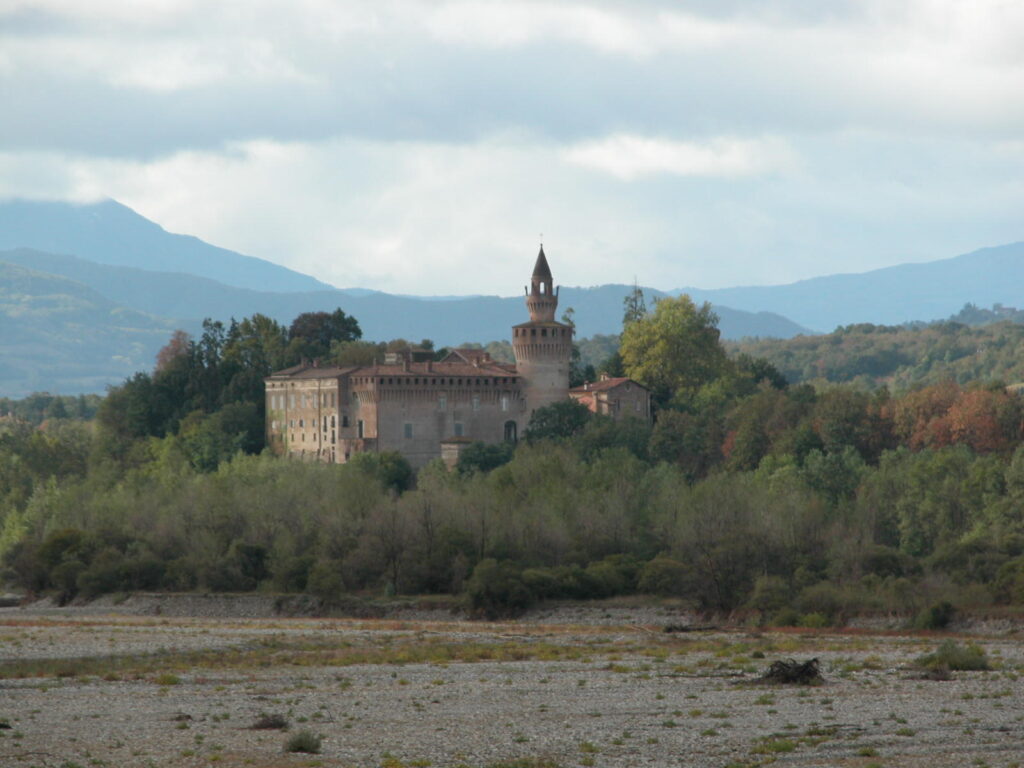
Rivalta Castle is the principal historic monument in the municipality of Gazzola.
Documented from 1027, it has been in the possession of the Zanardi Landi family for several centuries and is still inhabited and maintained by its owners today.
The structure incorporates architectural elements from different periods: medieval towers, Renaissance courtyards and interior rooms furnished with period furniture and works of art. The castle is open to the public during specific periods of the year with guided tours, and the adjoining village retains its original urban layout with stone houses and narrow alleyways.
For anyone exploring what to see in Gazzola, this is the essential starting point.
Montechiaro Castle
Montechiaro Castle stands on a hillside within the municipal territory of Gazzola and is one of the most prominent viewpoints across the entire Luretta area. The structure, medieval in origin, retains its central tower and parts of the original perimeter walls. Over the centuries it underwent transformations that shifted its function from military stronghold to noble residence.
Its elevated position offers sweeping views over the entire valley and the surrounding vineyards. The exterior can be appreciated without access to the interior, giving visitors a clear sense of the overall architectural composition.
Parish Church of Gazzola
The parish church of the main village is dedicated to Saint John the Baptist and serves as the religious focal point of the local community.
The current building is the result of reconstruction and expansion work carried out in the modern era on an earlier structure of medieval origin. The brick façade and single-nave interior are typical of rural parish churches across the Piacenza area. Inside, the church houses furnishings of historical interest, including paintings and sculptures dating from the seventeenth and eighteenth centuries.
The church faces the village’s main square, which forms the social centre of community life.
Luretta Stream Valley
The Luretta stream runs through the municipal territory from south to north, carving out an agricultural valley of considerable landscape interest.
The hillside slopes flanking it are planted with vineyards and orchards, with strips of woodland breaking up the cultivated plots. The valley floor is crossed by cycle and walking paths and secondary roads that allow visitors to travel through the area at a slower pace, taking in the smaller hamlets of the municipality. Along this route, a succession of rural villages, historic farmsteads and small country churches documents the traditional settlement pattern of the Piacenza hills.
It is a route well suited to cyclists and walkers.
Hamlet of Turpino and Rural Villages
The territory of Gazzola includes several smaller hamlets, among them Turpino, which preserve their medieval urban layouts with local stone buildings and rural courtyards. These hamlets illustrate the dispersed settlement pattern typical of the Piacenza hills, where communities organised themselves around small churches and farmhouses.
Visiting these smaller clusters gives a clear sense of how the landscape was shaped over centuries by an agricultural economy whose physical traces are still clearly readable.
The secondary roads connecting these hamlets provide views across the hilly terrain and the vineyards of the Colli Piacentini area.
Local Food and Products of Gazzola
The food traditions of the Gazzola area fit squarely within the culinary heritage of the Piacenza hills, which shares common roots with the broader Emilian tradition while retaining characteristics specific to this territory. The position between the Po plain and the first Apennine slopes has produced a cuisine that combines cereal and dairy products from the lowlands with the cured meats and wines of the hills. The Po to the north and the local streams historically supplied freshwater fish, while pig-rearing has always formed the backbone of the rural food economy in this area.
Among the dishes most deeply rooted in Piacenza tradition and found in the restaurants and trattorias of the Gazzola area, pisarei e fasò stand out — small dumplings made from breadcrumbs and flour, dressed with a sauce of borlotti beans, onion and tomato, and one of the defining dishes of the entire provincial cuisine.
Equally common is burtleina, a type of savoury fritter made from flour and water, fried in lard and traditionally served with local cured meats.
Tortelli con la coda, fresh pasta parcels filled with ricotta and spinach or wild herbs, are another fixture on the menus of hill-country trattorias.
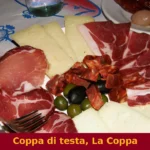
The production of cured meats such as coppa piacentina, salame and pancetta is an integral part of the area’s food and agricultural economy.
As regards certified products, the available data records no DOP, IGP or PAT designations specifically attributed to the municipality of Gazzola. However, the territory falls within the production area of certain wine appellations from the province of Piacenza, in particular the Colli Piacentini DOC, a designation covering a range of wine styles produced on the hillside slopes of the province.
The vineyards visible along the Luretta valley and on the higher ground of the municipality are part of this production framework, with varieties such as Gutturnio, Ortrugo and Malvasia characterising the local wine offer.
Local festivals and markets provide direct access to the food production of the territory.
Across the Piacenza area, summer and autumn patron saint celebrations are often accompanied by stalls selling local products, including cured meats, cheeses and wines from the hill-country cellars.
Autumn is the richest period from a gastronomic standpoint, with the grape harvest and the production of grape must and young wines bringing the area’s cellars to life. Visitors to the territory during this season will find fresh products available directly from farms and local agriturismi.
Festivals, Events and Traditions of Gazzola
The religious and community life of Gazzola revolves around the patron saint festival calendar typical of rural municipalities in the Piacenza area. The parish dedicated to Saint John the Baptist celebrates its principal feast on 24 June, a date that coincides with the nativity of the saint in the Catholic liturgical calendar.
Celebrations include a solemn Mass and, traditionally, moments of community gathering in the village square.
As in many villages on the Emilian hills, religious festivals overlap with food events tied to the seasonal agricultural calendar, creating a cycle of occasions that marks the rhythm of village life throughout the year.
The territory of Gazzola also takes part in events connected to the Piacenza castle circuit, which collectively organises cultural events, historical re-enactments and special openings throughout the year.
Rivalta Castle in particular hosts periodic themed guided tours and private events that draw visitors from across the region. Local Pro Loco associations and community groups also promote food and wine initiatives, including tastings of Colli Piacentini wines and evenings dedicated to the area’s agricultural produce. For up-to-date information on scheduled events, the Gazzola Municipality website publishes calendars of local activities and is worth checking before your visit.
When to Visit Gazzola and How to Get There
The best time to visit Gazzola runs from spring through to autumn, with two distinct periods of particular interest.
Spring, between April and June, brings mild temperatures and the vineyards and orchards at their most active stage of growth, with the hill landscapes looking their best.
Autumn, from September to November, is the harvest season and the time when the territory’s agricultural economy is most visible and accessible to visitors. The summer months are suitable for excursions along the Luretta valley, though temperatures can be high during the middle of the day. Winter is quieter and allows visitors to explore the attractions without crowds, though some facilities may operate on reduced hours.
To reach Gazzola by car, the most direct route from the plain follows the A21 Turin–Brescia motorway (Piacenza–Cremona section), exiting at Piacenza Ovest or Piacenza Sud, then taking the provincial roads towards the Luretta valley in a south-westerly direction.
From the city of Piacenza the journey is around 20 to 25 kilometres. Travellers arriving on the A1 (Autostrada del Sole) should use the Piacenza Sud exit.
The nearest railway station is Piacenza, served by regional and intercity services on the Milan–Bologna line.
From Bologna Airport, approximately 100 kilometres away, Piacenza is easily reached by train or by car along the A1. There is no frequent local public transport between Piacenza and Gazzola, so a car is the most practical option for those arriving from outside the province.
Where to Stay in Gazzola
The Gazzola area and the surrounding Luretta valley offer a range of accommodation in agriturismi and country houses, a type of hospitality that is well established across the Piacenza hills. The agriturismi in the area combine accommodation with direct agricultural production, often offering breakfasts featuring local products and the opportunity to purchase wines and cured meats on site.
Rivalta Castle has a number of rooms and apartments within the buildings of its adjoining village, offering the experience of staying directly inside a historic complex.
For those seeking alternatives nearby, the city of Piacenza provides a broad selection of hotels across various categories, all within less than thirty minutes’ drive.
Other Villages to Explore in Emilia-Romagna
The Piacenza hills and the Emilian Apennines contain a network of villages worth exploring alongside a visit to Gazzola.
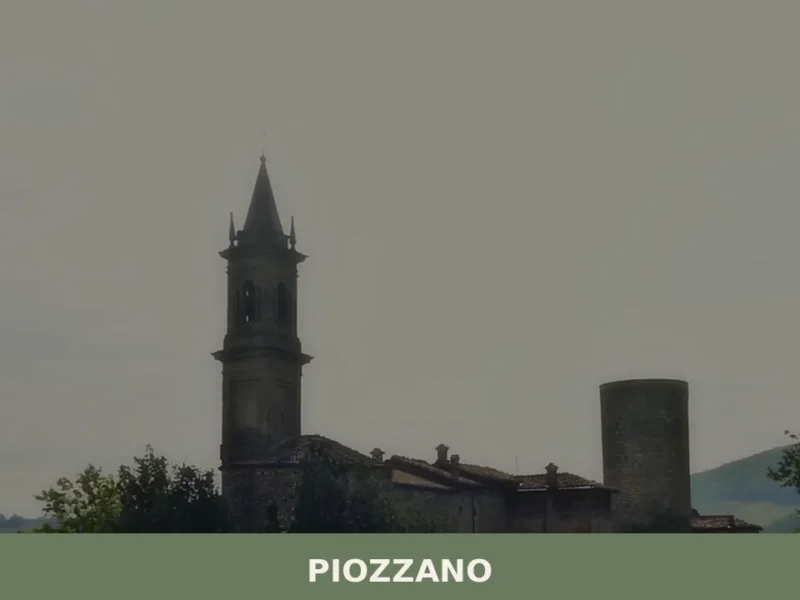
Piozzano, also in the province of Piacenza, shares with Gazzola the character of a hilly territory marked by medieval castles and wine-producing landscapes, and can easily be incorporated into a day’s itinerary through the upper Luretta valley.
Moving towards the Bologna area, Fontanelice is a well-preserved example of an Apennine hill village, with architectural features and a natural setting that echoes some of the qualities found in the Piacenza countryside.
For those planning a broader itinerary through the villages of Emilia-Romagna, Borgo Tossignano, in the Santerno valley, offers a cross-section of rural architecture and riverside landscape that complements a visit to the Piacenza castles.
Equally, Casalfiumanese, also in the Bologna Apennines, broadens the geographical and cultural scope across a region where rural villages represent a widely distributed heritage of considerable historical and architectural interest. Combining what to see in Gazzola with these nearby centres makes it possible to build a layered journey through hilly Emilia-Romagna, moving through a sequence of landscapes, castles, churches and food traditions that complement and enrich one another.
Frequently asked questions about Gazzola
What is the best time to visit Gazzola?
The best time to visit Gazzola is spring (April–June) and autumn (September–October). Spring offers mild temperatures ideal for walking the Luretta valley and cycling through the vineyards, while autumn coincides with the grape harvest season when local cellars and agriturismi are most active and Colli Piacentini wines are freshly produced. Summer is pleasant for outdoor visits to Rivalta Castle and the hamlets. The feast of Saint John the Baptist on 24 June marks the parish celebration with a solemn Mass and community gatherings in the village square.
What are the historical origins of Gazzola?
Gazzola's name likely derives from a Lombard or late Latin term linked to early agricultural settlements. The area developed during the Middle Ages around fortified structures controlling roads between Piacenza and the Apennine valleys. Rivalta Castle is documented from 1027. During the fourteenth and fifteenth centuries the territory fell under Visconti influence. Later it became part of the Duchy of Parma and Piacenza, maintaining agricultural stability until Italian unification in the nineteenth century. In the twentieth century, like many rural Emilian centres, it experienced moderate depopulation due to Po plain industrialisation.
What to see in Gazzola? Main monuments and landmarks
The essential stop is Rivalta Castle, documented from 1027, still owned and inhabited by the Zanardi Landi family, open to visitors during specific periods with guided tours. Its medieval towers, Renaissance courtyards and period-furnished rooms make it the most significant monument in the municipality. Montechiaro Castle, perched on a hillside, offers panoramic views over the Luretta valley and is appreciable from the exterior. The parish church of Saint John the Baptist in the village centre contains seventeenth and eighteenth-century paintings and sculptures. The hamlet of Turpino preserves its medieval stone layout.
What are the main natural or scenic attractions of Gazzola?
The Luretta stream valley is the principal natural attraction of the municipality. Running south to north through the territory, it is flanked by vineyards, orchards and strips of woodland. The valley floor is crossed by cycle and walking paths and secondary roads connecting the smaller hamlets. The hillside slopes form part of the Colli Piacentini wine production area. This landscape of cultivated hills, historic farmsteads and small country churches makes the Luretta valley a destination well suited to walking and cycling at a relaxed pace.
Where to take the best photos in Gazzola?
The most photogenic spots in Gazzola are Rivalta Castle and its adjoining stone village, where the medieval towers and narrow alleyways provide strong architectural subjects. Montechiaro Castle, elevated on the hillside, offers sweeping views across the Luretta valley and surrounding vineyards — particularly striking in autumn when the vines turn colour. The secondary roads connecting the rural hamlets provide open views across the Colli Piacentini landscape. Sunrise and late afternoon light are best for capturing the castle towers and the terraced vineyard slopes.
Are there museums, churches or historic buildings to visit in Gazzola?
Rivalta Castle is the principal historic building open to visitors, with guided tours available during specific periods of the year; it contains period furniture, works of art and architecture spanning from the medieval to the Renaissance phase. The parish church of Saint John the Baptist in the village square houses seventeenth and eighteenth-century paintings and sculptures and represents the religious and community heart of Gazzola. Montechiaro Castle can be viewed from the exterior. For current opening times and booking for Rivalta Castle, it is advisable to check directly with the castle management.
What can you do in Gazzola? Activities and experiences
Visitors to Gazzola can take guided tours of Rivalta Castle, cycle or walk the paths along the Luretta valley, and explore the rural hamlets by secondary road. The territory is part of the Piacenza castle circuit, which organises cultural events, historical re-enactments and special openings throughout the year. Food and wine experiences are available directly from local farms and agriturismi, particularly during the autumn grape harvest when Colli Piacentini wines and fresh grape must are produced. The area also lends itself to food tourism focused on Piacenza cured meats and hill-country trattorias.
Who is Gazzola suitable for? Families, couples, hikers, solo travelers?
Gazzola is well suited to couples and culturally curious travellers interested in medieval architecture, Visconti history and rural landscapes. Families will find Rivalta Castle an engaging and accessible destination, especially during themed guided tours. Cyclists and walkers benefit from the gentle Luretta valley paths and scenic secondary roads. Food and wine enthusiasts will appreciate the Colli Piacentini wine production and local Piacenza culinary traditions. The quiet, small-scale setting makes it a good choice for visitors seeking an unhurried experience away from mass tourism.
What to eat in Gazzola? Local products and specialties
The Gazzola area shares the culinary heritage of the Piacenza hills. Key local dishes include pisarei e fasò (breadcrumb dumplings with borlotti bean sauce), burtleina (savoury fritter fried in lard, served with cured meats) and tortelli con la coda (fresh pasta filled with ricotta and spinach). Cured meats — coppa piacentina, salame and pancetta — are central to the local food economy. The territory falls within the Colli Piacentini DOC zone, producing Gutturnio, Ortrugo and Malvasia wines. Local products are available at farms, agriturismi and seasonal food events.
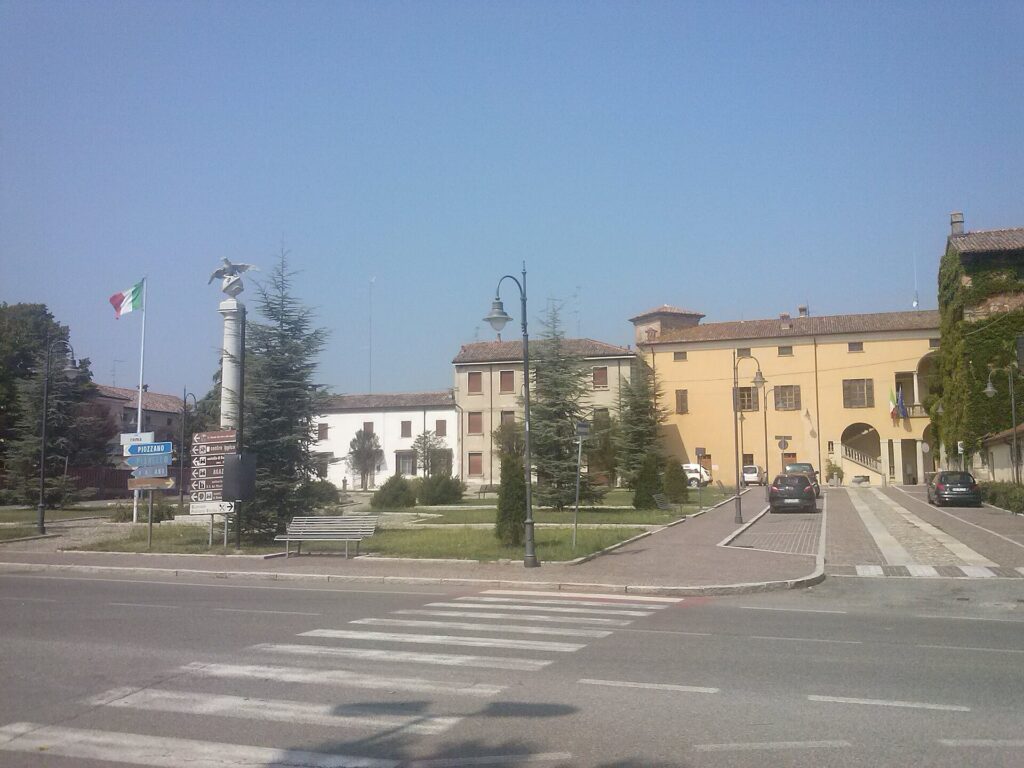
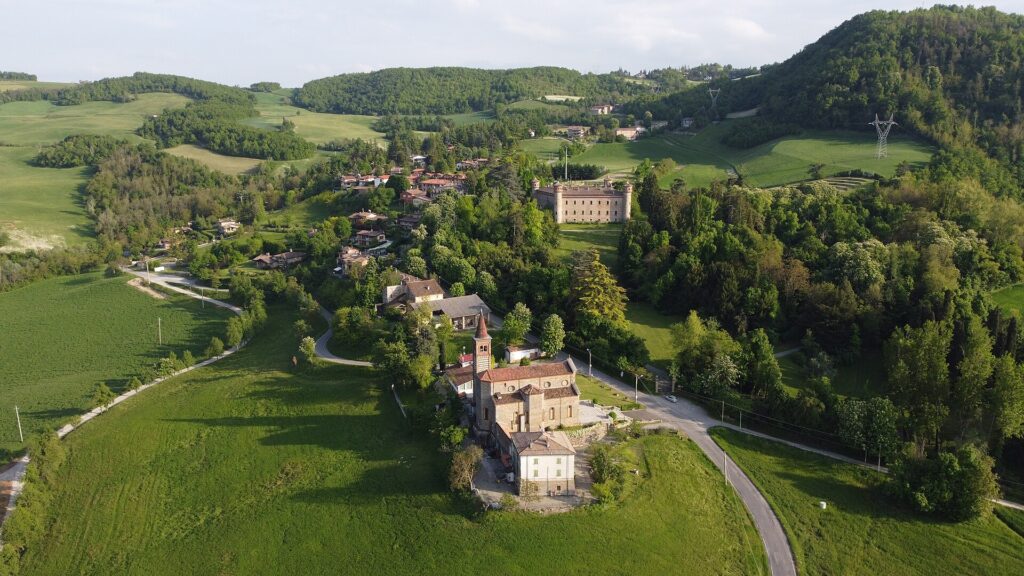
📷 Photo Gallery — Gazzola
Nearby Villages near Gazzola
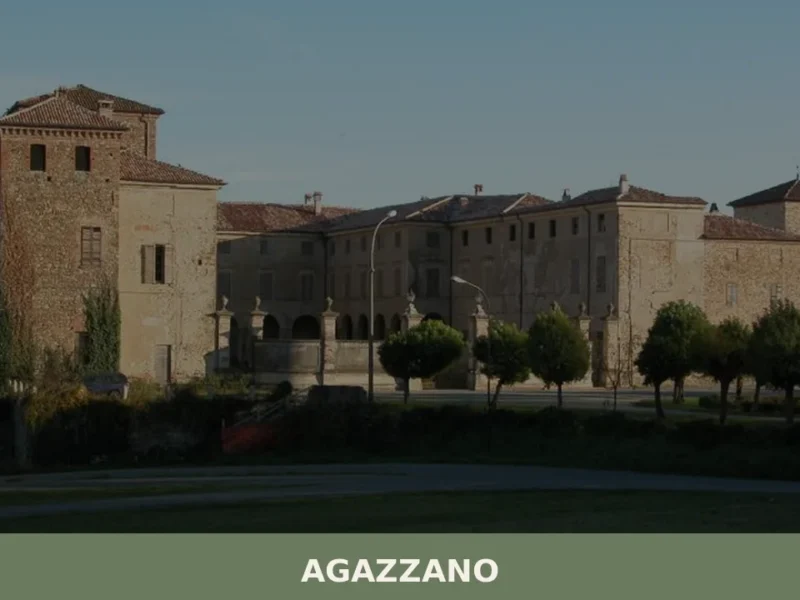
In Emilia-Romagna More villages to discover
Lizzano in Belvedere
 Mountain
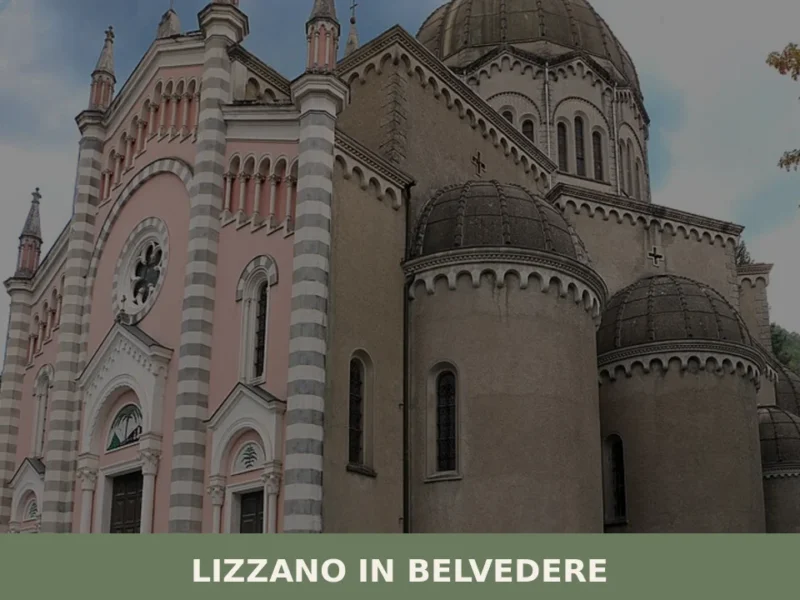
Every year, on 17 August, the procession in honour of Saint Mamante winds its way up the streets of Lizzano in Belvedere to the parish church, following a ritual that has been repeated since at least the 15th century. This municipality of 2,314 inhabitants, situated at 640 metres above sea level on the Bolognese Apennines, […]
Castel di Casio
 Hills
Hills
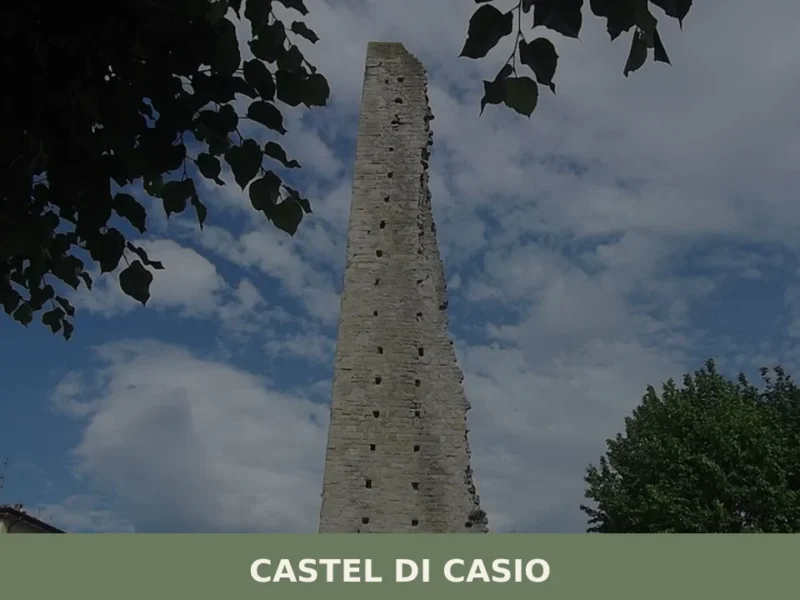
In February 1944, during the German retreat along the Gothic Line, the bridges over the Limentra di Treppio torrent were blown up one by one, cutting the territory of Castel di Casio in two. That act of destruction left a lasting mark on the collective memory of a mountain municipality that, as far back as […]
San Giorgio Piacentino
Plains
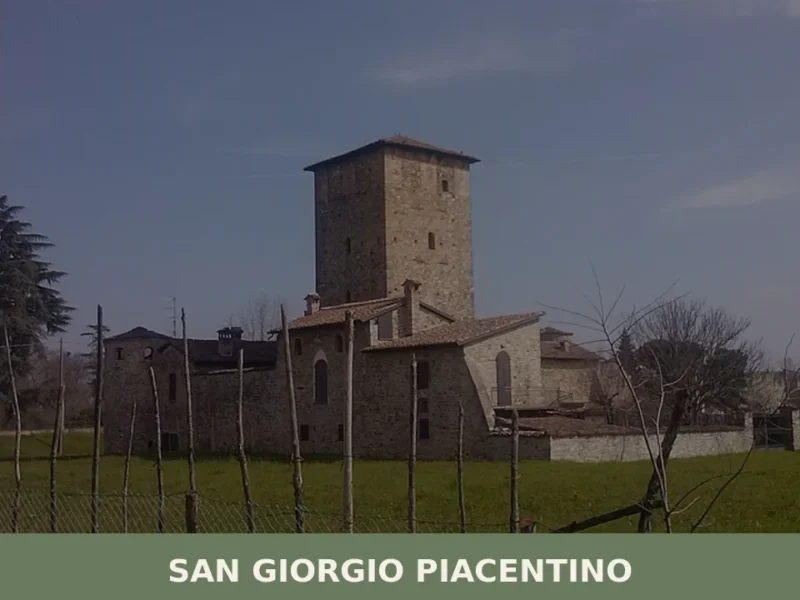
What to see in San Giorgio Piacentino: 5,533 residents at 103 m altitude, Renaissance villas, PDO cured meats, and the 23 April patron feast. Plan your visit now.
Ottone
Hills
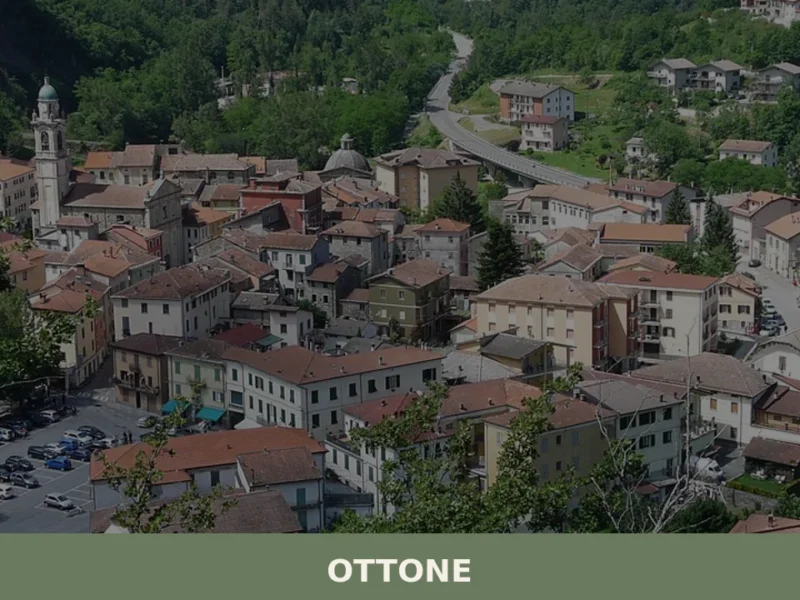
Discover what to see in Ottone, the village at 510m above sea level in Val Trebbia. Explore the Church of San Marziano and the castle ruins. Plan your visit!
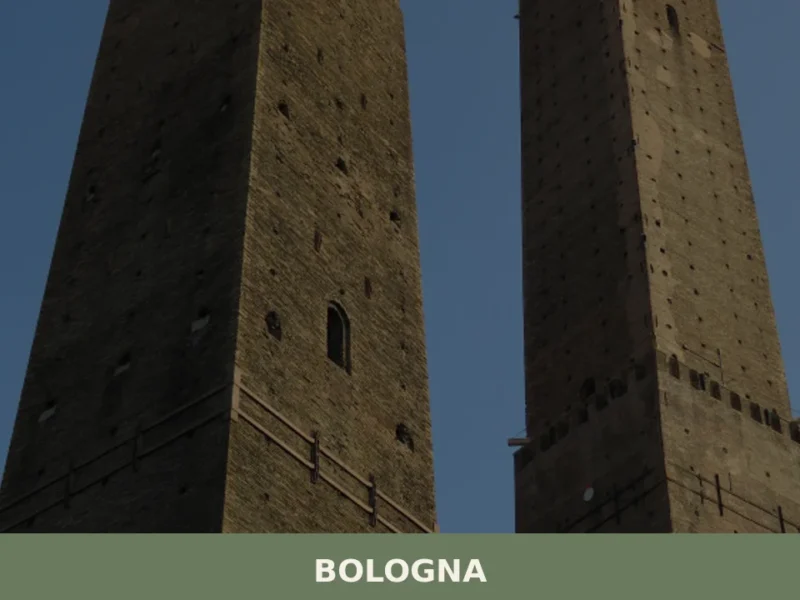
Bologna
Plains
What to see in Bologna: 388,000 inhabitants, UNESCO porticoes and the Two Towers. Plan your visit with our guide to tortellini, Mortadella IGP and top museums.
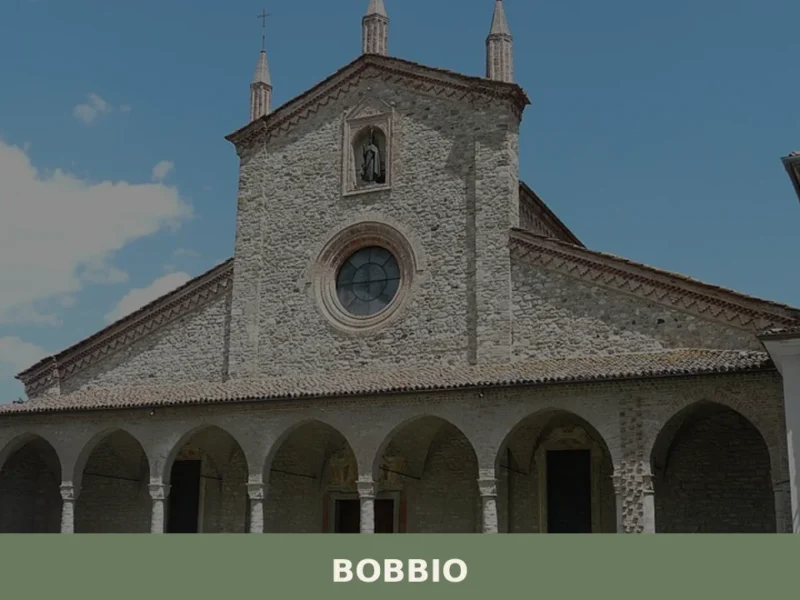
Bobbio
Hills
What to see in Bobbio: a town of 3,710 at 272 m in the Trebbia valley, with a 614 AD abbey, the medieval Ponte Gobbo and a hilltop castle. Plan your visit now.

Tizzano Val Parma
Mountain
2,198 residents and over a thousand years of documented history: Tizzano Val Parma draws visitors with its Romanesque pieve, medieval ruins and ski slopes on Monte Caio.
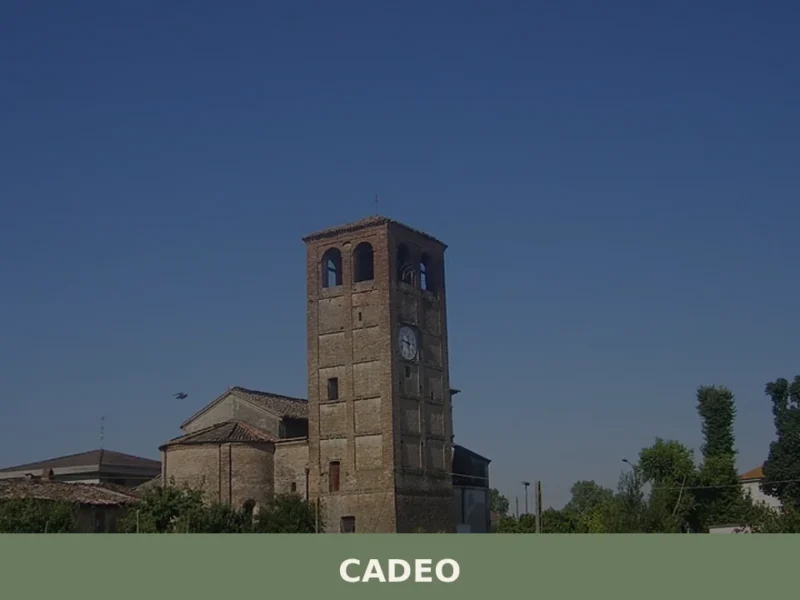
Cadeo
Plains
What to see in Cadeo: a Piacenza plain town at 65m with 6,035 residents. Discover Romanesque churches, historic villas and DOP cured meats. Plan your visit.
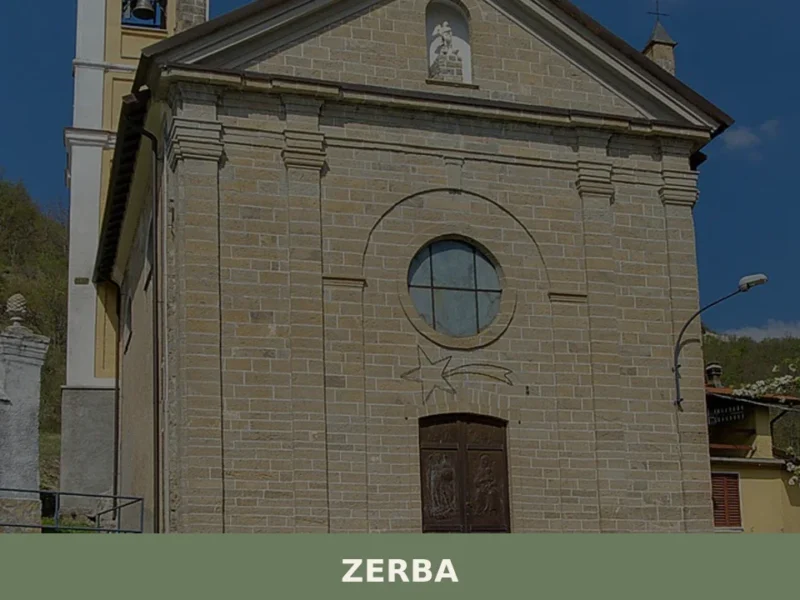
Zerba
Mountain
With just 71 registered inhabitants, Zerba is the least populated municipality in the entire province of Piacenza and one of the smallest in Italy. Situated at 906 metres above sea level in the upper Val Boreca, on the border between Emilia-Romagna and Liguria, this mountain settlement retains a sandstone building fabric that follows precise construction […]
Camugnano
Mountain
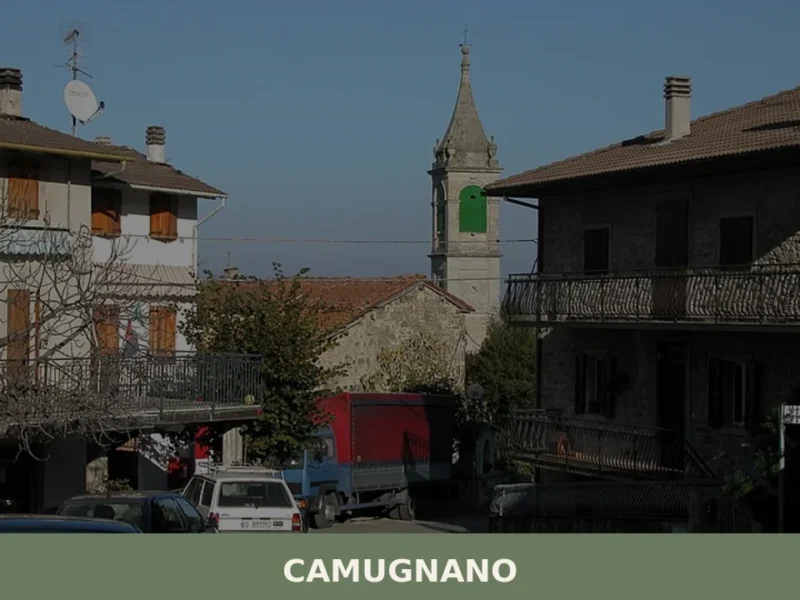
In 1911, when the construction of the Suviana Dam transformed the course of the Limentra torrent, Camugnano changed its appearance forever. The water submerged farmland and footpaths, creating an artificial reservoir that now defines the landscape of the upper Bolognese Apennines at an altitude of 692 metres. This municipality of 1,948 inhabitants, spread across scattered […]

🏡 Know Gazzola better than we do?
If you’re a local or have been there, your knowledge matters: add what’s missing or fix a detail on this page.