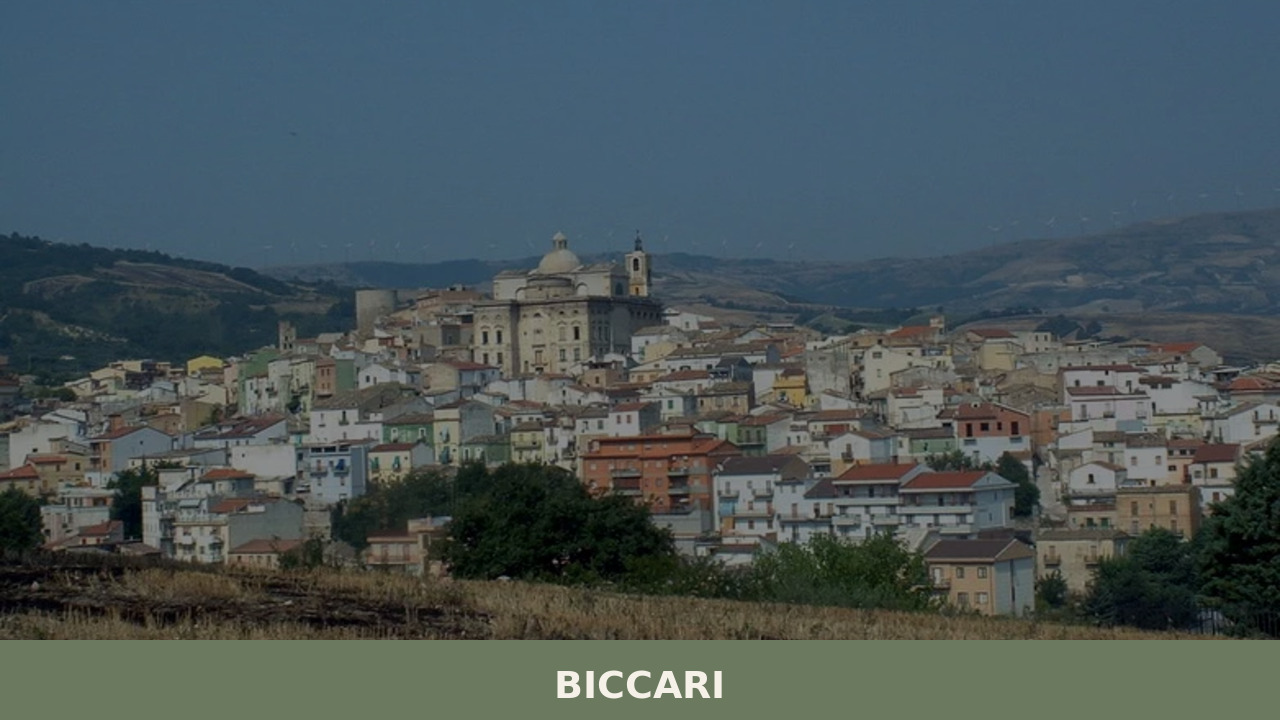
Discover Biccari, a charming hilltop village in Puglia’s Daunian Mountains. Explore its Norman tower, mountain lake, forest trails, and authentic southern Italian cuisine.
Perched at 450 metres above sea level on the western edge of the Daunian Sub-Appennines, Biccari is one of Puglia’s best-kept secrets — a tranquil hilltop village of just 2,636 inhabitants in the province of Foggia. If you’re wondering what to see in Biccari, prepare to be charmed by ancient towers, pristine forests, a shimmering mountain lake, and a warmth of community that makes every visitor feel at home. This is Puglia far from the crowded coast — intimate, authentic, and deeply rooted in centuries of history.
The origins of Biccari stretch back to antiquity. The village’s name is believed to derive from the Latin Vicaria, suggesting its historical role as an administrative seat, though some local scholars have linked it to the ancient Daunian civilisations that populated these hills long before the Roman era. Archaeological finds in the surrounding territory confirm human settlement in the area from at least the Neolithic period, placing Biccari within one of southern Italy’s most enduring cultural landscapes.
Biccari’s documented medieval history begins under Norman rule, when the settlement gained strategic importance along the ridgeline of the Daunian Mountains. A cylindrical watchtower — still standing today — was erected during this period, forming part of a broader defensive network across the Capitanata plain. Under Swabian, Angevin, and later Aragonese domination, the village passed through the hands of various feudal lords, each leaving subtle traces on its architecture and civic identity.
Through the centuries, Biccari endured earthquakes, plagues, and the upheavals of southern Italian history, yet its compact hilltop centre survived remarkably intact. By the 18th and 19th centuries the village had become a quiet agricultural community, its economy centred on wheat, livestock, and forestry — traditions that still define daily life today.
Rising above Biccari’s rooftops, this imposing cylindrical tower dates to the Norman period and is the village’s most recognisable landmark. Built as a defensive lookout over the Tavoliere plain, it has been carefully restored and now offers visitors panoramic views stretching from the Gargano promontory to the Daunian peaks. It stands as a powerful symbol of the village’s medieval heritage.
Nestled in the forested hills just outside the village, Lake Pescara is a natural mountain lake — a rarity in Puglia. Surrounded by oak and beech woodland, it is a haven for walkers, birdwatchers, and families seeking cool respite in summer. The area around the lake has been developed as an eco-tourism hub, complete with treehouses and adventure trails that have brought Biccari national attention.
The main parish church of Biccari, dedicated to Santa Maria Assunta, anchors the historic centre with its elegant stone façade. Inside, visitors can admire baroque altarpieces, devotional statues, and ornamental details accumulated over several centuries of worship. The church remains the spiritual heart of village life, especially during patron saint festivities.
Biccari’s compact centro storico rewards slow exploration. Narrow lanes wind between stone houses adorned with flower boxes, opening onto small piazzas where elderly residents still gather. The Palazzo Ducale, a noble residence linked to the village’s feudal past, presides over the main square and contributes a stately counterpoint to the surrounding vernacular architecture.
The woodlands surrounding Biccari belong to one of the most extensive forest systems in southern Italy. Marked hiking and mountain-biking trails lead through groves of oak, turkey oak, and beech, with seasonal wildflower displays in spring. These paths connect Biccari to the wider network of trails across the Daunian Mountains, making the village an ideal base for nature-focused holidays.
Biccari’s cuisine reflects the robust pastoral traditions of the Daunian hills. Handmade pasta — especially orecchiette, cavatelli, and cicatelli — is served with slow-cooked ragù of lamb or pork, or simply dressed with wild vegetables and local olive oil. Grilled meats, aged cheeses such as caciocavallo podolico, and hearty legume soups dominate winter menus, while summer brings fresh salads of tomatoes and peppers grown in kitchen gardens. Bread remains sacred here: large wood-fired loaves made from local durum wheat are a staple at every table.
The surrounding countryside produces excellent extra-virgin olive oil and wine from indigenous grape varieties typical of the Capitanata area. Small family-run agriturismi and trattorias in and around Biccari offer the most genuine dining experiences, where seasonal ingredients and time-honoured recipes take centre stage. Look out for local honeys, dried fruits, and preserves sold at village shops — perfect edible souvenirs to take home.
Thanks to its elevation, Biccari enjoys a pleasantly mild climate compared with the sweltering Tavoliere plain below. Summer temperatures rarely become oppressive, making June through September ideal for hiking around Lake Pescara and the forest trails. Spring (April–May) is magnificent for wildflowers and gentle walking weather, while autumn brings warm golden light, mushroom foraging, and the grape and olive harvests. Winter can be brisk, with occasional snowfall dusting the hilltops — atmospheric for those who enjoy quiet, off-season travel.
The village calendar peaks during the Festa Patronale in honour of the patron saint, typically held in August, when processions, music, fireworks, and communal feasts animate the streets. Biccari has also gained recognition for its innovative eco-tourism initiatives, including its treetop accommodations near Lake Pescara, which are best booked well in advance during summer weekends. For the most relaxed experience, consider visiting midweek or in the shoulder months of May and October.
Biccari lies in the province of Foggia, approximately 30 km southwest of the provincial capital. By car, the village is accessible from the A14 Adriatica motorway (exit Foggia) or the A16 Napoli–Canosa motorway, followed by provincial roads that wind through the scenic Daunian foothills. The drive from Foggia takes roughly 40 minutes.
The nearest mainline railway station is Foggia, which is well connected to Bari (approximately 1.5 hours), Naples (around 2.5 hours), and Rome (around 3 hours) by Trenitalia and Italo high-speed services. From Foggia, local bus services operated by the regional transport authority reach Biccari, though a rental car is strongly recommended for flexibility. The closest airports are Bari Karol Wojtyła (approximately 150 km) and Naples Capodichino (approximately 170 km), both offering domestic and international flights. A third option is the smaller Foggia Gino Lisa airport, which handles limited seasonal traffic.
Biccari makes an excellent starting point for exploring the lesser-known inland reaches of northern Puglia. Just 25 km to the northeast lies the historic town of Lucera, famous for its magnificent Swabian-Angevin fortress and Roman amphitheatre. Once home to a thriving Saracen colony under Emperor Frederick II, Lucera offers a fascinating counterpoint to Biccari’s quieter, pastoral character and can easily be visited on a half-day trip.
For travellers drawn to the coast, the Gargano peninsula is within reach for a rewarding day excursion. The charming seaside village of Mattinata, backed by olive-clad hills and fronting a stunning stretch of Adriatic coastline, lies roughly 90 km to the east. Together, Biccari, Lucera, and Mattinata illustrate the extraordinary diversity of Puglia — from mountain forests and medieval towers to sun-bleached cliffs and turquoise sea — all within a compact and wonderfully varied corner of southern Italy.
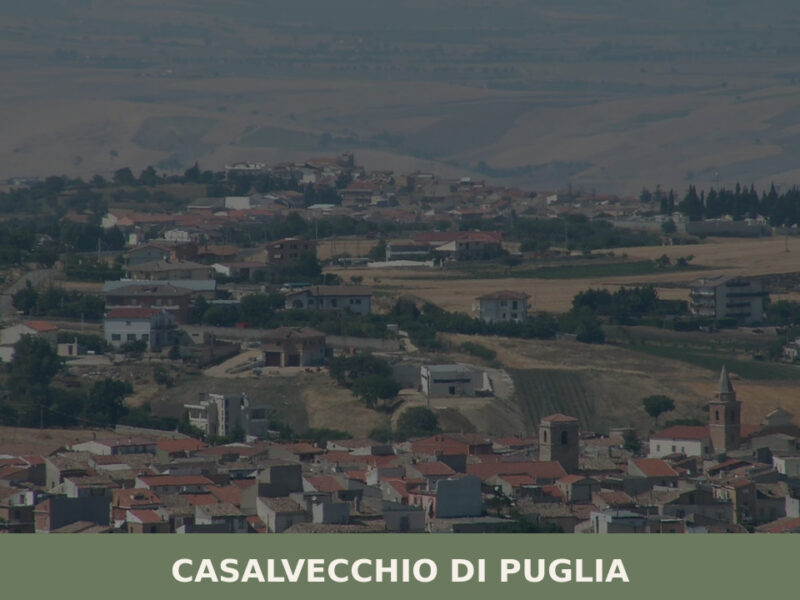
An Arbëreshë village of 1,689 inhabitants perched at 465 metres in the Daunia hills. A guide to its historic centre, rural paths, and slow-paced southern Italian life.
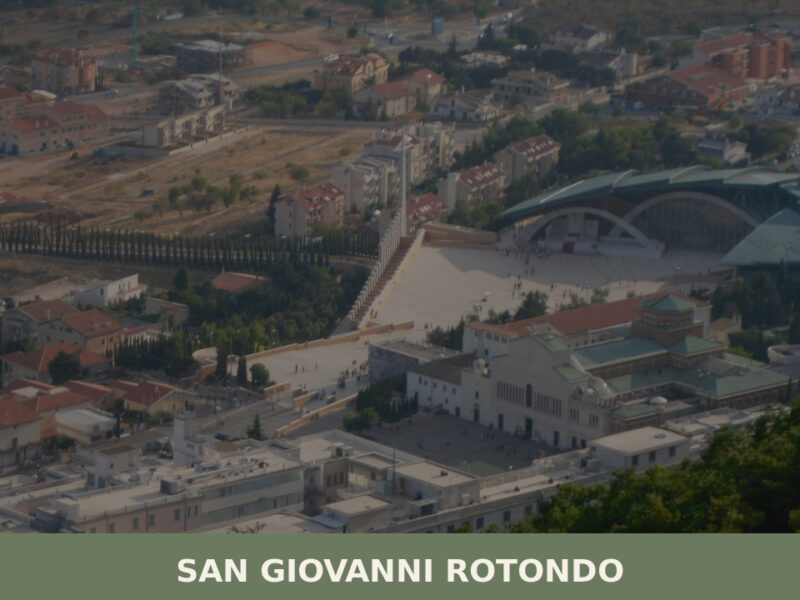
San Giovanni Rotondo, in the Apulian Gargano, combines faith, medieval history, and nature. Discover the must-see attractions, traditional dishes, and tips for visiting Padre Pio's hometown.
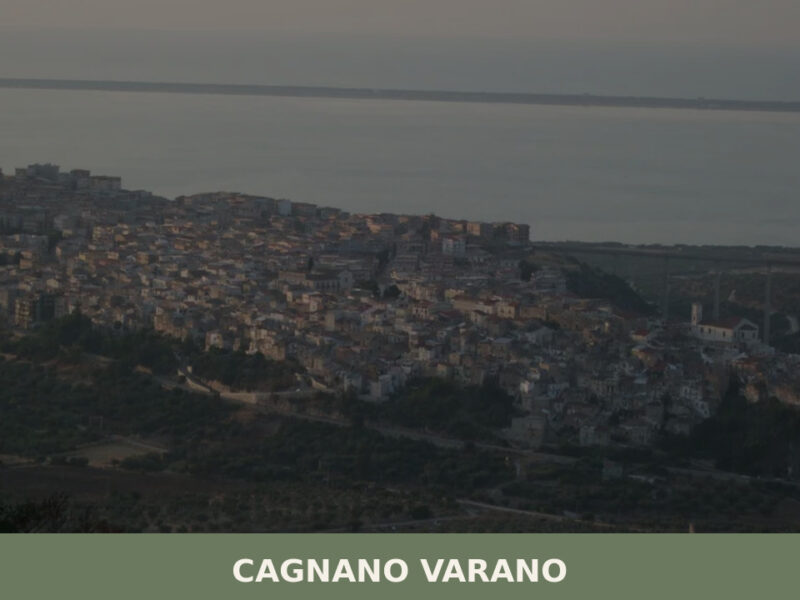
Discover Cagnano Varano, a quiet Gargano village overlooking Italy's largest southern lagoon. Explore ancient caves, lakeside trails, and authentic Puglian flavours.
📝 Incorrect information or updates?
Help us keep the Biccari page accurate and up to date.


