


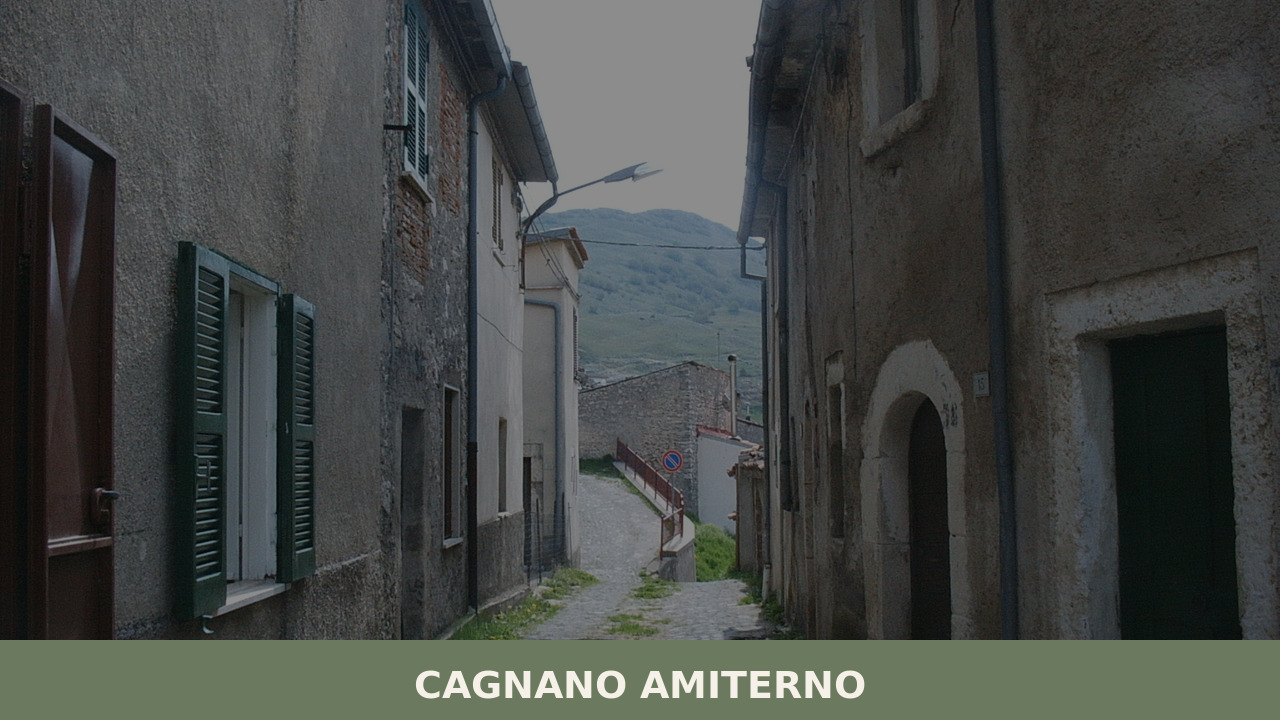

Morning light falls flat across the high plateau west of L’Aquila, catching the stone walls of a settlement that has survived earthquakes, depopulation, and the slow erosion of memory. The air carries woodsmoke and the cold mineral scent of mountain water. Cagnano Amiterno, home to just over 1,400 residents, sits in a landscape shaped by […]
Discover Cagnano Amiterno
Morning light falls flat across the high plateau west of L’Aquila, catching the stone walls of a settlement that has survived earthquakes, depopulation, and the slow erosion of memory. The air carries woodsmoke and the cold mineral scent of mountain water. Cagnano Amiterno, home to just over 1,400 residents, sits in a landscape shaped by the ancient Sabine civilization that once commanded this stretch of the upper Aterno valley. Understanding what to see in Cagnano Amiterno means reading centuries of human persistence inscribed in stone, fresco, and field.
History of Cagnano Amiterno
The name itself is a map of the past. “Cagnano” likely derives from a Roman-era personal name — a praedium Canianum, the estate of a landowner called Canius or Canianus. “Amiterno” points further back still, to Amiternum, the ancient Sabine city that served as the regional capital long before L’Aquila existed. Founded centuries before Rome, Amiternum was the birthplace of the historian Sallust (86–35 BC), one of the great chroniclers of the Roman Republic. Cagnano grew in the gravitational pull of that older settlement, absorbing its displaced population as Amiternum declined during the early medieval period.
Through the Middle Ages, the village passed through the hands of feudal lords tied to the Kingdom of Naples. Its position in the high Aterno valley — a corridor linking the Tyrrhenian coast to the Adriatic — gave it modest strategic importance. Churches and fortified structures rose during the Norman and Angevin periods, though earthquakes, particularly the devastating seismic events that have periodically struck the L’Aquila basin, repeatedly reshaped the built environment. The 2009 L’Aquila earthquake, with its epicenter not far away, was only the most recent chapter in a long geological dialogue between the village and the earth beneath it.
Despite these upheavals, Cagnano Amiterno retained its communal identity. The municipality encompasses a constellation of small frazioni — scattered hamlets spread across the plateau — each with its own church or chapel, each contributing to a parish network that has served as the village’s social infrastructure for centuries.
What to see in Cagnano Amiterno: 5 must-visit attractions
1. The archaeological site of Amiternum
The ruins of the ancient Sabine and later Roman city of Amiternum lie within the municipal territory. Visitors can walk among the remains of a Roman amphitheatre and a theatre, both dating to the 1st century AD, their tiered seating still legible in the landscape. This was the city that produced Sallust and that Rome eventually absorbed. The site receives few visitors, lending it a quiet authority that heavily trafficked ruins lack.
2. Church of San Paolo di Barete
Several medieval churches dot the hamlets of the municipality, preserving frescoes and carved stone details that document the spiritual life of the valley across the centuries. The Romanesque architectural language found in these buildings — thick walls, narrow windows, unadorned bell towers — speaks to the functional austerity demanded by the mountain climate and seismic risk of this territory.
3. The scattered frazioni and rural architecture
Walking between the hamlets that compose Cagnano Amiterno reveals a vernacular architecture of dressed stone, external staircases, and covered passageways. These were not designed for aesthetic effect. Each element — the vaulted ground-floor stables, the grain stores, the heavy wooden doors — answered a practical need. Together, they form an open-air catalogue of Apennine mountain building traditions.
4. The Aterno river valley
The upper course of the Aterno, the longest river in Abruzzo, passes through the municipality’s territory. The valley floor, flat and open, offers walking routes that follow old drove roads once used for transumanza — the seasonal migration of livestock between mountain pastures and the Apulian plains. In autumn, the poplars lining the watercourse turn a concentrated gold against the grey limestone ridges.
5. The Gran Sasso mountain views
From the higher ground around Cagnano Amiterno, the western ramparts of the Gran Sasso massif dominate the eastern horizon. The Corno Grande, at 2,912 metres the highest peak in the Apennines, is visible on clear days. This is not a scenic viewpoint in the conventional sense — it is the constant geographic fact that has defined life here for millennia, determining weather, water supply, and pastoral rhythms.
Local food and typical products
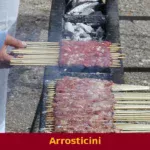
The cuisine of Cagnano Amiterno belongs to the austere, protein-rich tradition of Abruzzo’s mountain interior. Lamb dominates — roasted with rosemary, braised, or prepared as arrosticini, the small skewered cubes of mutton grilled over charcoal that have become the region’s most recognisable dish. Lentils, chickpeas, and farro appear in thick soups suited to long winters. Saffron from the nearby Navelli plateau, one of the most prized in the world, occasionally colours local risotti and handmade pasta dishes. Maccheroni alla chitarra — fresh pasta cut through wire strings stretched on a wooden frame — remains the foundation of the first course.
Local cheeses, particularly pecorino aged in the mountain air, and cured meats like mortadella di Campotosto (a slow-cured pork salami from the nearby lake area) represent the area’s pastoral economy on the plate. Dining options in the village itself are limited — a small trattoria or agriturismo may be the only choice — but the cooking tends to be direct, seasonal, and generous with portions. Bread is often baked in wood-fired ovens, and local honey, dark and dense, reflects the wild flora of the surrounding meadows.
Best time to visit Cagnano Amiterno
The high-altitude plateau means cold, often snowy winters and temperate summers. From June through September, daytime temperatures are comfortable, rarely exceeding 30°C, and the light across the valley has a clarity that rewards photographers and walkers alike. Spring, particularly May, brings wildflowers to the meadows and a green so vivid it seems temporary — which it is, fading to straw by August. Autumn offers the quietest experience: the frazioni are almost empty, the trees turn, and the archaeology of Amiternum can be explored in near-solitude.
Local religious festivals and sagre (food festivals) occasionally animate the summer calendar, though visitors should verify dates in advance, as schedules can shift year to year. The village is not equipped for mass tourism, which is precisely its appeal: there are no queues, no entrance fees at the Roman ruins, and no crowds. A visit here is best paired with a broader exploration of the L’Aquila province, allowing time to absorb the particular silence of a place that has been continuously inhabited for over two thousand years.
How to get to Cagnano Amiterno
Cagnano Amiterno lies approximately 20 kilometres northwest of L’Aquila. By car, the most direct route from Rome (about 130 km) follows the A24 motorway toward L’Aquila, exiting at L’Aquila Ovest and continuing along provincial roads toward the village. From Pescara on the Adriatic coast, the A25 motorway connects to the A24, with a total journey of roughly 130 km. The nearest railway station is in L’Aquila, served by regional trains from Sulmona and, with connections, from Rome and Pescara. From L’Aquila station, local bus services or a car are necessary to reach Cagnano Amiterno. The nearest airports are Rome Fiumicino (approximately 160 km) and Pescara Abruzzo Airport (approximately 120 km). A rental car is strongly recommended for exploring the municipality and its scattered hamlets.
More villages to discover in Abruzzo
The interior of Abruzzo rewards those willing to move slowly between its mountain settlements. South of L’Aquila, deeper into the Apennine folds, Anversa degli Abruzzi perches above the Sagittario gorge, where the vertical limestone walls and the narrow medieval streets create a dramatically different relationship between village and landscape. It is a place where geology asserts itself with a force that Cagnano Amiterno’s open plateau does not suggest.
Further south still, near the borders of the Abruzzo National Park, Alfedena guards the upper Sangro valley with the remains of its Italic-era necropolis and cyclopean walls — evidence of the Samnite civilization that, like the Sabines near Amiternum, preceded Roman dominance. Together, these villages trace a line through the mountainous spine of central Italy, each one a discrete chapter in a story that predates written history and continues, quietly, to this day.
Frequently asked questions about Cagnano Amiterno
What is the best time to visit Cagnano Amiterno?
June through September offers the most comfortable conditions, with clear days, temperatures rarely above 30°C, and excellent light for walking and photography. May is exceptional for wildflower meadows. Autumn brings golden foliage along the Aterno and near-total solitude among the frazioni and Roman ruins. Mark 26 September on your calendar: the feast of patron saints SS. Cosma e Damiano animates the village with the most significant local religious celebration of the year. Winter is cold and snowy given the 841-metre altitude — beautiful but demanding.
What are the historical origins of Cagnano Amiterno?
The village name combines two historical layers: 'Cagnano' derives from the Latin praedium Canianum, a Roman-era landed estate, while 'Amiterno' recalls Amiternum, the pre-Roman Sabine city that was birthplace of the historian Sallust (86–35 BC). As Amiternum declined in the early medieval period, its displaced population gravitated toward settlements like Cagnano in the upper Aterno valley. Through the Middle Ages, the village was absorbed into the feudal structures of the Kingdom of Naples, with Norman and Angevin lords shaping its churches and defences.
What to see in Cagnano Amiterno? Main monuments and landmarks
The archaeological site of Amiternum is the standout attraction: Roman amphitheatre and theatre dating to the 1st century AD, both freely accessible and remarkably uncrowded. The scattered frazioni across the municipal plateau preserve Romanesque churches with medieval frescoes and carved stonework. The vernacular stone architecture of the hamlets — vaulted stables, external staircases, covered passageways — functions as an open-air museum of Apennine building traditions. No entrance fees are charged at the Roman ruins. A car is essential for reaching the outlying hamlets.
What are the main natural and scenic attractions of Cagnano Amiterno?
The upper Aterno valley — the longest river in Abruzzo — cuts through municipal territory, offering walking routes along ancient drove roads used for transumanza, the seasonal livestock migration to Apulian plains. In autumn, poplar rows turn gold against grey limestone ridges. From higher ground around the village, the Gran Sasso massif dominates the eastern horizon, with the Corno Grande (2,912 m, highest Apennine peak) visible on clear days. The open plateau landscape, shaped by millennia of pastoral use, provides wide, unobstructed views typical of the L'Aquila basin.
Where to take the best photos in Cagnano Amiterno?
The Roman theatre and amphitheatre of Amiternum photograph best in morning light, when low-angle sun picks out the texture of stone tiers against open sky. The elevated ground northwest of the village offers unobstructed views of the Gran Sasso's western wall — most dramatic in winter with snow cover. Along the Aterno valley floor in October and November, the contrast of golden poplars against bare limestone ridges is particularly striking. The stone-built frazioni, especially their external staircases and arched passageways, reward close-up architectural photography.
Are there museums, churches or historic buildings to visit in Cagnano Amiterno?
The medieval churches distributed across the municipality's hamlets are the primary ecclesiastical heritage. These Romanesque buildings — characterised by thick stone walls, narrow windows, and plain bell towers — preserve interior frescoes and carved details documenting centuries of local devotional life. The Church of San Paolo di Barete is among the documented examples in the broader municipal area. Opening hours for rural Abruzzo churches are typically irregular; visiting during morning hours or around Sunday Mass gives the best chance of access. The Roman site of Amiternum is open-air and freely accessible year-round.
What can you do in Cagnano Amiterno? Activities and experiences
Walking is the primary activity: drove-road itineraries along the Aterno valley floor trace historic transumanza routes through open pastoral landscape. The Amiternum archaeological site rewards unhurried exploration on foot. Visiting the scattered frazioni by car and then on foot reveals vernacular mountain architecture with no tourist infrastructure to navigate. A local trattoria or agriturismo — the only dining options — offers direct engagement with mountain Abruzzo cuisine. The area pairs naturally with a broader L'Aquila province itinerary including Anversa degli Abruzzi and the Abruzzo National Park.
Who is Cagnano Amiterno suitable for? Families, couples, hikers, solo travellers?
Cagnano Amiterno suits travellers who actively prefer the absence of tourist infrastructure: no queues, no entrance fees, no gift shops. History enthusiasts drawn to pre-Roman and Roman archaeology will find Amiternum genuinely rewarding. Walkers and photographers benefit from the valley routes and Gran Sasso panoramas. Couples seeking quiet, off-grid Apennine atmosphere will find it here in abundance. It is less suited to families with young children expecting organised activities or visitors wanting a full range of dining and accommodation options. A rental car and some self-sufficiency are practical prerequisites.
What to eat in Cagnano Amiterno? Local products and specialties
The local table draws from Abruzzo's mountain pastoral tradition. Arrosticini — small skewers of mutton grilled over charcoal — are the region's signature dish. Maccheroni alla chitarra, fresh egg pasta cut on wire-strung wooden frames, anchors the first course. Thick soups of lentils, chickpeas, and farro suit the cold-season calendar. Saffron from the nearby Navelli plateau (among Italy's finest, with DOP status) colours local pasta and risotto. Pecorino aged in mountain air and mortadella di Campotosto, a slow-cured pork salami from the adjacent lake area, represent the area's pastoral charcuterie tradition.
Nearby Villages near Cagnano Amiterno

In Abruzzo More villages to discover
Magliano de’ Marsi
 Mountain
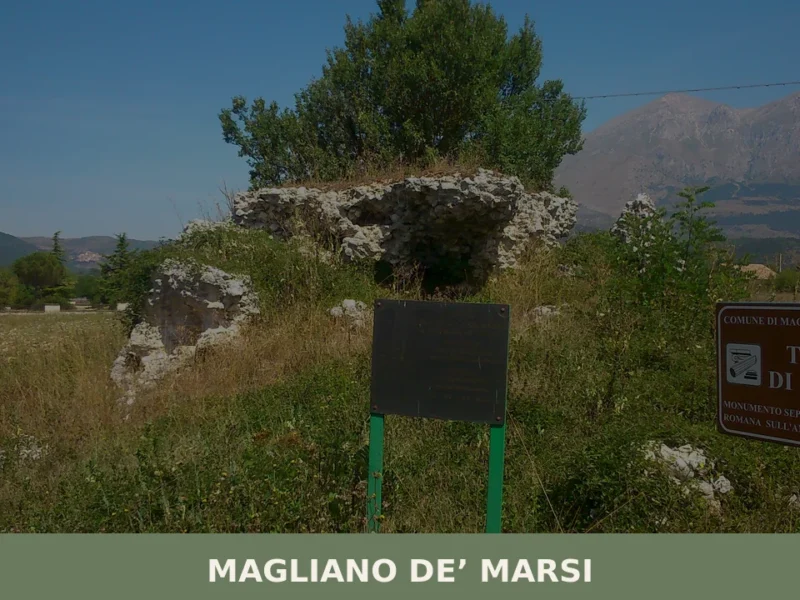
Magliano de’ Marsi has 3,739 inhabitants and extends along the western slope of the Fucino Plain, in the province of L’Aquila, at an altitude of approximately 720 metres. The town lies along the route that once connected Rome to the Adriatic coast through the Marsica basin, and its urban layout still bears the marks of […]
Carpineto della Nora
 Hills
Hills
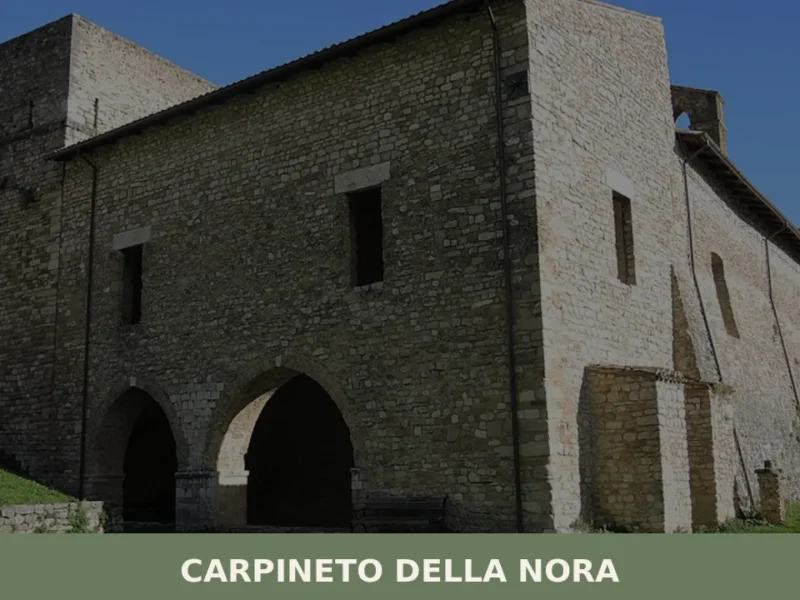
At 535 metres above sea level, on the ridge separating the Nora valley from the Pescara plain, Carpineto della Nora has a current population of 536 — a number that has halved since post-war censuses. Anyone looking into what to see in Carpineto della Nora will find a settlement built entirely from local stone, spread […]
Arielli
Hills
Arielli, a small village in the province of Chieti: discover its origins, what to see, and how to get there. A practical guide to this Abruzzo village.
Bolognano
Hills
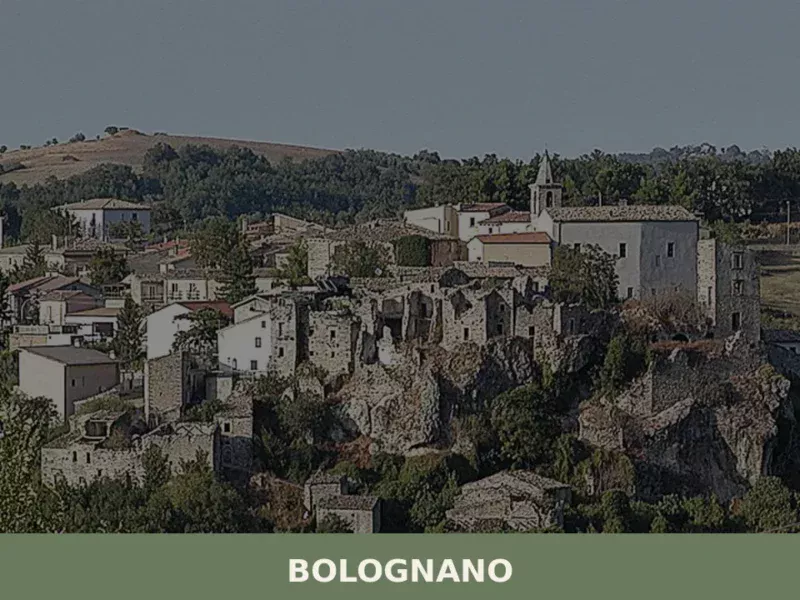
At 276 metres above sea level, along the Orta valley, Bolognano has a current population of 1,002 and occupies a stretch of flatland in the province of Pescara that served, between 1989 and 1992, as the site of an international art experiment conceived by the German artist Joseph Beuys. Asking what to see in Bolognano […]
Gessopalena
Mountain
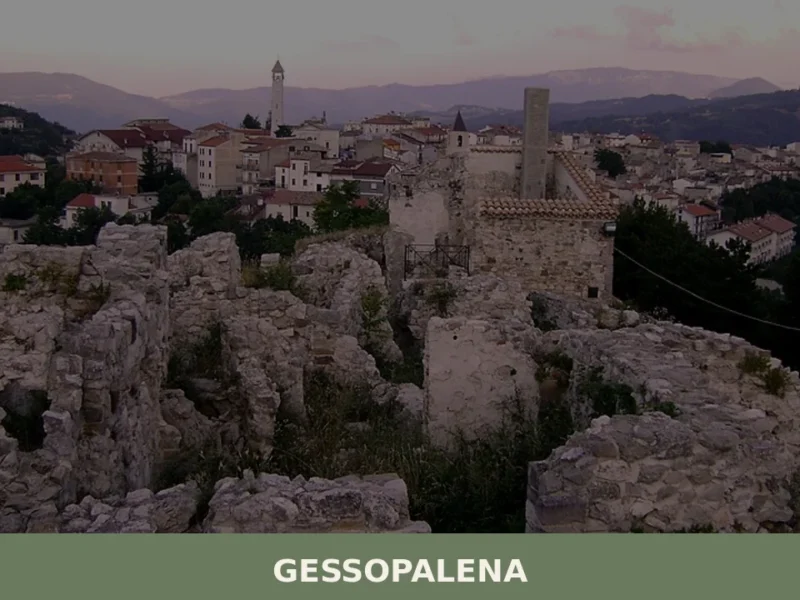
In 1943, retreating German troops dynamited the entire historic core of Gessopalena, reducing to rubble a settlement that for centuries had exploited the geological peculiarity of its terrain: gypsum. That whitish mineral, quarried and worked since Roman times, had given the village its name and shaped its houses, its walls, even the foundations of its […]
Celano
Mountain
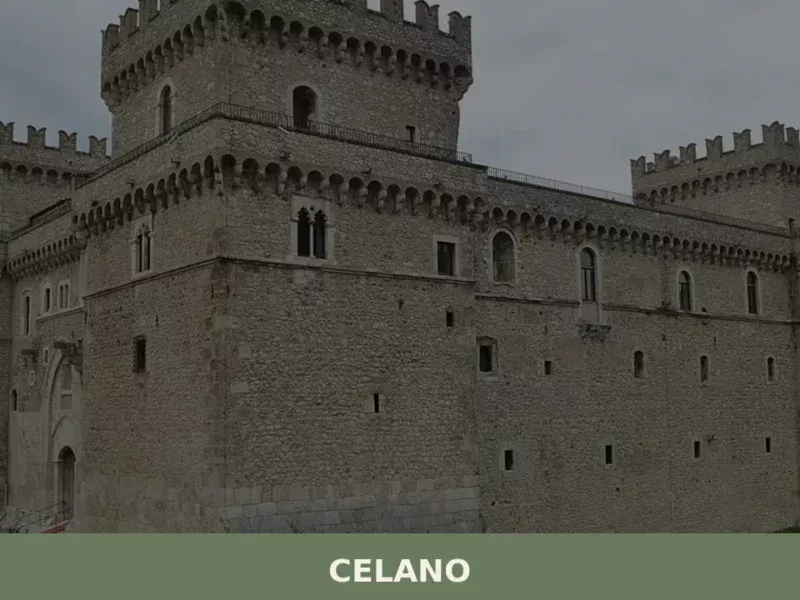
The Castello Piccolomini in Celano, with its four corner towers and curtain wall enclosing a perimeter of over one hundred metres, commands the Fucino plain from an altitude of 840 metres. Anyone wondering what to see in Celano will find an unequivocal starting point here: a fortress that has endured six centuries of history, earthquakes […]
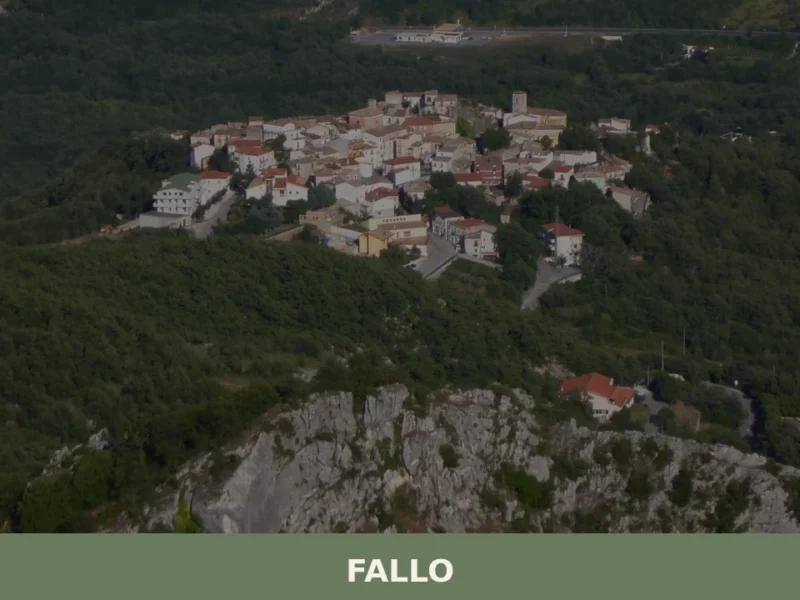
Fallo
Hills
With its 134 registered inhabitants, Fallo, in the province of Chieti, is confirmed as one of Abruzzo’s least populous settlements, a fact that immediately defines its intimate scale and unique relationship with the surrounding territory. This small urban cluster, situated on a rocky spur overlooking the Sangro valley, offers a genuine glimpse into Abruzzese mountain […]
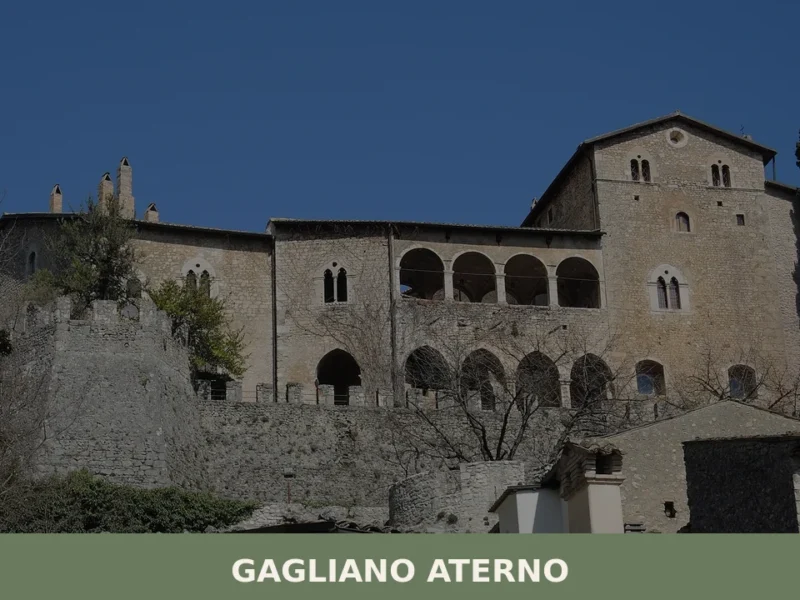
Gagliano Aterno
Mountain
Gagliano Aterno is a compact medieval village at 653 metres in the Valle Subequana, province of L'Aquila, where a baronial castle and a Gothic church define a landscape shaped by centuries of mountain
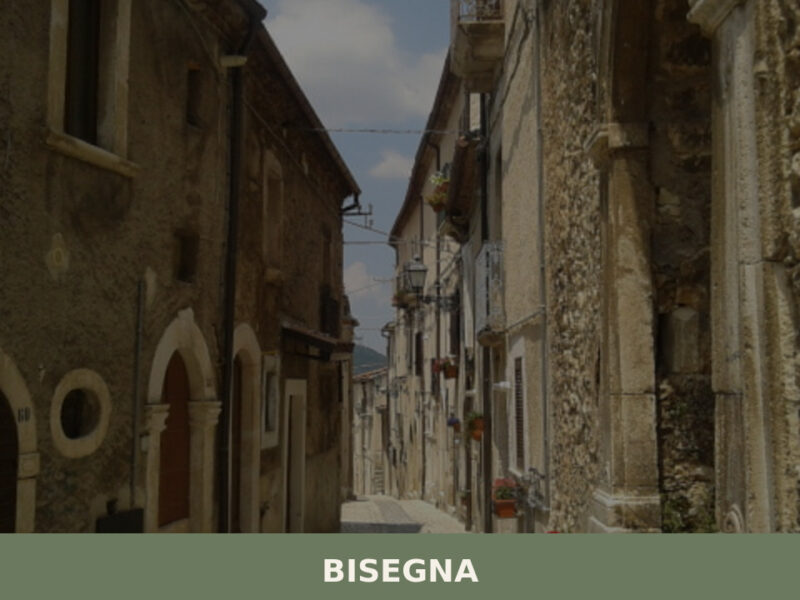
Bisegna
Mountain
A mountain village of 217 inhabitants at 1,210 metres in Abruzzo's national park. Discover what to see in Bisegna: stone lanes, frescoes, and highland trails.
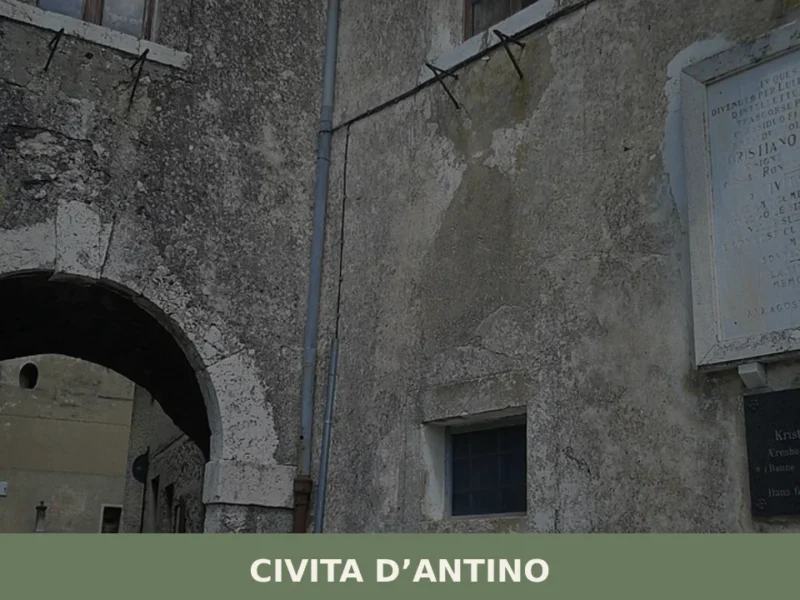
Civita d’Antino
Mountain
In 1878, the Danish painter Kristian Zahrtmann reached Civita d’Antino for the first time and decided to return every summer until 1911, turning this small town in the Valle Roveto into an artistic colony frequented by dozens of Scandinavian painters. Even today, anyone wondering what to see in Civita d’Antino will find traces of that […]





🏡 Know Cagnano Amiterno better than we do?
If you’re a local or have been there, your knowledge matters: add what’s missing or fix a detail on this page.