


Calcata
 Hills
Hills
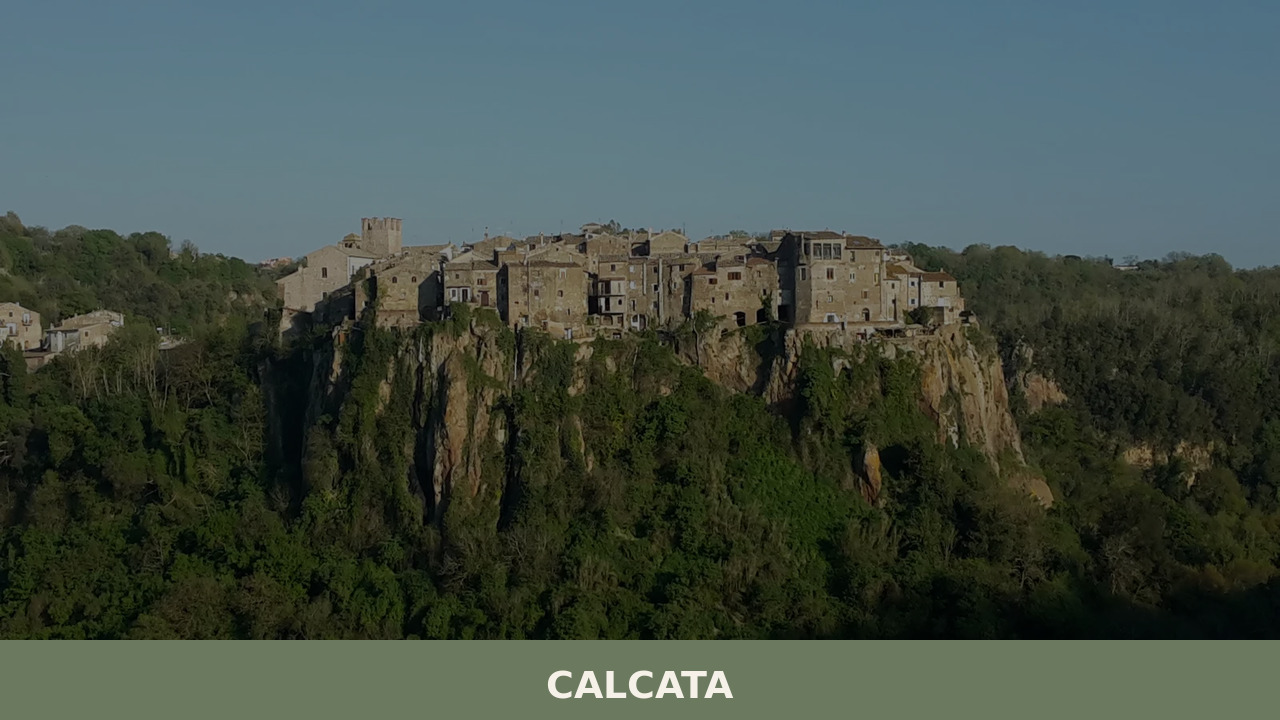
In 1935, the Italian government declared Calcata Vecchia a village to be abandoned due to the instability of the tuff cliff on which it stands. Fifty years later, the village was reborn as an artistic center, now offering visitors a unique experience. If you are wondering what to see in Calcata, the village appears as […]
Discover Calcata
In 1935, the Italian government declared Calcata Vecchia a village to be abandoned due to the instability of the tuff cliff on which it stands. Fifty years later, the village was reborn as an artistic center, now offering visitors a unique experience. If you are wondering what to see in Calcata, the village appears as a layering of eras, where medieval architecture converses with contemporary expressions. Its profile emerges from the Treja River valley, a geological presence that defined its existence and rediscovery, transforming it into an open-air laboratory for artists and artisans who chose to inhabit its stone houses. For updated information, you can consult the official website of the Municipality of Calcata.
History and origins of Calcata
Calcata’s origins are rooted in the geological substratum of Tuscia, with settlements dating back to the pre-Roman era. The tuff cliff on which the village is built offered natural protection to the Falisci and Etruscans, whose traces are found in the wide Treja Valley. During the Middle Ages, the site consolidated as a fortified center, with the construction of the Baronial Castle and the defensive walls that still define its structure today, as further detailed on the dedicated Wikipedia page.
A crucial event in the village’s history occurred in 1935, when a government decree declared Calcata Vecchia uninhabitable due to the risk of the cliff collapsing. The population was transferred to the new center of Calcata Nuova. For decades, the old village remained uninhabited, but starting in the 1960s and 70s, artists, artisans, and intellectuals began to repopulate the abandoned houses, drawn by its unique location and atmosphere of isolation. This rediscovery transformed Calcata into a recognized center for creativity and artistic experimentation, a unique case of spontaneous recovery of architectural and cultural heritage, as also documented by the Italian Touring Club.
What to see in Calcata: 5 essential attractions
The Old Village
Walking through the streets of the Old Village means traversing a labyrinth of alleys and small squares that open onto unexpected views. The tuff constructions, sometimes decorated with contemporary artworks, bear witness to the unique fusion of historical architecture and artistic expression that characterized Calcata’s rebirth.
The Church of the Most Holy Name of Jesus
Located in the heart of the village, this small church features a simple facade and interiors that preserve Baroque elements, a result of subsequent alterations. Its bell tower rises above the rooftops, marking the religious presence within the village’s civic context. It represents a historical and spiritual reference point for the community.
The Baronial Castle (Baronial Palace)
Dominating the entrance to the village, the Baronial Castle is an imposing structure that has undergone several modifications over the centuries. Its stone walls and corner towers offer a glimpse into the medieval defensive layering. Today it hosts cultural events and exhibition spaces, maintaining its function as a vital center.
The Opera Bosco Museum of the Treja Valley
A short walk from the village, this open-air museum integrates into the landscape of the Treja Valley. The contemporary artworks, made with natural materials and integrated directly into the woodland environment, invite slow and meditative enjoyment, exploring the relationship between human creation and nature.
The Treja Valley Regional Park
The village of Calcata is surrounded by the Treja Valley Regional Park, a protected area that preserves a valuable river and woodland ecosystem. Marked trails allow exploration of waterfalls, volcanic gorges, and Etruscan archaeological sites, offering opportunities for excursions and direct contact with the natural landscape.
Typical cuisine and local products
Calcata’s cuisine reflects the culinary tradition of Tuscia, with dishes that highlight local ingredients. Among the most characteristic preparations are the fettuccine with porcini mushrooms, often gathered in the surrounding woods, or maltagliati with beans, a hearty first course. Wild boar meat, cooked in a stew or as a pasta sauce, is common, as is abbacchio (lamb), prepared baked with aromatic herbs. Seasonal vegetables are also present, such as wild asparagus and broccoletti (rapini), often sautéed with garlic and chili pepper.
Among local products, Tuscia DOP extra virgin olive oil stands out as a fundamental element of the local Mediterranean diet. Cheeses, though not specific to Calcata, include artisanal productions of pecorino and ricotta. To accompany meals, wines from the province of Viterbo, such as Est! Est!! Est!!! di Montefiascone DOC, represent a traditional choice. The simplicity and authenticity of the flavors are the distinctive features of a cuisine rooted in peasant tradition.
When to visit Calcata: the best time
Calcata offers different atmospheres in every season. Spring (April-May) and autumn (September-October) are the most recommended periods, with mild temperatures that favor exploring the village and the surrounding natural areas, such as the Treja Valley Regional Park. In these months, autumn foliage or spring blossoms add further nuances to the landscape.
During summer, temperatures can be high, but evenings are often cooled by the valley breeze, and the village hosts cultural events and outdoor performances. Winter, though colder, offers a more intimate and secluded atmosphere, with the possibility of enjoying the quiet streets and the warmth of indoor venues.
How to get to Calcata
Calcata is located in the province of Viterbo, approximately 50 kilometers north of Rome. The easiest access is by car. From Rome, you can take the Via Cassia Veientana (SS2) and follow signs for Calcata, or the A1 motorway (Fiano Romano exit) then continue on the SP149. There is no direct train station in Calcata; the closest is Civita Castellana-Magliano, connected by local bus services.
The nearest airports are Rome Fiumicino (FCO) and Rome Ciampino (CIA), both about an hour and a half drive away. It is advisable to check local public transport schedules, as they may have reduced frequency, especially on holidays.
Other villages to discover in Lazio
Lazio offers a range of villages that deserve careful exploration, each with its own historical and landscape specificities. A short distance from Calcata, in the province of Viterbo, is Farnese, a village that retains the imprint of the Farnese family, with its ducal palace and an urban structure reminiscent of its feudal past. Its narrow streets and squares encompass centuries of history and architecture.
Moving east, but still in Lazio, you encounter Accumoli, another center of great interest, albeit with a more recent history of resilience and reconstruction. These villages, though different, share the ability to represent fragments of a lesser-known Italy, offering visitors the opportunity to deepen their knowledge of the Lazio region beyond the more frequented routes.
Frequently asked questions about Calcata
When is the patron saint feast of Calcata celebrated?
Calcata celebrates its patron saints Cornelio and Cipriano on September 13th. This date falls within the early autumn period, which is also one of the most pleasant seasons to visit the village, with mild temperatures and beautiful foliage in the surrounding Treja Valley. The feast offers visitors the opportunity to experience local religious and folk traditions alongside the natural and artistic attractions of the village.
Is it possible to visit Calcata as a day trip from Rome?
Yes, Calcata is well suited for a day trip from Rome. The village is located approximately 50 kilometers north of the capital, about an hour and a half by car via the Via Cassia Veientana or the A1 motorway (Fiano Romano exit). The compact size of the old village means the main attractions can be explored in a few hours, making it a convenient and rewarding half-day or full-day excursion from Rome.
Are there hiking trails accessible directly from Calcata?
Calcata is surrounded by the Treja Valley Regional Park, which offers marked trails through river gorges, woodland, and volcanic landscape. From the village, walkers can reach the open-air Opera Bosco Museum and explore paths leading to waterfalls and Etruscan archaeological sites. For detailed trail maps and updated route information, it is advisable to consult the official resources of the Treja Valley Regional Park before visiting.
Is there parking available near the old village of Calcata?
Because the medieval streets of Calcata Vecchia are narrow and largely pedestrian, vehicles cannot enter the old village. Visitors must park in the designated parking areas outside the historic center, near the access road, and continue on foot. The walk from the parking area to the village entrance is short. Arriving early is recommended, particularly on weekends and during summer, when visitor numbers are higher.
Nearby Villages near Calcata
 Mountain
In Lazio More villages to discover
Mompeo
Hills
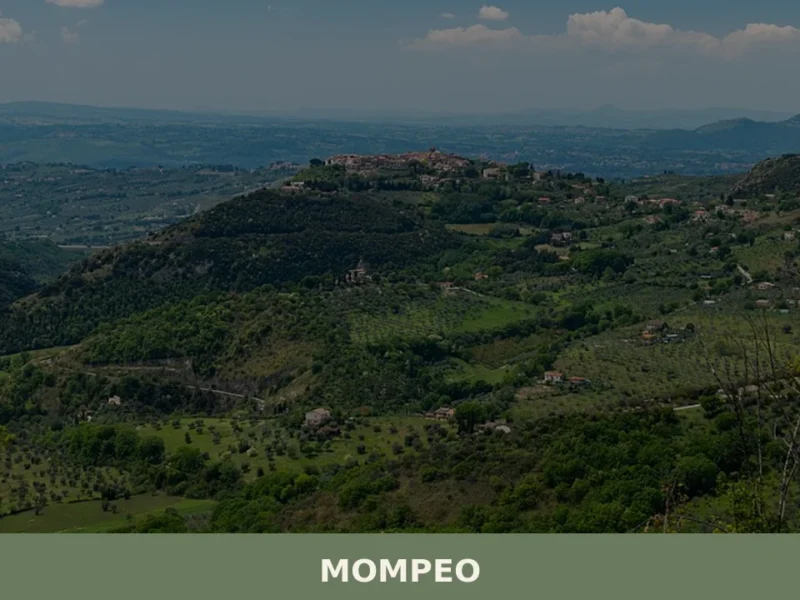
Discover Mompeo, a charming village in Lazio, Italy. Explore its rich history, stunning landscapes, and authentic Italian culture off the beaten path.
Amaseno
Hills
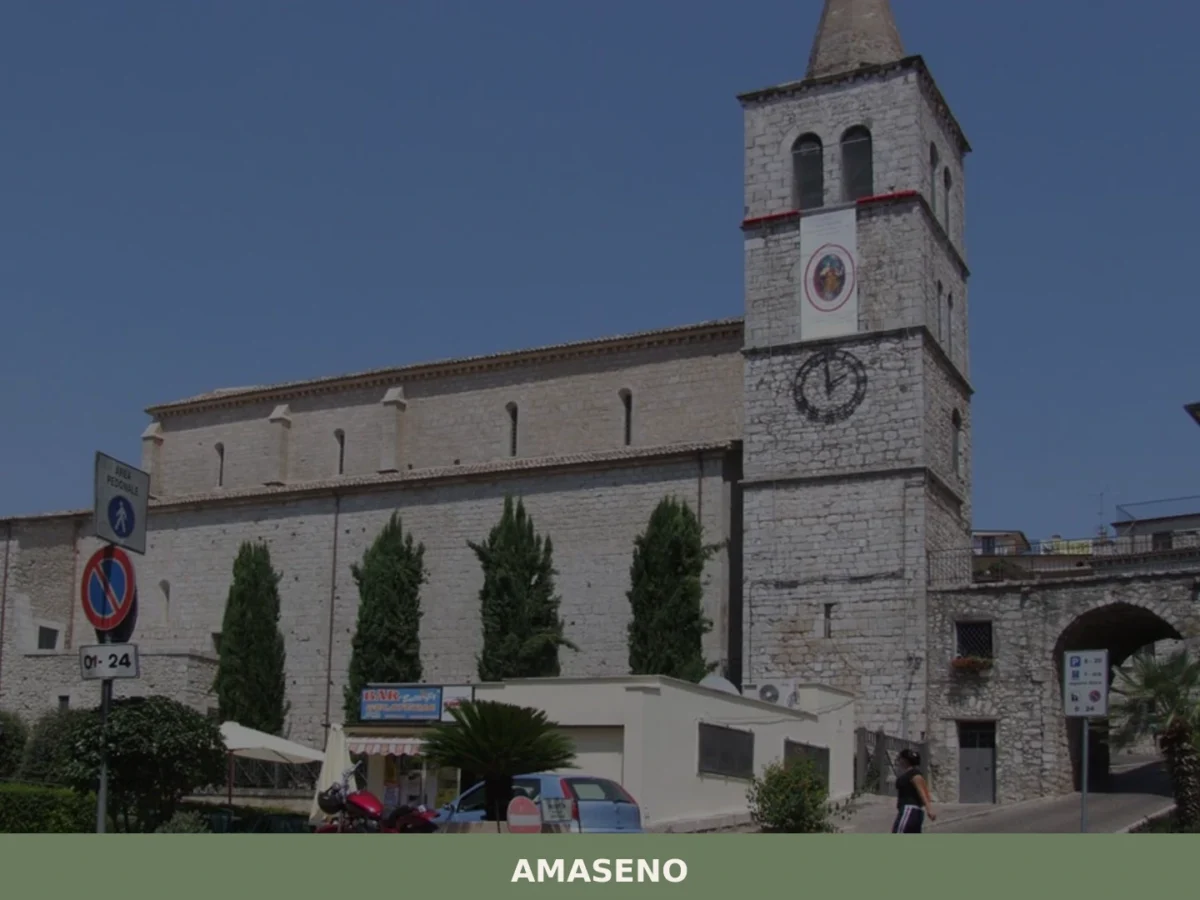
What to see in Amaseno: visit the 5 top attractions in this Lazio village, from the Madonna Sanctuary to Palazzo Caetani. Discover the complete guide.
Rieti
Hills
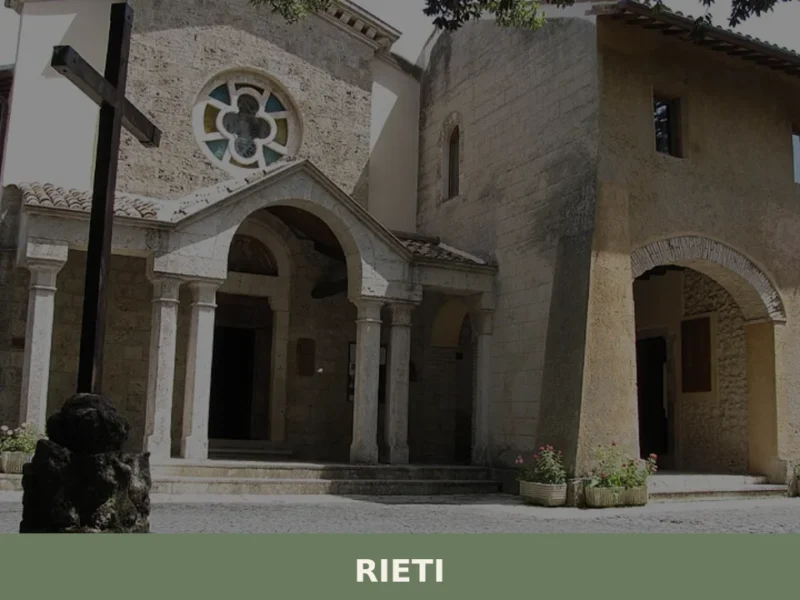
What to see in Rieti: from the medieval walls to the Cathedral, discover the top 5 attractions. Complete guide to visiting Rieti in one day.
Arlena di Castro
Hills
With its 839 registered inhabitants and an elevation of 260 metres above sea level, Arlena di Castro occupies a tuff plateau in the Tuscia area of the Viterbo province, just a few kilometres from the border with the Lazio Maremma. The municipal territory preserves traces of Etruscan presence documented by necropolises and ceramic materials found […]
Arce
 Plains
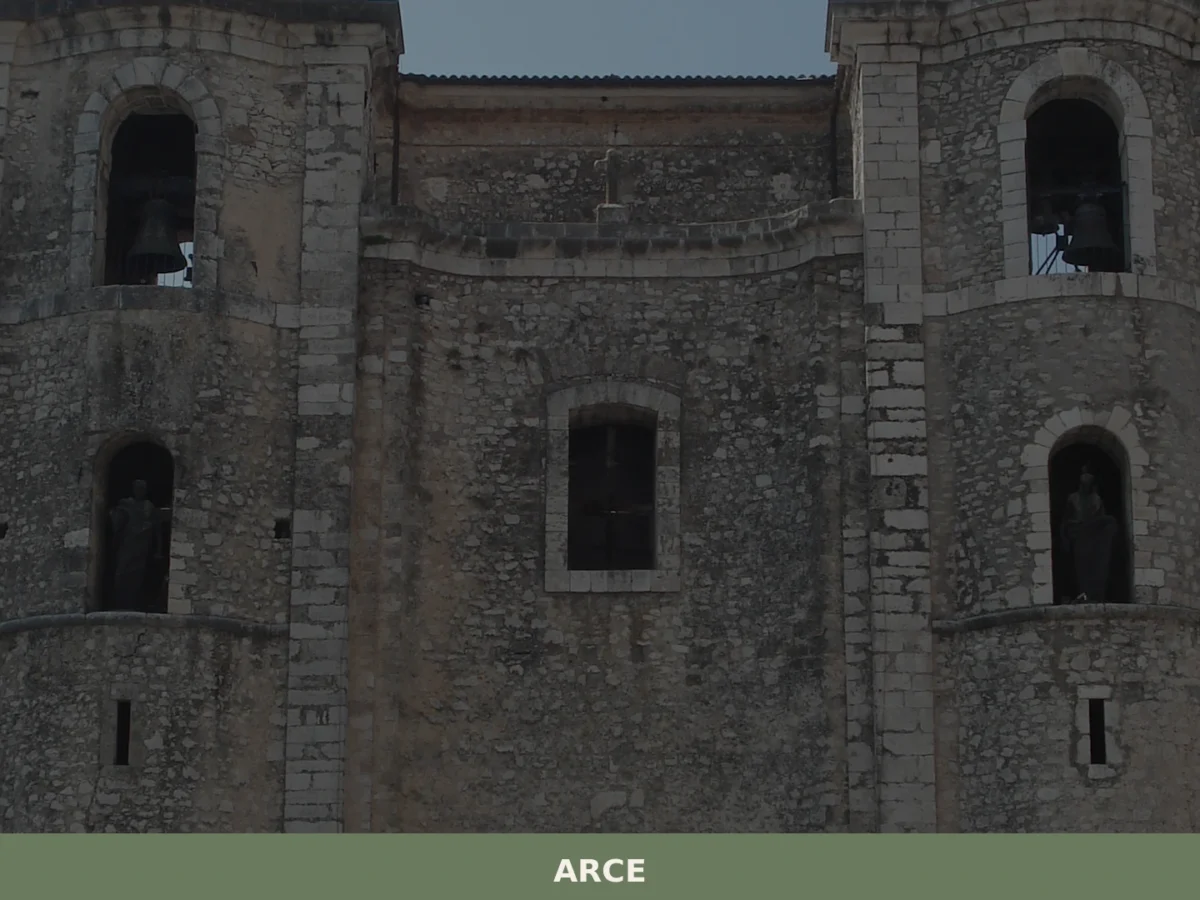
What to see in Arce: discover the 5 unmissable aspects of this Lazio village. From medieval fortresses to scenic views, your complete guide. Plan your visit!
Bassano Romano
Hills
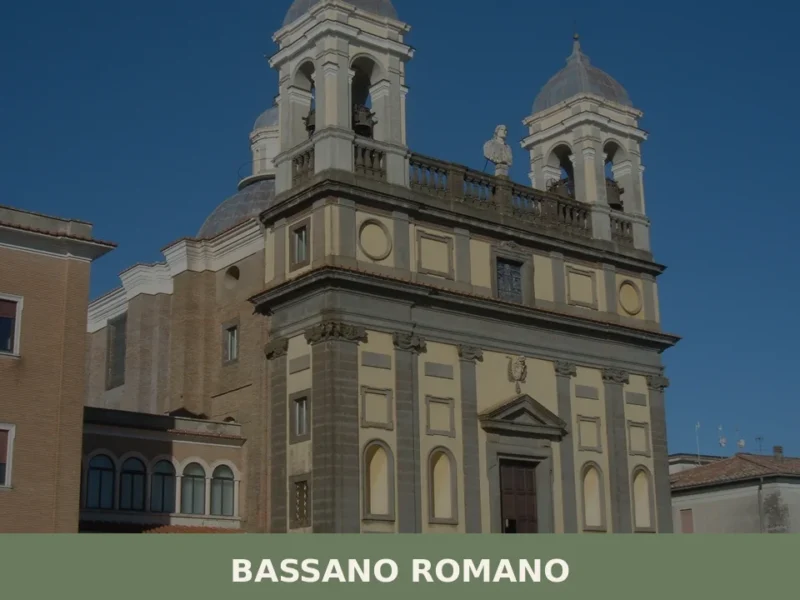
What to see in Bassano Romano, Italy: Palazzo Giustiniani, maiolica heritage, and the feast of San Gratiliano. 4,980 inhabitants at 360 m. Discover it now.
Blera
Hills
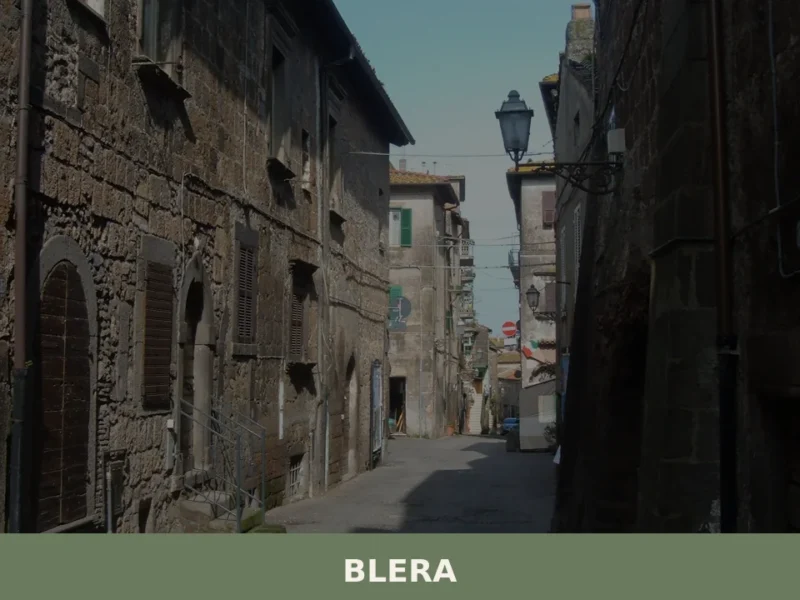
What to see in Blera, Lazio, Italy: Etruscan rock tombs, Via Clodia bridges, and a town at 270 m altitude. Explore history, food, and travel tips. Discover now.
Latera
Hills
 Lake
Lake
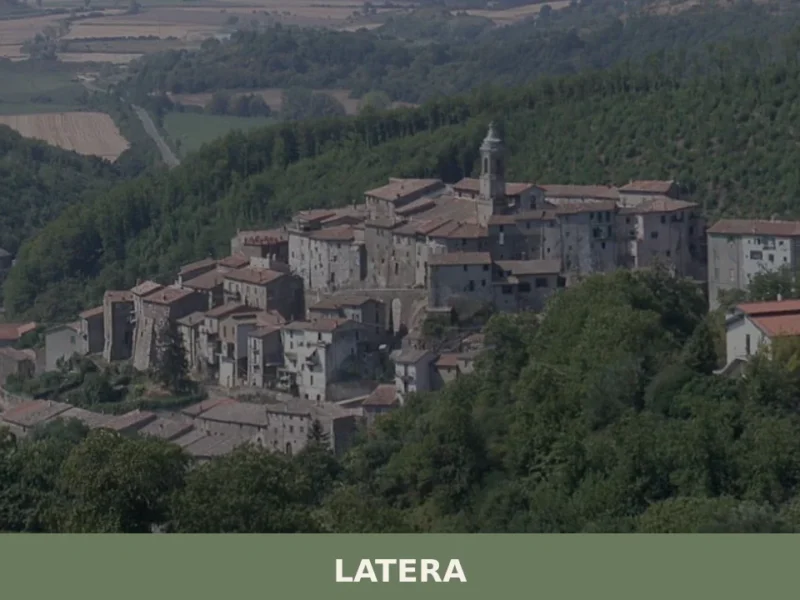
Latera has 766 inhabitants and sits on a tuff plateau at 508 metres above sea level, on the far northern edge of the province of Viterbo, close to the borders with Umbria and Tuscany. For centuries a fiefdom of the Farnese family, this small centre retains a compact Renaissance urban layout, with straight streets converging […]
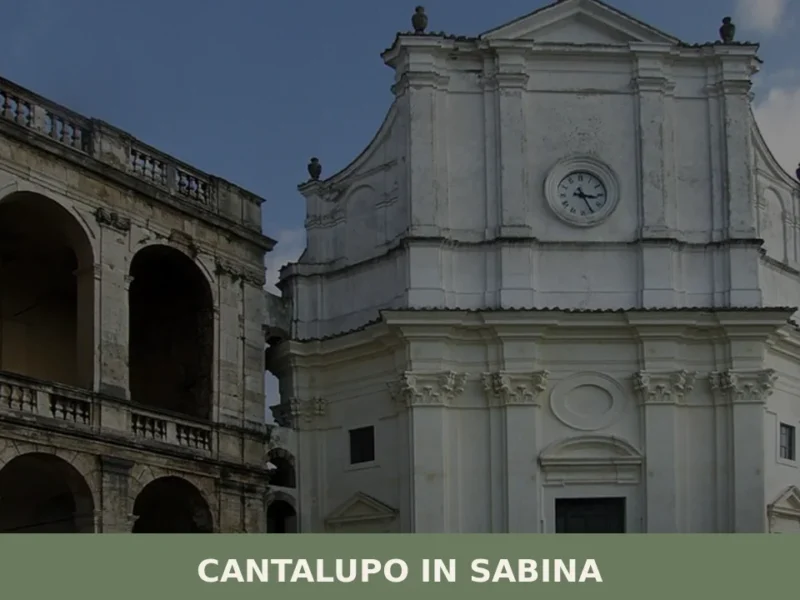
Cantalupo in Sabina
Hills
What to see in Cantalupo in Sabina: a hill village at 297 m in Rieti with 1,738 residents. Explore the medieval centre, the San Biagio feast and PAT-certified guanciale. Plan your visit now.
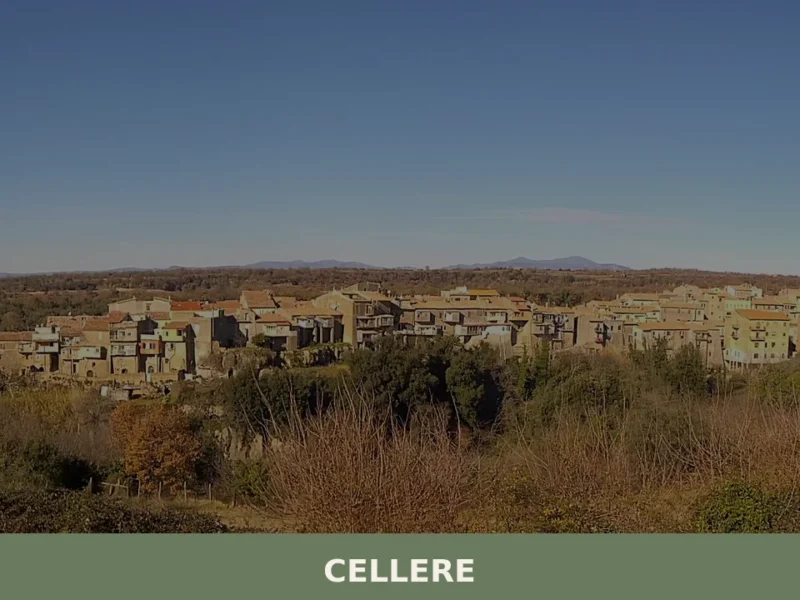
Cellere
Hills
what to see in cellere, Italy. Explore this Viterbo province village, 344 m high. Discover the Church of Sant'Egidio and local traditions. Read our guide!


🏡 Know Calcata better than we do?
If you’re a local or have been there, your knowledge matters: add what’s missing or fix a detail on this page.