


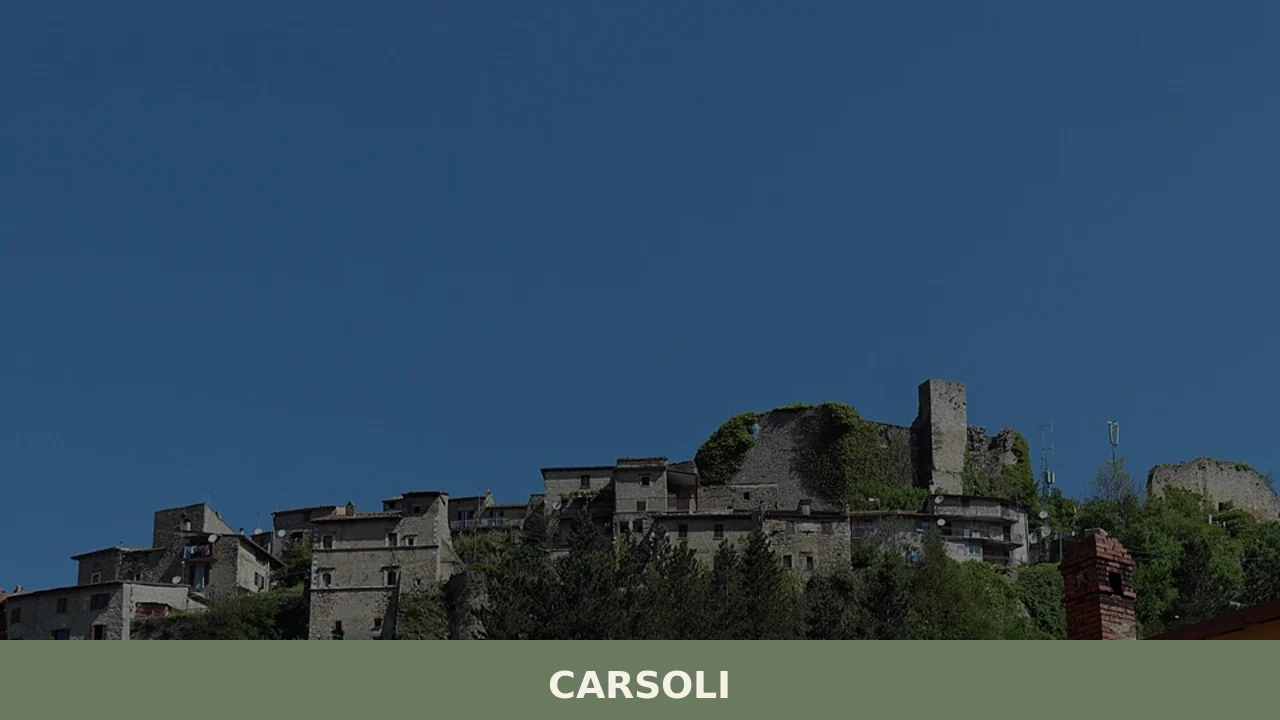
Carsoli
 Mountain
At 616 metres above sea level, along the route connecting Rome to L’Aquila across the Piana del Cavaliere, Carsoli has 5,518 inhabitants and occupies a position that over the centuries has defined its role as a junction between Lazio and the interior of the Apennines. Asking what to see in Carsoli means exploring a territory […]
Discover Carsoli
At 616 metres above sea level, along the route connecting Rome to L’Aquila across the Piana del Cavaliere, Carsoli has 5,518 inhabitants and occupies a position that over the centuries has defined its role as a junction between Lazio and the interior of the Apennines. Asking what to see in Carsoli means exploring a territory where the ancient Roman Via Valeria, medieval building campaigns, and pastoral economies have left legible marks on the urban fabric and the surrounding landscape, between karst plateaus and high-altitude beech forests.
History and origins of Carsoli
The name derives from ancient Carseoli, a Latin colony founded in 298 BC along the Via Valeria to control the territory of the Equi, an Italic people who had resisted Roman expansion. Ovid, in the Fasti, mentions Carseoli, describing its cold location and soil suited to olive cultivation — an observation that today’s climate data only partially confirm, since the altitude limits olive growing to the most sheltered exposures. The remains of the Roman settlement are found in the archaeological zone of Civita, a few kilometres from the present-day centre, where excavation campaigns have unearthed wall structures and materials dating from the 3rd century BC to the imperial period.
In the Middle Ages the settlement shifted to its current position, developing around the castle and the parish church. The village passed under the control of various feudal families: the Counts of the Marsi, then the Orsini, who held it for a long period, and finally the Colonna. This succession of rulers can still be read today in the architectural layering of the old town, where interventions from different periods overlap without a unified design. In 1915 the Marsica earthquake also struck Carsoli, damaging buildings and infrastructure, but the reconstruction largely preserved the earlier layout. The official municipal website documents the main phases of this administrative history.
What to see in Carsoli: the 5 main attractions
1. Castello Orsini
A defensive structure dating to the 13th century, modified several times in subsequent centuries by the Orsini and the Colonna families. The building retains a quadrangular tower and portions of the original encircling walls. Today it hosts cultural events and temporary exhibitions. Its position, in the upper part of the town, provides a vantage point over the Piana del Cavaliere and the surrounding mountain ridges.
2. Church of Santa Maria in Cellis
Located just outside the inhabited centre, this Romanesque church preserves a decorated portal and, inside, frescoes dating to between the 12th and 13th centuries. The single-nave architectural plan and the use of local limestone make it a significant example of medieval religious architecture in the western Marsica. Some art historians have attributed parts of the painted cycle to Benedictine workshops.
3. Old town and Porta Romana
Access to the historic core is through the Porta Romana, the only surviving gateway of the old walls. Inside, the building fabric alternates local stone houses with 17th- and 18th-century small palazzi featuring carved portals. The layout follows the natural slope of the terrain with marked changes in elevation, and some façades still show signs of post-earthquake restoration work carried out in the early 20th century.
4. Archaeological area of Carseoli
In the locality of Civita, about three kilometres from the centre, excavations have uncovered portions of the ancient Latin colony. Remains of public buildings, stretches of paving, and fragments of thermal structures are visible. The site, also documented on the Wikipedia page dedicated to Carseoli, is the subject of periodic study campaigns carried out in collaboration with Italian universities.
5. Sanctuary of the Madonna del Carmine (Vallepietra – excursion)
Reachable from Carsoli by a drive of about forty minutes through the valley, the Sanctuary of the SS. Trinità in Vallepietra is one of the most visited pilgrimage destinations in the central Apennines. The excursion passes through a landscape of plateaus and beech woods marking the border between the provinces of Rome and L’Aquila.
Local cuisine and regional produce
The cuisine of Carsoli reflects its position as a crossing point between the Lazio and Abruzzo areas. The most common dishes in the trattorias of the centre and the surrounding hamlets include sagne e fagioli, irregular fresh pasta served with pulses grown in the gardens of the Piana del Cavaliere, and polenta rognosa, prepared with cornmeal and sausage. Sheep meat — mutton and lamb — appears on menus especially in spring, often grilled or oven-roasted with potatoes. The local bread, made with a long leavening process, accompanies artisanal pecorino cheeses.
Among local products, the chestnuts from the surrounding woods stand out as the centrepiece of the autumn festival, along with mountain honey produced from apiaries placed between 600 and 900 metres in altitude. The farming hamlets maintain small-scale olive oil production, limited by climatic conditions but present on the lower south-facing slopes. Several local farms sell directly, and the weekly market remains a reference point for local provisioning.
When to visit Carsoli: the best time
Carsoli’s climate is typical of the central Apennines at mid-altitude: harsh winters with frequent snowfall between December and February, cool summers with maximum temperatures that rarely exceed 30 degrees. Spring, from April to June, allows for walking the trails of the Piana del Cavaliere in good conditions and with vegetation in full recovery. Autumn is the season of local festivals — the chestnut and polenta fairs, usually in October — and the most intense colours in the Turkey oak and beech woods that surround the town.
The patron saint feast of Santa Vittoria, celebrated by the community with a procession and a fair, marks one of the moments of greatest collective participation. Those who want to explore what to see in Carsoli at a leisurely pace and without crowds will find the best conditions on weekdays in September and October: long daylight, dry air, and the possibility of accessing the sites of interest without waiting.
How to reach Carsoli
Carsoli is reached via the A24 Rome–L’Aquila motorway, with a dedicated exit at the Carsoli-Oricola toll station. The distance from Rome is about 65 kilometres — less than an hour’s drive under normal conditions. From L’Aquila, the motorway journey covers about 55 kilometres heading west.
- By train: Carsoli railway station is on the Roma Tiburtina–Avezzano–Sulmona line, operated by Trenitalia. Regional trains connect Carsoli to Rome in approximately one hour and twenty minutes, with frequency varying according to the day of the week.
- By air: the nearest airport is Rome Fiumicino (FCO), about 110 kilometres away. Rome Ciampino airport (CIA) is about 90 kilometres away. From both, it is necessary to reach Rome and continue by car or train.
- From Pescara: about 130 kilometres via the A25 and A24, with a travel time of one hour and forty minutes.
Other villages to visit in Abruzzo
Those exploring the region starting from Carsoli can build an itinerary that takes in very different places in terms of altitude, economy, and urban layout. To the south, along the Sangro valley, Borrello presents a distinctive case: the village overlooks the Rio Verde waterfalls, among the highest in Italy with a drop of over one hundred metres, and its centre preserves a compact rural architecture where local stone dominates façades and retaining walls. The visit requires half a day, including the nature trail that descends towards the waterfalls.
Towards the Valle Peligna, Bugnara stands out for the concentric arrangement of the settlement around the castle remains and for the church of Santa Maria della Neve, with a 15th-century rose window still well preserved. The territory of Bugnara also includes stretches of the route documented by the Touring Club Italiano among the walking paths of inland Abruzzo. The distance from Carsoli — about ninety kilometres — makes a day-trip combination feasible for those travelling by car.
Frequently asked questions about Carsoli
What is the best time to visit Carsoli?
The ideal time to visit Carsoli depends on your interests. Spring (April to June) is excellent for enjoying nature walks in the Piana del Cavaliere amidst lush vegetation. Summer offers cool temperatures, rarely exceeding 30°C, suitable for exploring the village and nearby excursions. Autumn, particularly October, is vibrant with local festivals like the chestnut and polenta fairs, and the surrounding beech and oak forests display stunning foliage. The community celebrates its patron saint, Santa Vittoria, with a procession and fair, marking a significant local event. For a more tranquil experience with pleasant weather and fewer crowds, weekdays in September and October are highly recommended.
What to see in Carsoli? Main monuments and landmarks
Carsoli offers a rich blend of history and culture. Start with the imposing Castello Orsini, a 13th-century fortress that now hosts cultural events and provides panoramic views of the Piana del Cavaliere and the surrounding mountain ridges. Explore the charming old town, entering through the historic Porta Romana, and wander among local stone houses and 17th-18th century palazzi. Don't miss the Romanesque Church of Santa Maria in Cellis, located just outside the center, renowned for its decorated portal and medieval frescoes. For ancient history enthusiasts, the Archaeological Area of Carseoli (Civita), a few kilometers away, reveals remains of the ancient Latin colony. An recommended excursion is the Sanctuary of the SS. Trinità in Vallepietra, about a 40-minute drive, a significant pilgrimage site nestled in a scenic mountain landscape.
What are the main natural or scenic attractions of Carsoli?
Carsoli is surrounded by the captivating natural beauty of the central Apennines. The Piana del Cavaliere offers gentle trails perfect for walking, especially in spring, amid karst plateaus and agricultural landscapes. The town itself is nestled between high-altitude beech forests and offers stunning views of the surrounding mountain ridges from elevated points like the Castello Orsini. An excursion to the Sanctuary of the SS. Trinità in Vallepietra takes you through a picturesque landscape of plateaus and dense beech woods, marking the border with Lazio, ideal for scenic drives and enjoying the mountain air. While the Rio Verde waterfalls are in Borrello, they are a worthwhile natural extension if exploring the wider region.
Where to take the best photos in Carsoli?
For memorable photographs in Carsoli, several spots stand out. The Castello Orsini, located in the upper part of the town, offers superb panoramic views of the Piana del Cavaliere and the surrounding mountain ridges, especially at sunset. The historic Porta Romana, the entrance to the old town, provides a picturesque frame for capturing the traditional stone houses and narrow alleys. The Romanesque Church of Santa Maria in Cellis, with its decorated portal and ancient frescoes, is ideal for architectural photography. Don't forget the archaeological area of Carseoli (Civita) for evocative shots of ancient ruins, and the scenic drive towards Vallepietra, showcasing stunning plateaus and beech forests, particularly vibrant in autumn.
What can you do in Carsoli? Activities and experiences
Carsoli offers a range of activities for different interests. Explore the historical layers by visiting the Castello Orsini and wandering through the old town's ancient streets. Nature lovers can enjoy walking the trails of the Piana del Cavaliere, particularly pleasant in spring, or embark on a scenic excursion to the Sanctuary of the SS. Trinità in Vallepietra, a significant pilgrimage site. Immerse yourself in local culture by attending the vibrant autumn festivals, such as the chestnut and polenta fairs, or participate in the patron saint's feast of Santa Vittoria. Don't miss the opportunity to savor the local cuisine in traditional trattorias, featuring dishes like sagne e fagioli, and discover regional products at the weekly market.
Who is Carsoli suitable for? Families, couples, hikers, solo travelers?
Carsoli is an ideal destination for history enthusiasts eager to explore ancient Roman and medieval layers, from the archaeological site of Carseoli to the Castello Orsini and the charming old town. Nature lovers and hikers will appreciate the walking trails across the Piana del Cavaliere and scenic excursions into the surrounding beech forests, such as the journey to the Sanctuary of the SS. Trinità in Vallepietra. It's also suitable for cultural tourists seeking authentic experiences, with local festivals and the patron saint's feast offering insights into community traditions. Foodies will delight in the hearty Abruzzese cuisine. Carsoli appeals to those seeking a tranquil, culturally rich, and nature-focused getaway, perfect for couples, solo travelers, and families who enjoy outdoor activities and historical exploration.
What to eat in Carsoli? Local products and specialties
Carsoli's cuisine reflects its position between Lazio and Abruzzo, offering hearty and traditional dishes. Don't miss 'sagne e fagioli,' fresh pasta with locally grown pulses, or 'polenta rognosa,' a rustic cornmeal dish with sausage. Sheep meat, including mutton and lamb, is a staple, often grilled or roasted with potatoes. Accompany your meal with local bread, known for its long leavening, and artisanal pecorino cheeses. Among local products, taste the chestnuts, celebrated in autumn festivals, and mountain honey produced from local apiaries. Small-scale olive oil is also available. These specialties can be savored in local trattorias, and fresh produce found at the weekly market or directly from local farms.
📷 Photo Gallery — Carsoli
Nearby Villages near Carsoli
In Abruzzo More villages to discover
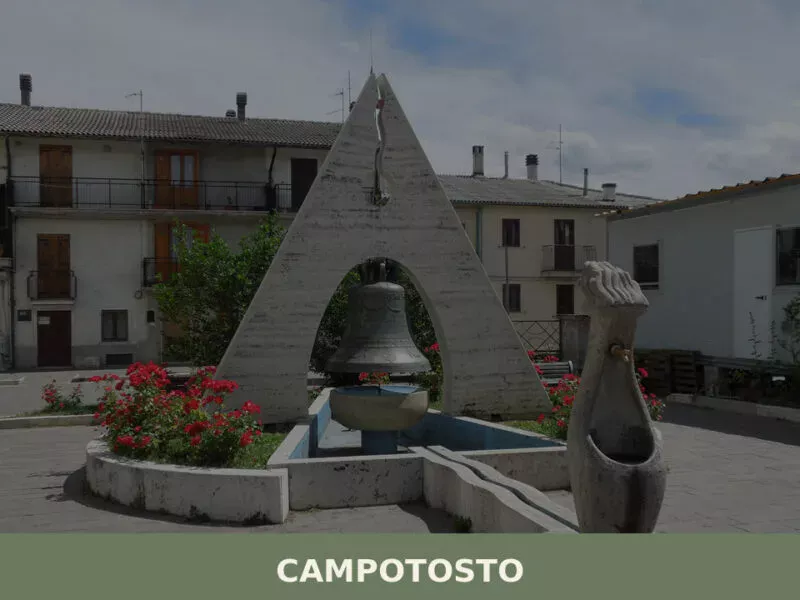
Campotosto
 Lake
Mountain
Lake
Mountain
At 1,420 metres beside one of Europe's largest artificial lakes, Campotosto offers wild Apennine landscapes, cured mortadella, and trails into the Gran Sasso National Park.
Campli
 Hills
Hills
What to see in Campli, Abruzzo, Italy: explore the Scala Santa, the Farnese archaeological museum, and the August porchetta festival in this village of 7,167 inhabitants. Discover it all.
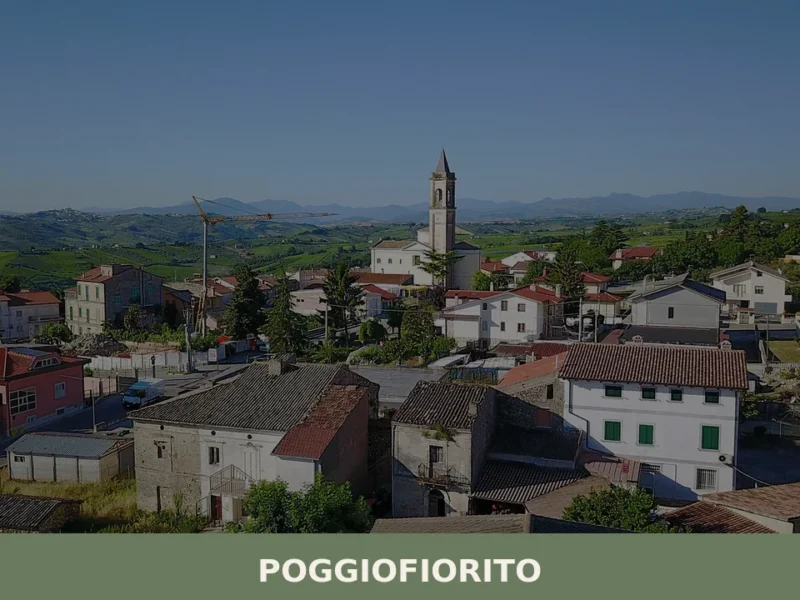
Poggiofiorito
 Sea
Sea
What to see in Poggiofiorito: 5 attractions in this Abruzzo village, from the main church to the historic centre. Discover the complete visitor's guide.
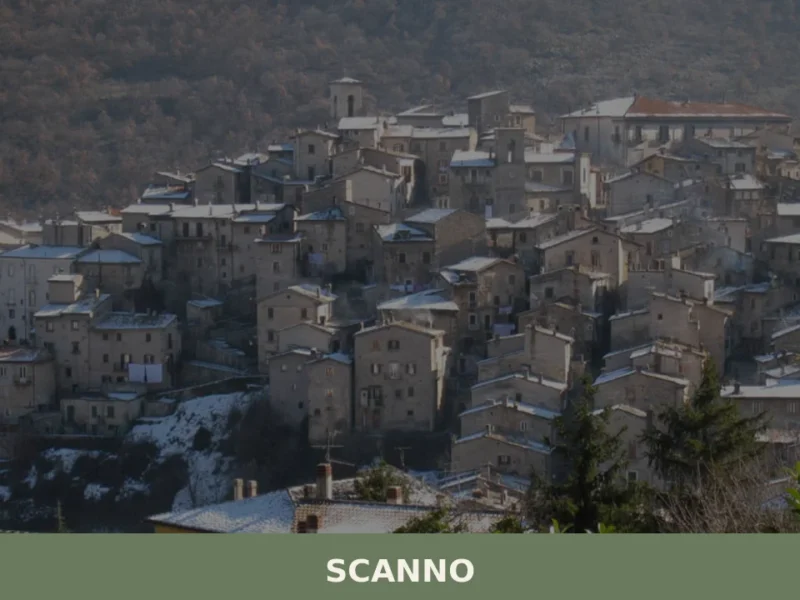
Scanno
Lake
Mountain
what to see in scanno, Italy? Explore this Abruzzese village at 1,050 m (3,445 ft), admire Lago di Scanno and its ancient crafts. Discover more.
Acciano
Mountain
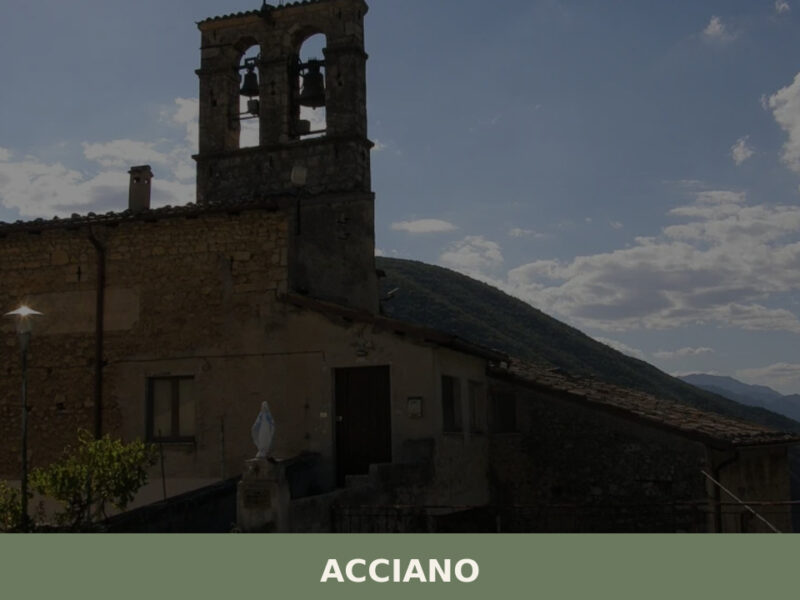
Morning light falls across stone walls the colour of dried wheat, and the only sound is water — a fountain somewhere below the main road, feeding a trough that has served this valley for centuries. Acciano sits in the Aterno Valley south of L’Aquila, a commune of just 339 inhabitants spread across a handful of […]
Montereale
Mountain
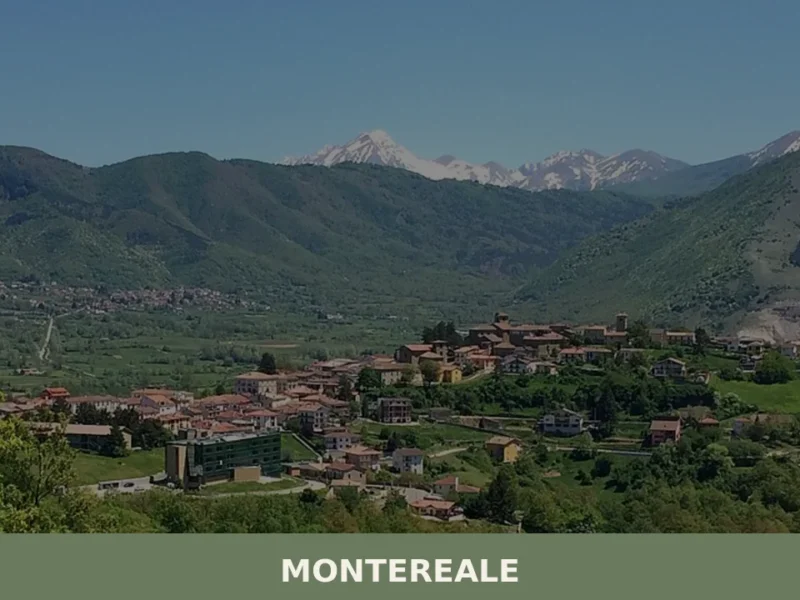
What to see in Montereale in Abruzzo: Romanesque churches, medieval walls, mountain cuisine and Laga trails. Complete guide to the village at 948 m.
Lama dei Peligni
Mountain
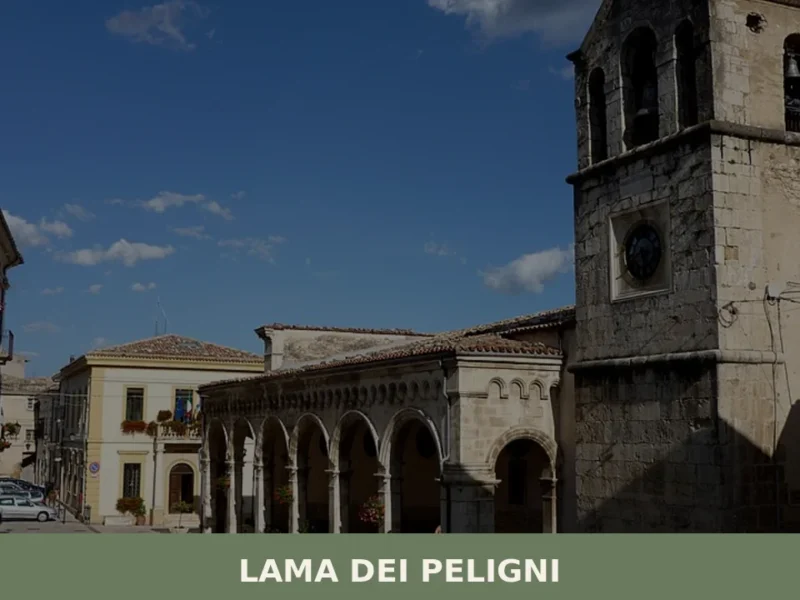
What to see in Lama dei Peligni: village at 669 m, Grotta del Cavallone, Majella National Park trails and arrosticini PAT. Plan your visit with this complete guide.
Bisegna
Mountain
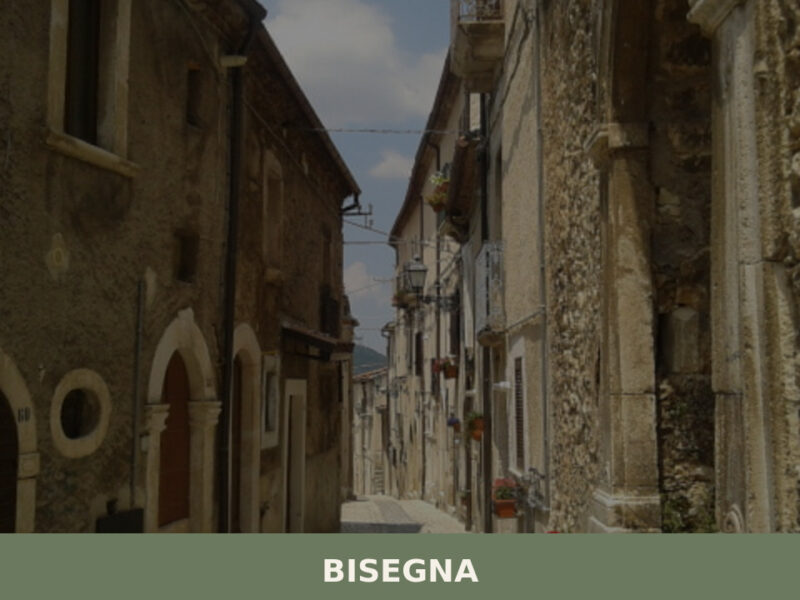
A mountain village of 217 inhabitants at 1,210 metres in Abruzzo's national park. Discover what to see in Bisegna: stone lanes, frescoes, and highland trails.
Castelvecchio Calvisio
Mountain
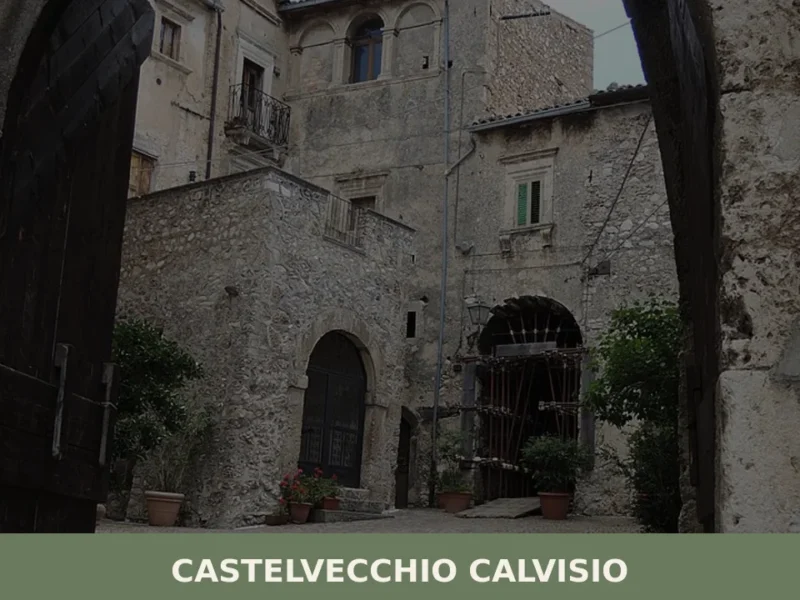
At 1045 meters above sea level, in the L’Aquila hinterland, stands Castelvecchio Calvisio, a village that retains the structure of an ancient *castrum* medieval. With a population of 118 inhabitants, the historic center develops on a rocky ridge, overlooking the basin below. Its elevated position and stone architecture offer an insight into Abruzzo’s fortifications. For […]
Casacanditella
Hills
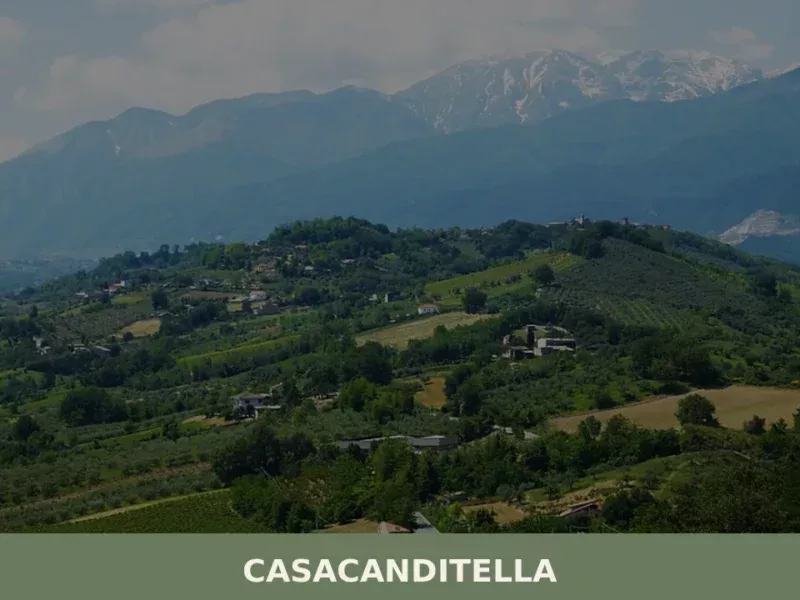
At 432 metres above sea level, on the eastern slope of the Majella descending towards the Foro river valley, Casacanditella has 1,169 inhabitants and a municipal territory that extends entirely across hilly terrain in the province of Chieti. Anyone wondering what to see in Casacanditella will find a compact urban centre, a church dedicated to […]


🏡 Know Carsoli better than we do?
If you’re a local or have been there, your knowledge matters: add what’s missing or fix a detail on this page.