


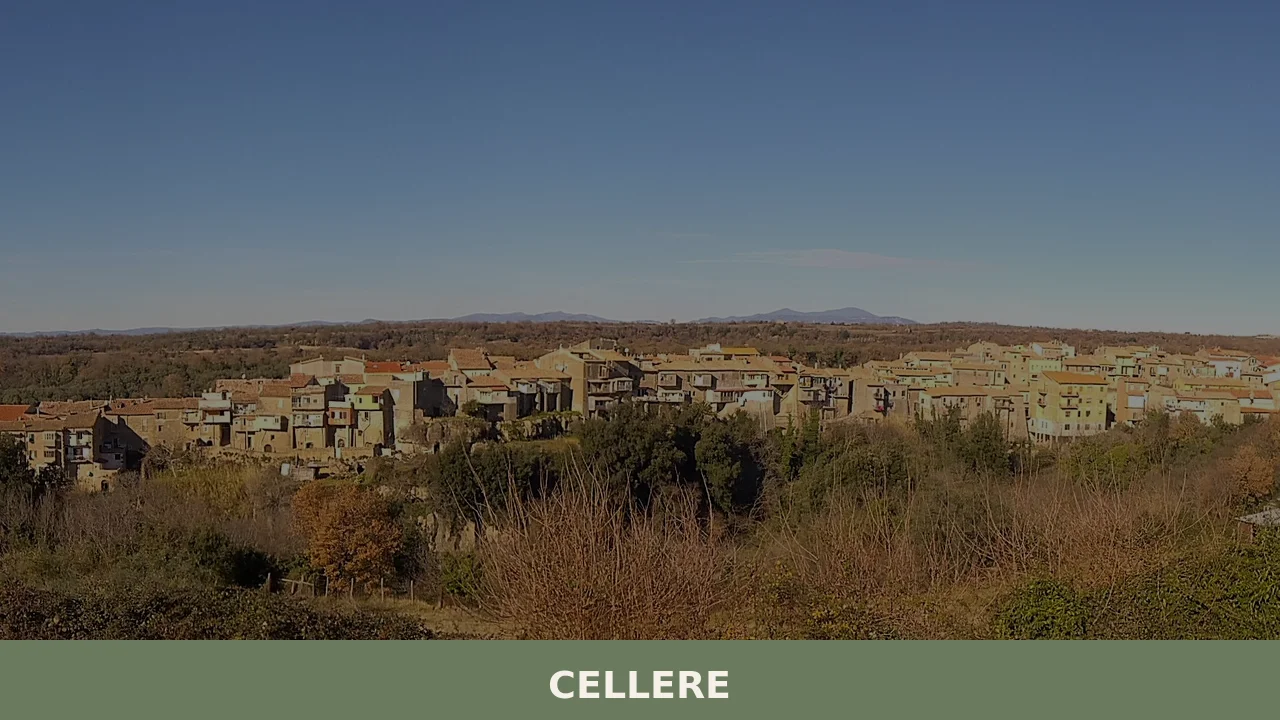

what to see in cellere, Italy. Explore this Viterbo province village, 344 m high. Discover the Church of Sant’Egidio and local traditions. Read our guide!
Discover Cellere
Standing at an elevation of 344 m (1,129 ft) above sea level, Cellere occupies a distinctive position within the Viterbo province of Lazio, Italy. This small village, home to 1,071 inhabitants, presents a landscape shaped by rolling hills and agricultural expanses. Its historical roots stretch back through centuries, evidenced by its ancient mentions and architectural remnants that speak of past eras. The quiet streets invite a measured pace, allowing for reflection on the area’s enduring character.
For those wondering what to see in Cellere, this village in northern Lazio offers a concise yet meaningful exploration of regional history and culture.
Visitors can explore the significant Church of Sant’Egidio Abate, a structure designed by the renowned Antonio da Sangallo the Younger, and wander through the historic core that reflects its past as part of the Papal States. Located approximately 90 km (56 mi) northwest of Rome, Cellere provides a distinct experience away from larger urban centers. The Cellere highlights include its architectural heritage and serene, elevated surroundings.
History of Cellere
The historical footprint of Cellere extends significantly into the past, with the earliest documented mention of the settlement appearing in the 8th century AD. Before this medieval record, a Roman origin for the locality has been posited, suggesting an even deeper layer of habitation and activity. This early presence indicates Cellere’s long-standing role as a point of human settlement within the wider Lazio region, adapting to the successive eras of regional development. The strategic location, characteristic of many communities in the Viterbo province, likely contributed to its continued existence through various historical transitions and powers.
Throughout the medieval and early modern periods, Cellere found itself entangled in the intricate political and territorial shifts that defined central Italy.
It became a part of the expansive Papal States, a significant ecclesiastical and temporal power that governed much of the Lazio region for centuries. Subsequently, the village was incorporated into the Duchy of Castro, a powerful feudal state that exerted considerable influence over parts of Tuscia, including nearby Gradoli, for several generations. This period saw the village’s governance change hands, reflecting the broader power struggles between noble families and the Church.
Following its time within the Duchy of Castro, Cellere reverted to the direct control of the Papal States, where it remained for an extended period. This administrative stability continued until the momentous year of 1870, when the unification of Italy concluded with the capture of Rome, bringing an end to the temporal power of the Papacy. The village then became part of the newly formed Kingdom of Italy, integrating into the national administrative structure. This transition marked a definitive close to its centuries-long connection with papal rule, ushering in a new chapter in its long history as a comune (municipality) in the province of Viterbo.
What to see in Cellere, Lazio: top attractions
Church of Sant’Egidio Abate
The Church of Sant’Egidio Abate stands as the principal architectural landmark within Cellere, a focal point for both residents and visitors.
This significant sacred building was conceived by Antonio da Sangallo the Younger, a prominent architect of the Renaissance period, whose influence shaped many structures across central Italy. Its design reflects the artistic and engineering prowess characteristic of the 16th century, contributing to the village’s cultural heritage. Observing its structure provides insight into the architectural styles prevalent during its construction, making it a key element when considering Anguillara Sabazia‘s similar historical religious buildings. Visitors can appreciate the exterior details and imagine its historical role in the community’s spiritual life.
The Historic Core of Cellere
Exploring the historic core of Cellere offers a tangible connection to the village’s long past, dating back to at least the 8th century AD. This ancient nucleus, positioned 344 m (1,129 ft) above sea level, reflects centuries of development, from its speculated Roman origins through periods under the Papal States and the Duchy of Castro. Walking its pathways, visitors can observe the traditional layout of a central Italian village, where structures have evolved over time. The compact arrangement of buildings speaks to historical needs for defense and community, characteristic of such elevated settlements in the Viterbo province.
Panoramic Views of the Tuscia Landscape
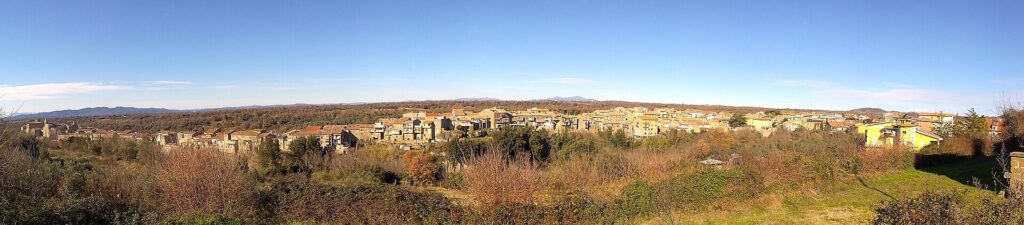
From its elevated position, Cellere provides extensive panoramic views across the undulating landscape of Tuscia, the historical name for this part of Lazio.
The village’s altitude of 344 m (1,129 ft) allows for clear vistas of the surrounding hills (collina), characteristic of the Viterbo province. These views offer a sense of the region’s natural beauty and its agricultural heritage, with fields and forests stretching towards the horizon. The changing light throughout the day transforms the scenery, offering different perspectives on this ancient Italian territory, making it a rewarding experience for those seeking what to see in Cellere beyond its immediate structures.
The Countryside and Hilly Surroundings
Beyond Cellere’s built environment, the surrounding countryside presents opportunities for experiencing the natural character of the Lazio region. The village is classified under the “Collina” theme, indicating its location amidst a landscape of gentle hills and rural expanses. This environment, approximately 30 km (19 mi) northwest of Viterbo, invites visitors to appreciate the agricultural rhythms and local flora away from urban congestion. Paths wind through cultivated land and patches of woodland, offering a peaceful setting for walks and quiet observation of the regional ecosystem.
Exploring these areas can reveal a deeper understanding of the local geography and its influence on community life.
Traces of the Duchy of Castro Era
Cellere’s historical narrative includes its time as part of the Duchy of Castro, a powerful entity whose influence shaped the region before its eventual dissolution. Although specific grand monuments from this period are not detailed in general records, the very fabric of the village’s older parts can hint at this historical layer. The defensive needs and administrative structures of such a duchy often left their mark on town planning and surviving architectural elements. Understanding this historical context enriches the experience of exploring Cellere, providing a framework for appreciating its development up until 1870, when it returned to the Papal States. This period represents a significant chapter in the village’s enduring story.
Local food and typical products of Cellere
The gastronomic traditions associated with Cellere, like many villages in the Viterbo province and the broader Lazio region, are rooted in a history of agriculture and pastoralism. The local cuisine emphasizes simple, hearty ingredients, reflecting the bounty of the land and seasonal availability. Influences from Roman culinary practices are evident, often featuring grains, legumes, and locally raised meats. This approach to food preparation speaks to a heritage where sustenance was directly linked to the earth, creating dishes that are both flavorful and deeply connected to the regional identity of central Italy.
While specific dishes unique to Cellere are not widely documented, the regional repertoire of Lazio offers a rich array of traditional cooking that visitors can expect to find.
Common preparations include pasta dishes often made with local eggs and flour, such as Cacio e Pepe, which combines Pecorino Romano cheese and black pepper, or Carbonara, prepared with eggs, cured pork cheek (guanciale), Pecorino Romano, and black pepper. Heartier main courses frequently feature lamb or pork, often slow-cooked or roasted with aromatic herbs. These dishes represent the fundamental flavors and techniques passed down through generations in this part of Italy.
Regarding certified products, the immediate area around Cellere primarily contributes to the wider agricultural output of the Viterbo province and Lazio. While no specific certified products are exclusively attributed to Cellere in the provided information, the region is known for a variety of high-quality produce. These often include excellent olive oils, wines, and cheeses that benefit from the rich volcanic soils and favorable climate. Exploring local markets in nearby larger towns allows visitors to discover these regional specialties, such as various types of Pecorino cheese or cold cuts, which are integral to the culinary identity of central Italy.
Although specific food fairs directly within Cellere are not detailed in the available sources, the broader province of Viterbo hosts numerous sagre, traditional local food festivals, throughout the year.
These events, typically held from spring through autumn, celebrate seasonal produce like chestnuts, mushrooms, or local wines. Visitors wishing to experience these vibrant local traditions should inquire about schedules in nearby towns, particularly during the harvest months. These markets and festivals offer an excellent opportunity to taste regional specialties and engage with local producers, complementing the experience of what to see in Cellere and its surroundings.
Festivals, events and traditions of Cellere
The most significant annual event in Cellere is the celebration of its patron saint, Sant’Egidio, observed annually on 1º settembre (September 1st). This feast day is a cornerstone of the village’s cultural and religious calendar, bringing the community together in commemoration. The festivities typically involve religious services, processions honoring the saint through the streets, and often include musical performances and communal gatherings. It is a time when the spiritual heritage of Cellere is prominently displayed, offering visitors a chance to witness deeply rooted local traditions.
Beyond the patron saint’s day, Cellere maintains traditions that reflect its agricultural past and community spirit, though specific detailed events are not extensively documented.
These often include smaller local customs tied to seasonal changes or harvest cycles, which are integrated into daily life rather than celebrated as large public festivals. The community’s strong ties to its history and the land are implicitly celebrated through these ongoing practices. Visitors can experience this enduring local character by observing daily life and engaging with the community, providing a deeper understanding of the village’s identity and what to see in Cellere through its traditions.
When to visit Cellere, Italy and how to get there
The best time to visit Cellere, Italy, and indeed much of the Lazio region, typically spans the spring and autumn months. From April to June, the weather is pleasantly mild, and the countryside is lush with blooming flora, ideal for exploring the hilly surroundings without the intense heat of summer. Similarly, September and October offer comfortable temperatures, often coinciding with local harvest festivals in the wider Viterbo province.
While summer (July-August) can be hot, it is a period when many local festivals occur, including Cellere’s patron feast on 1º settembre (September 1st), though daytime exploration might be more comfortable in the mornings or late afternoons. Winter months are cooler and quieter, offering a more introspective experience, though some smaller establishments may have reduced hours.
Cellere is conveniently accessible for those planning a day trip from nearest major city hubs in Lazio. It is located approximately 90 km (56 mi) northwest of Rome, making it a feasible destination for a car journey of about 1 hour and 30 minutes. From Rome, visitors can take the A1 motorway (Autostrada del Sole) northbound, exiting at Orte and then following signs for Viterbo and subsequently Cellere. The nearest major airport is Rome Fiumicino (FCO), about 110 km (68 mi) away, with travel times by car similar to those from central Rome.
For those relying on public transport, the nearest train station is in Viterbo, approximately 30 km (19 mi) to the southeast, from where local bus services or taxis can complete the journey to Cellere. Further information on local transport schedules and services can often be found on the official Comune di Cellere website. This ensures that visitors can plan their trip effectively, whether arriving by private vehicle or public means.
For international visitors, a few practical tips can enhance the experience of exploring Cellere. While Italian is the primary language, some English may be understood in tourist-oriented businesses, though it is advisable to carry a phrasebook or translation app. Carrying some Euros cash can also be useful, especially in smaller shops or for local markets, as card payments might not be universally accepted. The terrain within Cellere’s historic core, like many ancient villages, can be uneven, with cobblestones and inclines, so comfortable walking shoes are recommended.
These considerations ensure a smoother and more enjoyable visit to this part of Lazio.
Visitors planning an extended stay in Lazio might consider combining their exploration of Cellere with visits to other distinctive villages in the region. For instance, the village of Agosta offers a different perspective on the region’s mountainous interior, while Poggio Bustone, known for its spiritual connections and tranquil setting, provides another unique experience within Lazio. These destinations, though distinct from Cellere, collectively showcase the diverse appeal of central Italy’s smaller communities.
Frequently asked questions about Cellere
What is the best time to visit Cellere?
Spring (late March to May) and autumn (September to November) are the ideal seasons. Spring brings wildflowers to the tufa gorges and pleasant temperatures for hiking. Autumn coincides with the olive harvest in October, when the Canino olive groves are active and the surrounding forests turn amber. The feast of Sant'Egidio on 1 September marks the village's main annual celebration, with processions and communal gatherings in the piazza — a worthwhile occasion to visit. Summer heat regularly exceeds 30°C, making midday exploration uncomfortable. Winter is cold and very quiet.
What are the historical origins of Cellere?
Cellere's roots trace back to Etruscan civilization, with rock-cut tombs, pottery fragments, and roads carved into tufa rock found across the surrounding countryside. The village name likely derives from the Latin cellarium, meaning storehouse, referencing underground chambers used for food and wine storage. In the medieval period, Cellere came under Farnese family control, which shaped its fortifications and castle. After the Farnese line ended in the early eighteenth century, the village passed to papal control as part of the former Duchy of Castro.
What to see in Cellere? Main monuments and landmarks
The Castello Farnese at the village centre features a medieval rectangular tower built from local tufa; its exterior and courtyard are accessible to visitors. The Church of Sant'Egidio on the main piazza contains sixteenth and seventeenth-century frescoes and altarpieces behind a plain stone façade. Outside the village, Etruscan rock-cut tombs are reachable via footpaths through wooded tufa ravines. The compact historic centre itself — with arched passageways, tufa staircases, and a functioning communal piazza — can be explored on foot in under half an hour.
What are the main natural or scenic attractions of Cellere?
The volcanic geology around Cellere has formed deep tufa gorges known locally as forre, carved by seasonal watercourses. Dense Mediterranean vegetation, ferns, and mosses line the gorge walls, creating enclosed microclimates distinctly cooler than the plateau above. Walking trails descend into these ravines from the village outskirts. The surrounding plateau is planted with Canino olive groves that are particularly atmospheric during the October harvest. The landscape combines Etruscan archaeological sites with natural scenery that sees very few visitors compared to better-known sites in the region.
Where to take the best photos in Cellere?
The main piazza, framed by the Castello Farnese tower and the façade of Sant'Egidio church, offers the most concentrated architectural composition in the village and is especially photogenic in morning light. The narrow tufa streets with their arched passageways and stone staircases reward slower exploration with detail shots. The tufa gorges outside the village provide dramatic natural scenery, particularly where vegetation contrasts against the pale volcanic rock walls. The open plateau around Cellere offers wide views over olive groves and the characteristic rolling terrain of northern Lazio.
Are there museums, churches or historic buildings to visit in Cellere?
The Church of Sant'Egidio on the central piazza is the principal religious building, housing interior frescoes and altarpieces from the sixteenth and seventeenth centuries. Its plain exterior gives way to a decorated interior that reflects the devotional art tradition of small Lazio churches. The Castello Farnese, a medieval fortified structure modified under Farnese rule, now serves civic functions but its exterior, tower, and courtyard remain visible and accessible. Specific opening hours for both buildings are not formally published; visiting during daylight hours on non-holiday weekdays is generally advisable for small villages of this size.
What can you do in Cellere? Activities and experiences
Hiking through the tufa gorges and along footpaths to Etruscan tomb sites is the primary outdoor activity, suitable for walkers of moderate fitness. The October olive harvest period offers the chance to visit surrounding agriturismi and see Canino olive oil production firsthand. The feast of Sant'Egidio on 1 September provides a direct experience of village religious and communal life, with processions and shared meals. Day trips to nearby Arlena di Castro extend the Etruscan landscape itinerary, while the medieval village of Calcata is reachable for those wishing to contrast Cellere's quiet continuity with a livelier artistic community.
Who is Cellere suitable for? Families, couples, hikers, solo travelers?
Cellere suits travellers who actively seek quiet, unhurried experiences away from tourist infrastructure. Couples and solo travellers drawn to authentic village life, Etruscan archaeology, and undisturbed landscape will find it particularly rewarding. Hikers interested in tufa gorge walks and rock-cut tomb trails have genuine terrain to explore without crowds. Families with older children curious about archaeology and rural food traditions can engage meaningfully with the surroundings. It is not well suited to visitors expecting organised tourism services, a wide range of restaurants, or conventional sightseeing amenities.
What to eat in Cellere? Local products and specialties
The local cuisine follows the robust inland tradition of Viterbo province. Acquacotta — a peasant soup of stale bread, tomatoes, egg, and seasonal greens — is a regional staple. Wild boar ragù served over fresh pappardelle appears regularly in autumn and winter. The area falls within the production zone for Tuscia DOP extra virgin olive oil, pressed from Canino variety olives grown on the surrounding plateau; it is dense and peppery in character. Sheep's milk cheeses and handmade pasta are standard at the handful of local trattorias and agriturismi, where menus follow seasonal availability.
📷 Photo Gallery — Cellere
Nearby Villages near Cellere
In Lazio More villages to discover
Arlena di Castro
 Hills
Hills
With its 839 registered inhabitants and an elevation of 260 metres above sea level, Arlena di Castro occupies a tuff plateau in the Tuscia area of the Viterbo province, just a few kilometres from the border with the Lazio Maremma. The municipal territory preserves traces of Etruscan presence documented by necropolises and ceramic materials found […]
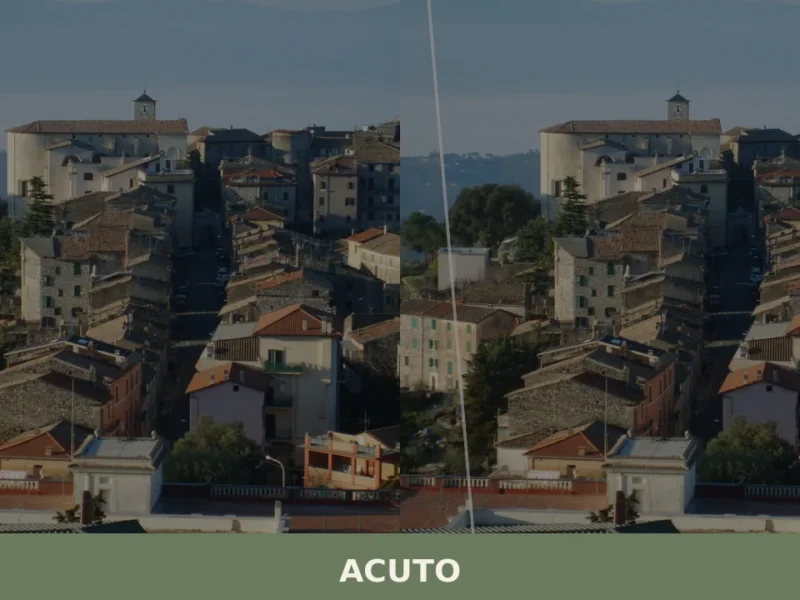
Acuto
 Mountain
What to see in Acuto, Lazio, Italy: explore a hilltop village at 680 m with the birthplace of a Catholic founder and Monti Ernici views. Discover it all here.
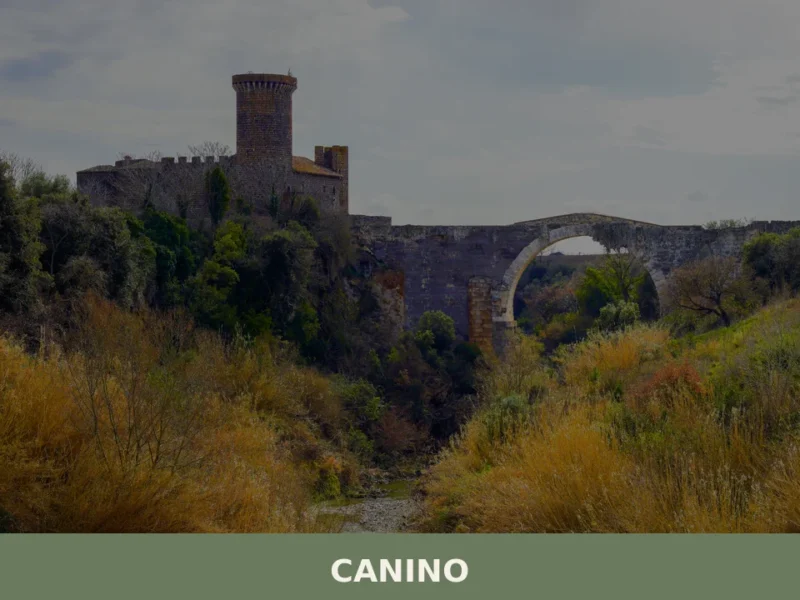
Canino
Hills
Canino is a hill town of 5,021 inhabitants in the province of Viterbo whose territory encompasses part of the ancient Etruscan city of Vulci and whose landscapes, archaeology and local produce make it
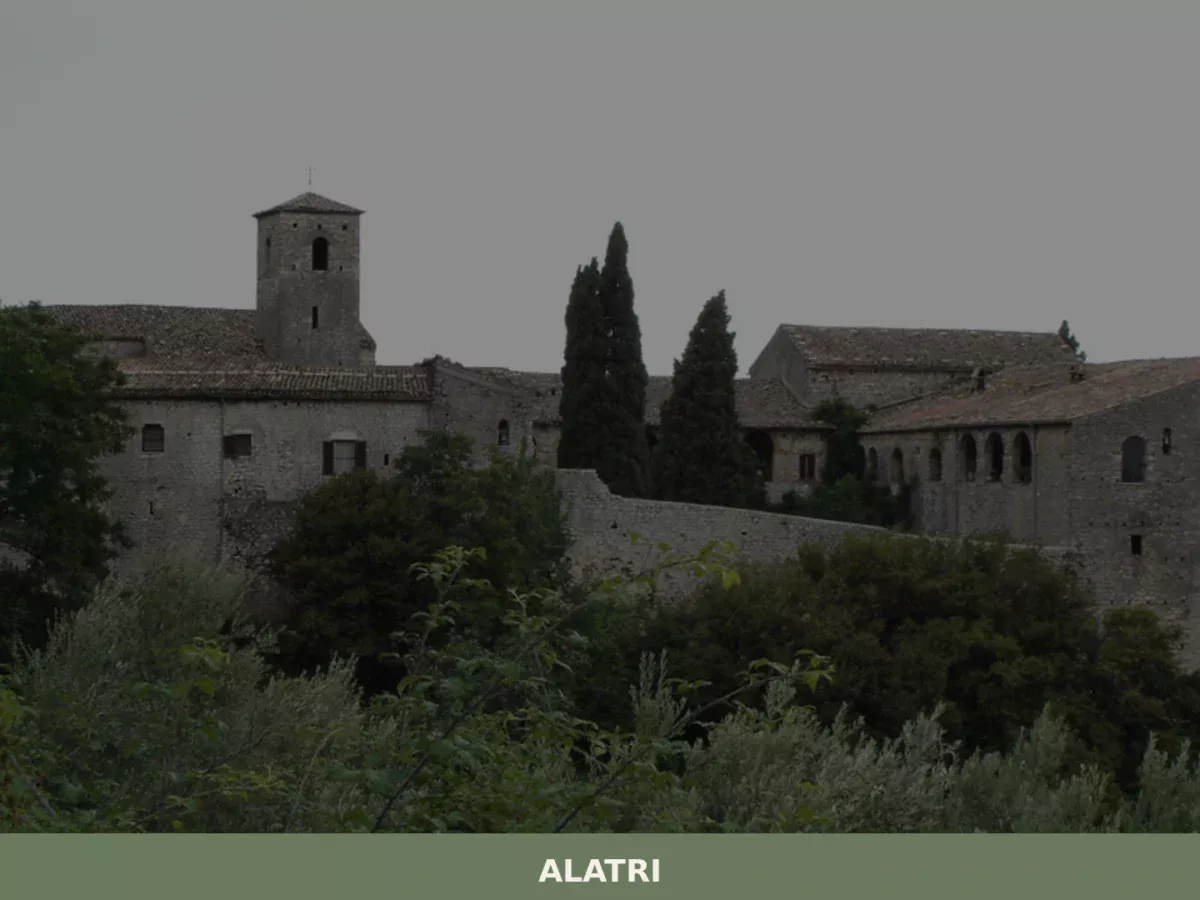
Alatri
Mountain
Limestone blocks measuring up to 3 by 2 metres sit without mortar on the hill above the city, fitted so precisely that a knife blade cannot pass between them. The terrace walls of the acropolis rise to over 15 metres (49 ft), enclosing a rectangular plateau of 220 by 100 metres (720 by 330 ft). […]
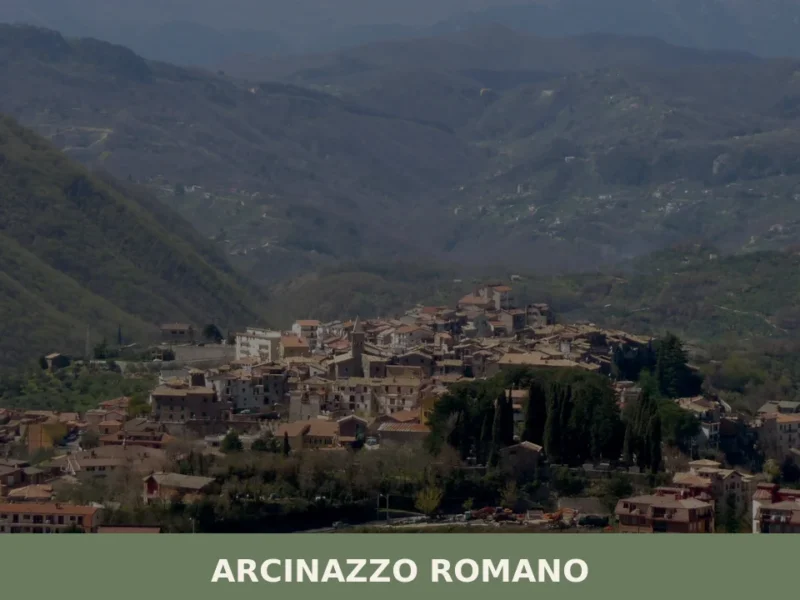
Arcinazzo Romano
Mountain
Arcinazzo Romano is a mountain village in the Metropolitan City of Rome, Lazio, perched at 796 metres with 1.232 inhabitants and a history reaching back to at least the early eighth century.
Accumoli
Mountain
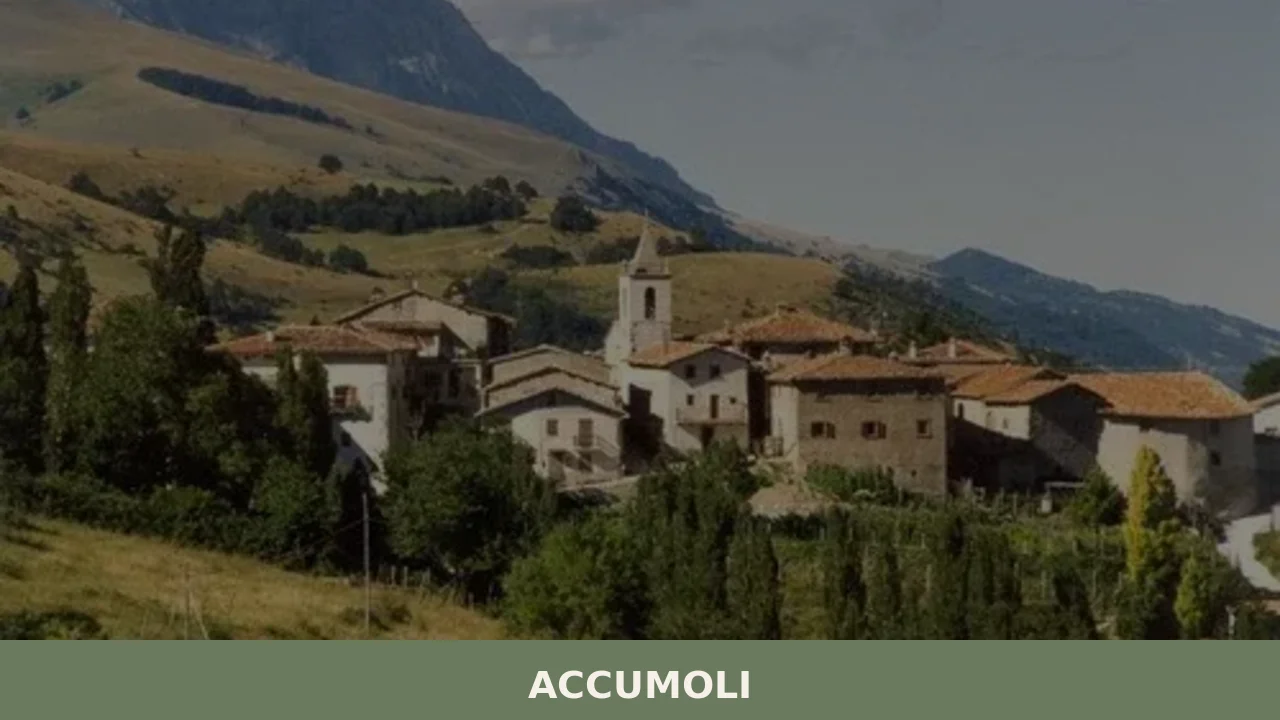
Accumoli is a mountain commune of 503 inhabitants in the province of Rieti, Lazio, set at 709 metres within the Parco Nazionale del Gran Sasso e Monti della Laga.
Belmonte Castello
Hills
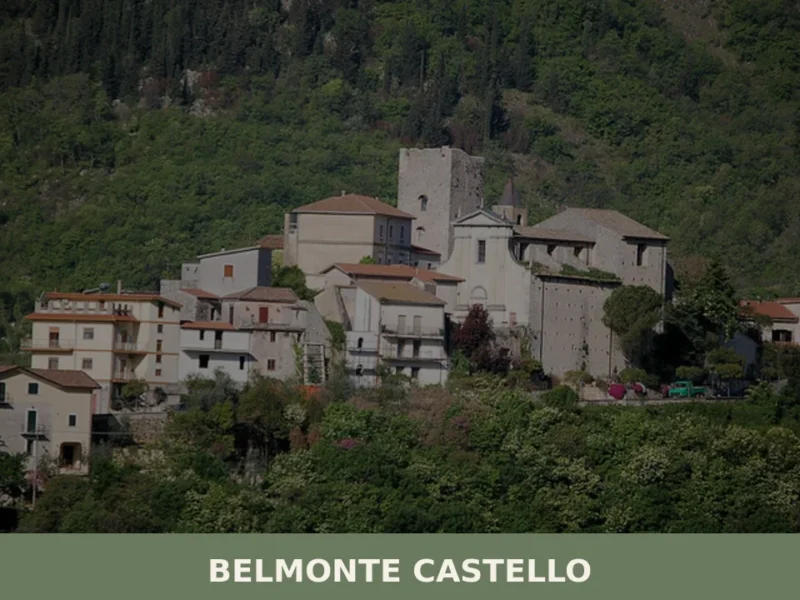
What to see in Belmonte Castello: discover the 5 main attractions of this Lazio village, from the medieval castle to the Church of San Salvatore. Plan your visit.
Tessennano
Hills
In the heart of Viterbo’s Tuscia region, 302 meters above sea level, lies Tessennano, a settlement with 284 residents. Its hillside location, distant from major thoroughfares, has defined its profile through the centuries. For those wondering what to see in Tessennano, the village presents a historical layering perceptible in its architecture. The settlement develops around […]
Arnara
Hills
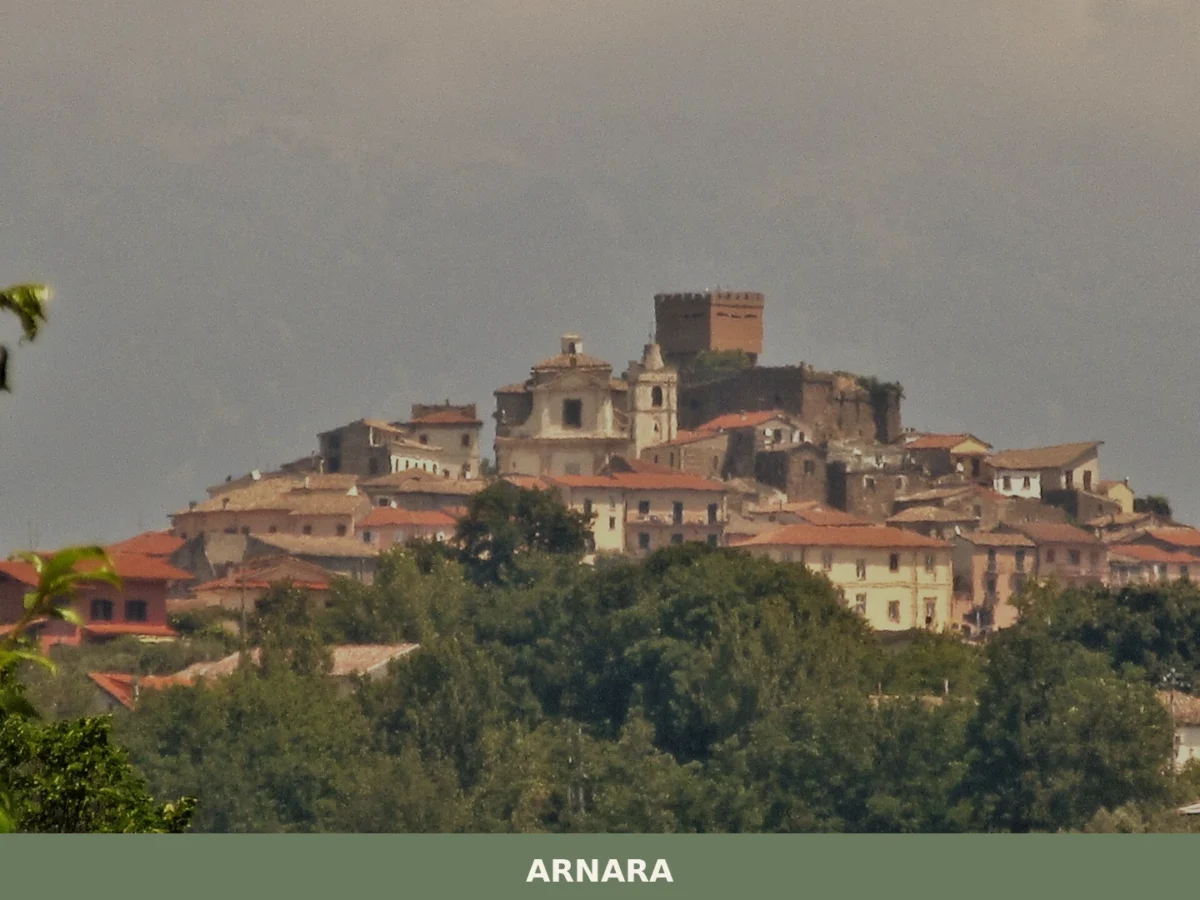
What to see in Arnara, Lazio, Italy: medieval castle, Sacco Valley views at 250 m altitude, local food traditions. Discover top attractions and how to get there.
Villa San Giovanni in Tuscia
Hills
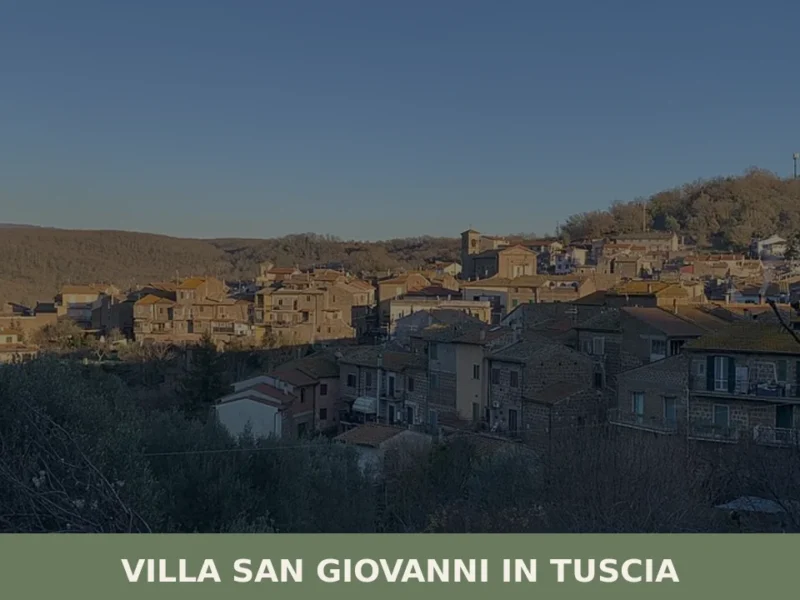
Villa San Giovanni in Tuscia has 1,196 inhabitants spread across a hilly territory at 329 metres above sea level, in the province of Viterbo. The settlement preserves a compact layout dating back to the feudal reorganisation of the late Middle Ages, when the village was under the control of baronial families that ruled upper Lazio. […]


🏡 Know Cellere better than we do?
If you’re a local or have been there, your knowledge matters: add what’s missing or fix a detail on this page.