


Capistrello
 Mountain
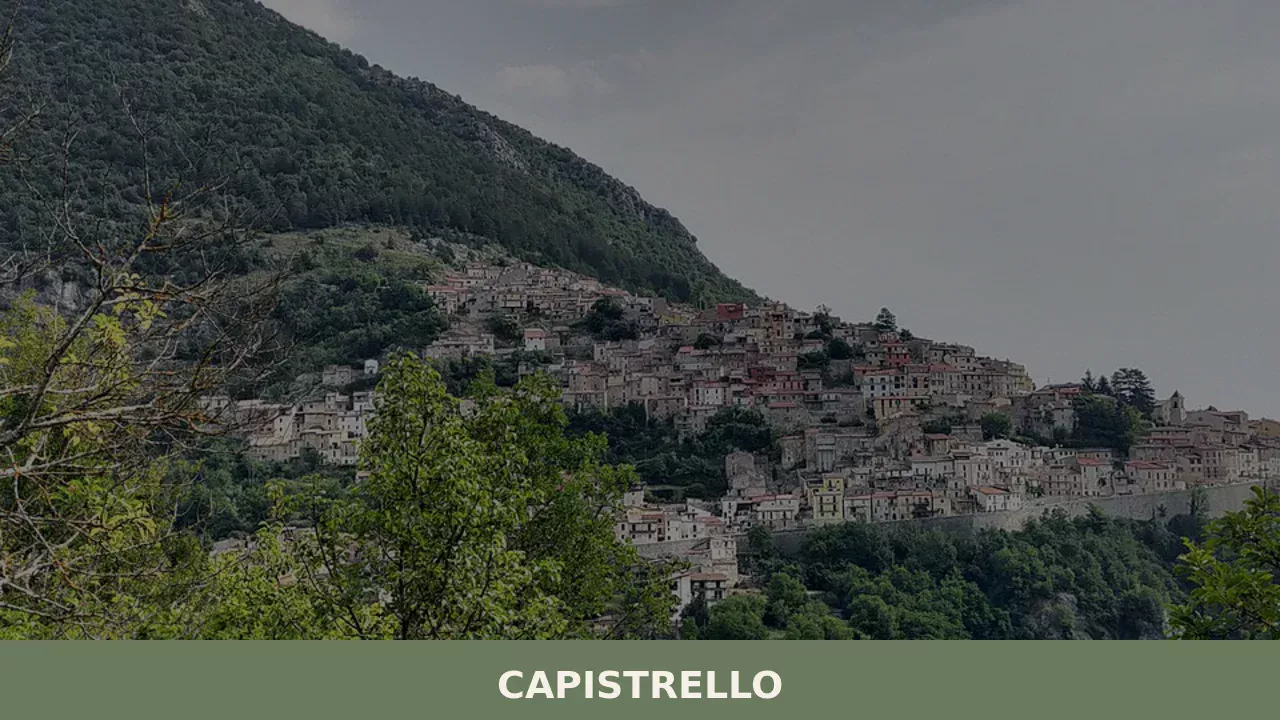
In 1902, a flood of the River Liri devastated the town and forced its inhabitants to rebuild entire neighbourhoods in the upper part of the settlement: that wound redrew the map of Capistrello, a village of 5,309 residents in the Marsica area, standing at 734 metres above sea level in the province of L’Aquila. Anyone […]
Discover Capistrello
In 1902, a flood of the River Liri devastated the town and forced its inhabitants to rebuild entire neighbourhoods in the upper part of the settlement: that wound redrew the map of Capistrello, a village of 5,309 residents in the Marsica area, standing at 734 metres above sea level in the province of L’Aquila. Anyone wondering what to see in Capistrello will find here a layering of eras that can be read in the very urban layout — the old nucleus on the hill, the post-disaster expansions towards the valley, the traces of Roman engineering running beneath the ground. This is a place where geology and civic history have dictated every building decision.
History and origins of Capistrello
The name appears in medieval documents as Capistrellum, probably derived from the Latin capistrum (halter, bridle), perhaps referring to the shape of the terrain that narrows the passage towards the Liri valley. The area was already frequented in Roman times: beneath the surrounding mountain runs the Fucino emissary, the colossal drainage tunnel commissioned by Emperor Claudius in 41 AD to regulate the waters of Lake Fucino. That feat of engineering — over 5 kilometres long, with vertical shafts reaching depths of up to 122 metres — was the largest hydraulic project of antiquity, and its outlet was located precisely in the territory of Capistrello, at the incile of Claudius.
During the Middle Ages, the village came under the control of the County of Celano, following the feudal fortunes of the Marsica. The Colonna, the Piccolomini and then the Barberini families held the fief in succession. The Marsica earthquake of 13 January 1915 — magnitude 6.99, over 30,000 victims across the entire area — struck Capistrello hard as well, causing extensive destruction and serious loss of life. Reconstruction altered the built fabric once again, with interventions that continued for decades.
In the twentieth century, Capistrello was also the scene of a significant episode during the Second World War: on 4 June 1944, thirty-three civilians were killed by retreating German troops in what is remembered as the Capistrello massacre, an event commemorated every year by the local community with a ceremony at the monument dedicated to the victims.
What to see in Capistrello: 5 main attractions
1. Incile of Claudius and the tunnels of the Fucino emissary
The outlet of the Roman tunnel built under Emperor Claudius to drain Lake Fucino is located in the Incile area, a short distance from the town centre. The remains of the entrance and the accessible tunnels reveal the cross-section carved into the living rock, with traces of the tools used by the slaves and freedmen who worked on the project for eleven years. It is one of the most significant sites of Roman hydraulic archaeology in Italy.
2. Church of Sant’Antonio di Padova
Dedicated to the patron saint of the village, celebrated on 13 June, the church has a façade rebuilt after the 1915 earthquake. The single-nave interior houses a wooden statue of the saint and side altars with stucco decorations dating to the post-earthquake reconstruction period. The square in front serves as a gathering point on feast days and market days.
3. Monument to the victims of the 4 June 1944 massacre
A commemorative stone marker and a memorial area honour the thirty-three civilians killed during the German retreat. The site is located along the road that crosses the town and bears the names of the victims carved into it. Every year on 4 June, a civic ceremony brings together the local population and authorities. It is a place of concrete, not rhetorical, remembrance — one that documents the cost of war on the civilian population of the Marsica.
4. Historic centre and upper quarter
The upper part of the village preserves the urban layout that predates the 1902 flood. The houses in local stone — limestone, light grey in colour — are arranged along narrow lanes with steep flights of steps. Some carved stone doorways date back to the seventeenth and eighteenth centuries. The difference between the old nucleus and the twentieth-century expansions is visible to the naked eye in the varying heights of the buildings and the materials used.
5. Trails towards the Liri Valley
Several hiking paths depart from the centre of Capistrello, descending towards the Liri valley and climbing the surrounding wooded slopes. The moderate elevation range — between 600 and 1,200 metres — makes them accessible even for families. The vegetation shifts from oak woodland to beech forest at higher altitudes. Along the trails, walkers encounter stone fountains and the remains of pastoral huts, evidence of the agro-pastoral economy that sustained the village until the mid-twentieth century.
Food and local produce
The cooking of Capistrello is that of inland Marsica: dishes built on legumes, cereals and sheep meat. Sagne e fagioli — irregularly shaped hand-cut pasta, cooked with borlotti beans, garlic, extra-virgin olive oil and chilli pepper — is the most common first course. Arrosticini, skewers of sheep meat cut into small cubes and grilled over embers, are prepared here as in the rest of Abruzzo, but with local sheep reared on the valley’s pastures. In autumn, chestnuts are gathered from the surrounding woods and used for flours and dry biscuits.
Extra-virgin olive oil produced in the lower parts of the valley and pecorino cheeses of short and medium ageing round out the food landscape. There are no DOP or IGP products specific to the municipality, but the area falls within the production zone of Pecorino d’Abruzzo and benefits from its proximity to the cultivation areas of Navelli saffron, used in some local preparations such as risottos and festive sweets. The trattorias in the town centre serve fixed-price lunch menus with first courses, grilled meat and local wine from the Montepulciano d’Abruzzo area.
When to visit Capistrello: the best time of year
The climate is that of the Apennine mountains, with cold winters — the average temperature in January hovers around 2–3 °C — and moderate summers, with highs that rarely exceed 28 °C in July. The most suitable period for visiting the village and the surrounding trails runs from May to October. The feast of Sant’Antonio di Padova, on 13 June, is the main event of the year: a procession, market stalls, fireworks and communal meals in the squares. The commemoration of the massacre on 4 June adds a moment of civic reflection to the early summer calendar.
In autumn, the chestnut harvest and the changing colours of the beech trees on the hillsides offer a concrete reason for a visit between October and November. Winter is the least frequented period: the access roads are passable but require snow chains or winter tyres in December and January.
How to get to Capistrello
By car, Capistrello is reached from the A25 Roma–Pescara motorway, Avezzano exit, continuing for about 15 kilometres along regional road 82 of the Liri Valley. From Rome, the distance is approximately 110 kilometres, covered in about an hour and a half. From Pescara, allow around two hours for the 150-kilometre route combining motorway and state roads.
The Avezzano railway station, served by the Rome–Pescara line, is 12 kilometres away and is connected to Capistrello by buses operated by TUA (Trasporto Unico Abruzzese). The nearest airport is Rome Fiumicino Leonardo da Vinci, approximately 150 kilometres away. Pescara’s Abruzzo Airport is 160 kilometres away but offers a limited number of domestic and international connections.
What to see in Capistrello and in nearby Abruzzo villages
Visitors to Capistrello can extend their itinerary to other towns in inland Abruzzo that share the same Apennine character. Navelli, on the plateau of the same name about 70 kilometres to the north-east, is the production centre of DOP L’Aquila saffron: a village of white stone houses arranged along a ridge, where in November the purple crocuses are still picked by hand at dawn. A visit to the saffron fields when they are in bloom between late October and early November is reason enough for the trip.
Further afield but within the same Abruzzo hill system, Catignano, in the province of Pescara, offers a different landscape — lower elevations, clay hills, olive groves — yet the same compact settlement pattern, with a cluster of houses pressed against one another around a mother church. Combining Capistrello, Navelli and Catignano into a single trip of three or four days allows you to cross inland Abruzzo from west to east, observing the gradual shift in landscape, building materials and dominant crops.
Nearby Villages near Capistrello
In Abruzzo More villages to discover
Rocca Pia
Mountain
what to see in rocca pia, Italy: Explore this Abruzzo comune near L'Aquila. Discover its territory extending to the Cinquemiglia Plain. Read our guide.
Ateleta
Mountain
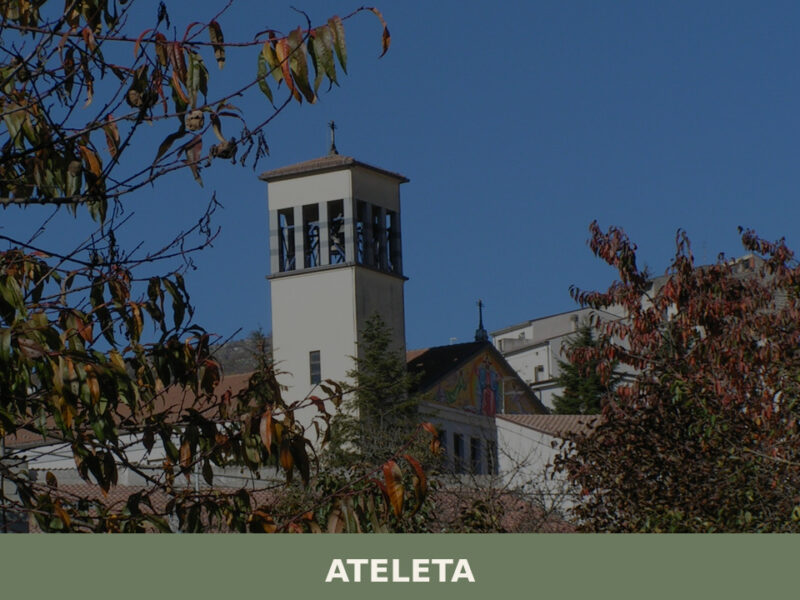
Morning fog lifts off the Alto Sangro valley in slow, deliberate sheets, revealing stone houses arranged along a ridge at over 750 metres above sea level. The air carries woodsmoke and the faint sound of a church bell marking seven o’clock. Ateleta, a village of 1,157 inhabitants in the province of L’Aquila, occupies a quiet […]
Teramo
 Hills
Hills
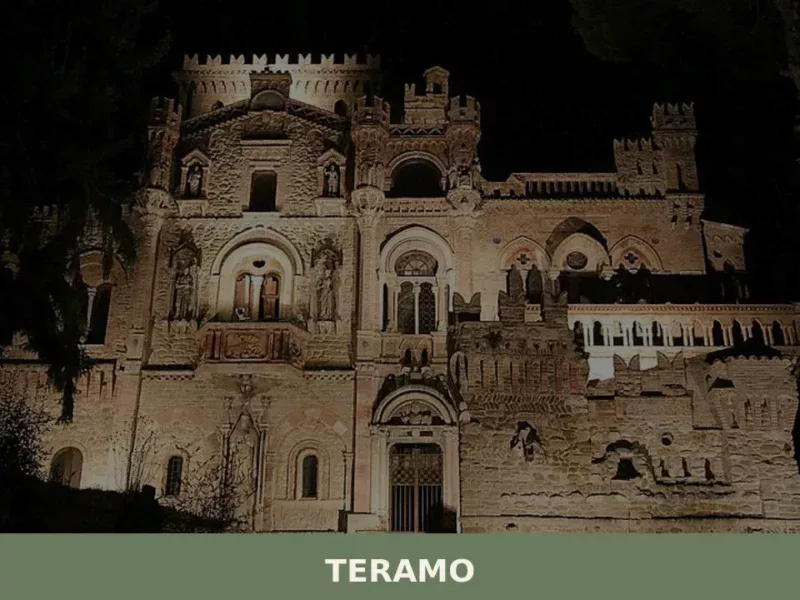
What to see in Teramo, Abruzzo, Italy: discover a Roman theatre from 30 BC, a 1158 cathedral, the Interamnia World Cup and 54,377-strong city. Complete guide.
Canosa Sannita
Hills
At 231 metres above sea level, on the plain that opens between the Maiella massif and the Teatine coast, Canosa Sannita is home to 1,268 inhabitants spread across an agricultural landscape where the cultivation of vines and olive trees marks the rhythm of the seasons. The village’s very name carries a precise indication: a reference […]

Casalincontrada
Hills
What to see in Casalincontrada, Abruzzo, Italy: 3 historic monuments, a 14th-century city gate and Baroque church. Discover the best of this Chieti village.
Carunchio
Mountain
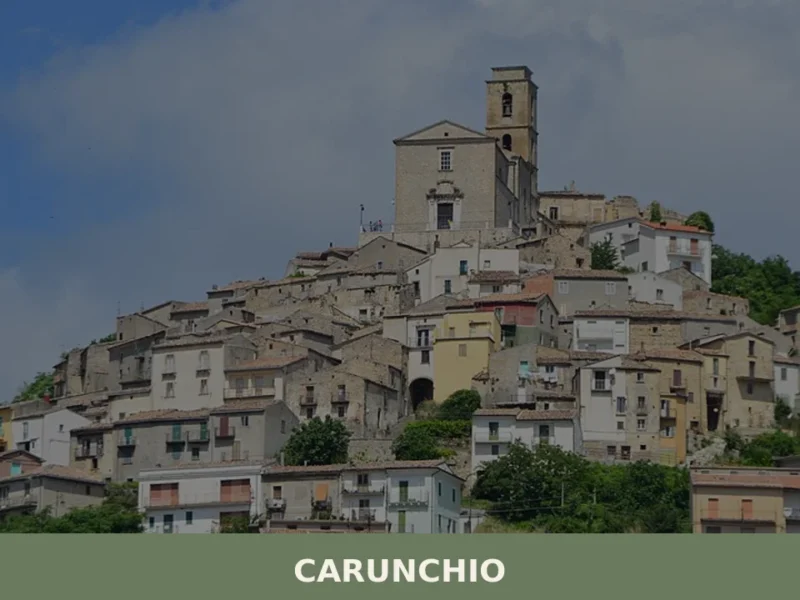
Carunchio is home to 565 inhabitants, spread along a ridge at 714 metres above sea level in the southern part of the province of Chieti, close to the border with Molise. The municipal territory extends between the Treste river and the Elce stream, two watercourses that have shaped the morphology of these clay hills over […]
Ari
Hills
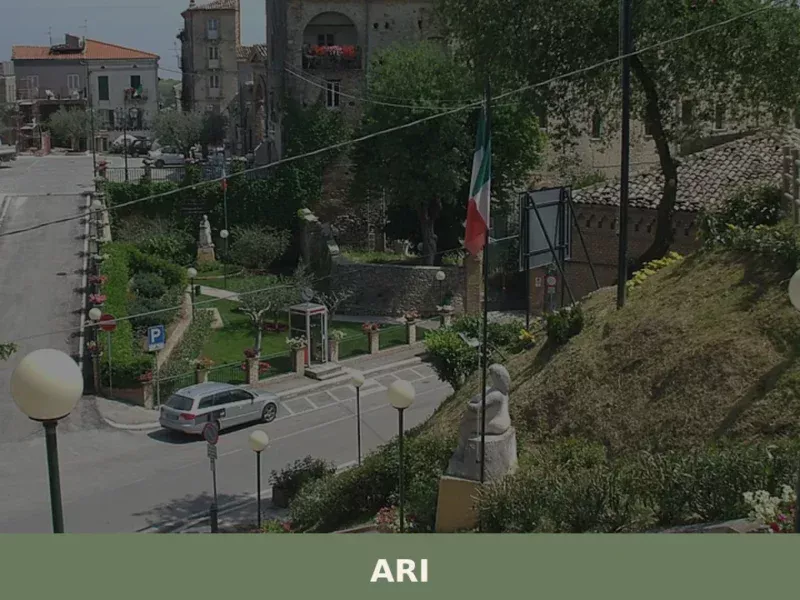
Ari has 1,071 inhabitants spread across a hilly area at 289 metres above sea level, in the strip of land that separates the Teatine coast from the first undulations of the Maiella massif. The municipality, in the province of Chieti, occupies a position that commands a view over the valley corridor of the Dendalo stream, […]
Molina Aterno
Mountain
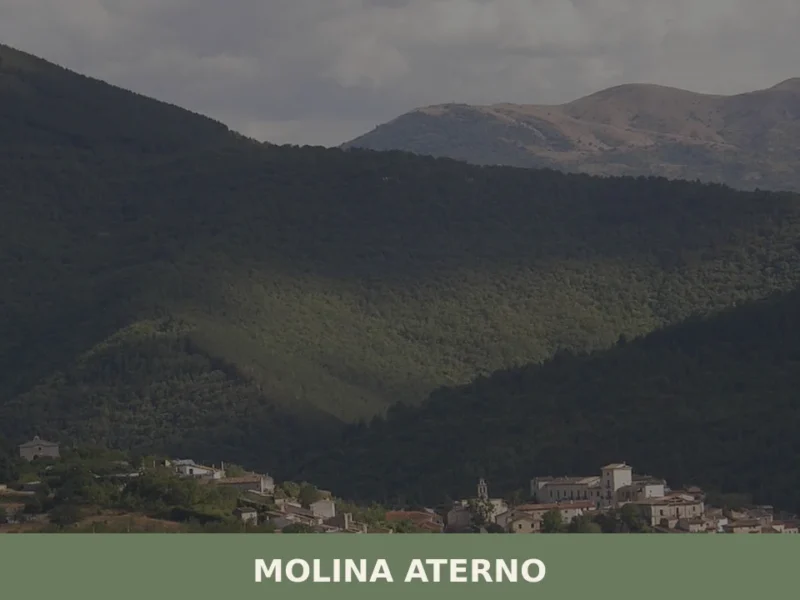
What to see in Molina Aterno, Italy: 3 historic monuments, a 12th-century church and a baronial palace. Discover how to get there and when to visit Abruzzo.
Bucchianico
Hills
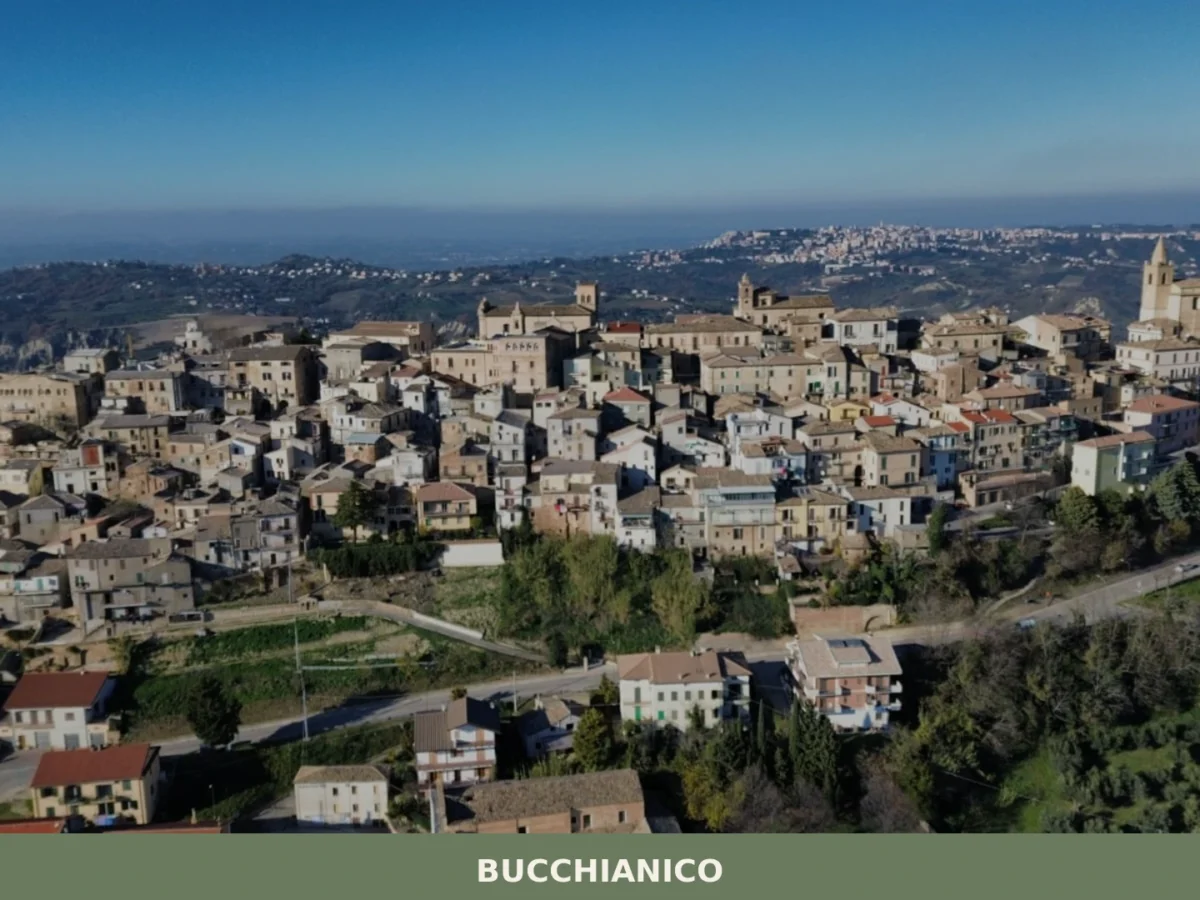
What to see in Bucchianico, Abruzzo, Italy: explore 5 top attractions, local olive groves, the legacy of Saint Camillus de Lellis. Discover the best of this Chieti hill town.
Fresagrandinaria
Hills
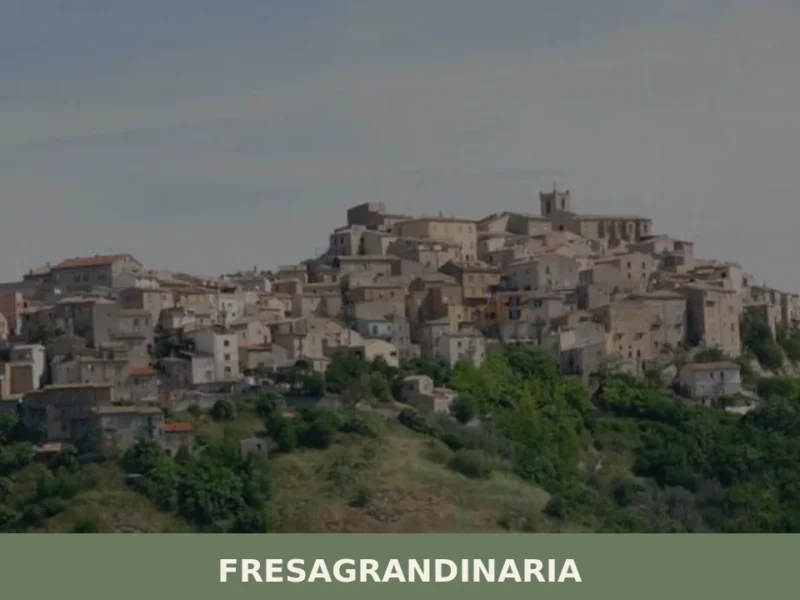
Nine hundred and twenty-three inhabitants, a hilltop ridge at 391 metres above sea level, and a double name that joins two distinct medieval communities: Fresa and Grandinaria, merged into a single settlement at least since the fifteenth century. Anyone arriving from the Treste valley floor immediately notices the compact outline of houses built in local […]



🏡 Know Capistrello better than we do?
If you’re a local or have been there, your knowledge matters: add what’s missing or fix a detail on this page.