


Rieti
 Hills
Hills
What to see in Rieti: from the medieval walls to the Cathedral, discover the top 5 attractions. Complete guide to visiting Rieti in one day.
Discover Rieti
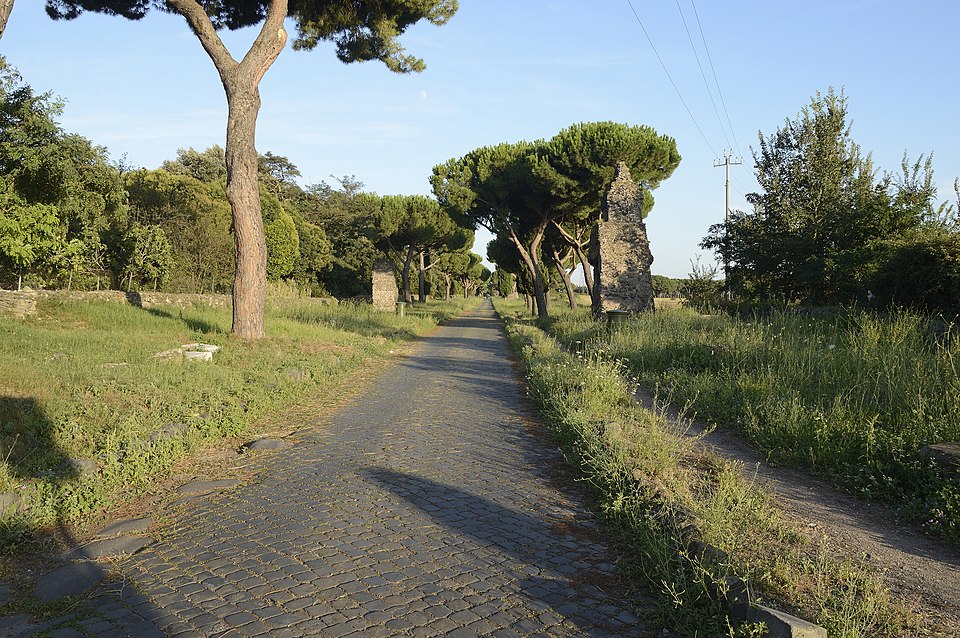
The stones of the Roman Bridge, although reduced to a few visible remains, evoke the long history of a settlement that the Sabines founded even before the expansion of Rome.
The city of Rieti today develops at 405 m above sea level, in the heart of the Rieti plain, surrounded by mountains that form a natural amphitheater.
This crossroads of cultures and geographies has shaped an urban fabric where the echo of the past merges with contemporary life, offering visitors a journey through different eras and architectural styles.
Those who wonder what to see in Rieti will discover a historic center that preserves the traces of a glorious past, from ancient Roman Reate to medieval and Renaissance splendor.
Among the main attractions are the Cathedral of Santa Maria Assunta, the imposing Papal Palace, and the evocative underground passages of Rieti Sotterranea.
With a population of 47,153 inhabitants, the city offers an authentic experience, allowing visitors to explore monuments of great value and immerse themselves in a context rich in history and traditions.
History and Origins of Rieti
The origins of Rieti are rooted in an era predating the founding of Rome, when the Sabines established an important settlement in the fertile Rieti plain.
The name itself, “Reate”, probably derives from “Rea”, a Sabine fertility goddess, testifying to a deep connection with the territory and its natural resources.
This ancient phase is characterized by the presence of a lake drained by the Romans in the 3rd century BC through the construction of the Marmore Falls, a work that profoundly altered the hydrography of the area and is still visible nearby today, influencing the life of local communities and facilitating agricultural development.
With the Roman conquest, which occurred in the 3rd century BC, Reate became a flourishing municipality, a strategic center along the Via Salaria, the ancient salt road connecting Rome to the Adriatic.
The city developed with a typical urban layout of the era, of which important testimonies remain, such as the Roman Bridge and the underground structure that today constitutes “Rieti Sotterranea”.
During the imperial period, the city prospered thanks to its position and the agricultural wealth of the plain, maintaining a significant role in central Italy, as attested by numerous archaeological finds and mentions in classical texts.
The Middle Ages saw Rieti at the center of disputes between the Papacy and the Empire, with the city asserting itself as a free commune in the 12th century.
During this period, the imposing city walls and the Cathedral were built, symbols of religious and civil power.
The city became a pontifical seat for several periods, hosting five popes and experiencing an era of great splendor, such as in the 13th century, when Pope Nicholas IV resided there for a long time.
This historical phase has left an indelible mark on Rieti’s architecture and urban planning, with stately palaces and churches that still today tell of that era of cultural and political fervor.
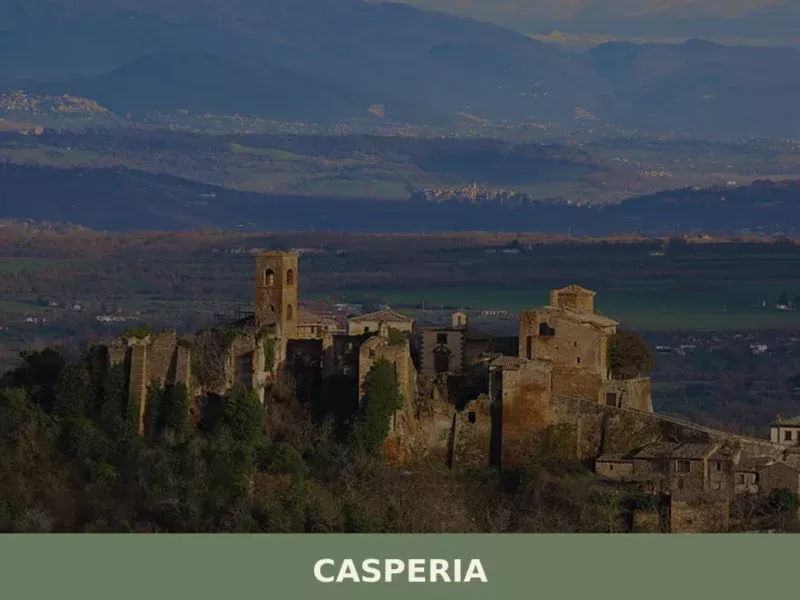
Nearby villages like Casperia, in the heart of Sabina, also share a historical legacy linked to papal dominations and communal dynamics, presenting similar architectures and traditions that reflect their common belonging to this Lazio region.
What to see in Rieti: Main Attractions
Cathedral of Santa Maria Assunta
The facade of the Cathedral of Santa Maria Assunta features a Romanesque portal that leads into a building of great historical and artistic value, whose construction began in the 12th century and then underwent several modifications in subsequent centuries.
Its current forms are the result of Baroque interventions that enriched the interiors, while preserving the imposing Romanesque bell tower, completed in 1252, which rises approximately 48 meters and is visible from much of the city.
Inside, the Cathedral houses valuable works of art, including frescoes and sculptures that narrate its long history and central role in the religious life of Rieti.
A particularly interesting element is the crypt, which preserves its original Romanesque structure and represents one of the most evocative places in the entire complex, with its columns and cross vaults.
Furthermore, the Chapel of Santa Barbara, dedicated to the city’s patron saint, is a significant example of Baroque architecture, with decorations and stuccoes that enhance its ornamental richness.
The Cathedral of Santa Maria Assunta is not only a place of worship, but a true treasure chest of history and art, inviting a careful discovery of its multiple architectural facets.
Visiting hours may vary, so it is advisable to consult the official website of the Diocese of Rieti for updated information.
Papal Palace (or Episcopal Palace)
Adjacent to the Cathedral, the Papal Palace of Rieti stands out with its elegant Loggia dei Papi (Loggia of the Popes), an architectural masterpiece built between 1283 and 1288, offering a panoramic view of the Rieti plain.
This building served as the residence for several pontiffs in the 13th century, including Pope Gregory IX and Pope Nicholas IV, and was the setting for significant historical events, such as the consecration of Saint Bonaventure as bishop.
Its robust and majestic stone walls tell centuries of ecclesiastical power and political influences that shaped the city’s destiny.
Inside the Palace, the Audience Hall preserves medieval frescoes which, although fragmentary, bear witness to the ancient decorative richness of the rooms, intended to host high ecclesiastical dignitaries and their courts.
The palace’s structure, with its internal courtyards and spacious halls, reflects the need to accommodate a large number of people and officials, typical of papal residences. Today, the Papal Palace often hosts cultural events and exhibitions, and some of its parts are accessible to the public, allowing visitors to admire its historical architecture up close.
First-time visitors to Rieti should include this complex in their itinerary to fully understand the city’s role in the Middle Ages.
Rieti Underground
Beneath Rieti’s modern urban fabric lies an evocative archaeological route known as Rieti Underground, an experience that allows visitors to walk along a section of the ancient Roman viaduct built in the 3rd century BC to channel the waters of the Velino River and reclaim the plain.
The imposing travertine arches, over 7 meters high, which supported the Via Salaria, are now visible thanks to skillful archaeological restoration.
This ingenious hydraulic and road system extended for about 130 meters beneath the current historic center, revealing advanced Roman engineering and the city’s stratigraphic depth.
The guided tour through these underground environments offers a unique perspective on Rieti’s history, showing how the city was built upon millennia-old foundations.
The stone walls, tunnels, and arches narrate a past of great public works and careful territorial management, elements that contributed to the prosperity of ancient Reate.
A visit to Rieti Underground is a tangible opportunity to experience the Roman legacy firsthand and understand the urban transformations that have occurred over the centuries.
Booking is required for access, and tours are regularly organized, offering a detailed narration of its function and construction.
Sanctuary of Fonte Colombo
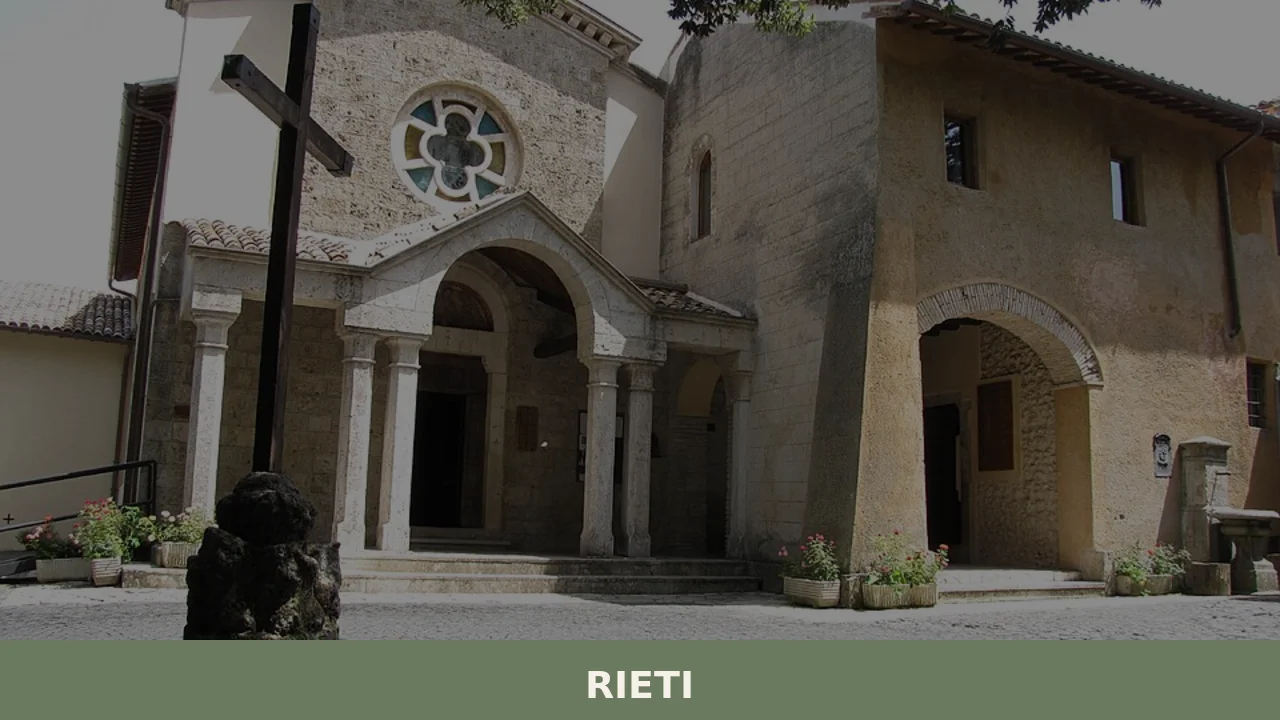
Nestled in the serene quiet of the Rieti Holy Valley, a few kilometers from the center of Rieti, lies the Sanctuary of Fonte Colombo, one of the four Franciscan sanctuaries dotting the area.
This sacred place, also known as the “Franciscan Sinai,” is particularly significant because it was here that Saint Francis of Assisi, in 1223, drafted the definitive Rule of the Order of Friars Minor, a foundational text for Franciscan spirituality.
The sanctuary consists of several historical environments, including the Grotto of Saint Francis, a narrow rock crevice where the Saint would retreat for prayer and penance, and the Chapel of the Magdalene, which preserves 15th-century frescoes.
The architecture of the complex is simple and austere, in line with the Franciscan spirit, and integrates perfectly with the surrounding landscape, characterized by woodl
The large centuries-old oak tree in the square in front of the sanctuary, with its imposing canopy, is a symbol of the peace and spirituality of the place.
A visit to Fonte Colombo offers a moment of reflection and allows visitors to retrace the stages of Saint Francis’ life, in a context of profound spirituality and natural beauty.
It is a place of pilgrimage and historical-artistic interest, easily reachable by car and with marked paths for those who wish to explore the Sacred Valley on foot.
Piazza San Rufo and the Umbilicus Italiae
In the heart of Rieti’s historic center lies Piazza San Rufo, a small open space that popular tradition identifies as the Umbilicus Italiae, the geographical center of the Italian peninsula. This belief, although lacking precise scientific evidence, is deeply rooted in local culture and has given rise to a particular marker stone indicating the exact spot, making it a curious and symbolic place for visitors.
The square is bordered by historic buildings that define its character, including the Church of San Rufo, whose sober facade conceals an interior rich in history and devotion.
The current church, of medieval origin, has been renovated multiple times over the centuries, acquiring its present appearance in the 18th century.
The intimate atmosphere of the square invites visitors to pause, allowing them to observe the daily life of the village and appreciate the surrounding architecture, which blends medieval and Renaissance elements.
The square’s paving, with its irregular stones, helps create a sense of authenticity and continuity with the past.
Visiting Piazza San Rufo means touching a symbolic point of Italian geography and immersing oneself in a characteristic corner of Rieti. This area is easily accessible on foot from other main attractions, making it a natural stop for those exploring the historic center.
Typical cuisine and products of Rieti
Rieti’s cuisine is the result of a long history of interactions between peasant culture and the influences of various dominations that have succeeded each other in the territory, with a strong imprint linked to local produce and animal husbandry.
The gastronomic tradition is based on simple but high-quality ingredients, favoring strong flavors and preparations that enhance local raw materials.
Rieti’s position, between the mountains and the fertile plain, has favored the development of a variety of dishes ranging from hearty first courses based on homemade pasta to meats and cheeses, with particular attention to extra virgin olive oil, produced in abundance in the surrounding Sabine hills, which plays a fundamental role in many recipes.
Among the typical dishes, Strangozzi, a long, thick pasta similar to umbricelli, are often served with hearty meat or porcini mushroom sauces, depending on the season.
Rieti-style Carbonara, while sharing its name with the more famous Roman recipe, sometimes features local variations that emphasize its territorial identity, using local guanciale and fresh eggs.
Another classic is Gricia, considered the ancestor of Amatriciana, prepared with guanciale, pecorino cheese, and black pepper, a dish that reflects the simplicity and richness of flavors from the pastoral tradition.
Legume soups, such as Spelt and Bean Soup, are also very common, especially in colder months, offering a substantial and nutritious meal.
The Rieti area boasts several certified products that are the flagship of its gastronomy.
Cacio fiore (PAT) is a fresh or semi-aged cheese, made from sheep’s milk, distinguished by its delicate yet characteristic flavor, and its main production municipalities include Rieti and other centers in the province.
Guanciale (PAT) is a cured meat obtained from pork jowl, used in many traditional recipes for its intense flavor and unique texture; production municipalities include Rieti and the surrounding areas.
Finally, the renowned Guanciale Amatriciano (PAT) is a distinctive product of the area, essential for preparing Amatriciana, and is produced specifically in the municipalities of Amatrice, Accumoli, and Cittareale, all within the province of Rieti, bearing witness to a charcuterie tradition of the highest level, recognized nationally.
For those wishing to purchase typical products or savor local cuisine, Rieti offers various markets and artisan shops in the historic center.
Throughout the year, especially in spring and autumn, festivals and fairs dedicated to local produce are held, such as those for olive oil or mushrooms, which represent an excellent opportunity to taste local specialties and meet local producers.
These events, often accompanied by music and folk performances, allow visitors to enjoy a complete gastronomic experience and appreciate the authenticity of Rieti’s traditions, contributing to the enhancement of the region’s food and wine heritage.
Festivals, events, and traditions of Rieti
Rieti’s cultural and social life is marked by a calendar of events rooted in local history and traditions, with the Feast of Saint Barbara as the central appointment.
Every year, on December 4th, the city celebrates its patron saint with a solemn procession involving religious and civil authorities, accompanied by musical bands and a parade of historical groups.
The statue of the Saint, carried on shoulders through the streets of the center, is the focal point of a heartfelt devotion that involves the entire community.
This day is also a moment of popular celebration, with markets, concerts, and shows animating the squares, often culminating in fireworks that light up the evening sky, creating an atmosphere of joy and sharing.
In addition to the patron saint’s feast, Rieti hosts other events throughout the year, albeit with less emphasis compared to the Saint Barbara celebration.
During the summer, the city offers cultural events, music festivals, and open-air theatrical performances, utilizing the evocative settings of its historic squares and gardens. Some historical re-enactments, though not on a fixed annual basis, celebrate Rieti’s medieval past, with costumed parades and tournaments that recreate atmospheres of bygone eras.
These occasions offer visitors the chance to immerse themselves in local traditions and discover a lesser-known side of the city, experiencing authentic moments and actively participating in the life of the Rieti community.
When to visit Rieti and how to get there
The best time to visit Rieti extends from spring to early autumn, particularly in the months of May, June, September, and October, when temperatures are mild and ideal for exploring the historic center and the surrounding natural areas.
Spring offers lush and blooming landscapes, perfect for excursions in the Valle Santa or around Lake Salto, while autumn brings warm colors and the opportunity to participate in festivals dedicated to seasonal products, such as mushrooms and chestnuts.
The summer months of July and August can be hot, but evenings are often cool and enlivened by outdoor events; however, it is also the busiest period.
Those seeking a quieter experience can opt for the low season, keeping in mind that some tourist services might have reduced hours.
To reach Rieti, the city is well-connected by both private and public transport.
Arriving by car, you can take the A1 motorway (Autostrada del Sole), exiting at Fiano Romano, from which you continue on the SS4 Salaria for about 50 km towards Rieti.
Alternatively, from the A24 motorway (Rome-L’Aquila), you can take the Valle del Salto or Rieti Est exit, then follow the signs for the city center. Rieti’s train station is mainly connected with Terni and L’Aquila, and from these cities, it is possible to reach Rome with transfers.
For those preferring to fly, the nearest airport is Rome Fiumicino (Aeroporti di Roma), about 100 km away, from which you can continue by train or shuttle bus services to Rome Tiburtina station, then take a direct bus to Rieti.
It is always useful to consult the official website of the Municipality of Rieti for updated information on local transport and events.
| Starting point | Distance | Estimated time |
|---|---|---|
| Rome | about 80 km | 1 hour and 30 minutes |
| L’Aquila | about 60 km | 1 hour |
| Terni | about 30 km | 30 minutes |
Where to stay in Rieti
Rieti offers various accommodation options for visitors wishing to explore the city and its surroundings, with choices ranging from lodging in the historic center to solutions more immersed in nature in the immediate vicinity.
In the heart of the city, you can find hotels and bed and breakfasts that allow you to reach the main attractions on foot and experience the atmosphere of the village.
These establishments are often located in restored historic buildings, offering a blend of modern comforts and historic charm.
For those who prefer a quieter stay and contact with the Lazio landscape, agriturismos and holiday homes offering rural hospitality can be found in the countryside surrounding Rieti, with the chance to taste local products and enjoy the tranquility of nature.
Many of these also offer swimming pools or outdoor activities, making the stay an opportunity to relax.
For an informed choice and to check availability, it is advisable to consult official tourism portals or the Municipality of Rieti’s website, which often provides a list of accredited accommodations in the area, including nearby villages like Colle di Tora, which can offer an interesting alternative for those seeking proximity to the lakes.
Those wishing to extend their exploration of Lazio and its wonders might consider extending their itinerary towards Latera, a village that, despite being in a different part of the region, shares with Rieti a rich historical heritage and culinary traditions tied to the land. Another option is Proceno, located on the border between Lazio and Tuscany, which offers a similar experience in terms of historic villages and rural landscapes, thus completing a journey through the diversity and beauty of the Lazio territory.
Frequently asked questions about Rieti
What is the best time to visit Rieti?
Spring (April–June) and early autumn (September–October) offer the most pleasant conditions, with mild temperatures ideal for exploring the historic center on foot. Summer is warm but manageable at 405 m altitude. A highlight of the calendar is the Feast of Santa Barbara, patron saint of Rieti, celebrated on 4 December with religious ceremonies centered on the Cathedral's Chapel of Santa Barbara. December also brings festive atmosphere to the city. Avoid August if you prefer quieter streets, though the city remains active year-round.
What are the historical origins of Rieti?
Rieti, ancient Reate, was founded by the Sabines before the rise of Rome. Its name likely derives from 'Rea', a Sabine fertility goddess. In the 3rd century BC the Romans drained the surrounding lake by constructing the Cascata delle Marmore and incorporated Reate as a thriving municipality along the Via Salaria. During the Middle Ages the city became a repeated papal residence, hosting five popes, including Nicholas IV, and asserting itself as a free commune in the 12th century, leaving a rich architectural heritage still visible today.
What to see in Rieti? Main monuments and landmarks
Key sites include: the Cathedral of Santa Maria Assunta (12th century, Romanesque bell tower 48 m, crypt, Chapel of Santa Barbara — check Diocese of Rieti website for hours); the adjacent Papal Palace with its Loggia dei Papi (1283–1288), open for visits and cultural events; Rieti Sotterranea, the Roman underground viaduct (3rd century BC, booking required, guided tours available); the Sanctuary of Fonte Colombo in the Holy Valley, where Saint Francis wrote the Franciscan Rule in 1223; and Piazza San Rufo, traditionally identified as the Umbilicus Italiae.
What are the main natural or scenic attractions near Rieti?
The Rieti plain is enclosed by mountains forming a natural amphitheater, offering scenic countryside walks. The most celebrated natural landmark nearby is the Cascata delle Marmore, created by the Romans in the 3rd century BC to drain the ancient lake — one of the tallest artificial waterfalls in Europe. The Rieti Holy Valley (Valle Santa), dotted with four Franciscan sanctuaries including Fonte Colombo, provides marked walking routes through woodland and serene landscape, easily reachable by car with footpaths connecting the sanctuaries.
Where to take the best photos in Rieti?
The Loggia dei Papi of the Papal Palace offers a sweeping panoramic view over the Rieti plain and surrounding mountains — one of the most photographed vantage points in the city. The Romanesque bell tower of the Cathedral of Santa Maria Assunta dominates the skyline and frames beautifully from Piazza Cesare Battisti. Piazza San Rufo, with its marker stone indicating the Umbilicus Italiae, provides an intimate historic scene. The travertine arches of Rieti Sotterranea offer dramatic underground photography for those on a guided tour.
Are there museums, churches or historic buildings to visit in Rieti?
Yes. The Cathedral of Santa Maria Assunta houses frescoes, sculptures, a Romanesque crypt, and the Baroque Chapel of Santa Barbara — visit hours via the Diocese of Rieti website. The Papal Palace (also called Episcopal Palace) preserves medieval frescoes in its Audience Hall and hosts exhibitions; parts are open to the public. Rieti Sotterranea requires advance booking for guided tours of its Roman viaduct. The Church of San Rufo on the eponymous piazza is another historic place of worship of medieval origin, renovated in the 18th century.
What can you do in Rieti? Activities and experiences
Visitors can join guided underground tours of Rieti Sotterranea to explore Roman engineering firsthand (booking required). Walking the Rieti Holy Valley connects four Franciscan sanctuaries including Fonte Colombo, with marked trails through woodland. The Cascata delle Marmore nearby offers timed waterfall viewings. The city's historic center rewards leisurely exploration on foot. On 4 December, the Feast of Santa Barbara draws pilgrims and locals to religious ceremonies. The surrounding plain and Sabine hills are well suited to cycling and rural agritourism experiences.
Who is Rieti suitable for? Families, couples, hikers, solo travelers?
Rieti suits a wide range of visitors. History enthusiasts and culture lovers will appreciate the Cathedral, Papal Palace, and Roman underground. Couples seeking a quiet, authentic Italian city break benefit from the intimate historic center and scenic plain views. Families can combine city monuments with a trip to the Cascata delle Marmore. Hikers and pilgrims are drawn to the Rieti Holy Valley's Franciscan sanctuaries and woodland trails. Solo travelers find an unpretentious, lived-in city of nearly 45,000 inhabitants with genuine local life and manageable distances between key sights.
What to eat in Rieti? Local products and specialties
Rieti sits in the heart of Sabina, a territory celebrated for its extra virgin olive oil — Sabina DOP is one of Italy's oldest protected designation of origin olive oils. Local pasta dishes feature hand-rolled formats typical of Lazio's inland cuisine. The area also produces legumes, including lentils from the Leonessa plateau nearby. Agnello (lamb) preparations are traditional in this Apennine zone. Visitors should seek out local trattorias in the historic center to sample authentic Sabino-Laziale home cooking alongside regional wines from the Lazio hills.
📷 Photo Gallery — Rieti
Nearby Villages near Rieti
In Lazio More villages to discover
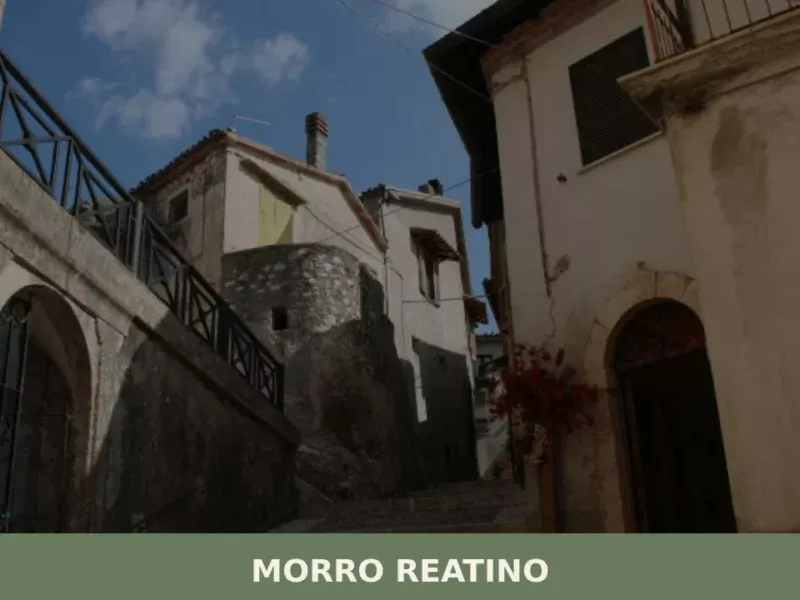
Morro Reatino
 Mountain
What to see in Morro Reatino: a village at 750 m in Rieti with 353 residents. Visit the medieval church of San Lorenzo, the historic centre, and discover PAT-certified guanciale amatriciano.
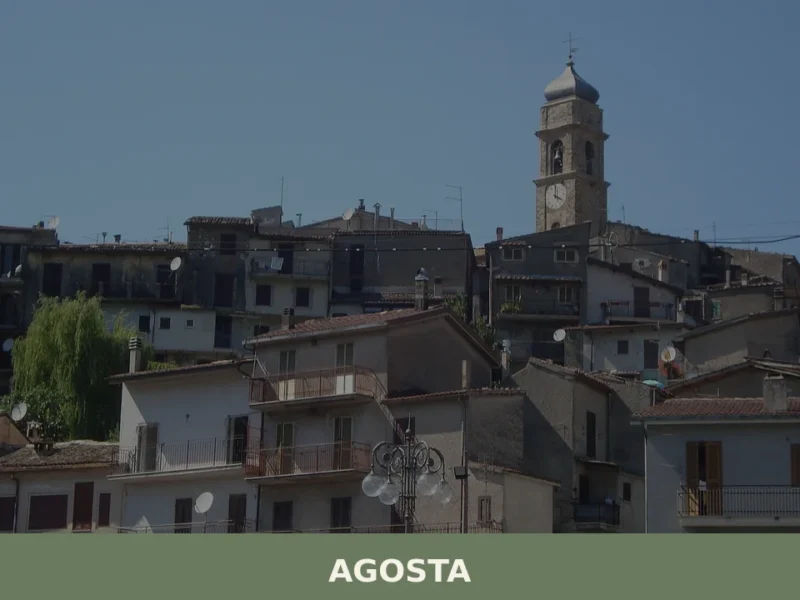
Agosta
Hills
A block of tuff rock rises above the Aniene valley in the Monti Simbruini area, and on its crown sits a tight cluster of stone buildings at 382 m (1,253 ft) above sea level. The Arch of the Cardinal still stands near the point where a bridge once crossed the Aniene river, its masonry dated […]
Tessennano
Hills
In the heart of Viterbo’s Tuscia region, 302 meters above sea level, lies Tessennano, a settlement with 284 residents. Its hillside location, distant from major thoroughfares, has defined its profile through the centuries. For those wondering what to see in Tessennano, the village presents a historical layering perceptible in its architecture. The settlement develops around […]
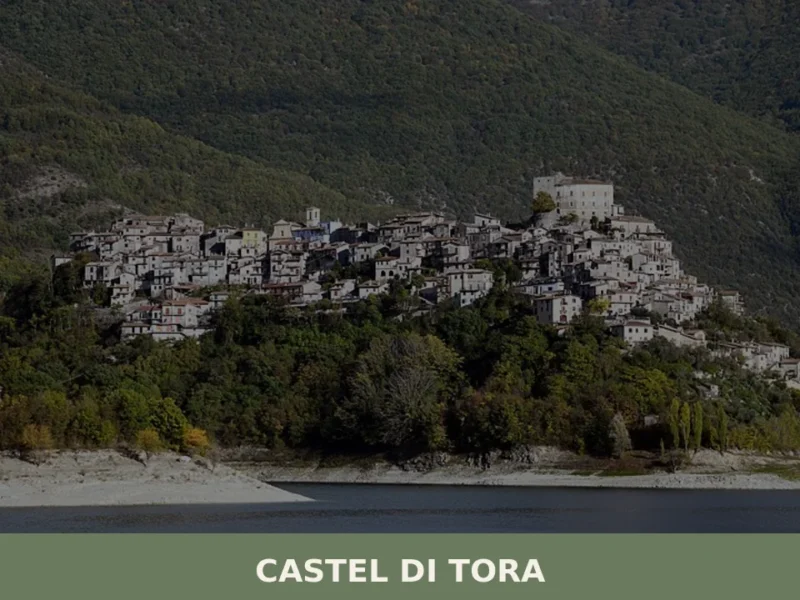
Castel di Tora
 Lake
Mountain
Lake
Mountain
What to see in Castel di Tora: medieval village at 607 m above Lago del Salto, 292 residents, 3 PAT-certified products. Plan your visit with our complete guide.
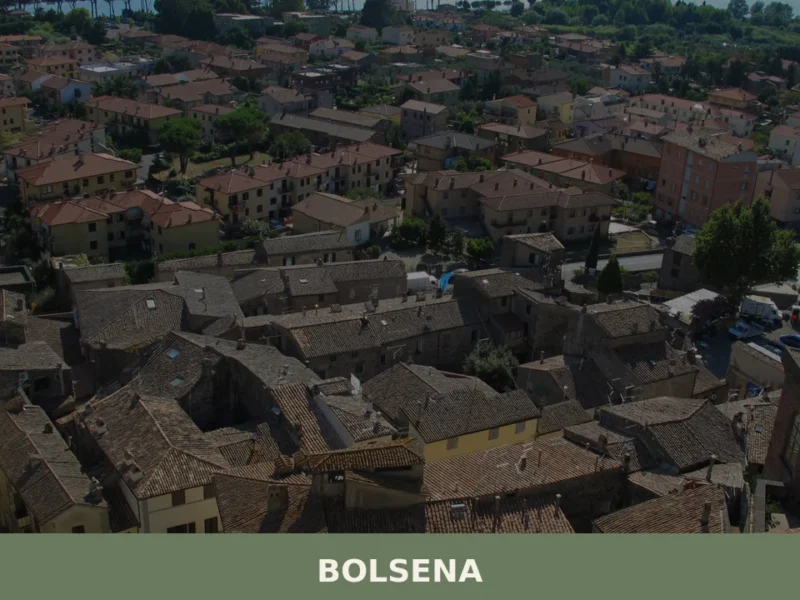
Bolsena
Hills
Lake
What to see in Bolsena, Lazio, Italy: the 1263 Eucharistic Miracle, Basilica of Santa Cristina, Lake Bolsena at 350 m. Discover history, food and how to get there.
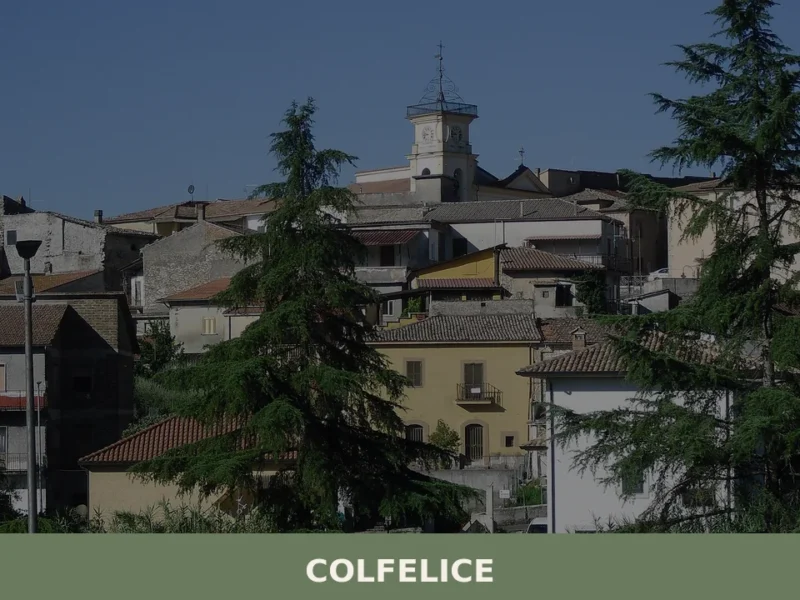
Colfelice
 Plains
What to see in Colfelice, Lazio, Italy: 1,910 inhabitants, 158 m altitude, 100 km from Rome. Discover the feast of San Gaetano and the Liri Valley plain. Read more.
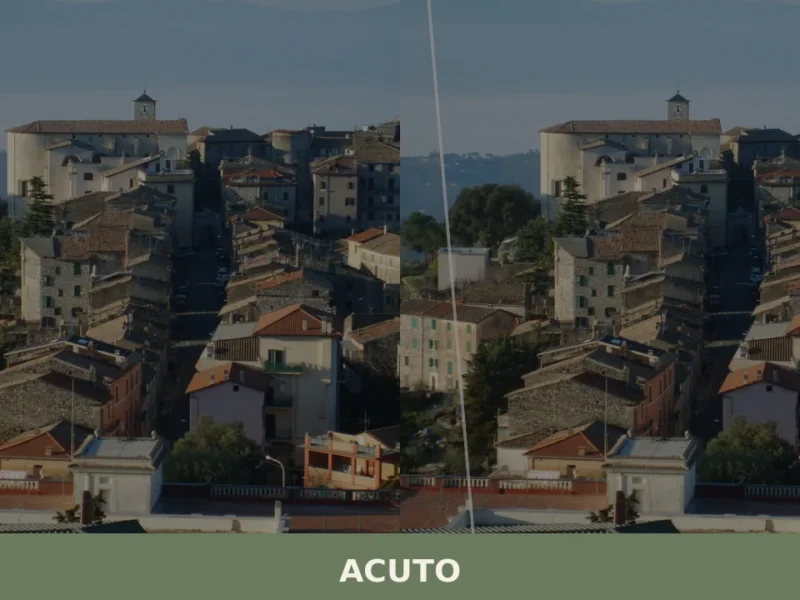
Acuto
Mountain
What to see in Acuto, Lazio, Italy: explore a hilltop village at 680 m with the birthplace of a Catholic founder and Monti Ernici views. Discover it all here.
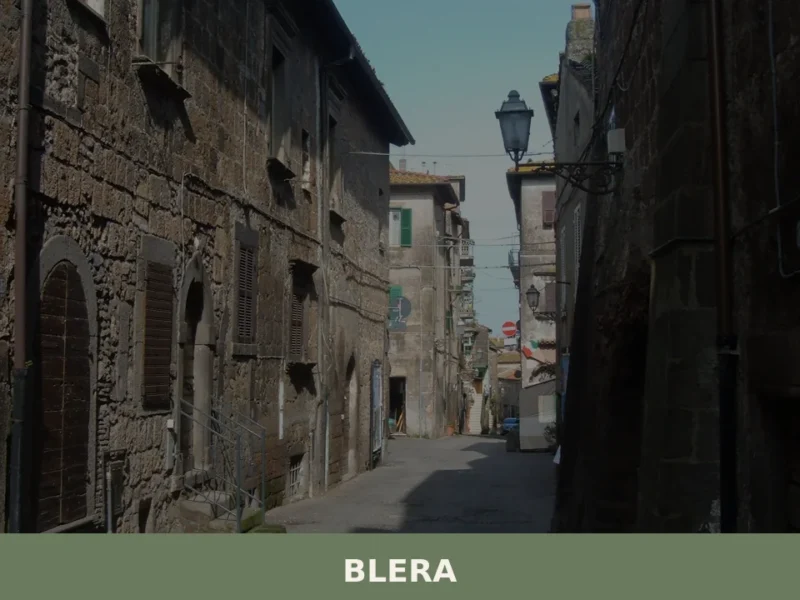
Blera
Hills
What to see in Blera, Lazio, Italy: Etruscan rock tombs, Via Clodia bridges, and a town at 270 m altitude. Explore history, food, and travel tips. Discover now.
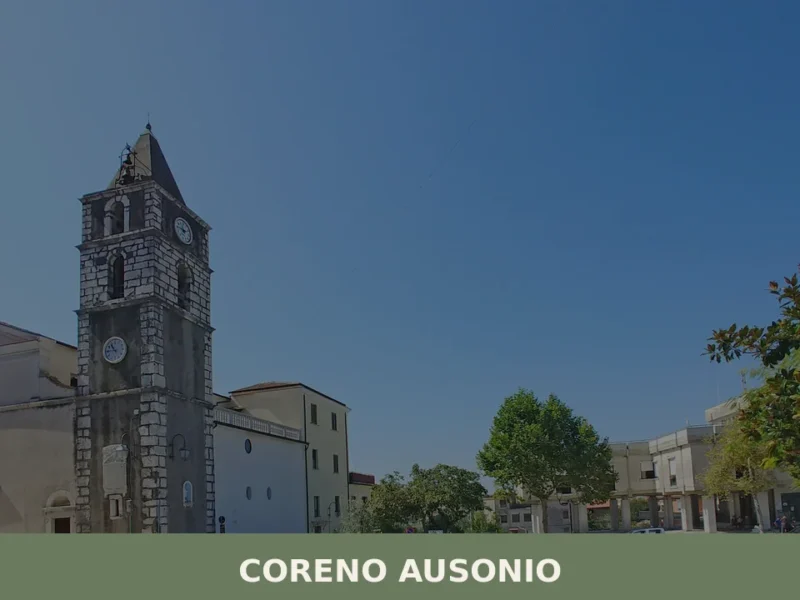
Coreno Ausonio
Hills
What to see in Coreno Ausonio, Italy: explore a village at 318 m with an 8th-century BC grotto, local festivals and hill scenery. Discover the complete guide.
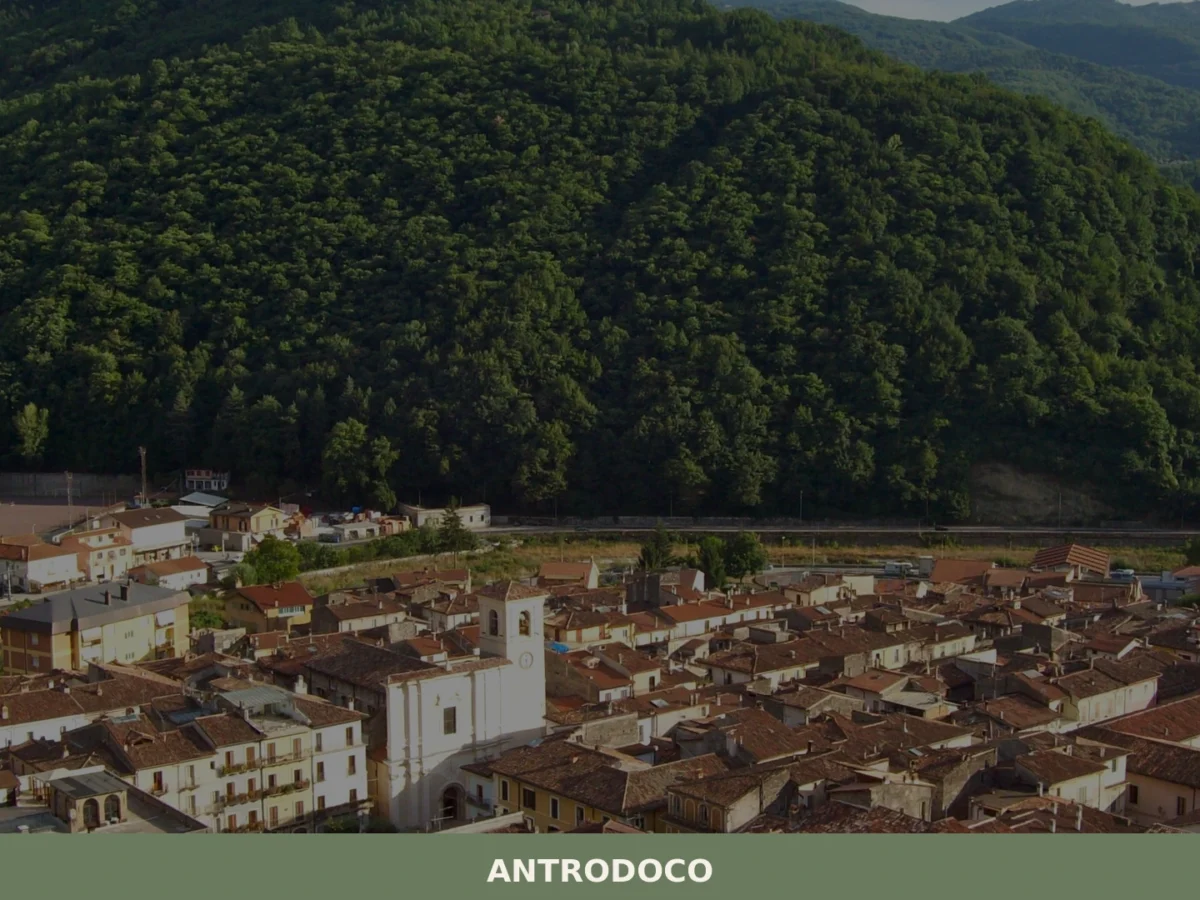
Antrodoco
Hills
What to see in Antrodoco: discover the 5 main attractions, the history of this Lazio village and how to plan your visit. A complete guide for your itinerary.
🏡 Know Rieti better than we do?
If you’re a local or have been there, your knowledge matters: add what’s missing or fix a detail on this page.