


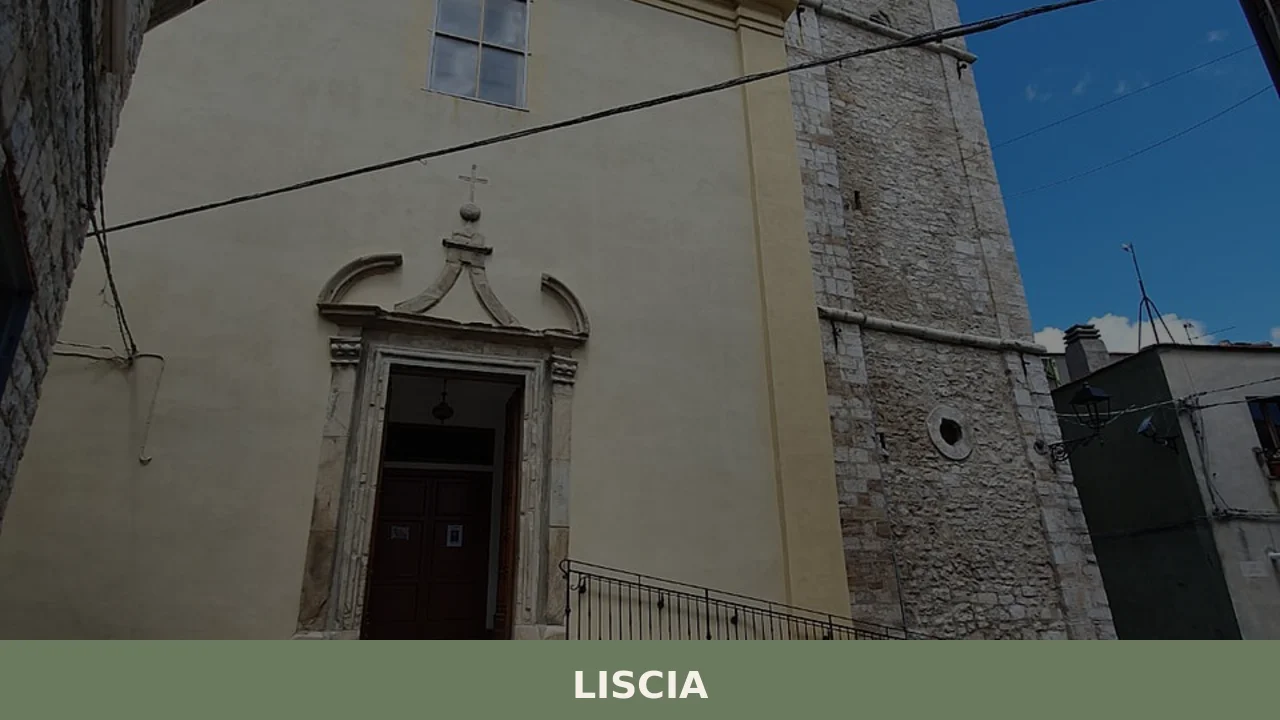
Liscia
 Mountain
What to see in Liscia: 642 residents, alt. 740 m. Discover Saint Michael’s Church and arrosticini! Explore history and cuisine.
Discover Liscia
At 740 meters above sea level, Liscia emerges as a small village in Abruzzo with 642 residents, offering a variety of cultural and natural experiences. Located in the province of Chieti, Liscia promises rich historical and architectural exploration. This detailed guide explores what to see in Liscia, from its most fascinating attractions to culinary traditions and local events.
Get ready to discover what makes this corner of Abruzzo unique, from ancient towers to certified local products that will delight your palate.
History and Origins of Liscia
The origins of Liscia are lost in time, offering a historical perspective that is worth exploring.
During the Middle Ages, the village was influenced by the powers that dominated Abruzzo, followed by periods of greater autonomy and local development. Like many other towns in the region, Liscia experienced the complex dynamics of local lordships and various monastic orders that administered its lands. Its proximity to places like Fano Adriano can offer insights into historical affinities related to the Abruzzo territory.
The name “Liscia” probably derives from an ancient Latin or dialect term indicating the conformity of the landscape, although the exact origins are still under study. Historical documentation refers to a significant population increase between the 18th and 19th centuries, when the local economy was primarily based on agriculture and livestock.
The village’s location has always played a fundamental role in its economic fortunes, closely linked to the area’s agricultural and pastoral activities.
In modern times, Liscia has managed to preserve and enhance its history, while addressing contemporary challenges like depopulation and industrialization.
Cultural events and local festivals today aim to reclaim the village’s identity, involving the community both locally and internationally. An example of this cultural revival is the feast of the patron saint, Saint Michael the Archangel, celebrated on September 29 and May 8, which continues to attract visitors and devotees.
What to see in Liscia: Main Attractions
Church of Saint Michael the Archangel
The Church of Saint Michael the Archangel is undoubtedly the most important attraction in Liscia. Situated in the heart of the village, it probably dates back to the 13th century and represents an extraordinary example of Abruzzese religious architecture.
Inside, you can admire historical frescoes and wooden sculptures that tell stories of faith and devotion.
The church is the center of the patronal celebrations, contributing to a strong sense of community.
Civic Tower
Built in the 17th century, Liscia’s Civic Tower not only serves as a landmark for residents but is also a symbol of identity for the village. Climbing to its top, you will be rewarded with panoramic views of the surroundings. It is a perfect opportunity to better understand the configuration of the territory and its historical evolution.
Majella Natural Park
If you are a nature lover, not far from Liscia, you can explore Majella Natural Park. Although not located directly within the village, it offers hiking and outdoor activities for those interested in exploring the exceptional biodiversity of the Abruzzo region. It is an excellent option for those wishing to combine culture and nature in their visit to Liscia.
Municipal Building
Another point of interest is the Municipal Building of Liscia. This building, although not of imposing size, has significant historical value.
Located in the central square, the building represents the administrative heart of the community and also hosts local events and cultural meetings.
It is worth visiting to understand the daily life of Liscia’s inhabitants.
Historical Fountains
Various historical fountains scattered throughout the village are worth a visit. Testaments to ancient hydraulic engineering, these sources have been vital to the daily lives of Liscia’s residents over the centuries. Strolling among these fountains is a way to connect with the village’s past and appreciate the simple yet functional works of art that adorn the streets.
Typical Cuisine and Products of Liscia
The gastronomic tradition of Liscia is strongly influenced by the abundance of local agricultural and pastoral products, a common feature in the villages of Abruzzo. The recipes you find here often date back several generations and preserve authentic flavors that tell stories of family and community. Liscia’s cuisine is simple yet rich, founded on the use of fresh, seasonal ingredients.
When talking about what to see in Liscia, one cannot forget the pleasure of food.
Among the typical dishes, the arrosticini stand out, small skewers of sheep meat, grilled and served with fresh bread.
Another symbolic dish is capra alla neretese, a goat stew with rich and aromatic flavors that reflect the essence of local cuisine.
Abruzzo boasts numerous certified typical products. Among these, the Abruzzese Caciocavallo (PAT) — common in: Sulmona, Chieti, Lanciano, known for its unique flavor, is a cheese that perfectly fits into Liscia’s traditional cuisine. Additionally, do not forget the Tomato Preserves (PAT) — common in: Sulmona, Pescara, Chieti, used in various traditional Abruzzese dishes.
Culinary events like festivals and fairs are prime moments to savor these products. Of particular significance is the festival dedicated to the red garlic of Sulmona, held every summer, attracting numerous tourists and agro-food enthusiasts. During these events, you have the unique opportunity to discover an essential part of the local culture.
Festivals, Events, and Traditions of Liscia
In Liscia, the celebrations of the patron saint Saint Michael the Archangel are particularly significant.
Festivities take place on September 29 and May 8 with religious rites, processions, and leisure activities involving the entire community.
These events are a living testament to the devotion and community spirit that animates Liscia.
Alongside the patronal celebrations, other events enrich the cultural calendar of the village. In spring and summer, various fairs and festivals celebrate the region’s flavors and typical products. The strong connection to farming traditions is also evident during autumn festivals, highlighting the harvest and local pastoral traditions.
When to Visit Liscia and How to Get There
Due to its mountainous climate, Liscia is ideal to visit in the spring and summer months, when temperatures are milder and the landscape offers the best of its wildlife and flora. However, lovers of traditional festivals find in September and May a special occasion to discover the local culture during the patronal celebrations.
To reach Liscia by car, you can take the A14 motorway and exit at the Vasto Nord toll, continuing for about 50 km.
Those preferring public transport can take a train to Vasto-San Salvo and then continue with a local bus service.
For travelers coming from afar, the nearest airport is in Pescara, about 80 km away, with an estimated travel time of one hour. Further transportation details can be found on the official Trenitalia portal.
Where to Stay in Liscia
Regarding accommodation, visitors to Liscia can find various options near the village. Although the village does not offer a wide range of hospitality facilities, nearby locations feature welcoming farmhouses and bed & breakfasts, ideal for those seeking a relaxing stay.
Guests can enjoy a genuine experience, immersed in the natural landscape and tranquility of the Abruzzese countryside.
Those visiting Liscia can extend their itinerary to Casacanditella, which shares the same focus on typical products and cultural heritage, offering an enriching experience in the heart of Abruzzo.
Curiosities Related to Liscia and Its Surroundings
Besides the well-known attractions and events, Liscia offers a series of curiosities that can enrich the visitor’s experience.
For example, the village is known for ancient legends concerning local historical figures and stories related to the medieval era. These stories are often told during traditional festivals, allowing participants to immerse themselves in the village’s past through oral tales passed down from generation to generation.
Not far from Liscia, continue your journey to Fano Adriano, another fascinating village in Abruzzo.
Sharing the same mountainous climate and passion for traditional Abruzzese culture, Fano Adriano offers nature itineraries that complement the cultural experience initiated in Liscia.
Additionally, those interested in geography and natural beauty might appreciate a walk along the trails that cross the surrounding hills.
This environment was once an important passage area for shepherds and travelers, contributing to the development of a rich pastoral tradition still visible in the village’s agricultural and food practices.
Finally, an often overlooked but equally fascinating aspect of Liscia is its evening atmosphere, when the village lights illuminate the streets and squares, creating an ideal setting for a romantic dinner or a relaxing walk.
It is an excellent opportunity to experience the village differently and savor its tranquil lifestyle away from the city’s hustle.
For those wishing to complete their tour in Abruzzo, considering a visit to Cagnano Amiterno might be a great idea. Also a village rich in history and traditions, it can offer further opportunities for cultural and natural explorations, enhancing your travel itinerary.
Frequently asked questions about Liscia
What is the best time to visit Liscia?
The best time to visit Liscia is during the spring and summer months, when the mountainous climate offers milder temperatures, perfect for enjoying the local flora and fauna. However, for those keen on experiencing authentic traditions, May and September are particularly significant. The village celebrates its patron saint, San Michele Arcangelo, on both May 8th and September 29th, with religious rites, processions, and community events that offer a deep dive into local culture. These periods also often feature fairs and festivals celebrating regional products.
What to see in Liscia? Main monuments and landmarks
In Liscia, visitors can explore several key landmarks. The Church of Saint Michael the Archangel, dating back to the 13th century, stands as a prime example of Abruzzese religious architecture, housing historical frescoes and wooden sculptures. The 17th-century Civic Tower offers panoramic views of the surrounding landscape, providing a unique perspective on the territory. Other points of interest include the historic Municipal Building, located in the central square, and various ancient fountains scattered throughout the village, testament to its past hydraulic engineering.
What are the main natural or scenic attractions of Liscia?
For nature enthusiasts, Liscia offers access to beautiful natural scenery. Although not directly within the village, the nearby Majella Natural Park provides excellent opportunities for hiking and outdoor activities, allowing visitors to explore Abruzzo's rich biodiversity. Closer to the village, you can enjoy relaxing walks along the trails that cross the surrounding hills, which were historically important passages for shepherds. These routes offer serene landscapes and a chance to connect with the region's pastoral heritage.
Where to take the best photos in Liscia?
For memorable photographs in Liscia, head to the top of the Civic Tower. From there, you'll capture breathtaking panoramic views of the village and the surrounding Abruzzese landscape. The ancient historical fountains scattered throughout the village also offer quaint and picturesque backdrops. In the evenings, the village lights illuminate the streets and squares, creating a charming and romantic atmosphere ideal for unique nocturnal shots. Additionally, the trails crossing the surrounding hills provide excellent opportunities for landscape photography.
Are there museums, churches or historic buildings to visit in Liscia?
Yes, Liscia features several significant historic buildings. The most prominent is the Church of Saint Michael the Archangel, an extraordinary example of 13th-century Abruzzese religious architecture, adorned with historical frescoes and wooden sculptures. The 17th-century Civic Tower is another notable structure, offering historical insight and scenic views. The Municipal Building, located in the central square, holds historical value as the administrative heart of the community. While there are no museums mentioned, these sites provide a rich cultural and historical experience.
What can you do in Liscia? Activities and experiences
In Liscia, you can immerse yourself in cultural exploration by visiting the ancient Church of Saint Michael the Archangel and climbing the Civic Tower for panoramic views. Nature lovers can enjoy hiking and outdoor activities in the nearby Majella Natural Park or take relaxing walks along the trails in the surrounding hills. Gastronomy is a key experience, with opportunities to savor traditional dishes like arrosticini and capra alla neretese, especially during local festivals. Experiencing the village's evening atmosphere with a relaxing stroll or dinner is also highly recommended.
Who is Liscia suitable for? Families, couples, hikers, solo travelers?
Liscia is an ideal destination for various types of travelers. It appeals to those seeking tranquility and a peaceful escape from city life, including couples looking for a romantic getaway. Its rich history and cultural sites make it perfect for history buffs and cultural explorers. Nature lovers and hikers will appreciate the proximity to Majella Natural Park and the scenic trails in the surrounding hills. Families can enjoy the calm atmosphere and authentic local experiences, while solo travelers will find a welcoming community and opportunities for serene exploration.
What to eat in Liscia? Local products and specialties
Liscia's cuisine is deeply rooted in local agricultural and pastoral traditions. Must-try specialties include the famous arrosticini, small skewers of grilled sheep meat, and capra alla neretese, a rich goat stew. The area is also known for certified typical products such as Abruzzese Caciocavallo (PAT), a distinctive cheese, and Tomato Preserves (PAT), used in many traditional dishes. Culinary events and festivals, like the summer festival dedicated to the red garlic of Sulmona, offer prime opportunities to savor these authentic flavors.
Nearby Villages near Liscia
In Abruzzo More villages to discover
Furci
 Hills
Hills
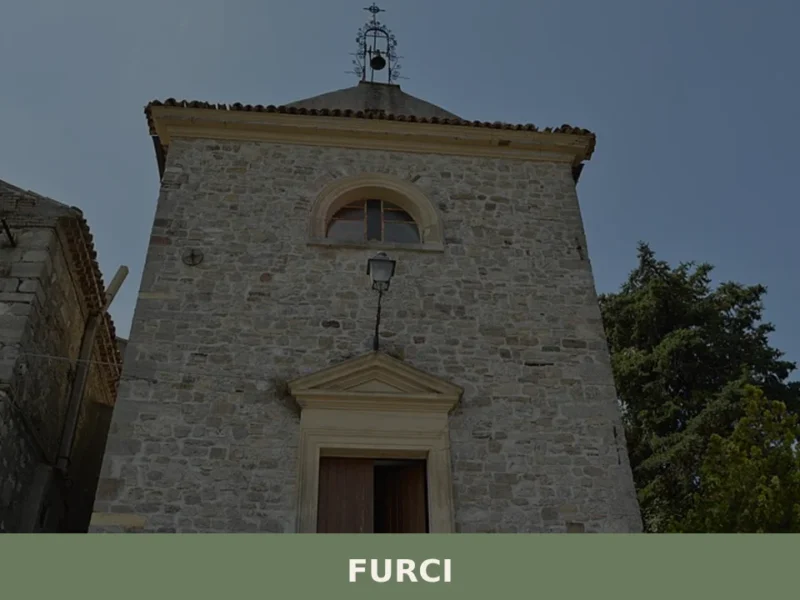
Furci has 806 inhabitants and sits at 550 metres above sea level, along the hill ridge that separates the Sinello valley from the Treste stream valley, in the southern part of the province of Chieti. Anyone looking into what to see in Furci will find a compact urban centre, organised around the main church and […]
Magliano de’ Marsi
Mountain
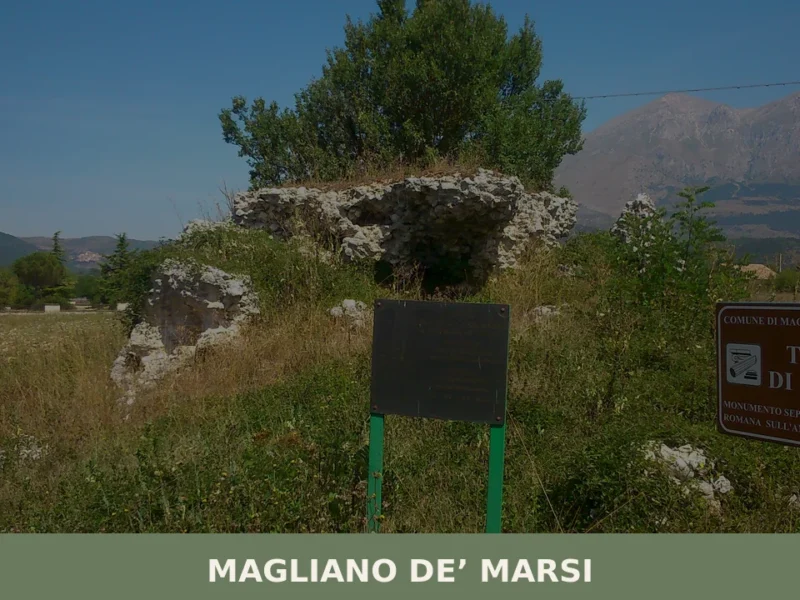
Magliano de’ Marsi has 3,739 inhabitants and extends along the western slope of the Fucino Plain, in the province of L’Aquila, at an altitude of approximately 720 metres. The town lies along the route that once connected Rome to the Adriatic coast through the Marsica basin, and its urban layout still bears the marks of […]
Lettopalena
Mountain
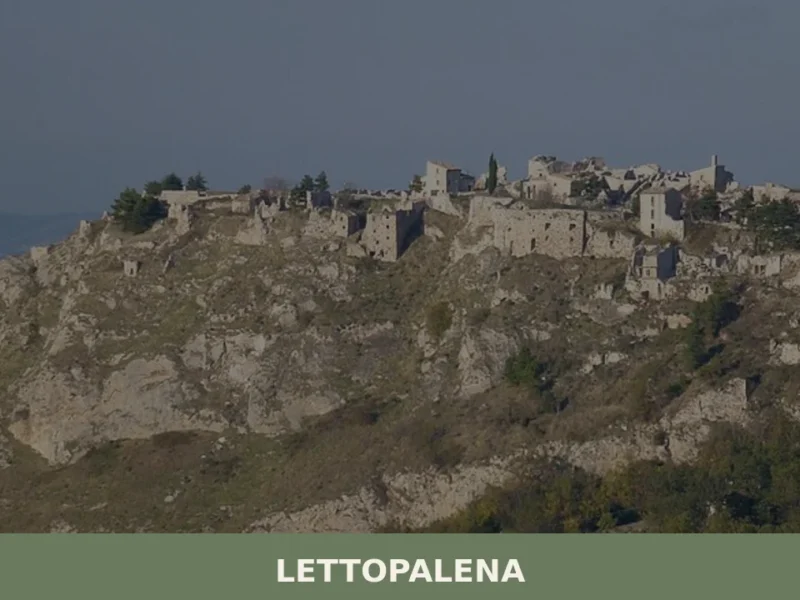
Discover the charm of Lettopalena Village in Abruzzo, Italy. Explore its rich history, culture, and scenic beauty. Plan your visit to this hidden Italian gem today!
Balsorano
Hills
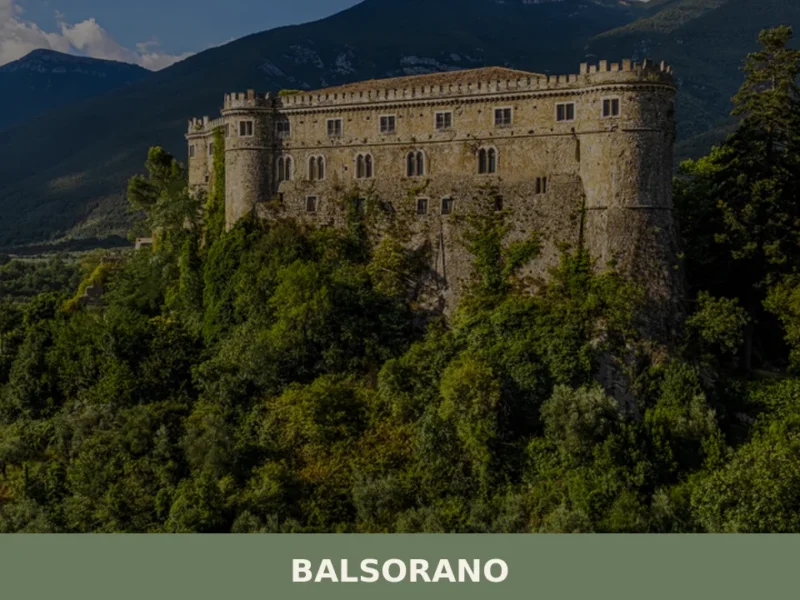
The Val Roveto divides southern Abruzzo from Lazio along a fault line that has determined earthquakes, migrations and feudal borders for over seven centuries. Balsorano occupies the valley floor and the hillside at 340 metres above sea level, with its 3,617 inhabitants spread between the upper historic centre — Balsorano Vecchio — and the modern […]
Roccacasale
Mountain
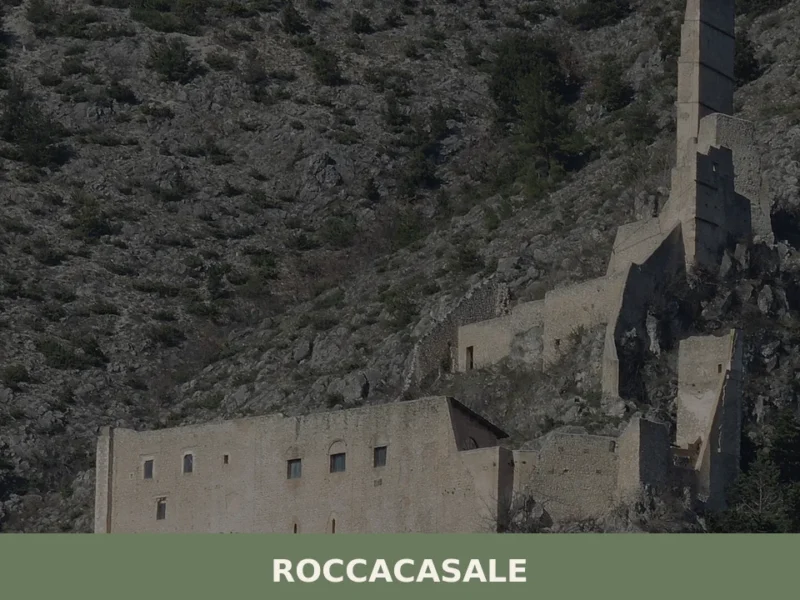
What to see in Roccacasale, Italy: a medieval village of 712 inhabitants above the Peligna Valley. Discover the 1579 church, castle ruins and local cuisine.
Celenza sul Trigno
Mountain
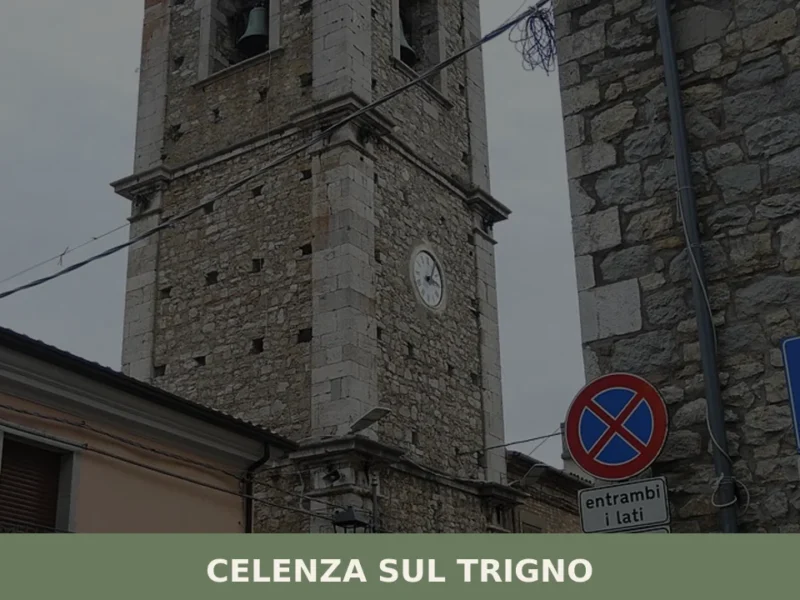
At 646 metres above sea level, with 781 registered residents, Celenza sul Trigno occupies a ridge separating the Trigno river valley from the Treste stream, in the province of Chieti. The village appears in medieval documents as a Norman possession, and its urban layout preserves the concentric plan typical of 12th-century fortified settlements. Anyone wondering […]
Campo di Giove
Mountain
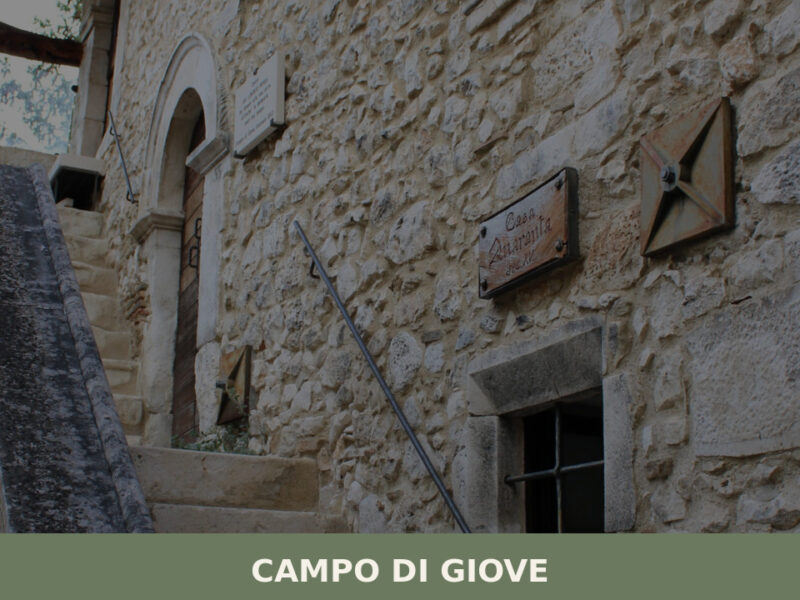
A mountain village at 1,064 metres beneath the Majella massif. Discover what to see in Campo di Giove — medieval stone houses, highland pastures, and quiet trails.
Treglio
 Plains
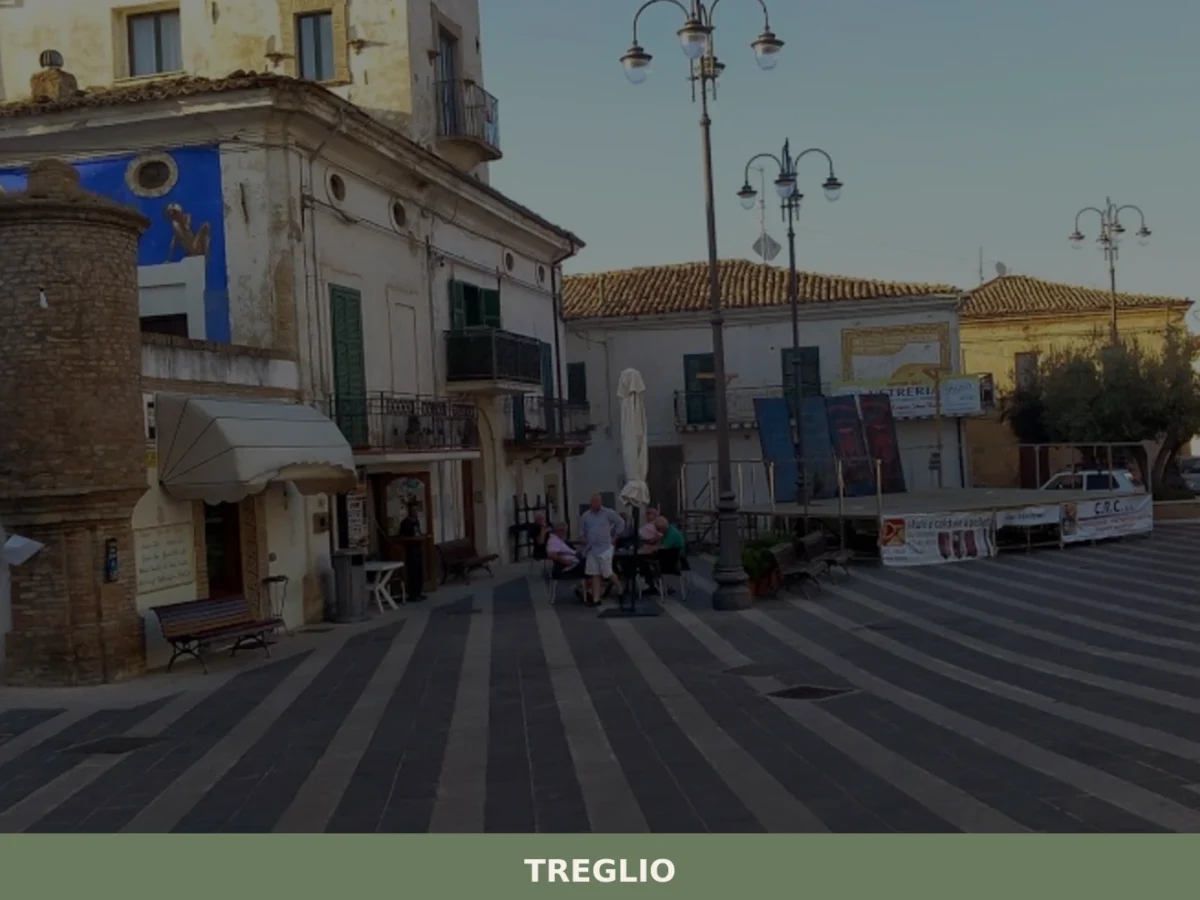
What to see in Treglio? Explore the 5 main attractions of this village in Abruzzo. Discover the complete guide for your visit!
Casacanditella
Hills
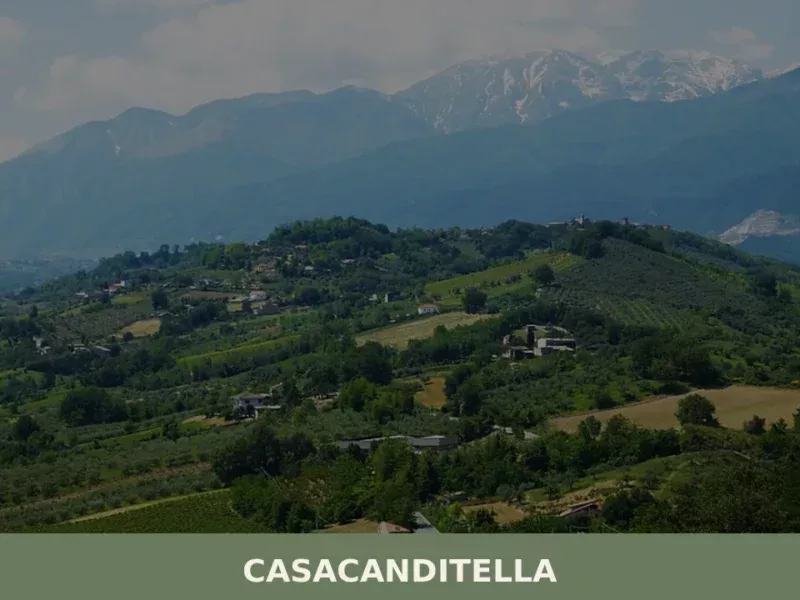
At 432 metres above sea level, on the eastern slope of the Majella descending towards the Foro river valley, Casacanditella has 1,169 inhabitants and a municipal territory that extends entirely across hilly terrain in the province of Chieti. Anyone wondering what to see in Casacanditella will find a compact urban centre, a church dedicated to […]
Nocciano
Hills
What to see in Nocciano? Discover the 5 must-see attractions of this historic village in Abruzzo, from the Castle to the old town. Plan your visit!




🏡 Know Liscia better than we do?
If you’re a local or have been there, your knowledge matters: add what’s missing or fix a detail on this page.