


Villalfonsina
 Hills
Hills
Villalfonsina has 895 inhabitants and sits at 203 metres above sea level, on a hillside terrace overlooking the coastal plain of the central Adriatic, in the province of Chieti. Its name carries a precise historical reference: the dedication to a feudal lord of the d’Avalos family, Alfonso, who left a lasting mark on the village […]
Discover Villalfonsina
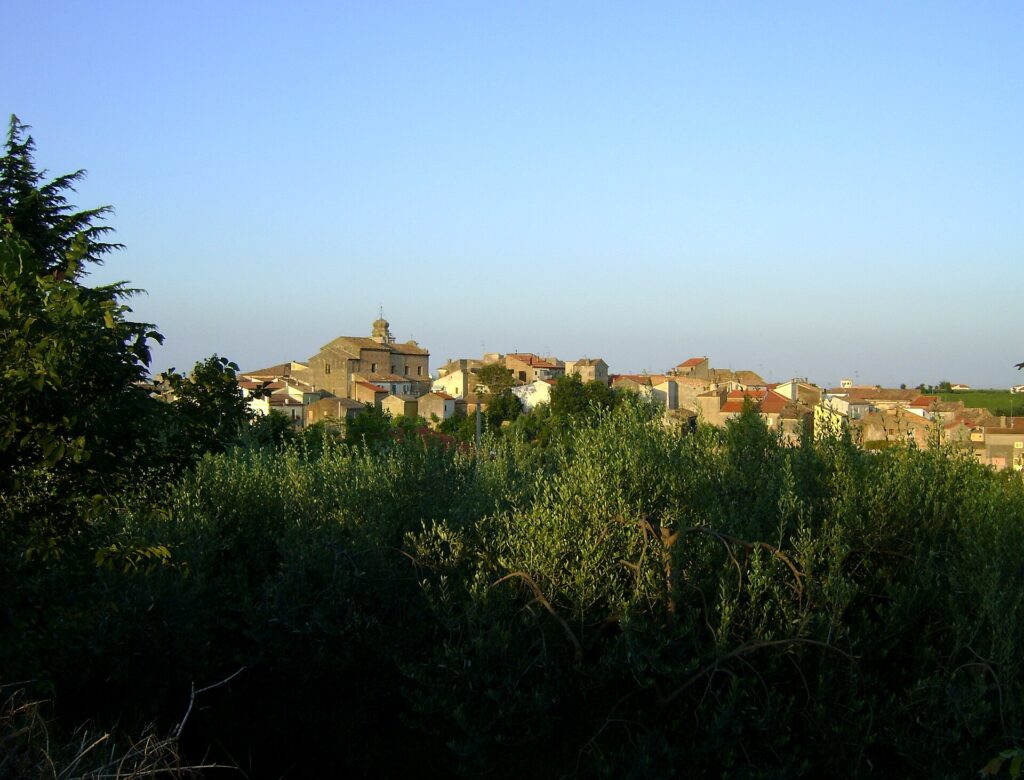
Villalfonsina has 895 inhabitants and sits at 203 metres above sea level, on a hillside terrace overlooking the coastal plain of the central Adriatic, in the province of Chieti. Its name carries a precise historical reference: the dedication to a feudal lord of the d’Avalos family, Alfonso, who left a lasting mark on the village between the sixteenth and seventeenth centuries. Asking what to see in Villalfonsina means exploring a compact agricultural centre, where the urban layout preserves the rational logic of Abruzzo’s rural settlements, with houses clustered around the church and streets descending towards fields of wheat and olive trees.
History and origins of Villalfonsina
The founding of the settlement is linked to the d’Avalos family, feudal lords of vast influence in the Kingdom of Naples. The toponym “Villa” indicated, in the administrative lexicon of southern Italy, a hamlet or minor centre dependent on a larger fief; the addition “alfonsina” refers to Alfonso d’Avalos, Marquis of Vasto, a military and political figure active in the first half of the sixteenth century in the service of Charles V. The village thus developed as a settlement tied to the agricultural management of baronial lands, a common model along the hilly belt running from the Sangro river up towards the Maiella massif.
During the seventeenth and eighteenth centuries, Villalfonsina followed the fortunes of the Vasto district, passing through various feudal jurisdictions before the abolition of feudalism in 1806. With Italian unification the municipality was confirmed in its administrative autonomy, and its economy remained linked to cereal and olive farming, activities that still define the surrounding landscape today. Municipal records document the continuity of this productive vocation through to the twentieth century, when emigration significantly reduced the population.
The patronage of Saint Irene of Thessalonica, a fourth-century martyr venerated in various communities across southern Italy, bears witness to the cultural and devotional ties that Spanish rule and Adriatic trade routes kept alive for centuries between coastal Abruzzo and the Greek-Balkan world.
What to see in Villalfonsina: churches, architecture and the agrarian landscape
1. Church of Santa Irene
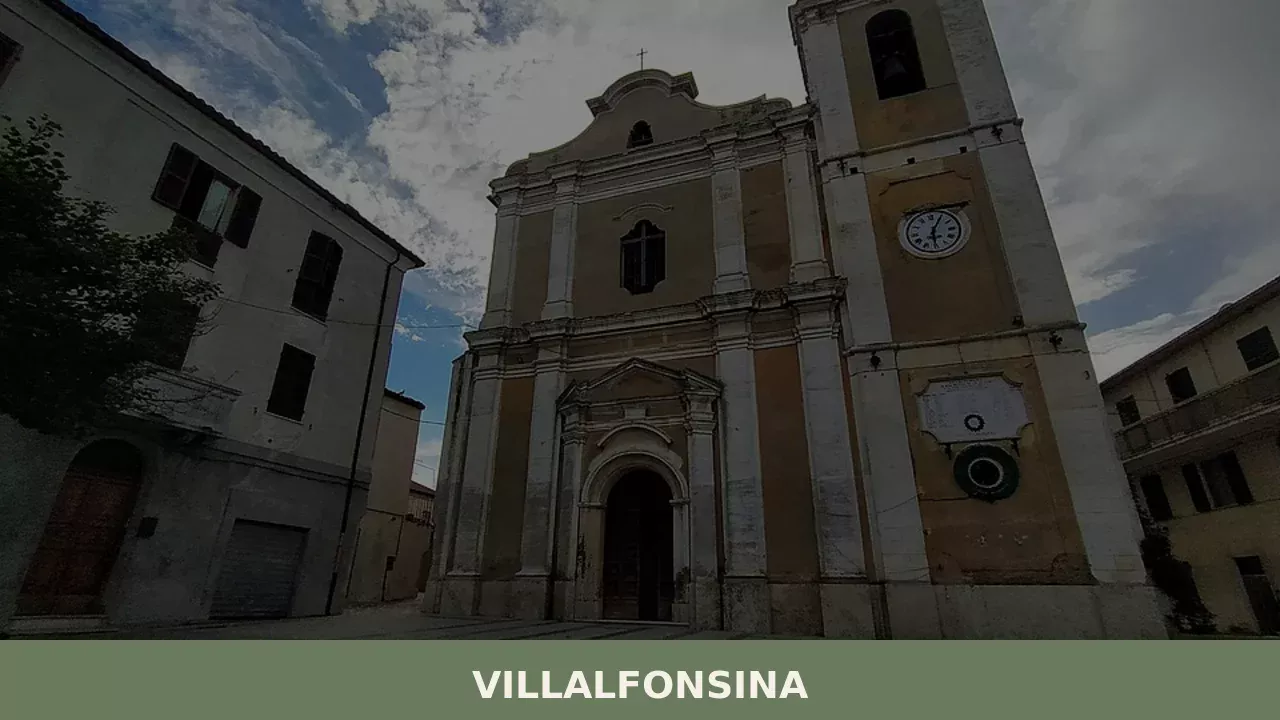
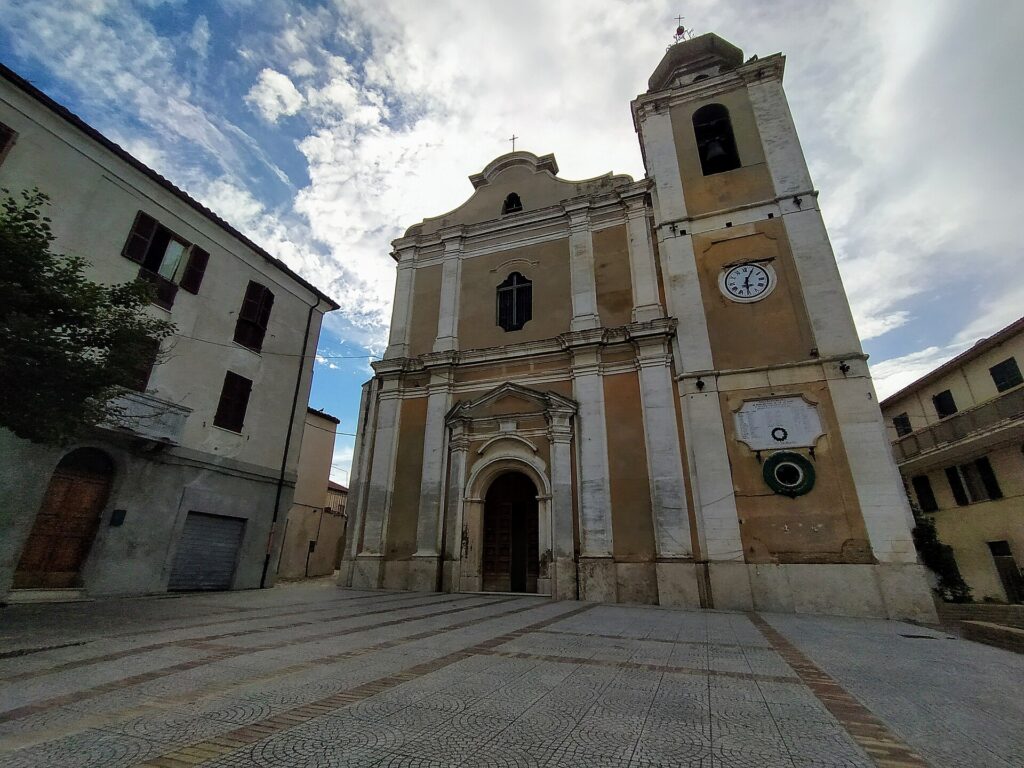
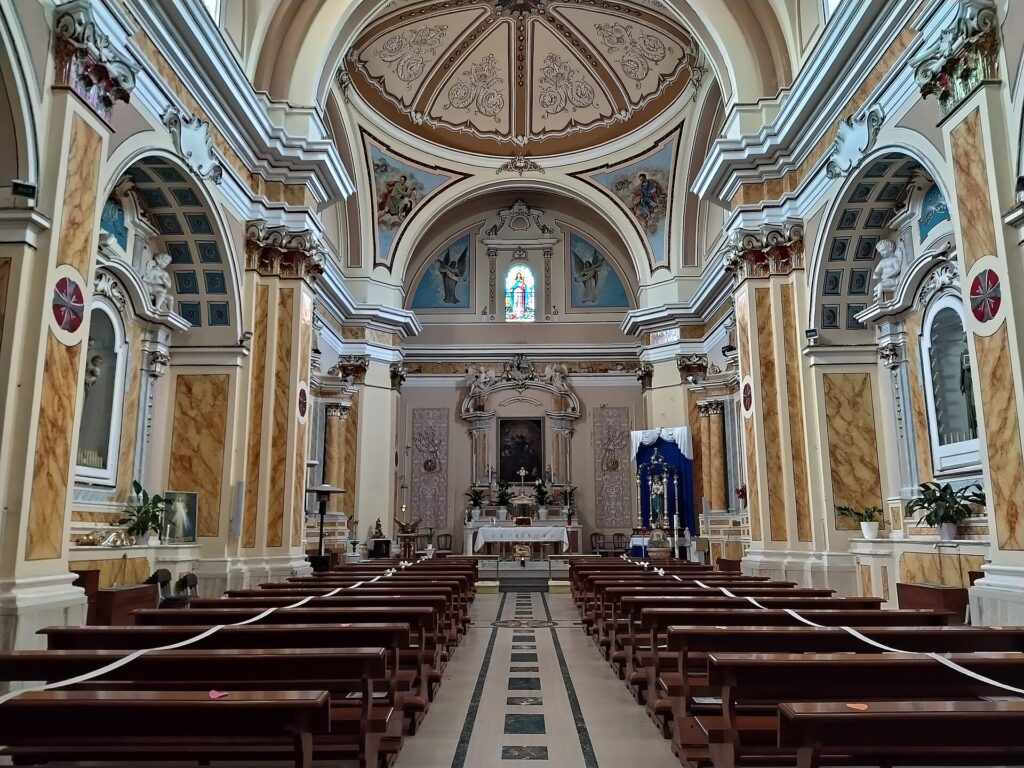
The main religious building in the village is dedicated to the patron saint, Saint Irene of Thessalonica. The current structure dates to seventeenth- and eighteenth-century interventions, with a simple brick façade and a single-nave interior. Inside, liturgical furnishings and processional statues linked to the cult of the saint are preserved; she is carried in procession every year on 5 April.
2. The historic centre and the urban layout
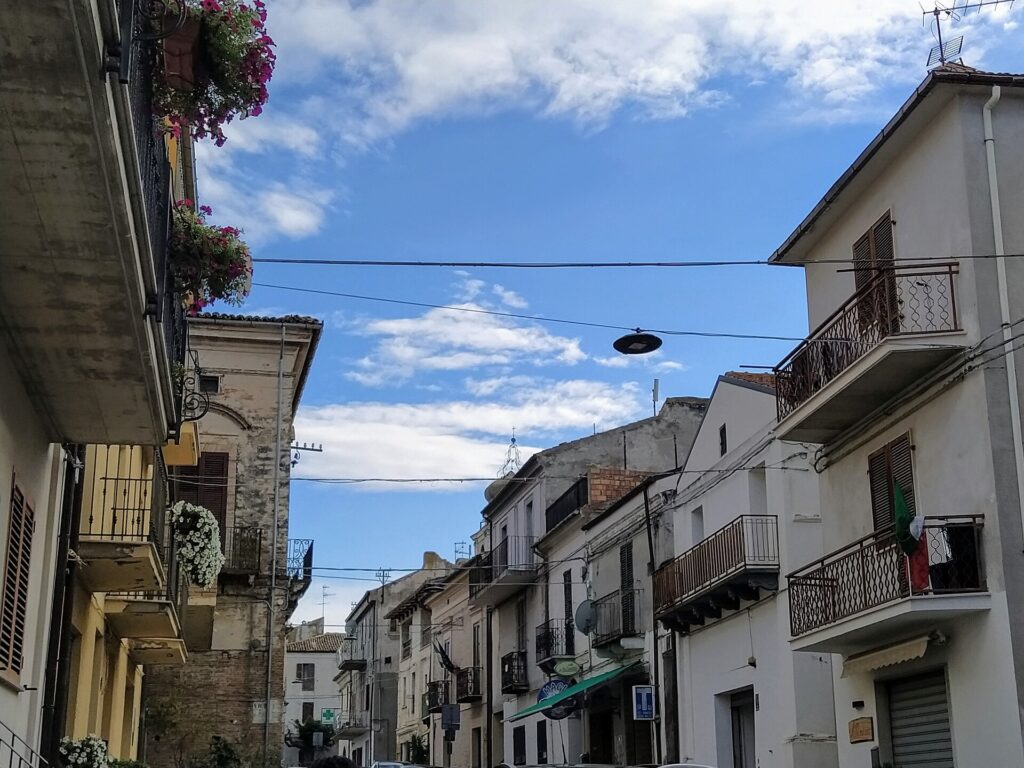
The old core of Villalfonsina retains the layout of an agricultural hamlet organised along a few parallel streets. The dwellings, built in brick and local stone, many with external staircases and covered loggias, document a functional rural architecture. The main axis runs through the village connecting the church to the surrounding countryside, following a linear plan that is still clearly readable.
3. The olive-grove landscape
From the elevation of 203 metres, the municipal territory opens onto the coastal plain towards the Adriatic. Land cultivated with olive trees and wheat forms an agricultural mosaic that has defined the local economy for centuries. The olive varieties widespread in this belt — gentile di Chieti and intosso — produce an oil with a recognisable aromatic profile, part of the olive-oil tradition of the Chieti area.
4. Baronial palazzo and civic architecture
Several buildings in the centre preserve architectural elements attributable to the feudal period: carved stone portals, window frames with simple mouldings and internal courtyards. These structures, although altered over the centuries, document the presence of patrons linked to the land management of the territory under the d’Avalos and subsequent feudal lords.
5. The network of drove roads and rural paths
The territory of Villalfonsina is crossed by rural paths connecting the hillside to the coast. These routes, partly coinciding with the minor branches of the Abruzzo drove-road network, allow walkers to traverse the agrarian landscape and observe the transition between hillside crops and the coastal plain, with open views towards the sea on clear days.
Local food and produce
The table in Villalfonsina reflects the peasant cooking of the Chieti hills. The most common first courses are sagne — fresh pasta cut into irregular strips — dressed with pork ragù or with pulses, particularly chickpeas and beans. Ventricina, a cured meat made from knife-cut pork seasoned with sweet and hot pepper, is the most representative salume of the Vasto area and can be found in butcher shops and farms in the zone. Extra-virgin olive oil produced from local groves accompanies every dish, from bruschetta to winter soups.
Bread baked in a wood-fired oven, prepared with soft wheat flour and sometimes mixed with maize flour, remains present in homes and in some artisanal businesses in the area. Sweets tied to the liturgical calendar — tarallucci made with cooked wine for Christmas, calgionetti filled with grape jam — follow recipes passed down orally and still practised. The municipality’s profile on Wikipedia confirms Villalfonsina’s position within the production area of ventricina vastese.
When to visit Villalfonsina: the best time of year
The feast of Saint Irene, celebrated in the first days of April, is the moment when the village comes alive with the procession and activities linked to its religious tradition. Spring is the season when the surrounding countryside displays the flowering of olive trees and the vivid green of wheat fields, with mild temperatures that make walking along the rural paths easy. Summer brings the heat of the Adriatic plain, but the slight elevation of the village ensures more favourable ventilation compared to the coast.
Autumn coincides with the olive harvest, between October and November: visiting during this period means observing the work in the olive mills and buying new-season oil directly from producers. Winter is the quietest season; the village lives its daily routine with few outside visitors, which may appeal to anyone seeking a direct, unfiltered look at daily life in a small agricultural centre in Abruzzo, without staging for tourists.
How to reach Villalfonsina
By car, Villalfonsina is reached from the A14 Bologna–Taranto motorway, exiting at Vasto Sud or Val di Sangro, then continuing for approximately 10–15 kilometres on inland provincial roads. The distance from Pescara is around 90 kilometres, from Chieti around 75, and from Vasto around 15. The nearest railway station is Casalbordino-Pollutri, on the Adriatic line, from which the village is about ten kilometres away by car or local transport services. The reference airport is Pescara’s d’Annunzio airport, served by domestic flights and some European routes, approximately an hour and a half away by road.
What to see in Villalfonsina and in nearby villages in Abruzzo
Visitors to Villalfonsina who wish to deepen their knowledge of the Abruzzo territory can turn to places that differ in altitude, history and landscape. To the north, in the province of Teramo, Ancarano offers an example of a village on the Teramo hills, with an agricultural economy centred on viticulture and olive growing that presents both similarities and differences compared to the Chieti belt. Comparing the two territories helps to understand the internal variety of Abruzzo’s hill farming.
For a radical change of scenery, Cagnano Amiterno, in the province of L’Aquila, takes you into the Apennine mountain dimension, with an altitude and climate that produce a landscape entirely different from that of Villalfonsina. The distance between the two villages — roughly 150 kilometres through the interior of the region — represents a significant crossing of Abruzzo, from the Adriatic plain to the heart of the Gran Sasso, useful for gauging the geographical complexity of a region too often reduced to a single image.
📷 Photo Gallery — Villalfonsina
Nearby Villages near Villalfonsina



In Abruzzo More villages to discover
Catignano
Hills
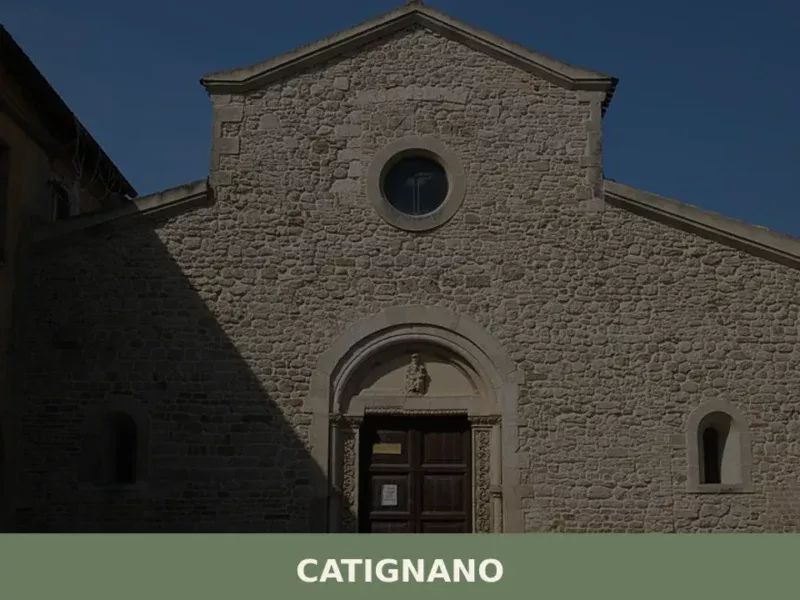
Catignano has a current population of 1,227, spread across a hilly territory at 365 metres above sea level in the province of Pescara. The municipality extends along a ridge separating the Nora and Cigno valleys, two watercourses that flow into the Pescara river. Those looking for what to see in Catignano will find a rural […]
Pretoro
Hills
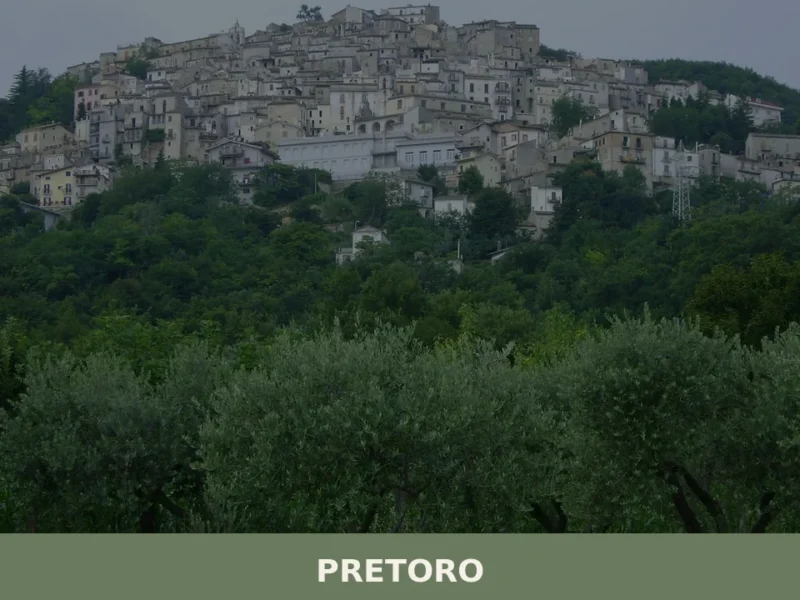
What to see in Pretoro, Abruzzo, Italy: explore a 13th-century sanctuary, a 16th-century Pietà, and Majella National Park. Population 985. Discover it now.
Castelvecchio Calvisio
 Mountain
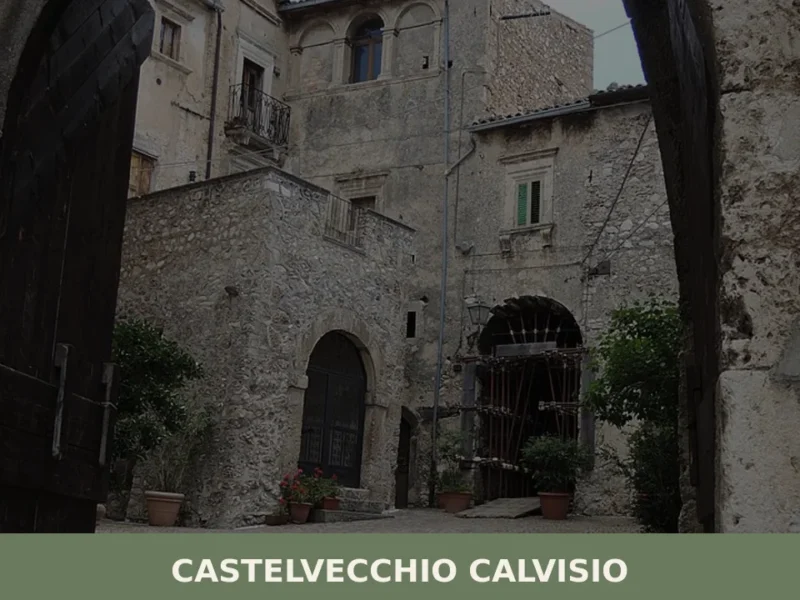
At 1045 meters above sea level, in the L’Aquila hinterland, stands Castelvecchio Calvisio, a village that retains the structure of an ancient *castrum* medieval. With a population of 118 inhabitants, the historic center develops on a rocky ridge, overlooking the basin below. Its elevated position and stone architecture offer an insight into Abruzzo’s fortifications. For […]
Frisa
Hills
At 237 metres above sea level, on the plain that connects the Chieti hills to the Adriatic coast, Frisa has a current population of 1,620 and a territory dominated by olive groves and arable land. The municipality, in the province of Chieti, retains in its urban layout the marks of an almost total reconstruction following […]
Acciano
Mountain
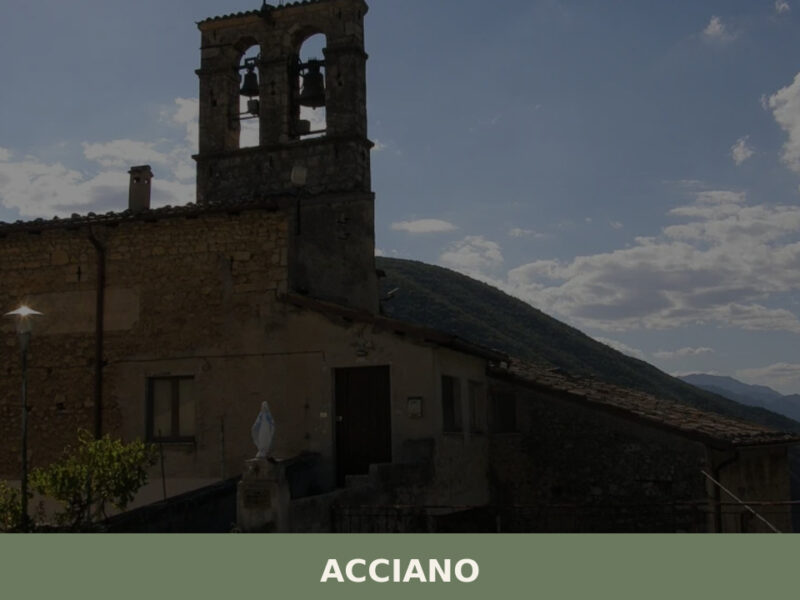
Morning light falls across stone walls the colour of dried wheat, and the only sound is water — a fountain somewhere below the main road, feeding a trough that has served this valley for centuries. Acciano sits in the Aterno Valley south of L’Aquila, a commune of just 339 inhabitants spread across a handful of […]
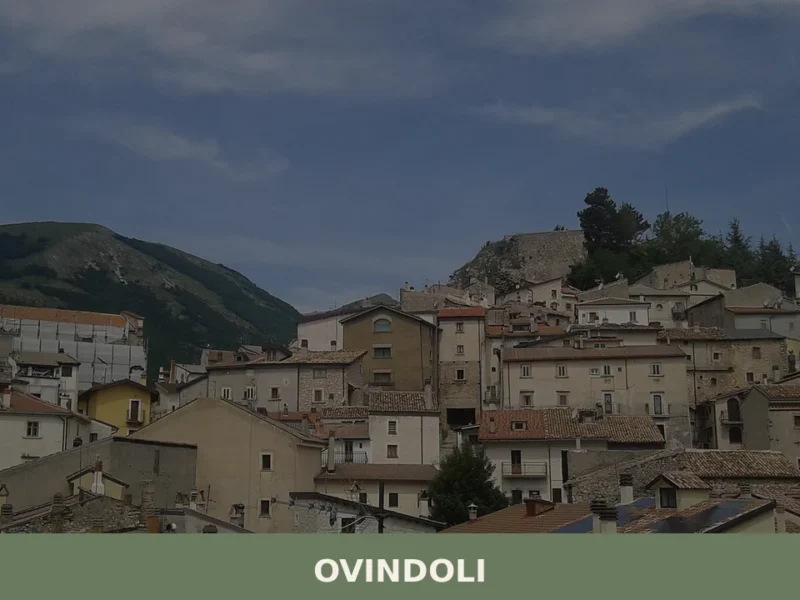
Ovindoli
Mountain
What to see in Ovindoli, Italy: ski slopes on Monte Magnola, hiking in Sirente-Velino park, 1,203 inhabitants. Discover top attractions and how to get there.
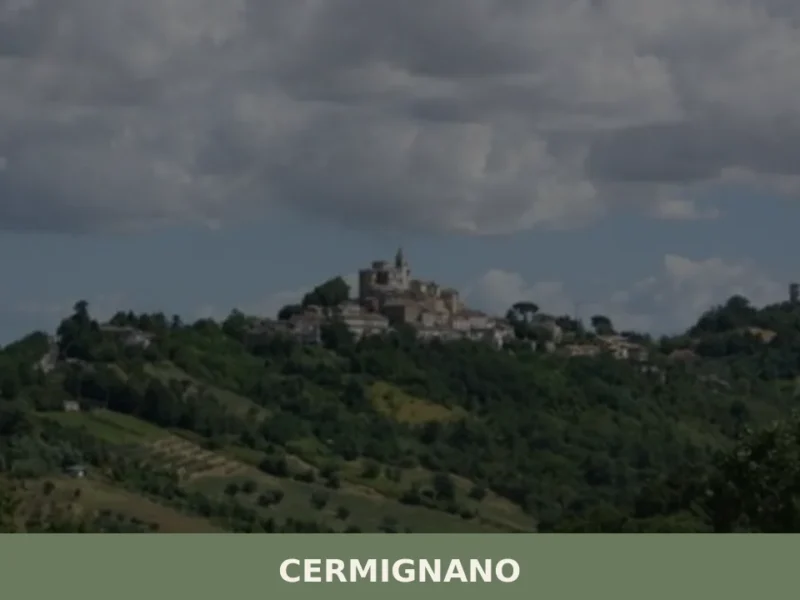
Cermignano
Hills
From the heights of Cermignano, at 563 meters above sea level, the gaze embraces the Abruzzese valleys, shaped by a succession of hills sloping down towards the Adriatic Sea. This small center, inhabited by 1,440 people, retains the typical appearance of the rural villages in the province of Teramo, where life still flows at rhythms […]
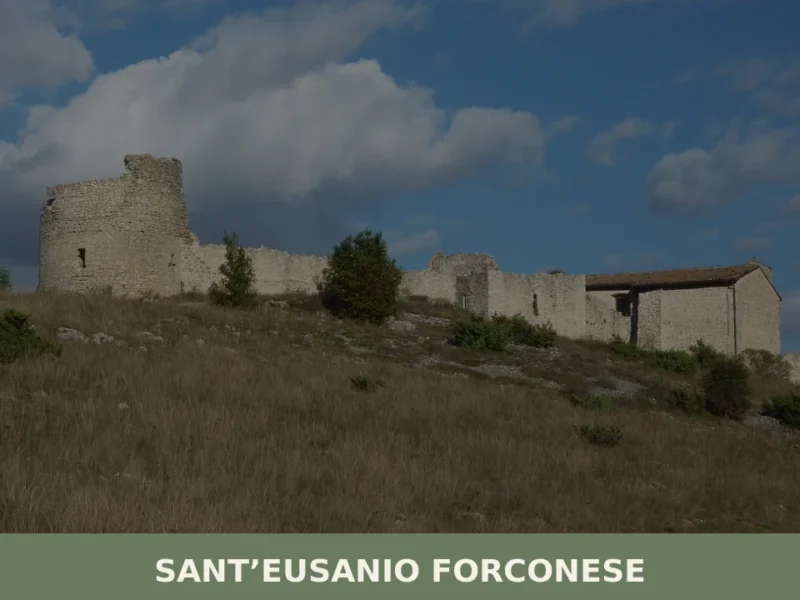
Sant’Eusanio Forconese
Mountain
What to see in Sant’Eusanio Forconese? Explore 5 main attractions of this Abruzzo village, from the Castle to panoramic views. Plan your visit with our guide!
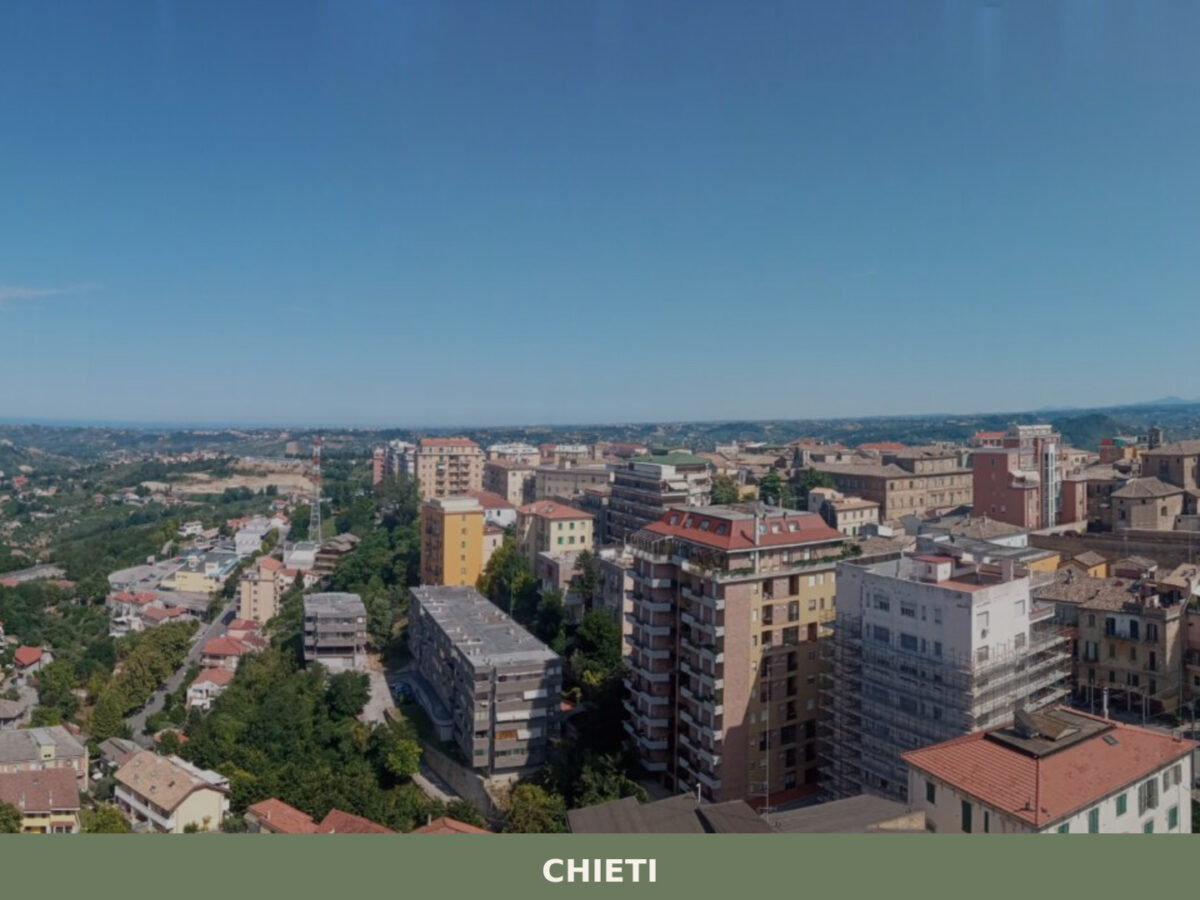
Chieti
Hills
Chieti, an art city in Abruzzo: discover the National Archaeological Museum, Roman monuments and historic districts. Plan your visit with our guide.
Nocciano
Hills
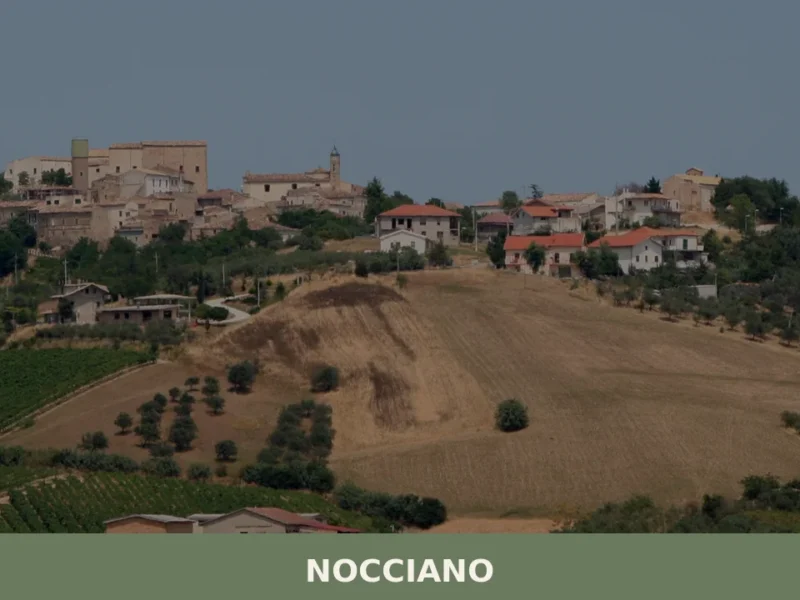
What to see in Nocciano? Discover the 5 must-see attractions of this historic village in Abruzzo, from the Castle to the old town. Plan your visit!




🏡 Know Villalfonsina better than we do?
If you’re a local or have been there, your knowledge matters: add what’s missing or fix a detail on this page.