
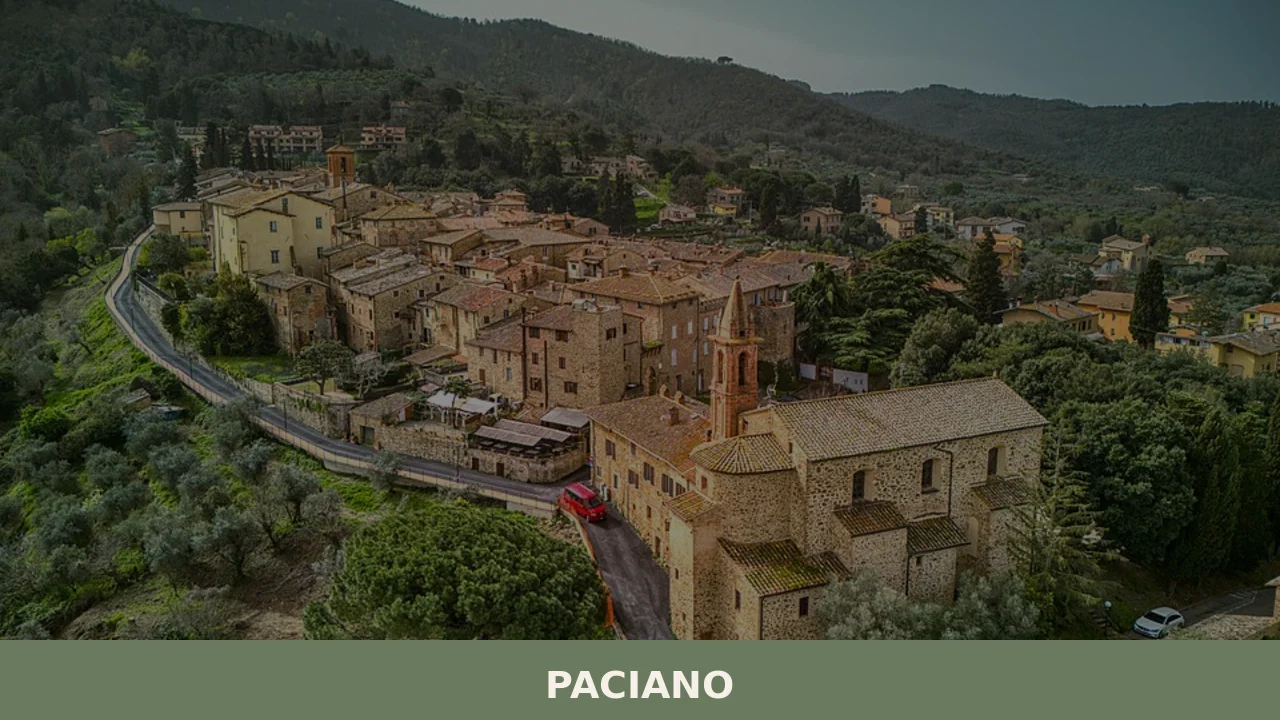
Paciano
As the early morning mist begins to lift from the rolling hills, a faint scent of woodsmoke and damp earth hangs in the air. The first rays of sunlight strike the ancient stone of Paciano, illuminating a quiet street where a lone figure sweeps the flagstones outside a modest doorway. Here, life unfolds with a […]
Discover Paciano
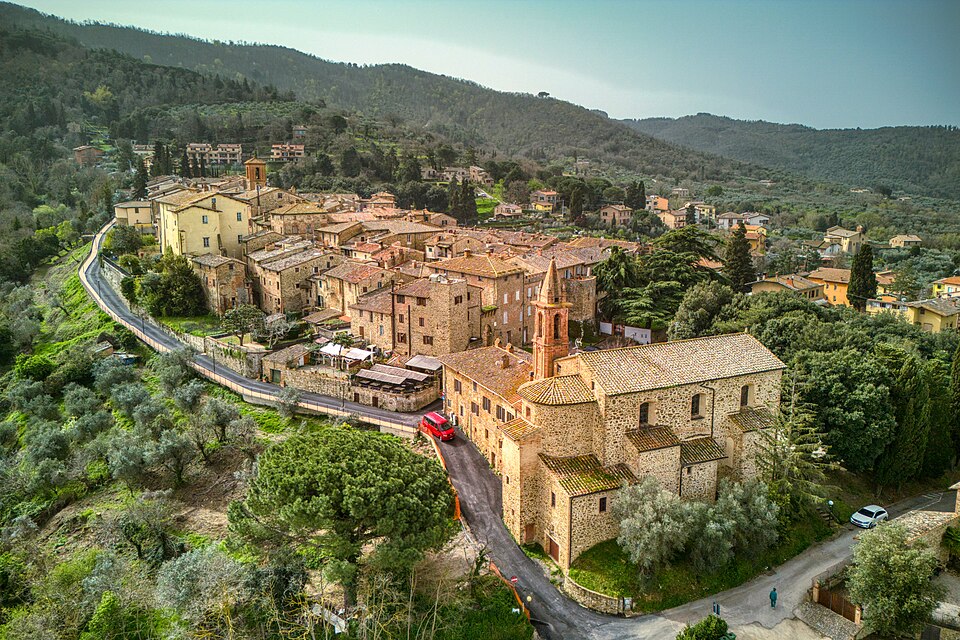
As the early morning mist begins to lift from the rolling hills, a faint scent of woodsmoke and damp earth hangs in the air. The first rays of sunlight strike the ancient stone of Paciano, illuminating a quiet street where a lone figure sweeps the flagstones outside a modest doorway. Here, life unfolds with a rhythm dictated by centuries, the village itself a testament to enduring Umbrian heritage. With just under a thousand inhabitants, Paciano is more than a dot on the map; it’s a living museum, its architecture, traditions, and very atmosphere whispering tales of a past deeply intertwined with the landscape.
History of Paciano
The origins of Paciano are rooted deeply in the medieval period, a time when strategic elevation was paramount for defence. Perched at 391 metres above sea level, its position offered clear views across the surrounding Valdichiana and Lake Trasimene, making it an ideal site for a fortified settlement. While specific founding dates are often debated among ancient Umbrian villages, archaeological evidence suggests human presence in the area dating back to Etruscan times, though the village as we recognise it today took shape during the Middle Ages, likely as a castrum – a fortified enclosure.
Throughout its history, Paciano, like many small Umbrian communities, found itself caught between the shifting powers of larger city-states such as Perugia. Its fortifications, including the surviving walls and gates, speak to a past of necessary vigilance and self-preservation. The name “Paciano” itself is thought to derive from the Roman gens Pacia, a common origin for place names in areas with a strong Roman legacy. Despite its relatively small size, the village maintained its distinct identity, developing local customs and an architectural character that has largely been preserved through the centuries, offering a tangible link to its medieval foundations.
What to see in Paciano: 5 must-visit attractions
The Historic Walls and Gates
Circumnavigating the village, the well-preserved medieval walls provide a clear demarcation between past and present. Visitors can trace sections of the ancient perimeter, observing the robust stone construction that once protected Paciano from invaders. Two main gates, Porta Fiorentina and Porta Rastrella, still stand, their sturdy arches inviting entry into the heart of the old town and offering a glimpse into the village’s defensive architecture.
Piazza della Repubblica
At the core of Paciano lies its main piazza, a communal space where local life converges. Surrounded by historic buildings, including the former town hall, the square retains an authentic, unhurried atmosphere. It’s an ideal spot to observe the village’s daily rhythm, perhaps over a morning coffee, and appreciate the harmony of the traditional Umbrian architecture that defines the space.
Parish Church of San Giuseppe
The village’s principal church, dedicated to San Giuseppe, stands as a spiritual and architectural landmark. While its exterior speaks to centuries of history, the interior often houses notable artworks and religious artefacts that reflect the community’s devotion and artistic patronage through the ages. The church provides a quiet space for contemplation and an insight into local religious traditions.
The Tower of the Municipality
Rising above the village rooftops, the ancient civic tower, often associated with the former municipal building, serves as a prominent vertical accent. While access may be limited, its presence is a constant reminder of Paciano’s historical self-governance and its role as a communal focal point. It commands views over the village and the surrounding landscape, symbolising its enduring character.
Panoramic Viewpoints
Due to its elevated position, Paciano offers several natural viewpoints that afford sweeping vistas of the Umbrian countryside, stretching towards Lake Trasimene and the distant hills. These spots, often found along the edges of the historic centre, provide opportunities for quiet reflection and photography, capturing the timeless beauty of the region and the agricultural tapestry below.
Local food and typical products
Umbria is often referred to as the “green heart of Italy,” a description that extends to its robust and unpretentious cuisine. In Paciano, the culinary experience is deeply rooted in the fertile land and local traditions. Olive oil, extracted from the groves that blanket the hillsides, is a cornerstone of every dish, often a DOP (Denominazione di Origine Protetta) product known for its intense flavour and low acidity. Truffles, both black and white, are another regional delicacy, foraged from the surrounding woodlands and incorporated into pasta dishes, omelettes, and sauces, lending an earthy richness.
The local diet also features hearty legumes, particularly lentils and beans, often slow-cooked with cured meats or wild herbs. Pork products, such as prosciutto and various salamis, are crafted using age-old methods. Visitors can expect to find traditional pasta dishes like strangozzi or umbricelli, often served with rich ragù or simple tomato and basil. Paired with the robust local wines, the food of Paciano offers a genuine taste of Umbrian authenticity, best experienced in small, family-run trattorias or during local food festivals.
Best time to visit Paciano
Paciano presents a distinct charm throughout the year, though certain seasons offer unique advantages. Spring (April to June) sees the countryside burst into vibrant green, dotted with wildflowers, and temperatures are pleasantly mild, ideal for exploring the village on foot and enjoying the surrounding nature. Autumn (September to November) is equally appealing, with cooler temperatures, the rich hues of the changing foliage, and the excitement of the olive harvest and truffle season, offering a deeper engagement with local agricultural traditions.
Summer (July and August) brings warmth and longer daylight hours, perfect for enjoying evenings outdoors, though midday temperatures can be high. This period often features local sagre (food festivals) and cultural events, providing a lively atmosphere. Winter (December to March) offers a quieter, more contemplative experience. While cooler, the crisp air and often clear skies allow for stunning views, and the opportunity to witness the village in a tranquil state, perhaps with the occasional dusting of snow on the distant peaks.
How to get to Paciano
Paciano, situated in the province of Perugia, is accessible by various means, though a car offers the most flexibility for exploring the village and its surrounding Umbrian landscape. The village is not directly served by a major motorway, but it can be reached via well-maintained regional roads. From the A1 Autostrada del Sole, take the Chiusi-Chianciano Terme exit if coming from the north or south, then follow signs towards Città della Pieve and eventually Paciano.
The nearest main train station is Chiusi-Chianciano Terme, approximately 20-25 kilometres away, which is well-connected to major Italian cities like Rome and Florence. From there, local bus services or taxis can complete the journey to Paciano. The nearest airport is Perugia San Francesco d’Assisi Airport (PEG), about 40-50 kilometres away, offering connections to some European destinations. Distances from major cities include approximately 160 km from Rome, 130 km from Florence, and 40 km from Perugia. For local information, visitors may consult the official municipality website of Paciano or the Umbria Tourism board for updated travel information.
More villages to discover in Umbria
The region of Umbria is a treasure trove of historic villages, each with its own distinct character and story. Beyond the tranquil charm of Paciano, the landscape is dotted with medieval borghi that beckon exploration. To the north, nestled amidst dense forests and rolling hills, lies Montone, a village renowned for its well-preserved fortifications and vibrant cultural festivals. Its strategic position once made it a powerful stronghold, and today it offers breathtaking views and a captivating step back in time.
Venturing further south, another compelling destination is Cerreto di Spoleto. This village, set against the dramatic backdrop of the Sibilline Mountains, is steeped in a history tied to ancient trades and pastoral life. Exploring these villages, much like Paciano, reveals the enduring spirit of Umbria, where history, nature, and tradition converge to create experiences that resonate long after the journey ends.
Getting there
📷 Photo Gallery — Paciano
In Umbria More villages to discover
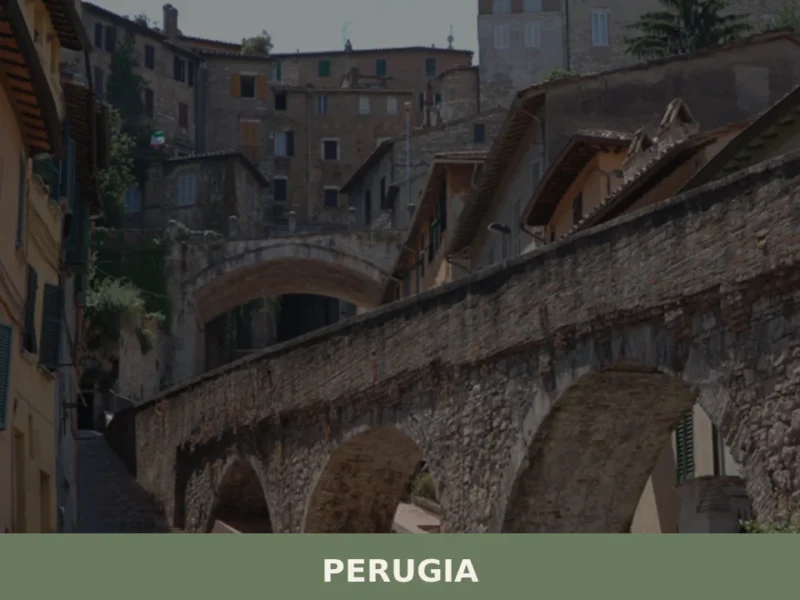
Perugia
What to see in Perugia: discover 5 main attractions, from Fontana Maggiore to Rocca Paolina. Plan your trip and visit the heart of Umbria.
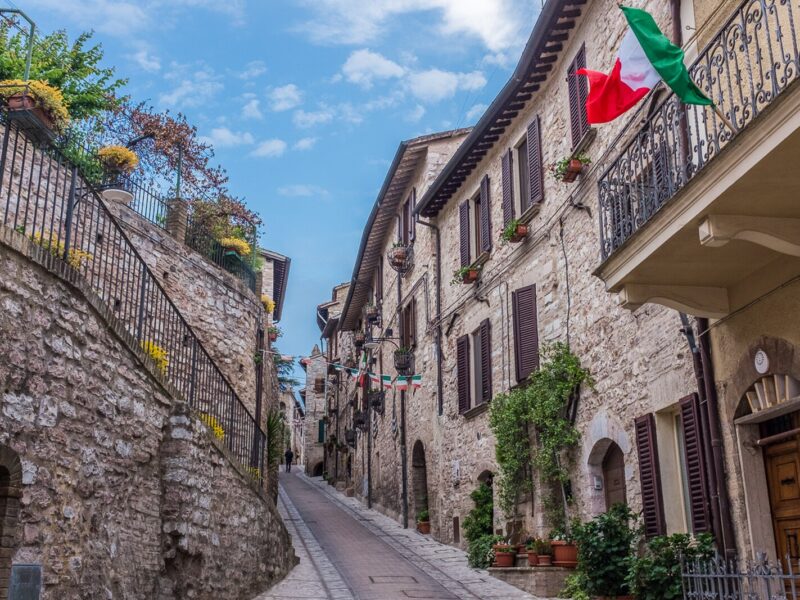
Spello
What to see in Spello, Umbria, Italy: Roman gates, mosaic villa, medieval walls at 314 m. Discover top attractions, local food and how to get there.
Scheggino
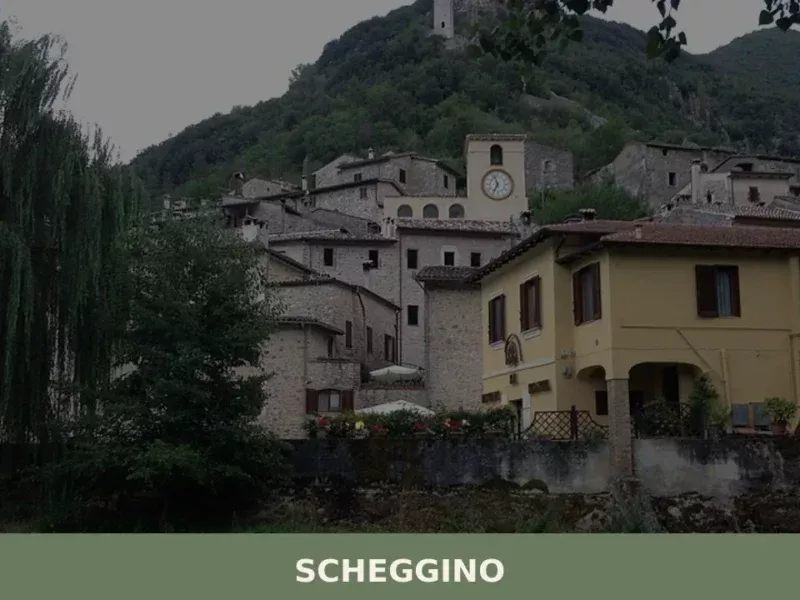
Situated at an altitude of 282 meters above sea level, Scheggino is a compact village in the Umbrian Apennines, home to 446 inhabitants in the province of Perugia. Its development has been shaped by its proximity to the Nera River, a constant presence that influenced both its economy and defensive structures over centuries. Understanding what […]


📝 Incorrect information or updates?
Help us keep the Paciano page accurate and up to date.