


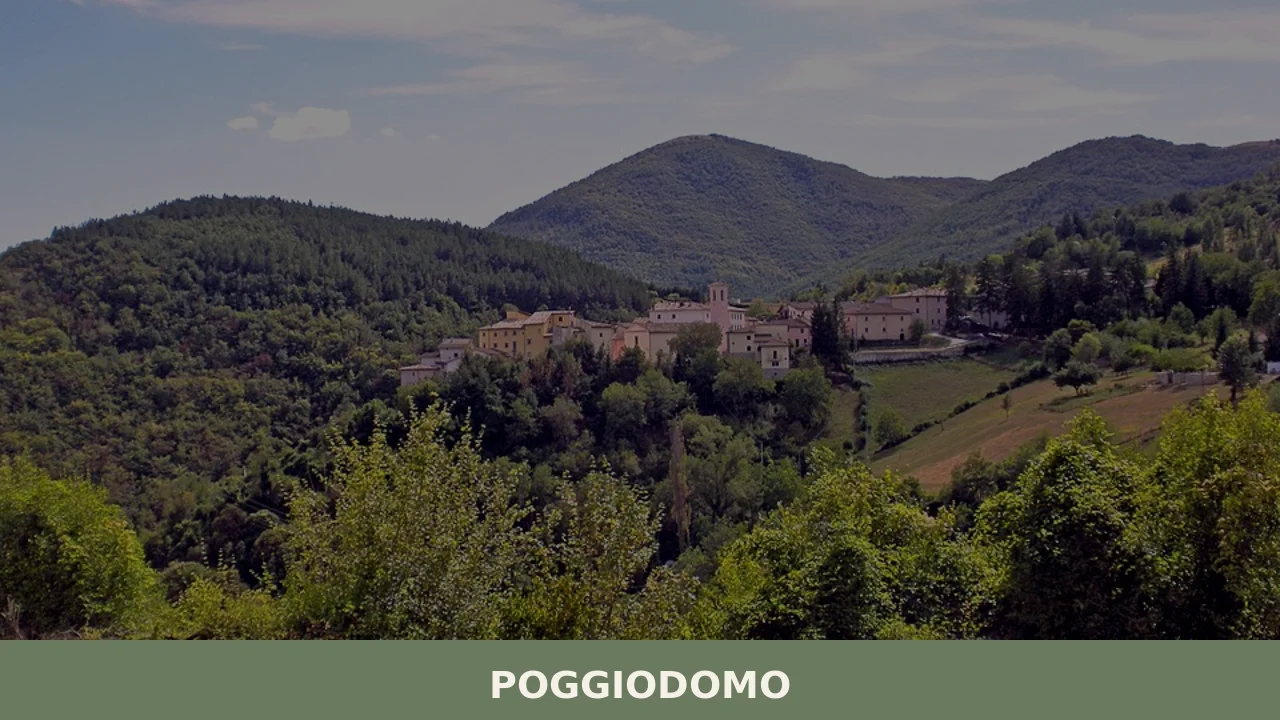

What to see in Poggiodomo, Italy? Explore this Umbrian village, situated at 974 m, and discover the historic Church of San Carlo Borromeo and the Hermitage of Madonna della Stella.
Discover Poggiodomo
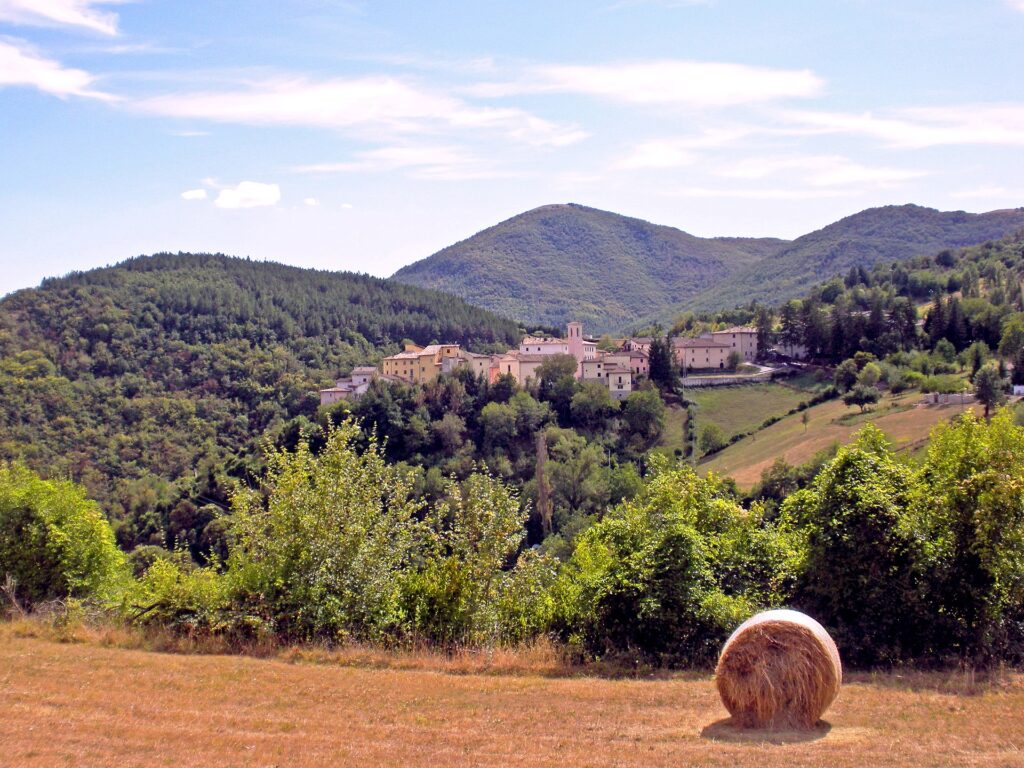
The Fissino stream carves a mountain gorge, its waters flowing towards the Nera, providing a natural setting for Poggiodomo. At an elevation of 974 m (3,195 ft) above sea level, this Umbrian village is characterized by its almost entirely mountainous territory and a climate often described as cold.
The surrounding woods of Sutri and Cuperno offer a verdant backdrop, with Mount Cuperno providing expansive views of the distant landscape.
For those wondering what to see in Poggiodomo, this guide details the village’s significant historical sites and natural features. With a current population of 92 inhabitants, Poggiodomo invites visitors to explore its ancient churches and the remarkable Hermitage of Madonna della Stella. The Poggiodomo highlights include centuries of documented history and a distinct cultural identity within the Province of Perugia, Italy.
History of Poggiodomo
Poggiodomo, originally known as Poggio d’Oro, meaning “Golden Hill” according to 19th-century accounts by Adone Palmieri, gained its name from the presence of several affluent families. This earlier designation is believed to have evolved through linguistic corruption into the present form. The village first appears in historical records during the 13th century, with a notable mention on October 22, 1233, when it was formally listed among the possessions of the Duchy of Spoleto, solidifying its early administrative ties to this powerful entity. In 1276, the castle of Poggiodomo was formally donated to Spoleto by Mimaldesca, daughter of Oderisio, further cementing its connection to the duchy.
Throughout the 14th century, administrative control shifted as Poggiodomo was transferred from the jurisdiction of Spoleto to that of Cascia.
The subsequent 15th and 16th centuries were marked by considerable instability, including boundary disputes and factional unrest, mirroring the broader turbulent conditions across the region. A significant event occurred in 1527, during incursions by Landsknechts and mercenaries led by Sciarra II Colonna, when the community sought and received protection from Spoleto. Despite this, Cascia’s claims over the territory were formally reconfirmed in 1536, leading to ongoing administrative complexities. This period of regional flux saw many Umbrian communities, including Montone, navigating similar challenges of shifting allegiances and external threats, much like Bastia Umbra experienced its own periods of influence and conflict within the wider Spoleto Duchy.
The late 16th century brought new challenges with the widespread issue of banditry, prompting the reestablishment of the Prefecture of the Mountain and the stationing of a military garrison at Norcia to restore order. Conditions improved significantly in the 17th century, ushering in a period of reduced unrest and economic recovery for the village. On May 17, 1809, Poggiodomo was annexed to the First French Empire and elevated to the status of mairie within the Department of Trasimeno. Following the fall of Napoleonic rule, the papal administrative restoration between 1816 and 1818 confirmed Poggiodomo’s municipal status, ensuring its continued autonomy.
Ordinary municipal administration was fully restored on November 1, 1851, after a period from 1849 to October 1851 when it was governed by a commission during the Roman Republic.
By 1859, the village had a population of 710 inhabitants, rising to a peak of 1,350 in 1901 before beginning a pronounced decline. The 20th century saw significant infrastructural improvements, including electrification for Poggiodomo and Usigni between 1927 and the 1930s, with electricity reaching Mucciafora and Roccatamburo after 1947. Aqueducts and a school building were also constructed in the 1930s, yet these developments did not halt the steady population decrease, which resulted in a projected 84 inhabitants by 2025.
What to see in Poggiodomo, Umbria: top attractions
Church of San Lorenzo
The Church of San Lorenzo stands as one of Poggiodomo’s historically referenced religious structures. While specific architectural details are not extensively documented, its presence highlights the long-standing spiritual life of the community. Visitors observe a structure that has served the local populace for centuries, reflecting the enduring faith of the mountain village. The church, alongside San Pietro, provides insight into the historical religious landscape of the area.
To fully appreciate its significance, consider attending a local service or simply observing its exterior during a daytime visit, noting its integration into the village fabric.
Church of San Pietro
The Church of San Pietro is another key religious site within Poggiodomo, notable for being equipped with an organ, a detail that suggests a certain level of historical musical tradition within the village. This church offers a glimpse into the liturgical practices and artistic tastes of past centuries. Its interior would have once resonated with sacred music, contributing to the cultural life of the community. A visit allows one to imagine the historical ceremonies held within its walls. Checking local schedules for any open hours or events can enhance the experience of this venerable structure.
Church of San Carlo Borromeo
The Church of San Carlo Borromeo, built in 1635, immediately captivates with its Renaissance-style portal on the façade, a significant architectural feature. This church replaced an older Church of Saint Anthony of Padua, which was located within the now-vanished castle walls. Inside, the church features a single nave and a square presbytery, housing nine wooden altars dating from the 17th and 18th centuries, with eight donated by noble families. The high altar, dedicated to Saint Charles Borromeo, is flanked by wooden statues of Saint Macarius and Saint Roch, surmounted by a large crucifix with two angels, and the emblem of the Congregazione dei Possidenti is visible on the altar base and choir, linking directly to the village’s civic history.
Hermitage of Madonna della Stella
The Hermitage of Madonna della Stella is a unique rock-carved sanctuary situated in the Valle del Noce near Roccatamburo, geographically positioned between Poggiodomo and Cerreto di Spoleto.
Its origins trace back to the 7th century as a Benedictine monastic cell, initially dependent on the Abbey of Farfa before passing to the Abbey of San Pietro in Valle. In the 14th century, the Augustinians of Cascia established the hermitage of Santa Croce here, carving cells and a small church directly into the rock. The church was adorned with frescoes in 1416, reflecting the Umbrian school with Sienese influences, and underwent restoration in 1525.
After the 17th century, the hermitage was gradually abandoned by its occupants, but in 1809, its administration transferred to the municipality of Poggiodomo following ecclesiastical reorganizations. The site’s name derives from a star-shaped decoration on a rediscovered image of the Madonna, giving rise to pilgrimages that involve processions on successive Sundays in May by various neighboring communities. Visitors can observe the preserved ex voto offerings and appreciate the historical frescoes, which were once interpreted as miraculous apparitions upon their rediscovery.
The hermitage was definitively assigned to the local administration of civic lands of Roccatamburo in 1970.
Mount Cuperno
Mount Cuperno, bordering the village, offers an extensive view of the surrounding landscape, providing a natural vantage point over the mountainous territory of Poggiodomo. This peak is part of the local woods, which also include Sutri, and serves as a natural landmark mentioned in the village’s geography. For those seeking panoramic vistas and a connection with the natural environment, a hike or drive to accessible points on Mount Cuperno is recommended. The elevation here provides a clear perspective on the Fissino stream valley and the broader Umbrian Apennines. Such an outing offers a chance to appreciate the cold climate and rugged beauty that define this part of Italy, making it a compelling aspect of what to see in Poggiodomo.
Local food and typical products of Poggiodomo
The local gastronomic traditions of Poggiodomo are historically rooted in a primarily agricultural economy, as documented in the mid-19th century. The mountainous terrain and climate influenced the cultivation practices, leading to a focus on resilient crops. This historical context shapes the understanding of local cuisine, which traditionally relied on readily available resources within the immediate area. The reliance on staple agriculture meant that food preparation methods were often practical and designed to maximize nutritional value from simple ingredients.
During the mid-19th century, the economy was characterized by moderate grain cultivation and wine production, forming the backbone of the local diet.
Dishes would have centered around grains, likely in the form of hearty breads, pasta, or polenta, complemented by seasonal vegetables and, where available, local meats. The wine produced would have been a staple beverage, integral to meals and social gatherings. While specific dish names are not documented, the culinary approach would have emphasized robust and satisfying meals, reflecting the physical demands of mountain life and the seasonal availability of ingredients.
Regarding certified products, the available sources do not specify any particular Poggiodomo products with official designations such as DOP (Denominazione di Origine Protetta) or IGP (Indicazione Geografica Protetta). The historical accounts focus on general agricultural activities like grain and wine production rather than unique, certified regional specialties. Therefore, visitors should look for broader Umbrian specialties in the surrounding areas rather than specific Poggiodomo-labeled products.
This agricultural heritage, though not formalized with certifications, still informs the fundamental flavors and ingredients found in the region’s cooking.
Festivals, events and traditions of Poggiodomo
The spiritual life of Poggiodomo revolves significantly around its patron saint, Sant’Antonio di Padova. The village celebrates its patron feast on the fourth Sunday of August, drawing residents and visitors together for this important annual event. This celebration typically involves traditional religious observances, which often include a procession through the village streets, honoring the saint and reinforcing community bonds. Such festivities provide a focal point for local identity and continuity, reflecting centuries-old customs.
While details on how the festival specifically unfolds, beyond its dedication to the patron saint, are not extensively documented, it is common for Italian village feasts to feature a blend of religious rites and communal gatherings. These events often incorporate local music, traditional foods, and opportunities for social interaction, allowing both locals and those visiting Poggiodomo to experience the village’s cultural heritage firsthand. The August timing makes it a pleasant occasion for outdoor activities and experiencing local hospitality.
When to visit Poggiodomo, Italy and how to get there
Considering the climate described as cold, the best time to visit Poggiodomo, Italy, for comfortable exploration is typically during the warmer months, from late spring to early autumn.
May offers the unique experience of the pilgrimages to the Hermitage of Madonna della Stella, while August hosts the patron saint’s feast, providing cultural immersion. These periods allow for more pleasant outdoor activities, such as exploring the mountainous territory and enjoying the views from Mount Cuperno, without the harshness of winter conditions. For those interested in the broader Umbrian region, this timeframe also aligns with the “best time to visit Umbria” for general sightseeing and cultural events across the area, offering a balance of mild weather and local vibrancy.
The terrain around Poggiodomo is almost entirely mountainous, suggesting that visitors should be prepared for uneven ground and potentially steep inclines, making comfortable walking shoes essential. Accessibility within the village itself and its surrounding localities, such as Usigni, located about 3.2 km (2 mi) away, and Roccatamburo, approximately 4.8 km (3 mi) distant, primarily relies on local roads.
The village is situated near the junction of the road leading from Terni to Norcia and Cascia, indicating that driving is the most practical method of arrival. Poggiodomo is located about 80 km (49.7 mi) southeast of Perugia, providing a clear geographical reference for planning a journey. While no specific train stations or airports are mentioned as directly connected, international travelers typically arrive via major hubs like Rome or Florence and then proceed by car.
For international visitors planning their trip to Poggiodomo, it is advisable to carry some Euros cash, as smaller establishments in remote villages may have limited card payment facilities. English may also be less commonly spoken in local shops and cafes compared to larger Italian cities, so a few basic Italian phrases can enhance interactions.
The village’s official municipal website, comune.poggiodomo.pg.it, can provide further administrative details, though practical tourist information might be more limited. Exploring nearby Umbrian destinations like Castiglione del Lago, located in the western part of the region, can be a rewarding extension to a visit, offering a contrast to Poggiodomo’s mountain environment.
Frequently asked questions about Poggiodomo
What is the best time to visit Poggiodomo?
The ideal time to visit Poggiodomo depends on your preferences. Spring (April-May) offers mild temperatures perfect for hiking amidst vibrant green landscapes. Summer (June-August) provides a refreshing escape from the heat, thanks to the village's altitude, making it pleasant for quiet village life and evening strolls. Don't miss the patron saint's feast, Sant'Antonio di Padova, celebrated on the penultimate Sunday of August. Early autumn (September-October) brings cooler weather, stunning foliage, and opportunities for truffle hunting in the broader region, while winter (November-March) transforms Poggiodomo into a serene, snow-covered retreat.
What to see in Poggiodomo? Main monuments and landmarks
Poggiodomo offers several key sights reflecting its history. The Parish Church of San Carlo Borromeo, a centuries-old spiritual center, features modest sacred art and an altar. The historic Palazzo Comunale showcases traditional Umbrian architecture and civic heritage. You'll also encounter the evocative Medieval Gateway, remnants of the village's fortified past, which serve as a tangible link to its defensive origins. Beyond these structures, the village's elevated position guarantees breathtaking panoramic vistas across the Valnerina, offering a profound sense of place.
What are the main natural or scenic attractions of Poggiodomo?
Poggiodomo’s primary natural attraction is its stunning high-altitude location within the Apennine mountains. Perched at 974 meters, the village offers uninterrupted panoramic vistas from various points along its perimeter. These views encompass the intricate tapestry of the Valnerina, with its rolling hills, dense forests, and distant peaks. The crisp mountain air and the surrounding natural landscape make it an ideal destination for those seeking tranquility, scenic walks, and immersion in a pristine mountain environment.
Where to take the best photos in Poggiodomo?
For captivating photos, start by exploring the Panoramic Vistas from the village edge, which offer sweeping views of the Valnerina and surrounding mountains, particularly at sunrise or sunset when the light is most dramatic. The narrow, cobbled Ancient Streets and Alleys provide endless opportunities for capturing the village's timeless charm, with their weathered stone facades, archways, and glimpses into private courtyards. The Parish Church of San Carlo Borromeo and the Palazzo Comunale also serve as picturesque focal points, embodying Poggiodomo's historical character.
Are there museums, churches or historic buildings to visit in Poggiodomo?
Yes, Poggiodomo hosts several historic structures. The Parish Church of San Carlo Borromeo is a central landmark, open for worship and featuring sacred art. While not a museum, its interior offers a glimpse into local religious heritage. The historic Palazzo Comunale, the former town hall, stands as a testament to the village's civic past, showcasing traditional Umbrian architecture. Additionally, the Medieval Gateway provides a direct connection to Poggiodomo's fortified origins. Most of these can be appreciated from the exterior, with the church accessible for visitors during services or specific opening hours.
What can you do in Poggiodomo? Activities and experiences
Poggiodomo is perfect for slow tourism and immersion in nature. Activities include exploring the village's ancient streets and alleys, enjoying quiet contemplation, and taking leisurely evening strolls. Its mountain setting makes it ideal for hiking and enjoying the crisp air, especially in spring and early autumn. The area is also renowned for its culinary traditions, allowing visitors to savor local food and wine in nearby trattorias or agriturismi. In autumn, regional truffle hunting excursions offer a unique experience.
Who is Poggiodomo suitable for? Families, couples, hikers, solo travelers?
Poggiodomo is ideally suited for travelers seeking tranquility, natural beauty, and an escape from modern hustle. It's perfect for couples looking for a romantic, secluded getaway, solo travelers desiring quiet contemplation, and hikers eager to explore mountain landscapes. Its slow pace and authentic rural charm also appeal to families who appreciate quiet village life and outdoor activities. With a population of just 92, it's a destination for those who value peace, history, and genuine Umbrian hospitality.
What to eat in Poggiodomo? Local products and specialties
Poggiodomo’s cuisine reflects Umbria’s robust, earthy flavors. Essential specialties include dishes featuring wild boar, often served in rich ragùs with homemade pasta like strangozzi or tagliatelle. The high altitude contributes to distinct mountain cheeses, typically made from sheep or goat milk. Black truffles are a prized regional delicacy, frequently shaved over pasta, eggs, or cured meats. Expect hearty soups, lentils from nearby Castelluccio, local olive oil, and excellent red wines from Montefalco or Torgiano, all sourced from the surrounding Umbrian landscape.
📷 Photo Gallery — Poggiodomo

Nearby Villages near Poggiodomo
In Umbria More villages to discover
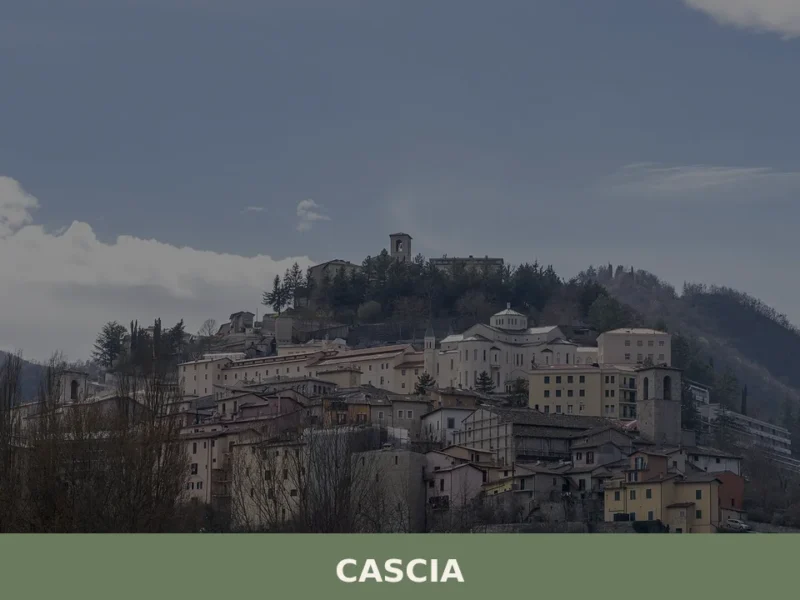
Cascia
 Mountain
What to see in Cascia, Umbria, Italy: explore the Basilica of Santa Rita, medieval churches, and local truffles at 653 m altitude. Discover the full travel guide.
Attigliano
 Hills
Hills
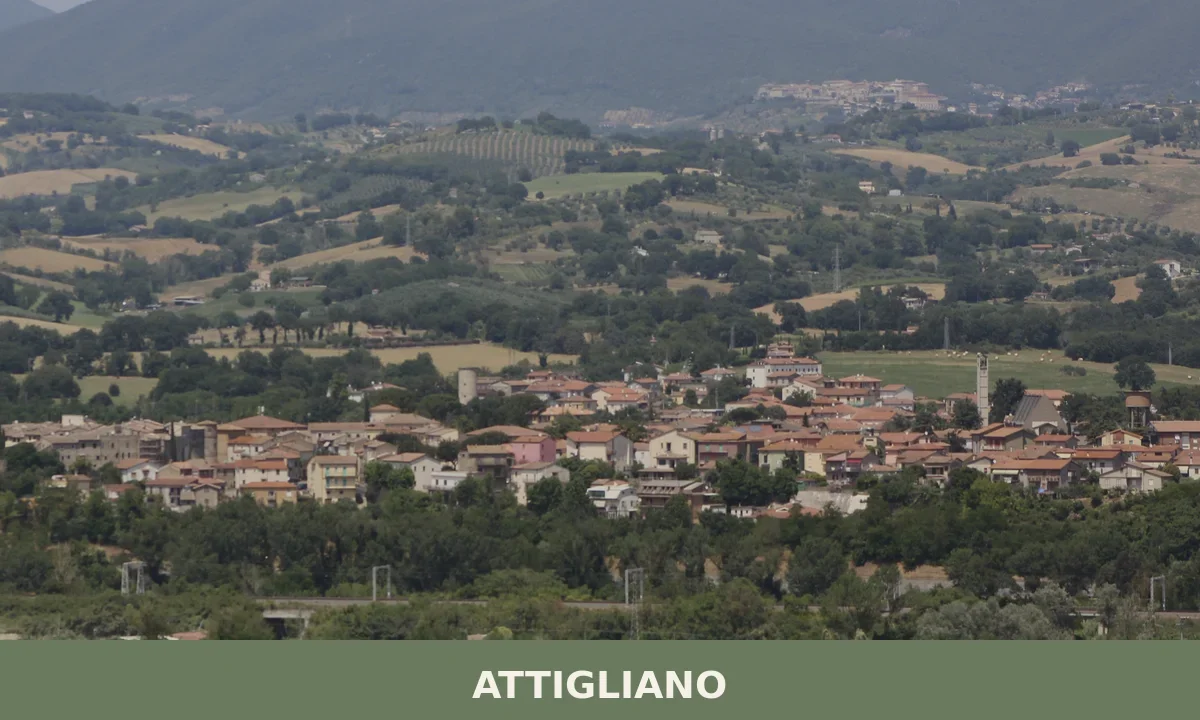
What to see in Attigliano, Umbria, Italy: explore a medieval castle with 6 towers, the 1885 Fontana dei Delfini, and San Lorenzo church. Discover how to get there.
Bastia Umbra
Hills
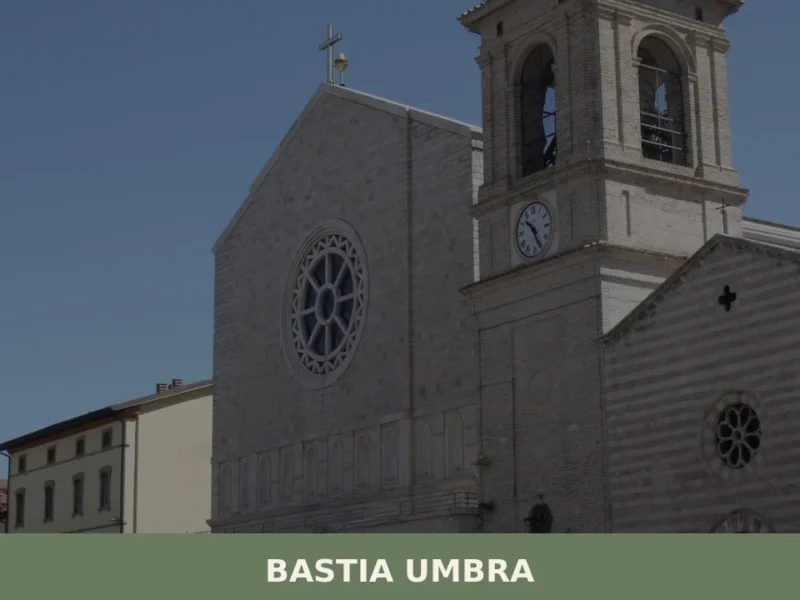
Bastia Umbra, a village in Umbria, stands at 203 meters with 21,321 inhabitants, offering a journey through history, notable churches, and a landscape shaped by rivers.
Paciano
Hills
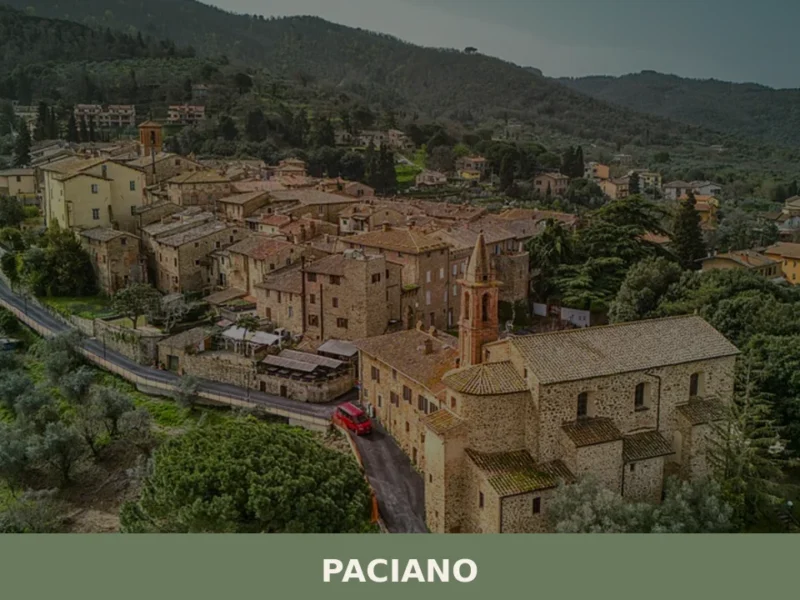
As the early morning mist begins to lift from the rolling hills, a faint scent of woodsmoke and damp earth hangs in the air. The first rays of sunlight strike the ancient stone of Paciano, illuminating a quiet street where a lone figure sweeps the flagstones outside a modest doorway. Here, life unfolds with a […]
Allerona
Hills
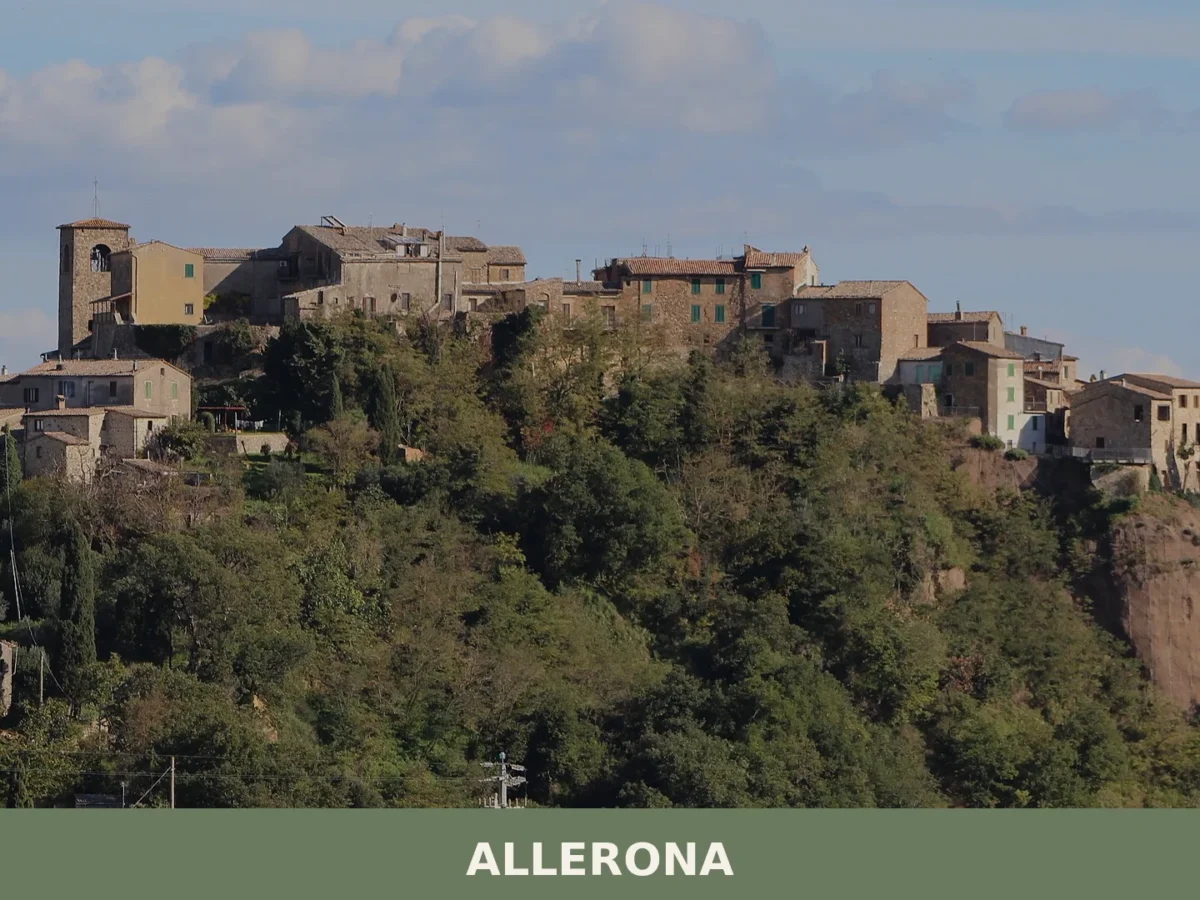
A comune of 1,687 inhabitants at the western edge of Umbria. Allerona shares borders with Lazio and Tuscany, hosting the Pugnaloni festival each May.
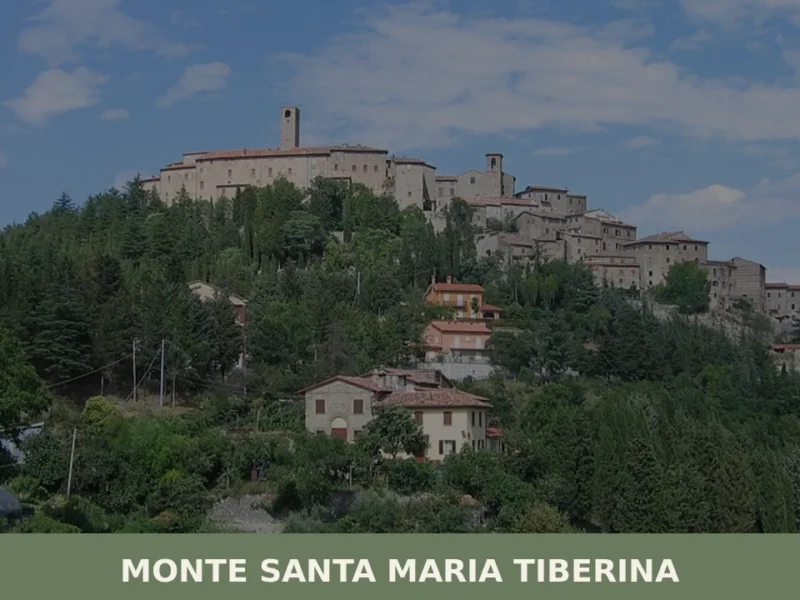
Monte Santa Maria Tiberina
Mountain
A quiet hush often settles over the stone lanes of Monte Santa Maria Tiberina as the morning sun climbs, painting the ancient walls with a warm ochre glow. From its vantage point at 688 metres above sea level, the village awakens slowly, the distant murmur of the Tiber River a faint counterpoint to the rustle […]
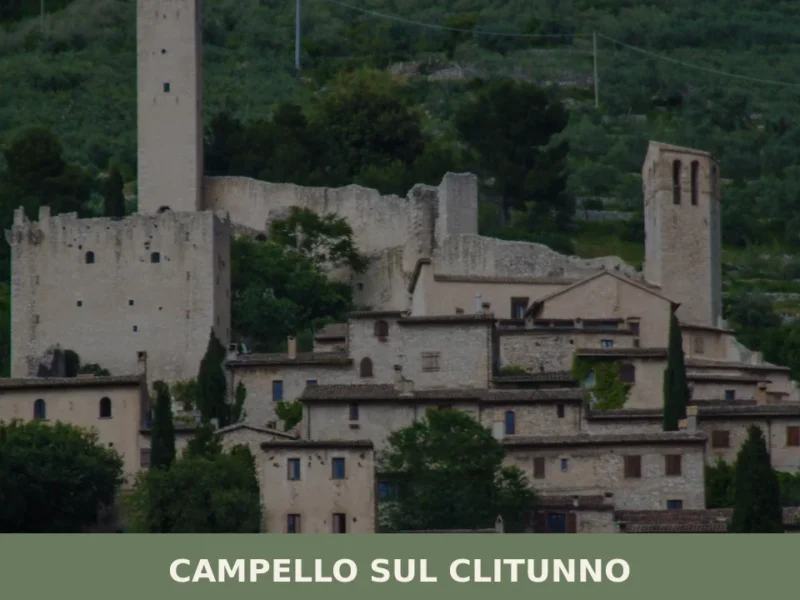
Campello sul Clitunno
Hills
Campello sul Clitunno è un borgo umbro che unisce storia longobarda, architetture medievali e una ricca tradizione enogastronomica.
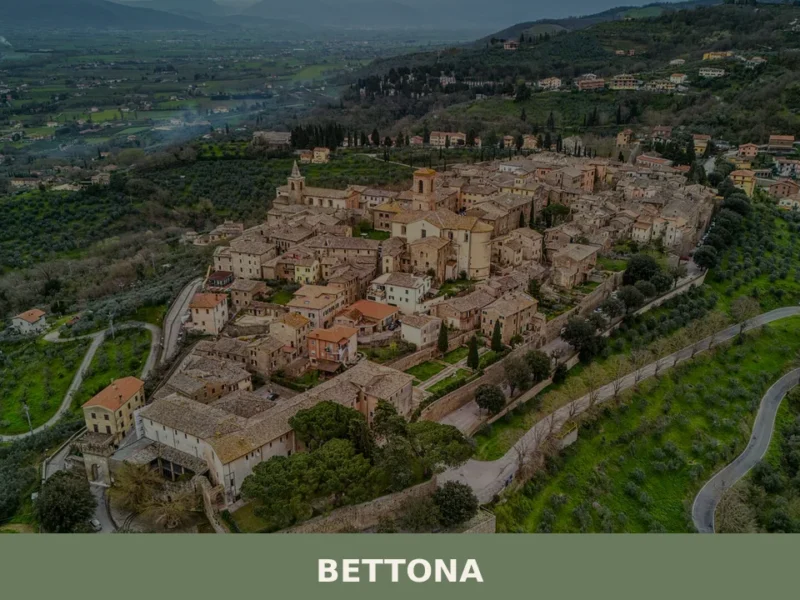
Bettona
Hills
Bettona, a municipality in the province of Perugia, Umbria, rises 353 meters above sea level with a population of 4,227 inhabitants.
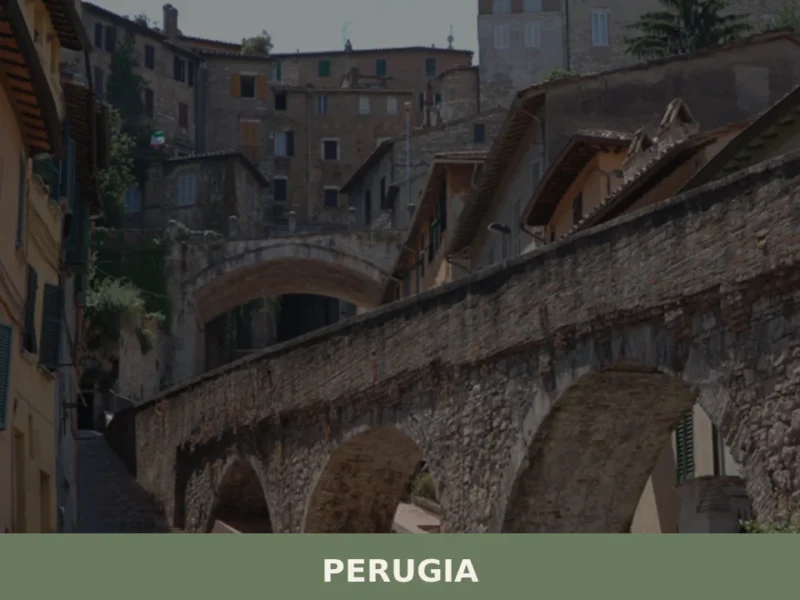
Perugia
Hills
Perugia, the hilltop regional capital of Umbria at 484 metres above sea level, offers visitors more than three thousand years of continuous history, from Etruscan walls to Renaissance frescoes.
Scheggino
Hills
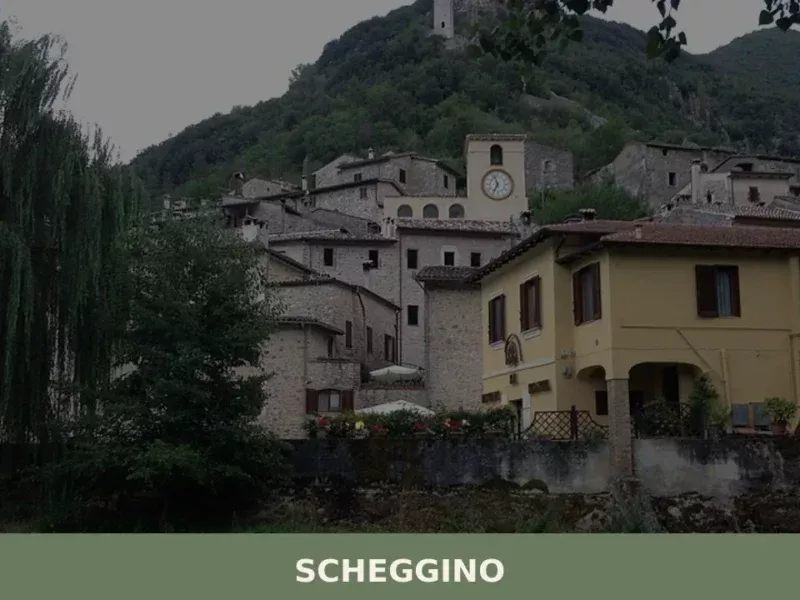
Situated at an altitude of 282 meters above sea level, Scheggino is a compact village in the Umbrian Apennines, home to 446 inhabitants in the province of Perugia. Its development has been shaped by its proximity to the Nera River, a constant presence that influenced both its economy and defensive structures over centuries. Understanding what […]
🏡 Know Poggiodomo better than we do?
If you’re a local or have been there, your knowledge matters: add what’s missing or fix a detail on this page.