


Cisternino
 Hills
Hills
At 394 meters above sea level, in the heart of the Itria Valley, Cisternino features a compact urban layout, characterized by white lime buildings that line a network of narrow streets. This architecture, typical of Puglia’s “white village” style, reflects centuries of adaptation to the climate and terrain. Its elevated position offers a wide view […]
Discover Cisternino
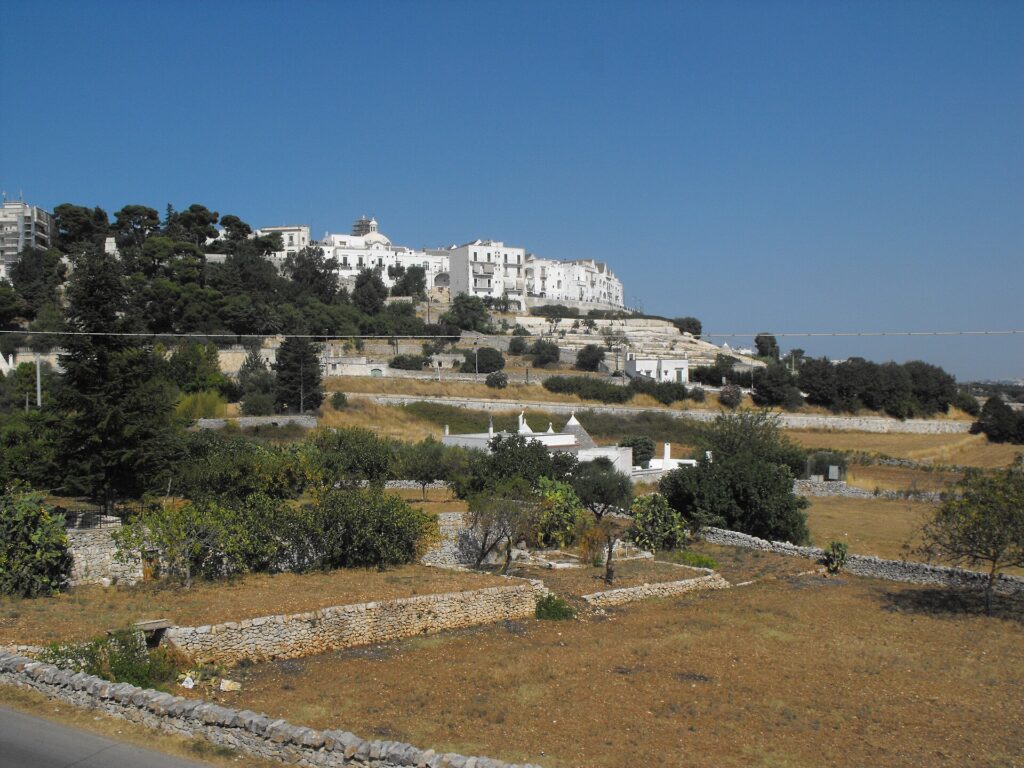
At 394 meters above sea level, in the heart of the Itria Valley, Cisternino features a compact urban layout, characterized by white lime buildings that line a network of narrow streets. This architecture, typical of Puglia’s “white village” style, reflects centuries of adaptation to the climate and terrain. Its elevated position offers a wide view of the surrounding countryside, marked by ancient olive groves and trulli. For those wondering what to see in Cisternino, the historic center provides a route through its historical layers, from Messapian traces to medieval and Renaissance influences, which have shaped the current appearance of the town. Cisternino has a population of 11,678 inhabitants, and the municipality is part of the province of Brindisi, preserving an identity that connects urban life with its agricultural calling.
History and origins of Cisternino
Cisternino’s origins extend into a distant past, with evidence of Messapian settlements in the area as early as the 5th-4th century BC. The village’s name itself is subject to different interpretations: some connect it to “Sturninum”, ancient Ostuni, suggesting a derivation from “Cis-Sturninum”, meaning “on this side of Sturninum”; others attribute it to the presence of underground cisterns for water collection, essential for survival in a karstic territory. During the Roman era, the area was affected by agrarian centuriation, and later, in the
Frequently asked questions about Cisternino
What is the best time to visit Cisternino?
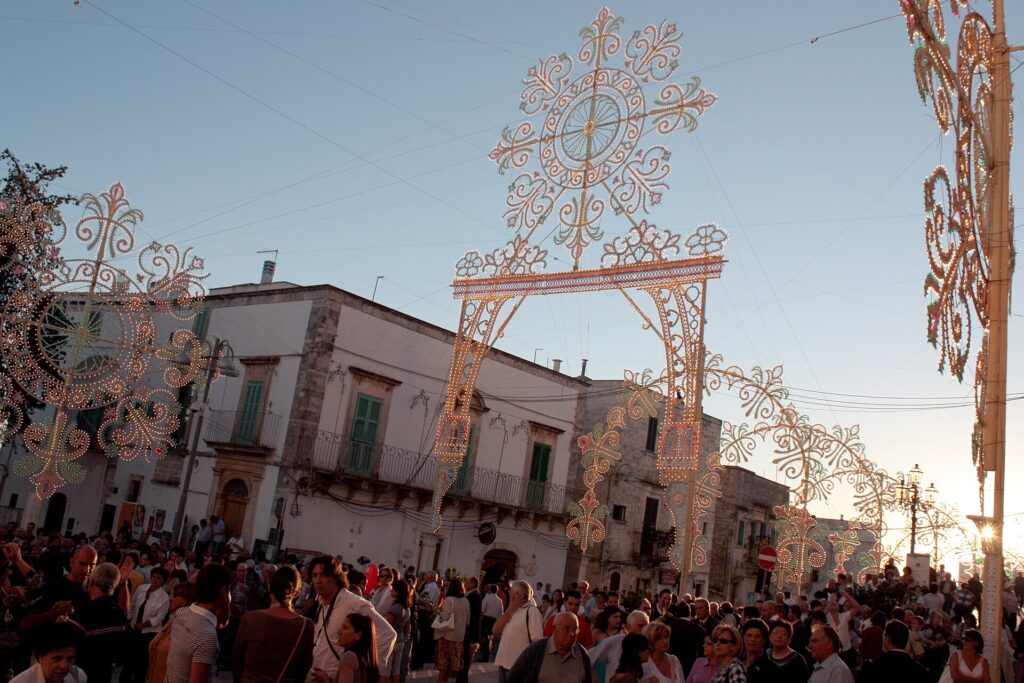
Late spring (May–June) and early autumn (September–October) offer mild temperatures and fewer crowds, ideal for exploring the historic center and the Itria Valley countryside. Summer is lively but hot; the highlight is the patron saint festival held on the first Sunday of August, dedicated to Saints Quirico and Giulitta, with processions and local celebrations in the village center. A second feast honors co-patron San Nicola di Bari on December 6th, offering a quieter, more traditional atmosphere. Avoid August mid-weeks if you prefer a relaxed visit.
What are the historical origins of Cisternino?
Cisternino's roots trace back to Messapian settlements dating to the 5th–4th century BC. The village's name has two main interpretations: a derivation from 'Cis-Sturninum' (meaning 'on this side of Ostuni', ancient Sturninum), or a reference to underground water cisterns essential in the karst landscape. During the Roman period, the surrounding territory was subject to agrarian centuriation. The current urban layout, with its white lime-washed buildings and narrow lanes, reflects medieval and Renaissance stratifications built upon these ancient foundations.
What to see in Cisternino? Main monuments and landmarks
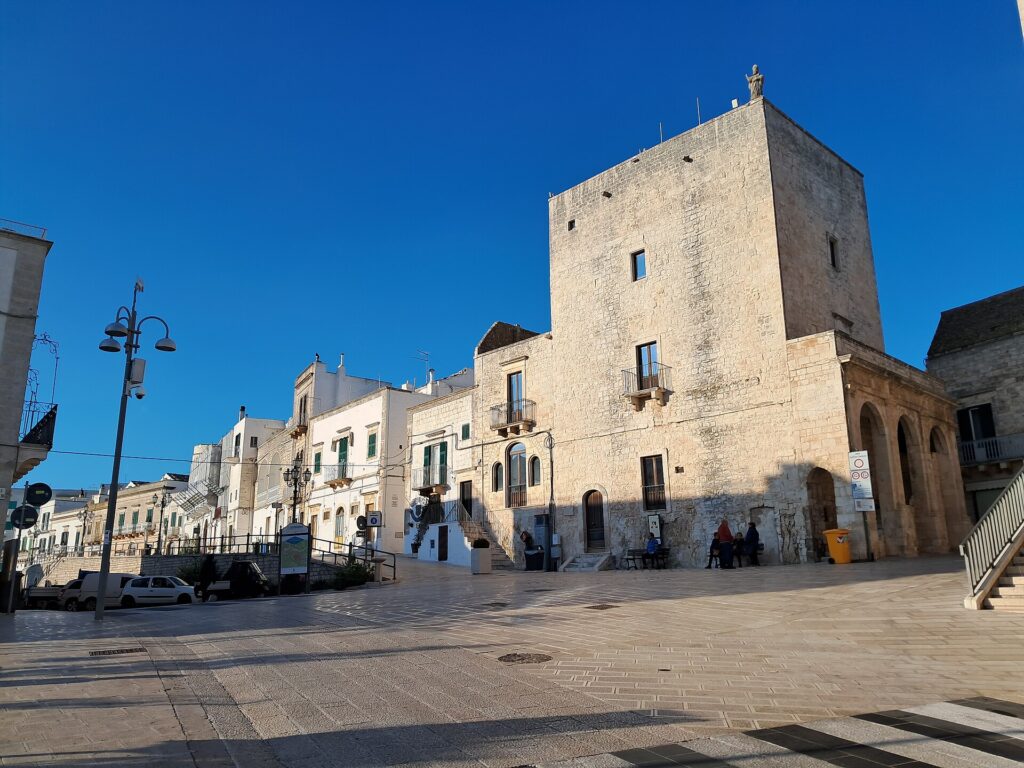
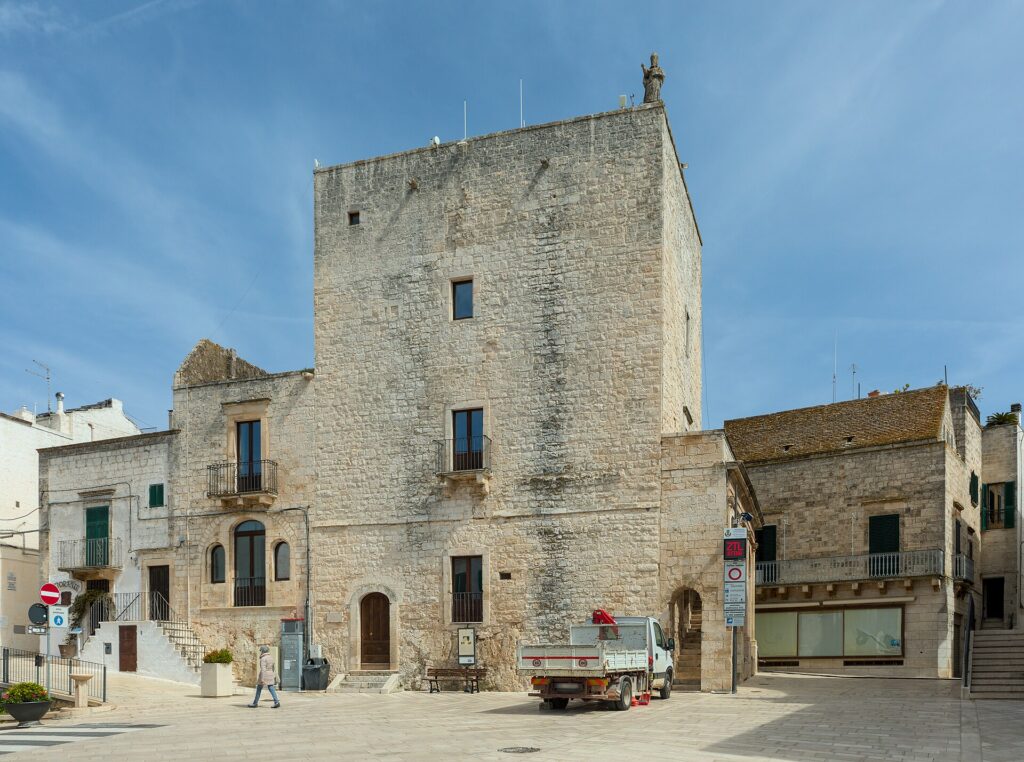
The historic center is the main attraction: a dense network of whitewashed alleys, archways, and small squares typical of Puglia's Valle d'Itria. The Church of San Nicola, one of the village's oldest religious buildings, is a key landmark. The Torre Normanno-Sveva (Norman-Swabian tower) dominates the central Piazza Vittorio Emanuele II and stands as a symbol of the medieval town. The panoramic terrace near the center offers sweeping views over olive groves, trulli and the valley below. Access to the historic center and viewpoints is free and open daily.
What are the main natural or scenic attractions of Cisternino?
Cisternino sits at 394 meters in the Itria Valley, part of the Murgia dei Trulli landscape. The surrounding territory features ancient olive groves, dry-stone walls, and iconic trulli farmhouses. The area falls within the broader protected landscape of the Alta Murgia and Itria Valley, popular for cycling and walking along rural tracks connecting Cisternino with Locorotondo and Alberobello. The elevated position of the village itself provides natural panoramic vistas over one of Puglia's most distinctive rural landscapes.
Where to take the best photos in Cisternino?
The most photographed spots are the panoramic terrace overlooking the Itria Valley, reachable on foot from the historic center, and the whitewashed alleys of the old town, particularly around Piazza Vittorio Emanuele II and the Norman-Swabian tower. The characteristic external staircases, flower-draped archways, and glimpses of trulli rooftops in the distance make for striking compositions. Early morning light enhances the white facades, while golden hour casts a warm glow over the valley viewpoint.
Are there museums, churches or historic buildings to visit in Cisternino?
The Church of San Nicola, located in the historic center, is one of the oldest and most significant religious monuments in Cisternino, reflecting the village's devotion to its co-patron saint. The Norman-Swabian tower on Piazza Vittorio Emanuele II is the main civic landmark. The historic center itself functions as an open-air architectural museum of whitewashed Apulian vernacular building. Visitors are advised to check current opening hours locally, as smaller churches may have limited or seasonal access.
What can you do in Cisternino? Activities and experiences
Cisternino is well suited for slow tourism: walking the whitewashed historic center, tasting local food in the characteristic rotisseries (known as 'fornelli pronti'), and exploring the Itria Valley by bicycle or on foot along rural paths linking nearby Locorotondo and Alberobello. The patron saint festival on the first Sunday of August offers an authentic local celebration with processions and street events. Wine and olive oil tastings from local producers are also available in and around the municipality.
Who is Cisternino suitable for? Families, couples, hikers, solo travelers?
Cisternino is ideal for couples seeking a romantic, unhurried atmosphere among whitewashed streets and panoramic views. Food lovers will appreciate the local gastronomy, particularly the traditional fornelli pronti. Families with older children and hikers will enjoy the rural trails and cycling routes of the Itria Valley. Solo travelers looking for authentic, off-the-beaten-path Puglia — beyond the better-known Alberobello — will find Cisternino a rewarding and quieter alternative with genuine local character.
What to eat in Cisternino? Local products and specialties
Cisternino is famous in Puglia for its 'fornelli pronti', traditional butcher-rotisseries where customers choose raw meat cuts — bombette (pork rolls stuffed with cheese and cured meat), gnummarieddi (lamb offal skewers), and sausages — which are then grilled on the spot and eaten on the premises. The area also produces Collina di Brindisi DOP olive oil and falls within the Primitivo and Verdeca wine production zones. Taralli, friselle, and fresh orecchiette pasta are staple local foods easily found in village shops and restaurants.
📷 Photo Gallery — Cisternino
Nearby Villages near Cisternino
In Apulia More villages to discover
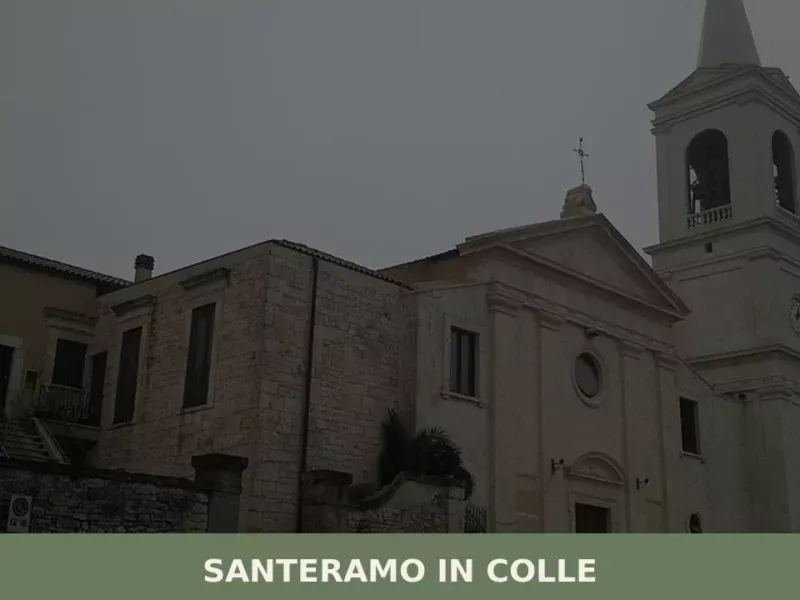
Santeramo in Colle
Hills
What to see in Santeramo in Colle? Discover the top 5 attractions, from the historic center to beautiful churches. Plan your visit to Puglia!
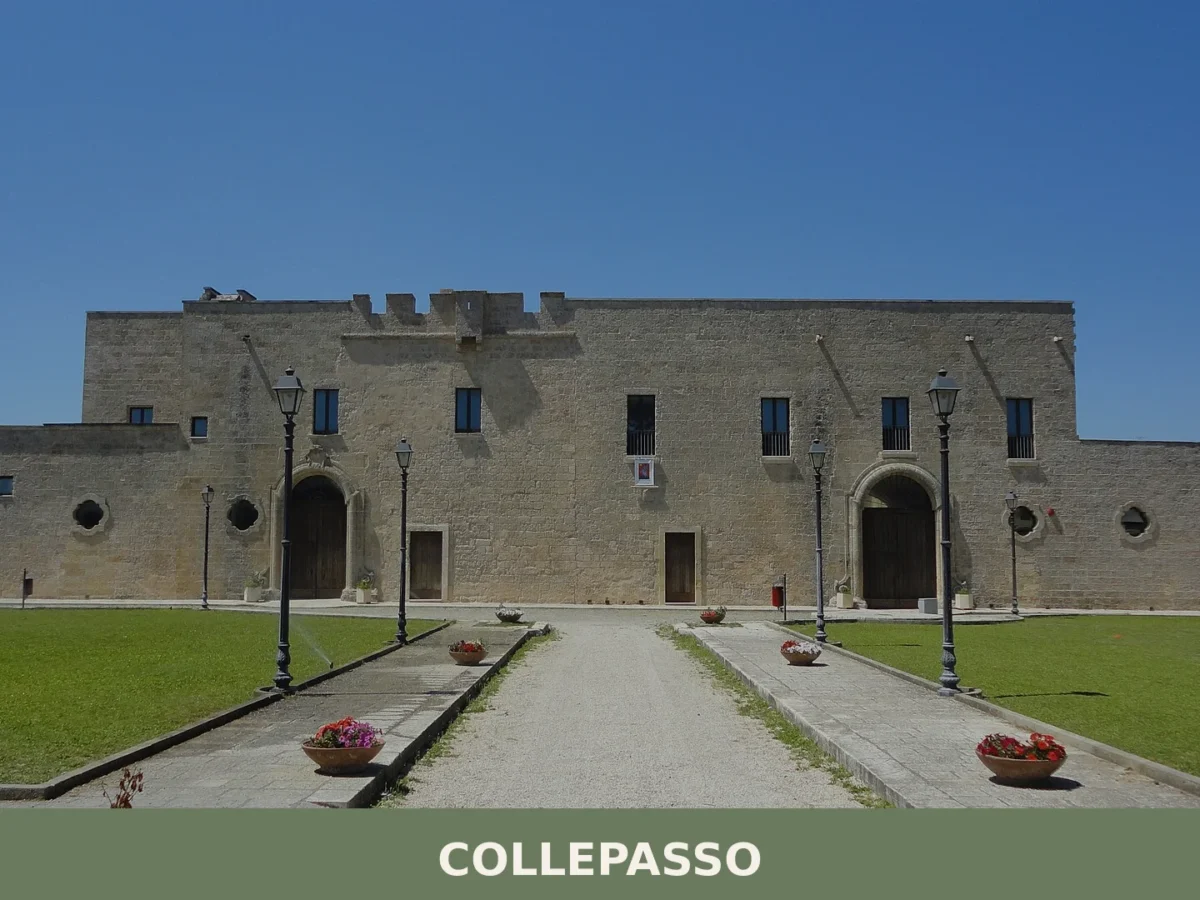
Collepasso
 Plains
A village of 5,500 souls on the Salento plateau, founded in 1805 by a noble couple from Naples. Explore baroque churches, strategic hilltop setting and agricultural heritage.
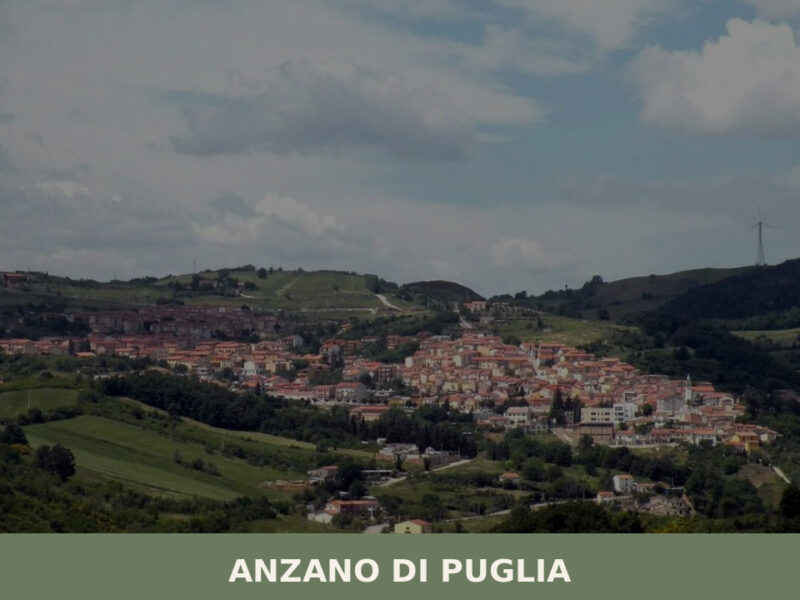
Anzano di Puglia
 Mountain
A tiny hilltop village at 760 m in the Daunia Mountains, Anzano di Puglia enchants with stone lanes, sweeping panoramas, and authentic mountain cuisine.
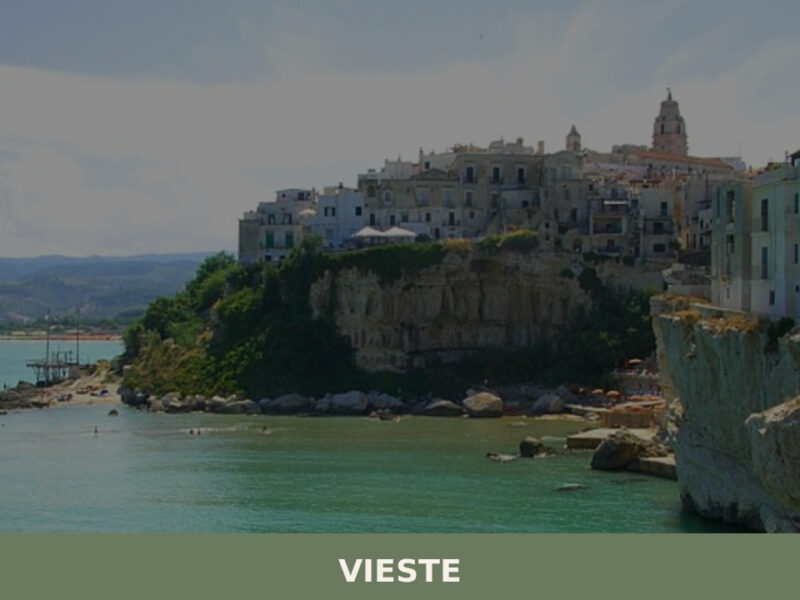
Vieste
 Sea
Sea
Vieste occupies a position in Puglia that matters more than many tourist labels. It is not only a seaside resort, and not only a famous summer destination. It is an Adriatic village built on a Gargano promontory, with a white historic centre above the cliffs, a clearly legible maritime memory and a constant relationship between […]
Stornara
Plains
A quiet agricultural town on Puglia's Tavoliere plain, Stornara rewards visitors with honest rural architecture, sweeping wheat-field panoramas, and a food tradition rooted in durum wheat.
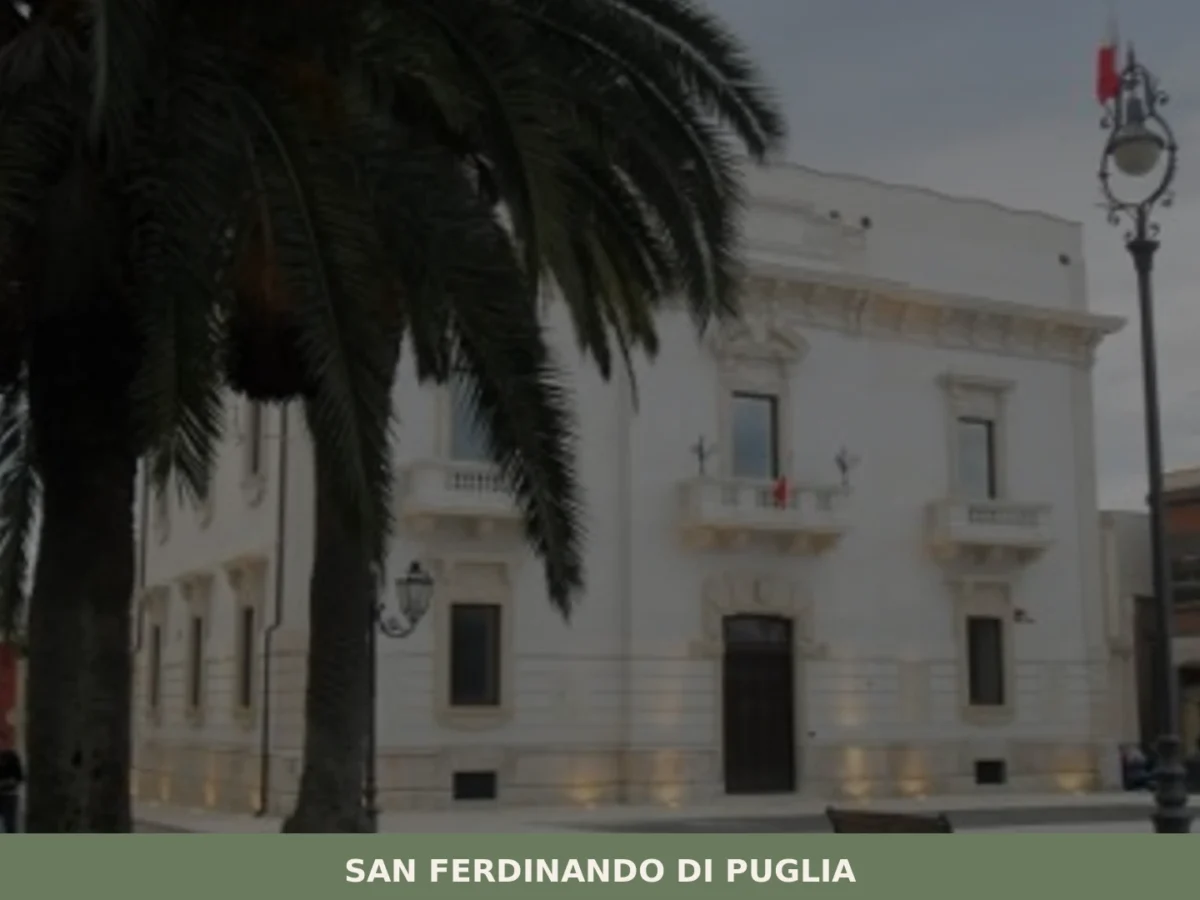
San Ferdinando di Puglia
Plains
What to see in San Ferdinando di Puglia: 5 must-visit attractions, from the historic centre to the churches. Discover the complete guide and plan your visit.
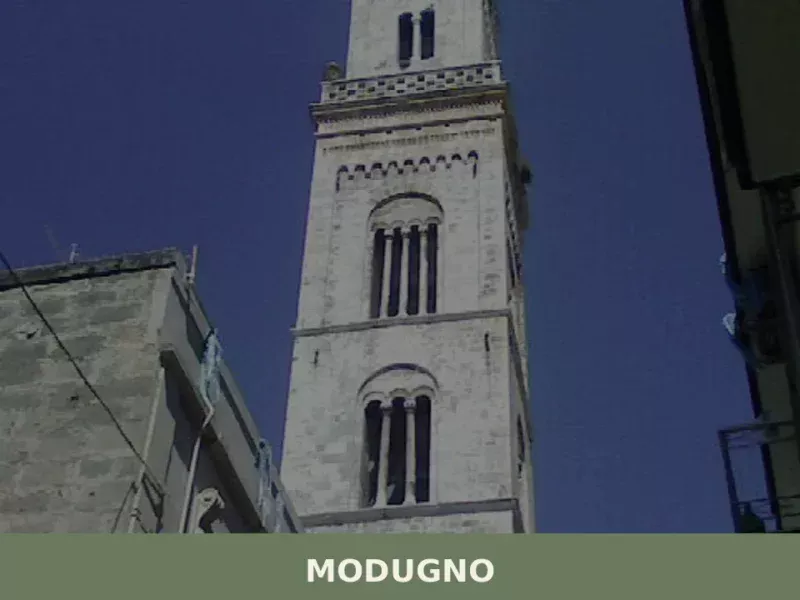
Modugno
Plains
In 1316, King Robert of Anjou confirmed Modugno’s privilege of holding a free fair, recognising this community on the Bari plain as a commercial hub that few centres of similar size could claim. Today, first-time visitors find a compact old town, gathered around Romanesque churches and noble palaces, surrounded by the orderly expanse of olive […]
Orta Nova
Plains
If you are looking to discover the most fascinating Orta Nova attractions, you are in the right place. This Apulian village, located in the heart of the Tavoliere delle Puglie just 24.7 km from Foggia, holds historical and cultural treasures that tell centuries of Italian history. With its 16,600 inhabitants, Orta Nova offers a perfect […]
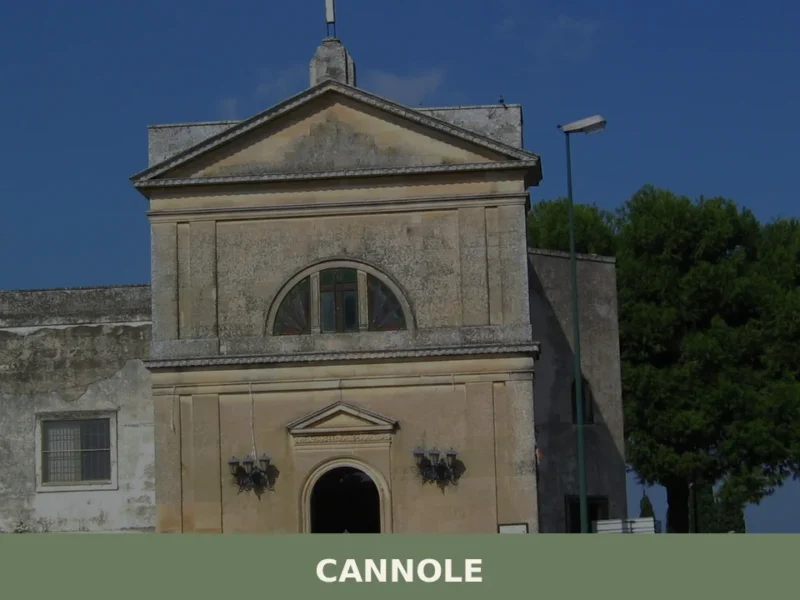
Cannole
Plains
With its 1,631 inhabitants spread across a plateau at 100 metres above sea level in the interior of the Salento, Cannole is one of the smallest municipalities in the province of Lecce. The settlement is organised around a compact core of Lecce stone houses, with a central square that still serves as a daily point […]
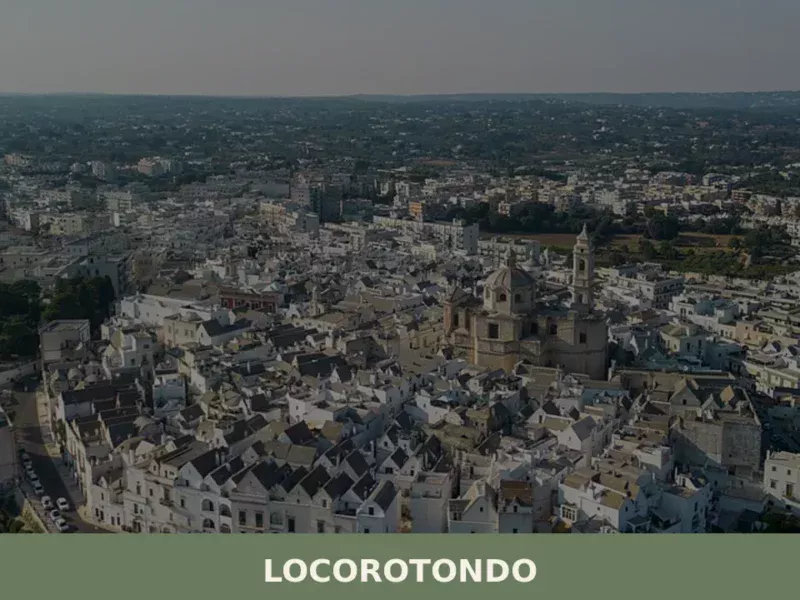
Locorotondo
Hills
The toponym Locorotondo, documented as early as the 12th century as “Luogo Rotondo” (Round Place), derives from the concentric configuration of its historic center, an urban feature that still distinguishes it within the Itria Valley landscape. Located 410 meters above sea level, this municipality in the province of Bari has 14,258 inhabitants and presents a […]




🏡 Know Cisternino better than we do?
If you’re a local or have been there, your knowledge matters: add what’s missing or fix a detail on this page.