


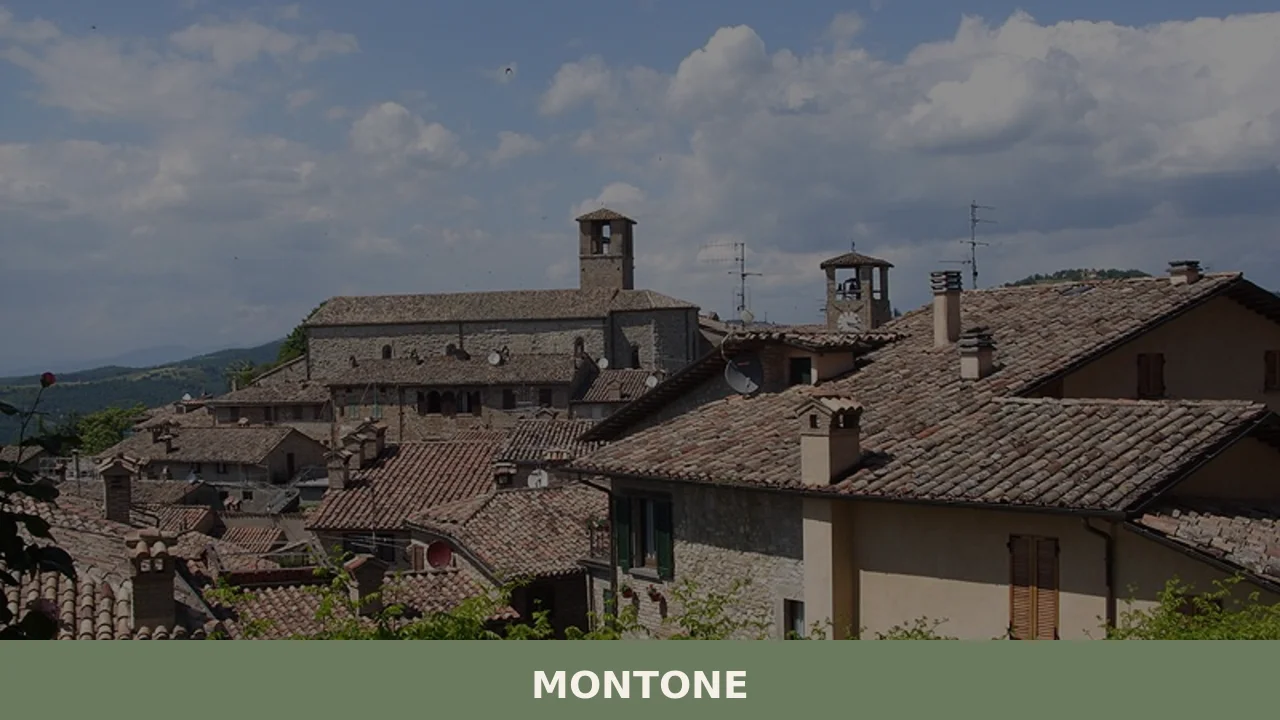
Montone
 Hills
Hills
What to see in Montone, Italy: Explore this Umbrian village, 482 m high, with its medieval walls and historic Rocca d’Aries. Discover churches and heritage.
Discover Montone
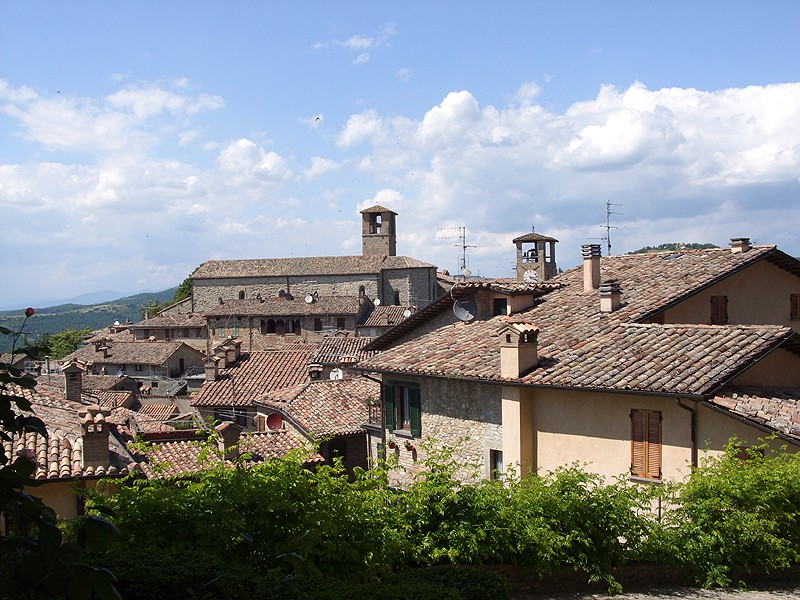
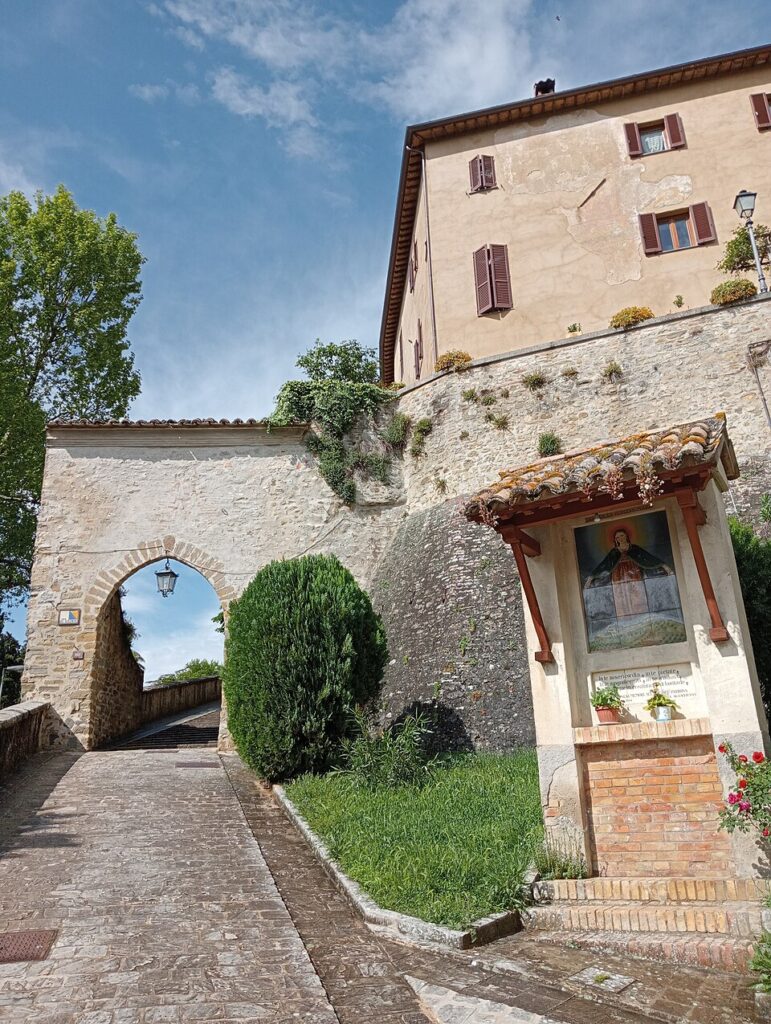
The sounds of the Carpina river, one of the three waterways nourishing the slopes below, carry through Montone, a village fortified with medieval walls. This settlement, positioned on two distinct elevations, presents a historical landscape where the collegiate church of Santa Maria stands prominently on the remnants of an earlier stronghold. The central square, a focal point of village life, lies nestled between these hills, enclosed by the enduring stone architecture.
For those planning what to see in Montone, the village, located about 35 km (21.7 mi) north of Perugia, offers a compelling experience for visitors to Umbria, Italy.
With a population of 1,580 inhabitants, Montone is recognized as one of I Borghi più belli d’Italia, a designation for the most beautiful villages in Italy. Highlights include exploring the ancient churches and ascending to the formidable Rocca d’Aries, which provides a tangible link to its storied past.
History of Montone
The origins of Montone are believed to trace back to the 10th century, the period of its first documented existence. According to Adone Palmieri, the village’s name derives from the Latin Aries, which reflects the historical consolidation of several smaller settlements into a single, fortified site, including a specific location known as Castello d’Arie. Initially, Montone functioned as an ancient fief under the marquises Del Monte, establishing its early feudal ties within the Umbrian landscape.
By the mid-12th century, Montone had evolved into an autonomous community, operating under the broader control of Perugia.
During this period, its governance structure included a general council and two consuls, indicating a degree of self-determination within its regional context. The later medieval period saw the village’s trajectory become deeply intertwined with the fortunes of the influential Fortebracci family, whose earliest known member, Ugolino, emerged around the 12th century. This family aligned with the Guelph faction, maintaining strategic alliances with Perugia, and often found themselves in opposition to the Olivi family of Montone, who led the Ghibelline party with support from the Ubaldini della Corda. This local rivalry culminated in 1280, when Fagiolo Olivi forcibly entered Montone, resulting in the deaths of Fortebraccio Fortebracci and members of his family, before Olivi himself was killed.
Montone experienced its period of greatest prominence in the early 15th century under the leadership of Braccio da Montone, a renowned mercenary leader. His influence was officially recognized on 28 August 1414, when Antipope John XXIII elevated Montone to the status of a County and granted it to Braccio and his descendants. This title was subsequently renewed in 1424 by Pope Martin V for Carlo, Braccio’s son, solidifying the family’s legacy.
Following the Fortebracci era, Montone became a marquisate under the Vitelli family in 1607, a rule that persisted until 1640. During the French period, the town was incorporated into the canton of Umbertide before reverting to the Papal States. Montone finally became part of the unified Kingdom of Italy in 1860, and by 1895, its population had reached 2,364 inhabitants, reflecting its enduring presence through centuries of political change.
What to see in Montone, Umbria: top attractions
Exploring what to see in Montone provides a deep dive into its layered history and cultural heritage, revealing structures that have stood for centuries. The village’s strategic location and the legacy of powerful families have endowed it with a collection of significant landmarks, each telling a part of its story. From ancient fortifications to richly adorned churches, the attractions here offer a tangible connection to the past.
Church of San Francesco
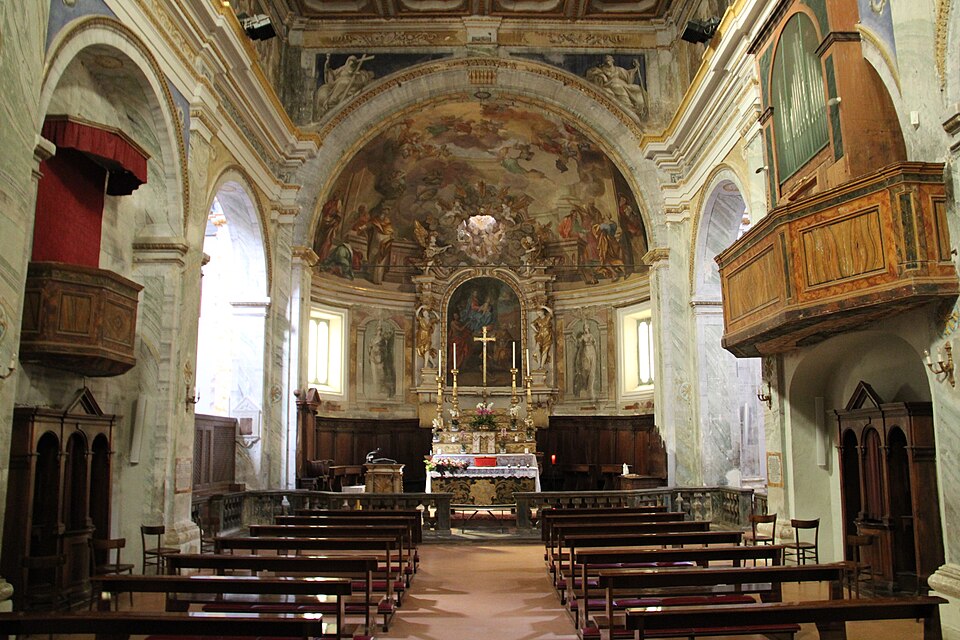
The Church of San Francesco, rebuilt towards the end of the 14th century, stands as a testament to Montone’s enduring architectural and artistic traditions.
Its entrance portal, a notable feature, was intricately carved in 1519 by Antonio Bencivenni, showcasing Renaissance craftsmanship. Inside, visitors can observe a painted banner created by Bonfigli in 1482, which vividly depicts Christ flanked by two angels, the Virgin extending her mantle over devotees, and various saints, all set against a detailed view of Montone itself. The church also preserves a finely worked and gilded stone altar, alongside a magistrate’s bench adorned with intarsia, a form of wood inlay, dating from 1505, and sculpted stone bearing the emblem of the Fortebraccio family.
Rocca d’Aries
The imposing Rocca d’Aries, characterized by its rectangular plan and a distinctive circular tower on one side, was constructed by the Fortebracci family atop the remains of an even older fortification. Documented from as early as the year 1000, its history became profoundly linked to the Fortebracci family from 1376, when Oddo III, father of Braccio da Montone, captured it and brought it under the influence of nearby Città di Castello. Perugian magistrates later regained possession and entrusted Oddo III Fortebracci with the task of making the rocca, or fortress, substantially more massive and resilient, with the enlarged structure completed by 1380.
Over the centuries, this strategic stronghold served both defensive and residential purposes, though it became independent of the town from the 16th century, enduring events such as an assault by 600 bandits in 1596 during a period of widespread lawlessness in the Gubbio area. The Rocca d’Aries, having passed through the hands of the Bentivoglio and Della Porta families, was eventually purchased by the Region of Umbria in the 1980s, preserving its imposing fortified mass despite various alterations for habitation.
Collegiate Church of Santa Maria and San Gregorio
Positioned prominently on one of Montone’s two elevations, the Collegiate Church of Santa Maria and San Gregorio occupies a site of historical significance, having been built upon the remains of an earlier fortification. This strategic placement not only provided a defensive advantage but also established the church as a spiritual and architectural landmark within the walled town.
Its presence contributes to the distinctive skyline of Montone, overlooking the central square which lies between the village’s two hills. The church serves as a key religious institution, reflecting the village’s long-standing devotion and its architectural evolution over centuries. Visitors to Montone will find this collegiate church an integral part of the historical and religious fabric of the community, representing centuries of faith and architectural development.
Church of San Fedele
The Church of San Fedele offers visitors a glimpse into Montone’s artistic heritage, housing several notable works within its historical walls. Among its treasures is a painting of the Holy Family, recognized as a copy of a work by the renowned French Baroque painter Nicolas Poussin, showcasing the artistic influences that reached this Umbrian village. Additionally, the church features an altarpiece depicting the Annunciation, a collaborative work attributed to Tommaso da Cortona and Vittore Cirello. These artworks provide a window into the styles and devotional practices prevalent in the region during their creation.
The church itself contributes to the rich tapestry of religious buildings that characterize Montone, each with its unique artistic and historical contributions.
Church of the Sacramento
Within the Church of the Sacramento, visitors can find significant artistic and religious artifacts that underscore Montone’s cultural depth. The high altar is distinguished by a panel of the Last Supper, a compelling work painted in 1611 by Hendrick van Steenwijck the Younger, known as Calvart. This piece exemplifies the artistic trends of the early 17th century and serves as a focal point for contemplation within the church. Furthermore, the sacristy of the Church of the Sacramento preserves a finely worked chalice, dated to 1549, which is a testament to the exquisite craftsmanship of the period. These items collectively offer an insight into the historical and devotional practices that have shaped the spiritual life of Montone for centuries.
Local food and typical products of Montone
The economic history of Montone provides insight into its traditional relationship with the land and local resources. In the 19th century, agriculture was widely described as flourishing in the territory surrounding the village, indicating a strong reliance on farming for sustenance and trade. This historical agricultural prosperity would naturally have fostered a cuisine based on seasonal produce, cereals, and local animal husbandry.
Alongside agriculture, sericulture, the cultivation of silkworms for silk production, was also a significant economic activity. While specific traditional dishes or certified food products unique to Montone are not detailed in the available historical records, the agricultural foundation suggests a connection to the broader Umbrian culinary traditions, which often feature robust flavors derived from simple, high-quality ingredients.
Festivals, events and traditions of Montone
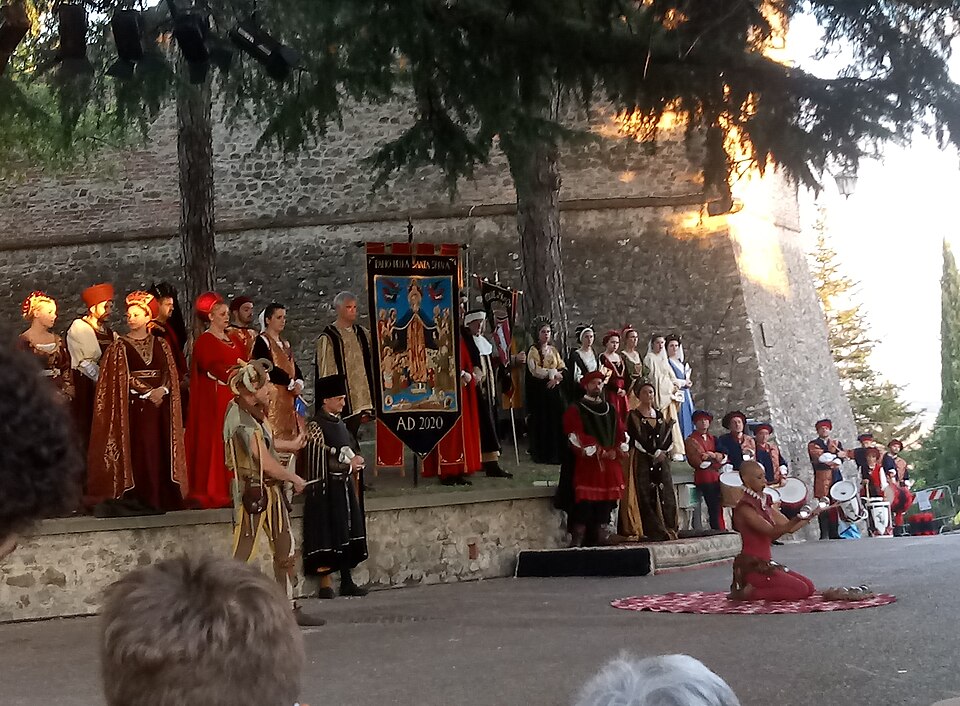
Montone maintains its traditions through several annual celebrations that connect the community to its historical and religious roots. The village honors its patron saints, Saint Roch and the Holy Thorn, with distinct festivals that are central to its cultural calendar. The festival of Saint Roch is celebrated annually on August 16th, a summer occasion that typically involves religious observances and communal gatherings. This event provides a glimpse into the local customs and the enduring faith of the inhabitants.
Another significant observance is the festival of the Holy Thorn, which takes place on the second day of Easter.
This spring celebration, rooted in deep religious significance, draws the community together for specific rituals and reflections. These two festivals represent the primary documented traditions in Montone, offering visitors an opportunity to experience the village’s cultural continuity and shared heritage during these specific times of the year. The celebrations for what to see in Montone during these periods often include processions and local festivities that bring the community to life.
When to visit Montone, Italy and how to get there
For those planning a visit to Montone, Italy, considering the local festivals can help determine the best time to visit. The festival of Saint Roch on August 16th and the Holy Thorn festival on the second day of Easter offer specific cultural experiences. While specific climate data for Montone is not provided, the broader Umbria region typically experiences mild springs and autumns, making these seasons generally suitable for exploring the village and attending its festivals. Summers can be warm, ideal for enjoying outdoor activities, while winters are cooler and quieter. The village, with its elevations and walled center, suggests some uneven terrain, which visitors should consider when planning their exploration.
Montone is accessible for those seeking what to see in Montone, being situated about 35 km (21.7 mi) north of Perugia, making it a feasible day trip from this major Umbrian city.
For visitors arriving from Umbertide, the village is approximately 6.4 km (4 mi) away. The most practical way to reach Montone is by car, allowing for flexibility to navigate the Umbrian countryside. International visitors should note that in smaller Italian villages, English may be limited in shops and local establishments, and carrying some Euros cash can be useful for transactions. For further details on local services and travel information, the official Montone municipality website can provide additional guidance.
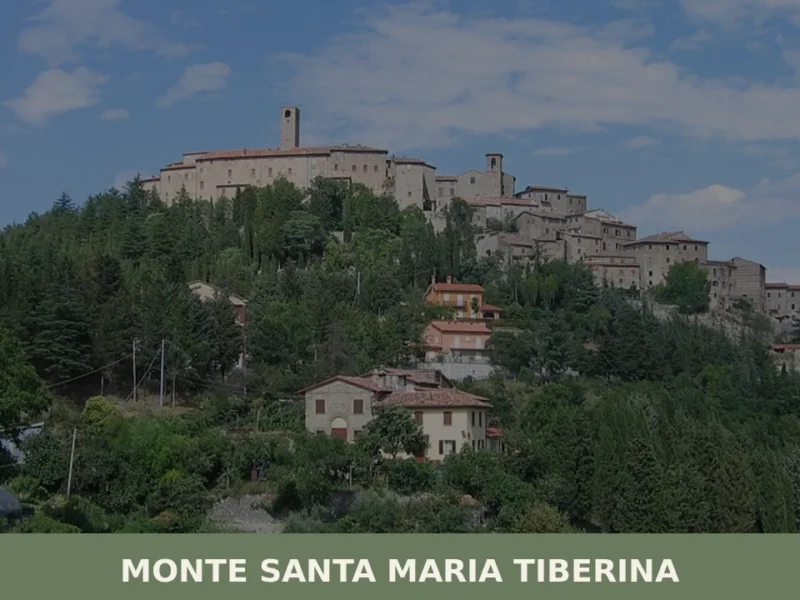
Visitors exploring Montone might also consider a trip to Monte Santa Maria Tiberina, another Umbrian village that shares historical connections within the region, particularly regarding its past ties to powerful local families and strategic geographical position.
Frequently asked questions about Montone
What is the best time to visit Montone?
Spring (April–May) and autumn (September–October) offer the most pleasant conditions: mild temperatures, lush or colourful landscapes, and fewer crowds. Summer evenings are cooler thanks to the 482-metre elevation, and July brings the internationally known Umbria Film Festival, making it a culturally lively period. Winter provides a quieter, atmospheric experience of the medieval village. The feast of patron saint Pope Gregory I (San Gregorio Magno) falls on 3 September, offering an additional local celebration in early autumn.
What are the historical origins of Montone?
Montone's roots are medieval: its hilltop position above the Tiber Valley was chosen for strategic defense, and its walled perimeter still survives today. The village rose to regional prominence in the 14th–15th centuries through the Fortebracci family. Their most celebrated member, Andrea Fortebracci — known as Braccio da Montone — was born here in 1368 and became one of Italy's most feared condottieri, controlling Perugia and large parts of central Italy before challenging papal authority. His legacy remains central to Montone's identity.
What to see in Montone? Main monuments and landmarks
The five key sites are: the Rocca di Montone (fortress ruins at the village's highest point, free to visit); the Collegiata di Santa Maria (parish church with artworks and a prominent bell tower); the Convento di San Francesco housing the Museo Civico with sacred art and a historic cloister; the Palazzo del Podestà, the medieval seat of civic government in the main square; and the historic centre itself — a preserved labyrinth of cobblestone alleys, archways and small piazzas ideal for unhurried exploration.
Are there museums or civic collections to visit in Montone?
Yes. The Museo Civico is housed inside the former Convento di San Francesco, set around an elegant cloister. Its collection focuses on sacred art, relics and artefacts connected to Montone's religious and civic history, including works by local artists spanning several centuries. The former Franciscan church that forms part of the complex adds architectural interest. For current opening hours and admission fees, it is best to check directly with the municipality or the local Pro Loco before your visit.
What can you do in Montone? Activities and experiences
Montone offers a mix of cultural and outdoor experiences. Cinephiles should plan around the Umbria Film Festival, which transforms the village each summer into an international cinema hub. Food lovers can visit local trattorias and osterias for authentic Umbrian cuisine featuring truffles, wild game and artisanal cured meats. The surrounding Tiber Valley hills are ideal for walking and scenic drives connecting nearby villages. The compact, fully preserved historic centre lends itself to slow, photography-friendly exploration at any time of year.
Where to take the best photos in Montone?
The ruins of the Rocca at the village's highest point provide panoramic views over the Tiber Valley and the Umbrian Apennine foothills — excellent for landscape shots at sunrise or golden hour. The cloister of the Convento di San Francesco offers intimate architectural framing. The narrow cobblestone alleys and stone archways of the historic centre provide classic medieval streetscape compositions, while the bell tower of the Collegiata di Santa Maria makes a recognisable landmark against the Umbrian sky.
Who is Montone suitable for? Families, couples, hikers, solo travelers?
Montone suits a wide range of visitors. Couples and solo travellers drawn to authentic, uncrowded medieval atmosphere will find it especially rewarding. History enthusiasts will appreciate the Braccio da Montone legacy and the well-preserved defensive architecture. Film lovers should target the summer Umbria Film Festival. The village's compact, walkable centre and surrounding valley scenery also appeal to leisure hikers and photographers. Families can enjoy a peaceful rural environment, though the village's hilly, cobblestoned layout is less suited to very young children or those with limited mobility.
What to eat in Montone? Local products and specialties
Montone's table reflects classic Umbrian hill-country cooking. Black and white truffles feature heavily — shaved over pasta or stirred into sauces. Wild boar and game stews are hearty staples, as are cured meats from the Umbrian 'norcineria' tradition. High-quality extra virgin olive oil from family presses adds a distinctive peppery note to every dish. Lentils from nearby Castelluccio di Norcia (IGP-protected) appear in soups and sides. Local red and white wines from Umbrian producers complement the meal. A handful of village trattorias and osterias serve these specialties in a traditional setting.
📷 Photo Gallery — Montone
Nearby Villages near Montone
In Umbria More villages to discover
Perugia
Hills
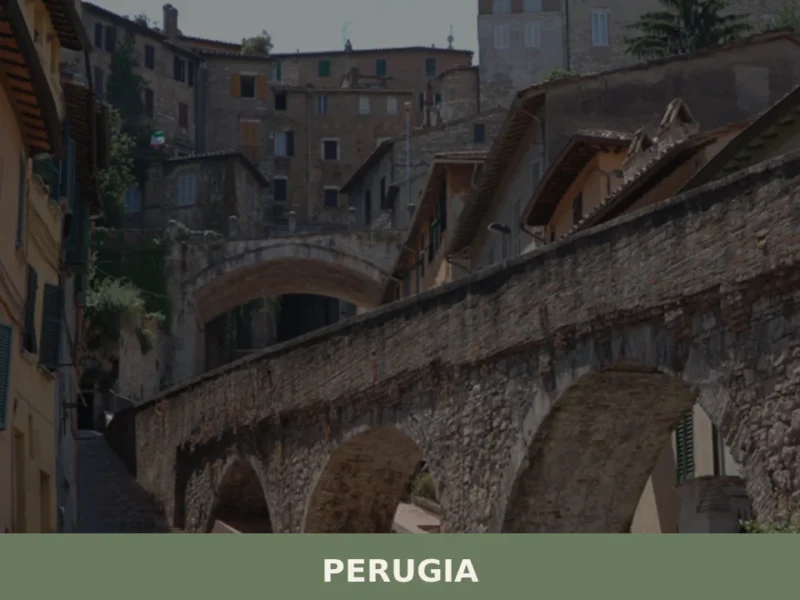
What to see in Perugia: discover 5 main attractions, from Fontana Maggiore to Rocca Paolina. Plan your trip and visit the heart of Umbria.
Bastia Umbra
Hills
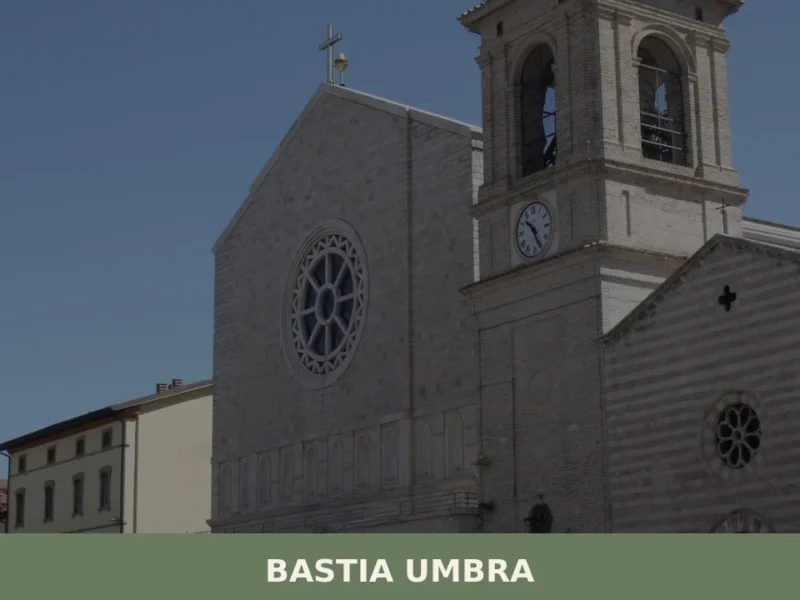
What to see in Bastia Umbra, Italy: 5 top attractions, local food, and how to get there. Explore a plains town 13 km from Perugia with 21,965 inhabitants.
Castel Ritaldi
Hills
What to see in Castel Ritaldi, Italy: 5 top attractions, local food, and travel tips for this Umbrian village at 297 m. Discover frescoes, medieval churches & more.
Preci
Hills
With a recorded population of 681 inhabitants, Preci stands at an elevation of 596 metres above sea level in the heart of Umbria, a region often referred to as Italy’s ‘green heart’. This small village, historically shaped by its monastic tradition and a renowned surgical school (see English Wikipedia), offers a distinct window into a […]
Bevagna
Hills
What to see in Bevagna, Umbria, Italy: explore 5 key attractions, Romanesque churches, Roman ruins, and local food. Population 5,130. Discover the full guide.
Monte Castello di Vibio
Hills
Monte Castello di Vibio holds the world's smallest theatre and an intact medieval centre above the Tiber valley. A complete guide to its history, attractions, and local food.
Poggiodomo
 Mountain
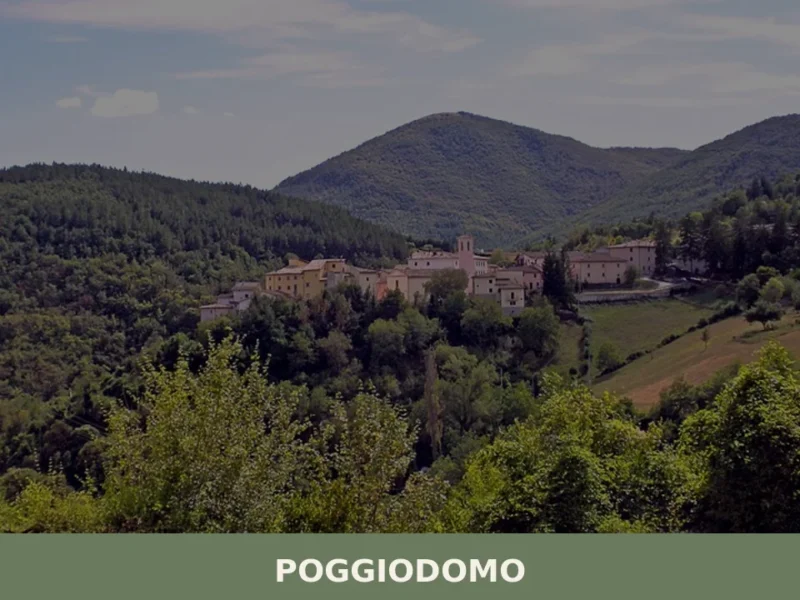
What to see in Poggiodomo, Italy? Explore this Umbrian village, situated at 974 m, and discover the historic Church of San Carlo Borromeo and the Hermitage of Madonna della Stella.
Costacciaro
Hills
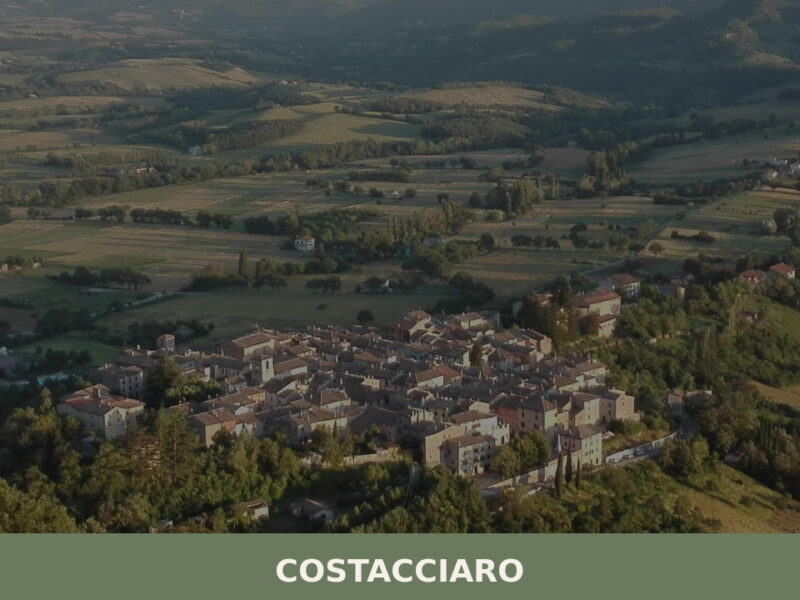
Morning light reaches Costacciaro slowly, filtered through the mass of Monte Cucco before it spills across stone facades and narrow lanes still damp from overnight mountain air. At 1,280 inhabitants, this is a village measured not in monuments but in texture — the grain of limestone walls, the sound of water channelled from karst springs, […]
Acquasparta
Hills
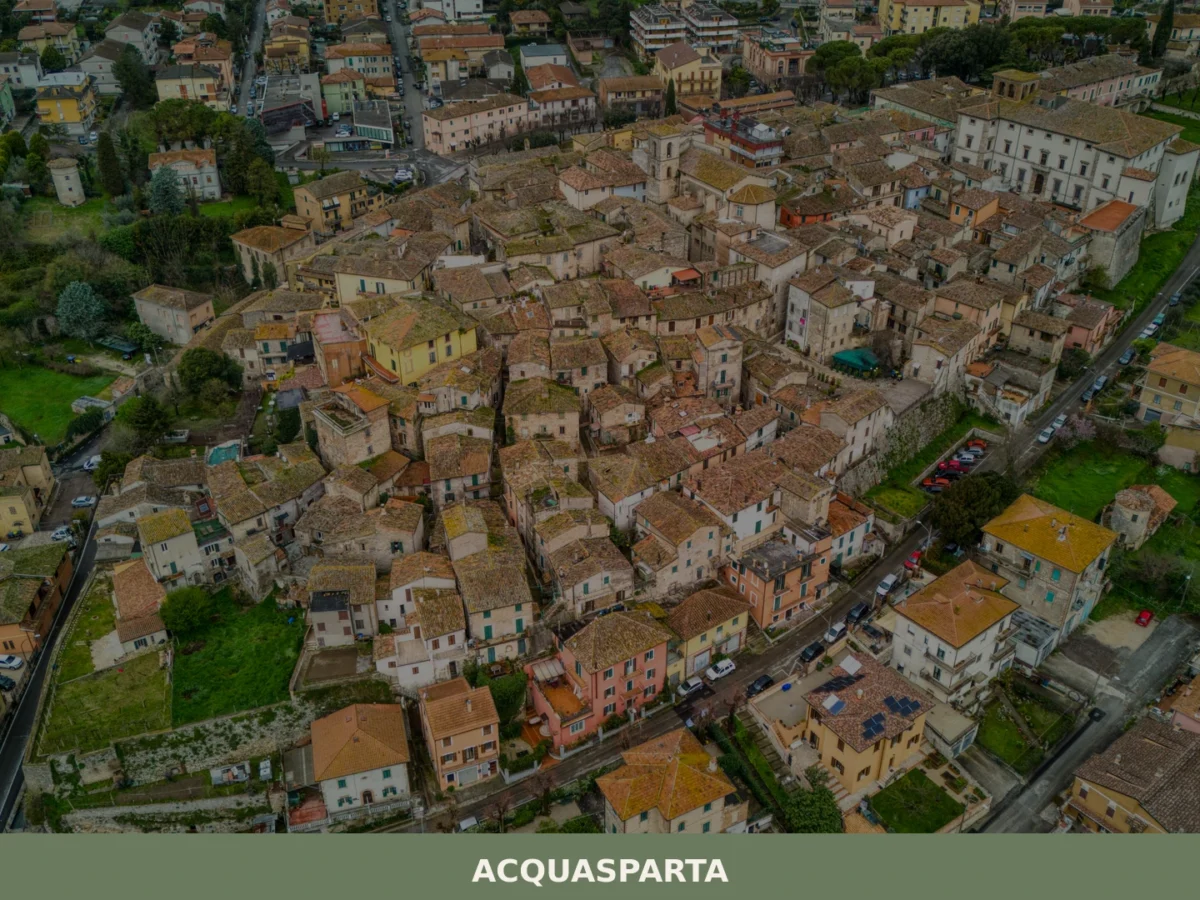
Discover what to see in Acquasparta, Umbria: Renaissance palaces, the Cesi legacy, mineral springs, Martani Hills trails, and local food. A complete travel guide.
Citerna
Hills
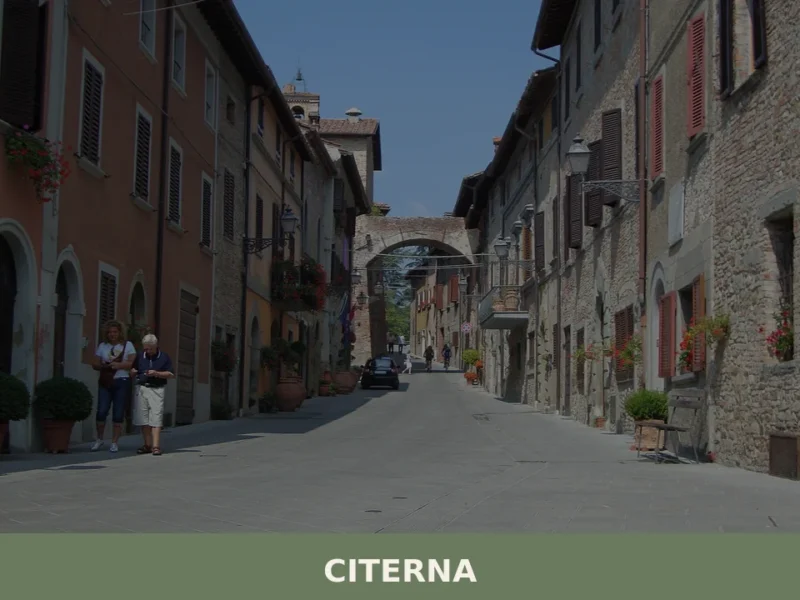
What to see in Citerna, Umbria, Italy: explore 5 top attractions, a Donatello terracotta, and the medieval walls at 480 m. Discover the full travel guide.


🏡 Know Montone better than we do?
If you’re a local or have been there, your knowledge matters: add what’s missing or fix a detail on this page.