


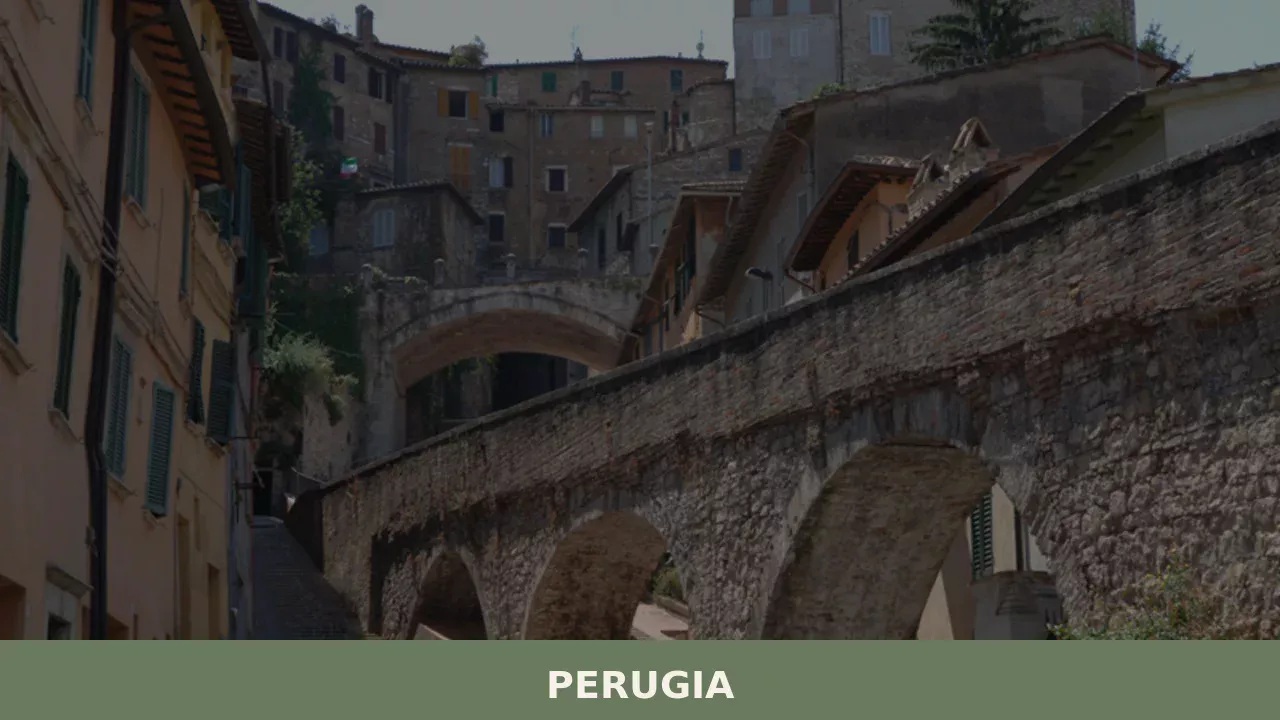

Perugia, the hilltop regional capital of Umbria at 484 metres above sea level, offers visitors more than three thousand years of continuous history, from Etruscan walls to Renaissance frescoes.
Discover Perugia
Perugia is the regional capital of Umbria and the principal city of its namesake province, home to approximately 162,050 residents and set on a hilltop at about 493 metres above sea level, roughly at the geographic heart of central Italy. The municipality covers nearly 449.92 square kilometres of rolling inland hill country, and its recorded history of continuous habitation stretches back to the eleventh and tenth centuries before the common era — making it one of the oldest inhabited sites in the peninsula. From its Umbrian and later Etruscan foundations, through its role as a papal seat and host of five conclaves in the medieval centuries, to the Renaissance workshops that produced painters of European renown, the city has accumulated a layered historic fabric that remains visible in its streets, walls, and public buildings today. Perugia has three principal patron saints: San Costanzo, whose feast falls on 29 January; San Ercolano, honoured on 1 March; and San Lorenzo, copatron, whose feast day is 10 August.
Positioned along the Via di Francesco — the Umbrian stretch of which runs for approximately 320 kilometres — and within easy reach of the Tiber valley and the region’s most celebrated wine territories, the city of Perugia draws together art, history, and a cuisine rooted in the broader Umbrian tradition: think Prosciutto di Norcia IGP, Lenticchia di Castelluccio di Norcia IGP, and wines ranging from the Montefalco Sagrantino DOCG to the Colli Perugini DOC. Whether you arrive to study the Etruscan walls, stand before Raphael’s only surviving fresco in the city at the Cappella di San Severo, or explore the archival heritage of over a thousand years held at the Archivio di Stato, Perugia rewards unhurried attention at every turn.
Perugia city in Umbria: history and deep roots
Perugia is a city of some 162,050 residents whose recorded origins stretch back to the eleventh and tenth centuries before the common era, when the first settlements appeared on the slopes and summit of the Umbrian hill where the city still stands — making it one of the longest-continuously inhabited places in central Italy. Ancient sources, including Cato the Elder, identified the site as originally an Umbrian settlement before an Etruscan community refounded it, shaping the urban fabric that remains partly legible today. By the fourth century before the common era, the city had grown into one of the twelve great Etruscan lucumonie and had enclosed itself within a circuit of stone walls, significant portions of which are still visible in the present-day city.
During the medieval centuries Perugia occupied a position of considerable religious and political importance: for certain periods the city served as the seat of the papal curia and as a papal residence, and it hosted five conclaves, among them the one traditionally held to be the first conclave in history, which resulted in the election of Honorius III in 1216. Several popes — among them Innocent III, Urban IV, and Martin IV — died within the city’s walls. The communal government that emerged in those centuries left a deep physical mark on the urban fabric, including the Palazzo dei Priori on Piazza IV Novembre, described as one of the finest surviving examples of Italian communal civic architecture.
Perugia was also a formative centre during the Renaissance. The painter Pietro Vannucci, known as the Perugino, was among its most celebrated native artists, and the city attracted figures such as Raffaello Sanzio and Piero della Francesca during their years of artistic development. The University of Perugia, founded around 1308, is among the oldest in Italy, and the Biblioteca Augusta, established in 1592, ranks among the earliest public libraries on the peninsula — two institutions that confirm the city’s long vocation as a place of learning and culture.
Piazzas, Palaces and Chapels: the built heritage of Perugia
Perugia offers visitors a dense concentration of medieval and Renaissance monuments distributed across five historic quarters — Porta Sole, Porta Sant’Angelo, Porta Santa Susanna, Porta Eburnea and Porta San Pietro — along with a series of museums, chapels and civic palaces that preserve works by the Perugino, Pinturicchio and Raffaello.
Palazzo dei Priori
Described as one of the finest examples in Italy of a communal public palace, Palazzo dei Priori stands on the central Piazza IV Novembre and extends along Corso Vannucci. Within the building are the Nobile Collegio del Cambio, whose Sala delle Udienze is decorated with a celebrated fresco cycle by Pietro Perugino, and the Nobile Collegio della Mercanzia, former seat of the merchants’ corporation of Perugia.
Cappella di San Severo
The chapel stands beside the small church of San Severo in the Porta Sole quarter. It houses the only work by Raffaello that remains in Perugia: a fresco that represents the principal reason to seek out this otherwise modest space.
Casa-Museo di Palazzo Sorbello
Managed by the Uguccione Ranieri di Sorbello Foundation, the palace is on Piazza Piccinino, close to Palazzo dei Priori and the cathedral of San Lorenzo, between the Pozzo Etrusco and the church of San Severo. It functions as a house museum within a historic aristocratic residence in the heart of the old city.
The cathedral and principal churches
The cathedral of San Lorenzo and the basilicas of San Domenico and San Pietro are the main religious monuments of the historic centre. The Tempio di Sant’Angelo and the church of San Costanzo — dedicated to one of the city’s patron saints — complete the core of named sacred buildings within the commune.
Rocca Paolina and the castles of the territory
The Rocca Paolina is the principal fortified structure associated with the city itself. The vast municipal territory — nearly 449.92 square kilometres — encompasses several further castle complexes: Castello di Monterone, Castello Castiglion Ugolino, Castello di Fontignano and Castello di Pilonico Paterno.
Archivio di Stato
A peripheral body of the Ministry of Culture, the Archivio di Stato di Perugia holds documentary heritage spanning more than a thousand years, from the tenth century to the present day, and constitutes an essential source for historical research on the political and social history of the city and its territory.
Centro di documentazione della Civiltà lungo il Tevere
Housed in the former primary school of Ramazzano, a small frazione roughly eight kilometres from the municipal centre, this documentation centre illustrates the varied uses of the Tiber river along the stretch that crosses the Perugian countryside.
Centro studi americanistici Circolo Amerindiano
Founded in Perugia in 1977, the Circolo Amerindiano is an association of scholars and enthusiasts devoted to the cultures of the American continent. Its documentation and research centre in Perugia holds materials relating to Amerindian civilisations and constitutes an unusual specialist resource within the city’s cultural offer.
Perugia and Its Territory: Flavours and Certified Products
Perugia and its surrounding Umbrian territory are known for a rich range of certified products, including two DOCG wines — Montefalco Sagrantino and Torgiano Rosso Riserva — alongside IGP meats such as Prosciutto di Norcia and Agnello del Centro Italia, and specialities like Lenticchia di Castelluccio di Norcia IGP and Patata Rossa di Colfiorito IGP. These are products of the broader provincial and regional area rather than exclusive to the city itself, yet they define the culinary identity visitors encounter throughout this part of Umbria.
Among the cured meats of the region, Prosciutto di Norcia IGP stands out for its distinctive character, while the charcuterie tradition more broadly includes PAT-recognised preparations such as Capocollo, Corallina (the local salame umbro), Coppa di testa, Guanciale and Lombetto — items that appear across the markets and tables of the province. Caciottone di Norcia IGP adds a notable cheese presence to the picture, and the pulse tradition is represented by the celebrated Lenticchia di Castelluccio di Norcia IGP, grown at high altitude on the Sibillini plateau.
On the wine side, the DOC appellations Colli Perugini, Colli del Trasimeno and Assisi are produced in the immediate vicinity of the city, while the wider provincial zone also yields Colli Altotiberini DOC and Colli Martani DOC. Several IGT designations — among them Umbria, Bettona and Spello — round out a wine landscape that pairs naturally with the cuisine of the territory. A visit to the area is an opportunity to explore this regional culinary tradition at its source, whether in the city’s markets or in the hill towns nearby.
Reaching Perugia and Planning Your Visit
Perugia is best reached by car or train and rewards visits in spring and early autumn, when the hilltop climate at about 493 metres above sea level is mild and the light across the Umbrian valleys is at its most distinctive. The city — home to around 162,050 residents — sits in the internal hill zone of Umbria, roughly equidistant from the Tiber valley to the east and Lake Trasimeno to the west, making it a natural base for exploring the region.
By rail, Perugia is served by the Ferrovia Centrale Umbra and has connections via Foligno to the main national network. By road, the E45 dual carriageway links the city northward toward Cesena and southward toward Terni and Rome, while the SS75 connects it rapidly with the Spoleto–Foligno axis. A regional airport, Sant’Egidio, operates a limited number of domestic and charter services east of the city.
Several rewarding destinations lie within easy reach. Assisi, the celebrated Franciscan hill town, is approximately 25 km from Perugia — about 30 minutes by car. Bettona, one of the quieter walled villages of the Tiber plain, lies roughly 20 km away, around 25 minutes by car. Bastia Umbra, in the valley below, is about 15 km distant, reachable in approximately 20 minutes.
| Departure | Distance | Time |
|---|---|---|
| Roma | approx. 170 km | approx. 2 h in auto (A1 + and45) |
| Firenze | approx. 150 km | approx. 1 h 45 min in auto (A1 + raccordo) |
| Assisi | approx. 25 km | approx. 30 min in auto |
| Bettona | approx. 20 km | approx. 25 min in auto |
| Bastia Umbra | approx. 15 km | approx. 20 min in auto |
The Via di Francesco — the Umbrian stretch of the pilgrim route running approximately 320 km — passes through this territory, offering walkers and cyclists a slower way to experience the landscape between the Tiber valley and the Franciscan sites to the south.
Frequently asked questions about Perugia
How do I get to Perugia by car, train, or bus?
By car, take the E45 dual carriageway (Raccordo Autostradale Perugia–Bettolle) and exit at Perugia Centro or Perugia Ferro di Cavallo. By train, Perugia Fontivegge station is served by regional Trenitalia services from Florence (approx. 2 hours), Rome (approx. 2.5 hours), and Foligno. A secondary line, the Ferrovia Centrale Umbra, connects to Terni and Città di Castello. Long-distance buses (FlixBus, Flixbus) link Perugia to major Italian cities, stopping near the station.
When is the best time to visit Perugia?
Spring (April–May) and early autumn (September–October) offer mild temperatures and fewer crowds, ideal for exploring the hilltop historic centre. July hosts Umbria Jazz, one of Europe's premier jazz festivals. The patron saints San Lorenzo and San Costanzo are celebrated on 29 January with local ceremonies. October brings Eurochocolate, an internationally attended chocolate festival. Summer can be warm at 493 metres but remains more bearable than lower-lying cities in central Italy.
Are there hiking or cycling routes around Perugia?
Perugia lies along the Via di Francesco, a documented pilgrimage and trekking route crossing Umbria for approximately 320 kilometres, connecting Assisi, Gubbio, and La Verna. The surrounding hills offer CAI-marked trails accessible from the city outskirts. The Minimetrò and city escalators ease uphill access within the centre. The Tiber valley below provides relatively flat terrain popular with cyclists, and the area connects to broader Umbrian cycling networks linking Assisi and Lago Trasimeno.
How long should I plan to visit Perugia, and where can I park?
A minimum of two full days is recommended to cover the Etruscan walls, Palazzo dei Priori, the Galleria Nazionale dell'Umbria, and the Fontana Maggiore. Large parking areas are located at Piazza Partigiani and Pian di Massiano, both connected to the historic centre via free escalator and Minimetrò systems. Parking at Piazza Partigiani is paid and operates daily. Driving into the ZTL (restricted traffic zone) without a permit is subject to automatic fines.
What historical curiosity distinguishes Perugia from other Umbrian cities?
Perugia hosted five papal conclaves during the medieval period, making it one of the most politically significant cities in pre-unification central Italy. It is also home to one of the oldest universities in Europe, the Università degli Studi di Perugia, founded in 1308, and the Università per Stranieri di Perugia, established in 1925, which remains one of Italy's leading institutions for teaching Italian language and culture to international students.
Nearby Villages near Perugia
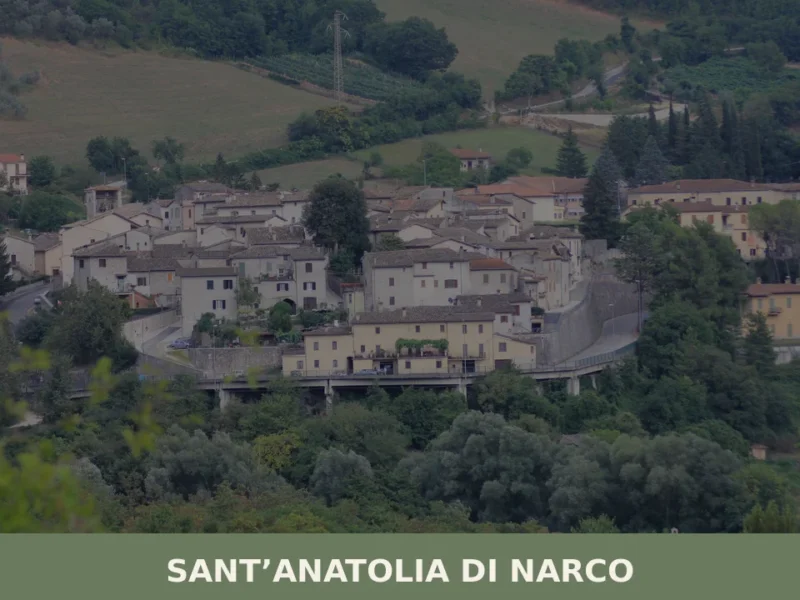
In Umbria More villages to discover

Orvieto
 Hills
Hills
Orvieto stands on a dramatic tufa mesa above the Paglia Valley, home to a great Gothic cathedral and over 3,000 years of layered history. A essential destination in southern Umbria.
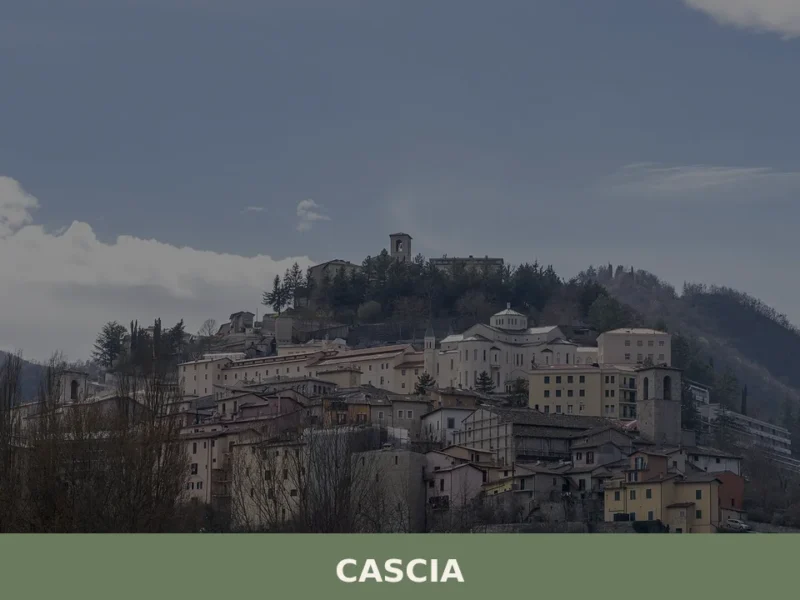
Cascia
 Mountain
What to see in Cascia, Umbria, Italy: explore the Basilica of Santa Rita, medieval churches, and local truffles at 653 m altitude. Discover the full travel guide.
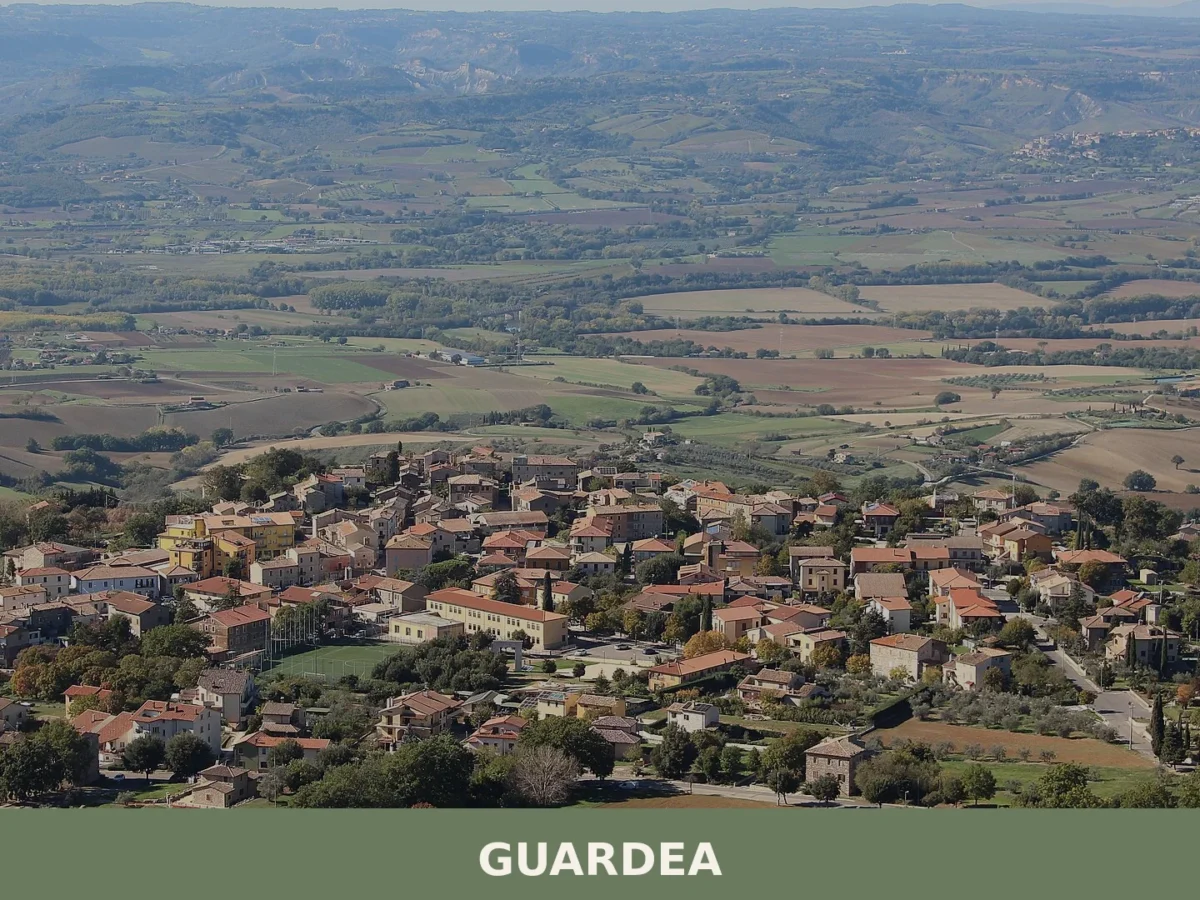
Guardea
Hills
Guardea is a hilltop comune in the province of Terni, Umbria, where pre-Roman enclosures, a Norman castle and a storied landscape combine to create one of the region's most layered small-town destinat
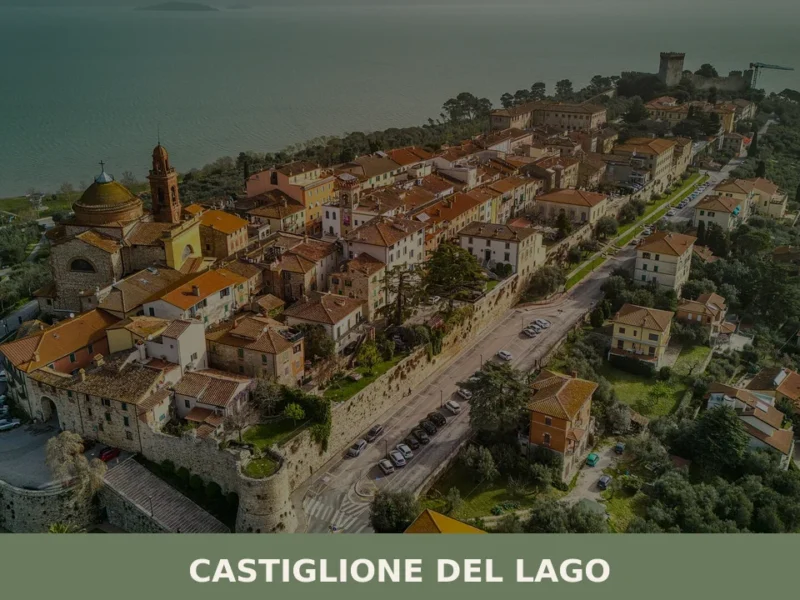
Castiglione del Lago
Hills
 Lake
Lake
A medieval ridge town on a calcareous spur above Lake Trasimeno, Castiglione del Lago combines a pentagonal fortress, a frescoed Renaissance palace, and open water on three sides.
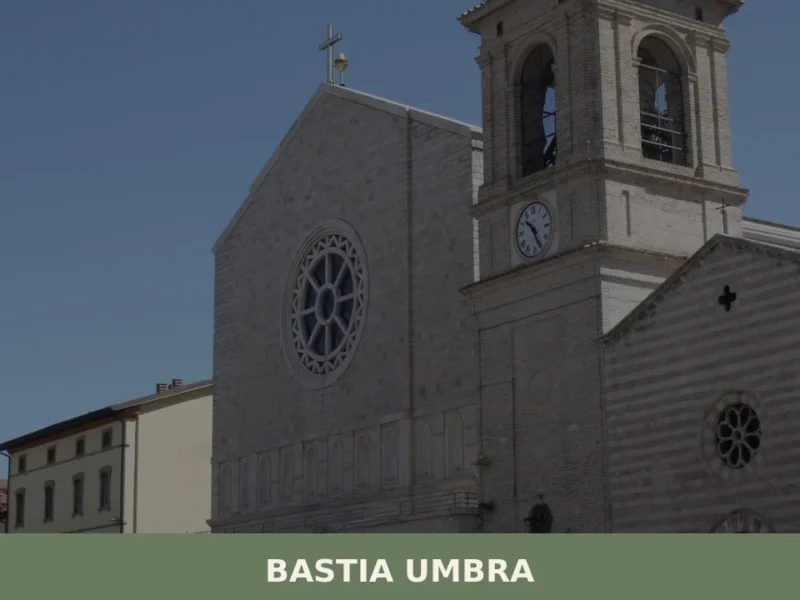
Bastia Umbra
Hills
Bastia Umbra, a village in Umbria, stands at 203 meters with 21,321 inhabitants, offering a journey through history, notable churches, and a landscape shaped by rivers.
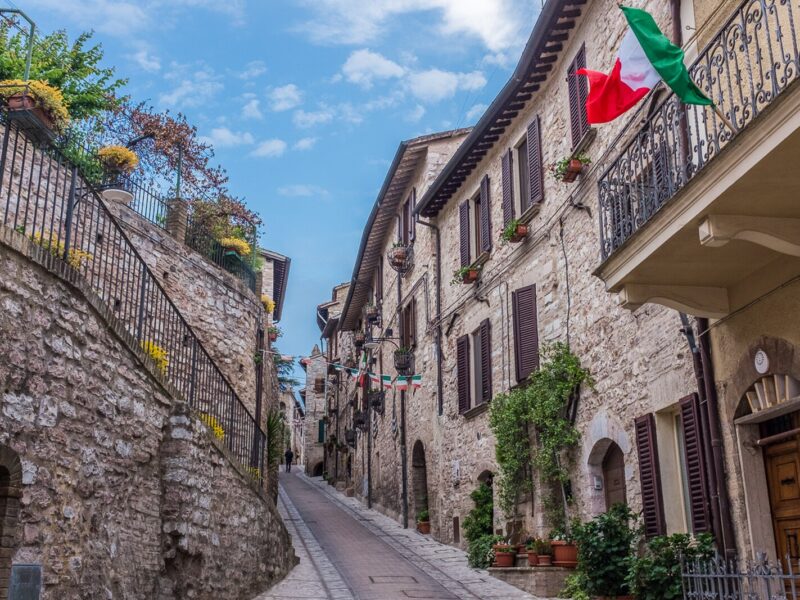
Spello
 Sea
Sea
Spello, a commune in the Italian region of Umbria, rises on a spur of Monte Subasio, offering visitors a clear view of the surrounding plain.
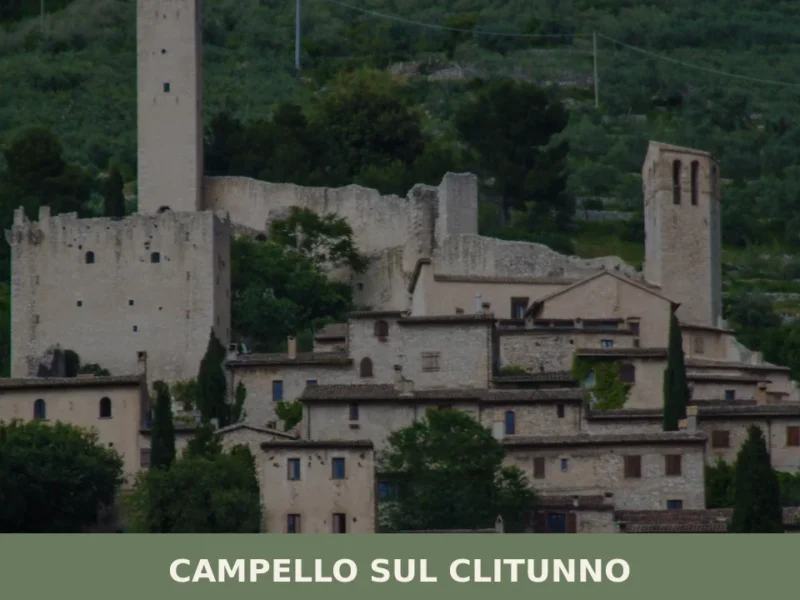
Campello sul Clitunno
Hills
Campello sul Clitunno è un borgo umbro che unisce storia longobarda, architetture medievali e una ricca tradizione enogastronomica.
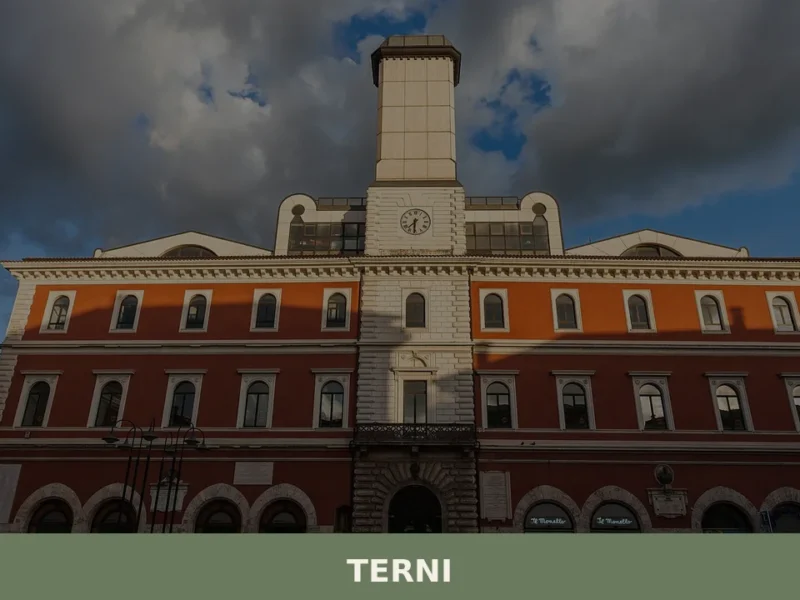
Terni
Lake
 Plains
Terni is a historically rich Umbrian city of about 106,310 inhabitants, known as the birthplace of San Valentino and home to Roman, medieval and Renaissance heritage along the river Nera.
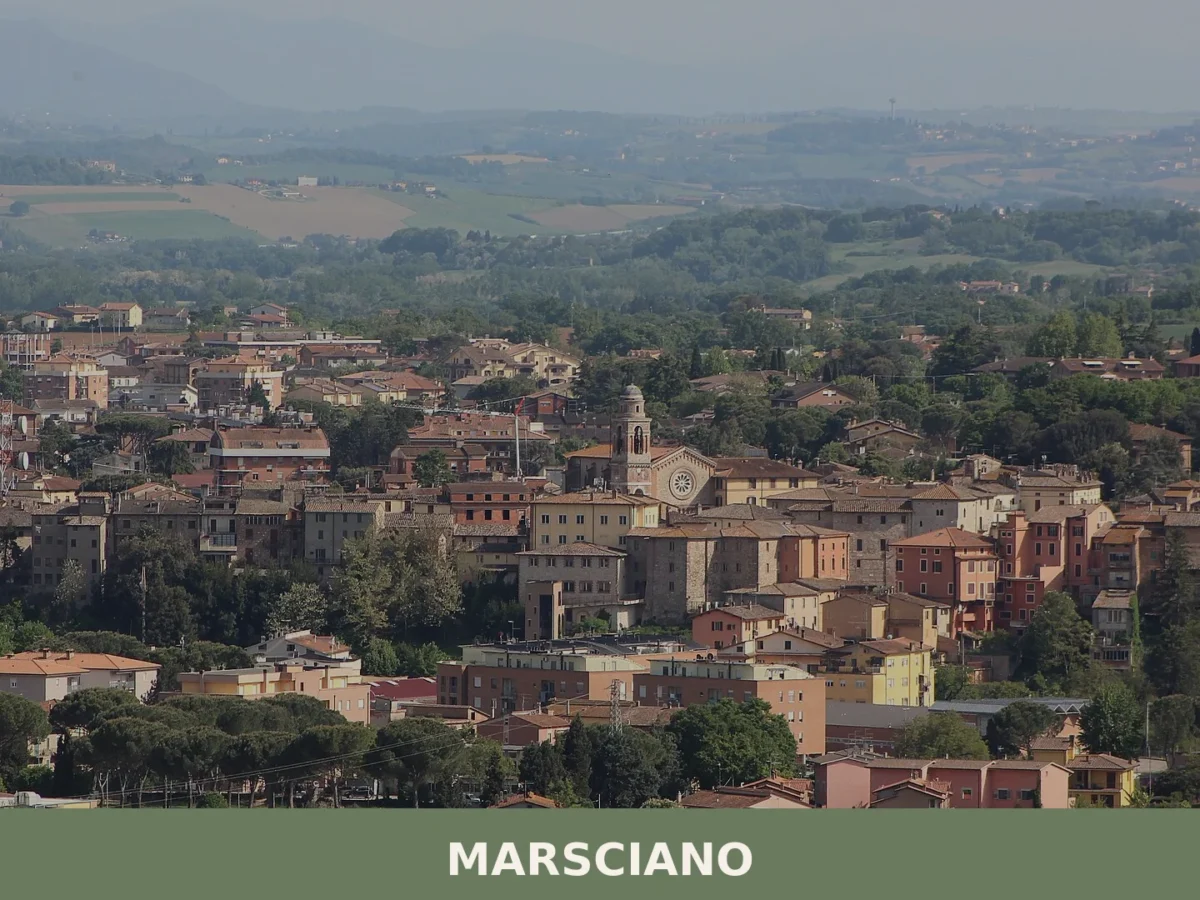
Marsciano
Hills
Marsciano is a hill town in the province of Perugia, Umbria, renowned as the region's principal centre of brick and terracotta production and shaped by layers of history from Etruscan settlement to Re
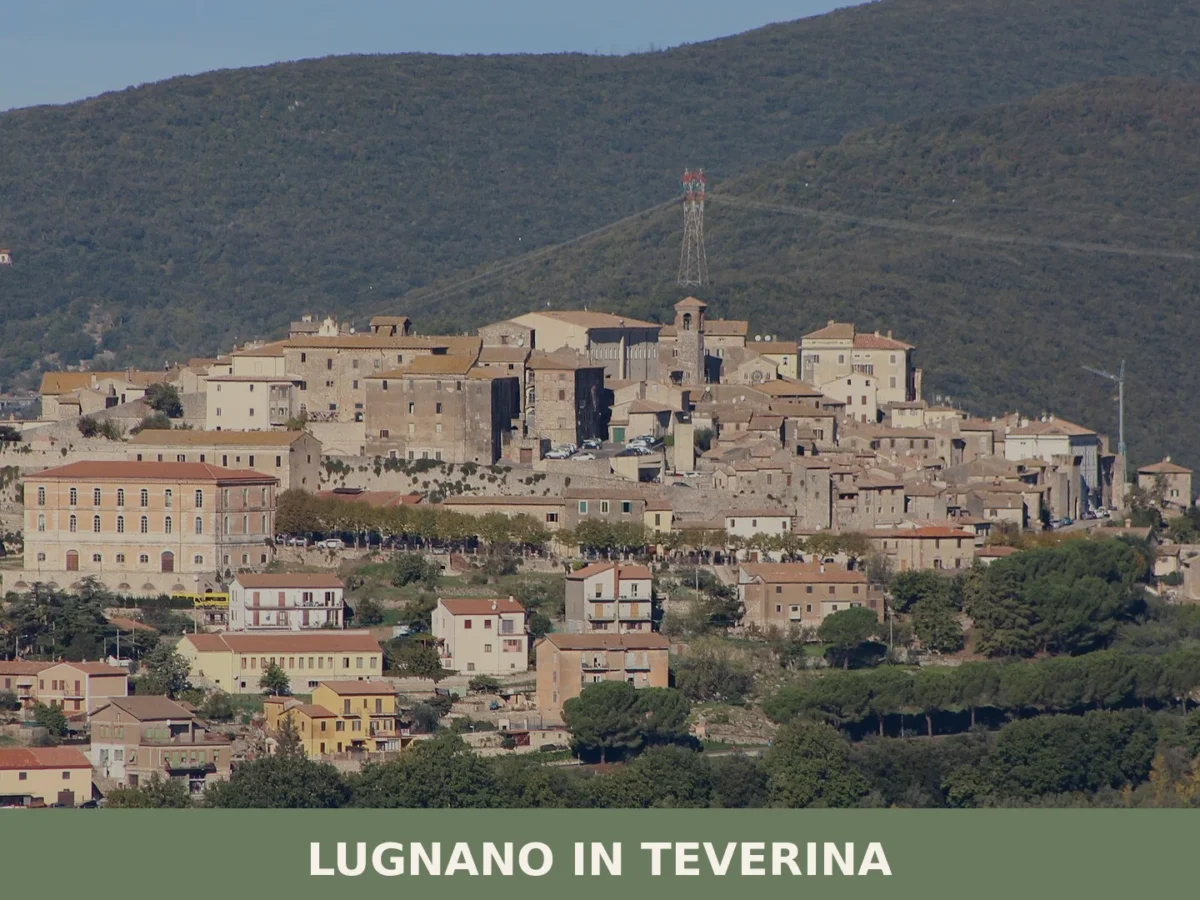
Lugnano in Teverina
Hills
Lugnano in Teverina is a hilltop comune of around 1,400 residents in the province of Terni, Umbria, whose layered history ranges from a first-century BC Roman villa at Poggio Gramignano to a medieval
🏡 Know Perugia better than we do?
If you’re a local or have been there, your knowledge matters: add what’s missing or fix a detail on this page.