


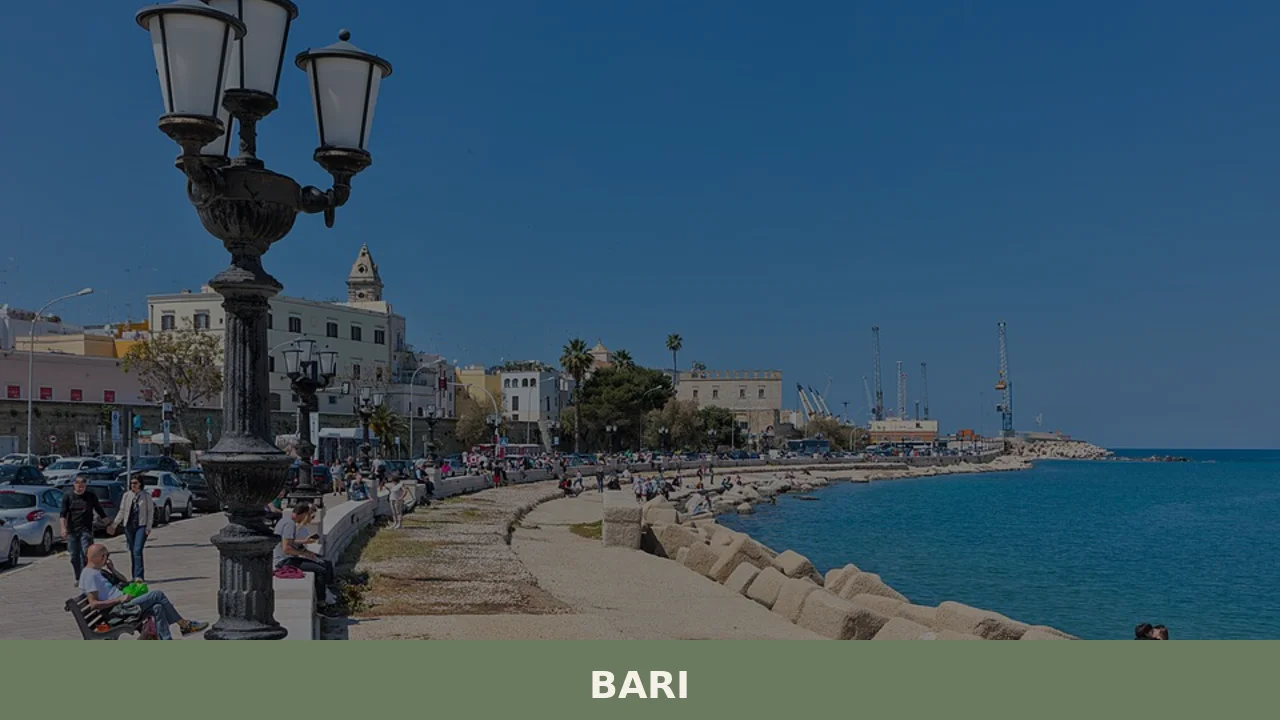
Bari
In Bari, the dawn over the Adriatic Sea paints the ancient walls of the old town in shades of pink, while the first rays of sunlight illuminate the imposing façade of the Basilica di San Nicola, the focal point of a city that has welcomed pilgrims and merchants for centuries. Here, history is etched into […]
Discover Bari
In Bari, the dawn over the Adriatic Sea paints the ancient walls of the old town in shades of pink, while the first rays of sunlight illuminate the imposing façade of the Basilica di San Nicola, the focal point of a city that has welcomed pilgrims and merchants for centuries. Here, history is etched into every stone, from Byzantine foundations to Norman and Swabian expansions, tracing a crossroads of cultures and trade. Daily life pulses through the narrow alleys of Bari Vecchia, where the scent of freshly baked bread mingles with the echo of church bells and the chatter of residents.
For those wondering what to see in Bari, the answer lies in a route that leads from grand sacred architecture to culinary traditions, passing along a seafront that serves as a natural stage overlooking the vast sea. Bari, with its 315,473 inhabitants and an altitude of 5 metres above sea level, is the capital of its province and a cultural and commercial hub of Puglia, celebrating its patron saint, San Nicola di Bari, on 8 May and 6 December with solemn processions and festivities that highlight the city’s deep bond with the sea and its historical identity.
History and origins of Bari
The roots of Bari reach back into a distant past, with settlements dating to the Bronze Age, as evidenced by archaeological finds uncovered in the area. The very name, Barium, of Illyrian or Messapian origin, suggests an ancient maritime vocation, likely indicating a “fortress” or “place of trade.” During the Roman era, Bari became an important strategic and commercial centre, connected to Rome by the Via Traiana, and experienced a period of considerable prosperity. Its geographical position made it a crucial outpost for control of the Adriatic, attracting the attention of maritime and land powers that would shape its identity in the centuries to come.
The medieval period was of fundamental importance in defining Bari’s identity, particularly under Byzantine rule, when the city became the capital of the Catepanate of Italy, an influence still perceptible today in its architecture and traditions.
In 1071, the conquest by the Norman Robert Guiscard marked a political and cultural turning point, culminating in 1087 with the arrival of the relics of Saint Nicholas from Myra, an event that transformed Bari into one of the principal pilgrimage centres in the Mediterranean and bestowed upon it international religious prestige. Subsequently, Frederick II of Swabia, in the 13th century, consolidated imperial power by expanding and fortifying the Norman-Swabian Castle and promoting the city as an administrative and military centre, a legacy that still defines part of its urban profile today.
The demographic evolution of Bari has followed a pattern of steady growth, with periods of expansion linked to its commercial and port role. After the decline under the Angevins and the Aragonese, the city found renewed momentum in the 18th and 19th centuries.
A key figure in this revival was Joachim Murat, King of Naples, who at the beginning of the 19th century initiated the construction of the “Borgo Murattiano,” the modern quarter with an orthogonal street grid that extends beyond the walls of the old city, significantly expanding the urban fabric and preparing Bari for its role as Puglia’s metropolis. This urban development, begun in 1813, allowed the city to grow from a compact historic core into a modern and dynamic reality, while keeping its historical and cultural heritage fully intact.
What to see in Bari: 5 essential attractions
The Basilica di San Nicola
The Basilica di San Nicola, built between 1087 and 1197, is the spiritual and historical focal point of Bari, guardian of the relics of the Patron Saint. Located in the centre of Bari Vecchia, on Largo Abate Elia, its Apulian Romanesque architecture stands out for its massive façade and two bell towers, which lend it the appearance of a fortress. The interior, with three naves, houses the oldest ciborium in Puglia and the crypt where the Saint’s remains rest, a destination for pilgrims from all over the world, especially from the Orthodox Church. A visit to the Basilica offers a deep immersion into the city’s religious and artistic history, revealing Bari’s importance as a bridge between East and West.
The Norman-Swabian Castle
The Norman-Swabian Castle of Bari, located in Piazza Federico II di Svevia, is one of the most imposing fortresses in Puglia, with origins dating back to 1132, commissioned by Roger II the Norman.
Rebuilt and expanded by Frederick II of Swabia in the 13th century, the castle features a quadrilateral structure with corner towers and a surrounding moat, elements that underscore its defensive function. Over the centuries it has undergone various modifications, including the addition of a Renaissance bastion. Today it houses the Gipsoteca Museum, with casts of Apulian sculptures, and stands as a symbol of the imperial power that governed the region. A visit allows exploration of centuries of military history and appreciation of medieval architectural mastery.
Bari Vecchia (Old Town)
The quarter of Bari Vecchia, the historic core of the city, is a labyrinth of narrow alleys, hidden courtyards and small squares that preserve the authenticity of Barese life. Here, between Lungomare Imperatore Augusto and Corso Vittorio Emanuele, you can watch women shaping orecchiette by hand beneath the Arco Basso, an iconic image of local tradition. Every corner reveals ancient architectural details, from votive shrines to small churches and whitewashed houses.
Walking through Bari Vecchia means embarking on a journey into the past, uncovering the city’s most genuine soul, where history intertwines with daily traditions and the hospitality of residents is tangible.
The Cathedral of San Sabino
The Cathedral of San Sabino, in Piazza Odegitria, is another fine example of Apulian Romanesque architecture, built between the 12th and 13th centuries on the remains of an ancient Byzantine cathedral destroyed by William the Bad in 1156. Its sober yet elegant façade, enriched by a rose window and a finely carved portal, leads into a luminous and harmonious interior. Beneath the main altar lies the crypt, which holds the relics of San Sabino, Bishop of Canosa, and the icon of the Madonna Odegitria. The Cathedral exemplifies Bari’s artistic and religious rebirth after its destructions, and a visit offers a complementary perspective to the Basilica di San Nicola, highlighting the richness of Bari’s ecclesiastical heritage.
The Lungomare Nazario Sauro
The Lungomare Nazario Sauro, stretching for several kilometres along the Adriatic coast, is one of the defining features of Bari’s urban landscape, built in the 1920s. Designed with wide promenades and sea-facing lookouts, it represents an example of rationalist architecture and a gathering place for the people of Bari. Starting from the Porto Vecchio, it extends southward, offering panoramic views over the Adriatic and the city skyline, including the historic buildings of the Murattiano quarter. It is the ideal spot for a sunset walk, a moment of relaxation or to observe the fishermen at work, connecting the city to its most defining element: the sea, which has forged its identity and history.
What to eat in Bari: local cuisine and regional products
Barese gastronomy reflects the city’s geographical position and history, deeply tied both to the bounty of the Adriatic Sea and to the fertile Apulian land.
The cuisine is defined by straightforward flavours and simple ingredients that showcase the freshness of raw materials. Mediterranean influences are evident in the generous use of extra virgin olive oil, tomatoes, seasonal vegetables and legumes, which form the foundation of many traditional dishes. The bond with both farming and seafaring traditions is expressed in recipes that, despite their simplicity, deliver a complex and satisfying flavour experience, bearing witness to a culinary heritage passed down through generations.
Among the signature dishes of Barese tradition, orecchiette with cime di rapa stands out — an iconic Apulian first course where handmade fresh pasta pairs with the slightly bitter taste of turnip greens and a soffritto of garlic and anchovies. Another pillar of local cooking is riso patate e cozze, also known as “tiella barese,” a one-pot dish baked in layers in a terracotta pan, combining rice with sliced potatoes, fresh mussels, cherry tomatoes and onion, all seasoned with parsley and cheese. These dishes represent the quintessence of Barese cuisine, offering a balance between the flavours of land and sea, and frequently appear on tables during festive occasions and Sunday lunches, celebrating conviviality and taste.
The richness of the territory also finds expression through a range of certified products that attest to the quality and genuineness of local production.
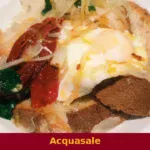
Among Puglia’s Traditional Agri-Food Products (PAT), Acquasale stands out — a humble yet nourishing dish made with stale bread moistened with water and dressed with oil, tomato and oregano, representing an example of recovery cooking. Africani are dry biscuits, often almond-based, traditionally eaten at the end of a meal or with coffee. While not exclusively Barese, other regional products such as Agnello al forno con patate alla leccese, Auniceddhru allu furnu and Agnello alla gravinese (Agnello in umido alla gravinese), highlight the variety and specificity of Apulian cuisine, while Albicocca di Galatone, Arnacocchia di Galatone, Amaro del Gargano, Ambrosia di limone, Anisetta, Asparagi selvatici and Asparagi sott’olio represent regional excellences, often available at local markets or specialised shops.
For those wishing to dive into the flavours of Bari, the city offers plenty of opportunities. During the feast of San Nicola, on both 8 May and 6 December, the streets come alive with stalls offering local specialities, from traditional sweets to baked goods. An important event is the Fiera del Levante, which, despite being an internationally significant trade fair, often hosts sections dedicated to Apulian food and wine, providing an overview of regional flavours. For purchasing local and fresh products, the market on Via Piccinni or the fish market at the Porto Vecchio are ideal places to find genuine ingredients and enjoy a real experience among the aromas and colours of Bari’s land and sea.
The province of Bari is also part of a region with a well-established winemaking tradition.
Although the core of DOC/DOCG production spans various areas of Puglia, the Barese territory contributes with the Moscato di Trani DOC denomination, a sweet and aromatic wine ideal for pairing with desserts or aged cheeses, expressing the richness of the local terroir. Alongside this, robust red wines such as Primitivo and Negroamaro, while not specific to the city of Bari, are widely available and appreciated, representing the excellence of regional production and serving as ideal companions to the dishes of Apulian culinary tradition.
When to visit Bari: the best time of year
Visiting Bari offers different experiences depending on the time of year, but certain months stand out for milder weather and a packed events calendar. Spring, particularly the months of April and May, is considered ideal. Temperatures are pleasant, perfect for exploring the streets of Bari Vecchia and walking along the seafront without the intense summer heat. May is a peak month for the city, thanks to the Feast of San Nicola celebrated on 8 May. This event attracts thousands of pilgrims and visitors, with sea and land processions, performances and an atmosphere of great religious and popular fervour, offering a deep immersion into local culture.
Autumn, from September to October, also offers favourable weather, with still-sunny days and mild temperatures, ideal for those wishing to avoid the summer crowds and enjoy a quieter visit.
This period is also well suited for savouring local gastronomy, as the grape harvest and olive picking yield fresh, seasonal products. Summer, from June to August, brings high temperatures and greater tourist numbers, especially along the coast. Those seeking calm should opt for low-season months such as November or February, when the city reveals its everyday rhythm, allowing for a more intimate exploration, albeit with cooler weather and the possibility of rain. Another significant date is 6 December, the second Feast of San Nicola, less lavish than its May counterpart but equally heartfelt, commemorating the translation of the relics.
How to get to Bari
Bari is a major transport hub in southern Italy, easily reachable by several means of travel. For those driving, the city is served by the A14 Adriatica motorway, with the “Bari Nord” or “Bari Sud” exit depending on the direction of approach. From Naples, you can take the A16 to Canosa di Puglia and then continue on the A14, with a travel time of approximately two and a half hours. From Rome, the journey takes around four and a half hours, via the A1 and then the A16/A14. Its central position makes it accessible from various Italian regions, with efficient road links that facilitate arrival at the Apulian capital.
As for rail transport, Bari Centrale station is a key hub, connected by high-speed and intercity trains to major Italian cities including Rome, Milan, Bologna and Naples.
Travel times range from 4 hours to Rome to 7–8 hours to Milan. The nearest airport is Bari-Palese “Karol Wojtyla” Airport (BRI), located approximately 8 kilometres northwest of the city centre. From the airport, you can reach central Bari via a dedicated shuttle service (Tempesta Bus), urban buses (AMTAB line 16) or the Ferrotramviaria metropolitan train, with a journey time of around 20–30 minutes. Within the city, public transport is managed by AMTAB, with a bus network that provides comprehensive coverage of both the urban and suburban areas.
Other villages to discover in Puglia
Puglia is dotted with villages that deserve to be explored, each with its own identity and history, and which can enrich an itinerary starting from Bari. Approximately 160 kilometres northwest of Bari, in the heart of the Tavoliere delle Puglie, lies Motta Montecorvino. This small village, set atop a hill, offers a striking contrast to the coastal vibrancy of Bari, providing an experience of stillness and a more direct contact with rural traditions. Its strategic position affords panoramic views stretching as far as the Gargano, and a visit can be combined with a food and wine itinerary in the province of Foggia, requiring approximately two hours by car from Bari to reach it.
Another interesting destination, closer to Bari and easily accessible, is Binetto, located just 20 kilometres southwest of the capital, with a travel time of about 30 minutes by car.
This village, though smaller in size, preserves a medieval historic centre with narrow streets and stone architecture, making it a fine example of rural Apulian building. Binetto offers an opportunity to deepen your knowledge of the Barese hinterland, away from the main tourist flows yet rich in history and authenticity. An itinerary combining Bari with Binetto and Motta Montecorvino would allow you to appreciate the landscape and cultural diversity of Puglia, moving from urban and maritime dynamism to the more intimate and historically layered atmospheres of the interior.
Frequently asked questions about Bari
Come si raggiunge Bari in treno, aereo o automobile?
Bari è servita dall'Aeroporto Karol Wojtyła (BRI), situato circa 8 km a nord-ovest del centro, collegato alla stazione centrale tramite treno Ferrotramviaria. La Stazione Centrale di Bari è un nodo ferroviario sulla linea adriatica, con treni Frecciargento e Intercity da Roma (circa 4 ore), Milano e Bologna. In auto si raggiunge tramite l'autostrada A14 Bologna-Taranto, con le uscite Bari Nord, Bari Sud o Bari Centro. Dista circa 260 km da Napoli e 150 km da Lecce.
Qual è il periodo migliore dell'anno per visitare Bari?
Il clima mediterraneo rende Bari piacevole da aprile a ottobre. La primavera è ideale: a maggio si celebra la Festa di San Nicola (7-9 maggio) con la suggestiva processione in mare della statua del Santo. L'estate offre mare e serate animate sul lungomare, con temperature tra 25°C e 32°C. Settembre e ottobre garantiscono clima mite e meno affollamento. A dicembre, il 6, si celebra nuovamente San Nicola con eventi e mercatini, rendendo anche l'inverno un momento interessante per visitare la città.
Quanto tempo serve per visitare Bari e si può fare in giornata?
Per esplorare i principali monumenti e il centro storico di Bari è sufficiente una giornata intera, dedicando la mattina a Bari Vecchia con le sue chiese e il castello, e il pomeriggio al lungomare e al quartiere Murattiano. Tuttavia, per apprezzare la vita locale, la gastronomia e i dintorni (Polignano a Mare a 35 km, Trani a 45 km), sono consigliabili almeno 2-3 giorni. Bari è facilmente raggiungibile per una gita giornaliera da Matera (65 km) o Alberobello (55 km).
Dove si può parcheggiare nel centro di Bari?
Il centro di Bari dispone di diversi parcheggi a pagamento. Il Parcheggio Saba-Vittorio Emanuele, sotterraneo, si trova in Piazza Vittorio Emanuele, vicino al Teatro Petruzzelli e a pochi passi da Bari Vecchia. Il Parcheggio Quasimodo è situato nei pressi della stazione centrale. Lungo il lungomare e nelle vie del quartiere Murattiano si trovano strisce blu a pagamento. Per chi arriva in auto, è consigliabile parcheggiare nelle aree periferiche e utilizzare gli autobus dell'AMTAB per raggiungere il centro storico.
Esistono percorsi ciclabili o itinerari a piedi lungo la costa barese?
Bari offre un percorso ciclabile che si sviluppa lungo la costa adriatica, collegando il lungomare cittadino alle località limitrofe. La pista ciclabile costiera verso Torre a Mare e San Giorgio si estende per circa 15 km a sud. Verso nord, il percorso raggiunge Palese e Santo Spirito. Il Comune ha implementato il servizio di bike sharing 'Vaimoo'. Per gli amanti del cammino, Bari è tappa della Via Francigena del Sud (Via Appia), che attraversa la Puglia diretta verso Brindisi e Santa Maria di Leuca.
Quali curiosità storiche meno note riguardano Bari?
Il Teatro Petruzzelli, inaugurato nel 1903, è il quarto teatro più grande d'Italia per capienza e fu costruito interamente con fondi privati dalla famiglia Petruzzelli. Distrutto da un incendio doloso nel 1991, fu riaperto solo nel 2009 dopo un lungo restauro. Un'altra curiosità: nella cripta della Basilica di San Nicola, dalla tomba del Santo trasuda un liquido chiamato 'Santa Manna', raccolto ogni anno il 9 maggio durante una cerimonia solenne, tradizione documentata fin dal XII secolo e venerata sia dai cattolici sia dagli ortodossi.
Getting there
Corso Vittorio Emanuele II, 70121-70132 Bari (BA)
In Apulia More villages to discover
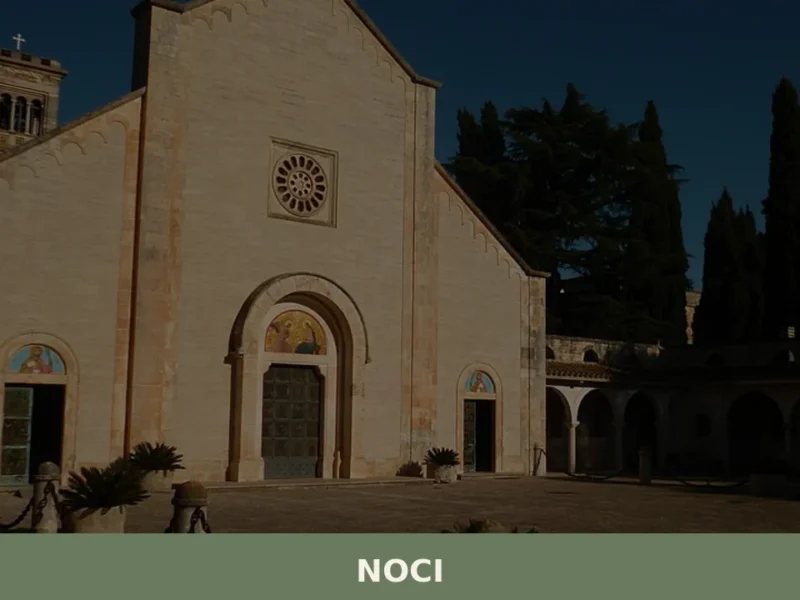
Noci
What to see in Noci, a village at 420 m on the Murge plateau. 5 attractions, medieval gnostre, Acquasale PAT, sagre and patron feasts. Plan your visit now.
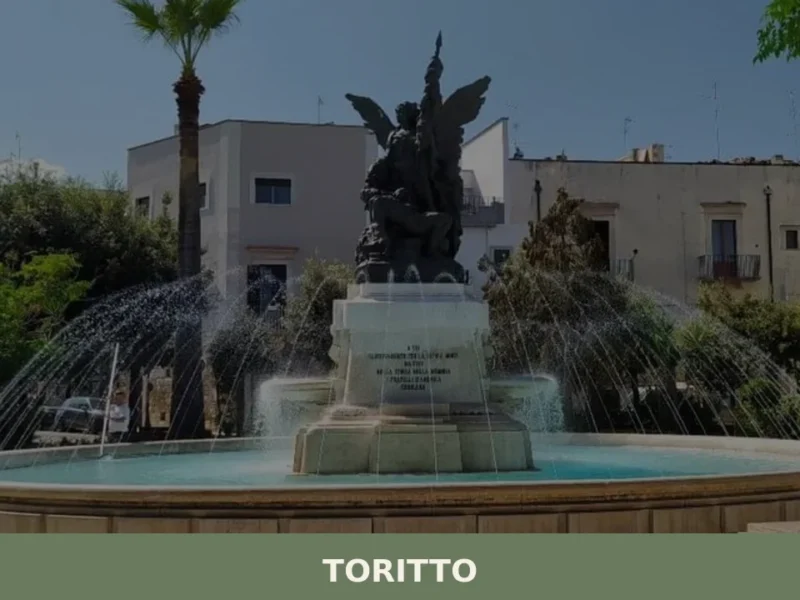
Toritto
With a population of 8,577, Toritto, a Puglian municipality located 240 meters above sea level in the province of Bari, offers a vantage point over the Murgia’s hilly landscape. Its origins are traced through legends and archaeological evidence that confirm its presence since Roman times. Here, among streets that retain a historical urban layout, it […]
Deliceto
Deliceto rises at 575 metres on a ridge of the Subappennino Dauno, commanding the Tavoliere plain. A Norman castle, layered churches, and a stone-built historic centre define this compact Puglia hill village.
🧀 Italian traditional products

📝 Incorrect information or updates?
Help us keep the Bari page accurate and up to date.