


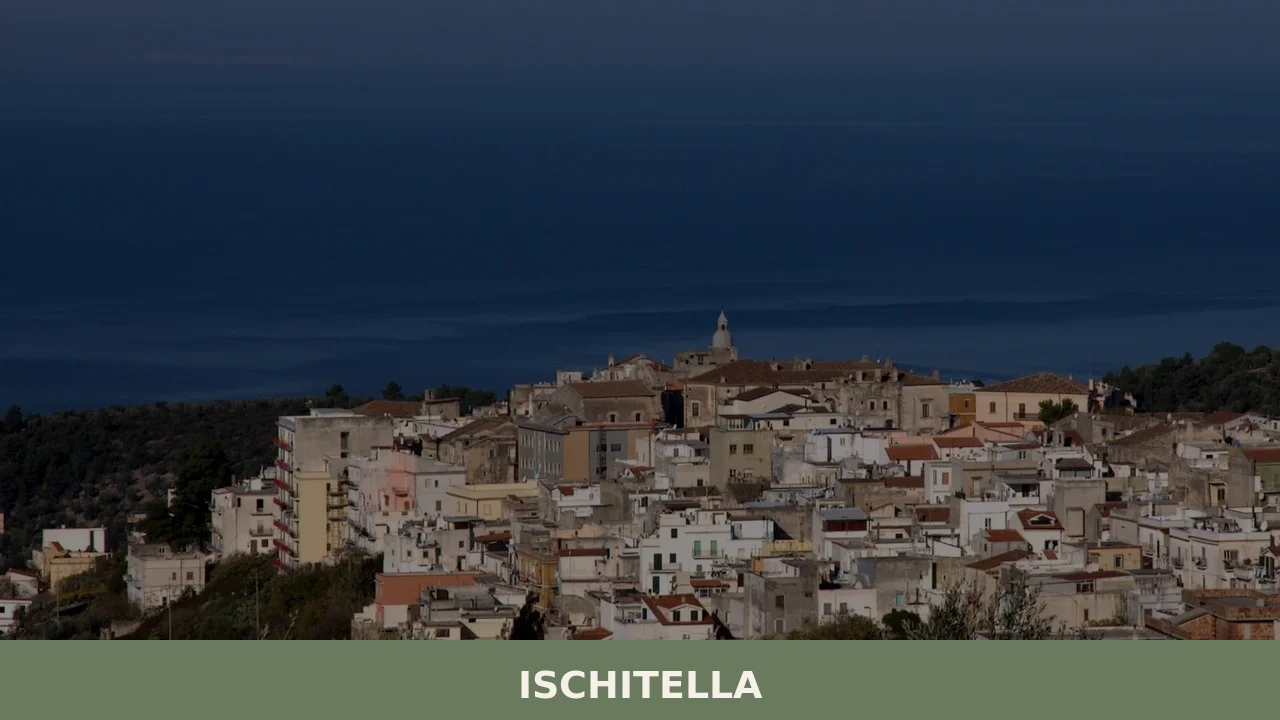
Ischitella
 Lake
Lake
 Sea
Sea
A ridge-top village on the Gargano promontory, Ischitella offers Norman walls, Baroque churches, ancient olive groves, and access to the Foresta Umbra.
Discover Ischitella
Morning light hits the limestone facades along Via Roma in a slow, pale sweep, and the air carries the salt-and-resin scent of the Gargano forests below. At 314 metres above sea level, this settlement of just over four thousand people occupies a ridge that drops sharply toward the Adriatic. Deciding what to see in Ischitella means walking a village where Norman walls meet Baroque altars, where olive groves older than most European nations still produce oil, and where the quiet is broken mainly by church bells and the occasional passing Ape truck.
History of Ischitella
The name likely derives from the Latin aesculus, a reference to the oak trees that once covered the hillside, though some local scholars trace it to the Greek ischion, meaning “hip” — a nod to the shape of the ridge on which the settlement sits. Archaeological fragments suggest habitation in the area since at least the Bronze Age, but Ischitella enters documented history during the Norman period, when it was recorded as a fortified settlement within the Gargano promontory, the spur of Italy’s boot in the province of Foggia.
Under the feudal system that shaped southern Italy for centuries, the village passed through the hands of several noble families. The Pinto dynasty held lordship here from the sixteenth century and left a visible mark: their palazzo still dominates one edge of the old centre. The town’s strategic position — high enough for defence, close enough to the coast for trade — kept it relevant through the Angevin and Aragonese periods, though it never grew beyond a small agricultural community. Earthquakes, particularly the devastating Gargano seismic events of the eighteenth century, periodically damaged the built fabric and forced rebuilding, which accounts for the Baroque overlay on much of the medieval street plan.
By the nineteenth century, Ischitella had settled into the rhythm it largely maintains today: olive cultivation, livestock, and a close-knit civic life centred around its churches and piazzas. Emigration to the Americas and northern Europe reduced the population through the twentieth century, but the village retained enough residents — currently 4,137 — to avoid the abandonment that emptied so many other southern Italian hill towns.
What to see in Ischitella: 5 must-visit attractions
1. Chiesa Madre di Sant’Eustachio
The main parish church, dedicated to Saint Eustace, anchors the historic centre. Its current form dates largely to post-earthquake reconstruction in the eighteenth century, blending a Romanesque ground plan with Baroque decoration. Inside, the carved stone baptismal font and a wooden choir stall warrant close inspection — details that reward those who let their eyes adjust to the dim nave.
2. Palazzo Pinto
The feudal residence of the Pinto family stands at the edge of the old quarter, its heavy portal framing a courtyard where carriages once turned. The building’s façade, sober and slightly forbidding, is a catalogue of southern Italian aristocratic architecture: rusticated stone at street level, smoother ashlar above, iron balconies added in later centuries. It remains privately held but visually dominates any walk through the village.
3. Convento dei Cappuccini and the Pinto Chapel
Just outside the inhabited centre, the Capuchin convent complex includes a small church with a notable funerary chapel belonging to the Pinto family. The chapel’s interior contains carved stonework and painted decoration that reflect the family’s investment in their spiritual afterlife. The convent grounds, lined with cypress and olive trees, offer a direct view across the Gargano slopes toward the sea.
4. The Foresta Umbra viewpoint
Ischitella sits on the western edge of the Foresta Umbra, the dense beech and pine woodland that forms the ecological heart of the Gargano National Park. Several marked trails begin within a short drive of the village. The canopy here is thick enough to justify the name — umbra meaning “shadow” — and the forest floor supports orchid species found nowhere else in Italy.
5. The historic centre and its alleyways
The old quarter rewards aimless walking. Narrow vicoli — some barely wide enough for two people — connect small squares where elderly residents still place chairs outside in the evening. Stone stairways, external staircases leading to upper floors, arched passageways, and carved doorway lintels bearing dates from the 1600s and 1700s compose an unplanned but coherent architecture of daily life.
Local food and typical products
Ischitella’s table is shaped by the Gargano’s twin resources: olive groves and the sea. The local extra virgin olive oil, produced from the Ogliarola garganica cultivar, is dense, green-gold, and peppery at the finish. It appears on everything — bruschetta rubbed with garlic, bean soups, raw vegetable dishes. Orecchiette and cavatelli pasta are common, dressed with turnip tops or a slow-cooked ragù. The proximity of lakes Varano and Lesina brings eel, prepared smoked or roasted, particularly during the winter months. Local bakeries produce pane di Monte Sant’Angelo-style bread, a dense, wood-oven loaf with a hard crust that keeps for days.
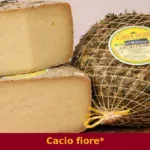
Cheese production is modest but notable: caciocavallo podolico, made from the milk of the semi-wild Podolica cattle that graze Gargano pastures, is a prized regional product with a sharp, complex flavour that intensifies with ageing. During the summer, small trattorias in the centro storico serve fixed menus that lean heavily on whatever the season provides — wild chicory, broad beans, peppers, tomatoes. There are no Michelin-starred restaurants here; the cooking is domestic in origin and honest in execution.
Best time to visit Ischitella
Late spring — May and early June — is ideal. The Gargano wildflowers are at their peak, the Foresta Umbra is walkable without summer’s heat, and the village has not yet filled with the coastal tourists who pass through in July and August. September and October offer a second window: the olive harvest begins, temperatures drop to comfortable walking levels, and the light over the Adriatic turns golden and long. Winters are quiet, sometimes cold, and fog can settle into the valleys below the village, but the absence of visitors means an unfiltered view of daily life. Ischitella celebrates the feast of Sant’Eustachio, its patron saint, with processions and community gatherings — a local event, not a staged performance for outsiders.
Pack layers regardless of the month. At 314 metres, the village catches wind off the Adriatic, and evenings cool quickly even in summer. Comfortable shoes matter: the streets are stone-paved and often steep. A car is essential for reaching the Foresta Umbra trailheads and the coastal towns below.
How to get to Ischitella
The nearest large airport is Bari Karol Wojtyła (BRI), approximately 200 kilometres to the southeast — roughly two and a half hours by car via the A14 motorway and then the SS89 coastal road or inland routes through the Gargano. Foggia, the provincial capital, lies about 100 kilometres to the west and is connected by rail to Rome, Naples, and Bari. From Foggia, local bus services operated by regional carriers reach Ischitella, though schedules are infrequent and a rental car is strongly advisable. The drive from Foggia takes approximately ninety minutes through a landscape that shifts from flat Tavoliere plain to forested hillside. From the north, drivers can exit the A14 at Poggio Imperiale or San Severo and follow provincial roads through the Gargano interior.
More villages to discover in Puglia
The province of Foggia contains a range of small settlements that together tell the full story of Puglia’s inland character. To the southwest, on the broad Tavoliere plain, Orta Nova offers a contrasting landscape: flat agricultural land, grain fields, and a village life shaped by the rhythms of lowland farming rather than mountain forestry. It is a useful counterpoint to Ischitella’s elevated, wooded setting — the same province, an entirely different world.
For those drawn to the Apennine foothills west of Foggia, Castelluccio Valmaggiore sits among the Daunian sub-Apennines, a zone of rolling hills, wind farms, and villages where dialect and food traditions carry traces of older, pre-Italian identities. Together with Ischitella, these villages form a circuit through Puglia’s least-visited territory — places that require effort to reach but repay it with an Italy untouched by the pressures of mass tourism.
Frequently asked questions about Ischitella
Quando si festeggia il patrono di Ischitella e come si chiama?
Il patrono di Ischitella è Sant'Eustachio martire, la cui festa si celebra il 20 maggio. La ricorrenza viene commemorata con processioni e momenti di raccoglimento comunitario nel centro storico del paese. Si tratta di un appuntamento radicato nella vita locale, non di un evento pensato per il turismo di massa, il che lo rende un'occasione autentica per chi visita il paese in quel periodo.
È possibile visitare Ischitella come tappa di un itinerario escursionistico nel Gargano?
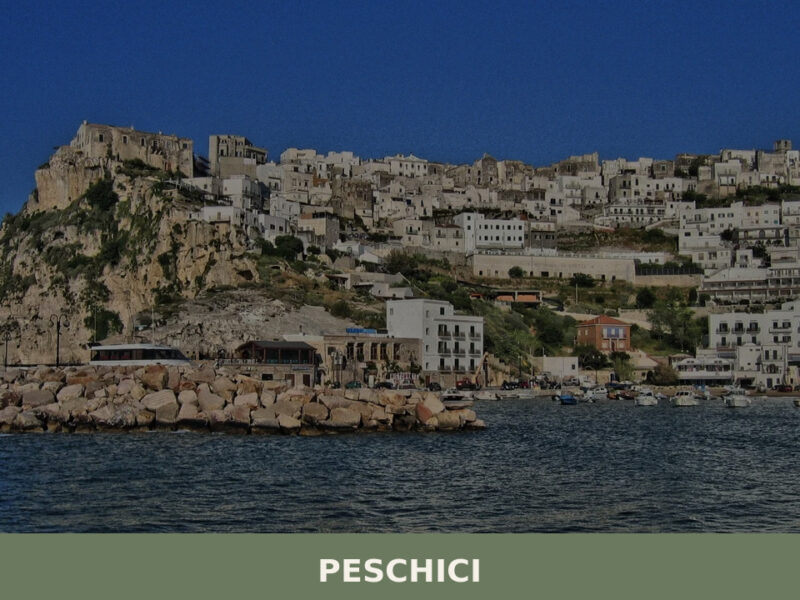
Sì. Ischitella si trova ai margini occidentali della Foresta Umbra, cuore boschivo del Parco Nazionale del Gargano, dove il CAI ha segnato diversi sentieri numerati attraverso faggete e pinete. Il paese è raggiungibile anche percorrendo la rete di strade provinciali che collegano i borghi interni del promontorio. Chi combina la visita al centro storico con un'escursione nella foresta può organizzare una giornata completa partendo, ad esempio, da Vieste o Peschici sulla costa.
Quanto dura la visita a Ischitella e si può fare come gita giornaliera?
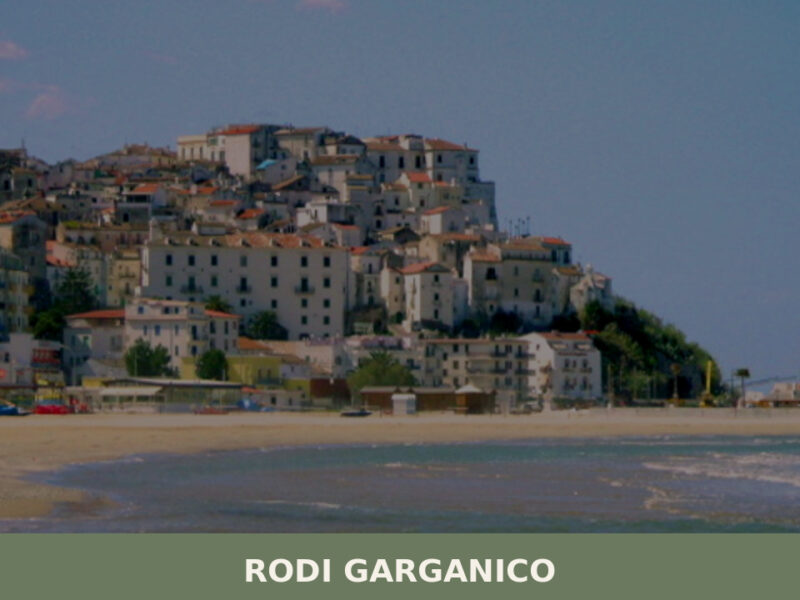
Il centro storico di Ischitella si percorre agevolmente a piedi in due-tre ore, includendo la Chiesa Madre di Sant'Eustachio, Palazzo Pinto e il Convento dei Cappuccini. Aggiungendo una passeggiata nei vicoli e una sosta in trattoria, mezza giornata è sufficiente. Da Foggia, distante circa 100 km, o dalle località costiere del Gargano come Vieste o Rodi Garganico (una trentina di chilometri), è una gita in giornata perfettamente fattibile in auto.
C'è parcheggio a Ischitella per chi arriva in auto?
Ischitella è un borgo collinare di dimensioni contenute, con strade del centro storico strette e in molti tratti non percorribili in auto. Come in quasi tutti i centri storici del Gargano, è consigliabile lasciare il veicolo nelle aree di sosta situate ai margini del paese, in prossimità degli accessi al centro, e proseguire a piedi. La visita dell'intero nucleo antico è comunque gestibile comodamente a piedi in poche ore.
Nearby Villages near Ischitella

In Apulia More villages to discover
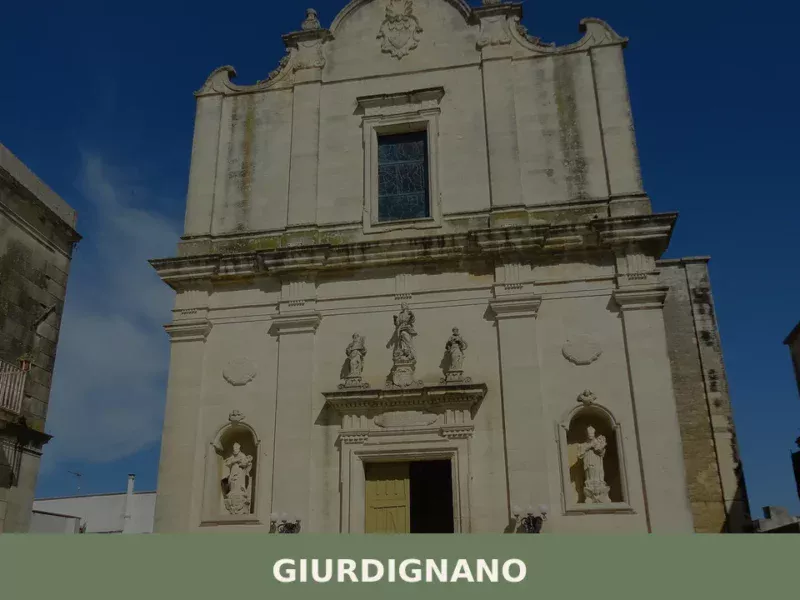
Giurdignano
 Plains
More than 25 standing stones rise from the flat farmland around this comune in the province of Lecce, some tilting slightly after three millennia, others still vertical and sharp against the sky. The territory of Giurdignano, at 78 m (256 ft) above sea level, holds the highest concentration of menhirs and dolmens in all of […]
Modugno
Plains
In 1316, King Robert of Anjou confirmed Modugno’s privilege of holding a free fair, recognising this community on the Bari plain as a commercial hub that few centres of similar size could claim. Today, first-time visitors find a compact old town, gathered around Romanesque churches and noble palaces, surrounded by the orderly expanse of olive […]
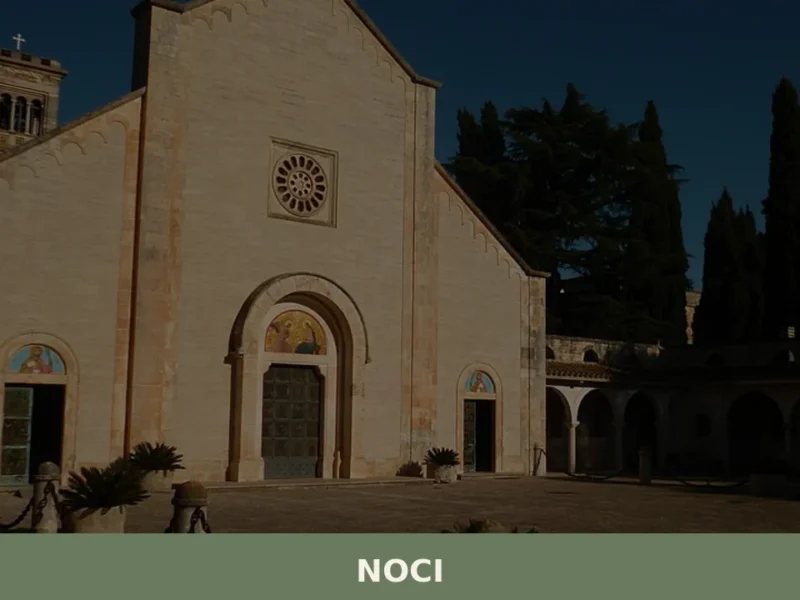
Noci
 Hills
Hills
What to see in Noci, a village at 420 m on the Murge plateau. 5 attractions, medieval gnostre, Acquasale PAT, sagre and patron feasts. Plan your visit now.

Spinazzola
 Mountain
What to see in Spinazzola, Puglia, Italy: birthplace of a Pope and a Jesuit sinologist, 70 km from Bari. Discover top attractions, local food and travel tips.
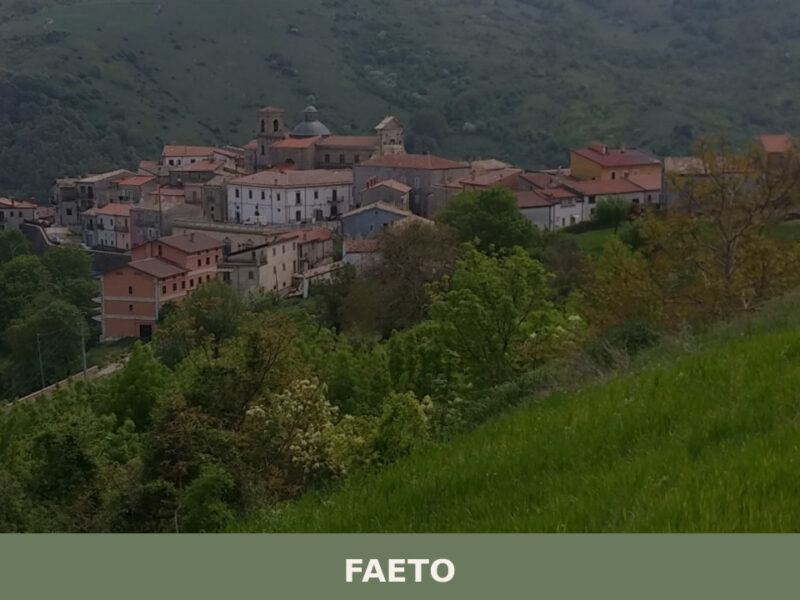
Faeto
Mountain
A Franco-Provençal-speaking village of 616 inhabitants high in the Daunia mountains. Discover what to see in Faeto: ancient dialect, beech forests, and Puglia's highest peak.
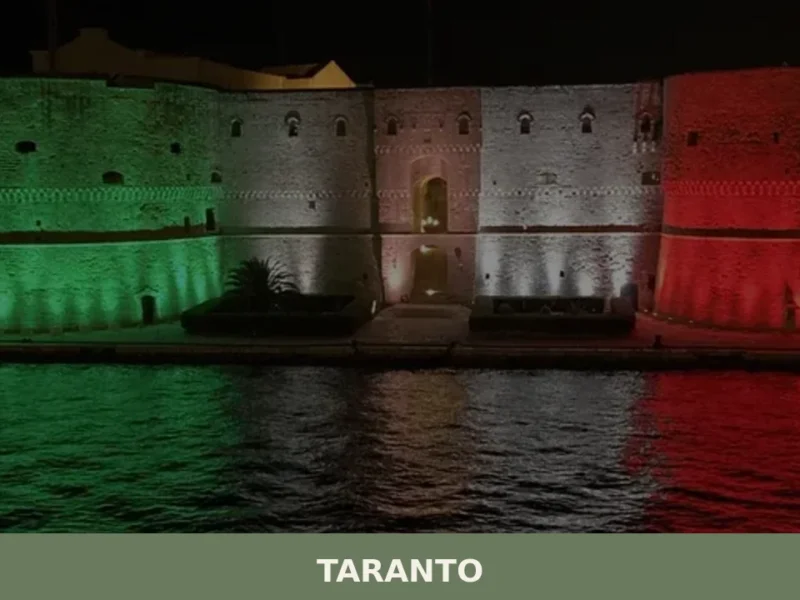
Taranto
Sea
In 706 BC, a group of Spartan colonists led by Phalanthus landed along the Ionian coast of Puglia and founded Taras, one of the most powerful poleis of Magna Graecia. Today that same city — Taranto — stretches across two seas, the Mar Grande and the Mar Piccolo, connected by a navigable canal that cuts […]
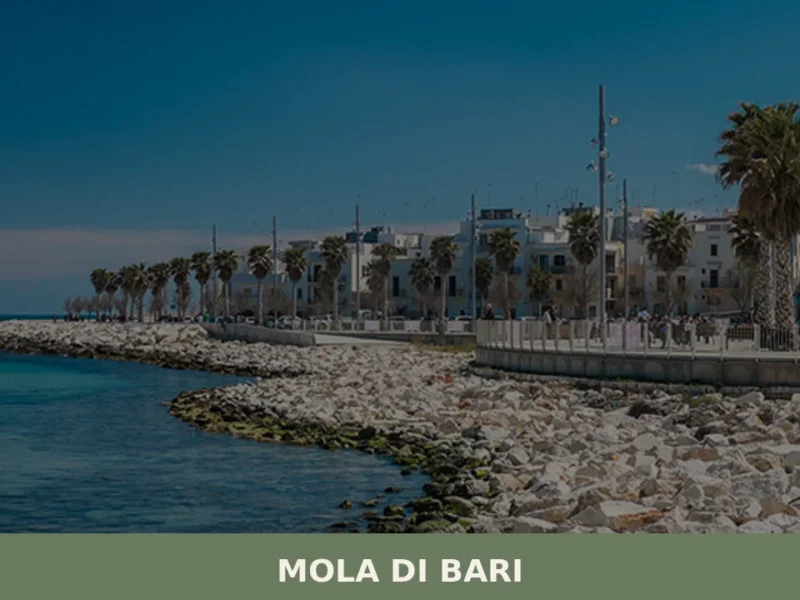
Mola di Bari
Sea
In 1278, Charles I of Anjou ordered the construction of a castle on the Adriatic coast south of Bari, at a spot where fishermen had been hauling their boats ashore for generations. That castle still stands, and it marks the exact centre of Mola di Bari, a town of 24,416 inhabitants spread out at just […]
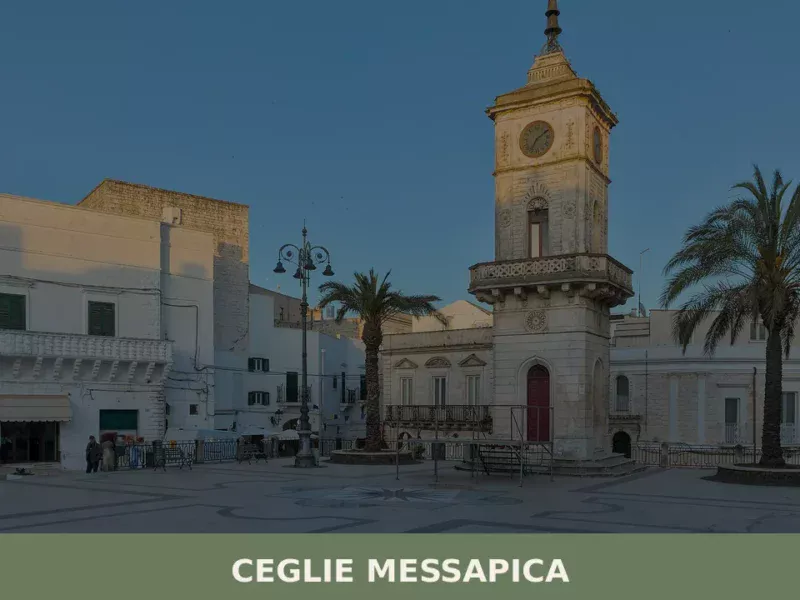
Ceglie Messapica
Sea
Discover what to see in Ceglie Messapica: the Ducal Castle, medieval chianche streets, ancient olive groves, karst caves and Puglia's finest local food.
Vico del Gargano
Sea
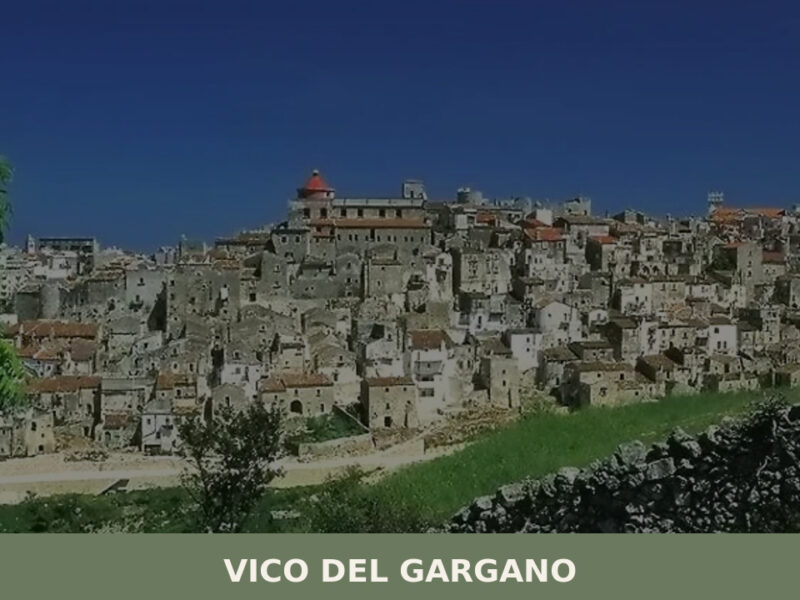
A hilltop village at 445 metres on the Gargano promontory, Vico del Gargano rewards slow exploration — medieval alleys, underground olive presses, and ancient forest at its edge.
Santeramo in Colle
Hills
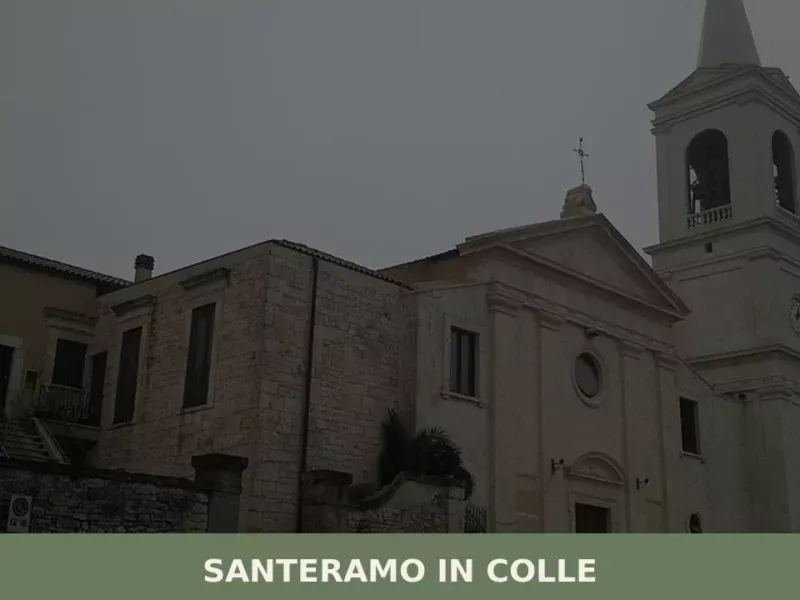
What to see in Santeramo in Colle? Discover the top 5 attractions, from the historic center to beautiful churches. Plan your visit to Puglia!


🏡 Know Ischitella better than we do?
If you’re a local or have been there, your knowledge matters: add what’s missing or fix a detail on this page.