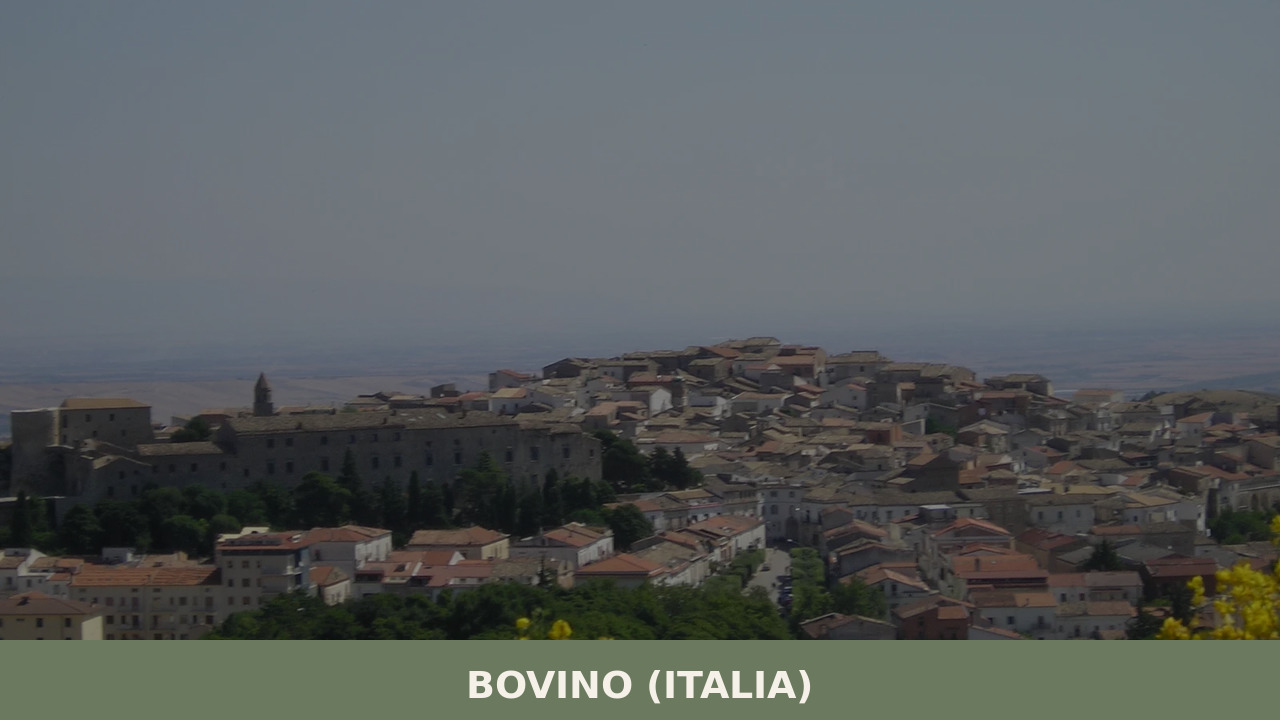
Perched on a Daunia hilltop, Bovino is a stunning medieval village in Puglia. Discover its castle, cathedral, and authentic flavours.
Perched at 620 metres above sea level on a rocky spur in the Daunia Sub-Appennino, Bovino is one of southern Italy’s most enchanting hilltop villages. With just under 3,000 inhabitants, its cobbled lanes, Norman castle, and sweeping views over the Cervaro valley reward every visit. If you’re wondering what to see in Bovino (Italia), prepare for a journey through centuries of layered history, authentic Puglian flavours, and an atmosphere that time seems to have gently forgotten.
Bovino’s roots stretch deep into antiquity. The settlement, known in Roman times as Vibinum, was an important stronghold along the Via Traiana, the road that connected Benevento to Brindisi. Its strategic hilltop position made it a prized possession for successive rulers — Lombards, Byzantines, and Normans all left their mark on the village’s fortifications and urban fabric. The name “Bovino” is widely believed to derive from the Latin Vibinum, gradually evolving through medieval pronunciation into the form used today.
The village rose to particular prominence in the Norman and Swabian periods. Under Frederick II of Hohenstaufen, the castle was reinforced and the town became the seat of a powerful duchy — the Ducato di Bovino — which endured for centuries. The Guevara family held the duchy from the 15th century onward, shaping the settlement’s aristocratic character. Bovino’s cathedral, rebuilt after a devastating earthquake in 1930, stands as testimony to the community’s resilience and deep faith across the ages.
Recognised today as one of the Borghi più belli d’Italia (Most Beautiful Villages of Italy), Bovino continues to guard a remarkable concentration of historical monuments within its compact medieval centre, making it a living museum of Puglia’s inland heritage.
Dominating the village skyline, the Ducal Castle was originally built by the Normans in the 11th century and later expanded under the Swabians and Guevara dukes. Its imposing round towers and panoramic terrace offer breathtaking views across the Tavoliere delle Puglie plain. Today parts of the castle host cultural events and exhibitions that bring its storied halls back to life.
Bovino’s Romanesque cathedral, dedicated to the Assumption of the Virgin Mary, dates back to the 10th–11th century. Despite damage from earthquakes, it retains a striking Romanesque façade and a beautiful rose window. Inside, visitors can admire carved capitals and a venerated Byzantine-style icon of the Madonna of Valleverde, central to local devotion.
Wandering through Bovino’s centro storico is an experience in itself. Narrow alleys, arched passageways, external staircases, and small piazzas reveal a remarkably intact medieval layout. Stone houses cling to the hillside in tiers, and at every turn you’ll discover carved doorways, tiny chapels, and hidden courtyards that speak of centuries of daily life.
Housed near the cathedral, the Diocesan Museum preserves a fine collection of sacred art, liturgical vestments, and archaeological finds from the Bovino area. Highlights include medieval manuscripts, silverwork, and religious paintings that document the spiritual and artistic heritage of the ancient Diocese of Bovino, one of the oldest in Puglia.
Set just outside the village walls, this Franciscan complex dates to the 13th century. The church features a simple yet elegant Gothic portal. The adjoining convent cloister, with its serene garden, offers a peaceful retreat and a glimpse into the monastic life that once flourished in the valleys of the Daunia mountains.
Bovino sits in a territory where the culinary traditions of Puglia’s mountains meet those of the Tavoliere plain. Local cuisine favours hearty, seasonal dishes: handmade orecchiette and cavatelli with wild herb ragùs, roasted lamb seasoned with rosemary from the surrounding hills, and pancotto — a comforting bread soup enriched with vegetables and olive oil. The area also produces excellent caciocavallo podolico, a prized stretched-curd cheese made from the milk of the ancient Podolica cattle breed that grazes on the Daunia highlands, and the renowned Dauno DOP extra-virgin olive oil.
For the best tasting experience, seek out the family-run trattorias and agriturismi in and around Bovino, where meals are prepared with ingredients sourced from nearby farms. Don’t leave without trying the local taralli, the dried figs stuffed with almonds, and a glass of Nero di Troia, the robust red wine grape native to northern Puglia. Market days and village festivals are also excellent occasions to sample artisan products directly from the producers.
Bovino’s elevated position at 620 metres grants it a pleasant microclimate — warm but breezy in summer and crisp in winter, sometimes dusted with snow. Spring (April to June) and early autumn (September to October) are ideal for exploring on foot, when temperatures are mild and the surrounding hills blaze with wildflowers or golden foliage. Summer brings the village to life with cultural events, open-air concerts in the castle courtyard, and the traditional August festival honouring the patron saint, which features processions, live music, and communal feasting in the piazzas.
Winter visitors will find a quieter but deeply atmospheric Bovino: Christmas nativity scenes set up in the old town’s alleys, wood smoke rising from stone chimneys, and warming dishes in cosy trattorias. Whichever season you choose, it’s wise to wear comfortable walking shoes — the village’s steep cobbled streets are part of its charm but demand a sure step.
Bovino is located in the province of Foggia, in northern Puglia. By car, it is easily reached via the A16 Napoli–Canosa motorway: take the exit at Bovino–Deliceto and follow the signs uphill for about five kilometres. The village lies roughly 35 km southwest of Foggia, 160 km east of Naples, and approximately 190 km northwest of Bari. From Rome, the drive takes around three and a half hours via the A1 and A16.
The nearest railway station is Bovino on the regional Foggia–Potenza line, though services are limited; for more frequent connections, use Foggia central station, which is served by high-speed trains from Rome, Milan, and Bologna. The closest airports are Bari Karol Wojtyła Airport (approximately 170 km) and Naples Capodichino Airport (approximately 170 km). From either airport, hiring a car is the most convenient option for reaching the village and exploring the wider Daunia area at your own pace.
The beauty of Puglia’s hinterland lies in the constellation of small villages that dot its mountains and coastline, each with a distinct personality. Northwest of Bovino, tucked into the hills near the Fortore valley, the tiny hamlet of Carlantino rewards adventurous travellers with its tranquil lakeside setting beside the Occhito reservoir and a genuine rural atmosphere untouched by mass tourism. It’s an ideal complement to Bovino for anyone seeking the authentic rhythms of Puglia’s countryside.
If your itinerary allows, consider also heading east to the Gargano coast, where the fishing village of Peschici clings to white cliffs above the Adriatic. From the mountain serenity of Bovino to the sea breezes of Peschici, a drive of about an hour and a half takes you through some of the most varied and spectacular landscapes that northern Puglia has to offer — proving that the region’s lesser-known corners are often its most rewarding.
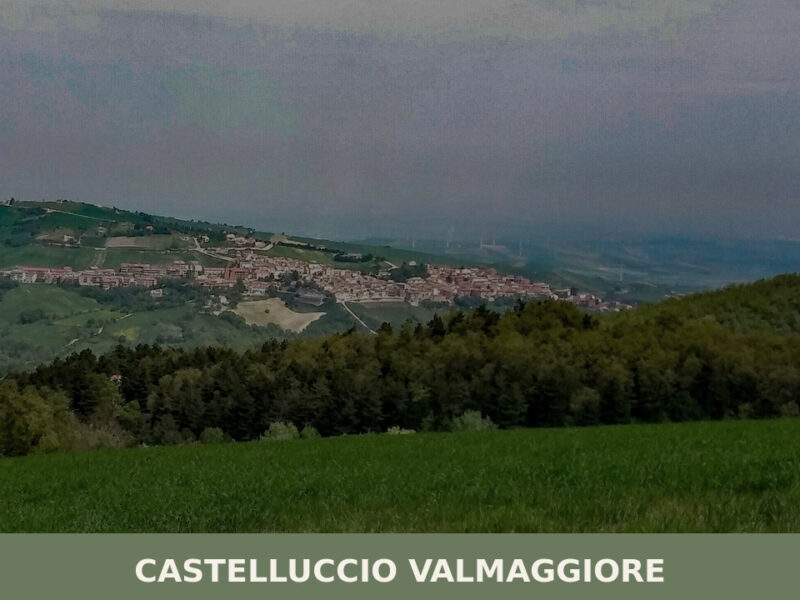
A hilltop village of 1,207 residents at 630 metres in the Daunian Sub-Apennines. Medieval lanes, long views over the Tavoliere plain, and mountain cuisine far from coastal Puglia.
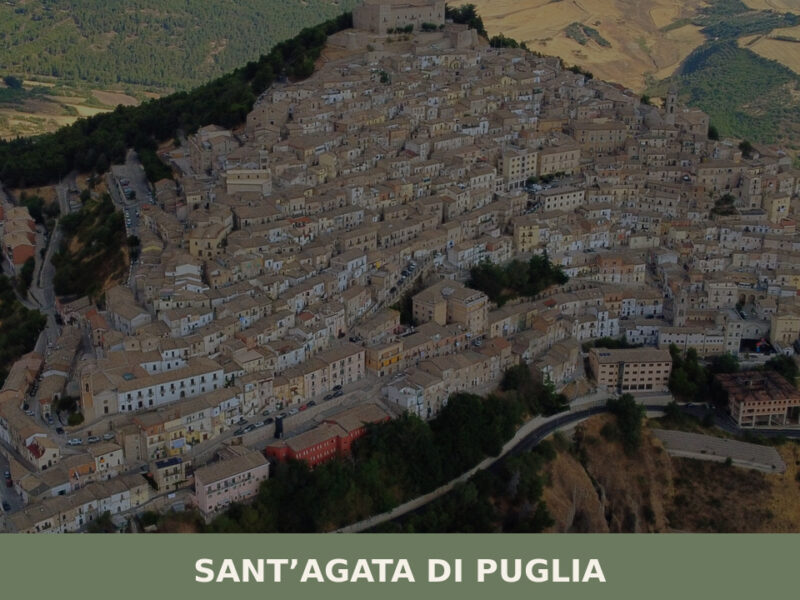
A ridge-top village at 794 metres in the Daunia hills, Sant'Agata di Puglia rewards slow exploration with its Norman castle, stepped stone alleyways, and mountain cooking.
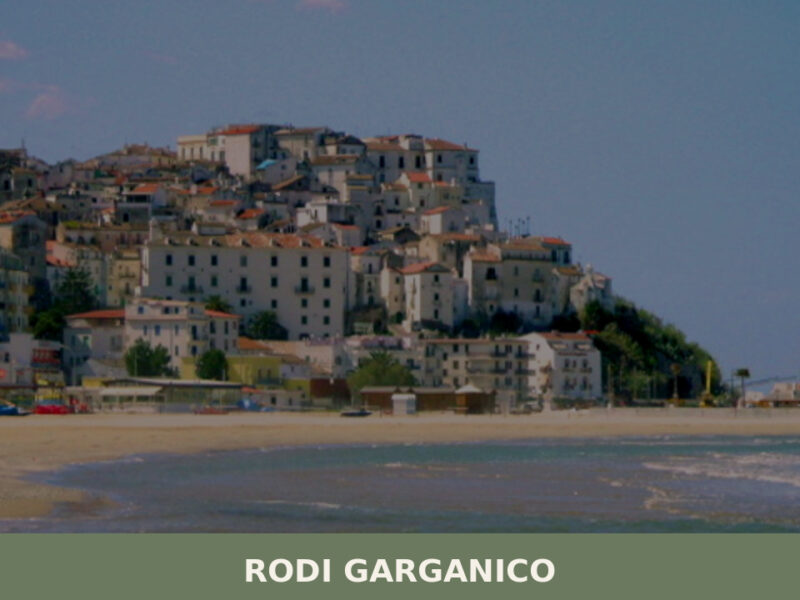
A coastal village of 3,302 inhabitants on the Gargano promontory, Rodi Garganico offers a medieval centre, IGP citrus groves, and an authentic Adriatic harbour life.
📝 Incorrect information or updates?
Help us keep the Bovino (Italia) page accurate and up to date.