


Campomaggiore
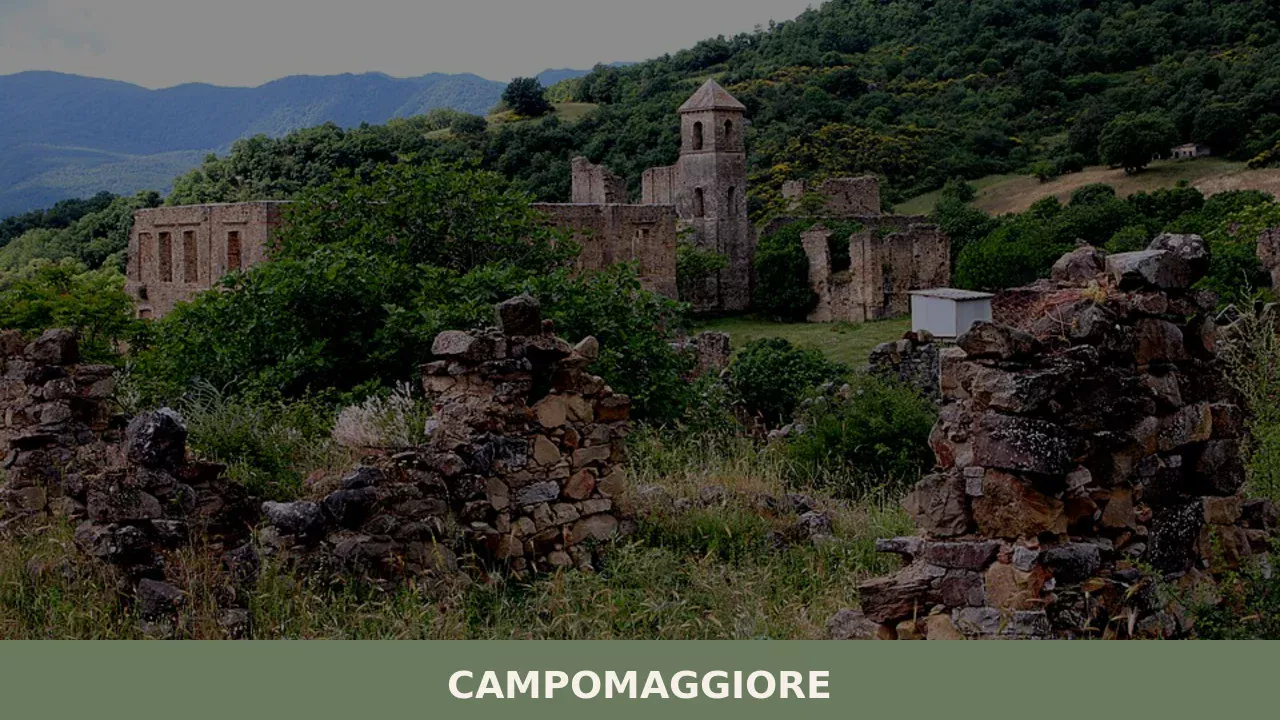
As the morning mist reluctantly peels back from the Lucanian Apennines, a faint scent of wild herbs drifts through the narrow lanes of **Campomaggiore**. At 795 meters above sea level, this small community, home to 832 inhabitants, begins its day with a quiet rhythm. Sunlight catches the weathered stone of an ancient wall, illuminating moss […]
Discover Campomaggiore
As the morning mist reluctantly peels back from the Lucanian Apennines, a faint scent of wild herbs drifts through the narrow lanes of **Campomaggiore**. At 795 meters above sea level, this small community, home to 832 inhabitants, begins its day with a quiet rhythm. Sunlight catches the weathered stone of an ancient wall, illuminating moss and lichen, a testament to centuries of slow time. Situated in the province of Potenza, Campomaggiore offers a glimpse into a way of life deeply connected to its rugged landscape, where tradition is etched into every cobblestone and the rhythm of the seasons dictates the pace of daily existence.
History of Campomaggiore
The name Campomaggiore, translating to “large field,” hints at the village’s foundational identity as an agricultural settlement. Like many communities across Basilicata, its origins likely trace back to the medieval period, when strategic hilltop locations offered both defensive advantages and access to fertile land in the valleys below. Early settlements in the Potenza area were often tied to feudal estates, with the local population engaged in subsistence farming and animal husbandry.
Over centuries, Campomaggiore evolved from a collection of rural dwellings into a more structured village. Its relative isolation, dictated by the mountainous terrain, contributed to the preservation of its cultural identity and architectural character. The village’s history is not marked by grand battles or powerful dynasties, but rather by the enduring resilience of its people, who have cultivated the land and maintained their traditions against the backdrop of the Lucanian Apennines. Understanding the modest yet profound history of Campomaggiore provides context for its present-day charm.
What to see in Campomaggiore: 5 must-visit attractions
The Mother Church
Dominating the village skyline, the Mother Church stands as the spiritual heart of Campomaggiore. Its unassuming façade, often crafted from local stone, belies an interior that, while modest, offers a sense of peace and history. The bell tower, a familiar landmark, calls residents to worship and marks the passage of time, its chimes echoing across the surrounding valleys.
Piazza Centrale
The main piazza serves as the vibrant social hub of Campomaggiore. Here, life unfolds at a leisurely pace, from morning greetings over coffee to evening strolls. Surrounded by traditional buildings, often with small shops or cafes, the piazza is where villagers gather, news is exchanged, and the pulse of the community is most palpable. A central fountain often provides a focal point and a refreshing stop.
Panoramic Viewpoint
Given its elevation of 795 meters above sea level, Campomaggiore naturally offers several vantage points providing expansive views. From a designated panoramic viewpoint, visitors can survey the undulating landscape of the Lucanian Apennines, dotted with olive groves, fields, and the occasional distant village. It is a place for quiet contemplation, offering a profound sense of the region’s rugged beauty.
The Old Lavatoio (Washhouse)
A testament to communal life and simpler times, the old lavatoio, or public washhouse, is a historical relic. Built with stone troughs fed by natural springs, it was once a vital gathering place for women, where daily chores were shared alongside stories and laughter. Today, it stands as a preserved piece of history, reflecting the village’s past and its close-knit community spirit.
Palazzo Comunale (Municipal Building)
The Palazzo Comunale houses the local government and is often situated in one of the village’s more historically significant buildings. While not a grand palace, its architecture typically reflects the traditional style of Campomaggiore, often featuring sturdy stone construction and classic details. It represents the civic heart of the community, managing the day-to-day affairs of its 832 inhabitants.
Local food and typical products
The culinary traditions of Campomaggiore, like much of Basilicata, are rooted in simplicity, local ingredients, and hearty flavors. Dishes often feature legumes, such as robust fagioli (beans), and seasonal vegetables harvested from nearby fields. Homemade pasta, particularly strascinati and lagane, often made with durum wheat flour and water, forms the backbone of many meals, typically served with rich meat sauces or simple tomato and basil preparations.
Local cheeses, especially sheep’s milk pecorino and the distinctive caciocavallo podolico, are staples, often enjoyed fresh or aged. Cured meats, such as salsiccia lucana, are also prevalent. Olive oil, produced from the region’s ancient olive groves, is an essential component, lending its robust flavor to almost every dish. Dining in a local trattoria or agriturismo offers an authentic taste of Campomaggiore’s culinary heritage, where recipes have been passed down through generations.
Best time to visit Campomaggiore
The best time to experience Campomaggiore largely depends on the desired atmosphere. Spring (April-May) brings mild temperatures, blooming wildflowers, and a vibrant green landscape, ideal for hiking and exploring the surrounding nature. Summer (June-August) offers warmer days, though the altitude provides a welcome respite from coastal heat, and is often when local festivals (sagre) celebrate regional produce and traditions, offering a lively cultural immersion.
Autumn (September-October) is characterized by comfortable temperatures, the rich colors of changing foliage, and the grape and olive harvests, providing a picturesque backdrop for exploration. Winter (November-March) transforms Campomaggiore into a quiet, often snow-dusted retreat. While colder, it offers a serene beauty and a chance to experience the village in its most tranquil state, away from any seasonal crowds. The mountainous climate ensures distinct seasonal changes.
How to get to Campomaggiore
Reaching Campomaggiore requires navigating Basilicata’s provincial road network. The village is approximately 30-45 minutes by car from Potenza, the provincial capital. Visitors traveling by car can access the region via the A2 Autostrada del Mediterraneo (formerly A3), exiting at an appropriate junction and continuing on well-maintained provincial roads. Car rental is highly recommended for exploring the region’s many hidden gems.
For those preferring public transport, the nearest major train station is Potenza Centrale. From Potenza, local bus services or taxis can complete the journey to Campomaggiore, though schedules may be limited. The closest international airport is Bari Karol Wojtyla Airport (BRI), situated approximately 1.5 to 2 hours drive away, offering connections to major Italian and European cities. Travellers should consult up-to-date bus timetables and consider pre-booking taxis for convenience.
More villages to discover in Basilicata
Basilicata is a region rich with villages, each telling its own story through stone, landscape, and tradition. Beyond the quiet charm of Campomaggiore, the province of Potenza offers diverse experiences. Consider a visit to Acerenza, renowned for its imposing Romanesque cathedral and its history as an ancient episcopal seat, offering a glimpse into a different facet of Lucanian heritage.
Further afield, the dramatic landscapes of the Dolomiti Lucane cradle villages like Pietrapertosa. This village, seemingly carved into the rock face, provides a stark contrast to Campomaggiore’s agricultural setting, inviting visitors to explore its ancient Saracen origins and unique architectural relationship with the surrounding mountains. Each village contributes to the rich tapestry of Basilicata, waiting to be discovered.
In Basilicata More villages to discover
Balvano
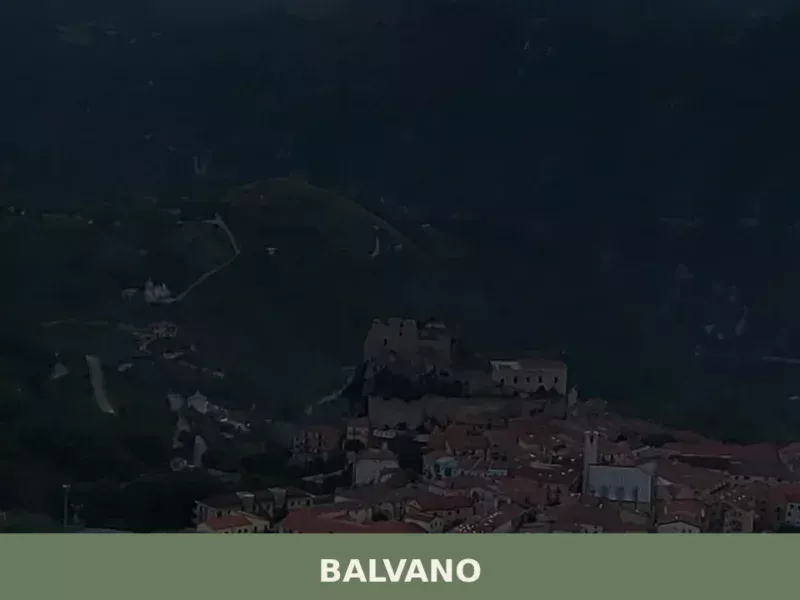
Balvano, a municipality in the province of Potenza, rises 425 meters above sea level, fitting into the hilly landscape of Basilicata. This altitude is not just a number, but the coordinate of a natural observatory from which the Platano valley can be viewed. With a population of 1,722 inhabitants, the village maintains the size of […]
Chiaromonte
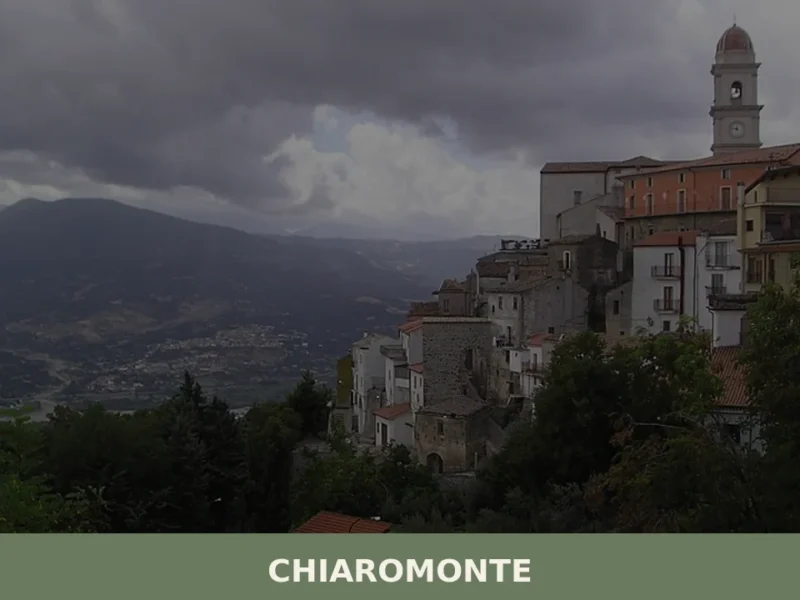
With a population of 1,964 inhabitants, Chiaromonte is located 794 meters above sea level in the province of Potenza. The village, whose presence has been documented since the medieval era, celebrates its patron, Saint John the Baptist, on June 24 and August 29. For those who venture into this mountain landscape, the desire to understand […]
Albano di Lucania
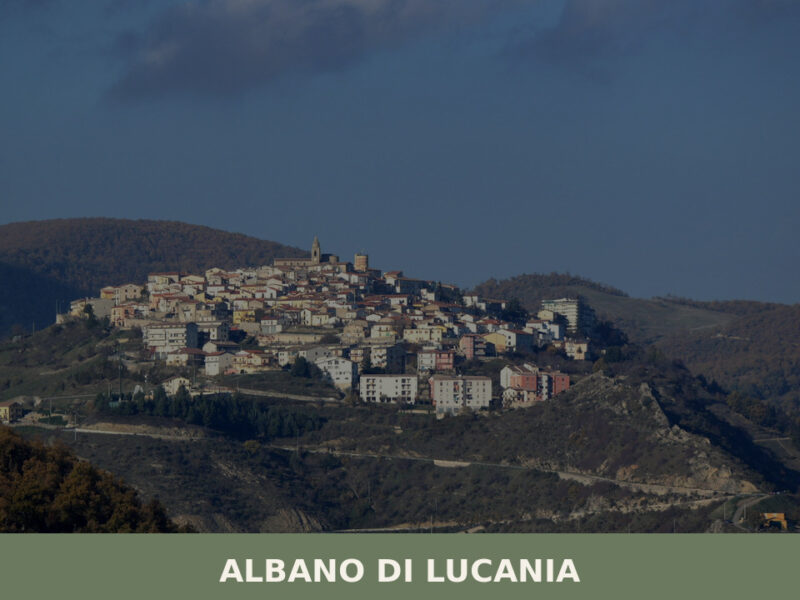
A complete guide to Albano di Lucania in Basilicata — its medieval lanes, stone churches, Lucanian cuisine, and the quiet landscapes of the upper Basento valley.





📝 Incorrect information or updates?
Help us keep the Campomaggiore page accurate and up to date.