
Acerenza
Discover what to see in Acerenza, Basilicata: a Norman cathedral, medieval streets, calanchi views and local food. Practical tips for visiting this hilltop episcopal town.
Discover Acerenza
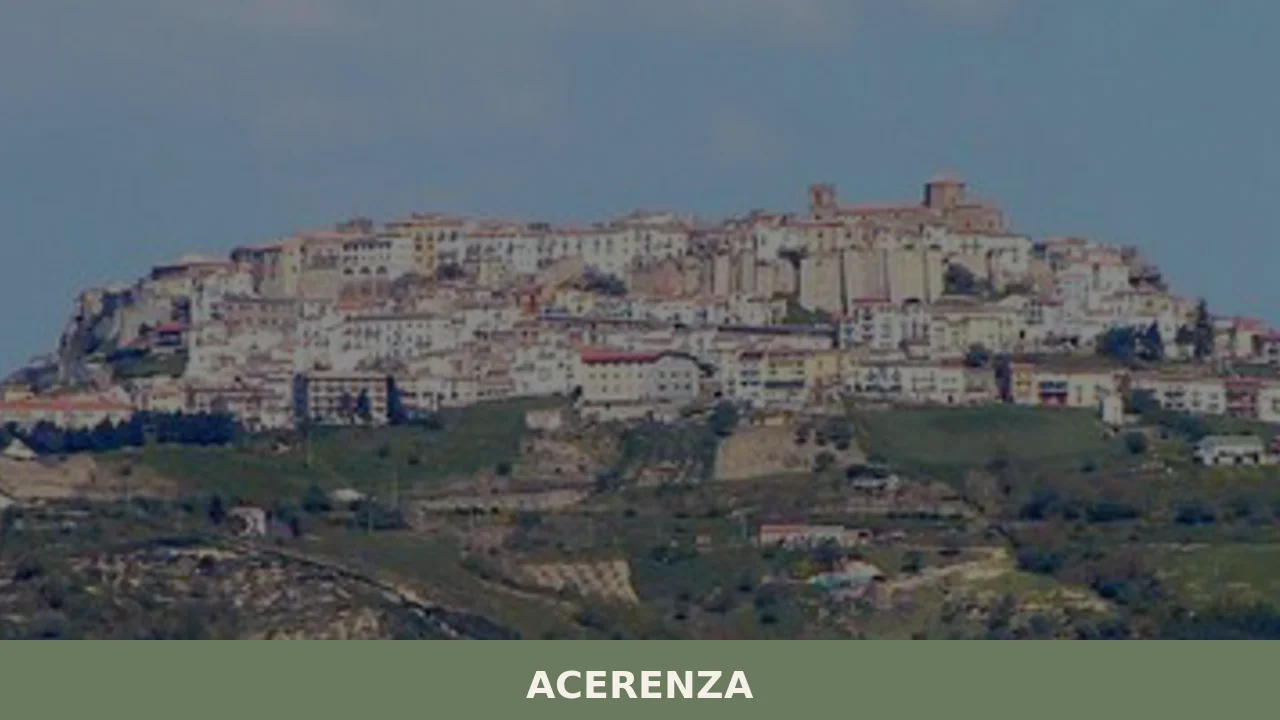
At 833 metres above sea level, Acerenza occupies a rocky spur in the province of Potenza, Basilicata, commanding wide views across the Bradano river valley and the clay badlands below. A community of around 2,005 inhabitants, it is one of the oldest episcopal seats in southern Italy — a fact that goes far in explaining the density of ecclesiastical architecture concentrated within its compact historic centre. Knowing what to see in Acerenza means understanding a place defined not by size but by institutional weight: a cathedral, a diocese, centuries of Norman and Lombard layering all pressed into a few stone streets.
History of Acerenza
The name Acerenza most likely derives from the Latin Acherontia, a toponym already recorded in classical sources and associated with a settlement of the Peucetians, an Italic people of the pre-Roman period. Roman conquest brought the settlement into the administrative orbit of the Republic, and the town retained strategic relevance through the early imperial period. Its position on a defensible spur made it a natural point of control over routes crossing the interior of what is now Basilicata.
The founding of the Diocese of Acerenza is documented from at least the 5th century AD, making it one of the oldest bishoprics in the entire Mezzogiorno. This ecclesiastical status gave Acerenza an outsized influence relative to its modest population, attracting investment in stone construction and liturgical art through the early medieval centuries. The Lombard period left administrative traces, but it was the Normans who reshaped the cathedral in its current form: the building was reconstructed in the 11th century under Norman patronage, incorporating Romanesque structural principles that remain visible in its nave and exterior stonework today.
During the feudal centuries that followed the Norman kingdom, Acerenza passed through the control of several baronial families, a common trajectory for interior Basilicatan towns whose fortunes rose and fell with the shifting alliances of the Kingdom of Naples. A notable episode in the town’s later history is the alleged burial of Pirro del Balzo, Prince of Altamura, within the cathedral — a claim supported by the presence of a late 15th-century tomb monument inside the building. Administrative unification under the Kingdom of Italy in 1861 brought Acerenza into the province of Potenza, the structure that governs it to this day.
What to see in Acerenza: 5 must-visit attractions
Cathedral of Santa Maria Assunta and San Canio
The most significant monument in Acerenza is this Romanesque cathedral, originally built in the 11th century under Norman influence and modified in subsequent centuries. Its façade retains carved decorative elements typical of southern Italian Romanesque, and the interior houses the tomb monument attributed to Pirro del Balzo, dating to the late 1400s. The crypt is a particular focus for visitors interested in early medieval stonework.
The Historic Centre and the Rock Spur
The medieval urban layout of Acerenza follows the contours of the rock spur itself, with streets and buildings arranged in concentric bands around the cathedral at the summit. Walking the perimeter reveals uninterrupted views across the Bradano valley and toward the Apennine ridgeline. The street pattern, largely unchanged since the medieval period, preserves the logic of a fortified hilltop settlement.
Palazzo Vescovile (Bishop’s Palace)
Adjacent to the cathedral, the Bishop’s Palace is a direct expression of Acerenza’s long episcopal history. The building served as the administrative and residential seat of the Diocese of Acerenza, one of the oldest in southern Italy. Its current structure incorporates fabric from several construction phases, and it remains institutionally active within the local diocese.
The Panoramic Belvedere over the Bradano Valley
From the northern edge of the historic centre, a dedicated viewpoint looks directly down onto the clay erosion formations — locally called calanchi — that characterise the Bradano river valley. These deeply furrowed landforms, shaped by water erosion in clay-heavy soils, are a recognised landscape feature of inland Basilicata and are best observed from above, particularly in the low light of late afternoon.
Church of San Giovanni Evangelista
One of several secondary churches within the historic centre, San Giovanni Evangelista reflects the layered religious topography of a town that sustained multiple devotional spaces over centuries. Its interior preserves decorative and liturgical elements from the post-medieval period, offering a contrast to the more austere Romanesque of the cathedral. The building is representative of the local tradition of parish churches serving individual rioni.
Local food and typical products
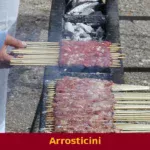
Basilicata’s inland food culture is built on preserved meats, legumes, and bread-based dishes, and Acerenza sits firmly within that tradition. The territory around the town produces lamb and pork central to the local diet, prepared in ways that reflect both the pastoral economy of the area and the preserving traditions necessary in communities historically distant from urban markets. Pasta formats typical of the Potenza province — including lagane, a thick flat pasta, and cavatelli — appear in local preparations combined with chickpeas or ragù of local meat. The peperone crusco, the dried sweet red pepper designated with IGP status and considered one of the defining flavours of Lucanian cooking, appears in multiple preparations: fried in olive oil as a garnish, crumbled over pasta, or eaten as a standalone ingredient.
For visitors, the most reliable opportunity to encounter these products is in small family-run restaurants and trattorie within the historic centre, where seasonal availability shapes the menu more directly than formal culinary programming. The Basilicata regional tourism authority provides updated listings of local producers and food itineraries that extend across the Potenza province, including the area around Acerenza. Markets and local festivals, particularly in summer and early autumn, offer additional access to fresh and preserved local products sold directly by producers from the surrounding agricultural zone.
Best time to visit Acerenza
The climate at 833 metres is noticeably cooler than coastal or lowland Basilicata, with winters that can bring snow and road conditions worth checking before travel. Spring — from late April through June — brings the most reliable combination of mild temperatures, clear visibility across the valley, and the calanchi landscape in its most visually defined state before summer dust reduces contrast. September and October offer similar conditions after the heat of August recedes, and the agricultural cycle makes early autumn a productive time for encountering local food products in their fresh form.
August sees the highest concentration of visitors and cultural events, as returning residents and summer tourism programmes bring temporary life to what is otherwise a small and quiet town. The feast of San Canio, the co-patron of the cathedral, is observed in the local liturgical calendar and involves processions and ceremonies concentrated around the cathedral itself. Visitors planning specifically to see the cathedral interior should note that opening hours outside summer months can be limited and are best confirmed directly with the Municipality of Acerenza or the diocesan office before arrival.
How to get to Acerenza
Acerenza has no direct rail connection. The nearest railway station with regular intercity services is Potenza Centrale, approximately 35 kilometres to the south-west, from which the town is reachable by road in around 40 minutes. The most practical approach by car uses the SS7 Appia and provincial roads connecting Potenza to the Bradano valley area. From the A16 motorway (Naples–Canosa), the closest exit point is Candela, roughly 60 kilometres to the east, making a private vehicle the most functional option for most visitors.
- From Potenza: approximately 35 km, around 40 minutes by car via SP16 and SP167
- From Naples: approximately 180 km, around 2 hours 30 minutes via A16 and SS7
- From Bari: approximately 130 km, around 1 hour 50 minutes via SS96 and provincial roads
- Nearest airports: Bari Karol Wojtyła (BRI), approximately 150 km; Naples Capodichino (NAP), approximately 195 km
Where to stay in Acerenza
Acerenza’s accommodation offer is limited by its population size and its position as a day-trip destination for visitors based in Potenza or travelling the interior of Basilicata. B&B options and holiday apartments within the historic centre exist and are the most practical choice for visitors who want to spend a night and experience the town after day visitors have left. Staying within the centro storico gives direct access to the cathedral area and the belvedere, both of which have a different quality at dusk and early morning when the roads are empty.
Agriturismo properties in the surrounding countryside offer an alternative for those willing to drive a short distance, and these tend to provide fuller board options with locally sourced ingredients. For a wider range of hotels, Potenza — 35 kilometres south-west — functions as a natural base for exploring this part of the province. Booking accommodation in advance is advisable in July and August, when availability in small historic centres across Basilicata tightens quickly. The APT Basilicata tourism portal maintains a searchable directory of certified accommodation across the region, including agriturismo and B&B listings for the Acerenza area.
More villages to discover in Basilicata
The province of Potenza contains a concentration of small historic centres that share Acerenza’s character of ecclesiastical and medieval heritage set against an interior landscape of deep valleys and clay formations. The city of Potenza, the regional capital located 35 kilometres south-west of Acerenza, provides the most practical urban base for exploring this part of Basilicata and offers its own historic centre with medieval origins. Further south, Armento, a small hilltop settlement in the Val d’Agri, represents another dimension of Lucanian rural settlement — a community whose compact stone layout and sparse population tell a story of interior demographic pressures common across the region.
For visitors drawn to the cultural complexity of Basilicata’s southern zones, two further villages extend the picture significantly. Carbone, in the Pollino foothills, carries a different historical register, connected to monastic traditions in the southern Apennines. And San Paolo Albanese belongs to the Arbëreshë communities — Albanian-origin villages whose Greek-Byzantine religious rite, distinct language, and preserved folk traditions add a layer of cultural specificity rarely encountered elsewhere in Italy. Taken together, these villages map out a territory where geography and history have produced an unusual density of distinct local identities within a relatively small area.
Photo Gallery of Acerenza
Do you have photos of Acerenza?
Share your photos of the village: the best ones will be added to the official gallery, with your credit.
Send your photos📷 Photo Gallery — Acerenza
Nearby Villages near Acerenza
In Basilicata More villages to discover
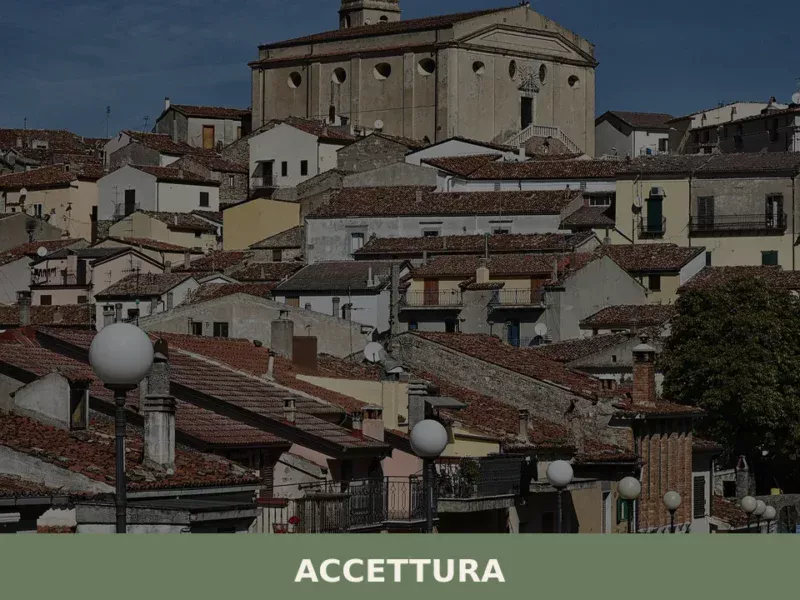
Accettura
 Mountain
Discover what to see in Accettura, Basilicata: the Maggio festival, Gallipoli Cognato forest, local food and practical travel tips for this Matera province village.
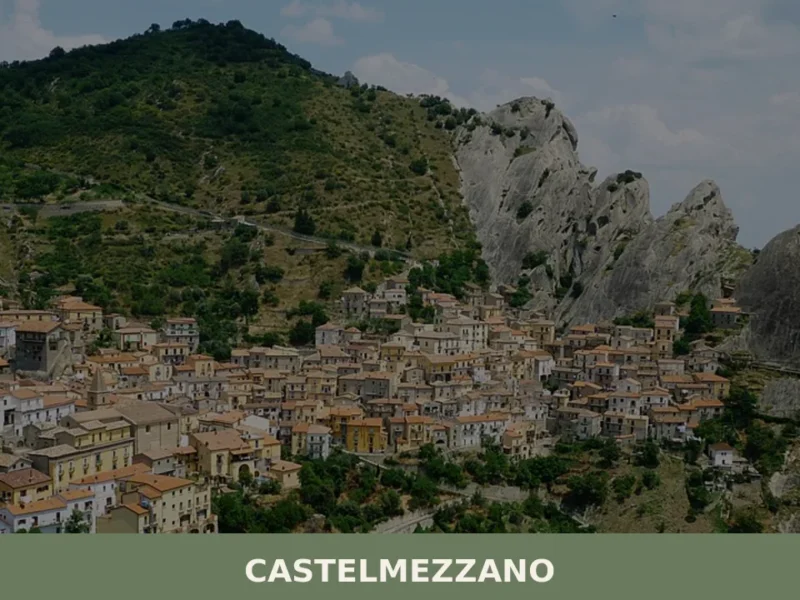
Castelmezzano
Mountain
Castelmezzano, in Basilicata, has a population of 835 inhabitants and stands at 750 meters above sea level, in the province of Potenza. Its architecture unfolds among the rock formations of the Lucanian Dolomites, a mountain environment that defines the village’s character (for more information, consult the dedicated Wikipedia page). Probably founded in the Norman era, […]
Chiaromonte
Mountain
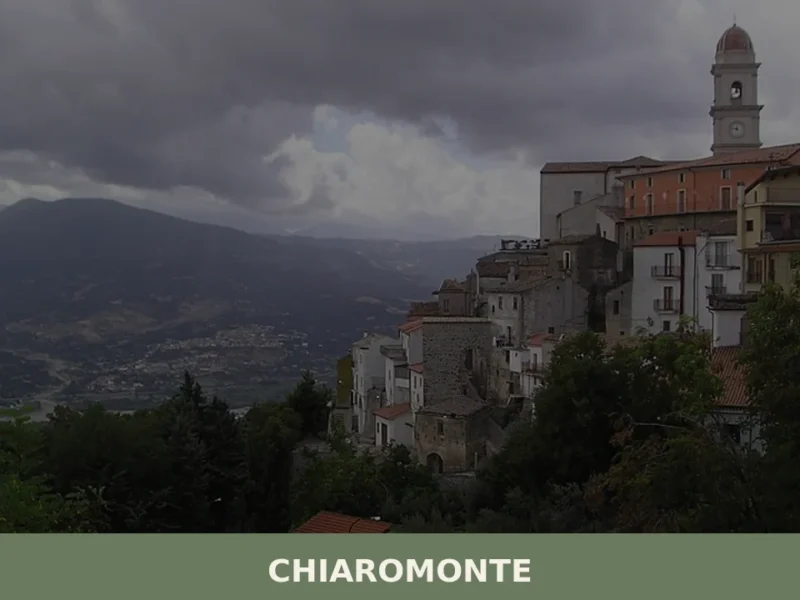
With a population of 1,964 inhabitants, Chiaromonte is located 794 meters above sea level in the province of Potenza. The village, whose presence has been documented since the medieval era, celebrates its patron, Saint John the Baptist, on June 24 and August 29. For those who venture into this mountain landscape, the desire to understand […]
Banzi
 Hills
Hills
In 1956, during archaeological excavations in the area of ancient Bantia, the “Bantine Table” was discovered, a bronze tablet inscribed in the Oscan language, providing direct evidence of the legislation of this Italic community from the 4th-3rd century BC. For those wondering **what to see in banzi** today, the village, located at 571 meters above […]
Anzi
Mountain
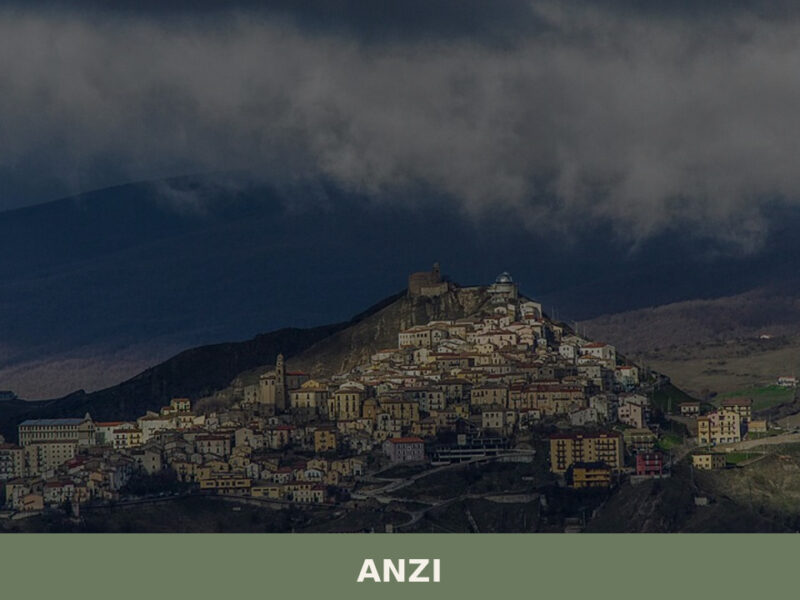
Anzi sits at 1,008 metres above sea level in the province of Potenza, making it one of the highest settlements in Basilicata. Home to 1,745 inhabitants, this small Lucanian village occupies a rocky spur along the upper valley of the Camastra river, surrounded by dense forests of oak and chestnut. For anyone researching what to […]
Castronuovo di Sant’Andrea
Mountain
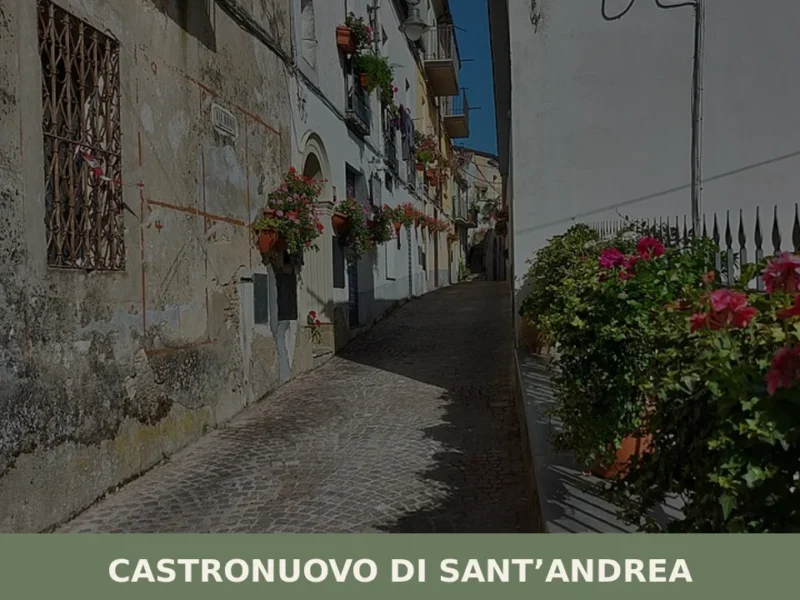
With a population of 1,111 inhabitants, Castronuovo di Sant’Andrea is a Lucanian town located in the province of Potenza, in the heart of the southern Apennines. The settlement, whose origins are lost in the folds of history, presents an urban structure that reflects centuries of layers. For those wishing to understand the essence of this […]
Carbone
Mountain
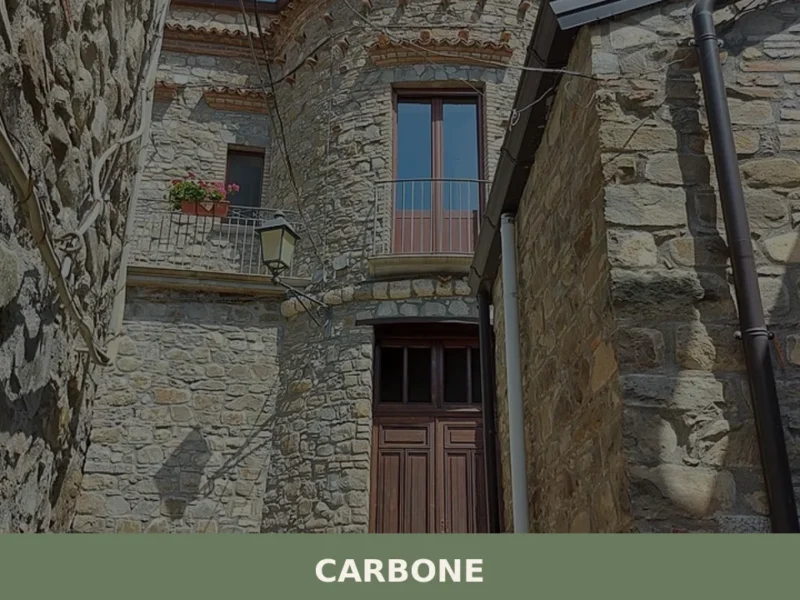
In the heart of Basilicata, 692 meters above sea level, lies Carbone, a settlement whose history is deeply connected to the 10th-century foundation of the Abbey of San Luca by Basilian monks. This monastic settlement, which became one of the most influential in Southern Italy, influenced the village’s identity, affecting its architecture and culture for […]
Cancellara
Mountain
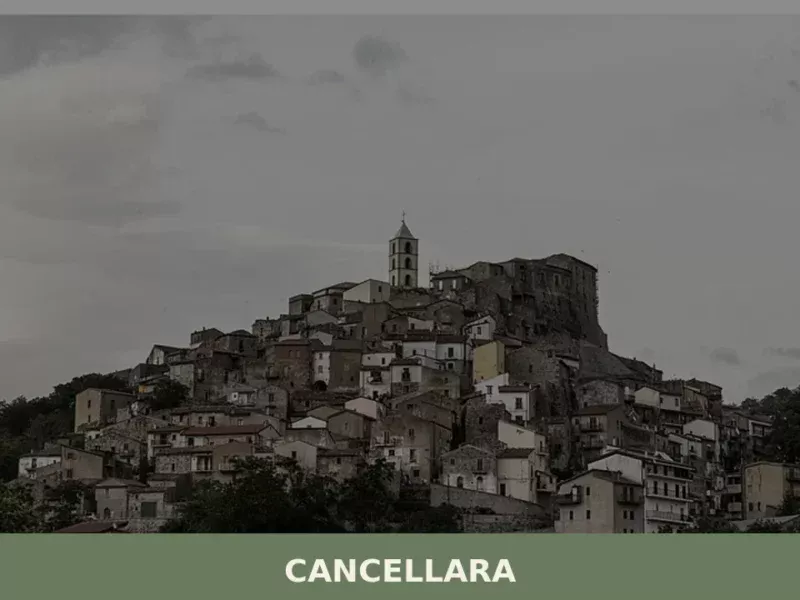
A sharp, cool breeze often carries the scent of wild herbs through the narrow lanes of Cancellara as the afternoon sun begins its descent, casting long shadows from ancient stone facades. At 680 meters above sea level, this small Lucanian village, home to 1,391 inhabitants, feels suspended between the rugged Apennine landscape and a quiet, […]
Potenza
Mountain
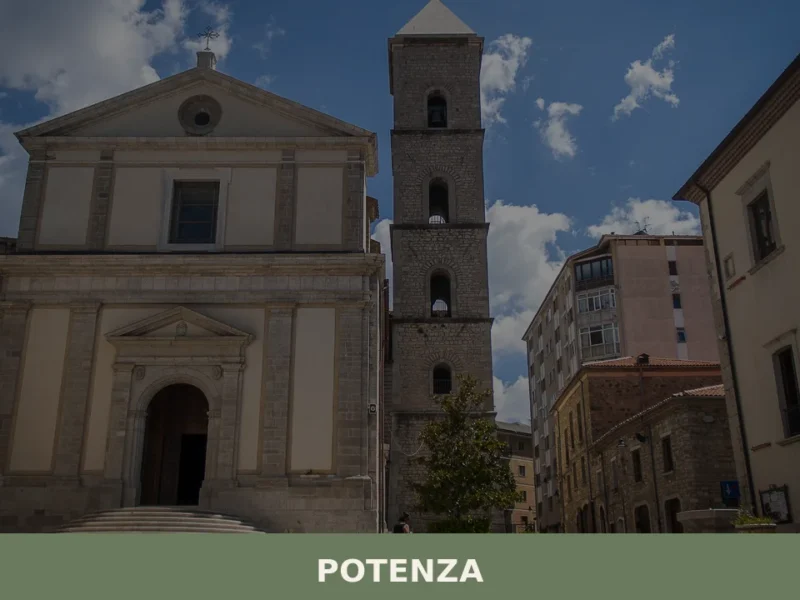
What to see in Potenza: from the historic centre churches to Castello Tramontano. Complete guide with 5 attractions and practical tips for your visit.
Tursi
 Plains
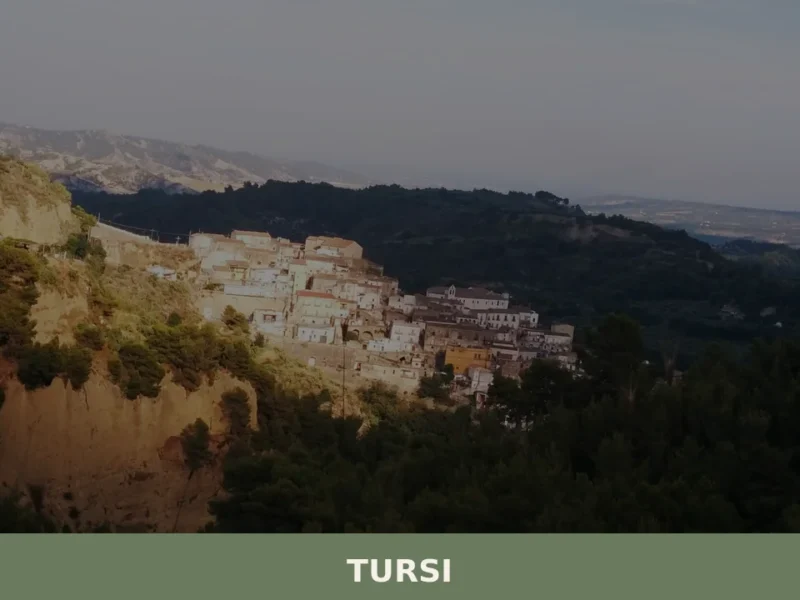
The ochre-yellow clay slopes that surround Tursi do not stay still. Every significant rainfall shifts the marly sediment, exposing new gullies in the Cenozoic rock and deepening the three chasms — the Palmara ditch to the north, the St. Francis ditch to the east, and the Cathedral ditch to the west — that have protected […]




📝 Incorrect information or updates?
Help us keep the Acerenza page accurate and up to date.