


Chiaromonte
 Mountain
what to see in chiaromonte, Italy: Discover its 794m altitude and delve into its history, from ancient roots to the case study of Montegrano. Explore Basilicata.
Discover Chiaromonte
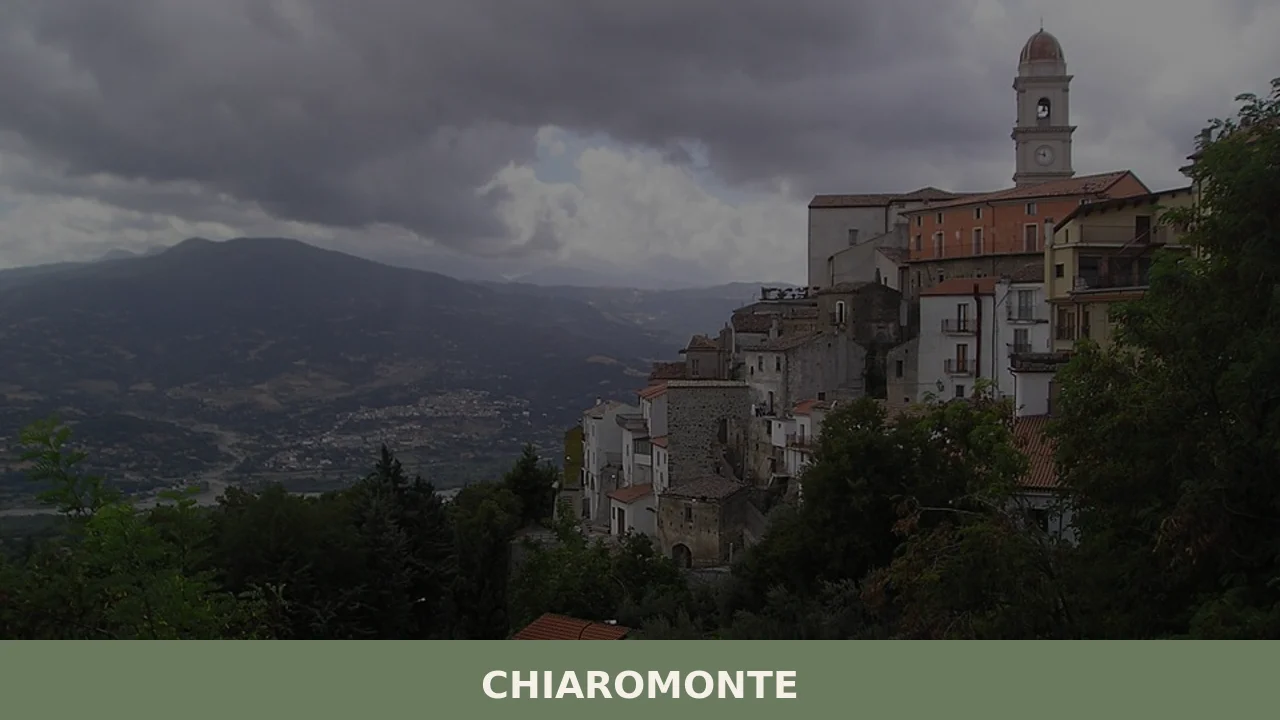
At an altitude of 794 m (2,605 ft) above sea level, the village of Chiaromonte emerges in the Southern Italian region of Basilicata. Its cluster of buildings stands against a mountainous backdrop, a testament to centuries of human presence in a rugged landscape. This elevated position has shaped its identity and daily life through various historical epochs, defining its character as a mountain community.
For those wondering what to see in Chiaromonte, this village, home to 1,741 inhabitants, offers a compelling blend of history and culture.
Visitors can explore its ancient structures and delve into the sociological insights provided by Edward C. Banfield’s study, which used the town as its case study. The Chiaromonte highlights include its historical significance and the distinct atmosphere of a Basilicatan mountain community, providing a unique perspective on rural Italy.
History of Chiaromonte
The origins of Chiaromonte, a municipality in the province of Potenza, are deeply rooted in the historical fabric of Basilicata, a region known for its ancient settlements and strategic mountain positions. While specific founding dates are not always documented for every Italian village, the presence of communities in this elevated territory suggests a long history of human habitation, often dictated by defensive needs and access to natural resources.
Early settlements in similar Basilicatan areas frequently date back to Magna Graecia or Roman times, evolving through the medieval period into fortified centers.
A significant aspect of Chiaromonte’s modern historical identity stems from its role as the case study for Edward C. Banfield’s influential 1958 sociological work, The Moral Basis of a Backward Society. Under the pseudonym “Montegrano,” Chiaromonte provided the empirical foundation for Banfield’s examination of social structures and community dynamics in Southern Italy. This academic connection offers a unique lens through which visitors can consider the village’s past and its place within broader discussions of societal development.
Through the centuries, Chiaromonte has maintained its character as a mountain village, adapting to the challenges and opportunities presented by its environment. Its population, recorded at 1,741 inhabitants, reflects the demographic shifts common in many rural Italian communities, yet the village continues to preserve its distinct cultural heritage.
The administrative ties to the province of Potenza further integrate Chiaromonte into the regional context of Basilicata, an area rich in history and natural beauty, much like the nearby mountain village of Castelmezzano, known for its dramatic rock formations.
What to see in Chiaromonte, Basilicata: top attractions
The Elevated Position of Chiaromonte
Perched at 794 m (2,605 ft) above sea level, Chiaromonte’s altitude is a defining feature that offers visitors expansive views of the surrounding Basilicatan landscape. This strategic elevation historically provided natural defense and a distinct microclimate, shaping the village’s development over centuries. From various points within the town, one can observe the undulating terrain of the province of Potenza, a vista that changes with the seasons and the shifting light.
The Historic Urban Fabric
The compact layout of Chiaromonte’s historic core reflects typical mountain village architecture, characterized by stone buildings, narrow lanes, and a design adapted to the contours of the terrain. With its 1,741 inhabitants, the village maintains a sense of community that is palpable in its public spaces and traditional dwellings. Walking through these streets provides a tangible connection to the village’s long history and the way life has unfolded here across generations, inviting visitors to experience the daily rhythm of a genuine Basilicatan settlement.
The “Montegrano” Legacy
Chiaromonte holds a unique place in academic history as the real-world “Montegrano” studied by Edward C.
Banfield in his seminal work, The Moral Basis of a Backward Society, published in 1958. This sociological connection transforms the village into a site of intellectual interest, inviting visitors to reflect on the themes of social capital and community structure that Banfield explored. The legacy of this study provides a distinctive cultural layer, offering a deeper understanding of the village beyond its physical attributes.
The Church of San Giovanni Battista
As the patron saint of Chiaromonte, San Giovanni Battista (Saint John the Baptist) is central to the village’s spiritual and communal life, celebrated on both June 24th and August 29th. The parish church dedicated to him likely stands as a focal point within the village, a testament to centuries of faith and tradition. While specific architectural details are not provided, such a church typically features elements common to Southern Italian religious buildings, serving as a gathering place for the community and a repository of local art and history, often dating back several hundred years.
Panoramas of the Basilicata Mountains
Leveraging its “Montagna” theme and significant altitude, Chiaromonte provides access to the broader natural beauty of the Basilicata region.
The surrounding mountainous terrain, characteristic of the province of Potenza, is ideal for those seeking natural exploration and scenic vistas. Visitors can appreciate the diverse flora and fauna of the Apennine landscape, offering opportunities for photography and quiet contemplation amidst the rugged Italian interior, a natural environment shared with villages like Armento, which also lies within this scenic region.
Local food and typical products of Chiaromonte
While many Italian villages are renowned for their distinct culinary traditions and specific local products, the available information for Chiaromonte does not detail particular dishes, ingredients, or certified gastronomic specialties. Visitors exploring the region of Basilicata generally seek out authentic flavors, but for Chiaromonte itself, specific recommendations cannot be provided based on the current sources.
This absence of specific culinary data does not diminish the overall appeal of the village for those interested in its history and unique social context.
The gastronomic landscape of Basilicata as a whole is often characterized by hearty, peasant-inspired cuisine, utilizing ingredients sourced from its varied terrain, including mountains, hills, and coastal areas. However, without explicit mention of Chiaromonte’s specific contributions, any description would venture beyond the verifiable facts provided. Italian culinary traditions are deeply regional, and each community typically cultivates its own specialties, often tied to local agricultural practices and historical influences.
Regarding certified products, such as those with PDO (Protected Designation of Origin) or PGI (Protected Geographical Indication) status, the provided sources do not list any specific to Chiaromonte. These certifications are important indicators of quality and origin, linking food products directly to their geographical and cultural heritage. The absence of such information for Chiaromonte in the available data means that no specific certified products can be detailed for the village at this time.
Festivals, events and traditions of Chiaromonte
The cultural calendar of Chiaromonte is anchored by its devotion to San Giovanni Battista, the village’s patron saint, whose feast days are celebrated twice annually, reflecting a deep-seated tradition.
The primary celebration takes place on June 24th, a significant date in the liturgical calendar. During this time, the community typically engages in religious ceremonies, often involving processions through the village streets, accompanied by local music and communal gatherings, fostering a strong sense of unity among the 1,741 inhabitants.
A second observance for San Giovanni Battista occurs on August 29th, providing another occasion for communal festivity within the mountain setting of Chiaromonte. These celebrations, while primarily religious, are integral to the social fabric of Italian villages, often featuring traditional events that bring together residents and visitors. Such occasions offer insight into the enduring customs of Basilicata, allowing participants to experience the vibrant, shared heritage of the community, much like other villages in the province of Potenza, such as Baragiano.
When to visit Chiaromonte, Italy and how to get there
Determining the best time to visit Basilicata, and specifically Chiaromonte, largely depends on the activities planned and personal preferences, given its mountain setting at 794 m (2,605 ft) above sea level.
The warmer months, from late spring (May) to early autumn (September), offer pleasant temperatures, making them ideal for exploring the village and its surrounding natural environment. Summers are generally milder than in coastal areas, providing a comfortable climate for outdoor excursions. The patron saint festivals in June and August also offer unique cultural experiences during this period.
Access to Chiaromonte, located in the province of Potenza, Italy, is primarily by road. Due to its elevated and somewhat remote location, personal transport is highly recommended for visitors seeking to explore the village and its surrounding Basilicata region at their own pace. Travelers should be prepared for winding mountain roads, which provide scenic routes but require careful driving. While public transport options in such mountainous areas can be limited, the journey itself offers an opportunity to appreciate the rugged beauty of Southern Italy’s interior.
For official information regarding the municipality and any local updates, visitors can consult the Chiaromonte municipality website.
For international visitors planning their trip, it is practical to note that English may be limited in smaller shops and local establishments within Chiaromonte. Carrying some Euros cash can also be useful for transactions, as not all smaller businesses may accept card payments. These minor preparations ensure a smoother and more enjoyable experience when engaging with the local community and exploring what to see in Chiaromonte.
Frequently asked questions about Chiaromonte
What is the best time to visit Chiaromonte?
Spring (April–June) offers mild temperatures and lush scenery, ideal for walking and outdoor exploration. Summer is pleasant thanks to the altitude of 794 m, with cooler air than the coast. The most significant time to visit is around the patron saint festivals: June 24 and August 29, both dedicated to San Giovanni Battista, when local traditions and religious celebrations animate the village. Autumn (September–October) suits those seeking tranquility and food experiences, with local harvests underway. Winter brings snow and a quiet mountain atmosphere for visitors who prefer solitude.
What are the historical origins of Chiaromonte?
Chiaromonte's origins date to the 10th–11th centuries, with the name believed to derive from the Latin 'Clarus Mons,' reflecting its elevated, visible position. Under Norman rule it became a strategic fortified center. Over subsequent centuries, feudal lordship passed through the Sanseverino, Del Balzo, and Carafa families, each leaving architectural marks on the village. Its location on the border between different spheres of influence in inland Basilicata made it an important control point for mountain transit routes throughout the medieval and early modern periods.
What to see in Chiaromonte? Main monuments and landmarks
The main attractions include the Norman-origin Castle, later transformed into a Baronial Palace, which crowns the hilltop with panoramic views over the territory. The Mother Church of San Giovanni Battista, the principal religious building, displays architectural layers from medieval to Baroque. The 15th-century Franciscan Convent of San Giovanni Battista features a cloister and church of notable interest. The Chapel of Santa Maria la Nova, situated outside the main center, is a quietly evocative ancient place of worship. Opening hours for these sites are best confirmed locally or via the Municipality of Chiaromonte.
Where to take the best photos in Chiaromonte?
The hilltop area around the Castle and Baronial Palace offers the most commanding viewpoints, with sweeping vistas across the mountain landscape of inland Basilicata. The village's elevated position at 794 m means that panoramic shots of the surrounding valleys and ridgelines are accessible from several points along the historic center. The Chapel of Santa Maria la Nova, set apart from the main settlement, provides a more intimate scenic backdrop combining architecture and natural surroundings.
Are there museums, churches or historic buildings to visit in Chiaromonte?
Chiaromonte preserves several significant historic structures. The Mother Church of San Giovanni Battista houses sacred artworks documenting local devotion and artistic history across multiple periods. The Franciscan Convent, founded in the 15th century, served as a spiritual, cultural, and educational center and retains its cloister. The Castle complex, incorporating the Baronial Palace, represents the feudal architectural heritage of the village. For current visiting hours and any access restrictions, it is recommended to contact the Municipality of Chiaromonte or local pro loco directly.
What can you do in Chiaromonte? Activities and experiences
Chiaromonte suits those who enjoy slow, immersive mountain travel. Visitors can explore the historic center on foot, visiting the castle area, churches, and convent. The surrounding mountain landscape is suitable for hiking and nature walks, particularly in spring and autumn. The patron saint festivals on June 24 and August 29 offer the chance to experience authentic local traditions and religious celebrations. Food lovers can seek out traditional Lucanian products and dishes in local establishments, making the village a rewarding stop on a broader gastronomic itinerary through Basilicata.
Who is Chiaromonte suitable for? Families, couples, hikers, solo travelers?
Chiaromonte is well suited to travelers seeking authentic, off-the-beaten-path experiences in southern Italy. Couples and solo visitors drawn to history, architecture, and quiet mountain villages will find it particularly rewarding. Hikers and nature enthusiasts appreciate the surrounding landscape at 794 m altitude. Those interested in religious and folk traditions should plan a visit around the June 24 or August 29 festivals. Families looking for a calm, culturally rich environment away from mass tourism will also find Chiaromonte a genuine and unhurried destination in inland Basilicata.
What to eat in Chiaromonte? Local products and specialties
Chiaromonte's table reflects the Lucanian mountain tradition. Signature dishes include lagane e ceci, wide homemade pasta strips with chickpea sauce, and fresh pasta such as cavatelli or fusilli with pork or wild boar ragù. Local cheeses — pecorino and caciocavallo — are produced from area farms, alongside lucanica, the ancient cured pork sausage emblematic of Basilicata. Extra virgin olive oil from local groves is a staple ingredient. The Senise PGI Pepper, a protected regional product, features in many traditional recipes prepared in this area.
Nearby Villages near Chiaromonte

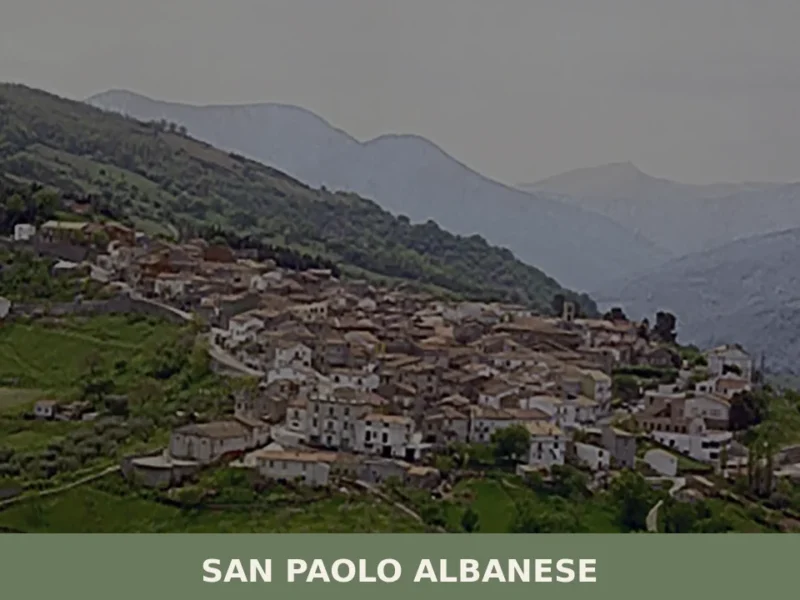
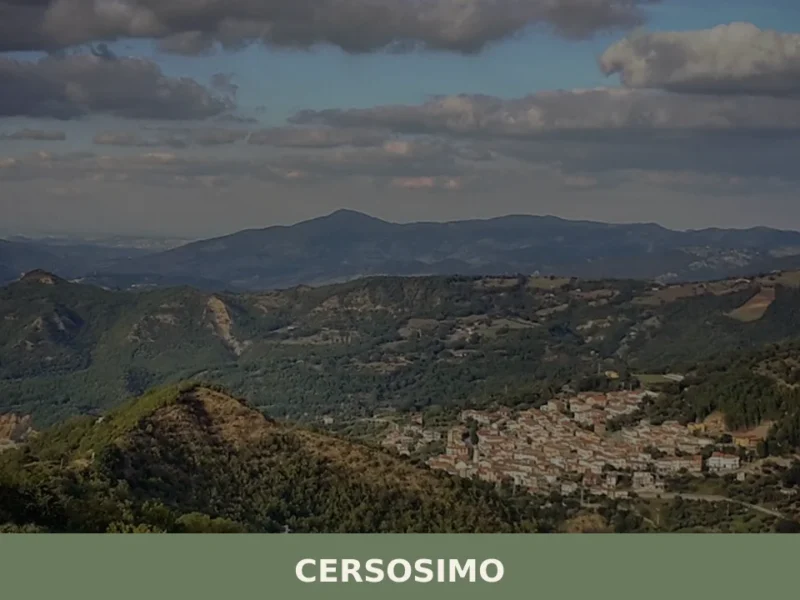
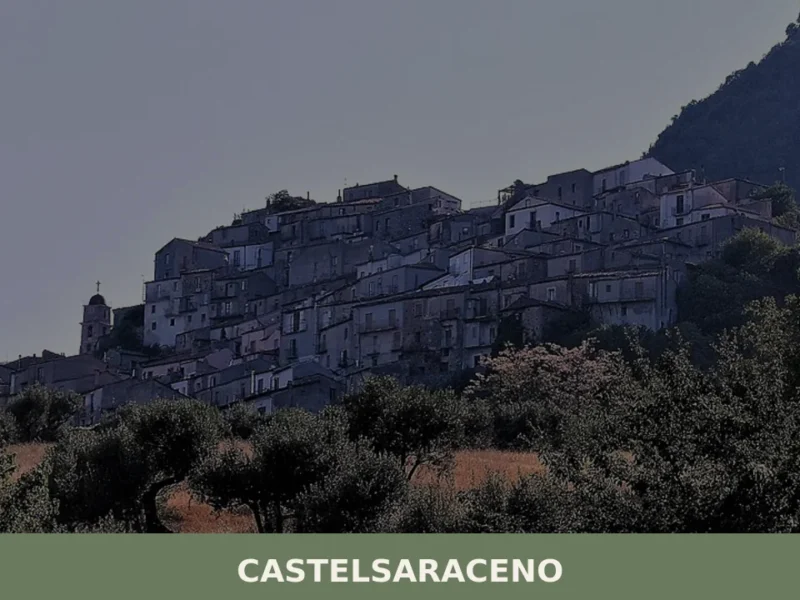
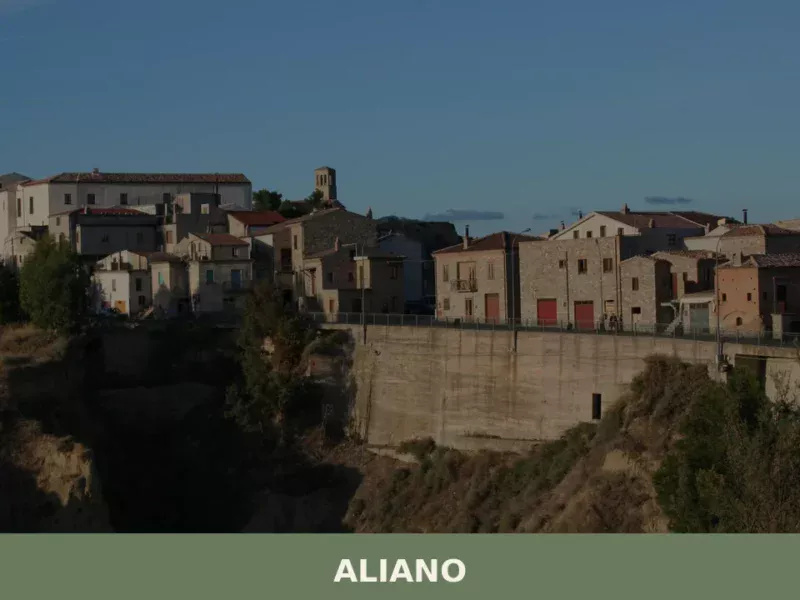
In Basilicata More villages to discover
Trivigno
Mountain
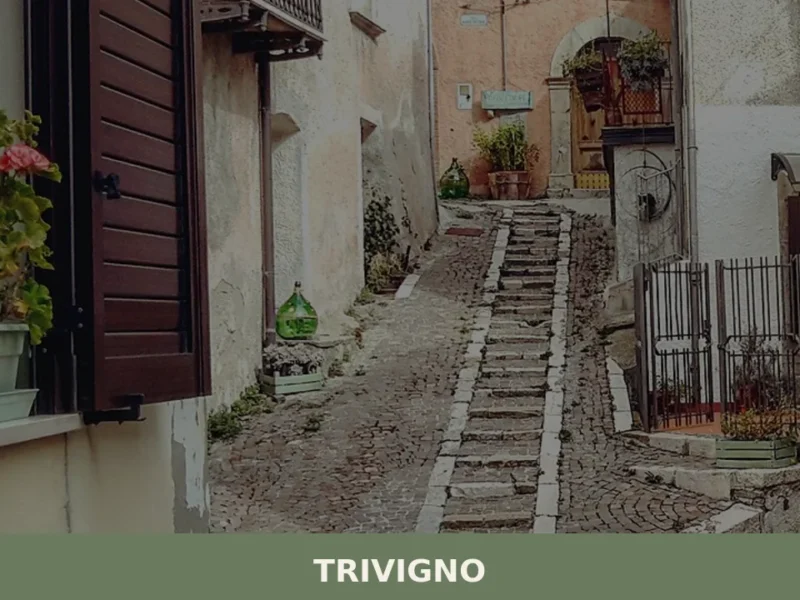
Trivigno has a current population of 570 and occupies a ridge at 725 metres above sea level in the middle Basento valley, in the province of Potenza. Its territory extends across fields of durum wheat and Turkey oak woods covering the eastern slopes up to the borders with neighbouring municipalities. Those looking for what to […]
Armento
Mountain
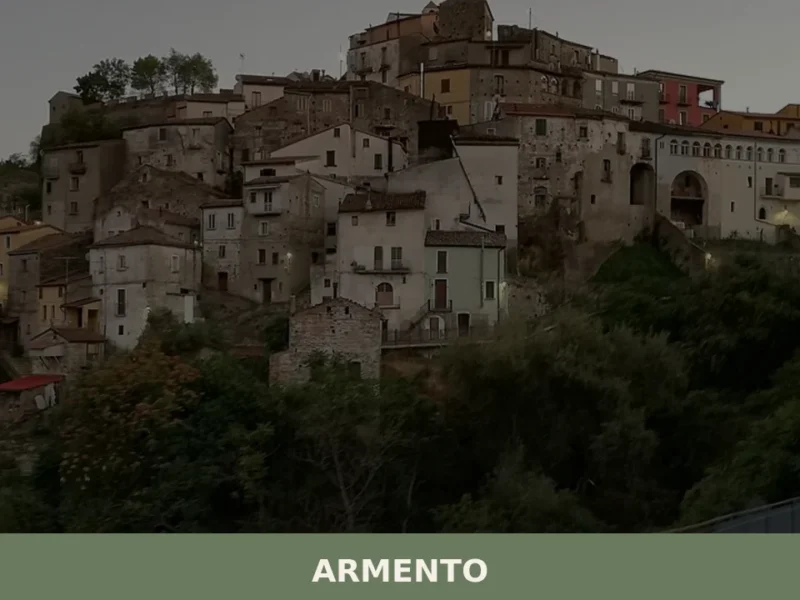
In 1814, a farmer unearthed a Lucanian funerary assemblage dating to the 4th century BC in the countryside around Armento: a golden crown, now held at the Antikensammlung in Munich, which confirmed the presence of a high-ranking Italic settlement in this part of the Val d’Agri. The village sits at 710 metres above sea level […]

Ferrandina
 Hills
Hills
What to see in Ferrandina, Basilicata, Italy: 6 historic churches, olive oil production, and a hilltop at 482 m. Discover top attractions and how to get there.
Accettura
Mountain
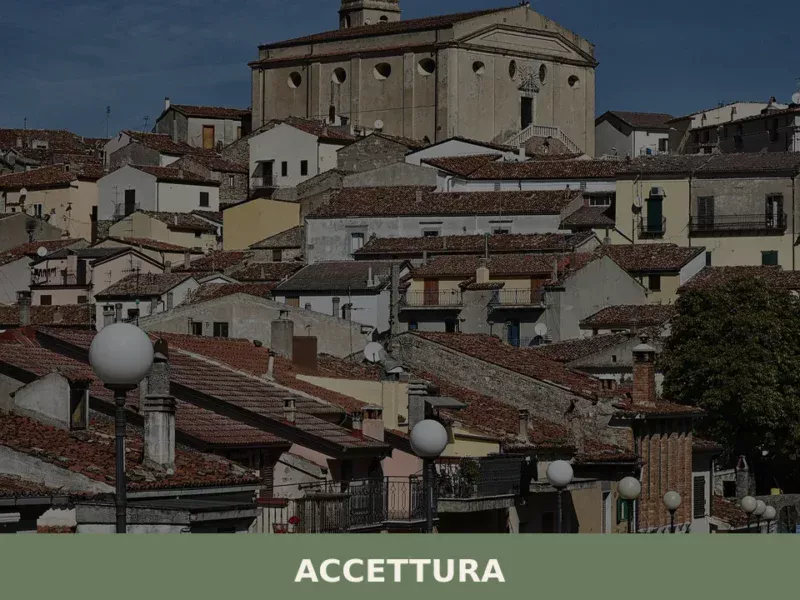
Population 1,575. Altitude 770m. Accettura hosts the Gallipoli Cognato Piccole Dolomiti Lucane regional park and commands views across the Matera uplands.
Abriola
Mountain
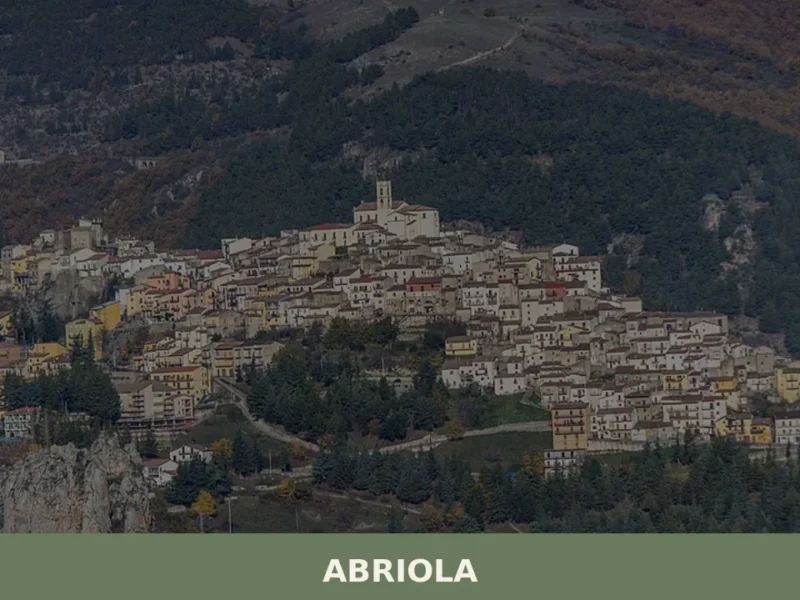
Discover what to see in Abriola, a mountain village in Basilicata at 957m. Sanctuary, historic centre, local food, trails, and practical travel tips.
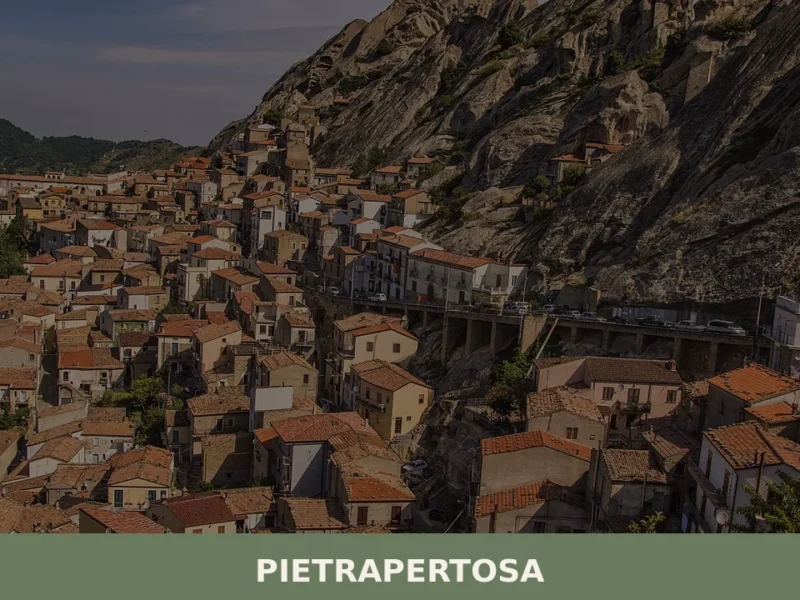
Pietrapertosa
 Sea
Sea
What to see in Pietrapertosa, Basilicata, Italy: from the Volo dell'Angelo zip line to Dolomiti Lucane rock formations. Discover top things to do. Read the guide.
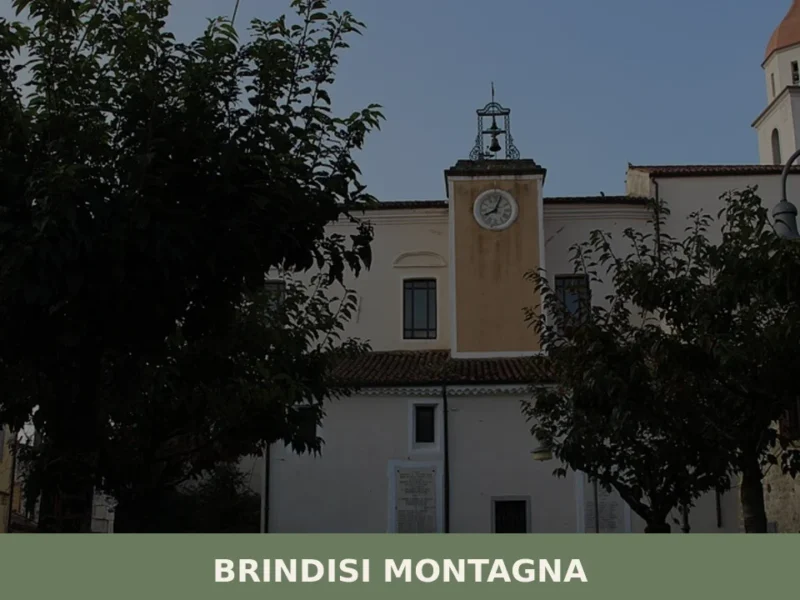
Brindisi Montagna
Mountain
Discover Amaro, a picturesque village in Friuli Venezia Giulia, Italy. Explore its history, stunning Alpine scenery, and authentic Italian mountain culture.

Cirigliano
Mountain
What to see in Cirigliano, Italy: a medieval village with a 17th-century Pietu00e0, an oval castle tower, and local pasta traditions. Discover 5 top attractions.
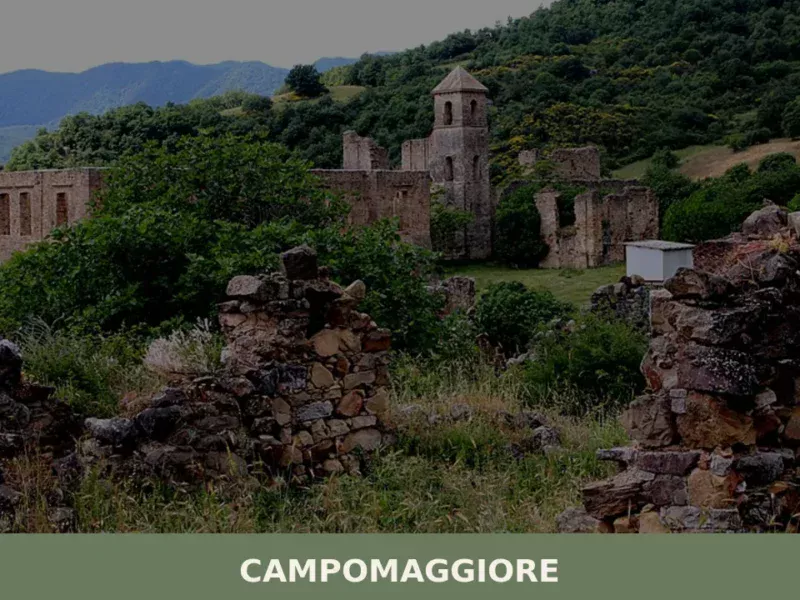
Campomaggiore
Mountain
As the morning mist reluctantly peels back from the Lucanian Apennines, a faint scent of wild herbs drifts through the narrow lanes of Campomaggiore. At 795 meters above sea level, this small community, home to 832 inhabitants, begins its day with a quiet rhythm. Sunlight catches the weathered stone of an ancient wall, illuminating moss […]
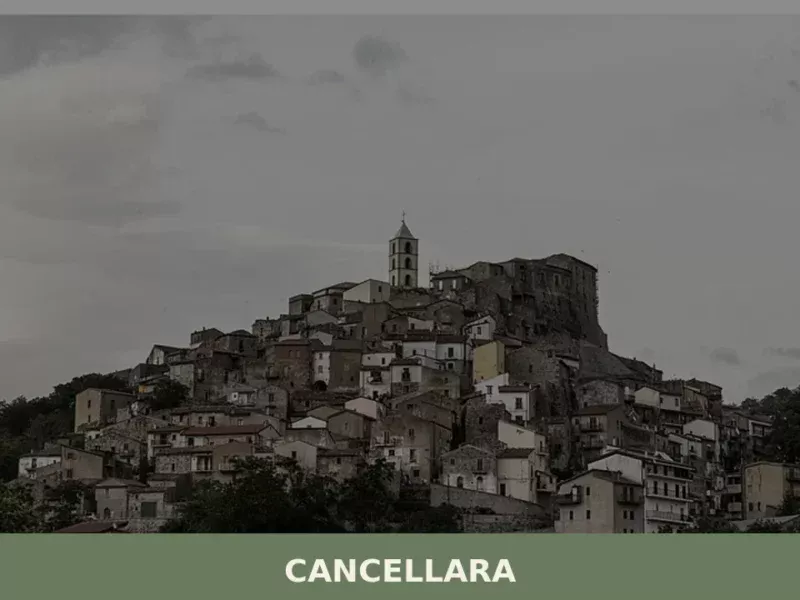
Cancellara
Mountain
Population 1,091. A hillside village in Potenza province where rural rhythms and agricultural heritage define everyday life.






🏡 Know Chiaromonte better than we do?
If you’re a local or have been there, your knowledge matters: add what’s missing or fix a detail on this page.