


Imola
In 1953, on the track of the Autodromo Enzo e Dino Ferrari, Formula One cars raced in the Italian Grand Prix, placing Imola firmly in international motorsport history. But this city of 69,121 inhabitants, spread out at 47 metres above sea level along the banks of the River Santerno, had already existed for two thousand […]
Discover Imola
In 1953, on the track of the Autodromo Enzo e Dino Ferrari, Formula One cars raced in the Italian Grand Prix, placing Imola firmly in international motorsport history. But this city of 69,121 inhabitants, spread out at 47 metres above sea level along the banks of the River Santerno, had already existed for two thousand years before an engine was ever fired up. Understanding what to see in Imola means moving through overlapping layers of civilisation — from the Roman forum to the Sforza fortress, from eighteenth-century porticoes to ceramic workshops still in operation — in a city that has never stopped producing, competing and evolving, in the eastern part of the Bolognese plain.
History and origins of Imola
The city’s Latin name was Forum Cornelii, a colonial foundation established by the dictator Lucius Cornelius Sulla in 82 BC along the Via Emilia, the great road that consul Marcus Aemilius Lepidus had laid out in 187 BC to connect Rimini to Piacenza.
The current name, “Imola”, likely derives from a Lombard or late-Latin term linked to the river’s course, though the etymology remains debated among scholars. Some connect it to an adaptation of “Castrum Imolae”, documented in early medieval records from the 6th–7th century onward, when the urban centre had shifted away from the original Roman nucleus. The orthogonal plan of the ancient Forum Cornelii is still recognisable in the street layout of the historic centre, with the decumanus maximus essentially coinciding with the axis of the Via Emilia as it passes through the city.
During the Middle Ages, Imola was at the centre of bitter disputes between the Papacy and the Empire, changing hands numerous times. In 1292 the city was taken by the commune of Bologna and subsequently contested between the Alidosi and Manfredi families. In 1473 the lordship passed to Girolamo Riario, nephew of Pope Sixtus IV, who married Caterina Sforza: a central figure in Imola’s history, capable of defending the fortress against Cesare Borgia in 1499–1500 with a resistance that earned her fame across the entire peninsula.
After the fall of the Borgias, Imola returned to the direct control of the Papal States, where it remained until the Unification of Italy in 1861. The geologist Giuseppe Scarabelli, born in Imola in 1820, served as a senator of the Kingdom and founded the civic museum, contributing to the birth of Italian prehistoric geology.
In demographic terms, Imola experienced steady growth from the post-war period onward, transforming from an agricultural centre into an industrial and cooperative hub of regional importance. The Imola cooperative tradition, with roots in the nineteenth century, gave rise to enterprises such as the Cooperativa Ceramica d’Imola, founded in 1874, and made the city a case study in collaborative economics. Today, with over 69,000 residents, Imola is the second largest centre in the province of Bologna by population, equipped with a hospital, a ceramic and mechanical industrial district, and a cultural fabric sustained by theatres, libraries and museums active throughout the year.
What to see in Imola: 5 top attractions
1.
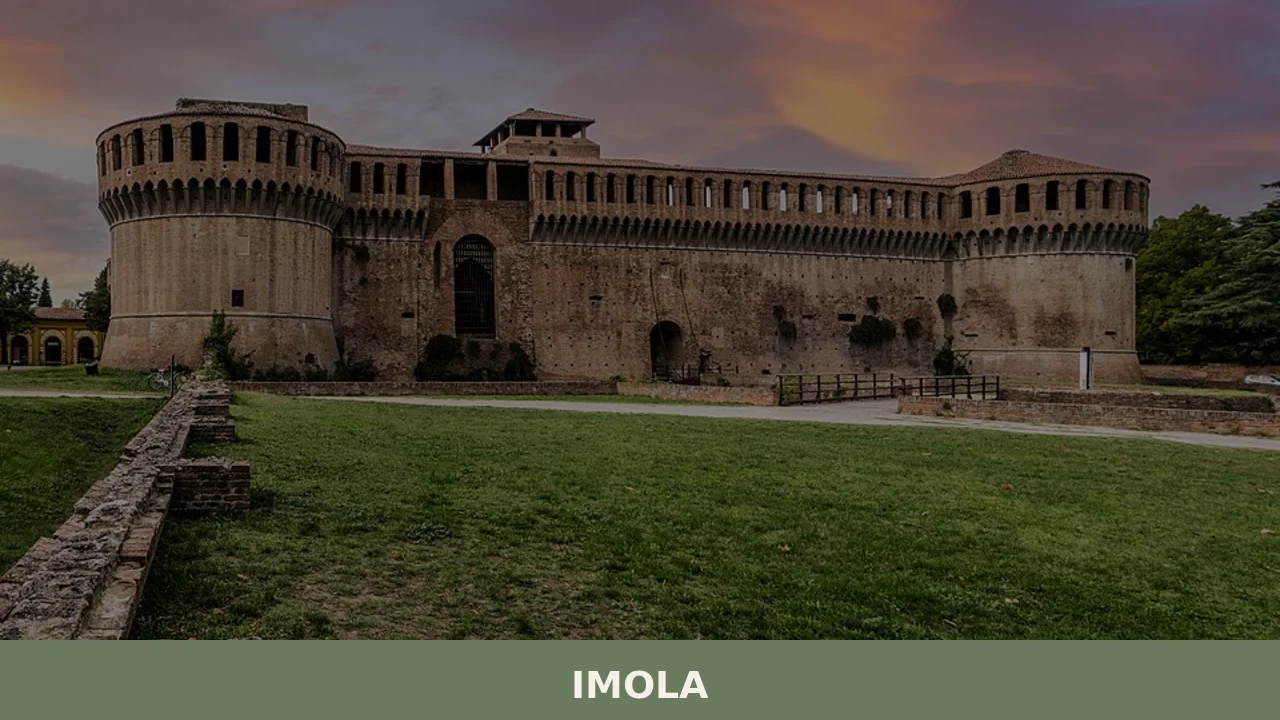
Rocca Sforzesca
Built starting in the 12th century and extensively restructured between the 14th and 15th centuries at the behest of Galeazzo Maria Sforza and later Caterina Sforza, the Rocca dominates the eastern side of the historic centre with its quadrilateral plan, four cylindrical corner towers and a central keep. The moat, still visible, surrounds the entire structure. Inside, exhibition halls house the weapons and ceramics collection of the Museo della Rocca. It is one of the best-preserved examples of Renaissance military architecture in Emilia-Romagna and serves as the visual symbol of the city, recognisable from every approach along the Via Emilia.
2. Cathedral of San Cassiano
Dedicated to the patron saint Cassianus of Imola, whose feast day falls on 13 August, the cathedral stands on the main square and has early Christian origins, although the current building is the result of successive reconstructions between the 12th and 18th centuries. The neoclassical façade, completed in 1787 to a design by Cosimo Morelli, conceals a three-nave interior with a Romanesque crypt below. The crypt preserves the relics of the saint, a Roman teacher martyred according to tradition in the 4th century. The Romanesque bell tower, separate from the main body of the church, is one of the oldest architectural elements of the complex and of the entire urban centre.
3.
Palazzo Tozzoni
Located on Via Garibaldi, Palazzo Tozzoni is an 18th-century noble residence donated to the Municipality in 1978 by the family who lived there, complete with original furnishings, a painting gallery, library and household objects. It represents a rare case in Italy: a house-museum that faithfully recreates the daily life of the Romagnol aristocracy between the 18th and 20th centuries, with kitchens, pantries, bedrooms and reception halls preserved in their original arrangement. The visit allows you to observe porcelain, textiles, family documents and a painting collection spanning several centuries, offering a sociological portrait even before an artistic one.
4. Autodromo Enzo e Dino Ferrari
The international circuit at Imola, 4,909 metres long, was inaugurated in 1953 and hosted the San Marino Grand Prix of Formula One from 1981 to 2006. The track runs through the Parco delle Acque Minerali, a public green area along the Santerno, creating an unusual fusion of sports facility and riverside landscape. Corners such as Tosa and Rivazza are well known to motorsport enthusiasts worldwide. Outside racing events, the surrounding park is used by residents for walks and outdoor activities, while the circuit hosts motorcycle races, historic car events and, since 2020, the return of Formula One with the Emilia-Romagna Grand Prix.
5.
Museo di San Domenico and conventual complex
The former Dominican convent, dating to the 13th century and located in the heart of the historic centre, has been converted into a cultural hub hosting nationally significant temporary exhibitions, as well as archaeological sections and art collections. The adjoining church retains Gothic elements in its original structure. The exhibition spaces, set within the cloisters and conventual halls, regularly host shows dedicated to great masters of painting and sculpture. The complex also functions as a venue for musical events and conferences, serving as the city’s main cultural facility and a key reference point for understanding what to see in Imola beyond the racing circuit.
What to eat in Imola: local cuisine and regional products
Imola’s cuisine sits at the meeting point between the Emilian tradition, built on fresh pasta and cured meats, and the Romagnol tradition, more oriented towards piadina, meat sauces and grilling. The city’s geographical position — on the border between these two gastronomic identities — is reflected in a table that draws influences from both sides. The flat terrain and proximity of the Santerno favoured the cultivation of wheat, vegetables and fruit for centuries, while pig farming sustained a deep pork-curing tradition documented since the late Middle Ages.
Among the most representative dishes, tagliatelle al ragù stand out, prepared with egg pasta rolled by hand using soft wheat flour, dressed with a ragù of beef and pork slow-cooked with a soffritto of celery, carrot and onion, tomato and a splash of wine.
Cappelletti, filled with raviggiolo cheese or ricotta according to the Romagnol tradition — distinct from Bolognese tortellini, which use a meat filling — are served in capon broth during winter celebrations, particularly at Christmas. Piadina romagnola, an unleavened dough of flour, lard, salt and water cooked on a terracotta or metal plate, appears regularly on Imola’s tables as an accompaniment or as a quick meal filled with squacquerone cheese and rocket.
The territory surrounding Imola contributes to the production of several foods rooted in the regional agricultural culture. Emilia-Romagna is among Italy’s leading regions for the production of Parmigiano Reggiano DOP and Prosciutto di Parma DOP, products found regularly on the Imola table, even though the typical production areas lie further west. In the countryside between Imola and Faenza, apricots, peaches and cherries are grown, while nuts — particularly walnuts — feature in the preparation of traditional desserts.
Local honey, produced by beekeepers in the hilly area south of the city towards the Santerno valley, is sold at weekly markets without specific certifications but with a quality linked to the diverse flora of the Romagnol hills.
Imola’s weekly market takes place on Saturday mornings in the historic centre, along the Via Emilia and the surrounding streets, and is the most direct place to buy local agricultural products. In autumn, various food festivals in neighbouring municipalities celebrate the harvest of truffles, chestnuts and grapes. The Fiera di San Cassiano, coinciding with the patron saint’s feast on 13 August, traditionally features food stalls and tastings. In the restaurants of the centre, the typical menu often offers a starter of mixed cured meats with piadina, a first course of fresh pasta and a dessert based on cooked fruit or ciambella romagnola.
The hilly belt south of Imola falls within the production zone of Colli d’Imola DOC wines, a denomination that includes Sangiovese, Trebbiano, Cabernet Sauvignon, Chardonnay and other varieties. Sangiovese dei Colli d’Imola, vinified as a red, is the most common table wine in local restaurants: a medium-bodied red with moderate tannins and notes of ripe red fruit, well suited to ragù and grilled meats.
Albana di Romagna DOCG, the first Italian white wine to receive the guaranteed denomination in 1987, is also produced in the Faenza hills near Imola, in both dry and passito versions.
When to visit Imola: the best time of year
Spring, from April to June, is the most suitable period to visit Imola: temperatures range between 15 and 25 degrees, the gardens of the Parco delle Acque Minerali are in full bloom and the circuit calendar picks up with the main motorsport events. The Emilia-Romagna Grand Prix of Formula One, when scheduled, generally takes place between April and May, bringing a significant international influx that requires bookings several weeks in advance. The feast of San Cassiano, on 13 August, marks the high point of Imola’s summer with religious celebrations, a fair and evening events in the historic centre.
Autumn, from September to November, offers mild weather conditions and less tourist pressure, ideal for those who want to explore the museums and architectural heritage without the summer heat, which on the plain can exceed 35 degrees in July and August. Imola’s winter is cold and often foggy, with temperatures dropping below zero on January nights, but it is precisely during the winter months that cappelletti in brodo find their true purpose and the city’s theatres offer full seasons. Those seeking a gastronomic experience should aim for the period between October and December, when autumn food festivals enliven the hamlets and municipalities of the Imola hills with seasonal products.
How to reach Imola
Imola is served by the Imola motorway exit on the A14 Bologna–Taranto, approximately 40 kilometres from Bologna and 65 from Ravenna.
From Milan, the distance is around 260 kilometres, covered in two and a half hours by following the A1 to Bologna and then the A14 south-east. From Florence, via the A1 and the A14, the journey is approximately 120 kilometres in one hour and twenty minutes. The city sits directly on the Via Emilia, the SS9, which can also be reached without motorway tolls.
The Imola railway station is on the Bologna–Ancona line, with frequent regional trains connecting the city to Bologna Centrale in approximately 25–35 minutes. The nearest airport is Bologna’s Guglielmo Marconi, about 45 kilometres away and reachable by car in 35–40 minutes via the A14. Forlì airport, closer as the crow flies, has limited operations and should be checked at the time of planning. Local public transport is managed by TPER, with urban buses linking the station to the historic centre, the circuit and the main outlying areas of the municipality.
Other villages to discover in Emilia-Romagna
Visitors to Imola who wish to explore lesser-known parts of Emilia-Romagna can head towards the Piacenza area, where San Pietro in Cerro offers a sharp contrast with Imola’s energy.
This small centre in the lower Piacenza plain, with its 15th-century castle and the MIM — International Marionette Museum housed right inside the fortress — can be reached in about an hour and a half by car, crossing the Po plain from east to west. The route takes you through varied agricultural landscapes, from the fruit orchards of Romagna to the arable fields and vineyards of the Piacenza area, revealing how the relationship between community and land changes within just a few kilometres.
Continuing towards the Piacenza hills, Piozzano represents another dimension of Emilian life: a scattered municipality with hamlets distributed along a hilltop ridge in the Val Luretta, where the rural economy and production of Colli Piacentini wines still set the pace of the year.
From Imola, Piozzano is about 180 kilometres away — roughly a two-hour drive — and lends itself to a day trip or a stop along a wider route leading from Romagna towards Piedmont or Liguria. Combining a visit to Imola with these villages allows you to build a detailed portrait of Emilia-Romagna, from the mid-sized industrial and sporting city to rural settlements where the relationship between architecture and landscape remains the defining feature.
In Emilia-Romagna More villages to discover
Camugnano
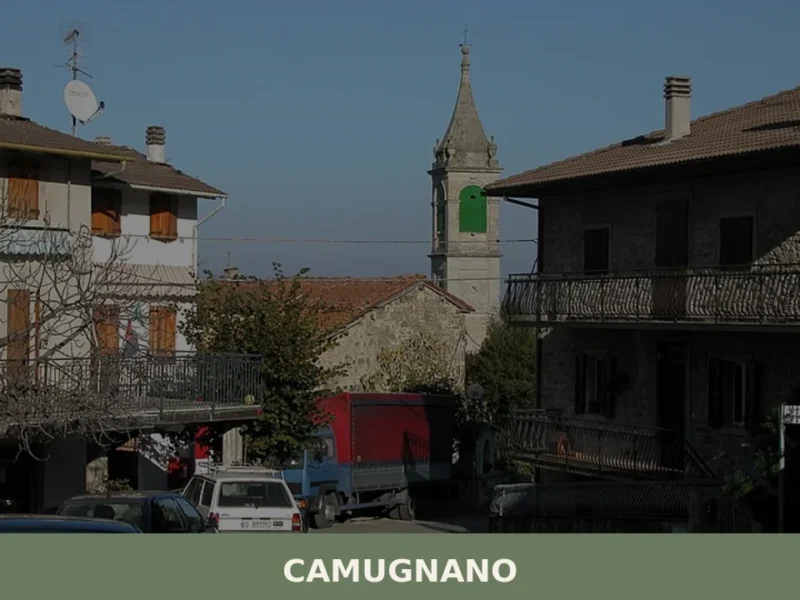
In 1911, when the construction of the Suviana Dam transformed the course of the Limentra torrent, Camugnano changed its appearance forever. The water submerged farmland and footpaths, creating an artificial reservoir that now defines the landscape of the upper Bolognese Apennines at an altitude of 692 metres. This municipality of 1,948 inhabitants, spread across scattered […]
Castel Guelfo di Bologna
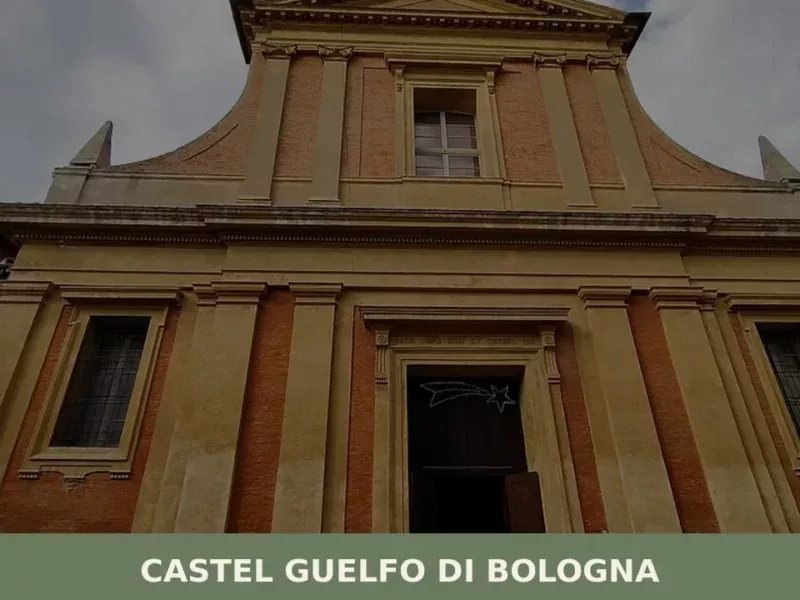
In 1388, the Council of the Six Hundred in Bologna ordered the construction of a fortress on the plain southeast of the city, along the road leading towards Romagna. That military outpost, built to defend the borders of the contado from the ambitions of the Visconti, took its name from the Guelph faction that governed […]
San Giorgio Piacentino
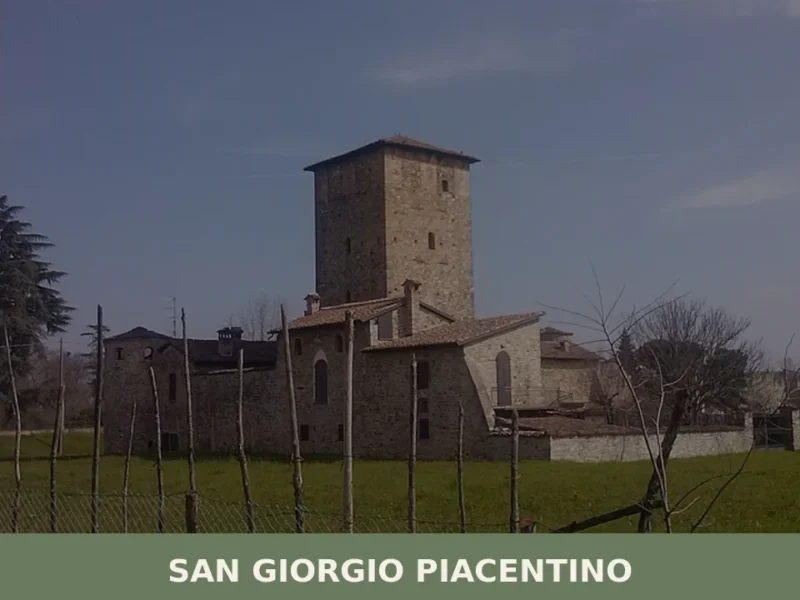
What to see in San Giorgio Piacentino: 5,533 residents at 103 m altitude, Renaissance villas, PDO cured meats, and the 23 April patron feast. Plan your visit now.
📝 Incorrect information or updates?
Help us keep the Imola page accurate and up to date.