


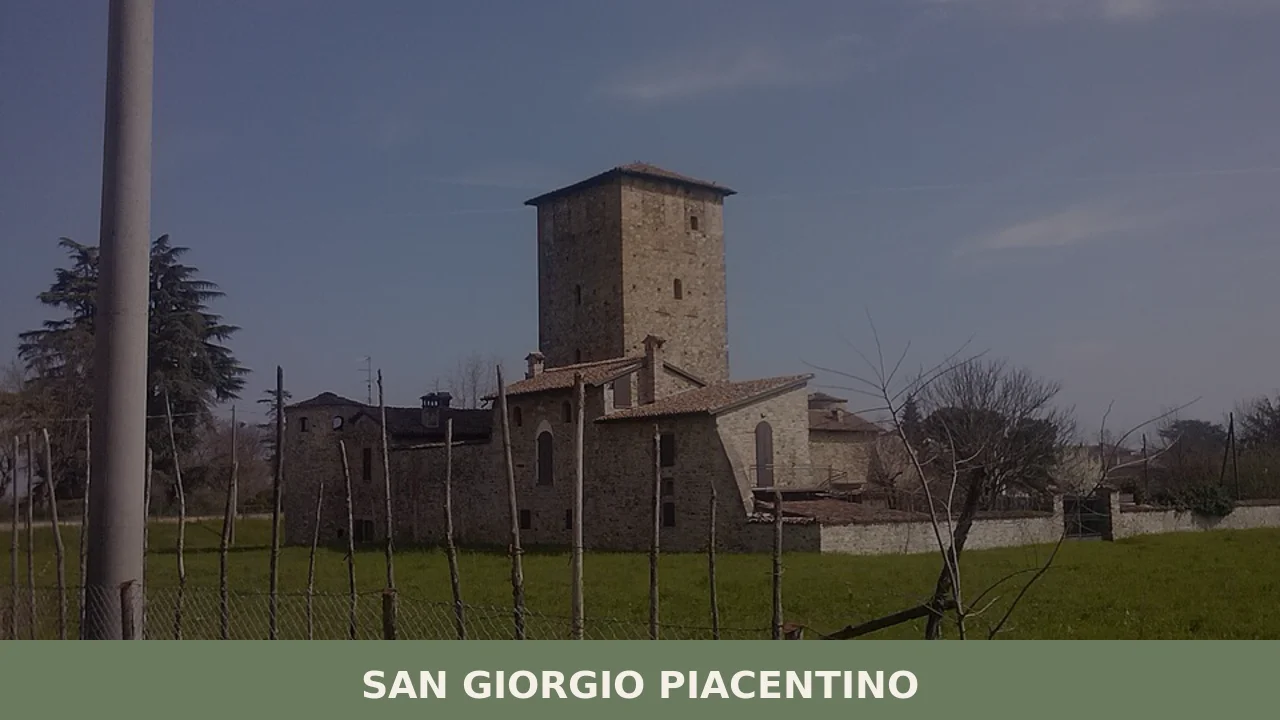
San Giorgio Piacentino
 Plains
What to see in San Giorgio Piacentino: 5,533 residents at 103 m altitude, Renaissance villas, PDO cured meats, and the 23 April patron feast. Plan your visit now.
Discover San Giorgio Piacentino
San Giorgio Piacentino stands at 103 metres above sea level, on the hilly plain south-east of Piacenza, and has a current population of 5,533. Anyone wondering about what to see in San Giorgio Piacentino will find a municipality that combines a strategically placed geographic position with a well-documented heritage of religious and civic architecture.
The territory belongs to the Province of Piacenza, in Emilia-Romagna, and extends through an agricultural landscape where historic villas coexist with Romanesque churches and defensive structures dating from the medieval and Renaissance periods.
A visit here is built around specific buildings, a cuisine deeply rooted in the Po Valley, and a patron saint’s feast that every year, on 23 April, brings devotion to Saint George back into the town square.
History and Origins of San Giorgio Piacentino
The town’s name refers directly to the patron saint of its main parish church, Saint George, whose veneration spread through this area during the early Middle Ages — a period when the cult of military martyrs was actively promoted by the Carolingian Church and subsequently by local feudal lords.
The suffix “Piacentino” distinguishes the town from other places of the same name across Italy and precisely identifies its belonging to the diocese and territory of Piacenza, a city that for centuries exercised direct influence over the civil and ecclesiastical life of these villages.
The earliest documentary records of the settlement date to the medieval period, when the territory was part of the network of holdings and parishes dependent on the cathedral chapter or on noble families tied to the Po Valley marquisates.
During the late Middle Ages and the Renaissance, the territory of San Giorgio Piacentino was drawn into the conflicts between the main Emilian lordships. The Duchy of Parma and Piacenza, established in 1545 by Pope Paul III Farnese for his son Pier Luigi, incorporated this area into its administrative orbit, and the presence of villas and noble residences in the municipality reflects precisely that era of consolidating signorial power over the Piacenza countryside.
Aristocratic families built or expanded their rural estates, reshaping the agricultural landscape with architectural complexes that still define the character of the territory today.
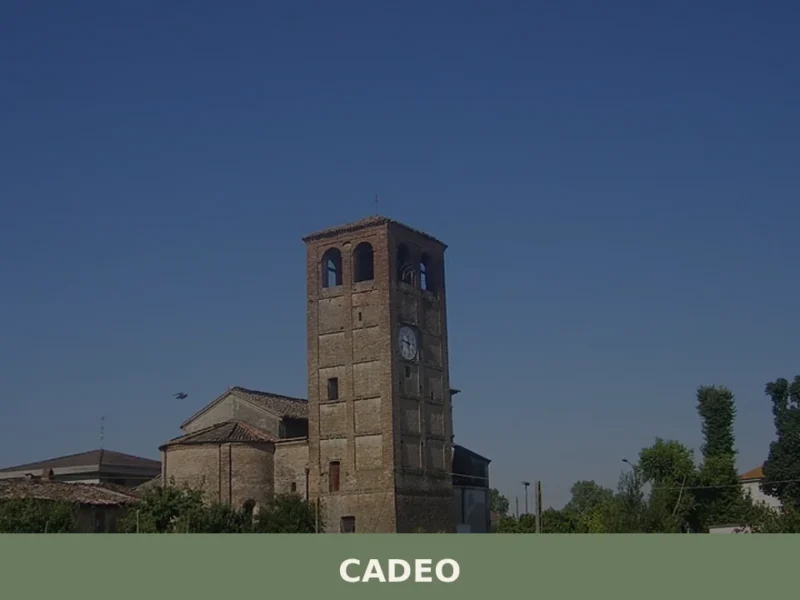
A comparable context marks Cadeo, a municipality in the same province, likewise distinguished by rural noble architecture connected to Farnese influence in the Piacenza area.
With Italian unification and the subsequent administrative reorganisation of the Kingdom, San Giorgio Piacentino became an autonomous municipality within the Province of Piacenza, placed within the Emilia-Romagna Region under the republican reforms of the post-war period. During the twentieth century the town experienced moderate demographic growth, supported by its proximity to the provincial capital and by the road infrastructure connecting it to the Via Emilia.
The layout of the historic centre — with the parish church dedicated to the patron saint and the historic villas distributed across the municipal territory — has remained substantially legible in its historical layering, from its medieval foundations through the Baroque and Neoclassical additions of later centuries.
What to See in San Giorgio Piacentino: Main Attractions
Parish Church of San Giorgio
The church dedicated to Saint George is the architectural and spiritual focal point of the town.
The building retains the layout of a long-established religious structure, with alterations spanning the medieval period through successive phases of Baroque enlargement — a pattern common to many parish churches on the Piacenza plain. The interior contains side altars, decorative elements and paintings belonging to the local devotional tradition. The façade and bell tower are the most immediately visible features for anyone passing through the town centre.
The patron saint’s feast on 23 April draws a significant number of worshippers and visitors to this building every year, confirming its central role in community life.
Historic Villas in the Municipal Territory
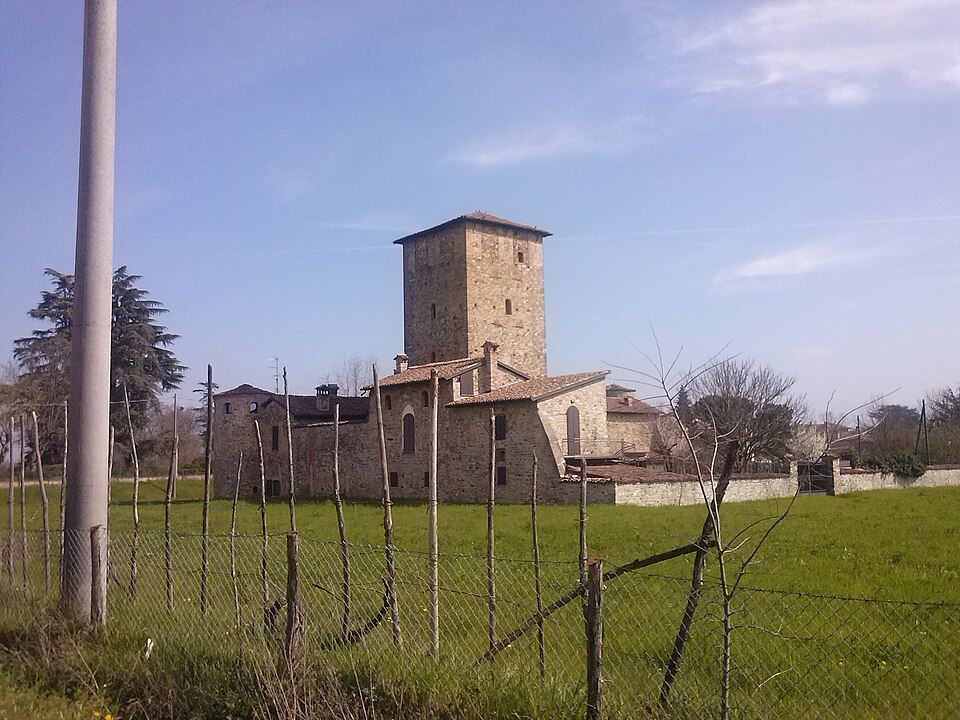
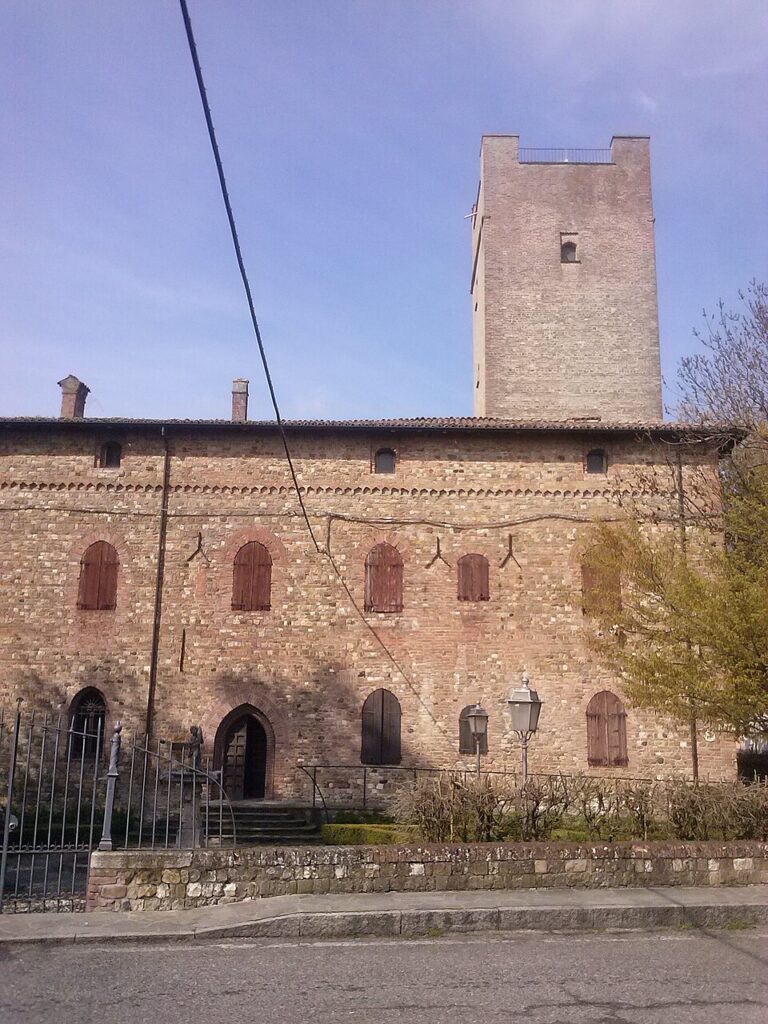
The territory of San Giorgio Piacentino is defined by the presence of villas and noble rural residences built between the sixteenth and eighteenth centuries by aristocratic families connected to the Duchy of Piacenza. These architectural complexes, distributed across the municipality’s hamlets and countryside, combine the main residence, farm buildings and gardens according to the model of the Emilian lowland villa. Some structures feature interior frescoes and decorated doorways that document the aristocratic patronage of the period.
Exploring these rural architectures is one of the reasons why anyone looking into what to see in San Giorgio Piacentino finds answers that extend well beyond the historic centre alone.
Agricultural and Hilly Landscape
At 103 metres above sea level, San Giorgio Piacentino sits at the transition between the Po Plain and the first undulating hills that lead towards the Piacenza Apennines.
The surrounding agricultural landscape — with its cultivated fields, rows of crops and historic rural complexes — offers walking and cycling routes that follow farm tracks and minor roads. Those who enjoy cycle touring or hiking will find a network of documented itineraries in this territory, also linking up with neighbouring municipalities in the province. The terrain favours unhurried travel, well away from main traffic routes, with open views across the Piacenza countryside.
Historic Centre and Civil Architecture
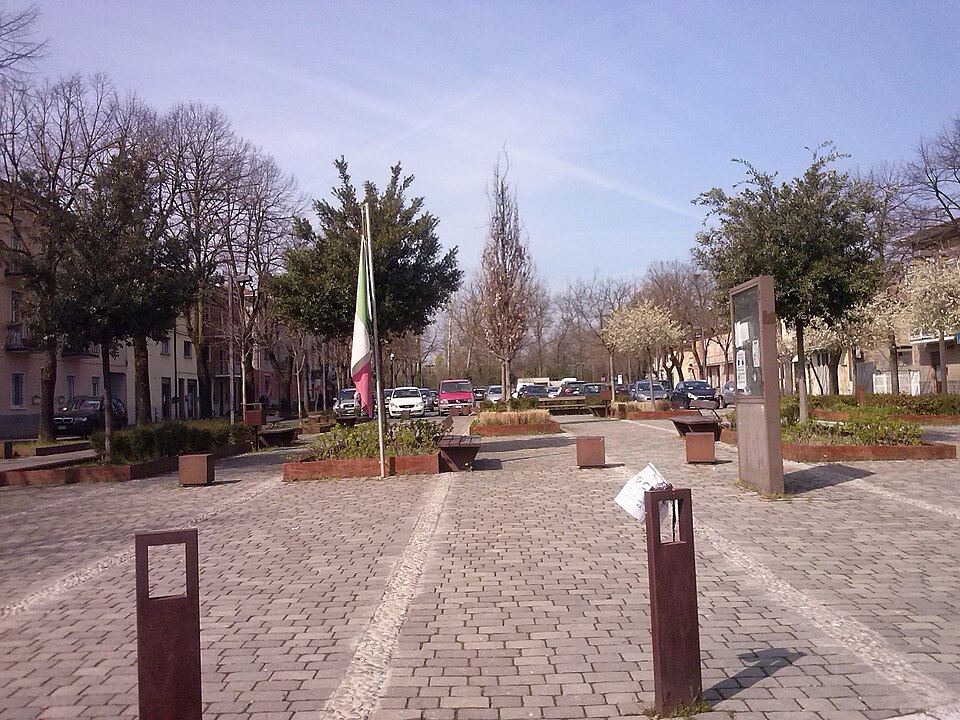
The historic core of San Giorgio Piacentino preserves the settlement layout typical of an Emilian lowland town, with brick buildings, porticoes, squares and streets of historic origin. The civil architecture reflects the town’s phases of development between the Middle Ages and the nineteenth century, with farmhouses, modest palazzi and public buildings that document the growth of the settlement over the centuries.
Walking through the historic centre allows you to read this layering directly on the buildings themselves, recognising the different construction phases.
For what to see in San Giorgio Piacentino at the level of minor architectural detail, it is worth pausing over the doorways, terracotta cornices and stone inscriptions that punctuate the built fabric of the town.
Hamlets and Municipal Territory
The municipality includes several hamlets distributed across the territory, each with its own distinct character and, in many cases, a historic church or oratory. These hamlets allow visitors to extend their exploration beyond the main town centre, discovering rural architecture, small country churches and varied agricultural landscapes. The official website of the Municipality of San Giorgio Piacentino provides up-to-date information on the hamlets and services available throughout the territory.
For those with more time, combining a visit to the main town with a tour of the surrounding hamlets offers a fuller picture of a municipality that cannot be reduced to its historic centre alone.
Traditional Food and Products of San Giorgio Piacentino
The cuisine of San Giorgio Piacentino sits firmly within the gastronomic tradition of the Piacenza area, one of the most well-established and thoroughly documented in Emilia-Romagna.
This part of the Po Valley has historically produced and processed high-quality raw ingredients, through an agricultural system that combined cereal farming, pig and cattle rearing, and hillside viticulture. Local cooking is shaped by proximity to Piacenza — a city with a well-defined culinary identity of its own — and by the rural tradition of the province’s country settlements, where recipes have been passed down through generations of families connected to the land.
Among the dishes most firmly rooted in local tradition, pisarei e fasò hold a central place: small dumplings made from stale bread and flour, served with a sauce of borlotti beans and lard, a dish that illustrates how the everyday cooking of the Piacenza plain achieves a remarkable depth of flavour. Anolini in brodo are the classic festive dish, filled with slow-braised beef and Grana cheese, requiring hours of cooking and precise pasta-making technique.
The bortellina, a kind of fried flatbread made from flour and water, is traditionally served alongside cured meats and cheeses as an informal accompaniment.
The Piacenza territory is also known for its three Protected Designation of Origin cured meats — Coppa Piacentina PDO, Salame Piacentino PDO and Pancetta Piacentina PDO — produced throughout the province and readily available in San Giorgio Piacentino and the surrounding municipalities.
Among cheeses, Grana Padano PDO is produced across the entire Po Valley, including this part of the Province of Piacenza, and is a fundamental ingredient in many local preparations. It is worth noting that in Piacenza cooking, Grana cheese is not merely a seasoning but a structural element in dishes such as anolini and tortelli.
The cheese-making tradition combines with that of cured meats to create starters and snacks that reflect a precise and well-documented agricultural production system.
A similar gastronomic picture, based on the same cured meats and filled pastas, can also be found at Villanova sull’Arda, another municipality in the Province of Piacenza where the Po Valley culinary tradition is expressed with equal solidity.
Local food festivals and gastronomic events are concentrated mainly in spring and autumn, when agricultural production provides fresh or newly processed ingredients. The weekly markets held in the municipalities of the Province of Piacenza are the most direct way to purchase cured meats, cheeses and fresh produce. Visitors arriving in San Giorgio Piacentino around the patron saint’s feast on 23 April are likely to find gastronomic events connected to the civil and religious celebrations of the town.
Festivals, Events and Traditions of San Giorgio Piacentino
The feast of Saint George is celebrated on 23 April each year.
Saint George, venerated as the protector of knights and soldiers in the Western Christian tradition, is the patron of the town’s main parish church, and his feast marks the civil and religious calendar of the community.
Celebrations include a solemn Mass in the parish church, attended by municipal authorities, followed by public gatherings in the town centre. The date of 23 April corresponds to the feast of Saint George in the Roman calendar — one of the oldest spring commemorations in the Christian martyrology — and traditionally carries with it an atmosphere of openness towards the season most favourable to agricultural activity and outdoor events.
The calendar of San Giorgio Piacentino is enriched, as in the neighbouring municipalities of the province, by events linked to the agricultural seasons and to the area’s civic occasions. Village festivals, widespread across the Piacenza plain from May to September, involve brass bands, food stalls and markets that reflect the lively character of Emilian rural communities. The tradition of country fairs, historically connected to agricultural trade and livestock commerce, has left its mark in the spring and autumn sagre that still animate the municipalities of the province today.
For information on events scheduled in the current year, the municipality’s official website remains the most up-to-date and reliable source.
When to Visit San Giorgio Piacentino and How to Get There
The best time to visit San Giorgio Piacentino is spring, between April and June, when temperatures on the Po Plain are mild and the agricultural landscape is at its most active.
April has the added advantage of the patron saint’s feast on the 23rd, which offers the chance to see the town during a period of intense community life. Autumn, between September and November, is another favourable season, with pleasant temperatures and local cured meat and cheese production at its seasonal peak. Summer on the Piacenza plain can be hot and humid — a characteristic feature of the Po Valley — while winters are cold with frequent fog, conditions that make exploring the rural territory less straightforward.
San Giorgio Piacentino is accessible by car via the A1 motorway (Milan–Bologna), exiting at Piacenza Sud, from which the town is a few kilometres away in a south-easterly direction along the provincial road network. Alternatively, the A21 motorway (Turin–Brescia–Piacenza) offers the Piacenza Ovest exit for those travelling from the east or west along the Po axis. The nearest railway station is Piacenza, served by Trenitalia on the Milan–Bologna line and on the route towards Turin; from there, San Giorgio Piacentino can be reached by car or local transport.
The main reference airport is Bologna G.
Marconi, approximately 100 kilometres away, or Milan Linate or Malpensa for those arriving from the north. Travellers coming from Piacenza can easily plan an itinerary that also includes Cerignale, a mountain municipality in the same province, to experience the contrast between the Piacenza plain and the Ligurian–Piacenza Apennines.
Those who prefer to travel by train can check timetables and connections on the Trenitalia website, verifying links from Piacenza to the municipalities of the territory.
For cyclists, the Piacenza plain offers a network of cycling routes and low-traffic roads connecting the municipalities of the province in a direct and safe manner.
The flat terrain makes San Giorgio Piacentino easy to reach by bicycle as well, particularly during the warmer months.
Those wishing to extend their itinerary towards the Piacenza Apennines can head towards Grizzana Morandi, a village in the Bolognese Apennines that shares the same Emilian historical matrix as the Piacenza territory and offers a mountain landscape markedly different from the plain around San Giorgio.
📷 Photo Gallery — San Giorgio Piacentino
Nearby Villages near San Giorgio Piacentino
In Emilia-Romagna More villages to discover
Piozzano
 Hills
Hills
What to see in Piozzano, Italy: Explore this village of 578 inhabitants, 222 m a.s.l., near Piacenza. Discover its history and local specialties.
Castel di Casio
Hills
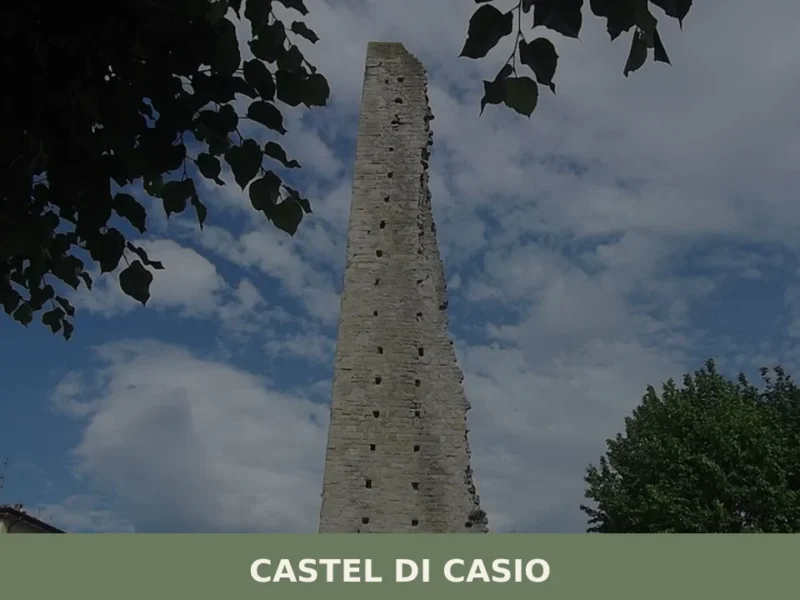
In February 1944, during the German retreat along the Gothic Line, the bridges over the Limentra di Treppio torrent were blown up one by one, cutting the territory of Castel di Casio in two. That act of destruction left a lasting mark on the collective memory of a mountain municipality that, as far back as […]
Ravenna
 Sea
Sea
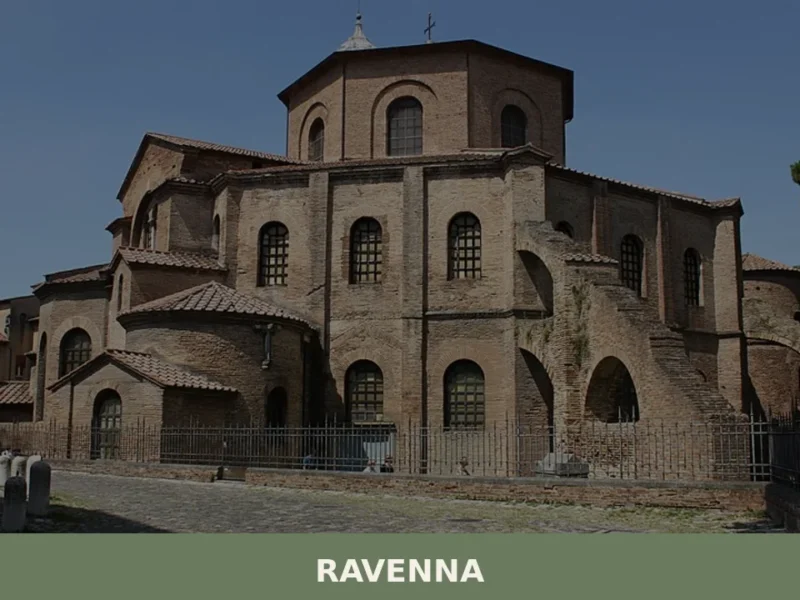
With a population of 155,751 inhabitants and located just 4 m above sea level, Ravenna stands out as one of Emilia-Romagna’s most significant centers, a historical crossroads that has shaped the region’s identity. In this article History and origins of Ravenna What to see in Ravenna: main attractions Typical cuisine and products of Ravenna Festivals, […]
Bobbio
Hills
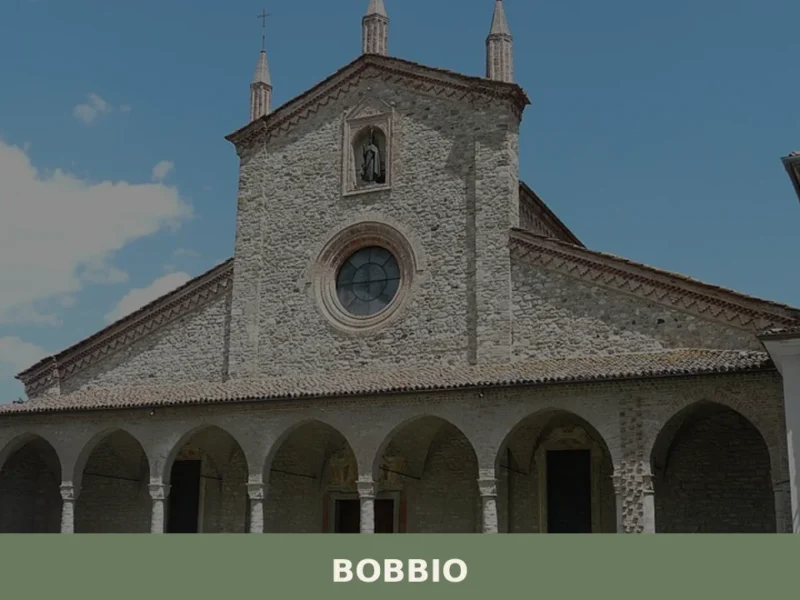
What to see in Bobbio: a town of 3,710 at 272 m in the Trebbia valley, with a 614 AD abbey, the medieval Ponte Gobbo and a hilltop castle. Plan your visit now.
Anzola dell’Emilia
Plains
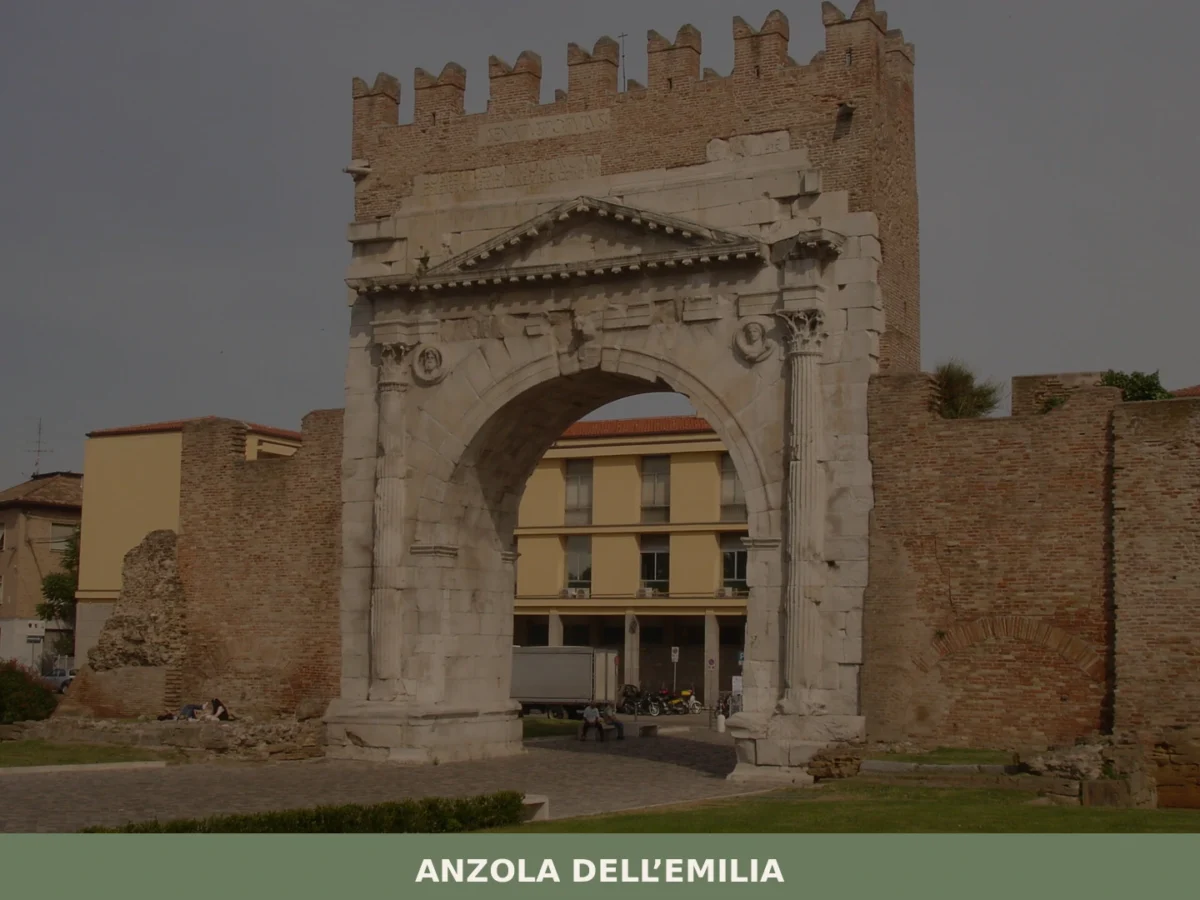
What to see in Anzola dell'Emilia: 5 must-visit attractions, from the medieval tower to the parish church. Discover the complete guide and plan your visit.
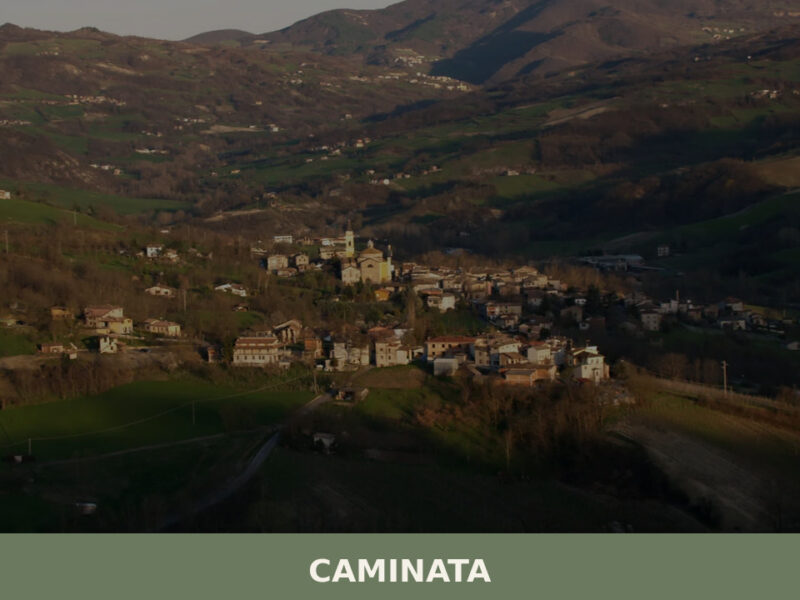
Caminata
Hills
Caminata sits at 364 metres in the Val Tidone, Piacenza province. A guide to its church, trails, Apennine food traditions, and surrounding landscape.
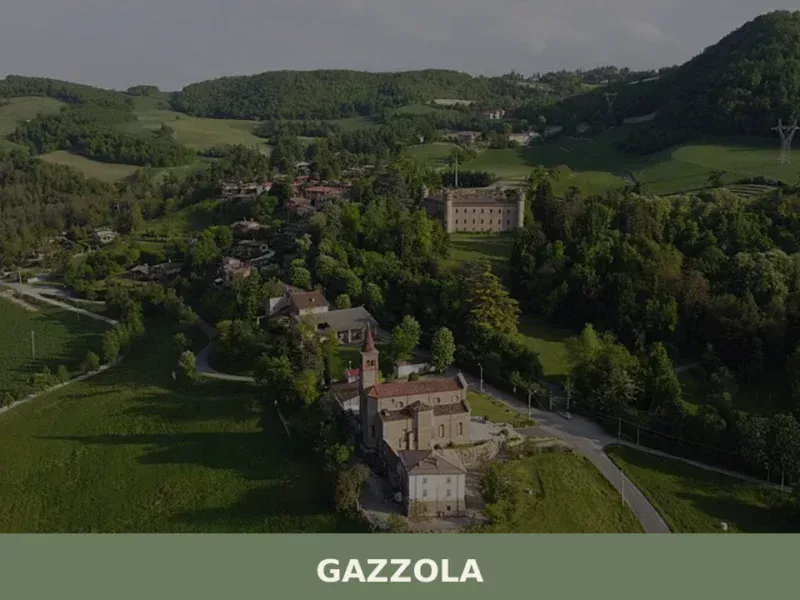
Gazzola
Plains
What to see in Gazzola, a Piacenza hill village at 146 m with 2,050 residents. Explore Rivalta Castle, the Luretta valley and Colli Piacentini DOC wines. Plan your visit.
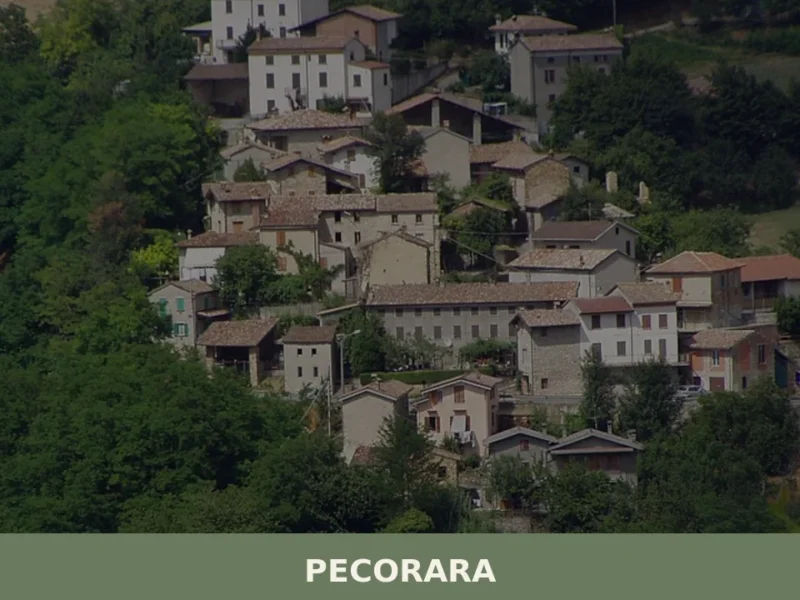
Pecorara
Hills
What to see in Pecorara? Discover 5 must-see attractions in this Emilia-Romagna village. Read the full guide and plan your visit!
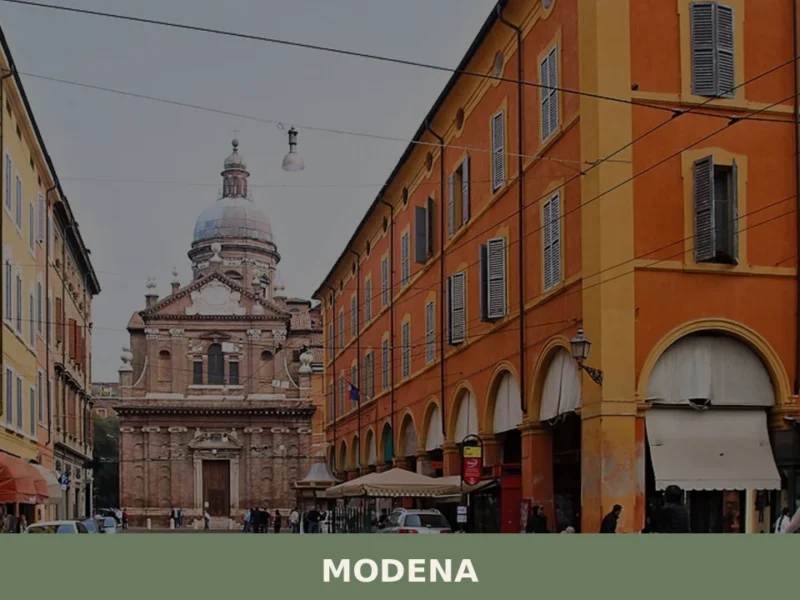
Modena
Plains
what to see in modena. Discover the UNESCO Duomo and Ducal Palace. Explore this city of 179,000+ residents and taste typical Modenese products.
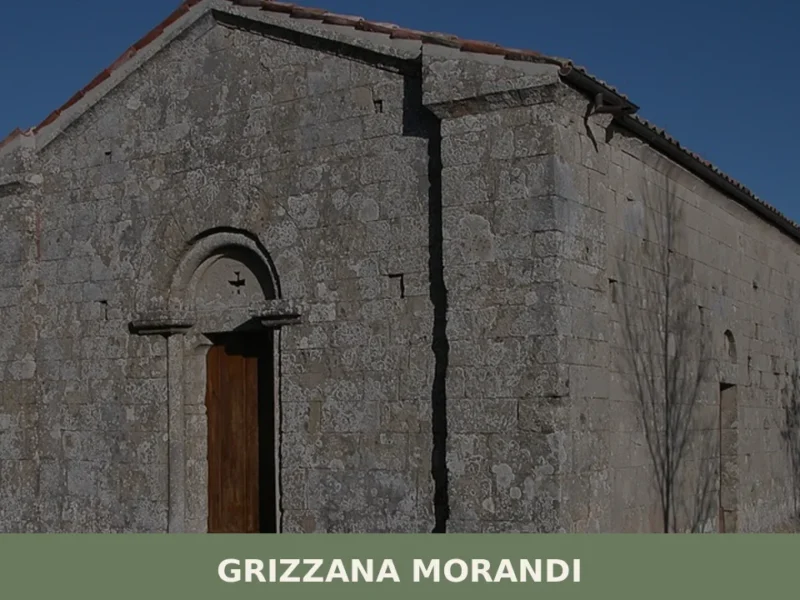
Grizzana Morandi
Hills
In 1929, the Bolognese painter Giorgio Morandi travelled to Grizzana for the first time — a scattered municipality in the Emilian Apennines that he would return to every summer for over thirty years. From the barns and tower-houses of this valley, he painted hundreds of landscapes, transforming the clay badlands and mountain ridgelines into universal […]


🏡 Know San Giorgio Piacentino better than we do?
If you’re a local or have been there, your knowledge matters: add what’s missing or fix a detail on this page.