


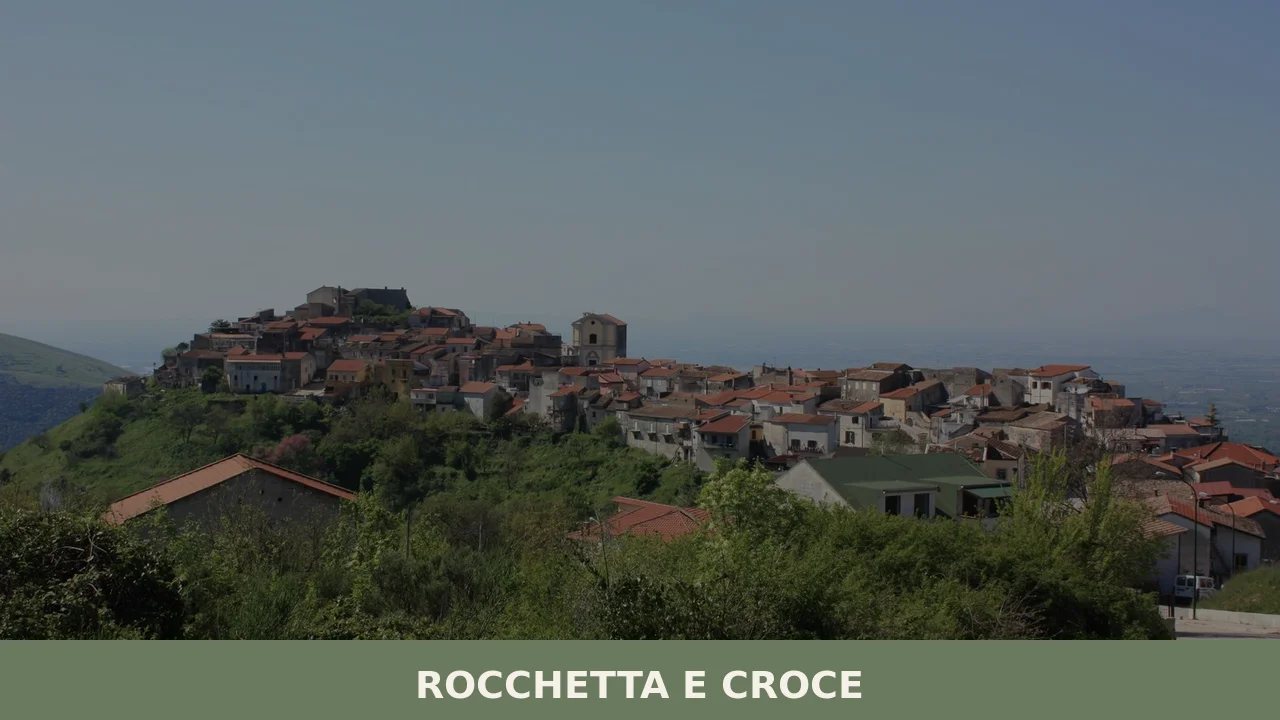
Rocchetta e Croce
Scopri Rocchetta e Croce, un incantevole borgo di Caserta. La nostra guida ti svela cosa vedere, attrazioni imperdibili e la storia di questo gioiello della Campania.
Discover Rocchetta e Croce
At 459 meters above sea level, in the heart of the province of Caserta, lies Rocchetta e Croce, a municipality whose name evokes the fusion of two distinct historical settlements, administratively united into a single center. With a population of 447 inhabitants, this hillside settlement offers a glimpse into rural Campania life, where the pace is set by nature and traditions. For those wondering about what to see in rocchetta e croce, the village presents views that reflect its history and an environment that invites careful observation, away from the more frequented tourist routes, revealing the essence of a territory still deeply connected to its identity.
History and Origins of Rocchetta e Croce
The history of Rocchetta e Croce has its roots in the Middle Ages, a period when the area surrounding the current settlement was dotted with fortified outposts. The name of the village itself is telling: “Rocchetta” derives from the presence of a stronghold or minor fortification, while “Croce” is thought to refer to a crossroads or an ancient religious symbol. The first documented evidence dates back to the 11th century, when the territory was part of the dependencies of the Abbey of Montecassino, an influence that profoundly marked the culture and social organization of the area for centuries.
Over the subsequent centuries, control of the feudal estate passed to various noble families, including the Cantelmo, the Marzano, and, in more recent times, the Caracciolo. These lordships contributed to the urban configuration of the village, with the construction of buildings that still today speak of a past of power and daily life. The economy was predominantly agricultural, focused on the cultivation of olives, vines, and cereals, activities that shaped the landscape and customs of the population. The elevated position provided natural defense and visual control over the surrounding territory, strategic for the minor communication routes that crossed the Caserta hinterland.
For more information on the history of the municipality, you can consult the Wikipedia page or the official website of the Municipality of Rocchetta e Croce.
What to see in rocchetta e croce: 5 main attractions
Despite its small size, Rocchetta e Croce offers several points of interest that allow visitors to grasp the essence of the village and its historical context. For those visiting the location, here is what to see in rocchetta e croce, through elements that define its identity.
The Church of San Vito
Dedicated to the village’s patron saint, the Church of San Vito represents the focal point of religious and social life. Its structure, while having undergone modifications over the centuries, retains architectural elements that reveal its antiquity. The interior houses sacred art and furnishings that attest to the devotion of the local community, particularly during the patron saint’s feast day on September 1st.
The Remains of Rocchetta Castle
On the highest part of the hill, one finds the remains of the ancient Rocchetta Castle, a medieval fortification that once overlooked the valley. Although today only portions of the walls and some masonry structures remain, these ruins offer clear evidence of the village’s defensive function and allow one to imagine the original building’s grandeur.
The Ducal Palace
Located in the heart of the oldest part of the settlement, the Ducal Palace is a historic building that served as the residence for the noble families who held the feudal estate. Its facade, despite its simplicity, displays a restrained elegance. By observing the architectural details, one can perceive the historical layers and the succession of different construction periods.
The Historic Center
Walking through the streets of Rocchetta e Croce’s historic center means traversing a network of passages that develop around the oldest buildings. The buildings, often made of local stone, appear in succession, displaying the spontaneous architecture typical of hillside villages, with views and glimpses opening unexpectedly between the homes.
The Belvedere over the Volturno Valley
Given its altitude, Rocchetta e Croce offers several panoramic points from which one can admire the vast expanse of the Volturno Valley. From these natural viewpoints, the gaze can sweep across the surrounding hills, cultivated fields, and waterways, offering a wide perspective on the agricultural and mountainous landscape of the Caserta hinterland.
Typical Cuisine and Local Products
The cuisine of Rocchetta e Croce, like that of the wider province of Caserta, is deeply rooted in peasant tradition and highlights local products. The dishes are simple, yet rich in genuine flavors, resulting from fresh ingredients and recipes passed down through generations. Among the excellent products that characterize the area, “Mozzarella di Bufala Campana DOP” is undoubtedly the most famous, with nearby dairies producing this fresh cheese with its unmistakable taste. There are also quality extra virgin olive oils, obtained from olive groves that dot the hills.
Local tables often feature homemade pastas, such as “cavatelli” or “lagane”, seasoned with hearty sauces based on local meats, like pork, or with seasonal vegetables. Legumes such as beans and chickpeas are widely used in soups and stews. Cured meats, produced from the artisanal processing of pork, are a fundamental component of the local gastronomy. The local wines, primarily based on indigenous grape varieties like Pallagrello or Casavecchia, accompany meals, reflecting the winemaking tradition of a part of the Caserta territory. The patron saint’s feast day of San Vito, on September 1st, is often an occasion to taste traditional specialties and sweets.
When to Visit Rocchetta e Croce: The Best Time
The best time to visit Rocchetta e Croce is spring, from April to June, or early autumn, between September and October. During these months, the climate is mild and pleasant, ideal for walks in the village and for exploring the surrounding nature trails. The vegetation is lush in spring and takes on warm colors in autumn, offering a visually interesting setting. Summer temperatures, especially in July and August, can be high, making exploration less comfortable during the central hours of the day.
A significant time to visit Rocchetta e Croce is September 1st, for the patron saint’s feast day of San Vito. During this celebration, the village comes alive with processions, religious events, and popular festivities, offering an opportunity to observe the traditions and liveliness of the local community up close.
How to Get to Rocchetta e Croce
Rocchetta e Croce is mainly accessible by private transport, given its hillside location.
- By car: From Caserta, you can take State Road 7 Via Appia heading north-west, then turn onto provincial roads that lead directly to the village. The nearest motorway exit is Capua (A1 Milan-Naples), from which Rocchetta e Croce is about 25-30 km away. Naples is approximately 60 km away.
- By train: The nearest train station is Caserta, well connected to major Italian cities. From Caserta, it is possible to continue by local bus service (with limited frequency) or by taxi.
- By plane: The nearest airport is Naples-Capodichino International Airport (NAP), located approximately 55 km from Rocchetta e Croce. From the airport, you can reach Caserta via shuttle bus and then continue as indicated above.
Other Villages to Discover in Campania
The province of Caserta and the entire Campania region are dotted with small centers that offer equally genuine travel experiences. Rocchetta e Croce is part of a territorial context rich in hillside villages that retain the appeal of a lesser-known Italy. A short distance away, it is possible to explore other places that share a similar historical and cultural heritage, offering architecture, traditions, and landscapes that warrant attention.
Among these, one can mention Roccaromana, another village in the province of Caserta that offers evidence of a medieval past and panoramic views over the surrounding valleys, and Tora e Piccilli, a municipality known for its history and natural resources, including the Roccamonfina-Foce Garigliano Regional Park, an area of significant geological and naturalistic interest.
{ “seo_title”: “Rocchetta e Croce: what to see in the Caserta village”, “seo_description”: “Discover what to see in Rocchetta e Croce,
In Campania More villages to discover
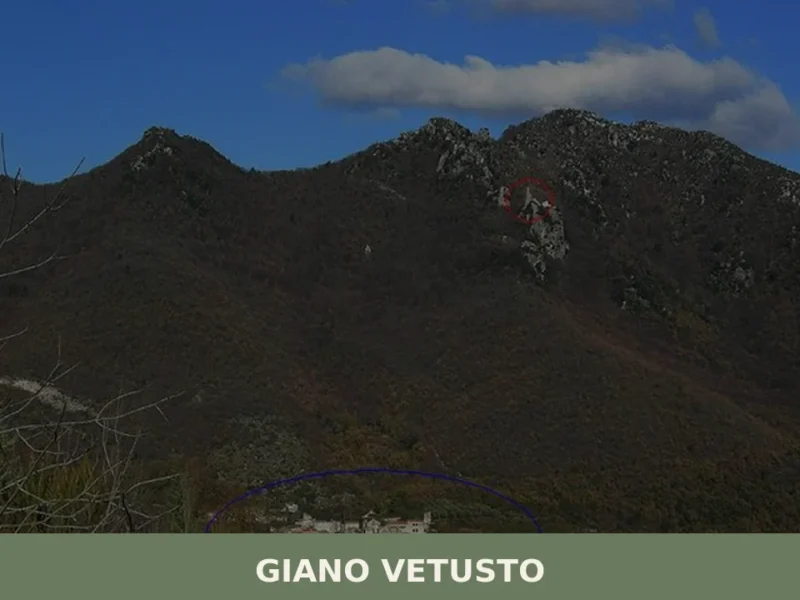
Giano Vetusto
What to see in Giano Vetusto: Church of Sant'Antonio, historic centre, agricultural landscape, local cuisine and how to reach this hillside village near Caserta.
Valle Agricola
Valle Agricola, a municipality of 960 inhabitants in the province of Caserta, rises to 691 meters above sea level, representing a mountain settlement within the Matese Massif. Its geographical position, between peaks and valleys, has for centuries determined the social and economic dynamics of the place, oriented towards livestock farming and subsistence agriculture. For those […]
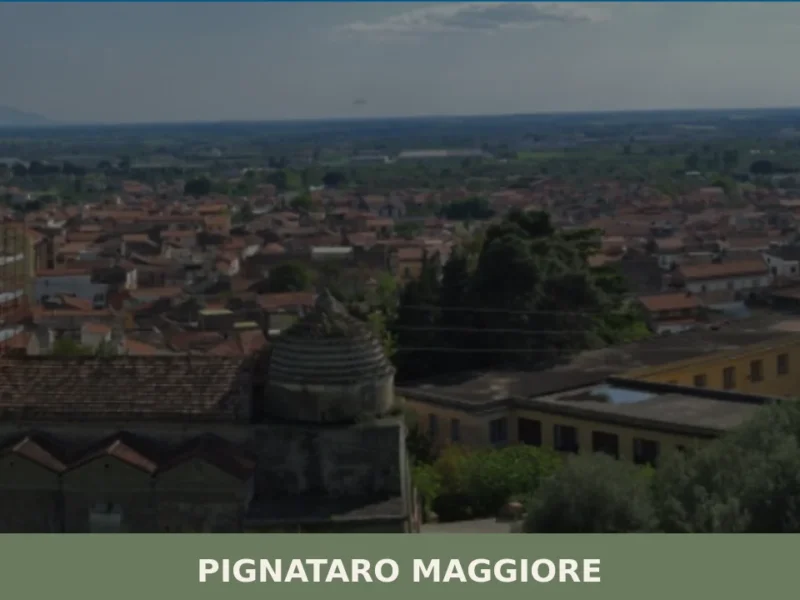
Pignataro Maggiore
What to see in Pignataro Maggiore: 5,733 residents, 93m above sea level in Caserta province. Visit San Giorgio Church, historic centre, 'Ndunderi PAT gnocchi. Plan your trip now.


📝 Incorrect information or updates?
Help us keep the Rocchetta e Croce page accurate and up to date.