


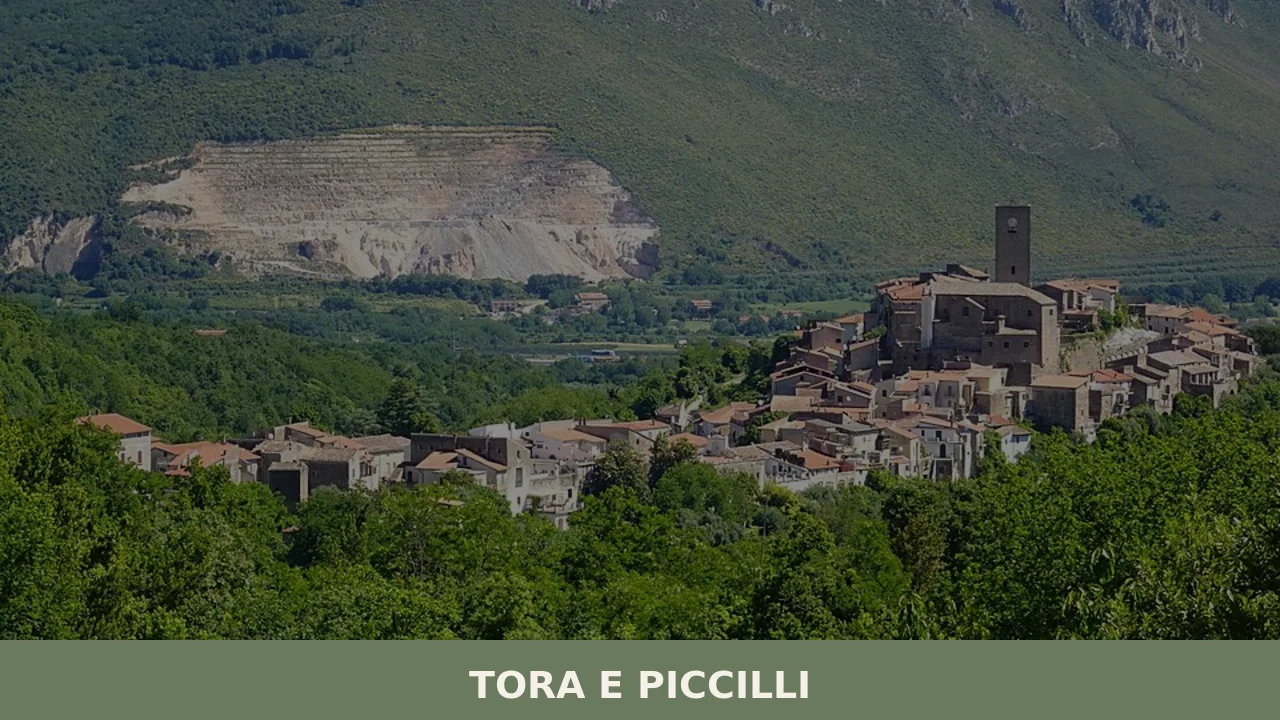
Tora e Piccilli
 Hills
Hills
What to see in Tora e Piccilli, Italy: discover this Caserta comune at 343 m altitude. Explore its hilly landscape and small-town character. Read our complete guide.
Discover Tora e Piccilli
The air in Tora e Piccilli, a comune (municipality) in Italy’s Caserta province, carries the quiet hum of a small community, home to 767 inhabitants. Situated at an elevation of 343 meters (1,125 ft) above sea level, the village unfolds across a hilly landscape, characteristic of the Campania region.
Its geographical position, approximately 60 kilometers (37 mi) northwest of Naples, places it within a rural setting yet accessible to major urban centers.
For those planning a trip and wondering what to see in Tora e Piccilli, the village offers a distinct experience focused on its administrative identity and natural surroundings. Visitors to Tora e Piccilli find its primary appeal in the genuine atmosphere of a small Italian *comune* and the expansive views from its elevated position. The highlights include exploring the tranquil streets and appreciating the broader context of the Caserta province.
History of Tora e Piccilli
The modern administrative identity of Tora e Piccilli is that of a *comune* within the Province of Caserta, a designation that defines its local governance and civic structure in contemporary Italy. This status reflects a long evolution of settlement patterns in the Campania region, where smaller communities have historically organized themselves around local needs and resources.
The village’s population of 767 inhabitants points to a continuity of life that has adapted to its geographical setting over many centuries.
Tora e Piccilli’s location, about 40 kilometers (25 mi) northwest of Caserta and 60 kilometers (37 mi) northwest of Naples, highlights its historical connection to these significant regional hubs. The Province of Caserta itself has a rich and complex history, marked by various dominations and cultural influences that have shaped its towns and countryside. The hilly terrain, or ‘collina’ theme, of Tora e Piccilli likely influenced its development, offering natural defenses or agricultural advantages that attracted early settlers.
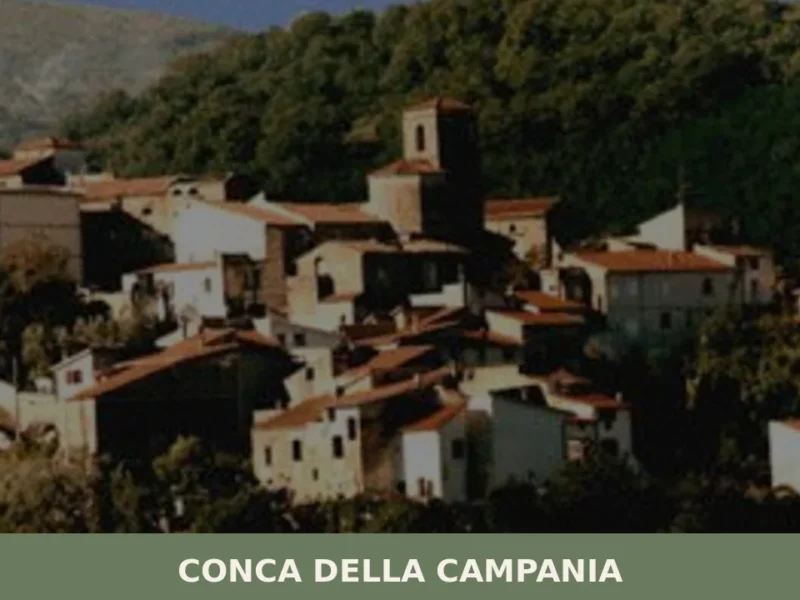
While specific historical events or founding dates for Tora e Piccilli are not extensively detailed in available sources, its existence as a *comune* bordering municipalities like Conca della Campania, Marzano Appio, and Presenzano indicates a shared regional history. These neighboring towns, like Tora e Piccilli, contribute to the intricate network of communities that comprise the broader cultural and historical landscape of northern Campania.
Understanding its administrative and geographical context provides insight into its enduring presence in the Italian landscape.
What to see in Tora e Piccilli, Campania: top attractions
The Comune Identity of Tora e Piccilli
A primary point of interest for those exploring what to see in Tora e Piccilli is the very identity of the village as a self-governing *comune*. With a population of just 767 inhabitants, the village embodies the intimate scale of rural Italian life, offering a palpable sense of community. Visitors can observe the daily rhythms of a small town, where local interactions and traditions form the fabric of existence. This offers a different perspective compared to larger urban centers in Campania.
The Hilly Landscape and Panoramic Views
The ‘collina’ (hilly) theme of Tora e Piccilli is a defining characteristic, with the village situated at 343 meters (1,125 ft) above sea level. This elevation provides expansive views across the surrounding countryside of the Caserta province. The undulations of the terrain create a varied natural environment, inviting contemplation of the agricultural patterns and distant horizons.
Clear days offer opportunities to appreciate the broad geographical context of this part of southern Italy.
Proximity to Bordering Municipalities
Exploring the immediate vicinity of Tora e Piccilli reveals its close relationships with neighboring *comuni* such as Conca della Campania, Marzano Appio, and Presenzano. These bordering villages, while distinct, share a common geographical and administrative heritage within the Caserta province. A visit to Tora e Piccilli can easily extend to discovering these nearby communities, each contributing to the regional character. This network of small towns offers a deeper understanding of local life in Campania.
Strategic Location in Northern Campania
Tora e Piccilli’s location in the Province of Caserta, approximately 60 kilometers (37 mi) northwest of Naples and 40 kilometers (25 mi) northwest of Caserta, positions it as a potential base for regional exploration. This geographical triangulation allows visitors to appreciate the village’s quieter pace while remaining within a reasonable distance of more prominent historical and cultural sites. Understanding its placement helps in planning day trips to explore the wider area.
The accessibility to major transport routes from Caserta makes it a viable starting point for excursions.
The Rural Character of a Caserta Village
The general ambiance of Tora e Piccilli is shaped by its rural setting, typical of many smaller communities in the Caserta province. The presence of a modest population and the ‘collina’ designation suggest an environment where agricultural practices and a connection to the land remain significant. Visitors can experience the quietude and simplicity often associated with Italian village life, a contrast to the bustling coastal areas. This offers a moment to slow down and observe local routines in a setting that reflects centuries of continuity.
Local food and typical products of Tora e Piccilli
While specific culinary traditions unique to Tora e Piccilli are not detailed in available sources, the village’s location within the Province of Caserta places it firmly within the rich gastronomic landscape of Campania. This region is renowned throughout Italy for its fertile lands and exceptional produce, influencing the diets and cooking methods of its inhabitants for generations. The hilly terrain around Tora e Piccilli would historically have supported various forms of agriculture, from olive groves to vineyards, shaping local dietary staples.
The broader Campanian cuisine is characterized by its fresh, high-quality ingredients and simple preparations that highlight natural flavors.
Dishes often feature durum wheat pasta, locally sourced vegetables like San Marzano tomatoes, and robust olive oil. Iconic regional specialties include creamy Mozzarella di Bufala Campana, a fresh cheese made from water buffalo milk, and traditional Neapolitan pizza. Other common preparations include hearty vegetable soups, various seafood dishes from the nearby coast, and flavorful meat stews, all prepared with an emphasis on local seasonality.
Regarding certified products, the provided data for Tora e Piccilli does not list any specific Protected Designation of Origin (DOP) or Protected Geographical Indication (IGP) items originating directly from the *comune*. However, the wider Caserta province and Campania region boast numerous such products that contribute significantly to Italian culinary heritage.
These regional certifications guarantee the origin and traditional production methods of various foods, from specific olive oils to particular types of pasta and cheeses.
Visitors exploring the Caserta area might encounter products like the Mela Annurca Campana (IGP), a distinctive local apple, or the aforementioned Mozzarella di Bufala Campana (DOP), which is produced across a wide area of Campania and Lazio. While Tora e Piccilli itself may not have dedicated markets listed, the general practice in Italian villages involves local farmers selling their produce directly or through small shops. Seeking out these regional specialties offers a way to experience the authentic flavors of Campania.
Festivals, events and traditions of Tora e Piccilli
Information regarding specific festivals, annual events, or unique traditions held within Tora e Piccilli is not provided in the available sources. Many small Italian *comuni* typically observe patron saint festivals, often celebrated with religious processions, local music, and community gatherings, usually falling on a specific date each year.
These events serve as important cultural anchors, bringing together residents and visitors in celebration of shared heritage and faith.
In the absence of specific details for Tora e Piccilli, it can be inferred that general Campanian traditions and holidays would be observed, such as Easter and Christmas, often marked by particular culinary customs and family gatherings. Local food fairs, known as *sagre*, are also common throughout the region, celebrating seasonal produce or traditional dishes. While the precise timing and nature of such events in Tora e Piccilli remain undocumented, visitors can often find a strong sense of local identity and community spirit in such villages throughout the year.
When to visit Tora e Piccilli, Italy and how to get there
The best time to visit Campania, and by extension Tora e Piccilli, generally spans from spring (April to June) through early autumn (September to October). During these months, the weather is typically mild and pleasant, ideal for exploring the hilly landscape and enjoying the rural atmosphere without the intense heat of the peak summer months. Spring brings blooming flora to the countryside, while autumn offers comfortable temperatures and the bounty of the harvest season.
For those interested in outdoor activities or simply soaking in the tranquil environment, these periods are particularly suitable.
Tora e Piccilli, being a small village, offers a relatively quiet experience, and its terrain, described as ‘collina’ or hilly, suggests that comfortable walking shoes are advisable for exploring. While specific accessibility details are not provided, many older Italian villages feature uneven surfaces and inclines. For international visitors, it is worth noting that English may be limited in smaller local shops and eateries, so carrying some Euros cash and a phrasebook can be useful for daily interactions.
To reach Tora e Piccilli, a day trip from a nearest major city like Caserta or Naples is quite feasible. From Naples, the journey covers approximately 60 kilometers (37 mi), while from Caserta, it is about 40 kilometers (25 mi). For those arriving by car, the most direct route typically involves taking the A1 motorway (Autostrada del Sole) towards Caserta, then continuing on local provincial roads that lead directly to the village. The nearest major train station is in Caserta, which is well-connected to Italy’s national rail network, including high-speed lines from Rome.
From Caserta train station, visitors would need to arrange for a local bus service or a taxi for the final leg of the journey to Tora e Piccilli.
The nearest major international airport is Naples International Airport (NAP), located approximately 65-70 kilometers (40-43 mi) from Tora e Piccilli, depending on the exact route. From the airport, travelers can take a shuttle bus to Naples Centrale train station and then proceed to Caserta by regional train, or rent a car directly from the airport. Driving from Naples airport typically takes around 1 hour and 15 minutes to 1 hour and 30 minutes, offering a convenient way to reach the village and explore the wider region. For up-to-date travel information and schedules, consulting the official website of the Municipality of Tora e Piccilli is recommended.
Visitors to Tora e Piccilli can extend their exploration of the Caserta province by including a visit to nearby Alife, a town known for its Roman amphitheater and ancient walls, which shares a rich historical context with the broader region. Another interesting destination in the vicinity is Castel Campagnano, a village that offers further insight into the diverse architectural and cultural heritage of Campania.
Nearby Villages near Tora e Piccilli
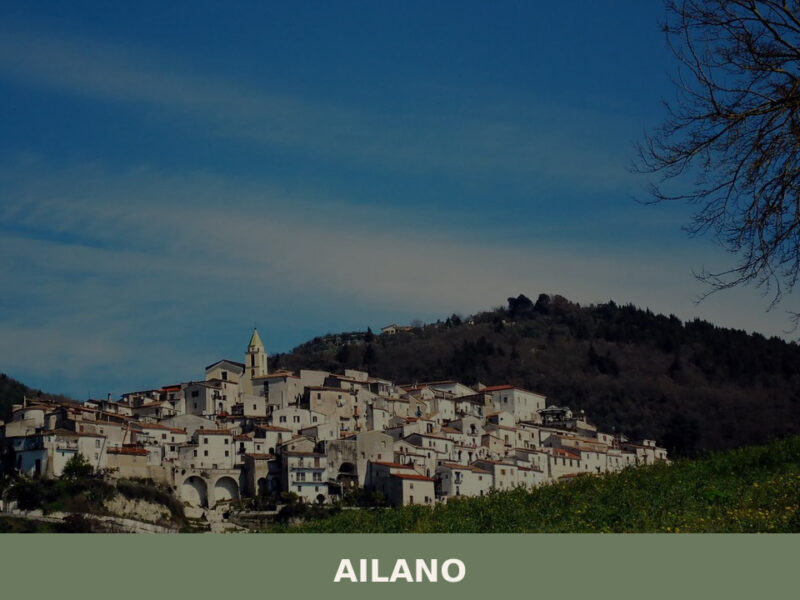
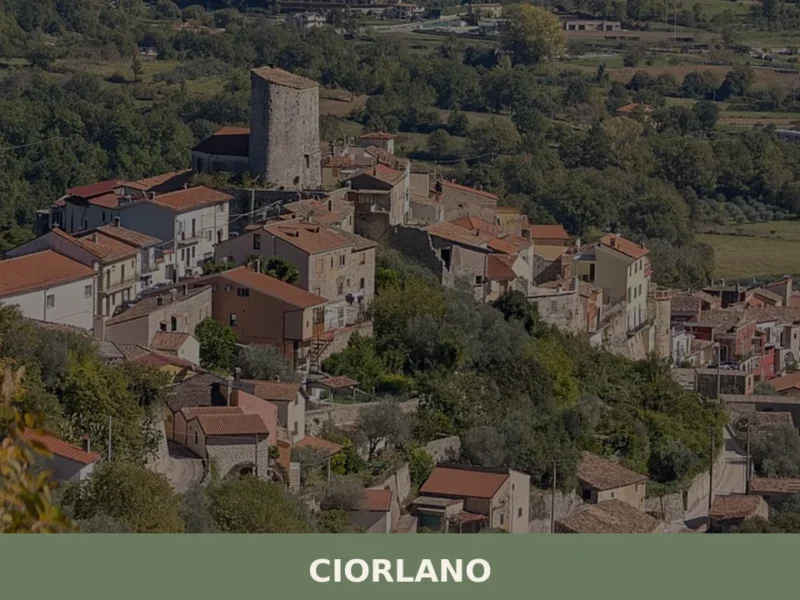
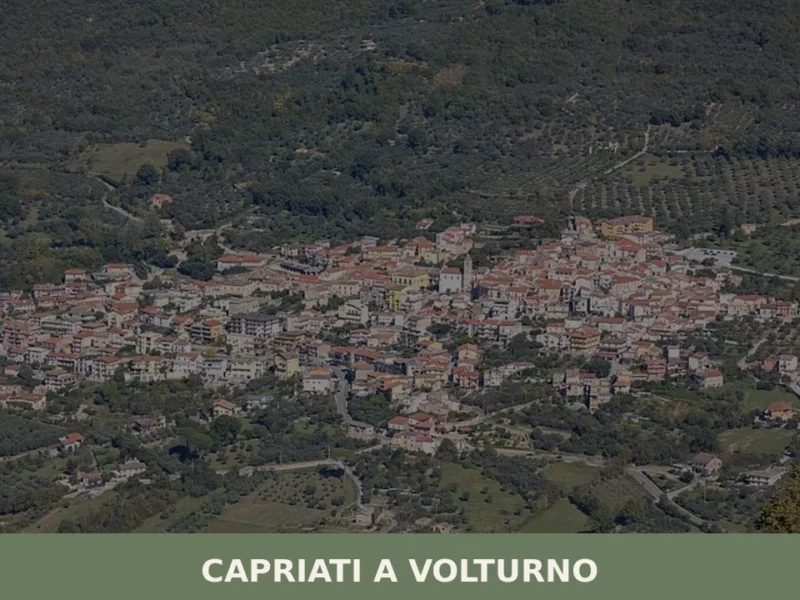
In Campania More villages to discover
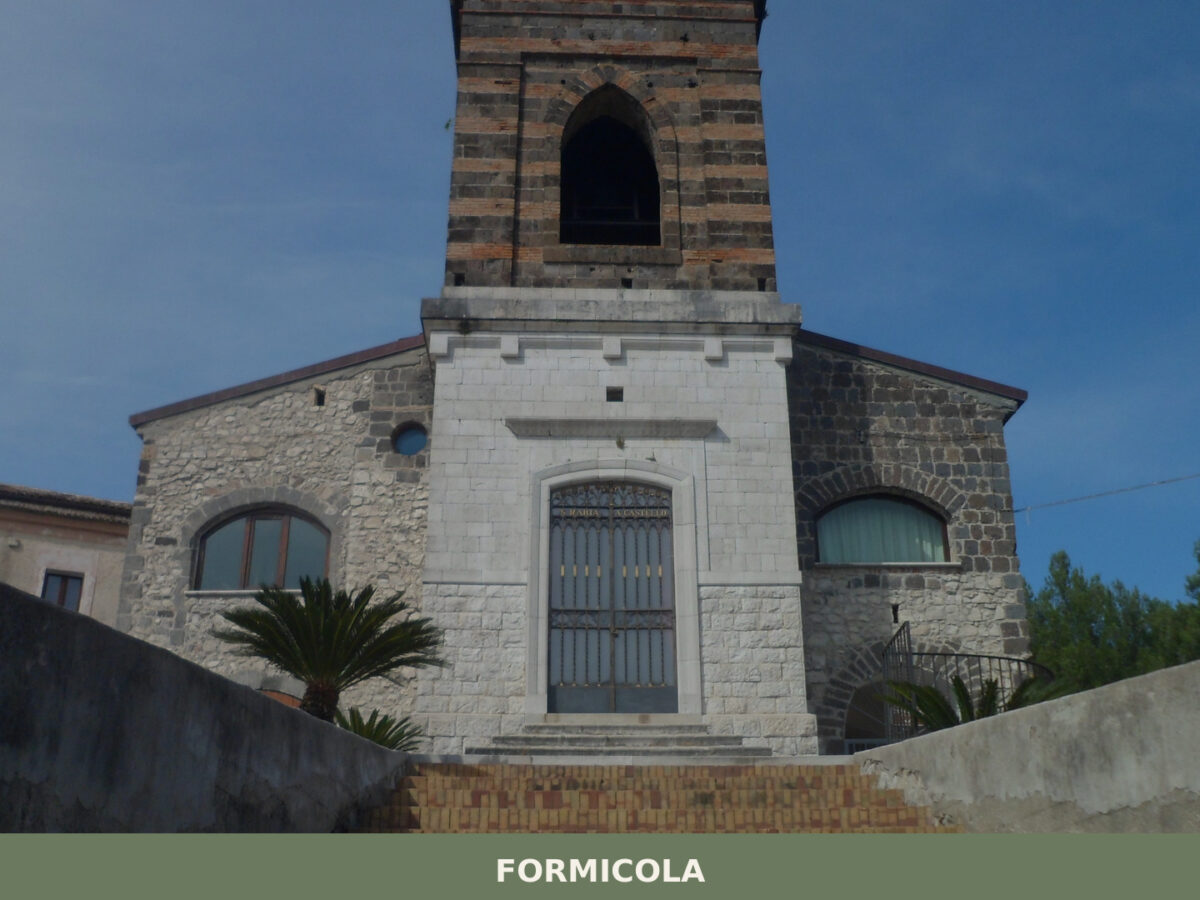
Formicola
 Plains
Discover Formicola, a picturesque village in Campania, Italy. Explore its rich history, stunning landscapes, and authentic Italian culture and traditions.
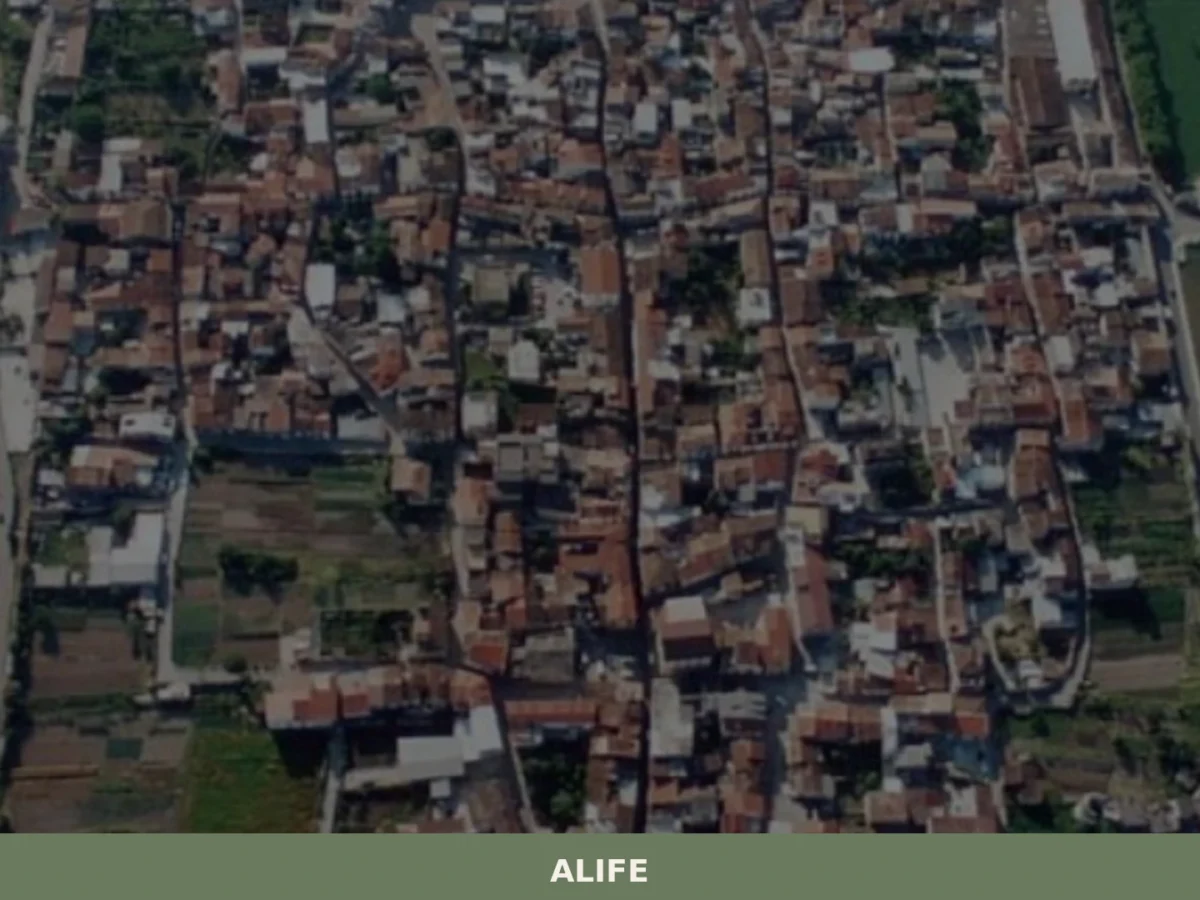
Alife
Plains
What to see in Alife, Italy: Discover at 110 m altitude the Roman Amphitheatre and the Cathedral of Alife. Explore Campania's rich history!
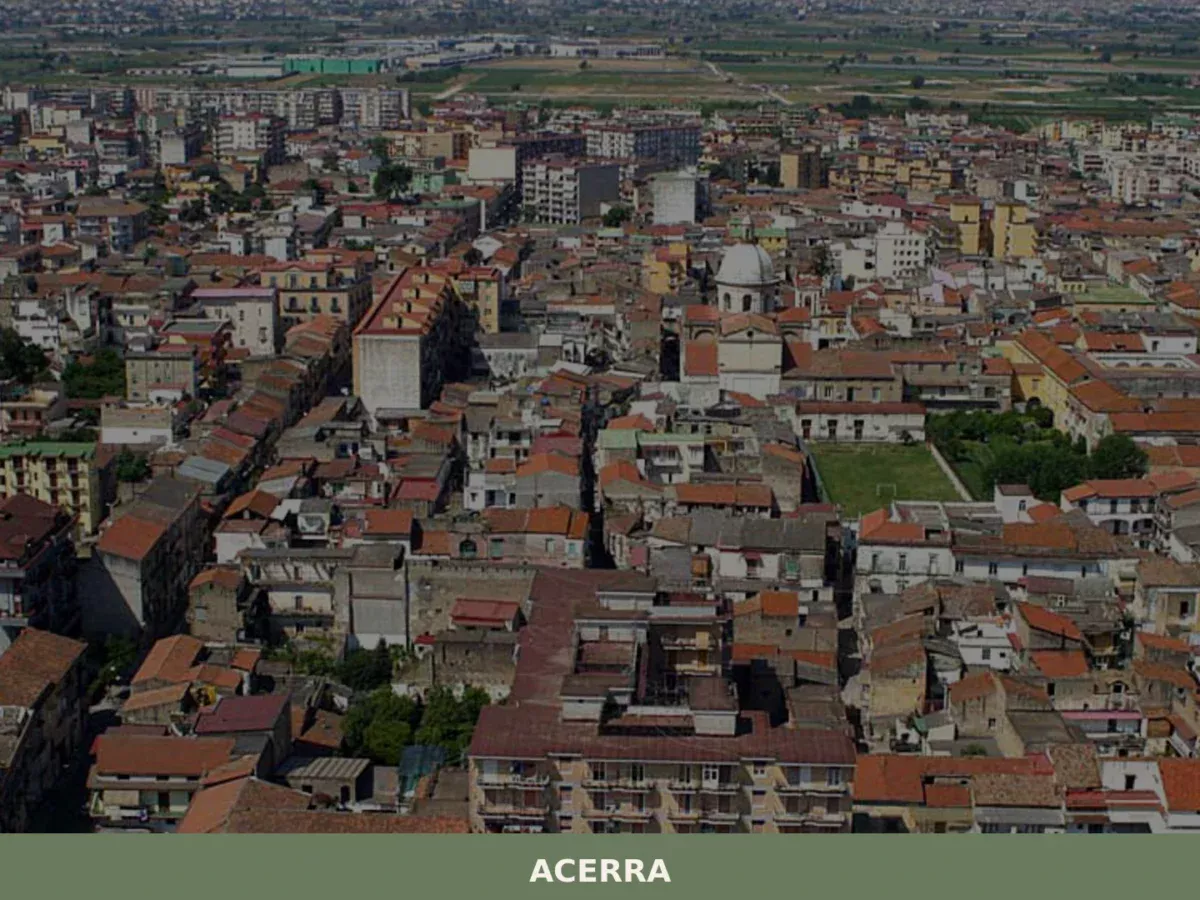
Acerra
Plains
Discover what to see in Acerra, Campania: Roman history, medieval castle, cathedral, local food and practical travel tips for this Naples metropolitan town.
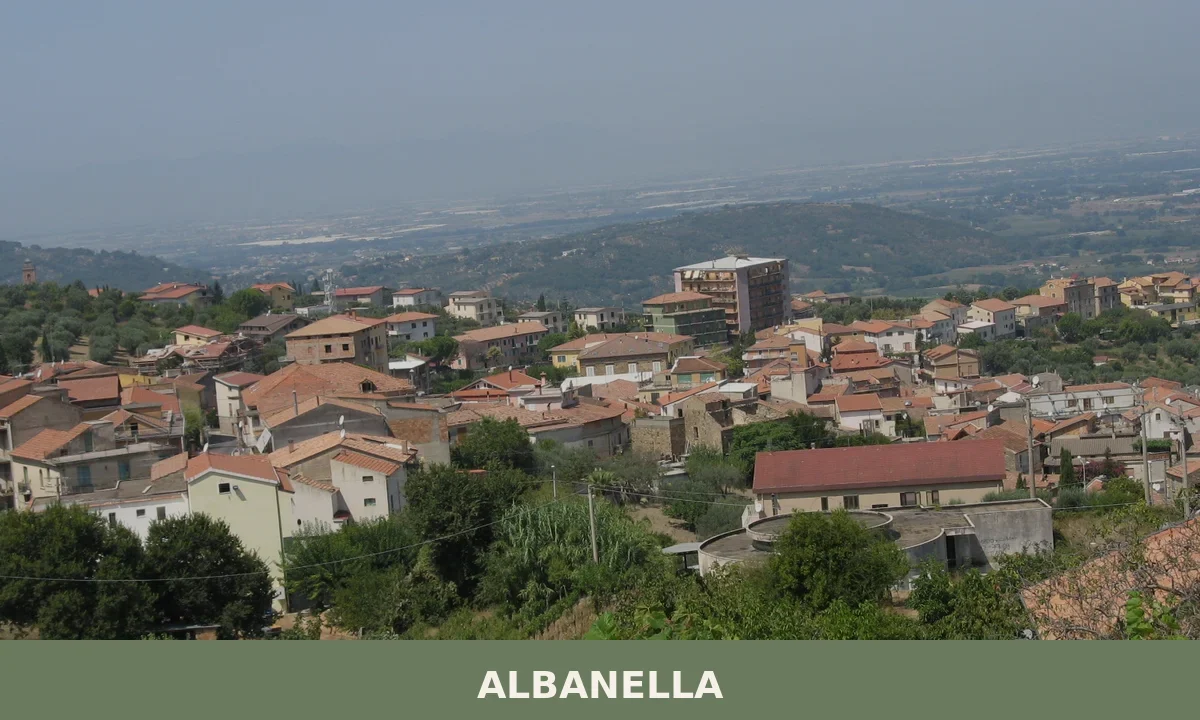
Albanella
Plains
Founded in 1003 by refugees fleeing saracen raids, Albanella sits on a strategic hill between the Alburni mountains and the Salerno gulf, home to the restored Santuario di Santa Sofia.
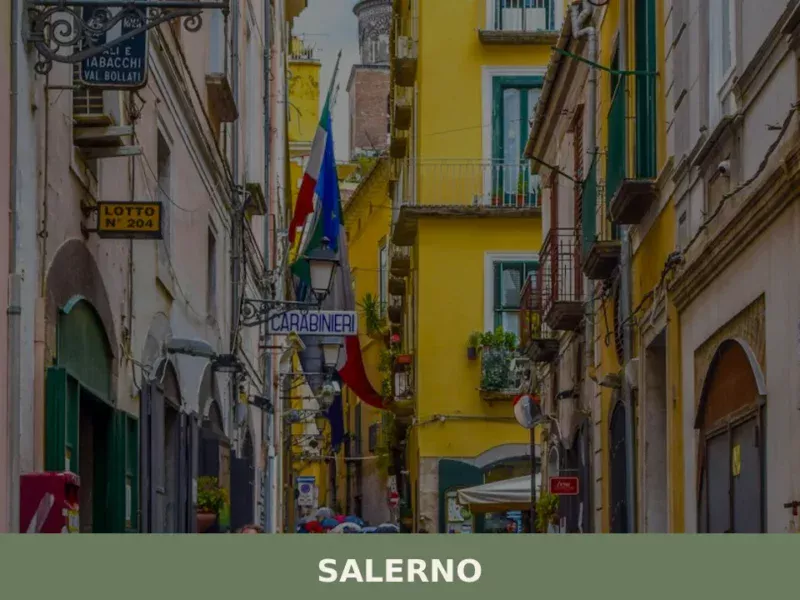
Salerno
 Sea
Sea
Discover Salerno, Italy, a charming coastal city in Campania. Explore its rich history, stunning cathedral, vibrant old town, and beautiful Mediterranean views. Plan your visit!
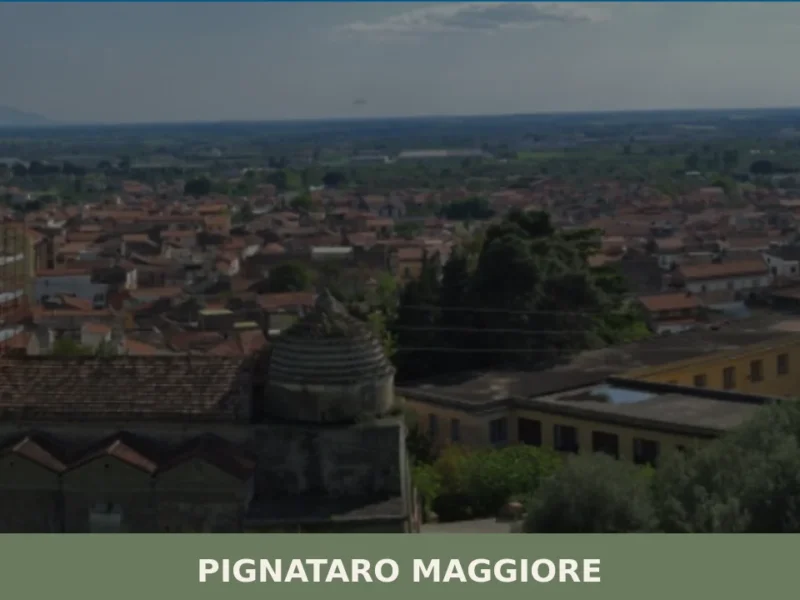
Pignataro Maggiore
Plains
What to see in Pignataro Maggiore: 5,733 residents, 93m above sea level in Caserta province. Visit San Giorgio Church, historic centre, 'Ndunderi PAT gnocchi. Plan your trip now.
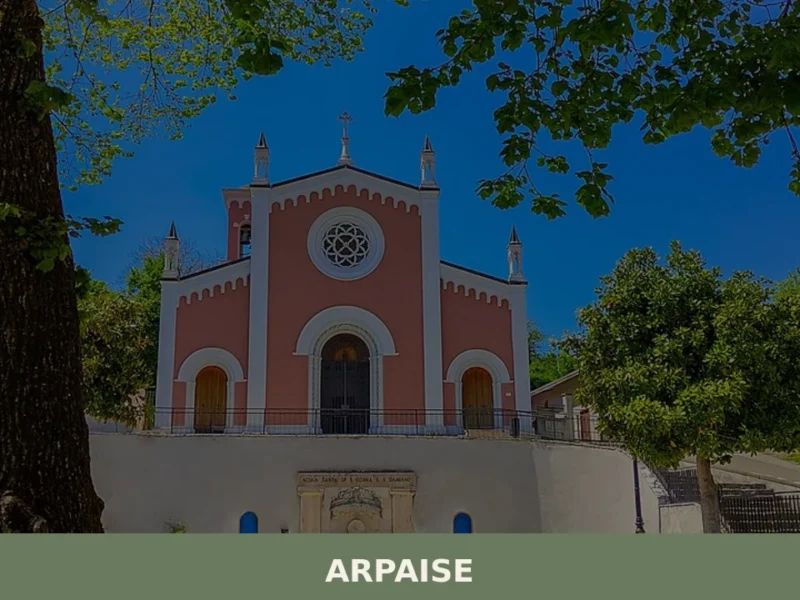
Arpaise
Hills
What to see in Arpaise, Italy: Discover this village of 735 inhabitants at 410 m (1,345 ft) altitude. Explore the Parish Church of San Rocco and panoramic views. Read our guide.
Camigliano
Plains
Morning light flattens across the plain north of Caserta, and Camigliano emerges low and unhurried — a grid of stone and plaster houses, church bells marking the quarter-hour to no one in particular. With fewer than two thousand residents, this is a settlement shaped more by agriculture than spectacle. Yet for those asking what to […]
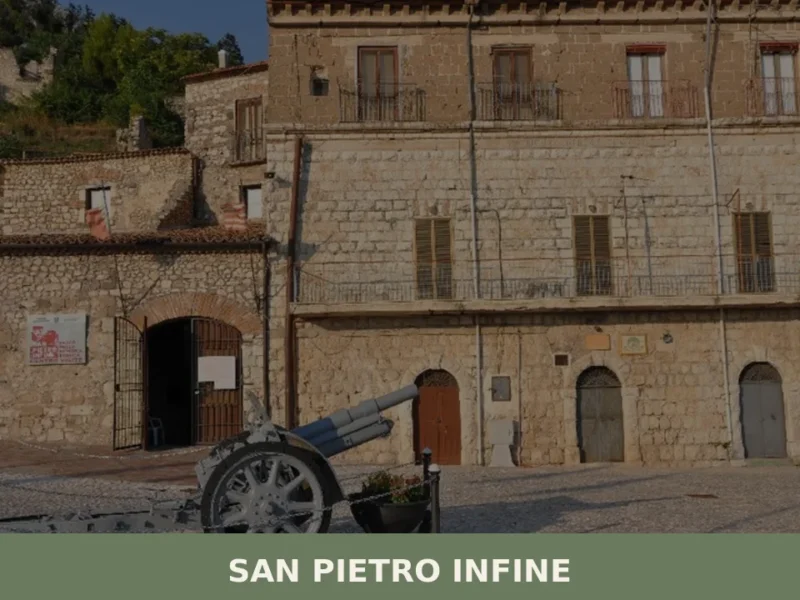
San Pietro Infine
Plains
In December 1943, San Pietro Infine was the scene of one of the bloodiest battles of the Italian Campaign, an event that saw the town almost completely razed to the ground and subsequently rebuilt. This historical memory deeply defines the identity of the village, located 140 meters above sea level in the province of Caserta, […]
Pratella
Plains
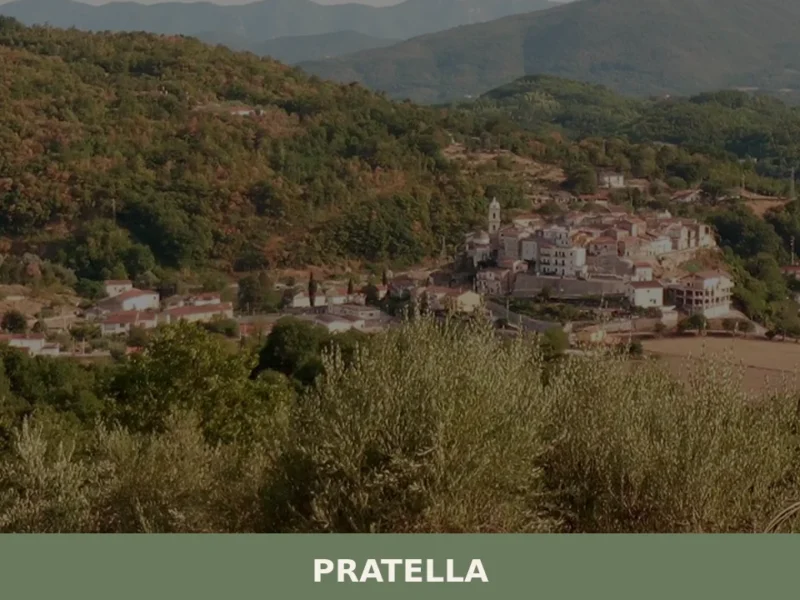
What to see in Pratella, Italy: This village of 1,408 inhabitants, at 152m altitude, offers its historic core and the San Nicola feast. Explore Campania.


🏡 Know Tora e Piccilli better than we do?
If you’re a local or have been there, your knowledge matters: add what’s missing or fix a detail on this page.